40 Disconnected Undercut Haircuts & Styles for Men (2026)
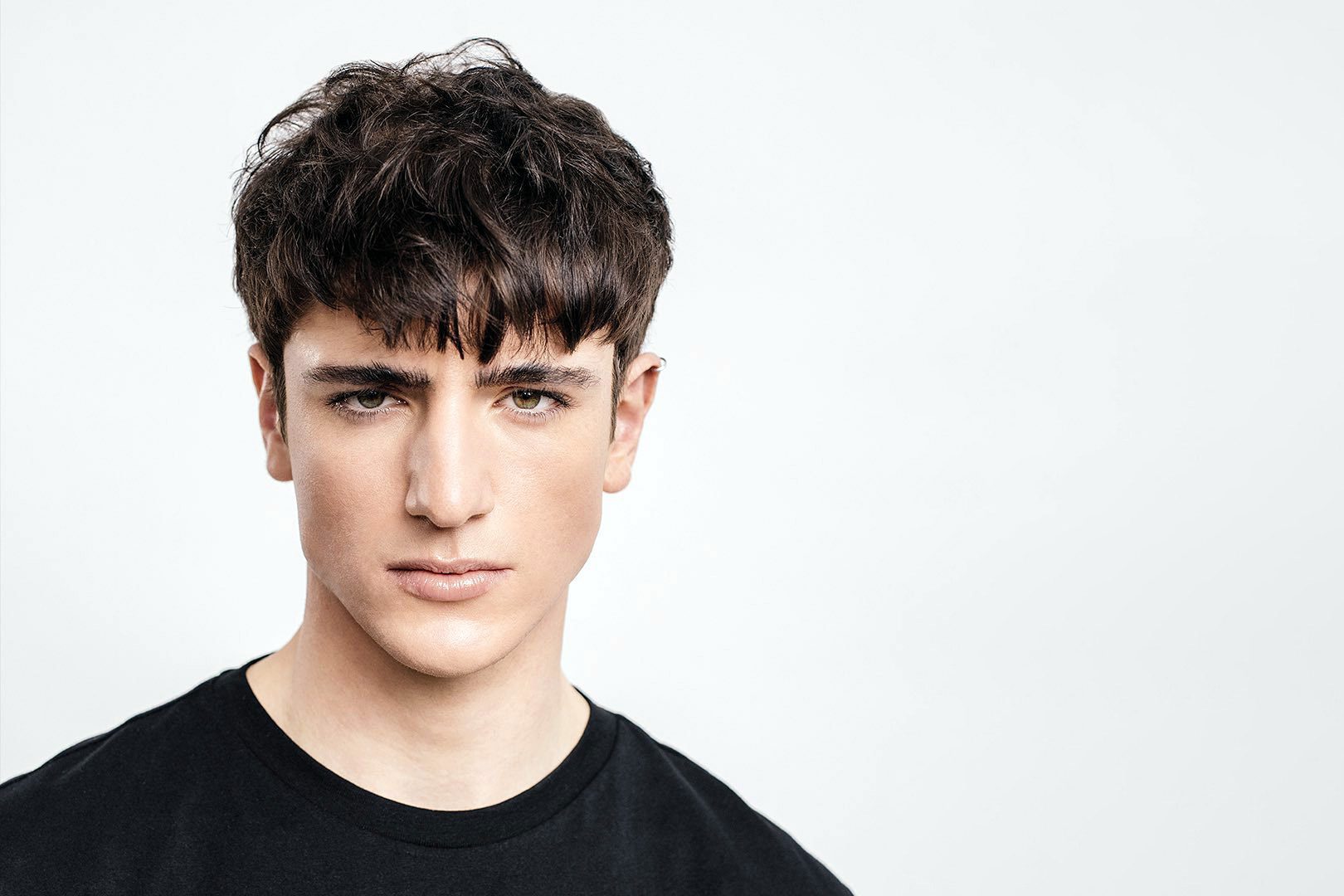
Startling, adventurous look that’s in line with today’s retro style.
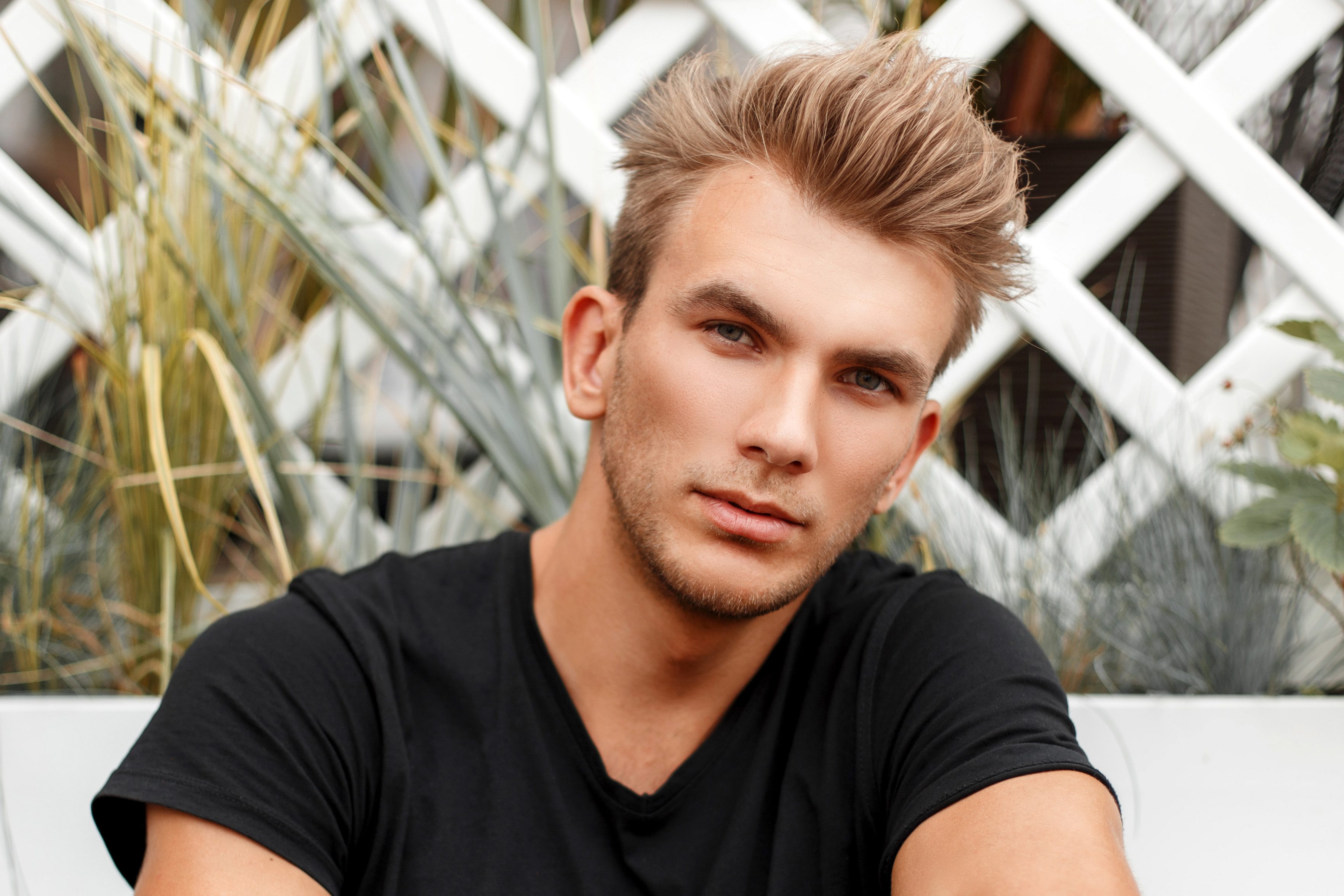
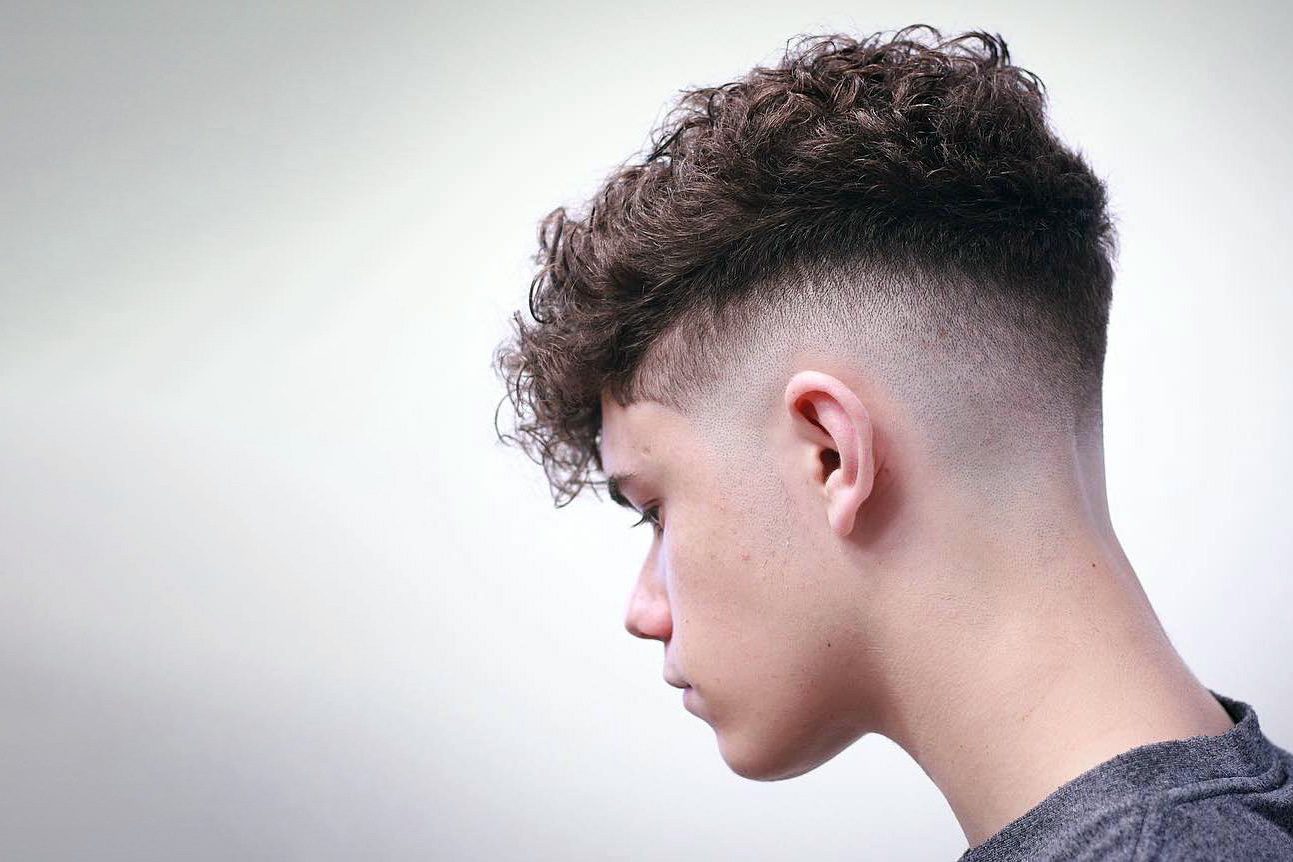
The disconnected undercut is a men’s haircut defined by a sharp contrast between longer hair on top and much shorter hair on the sides and back. Unlike a traditional fade, the top and sides aren’t gradually blended together—the distinct separation is what gives the disconnected undercut its signature look.
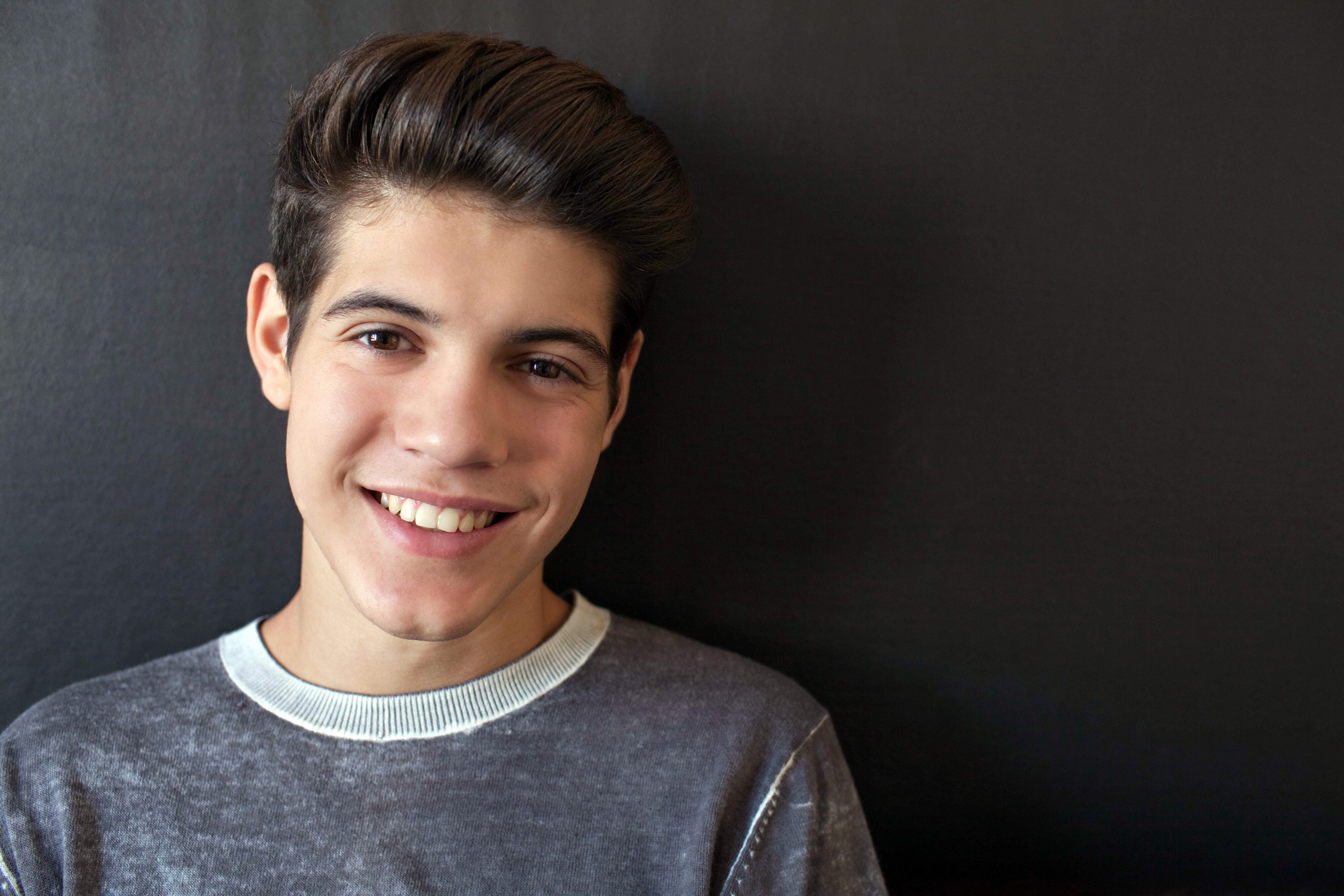
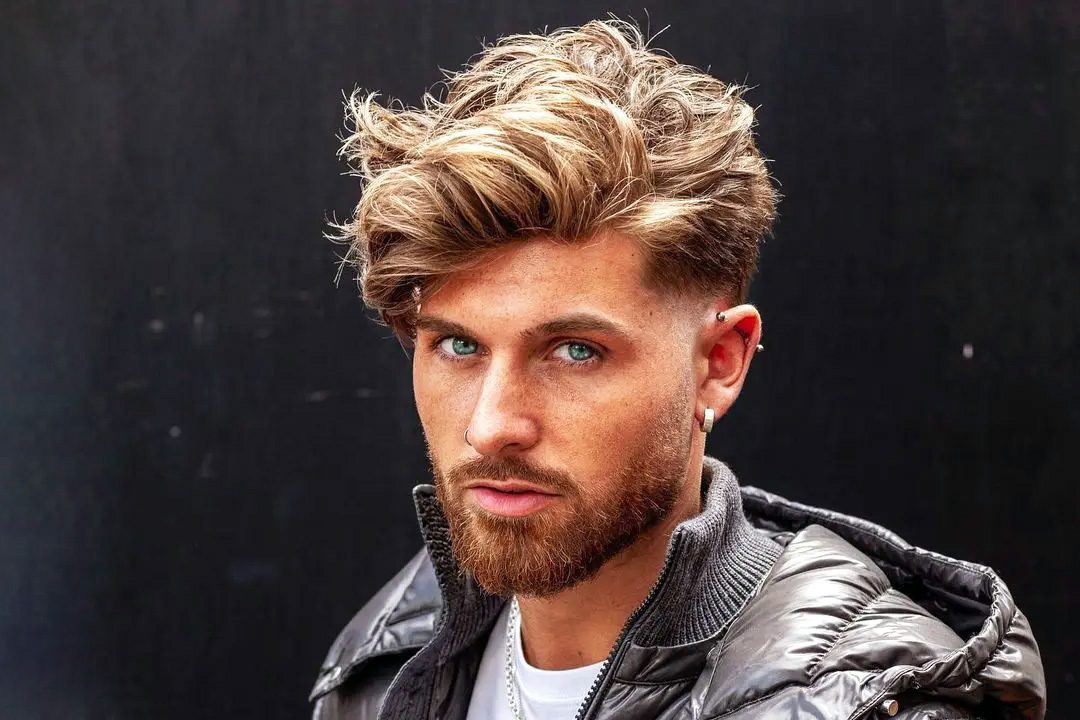
There are plenty of ways to wear a disconnected undercut. Keep the top slicked back for a classic finish, add a quiff or pompadour for extra volume, or leave the hair textured and messy for a more relaxed style. The cut also works with straight, wavy, and curly hair.
Below, you’ll find 40 disconnected undercut hairstyles, followed by tips on how to get the cut, how to style it, and how to maintain the sharp contrast between the top and sides.
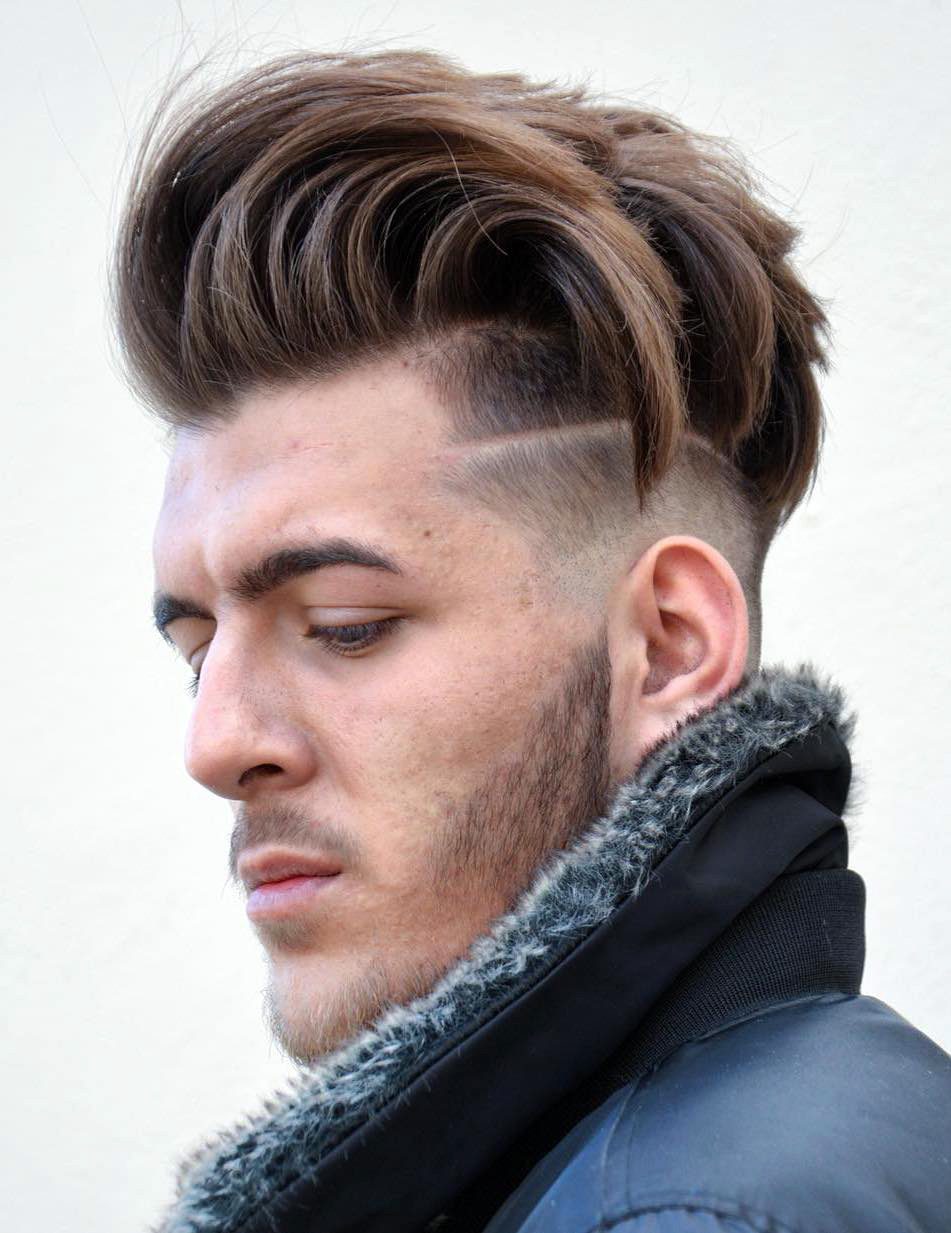
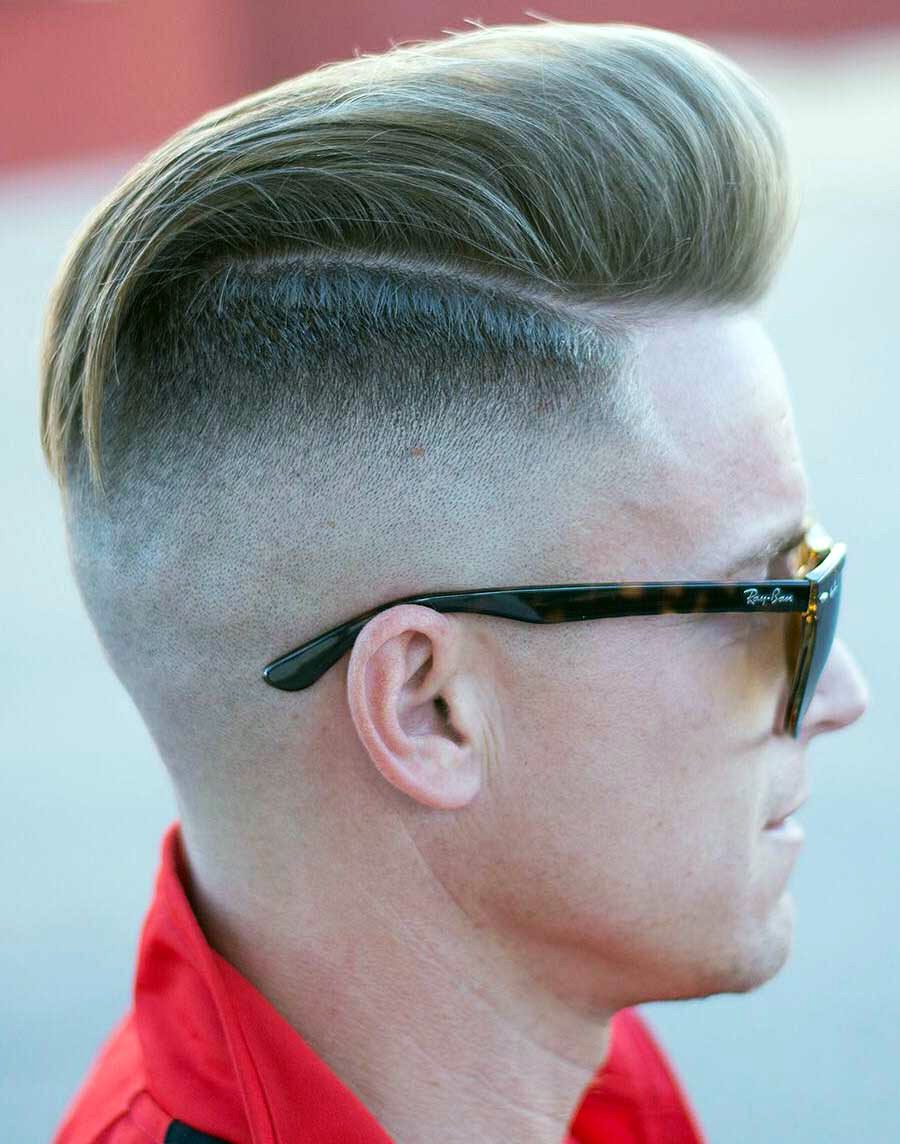
Side Swept
This high volume side swept style is great if you’re looking for a fashionable hairstyle that’s full of personality. We especially like how the hair hangs over the side.
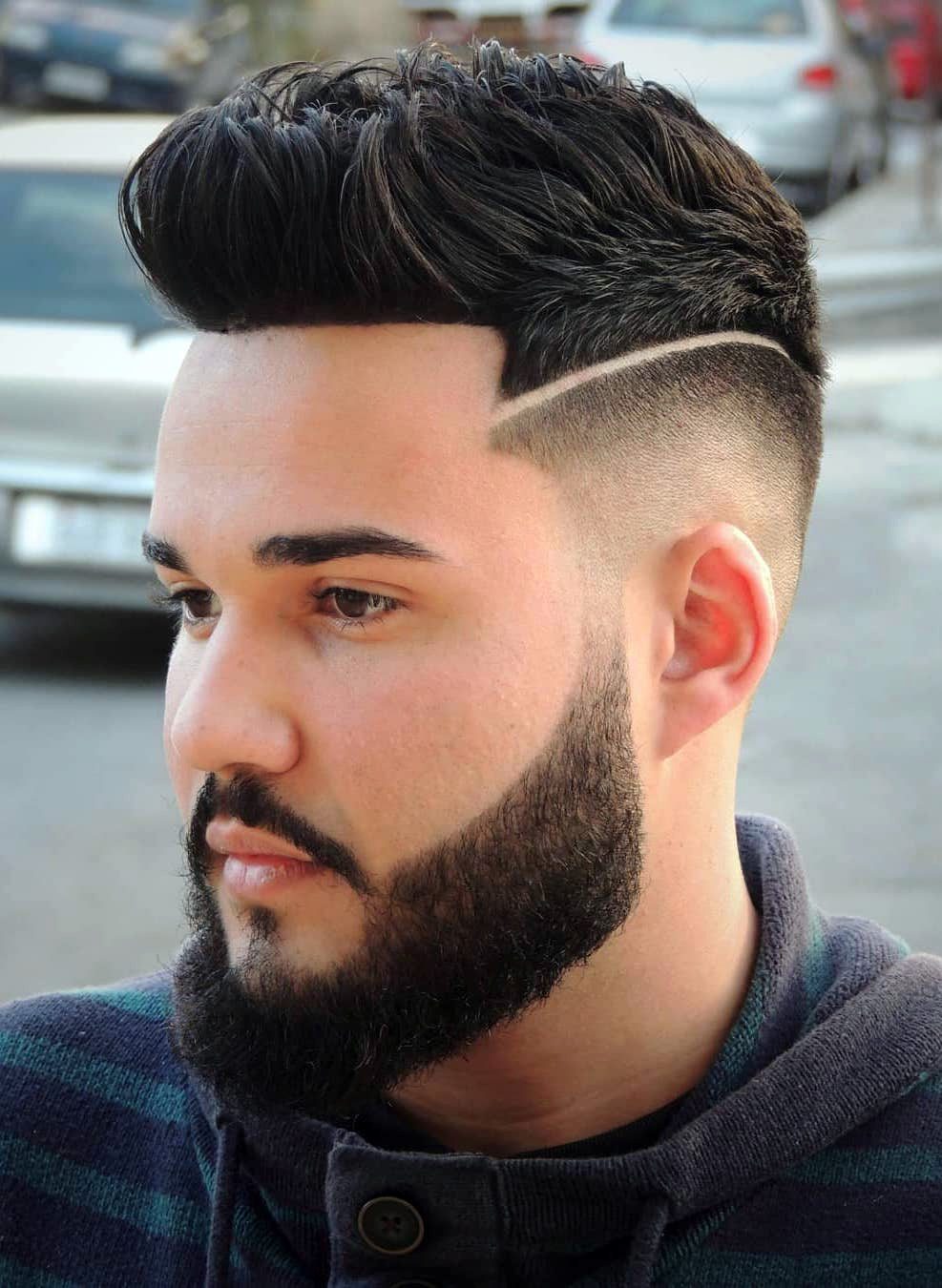
Disconnected Skin Fade Pompadour
Here’s an extra trendy style that combines several techniques into one look. A tall pompadour with a matte finish, a side part, and faded sides all come together to form this unique style.
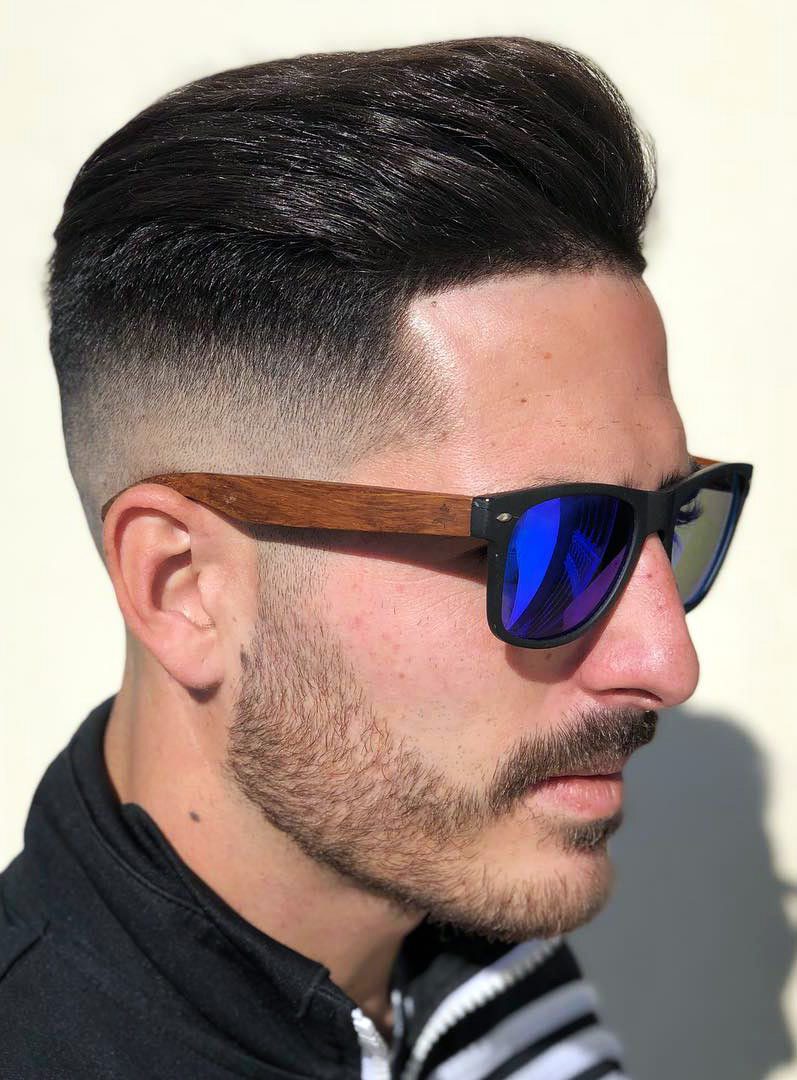
Brushed Up Fade
If you’re after something edgy and trendy, consider this brushed up style. The multiple textures at work here make this haircut stand out in a crowd.
Disconnected Short Pomp
Do you dig the pompadour? If so, you’ll enjoy this simple twist on the classic style. The sides are kept short and thus disconnected from the pomp on top.
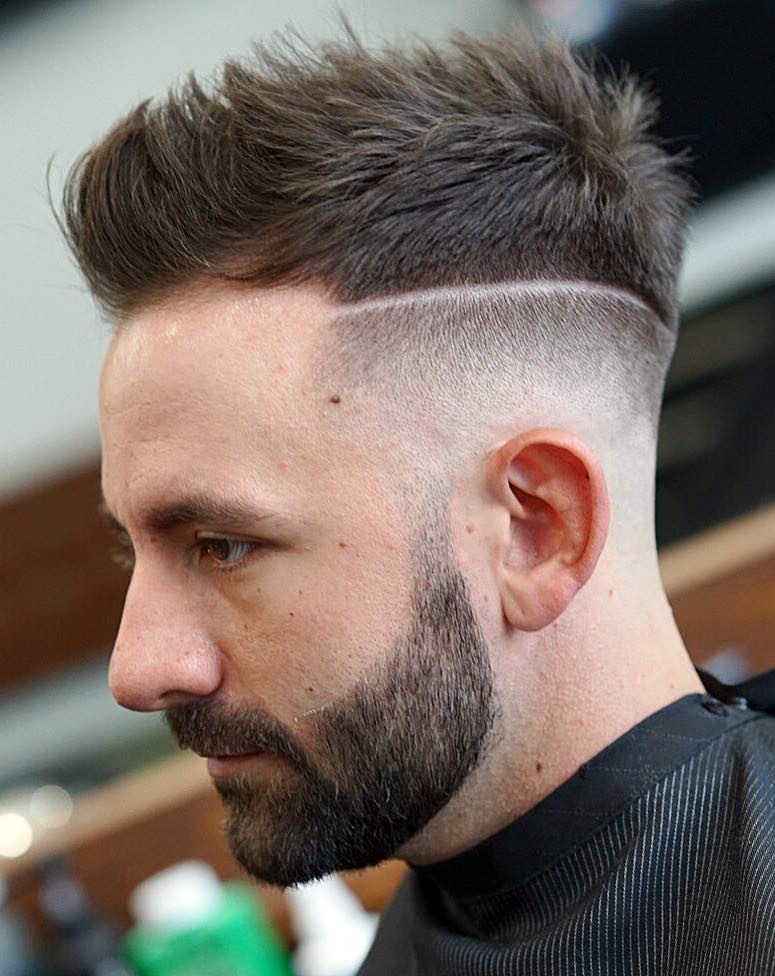
Brush Up with Skin Fade
The skin fade is an incredibly versatile technique. Here, the hair on top is messy, and the faded sides and hard part add definition.
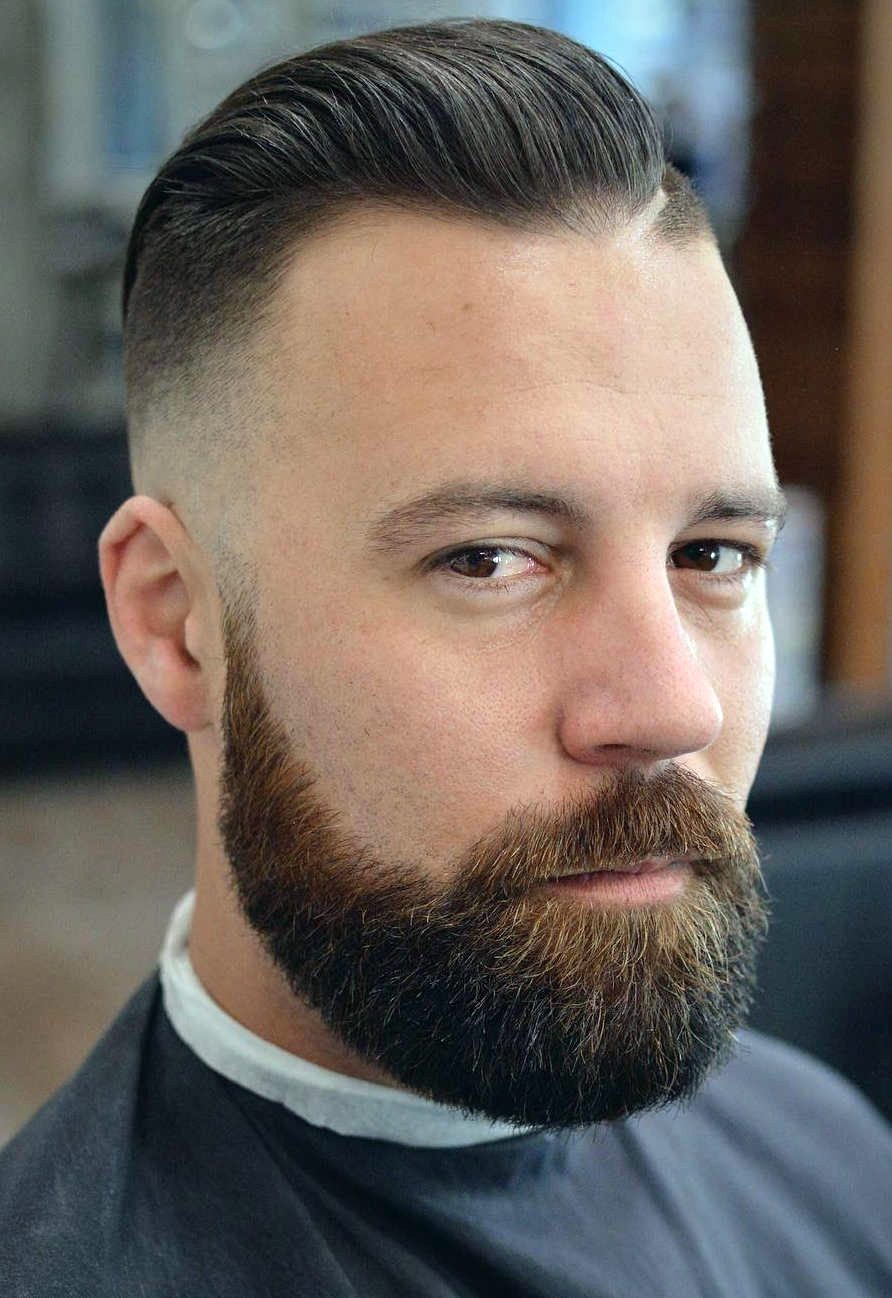
Simple Undercut
Undercuts can get fancy and fashion-forward, but they can also be simple and sensible. This short, straightforward undercut retains all of the classic features of the style.
Related

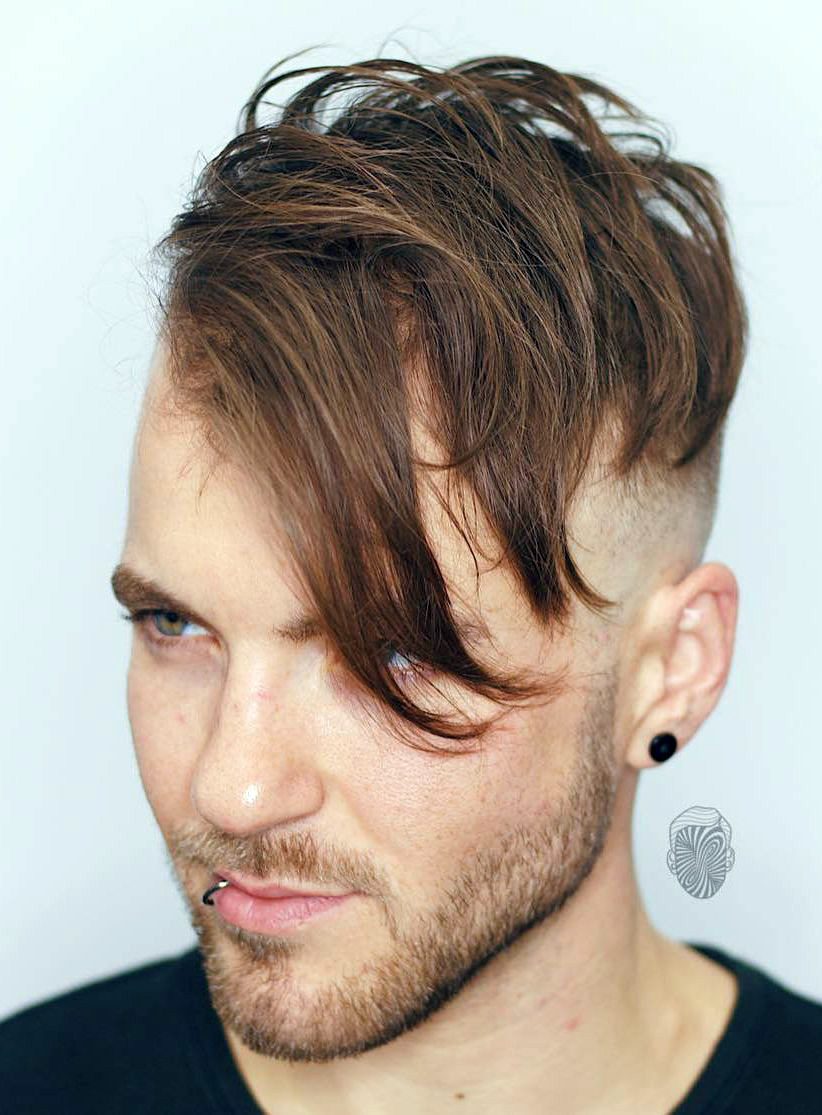
Angular Fade with Double Disconnected Bald Fade
This angular, asymmetrical style is a bold, striking look. A long fringe hangs down on one side, and a bald fade places all the emphasis on the hair in the front.
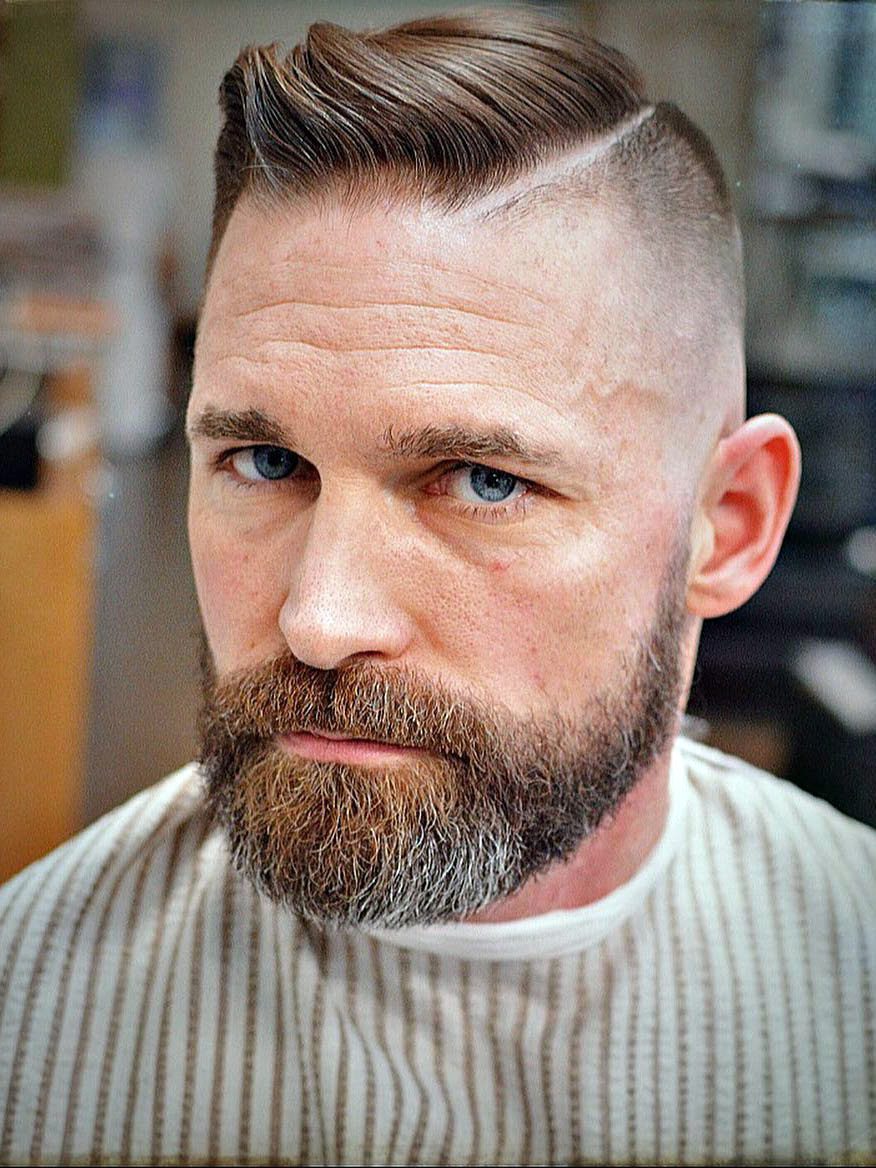
Short Hard Part
This short, low maintenance hairstyle keeps everything neat and tidy. The hair sweeps to the side, revealing a hard part and emphasizing the faded sides.
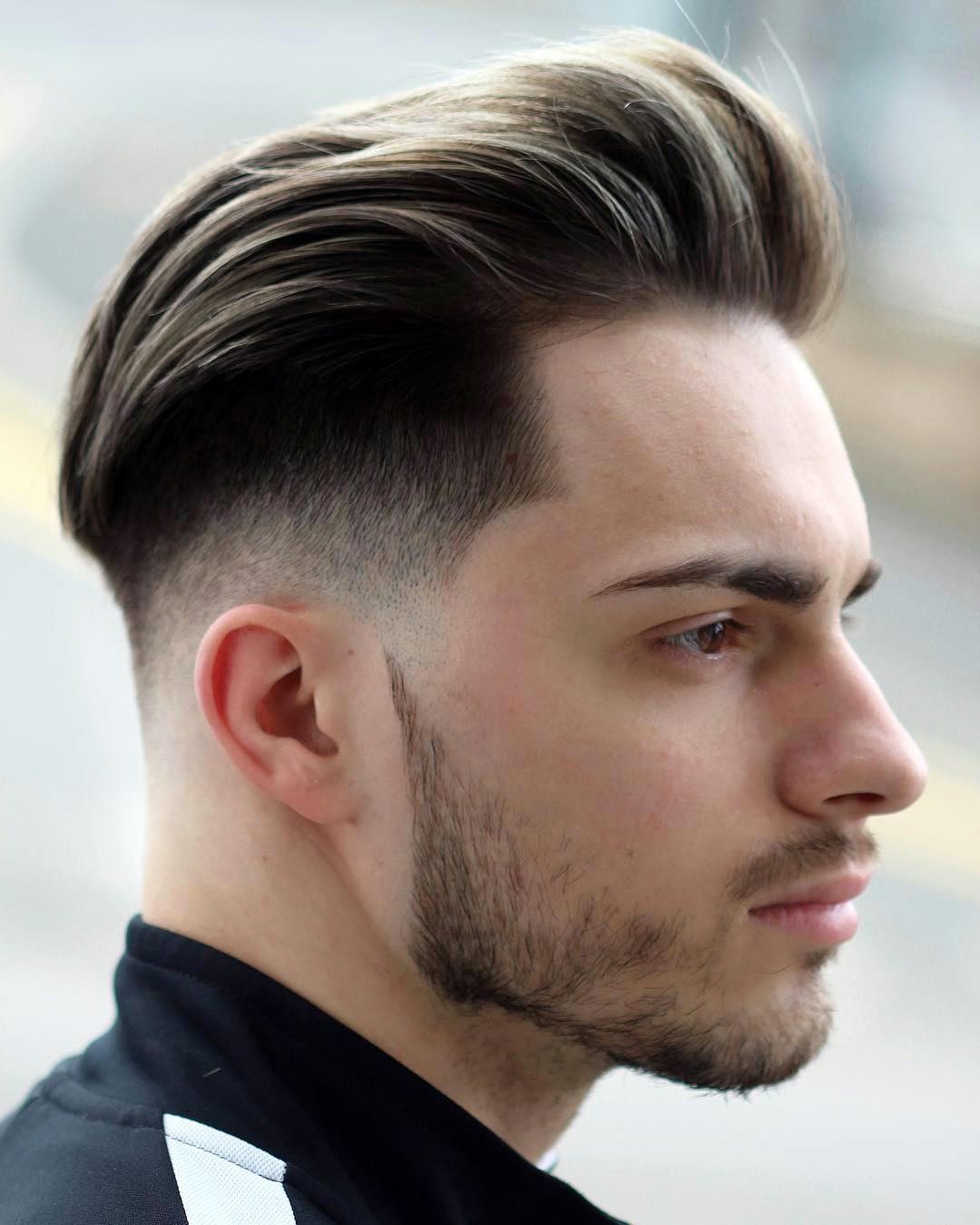
Drop Fade + Slicked Back Undercut
This eye-catching look is a contemporary classic. A high volume quiff, disconnected sides, and a subtle line up combine to make a dapper style.
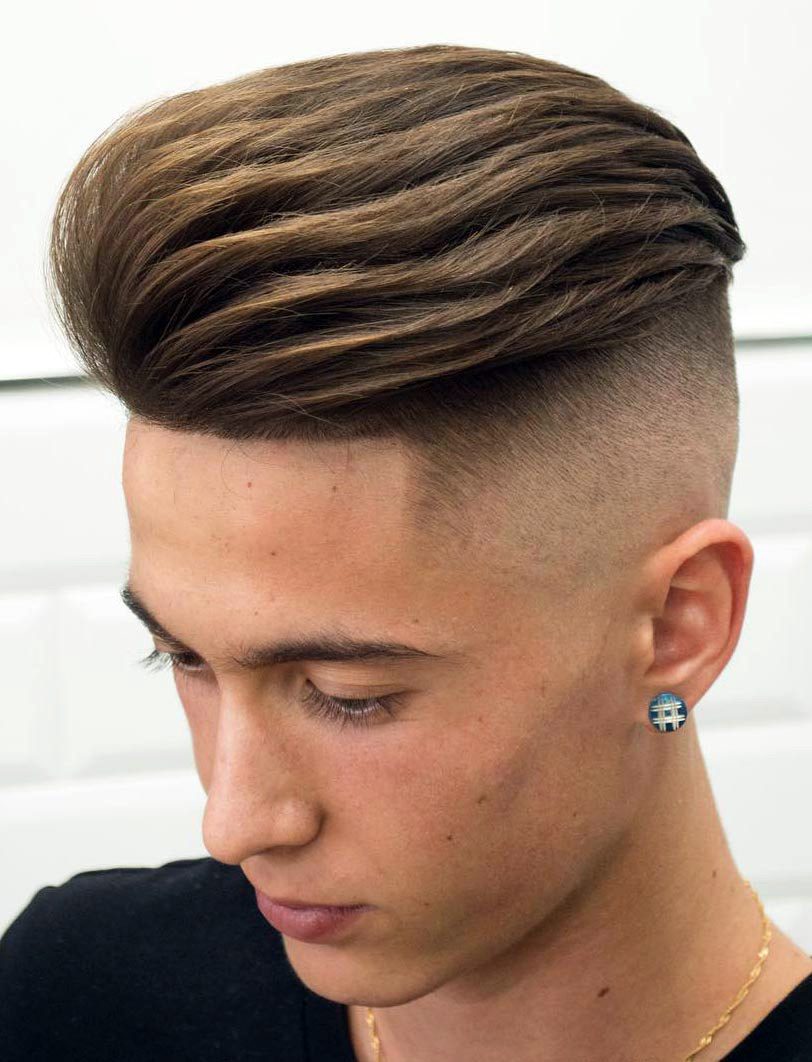
Slicked Back + Disconnected Undercut
This uniform, satisfying style is the result of styling the hair with the fingers to create the even waves you see throughout.
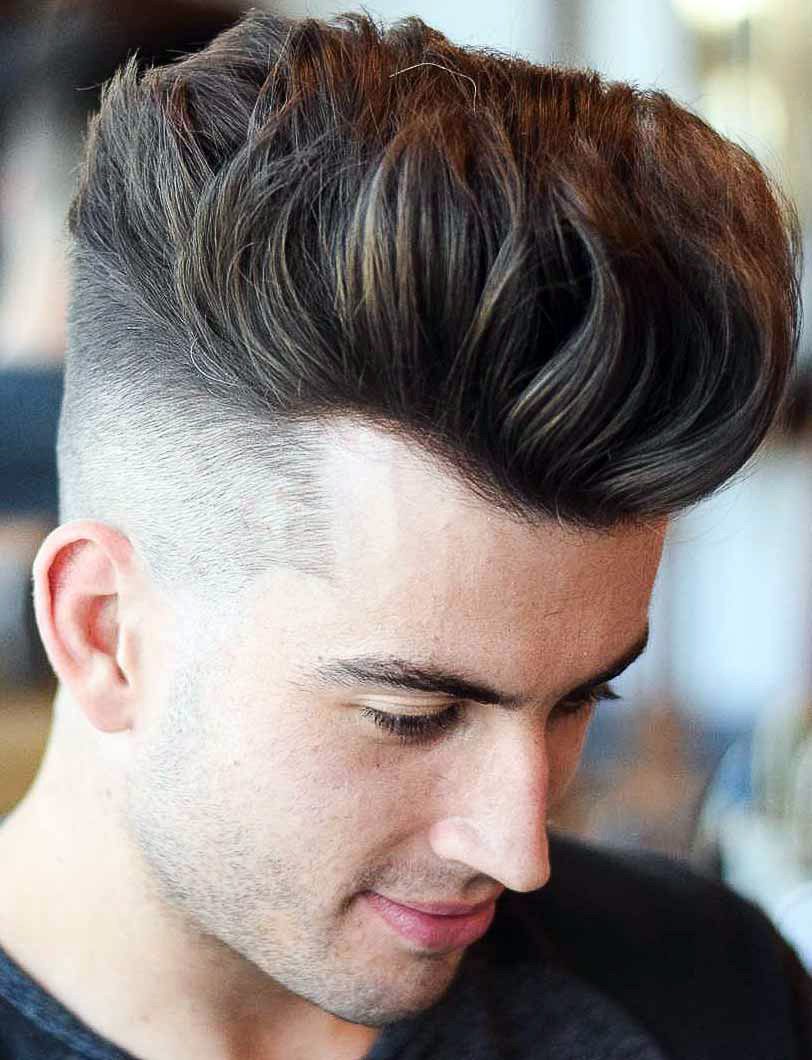
High Volume Brushed Up
If you’re after lots and lots of volume, look no further. This style will require fairly long hair to pull off, but the result is astounding.
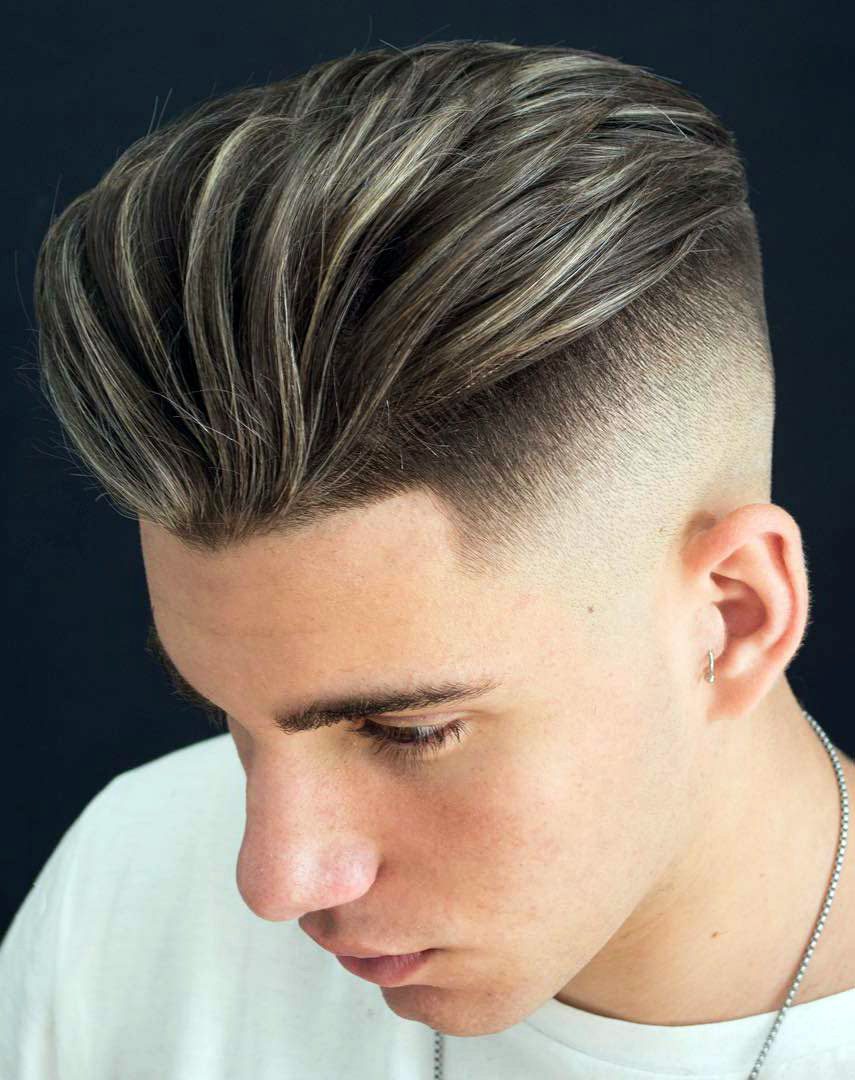
Disconnected Finger Combed Pomp + Slicked Back
Here’s another style accomplished by teasing the hair with the fingers. This finger combing produces texture and can also generate more volume.
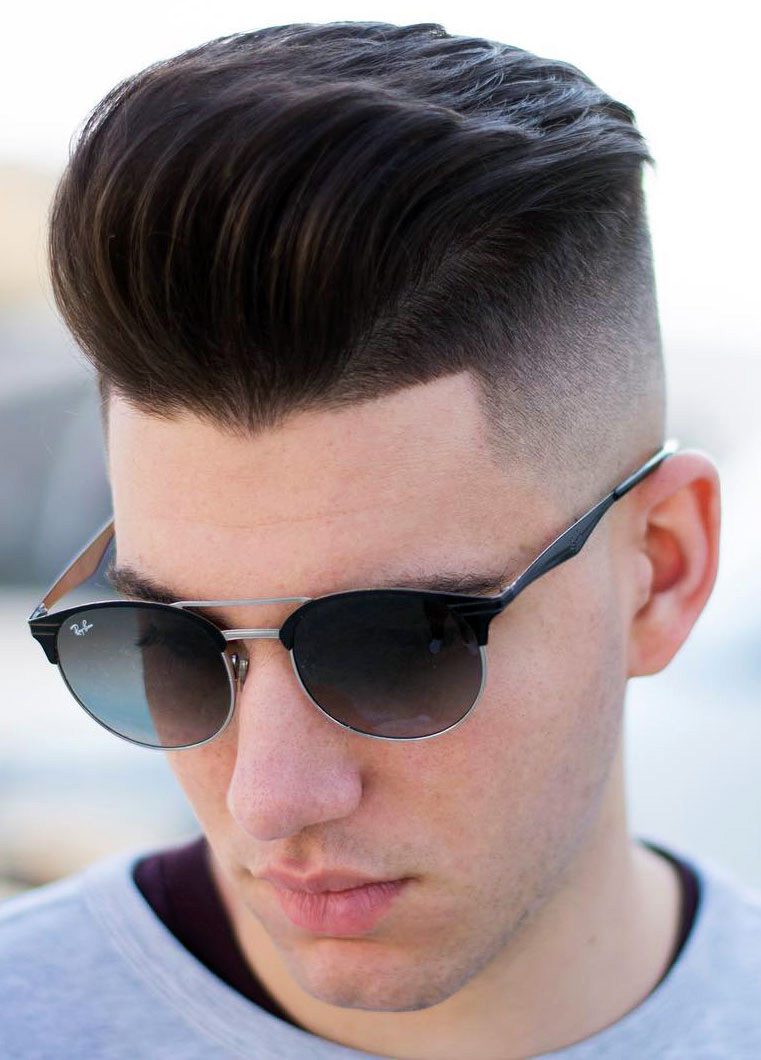
Disconnected Undercut with Quiff on Top
This clean disconnected undercut features a swooping quiff and balanced, faded sides. Together, these elements produce a very tidy style.
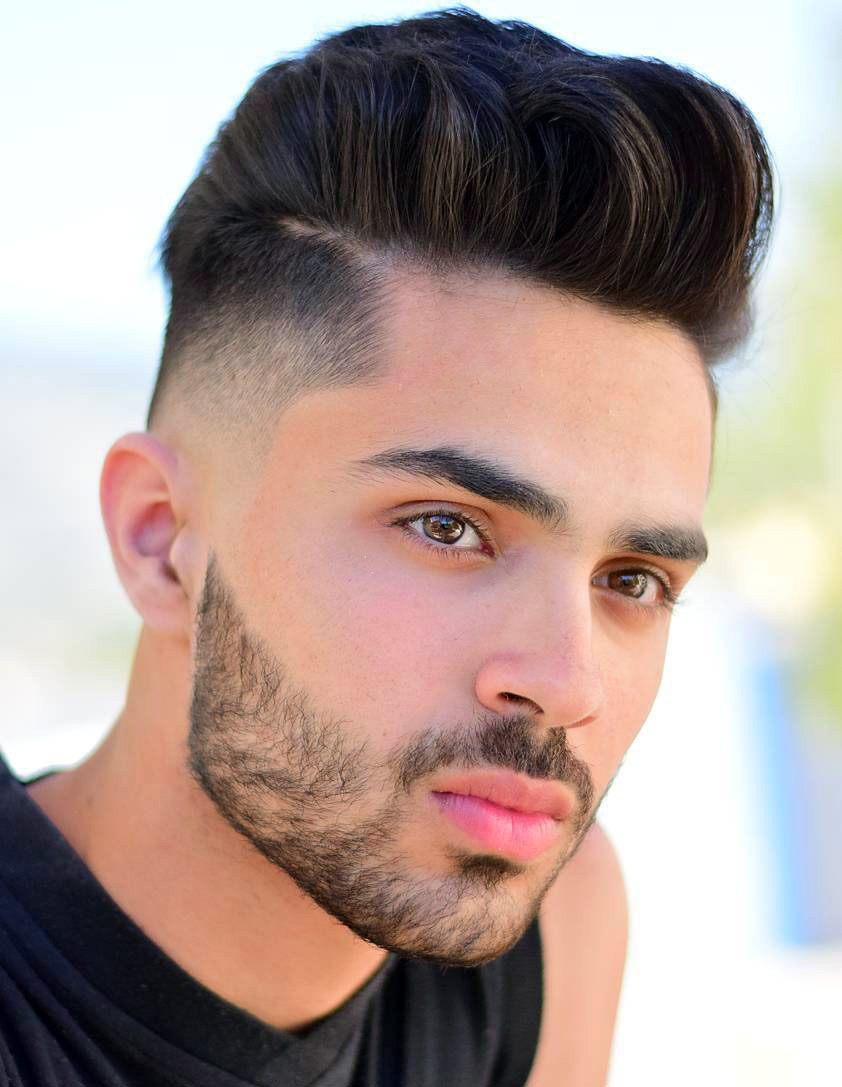
Disconnected Low Fade Pompadour
Another take on the timeless pompadour, this style also has a low fade that helps to separate the sides and top for maximum definition.
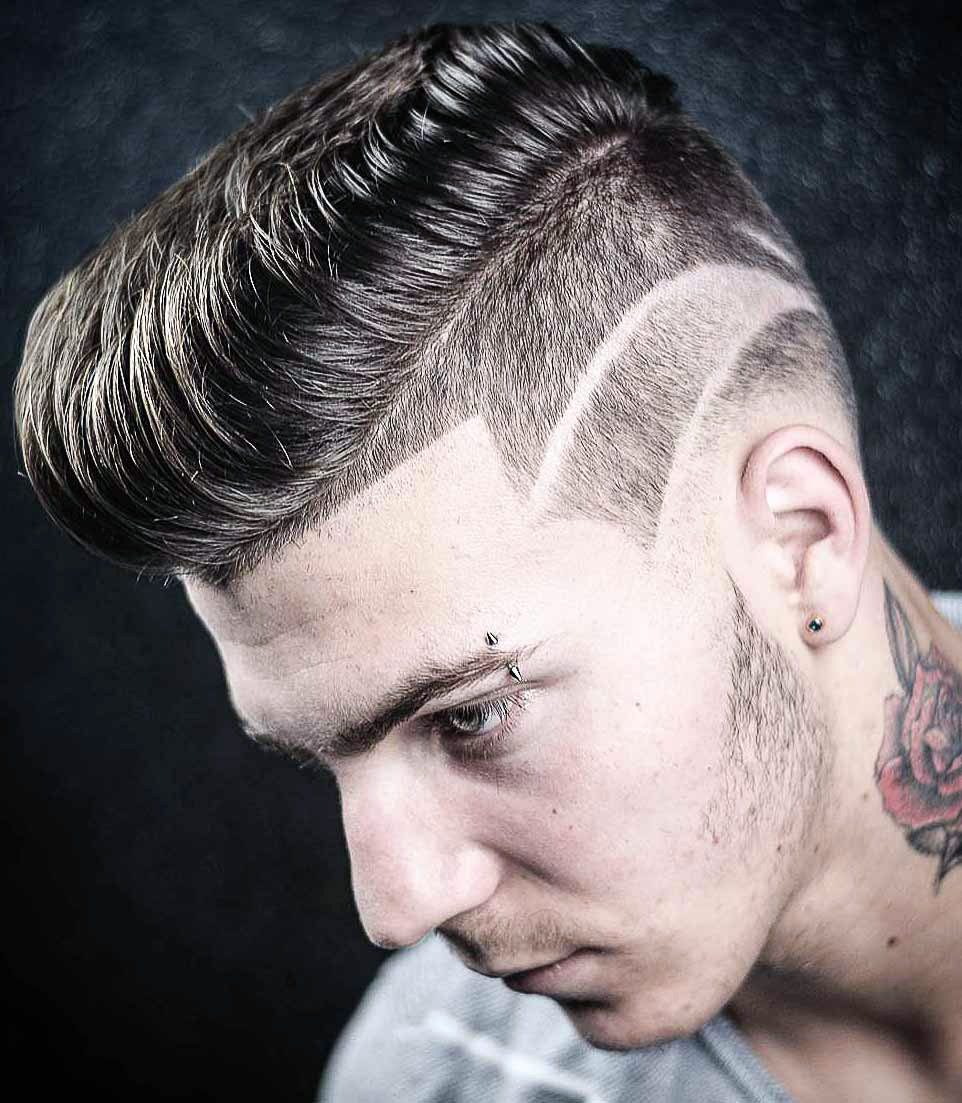
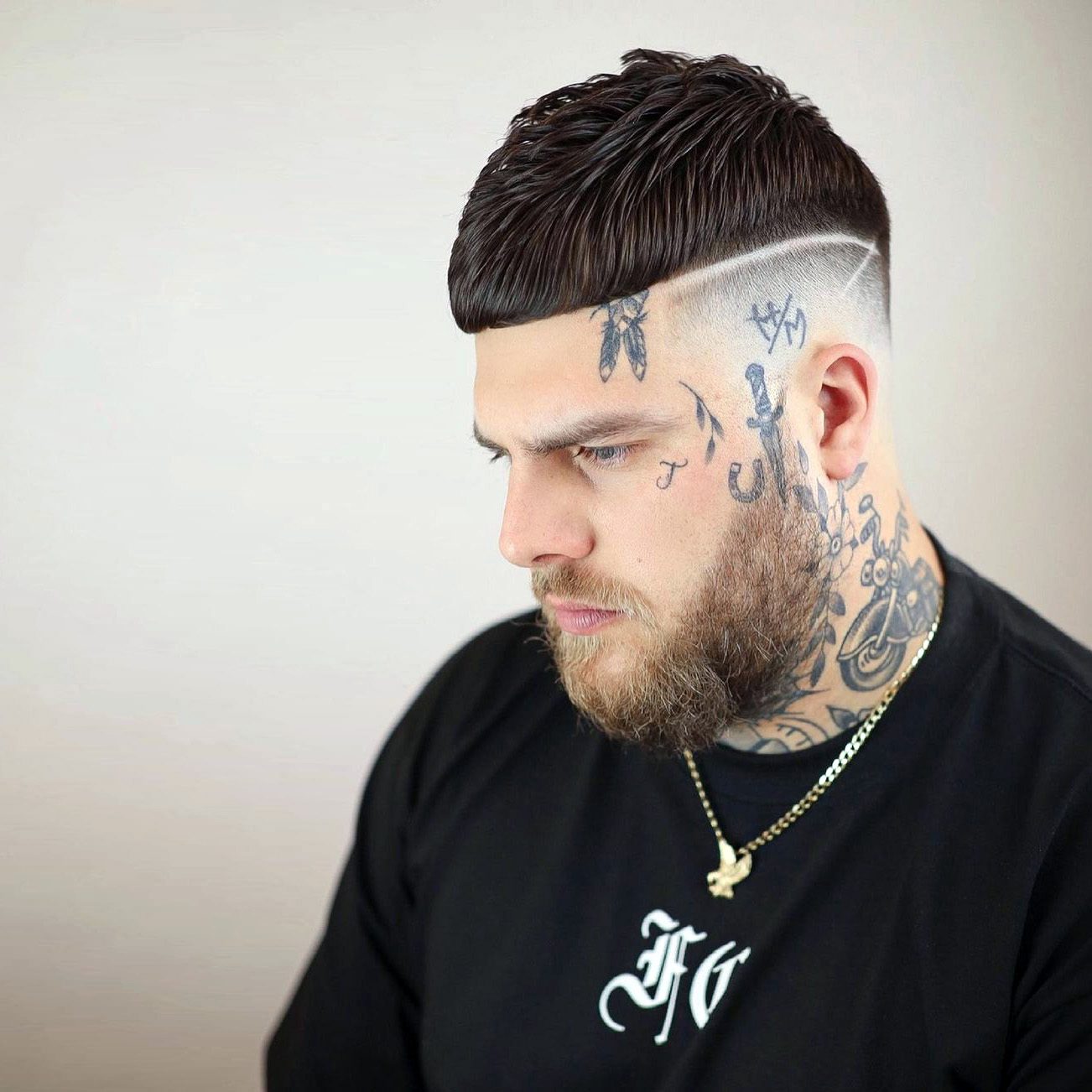
Disconnected Pompadour with Hair Design
Shaved designs in hair are becoming increasingly popular. Here’s a more subtle use of the technique that offers a visually interesting counterpoint to the slicked back hair on top.
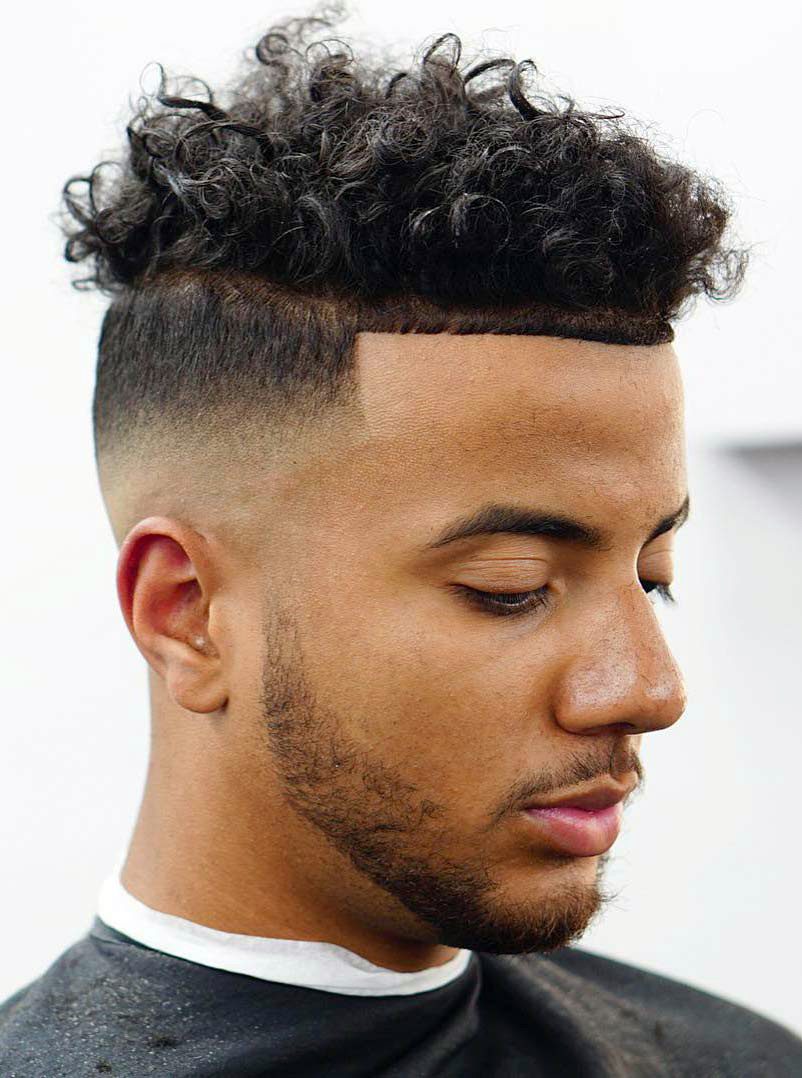
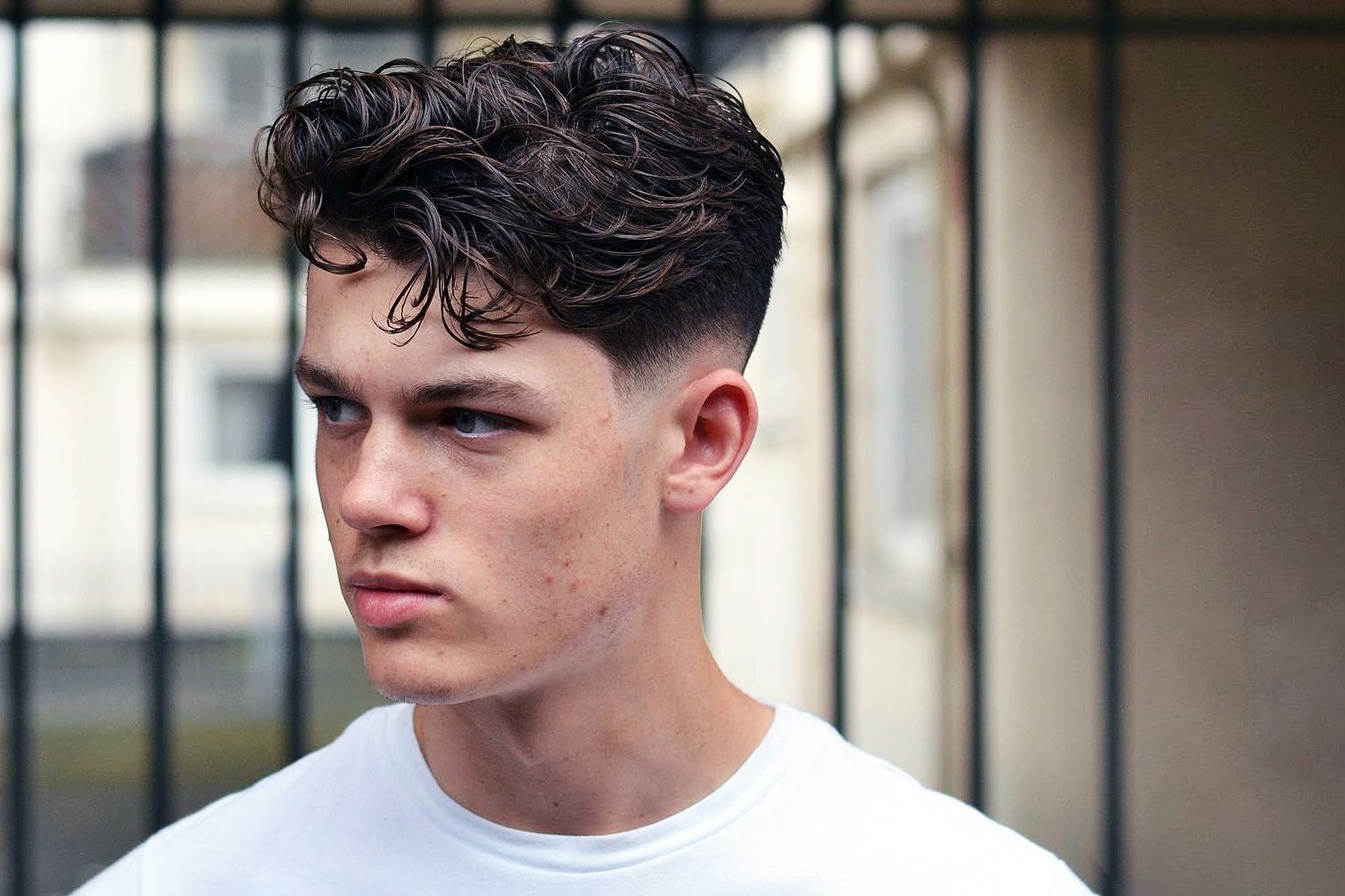
Disconnected Curls
Men with curly hair, this one’s for you. This style allows the curls to naturally expand outward, but it keeps the sides nice and tight.
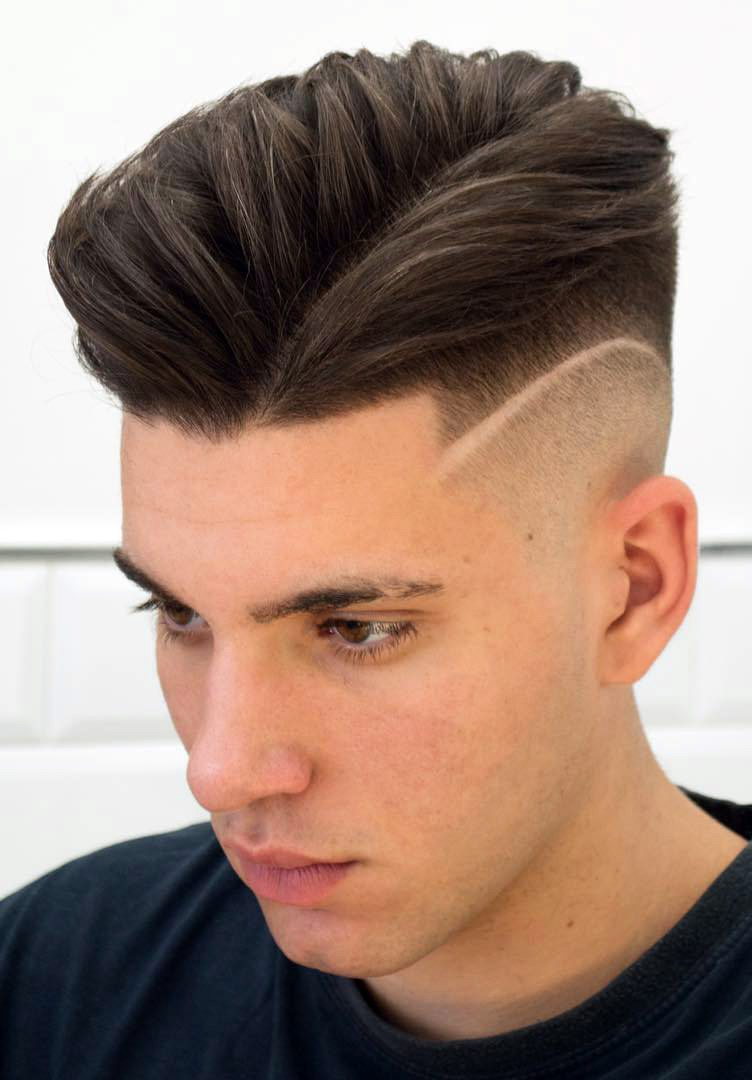
Disconnected Undercut with Side Part
Who says mid part always has to be retro, check this one out with that undercut on the side one that makes this one a slight of a side part. The sides are moreover taper faded all the way with that waved shaved slit that splits line up into two. The top is all thick yet pushed bach, who doesn’t like that?
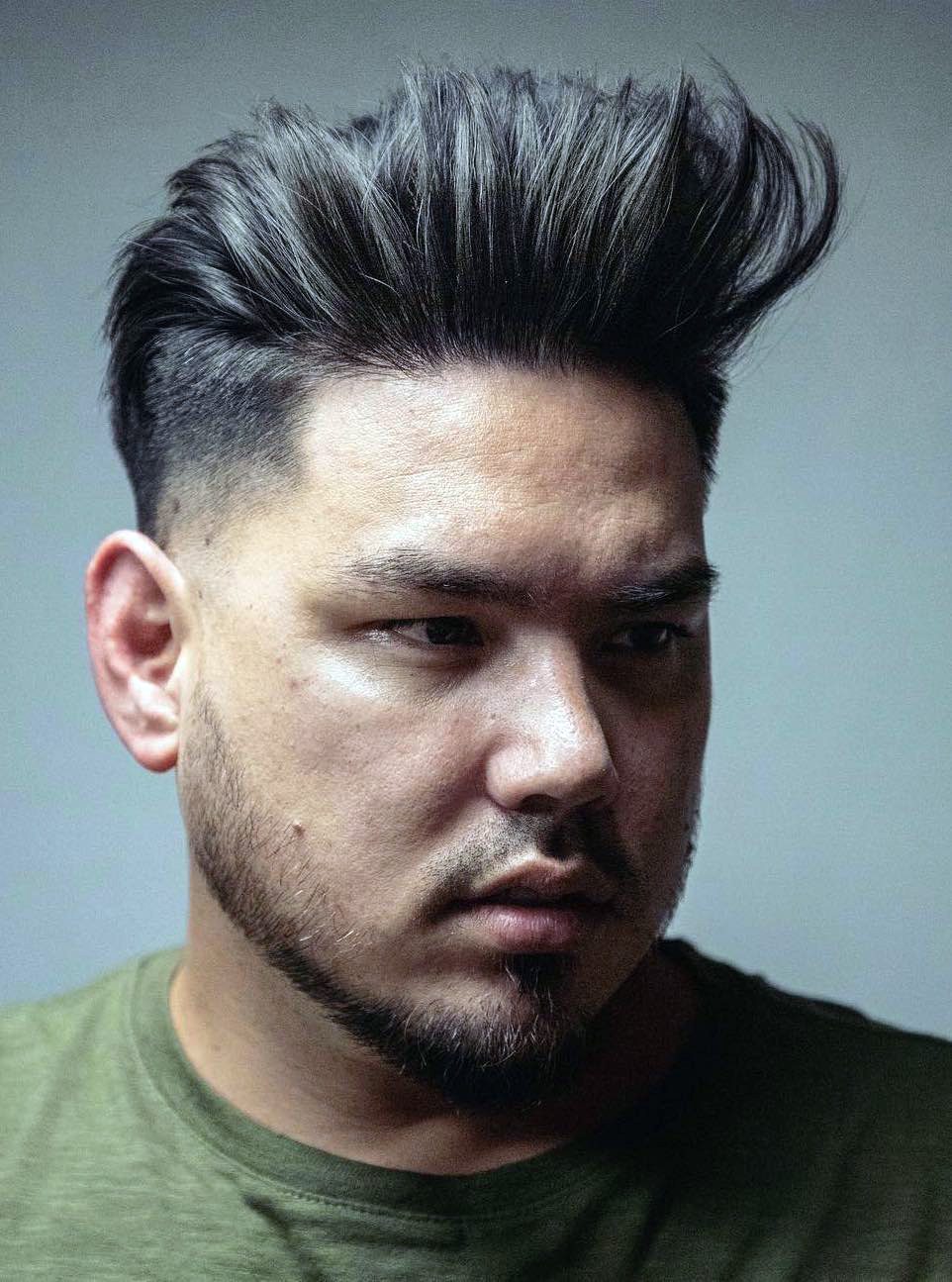
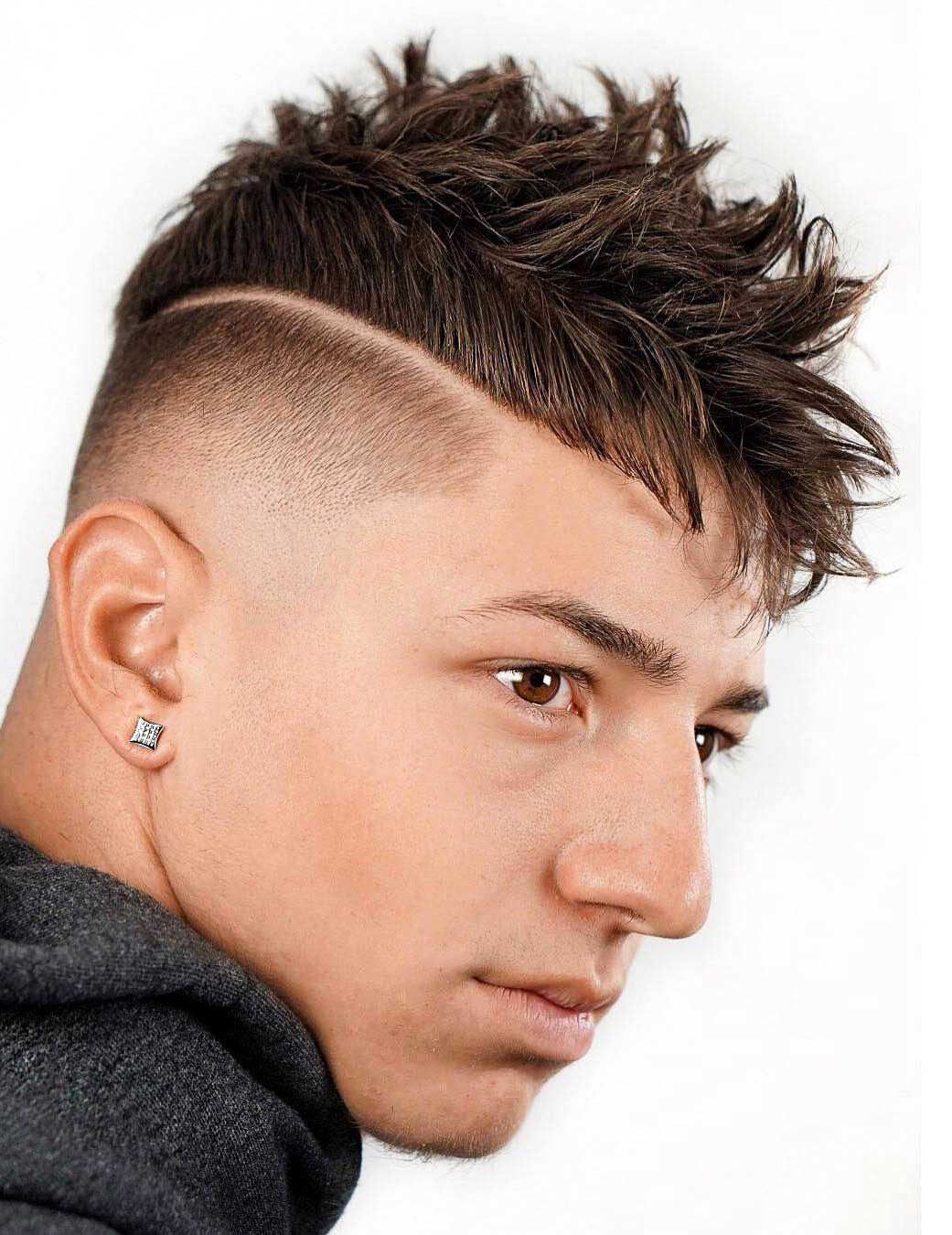
Stand Up Strands with Undercut Fade
Well looks like a chill brush-up at first but then as you dig deep, that’s when the good stuff comes out. The sides are undercut tapered with temple fade and not just that, the line up is tapered with a hint of fade. The temple fade is blended into a beard making it very wholesome of a look.
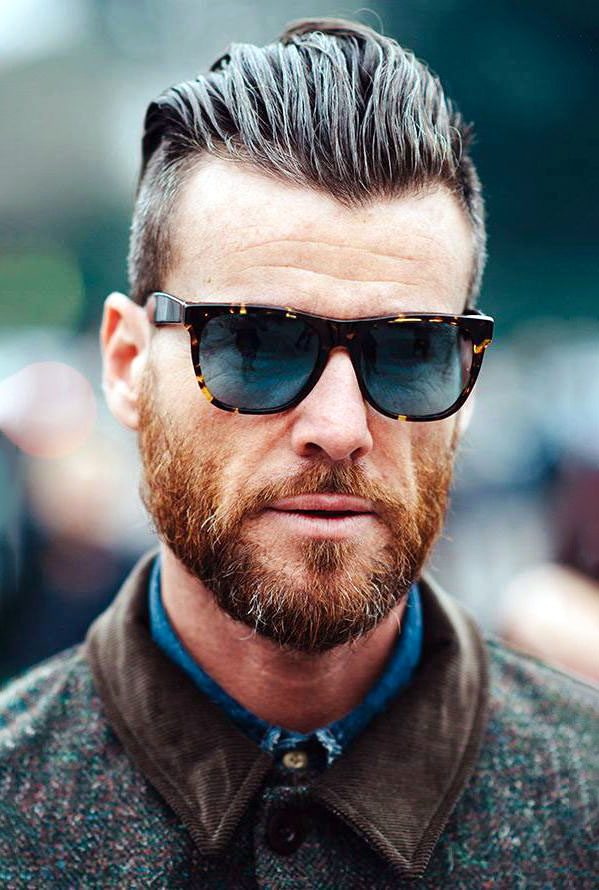
Slicked Back Undercut
Hey, that is the look that one would have on a Harley-Davidson bike. The rugged slicked back of thick hair strands with an undercut on the sides. All of that plus the balance that the beard brings on the table is just perfect, especially with that dark hair dye and golden beard, there is definitely style in here.
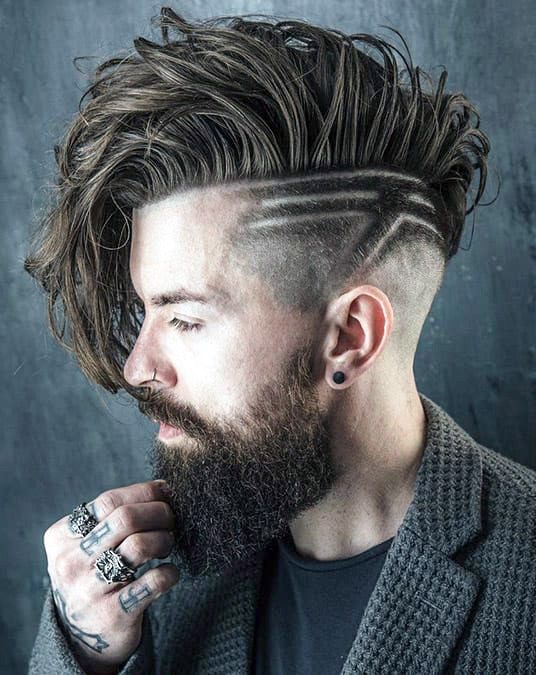
Asymmetrical Fringe Undercut
When you have this volume you better make something big out of it as you can see this is sheer class. The top is long stranded with a brief undercut that is followed by taper which is then followed by a faded line and to top all of that off, the sides are faded with a dense beard balancing the bottom.
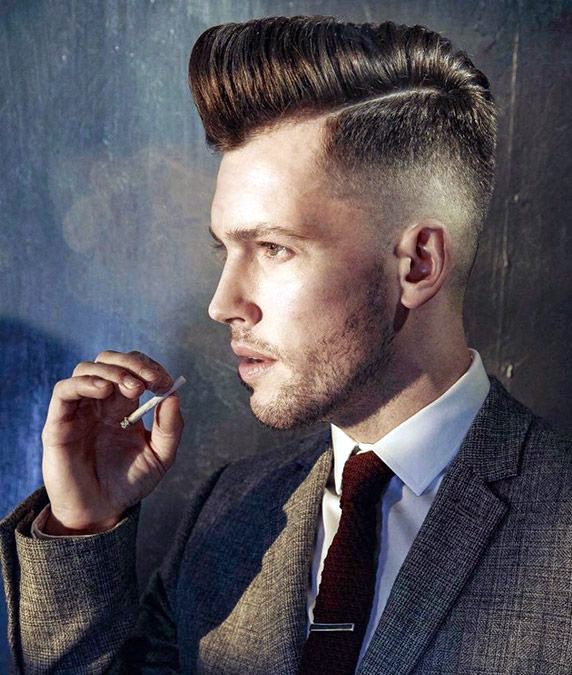
Skin Fade Pompadour with Hard Part
Hard parts makes the cut very distinct and clear. The top is side brushed with a big fluffy pompadour sitting on the top. All of that with sides being clean taper with fine fade. Notice that temple fade acts as a beard blend and then that stubble makes even more sense.
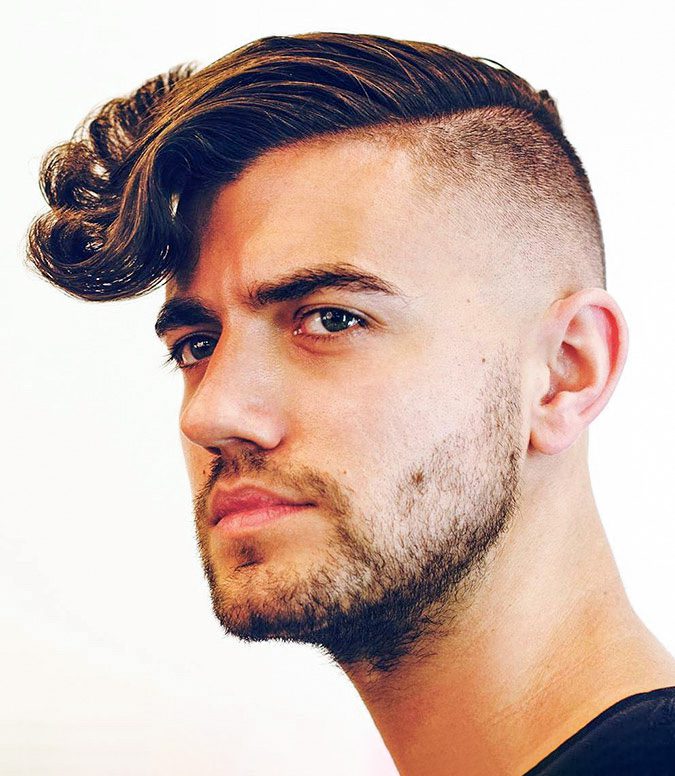
Undercut Disconnected With Fringe
Ever thought what happens when you turn the elephant trunk hairstyle the other way? This happens, plus the undercut fade just makes the day. This one though is quite a strict one especially that side parted side sweep is just too good to be true.
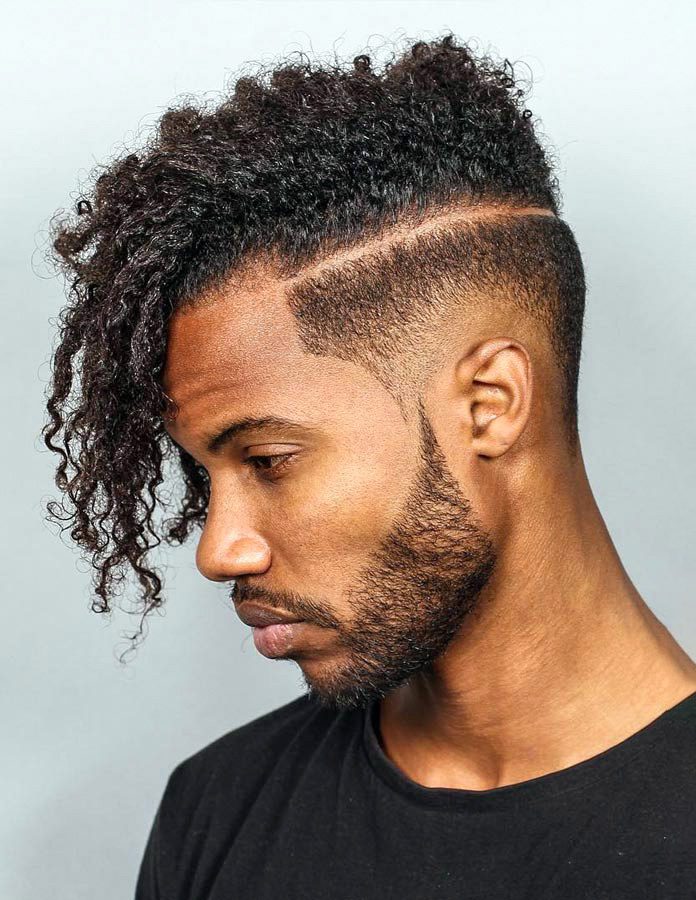
Drop Fade with Afro Disconnection
Afro hair is just like a canvas with all that curls and thin texture so much can be done and this is pure justice to it. A clean side sweep with low key side part and a thin side shave. All of that plus a chill drop fade that makes everything one step cleaner.
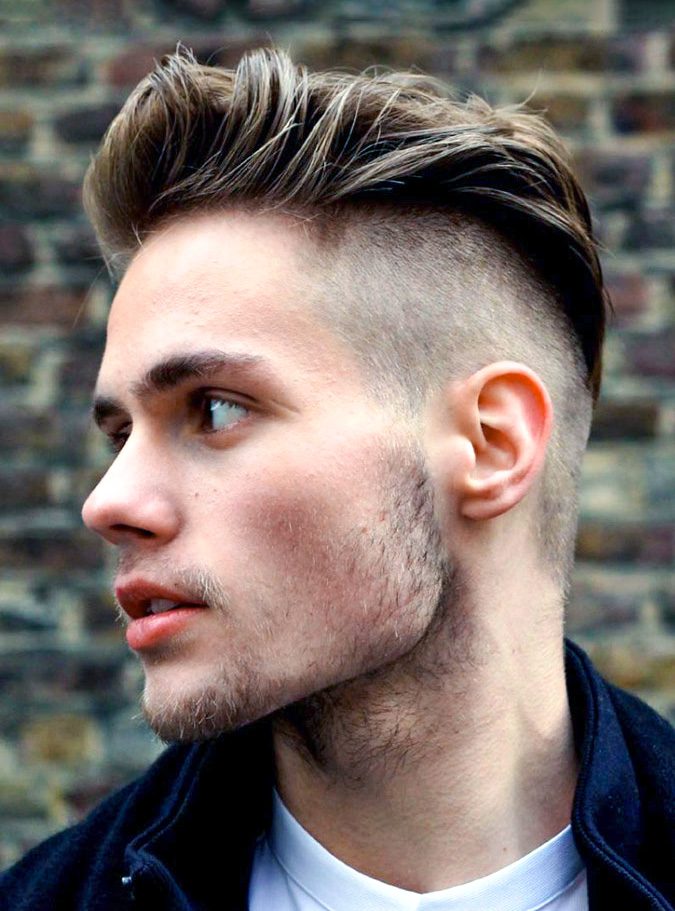
Puffy Undercut Hairstyle
Puff makes it so much fun especially when it gives a quiffed outlook with an undercut that makes the side part quite thick resulting in high volume. Next up, is that cheeky tossed top feels to it while the sides are faded for a cleaner look.
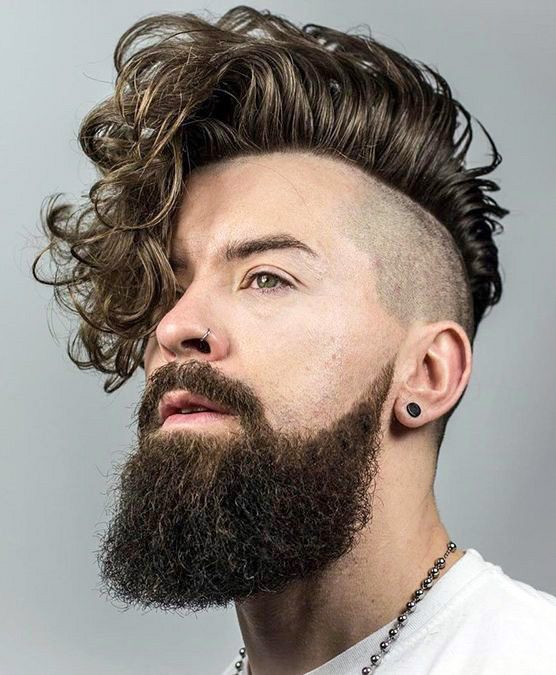
Curly Longer Hair Disconnected Undercut
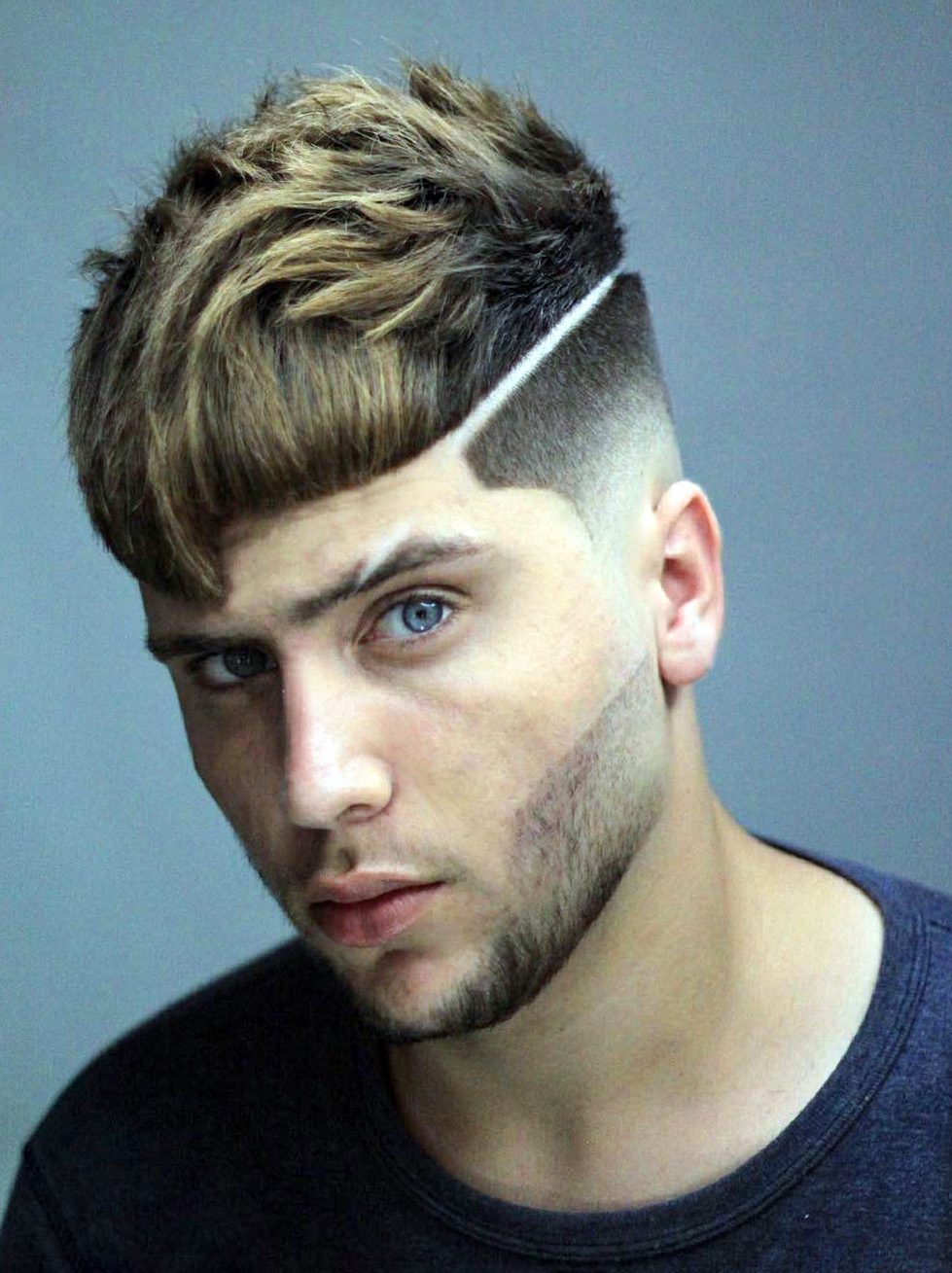
Disconnected Undercut and Ombre on French Crop
Who said one needs a side part needs an actual parting? Look at this french cop that it slightly side-parted with a log fringe to it, now that’s most secular it can get. Plus the side are so clean and taper faded, wait, is that a drop fade? Yes, it is.
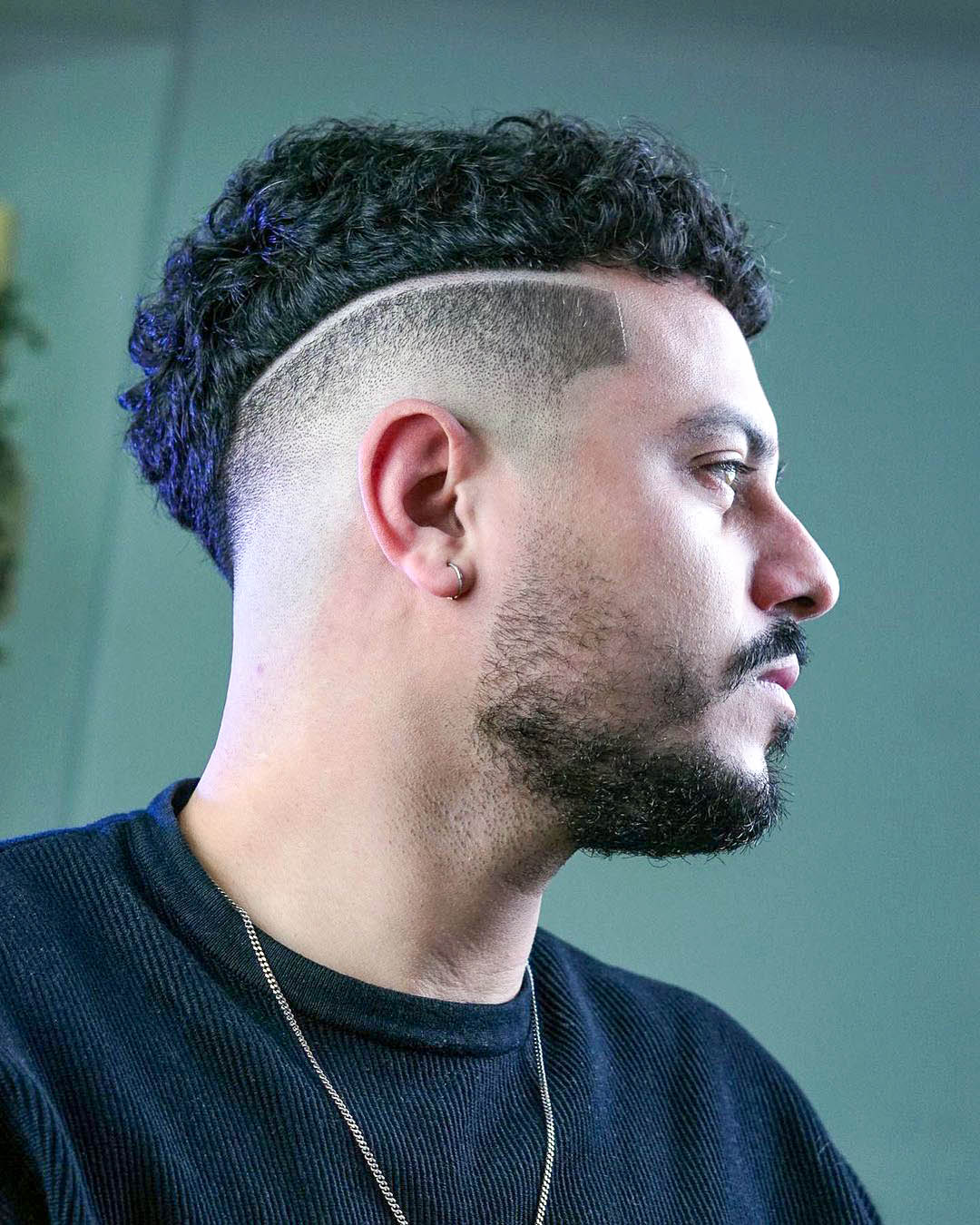
Curly Top with Hard Line on the Undercut
Wanting to don your usual curly top with an undercut but looking to get a fresh angle on it? A hard-line would do the trick to create your disconnected undercut. Make a hard line directly below the curly top to differentiate the two sections. But don’t make it go all the way to the back for an added edge. Wear with a hoop earring and a stable to complete the look.
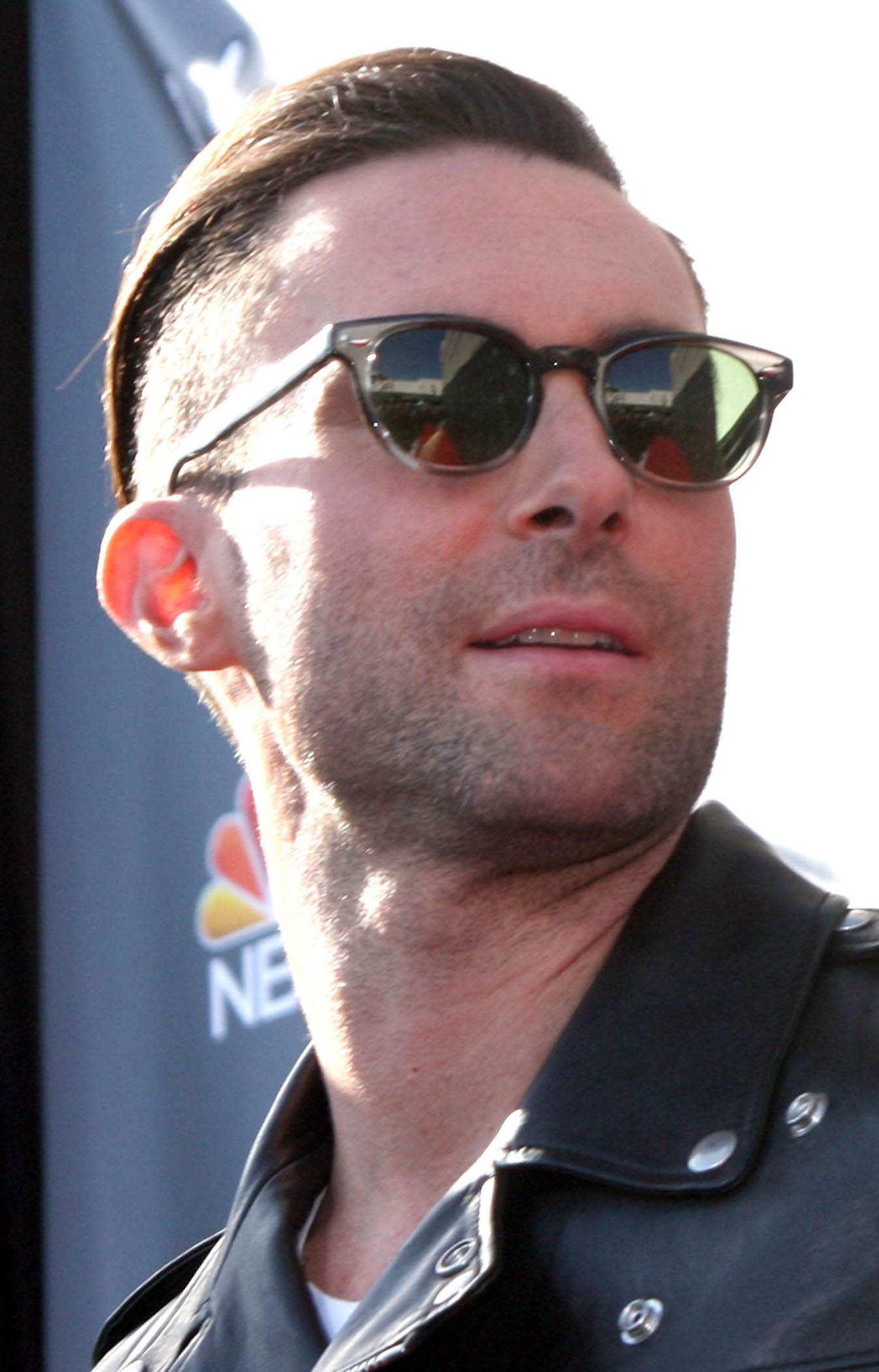
Adam Levine's Undercut
Simple yet stylish, Adam Levine’s haircut is surprisingly low maintenance. Because it’s so short, it doesn’t need much in the way of styling. Simply brush it back, and you’re good to go.
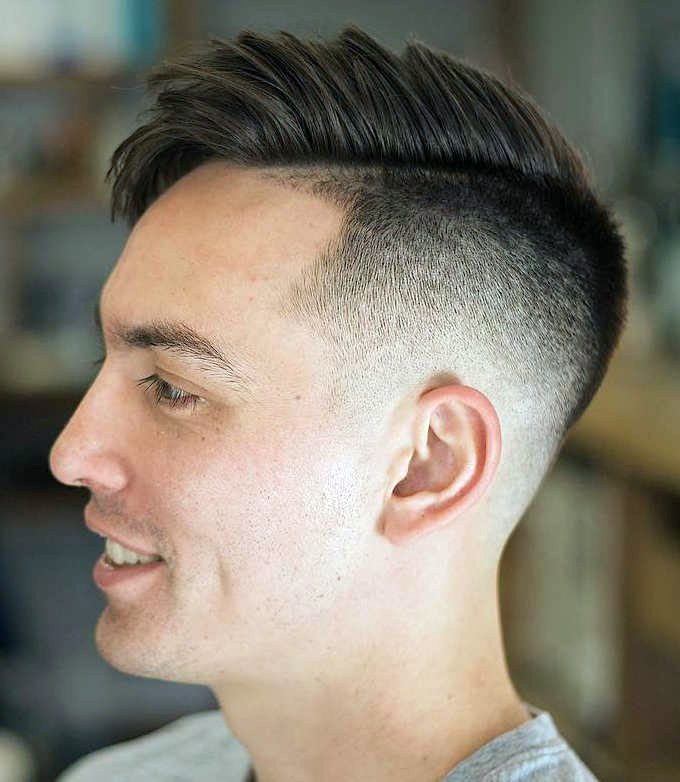
Disconnected Side Swept
Many disconnected hairstyles feature a side part or a hard part. However, this one doesn’t, making it one of the more unique disconnected looks.
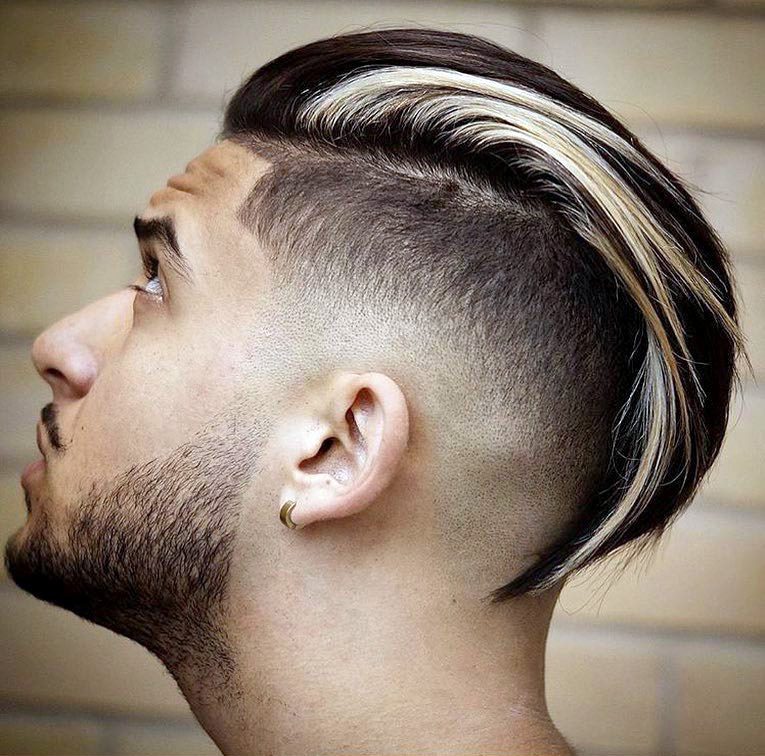
Back Swept
Here’s a more extreme undercut variation featuring long hair that hangs down the back of the head. Great for guys who like longer hair but want a fashionable style.
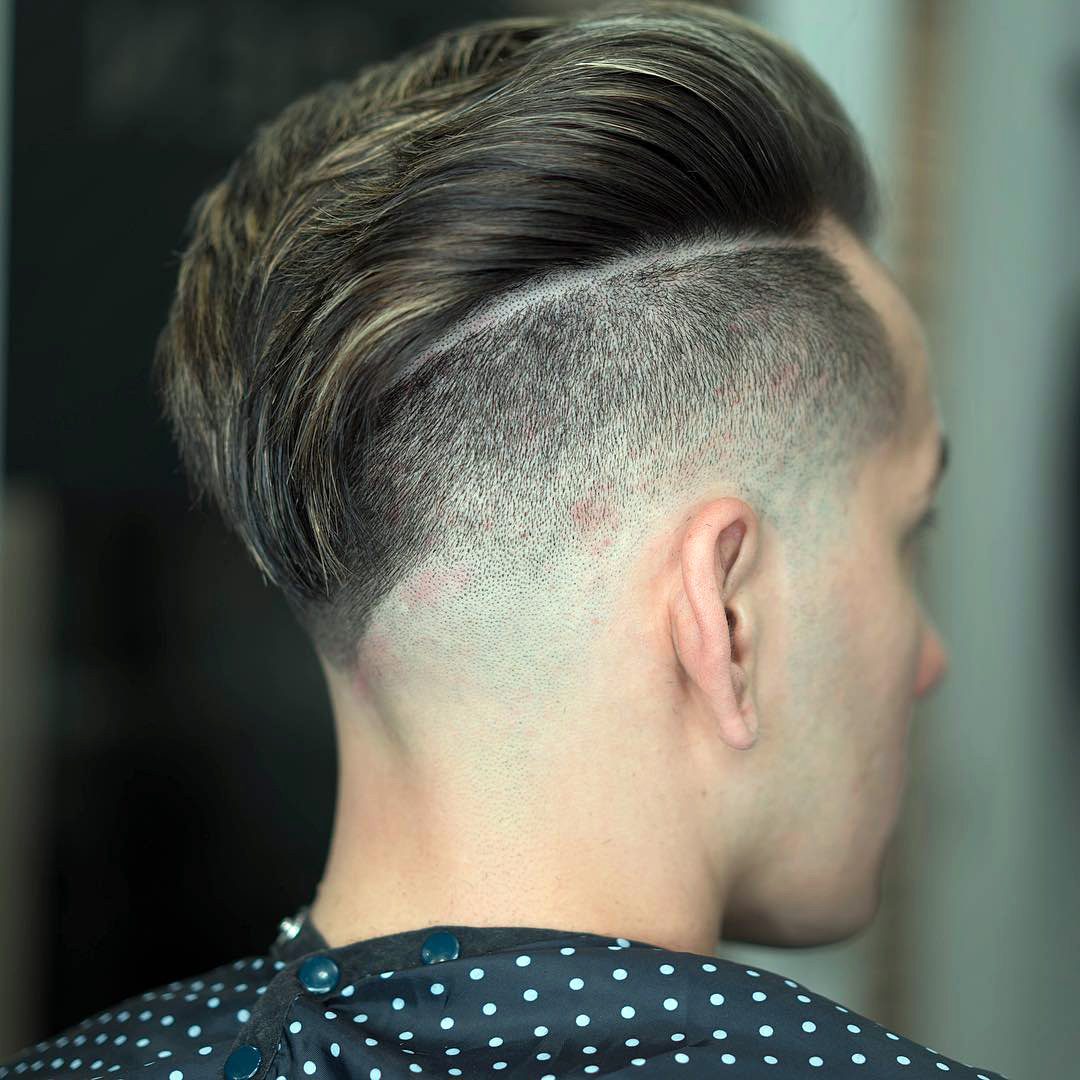
Disconnected Reverse Faux Hawk
This is a sort of reverse faux hawk where the hair comes to a peak at the back of the head. It’s a unique take on the disconnected look that you don’t see very often.
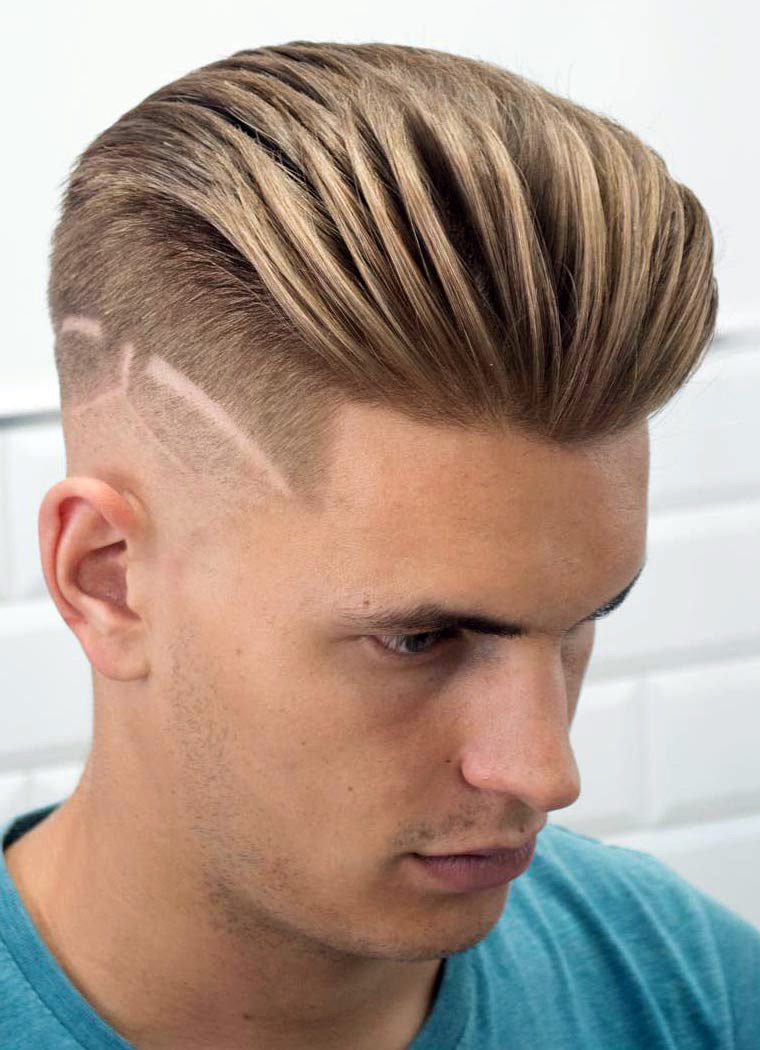
Disconnected Pompadour + Hair Design
Slicked back can be styled in so many ways plus the fact that this one is pompadoured with a soft fluff on the top makes it ten times better. The sides are undercut taper faded but not your usual one, check that cheeky shaved line for that trendy touch to it.
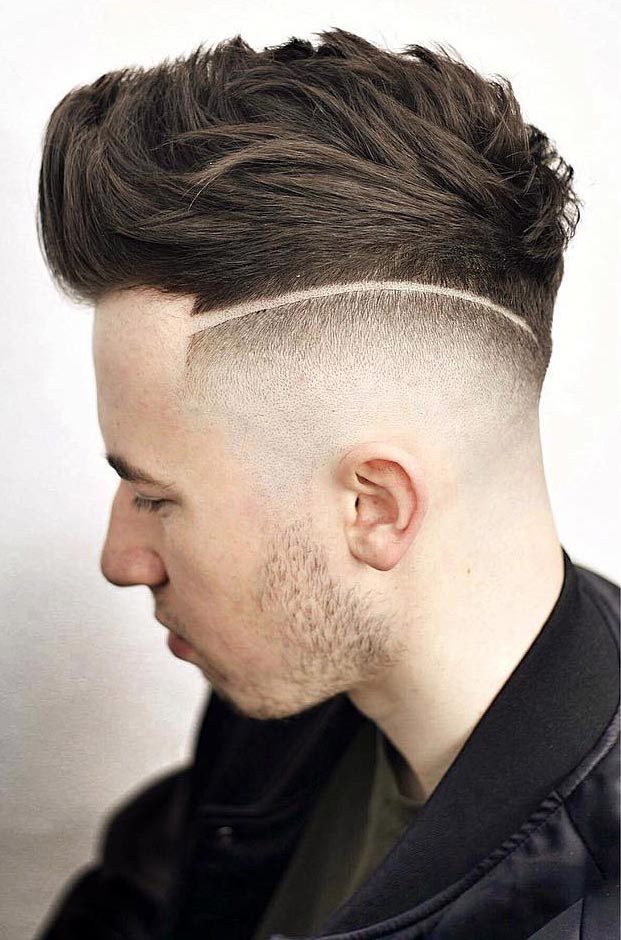
Faux Hawk with Disconnected High Skin Fade
We call this a very top centered hairstyle with all medium-sized strands. The straight texture makes space for styling just as this one is brushed up. The sides are taper faded with a thin shave which can also be a part. The line up is faded which the stubble at the bottom adds more balance.
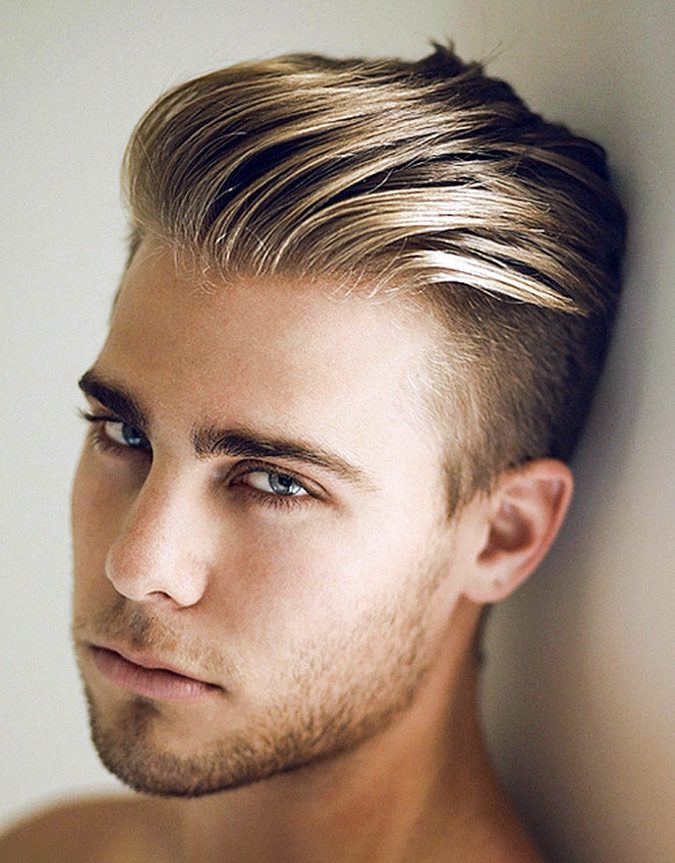
Disconnected Undercut
If you think products are not that important, just look at this one and see for yourself how cool this slicked back pompadour looks with that push back. All of this with an undercut on the sides makes it a perfect hairstyle. To top it off, taper the sides for density all over.
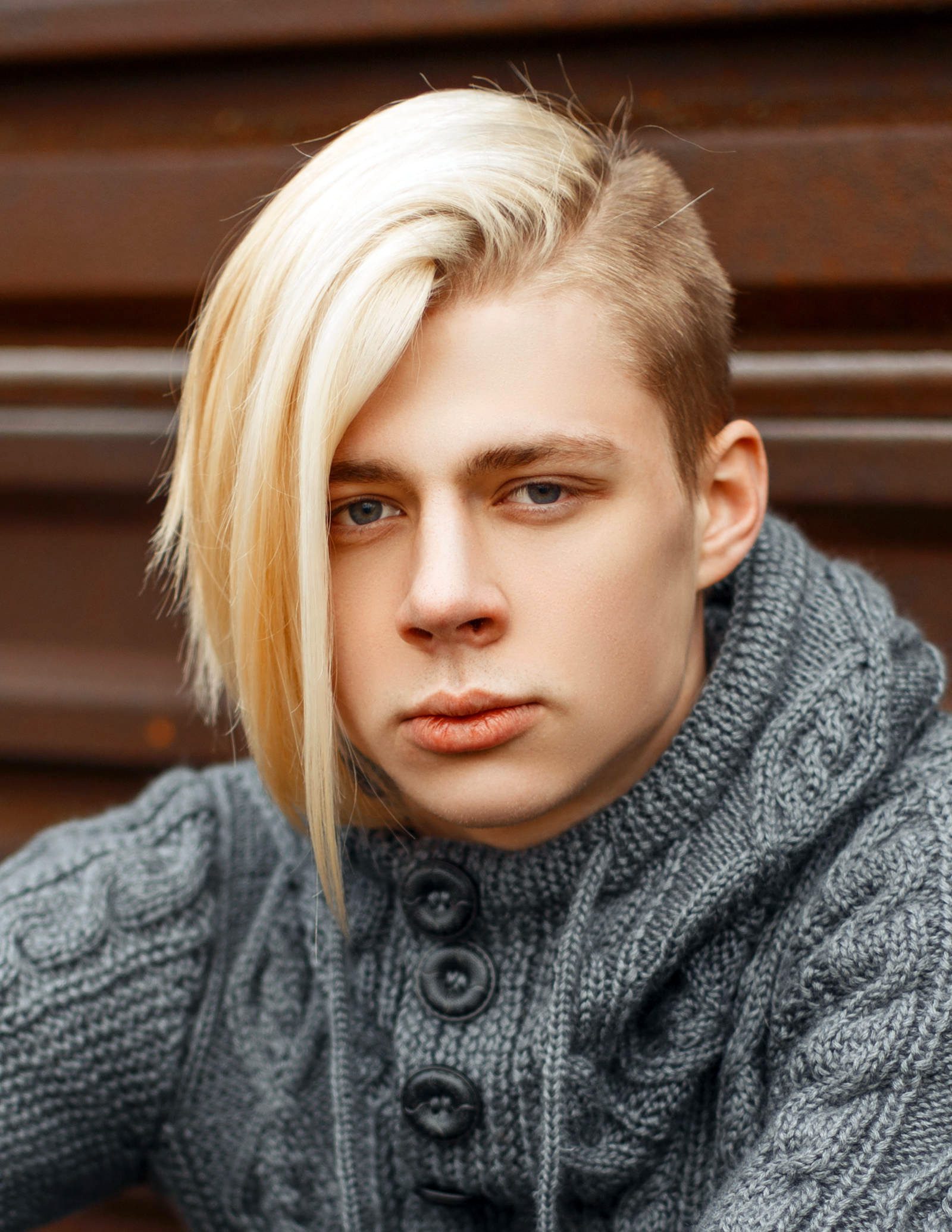
Disconnected Undercut Blonde Hair Side Swept
Side parts are cool but tell me when was the last time you saw this? Probably never? Plus, the sides are tapered and an undercut makes the side part so cool. Next, the thin hair makes the silky hair texture so much more obvious, one might need some hair products to keep the long strands under control.
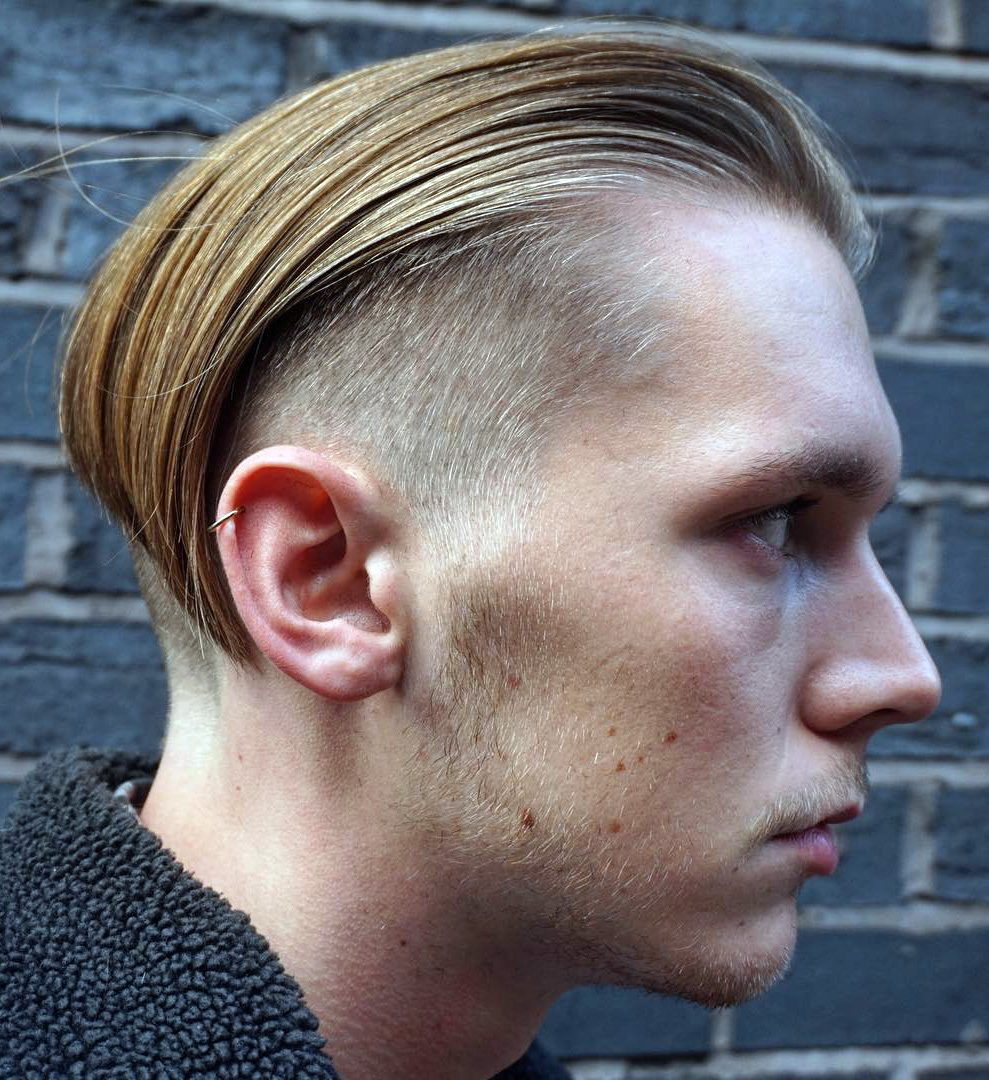
Angular Slick Back and Undercut
Doesn’t this give a very Tom Shelby vibes? Especially with that slicked back and that’s not even it, the undercut makes it so obvious plus the fade makes it look all cheeky and clean. You know what, to make it even clear, shave the beard, and boom, you might look like Tom Shelby.
What Is a Disconnected Undercut?
A disconnected undercut is a haircut where the longer hair on top is deliberately separated from the short sides and back. Instead of gradually blending the two sections with a fade, the barber creates a noticeable disconnect between them.
The top can be worn slicked back, swept to the side, brushed up, textured, or styled into a quiff or pompadour. The sides can be clipped very short or combined with a fade for a softer variation.
The defining feature is the contrast: long on top, short on the sides, with little or no gradual transition between the two.
Disconnected Undercut vs. Undercut Fade
A disconnected undercut and an undercut fade both feature shorter hair on the sides and back with more length on top, but the main difference is how those sections transition into each other.
Disconnected Undercut
A disconnected undercut has a sharp separation between the longer top and shorter sides. There is little or no gradual blending between the two sections, creating a strong contrast and a distinctly defined shape.
The top can be worn slicked back, textured, swept to the side, or styled into a quiff or pompadour. The sides are typically kept short to emphasize the disconnect.
Undercut Fade
An undercut fade uses a gradual transition from shorter hair near the bottom to longer hair higher up the sides. Instead of a hard separation, the different lengths are blended together to create a smoother, more seamless appearance.
The fade can be low, mid, or high depending on how much of the sides you want tapered.
Can You Combine the Two?
Yes. A haircut can have a disconnected section between the top and sides while also using a fade below that point. This creates a defined separation while giving the lower sides a cleaner, more graduated finish.
The easiest way to communicate the difference to your barber is simple: if you want a traditional disconnected undercut, ask for a clear separation with minimal blending. If you prefer a smoother look, ask for the sides to be blended into a fade.
How to Ask Your Barber for a Disconnected Undercut
The easiest way to get the disconnected undercut you want is to bring a few reference photos and explain how much contrast you want between the top and sides. Since “disconnected undercut” can mean slightly different things to different barbers, a photo helps make the desired shape clear.
Tell your barber that you want:
-
A longer top that can be styled slicked back, swept to the side, textured, or into a quiff.
-
Short sides and back with a noticeable separation from the longer top.
-
Little or no blending between the top and sides if you want the classic disconnected look.
-
A fade or taper below the disconnect if you’d prefer a more modern, softer variation.
-
The sideburns and neckline finished to match the overall style.
How Long Should the Top Be?
There’s no single correct length for a disconnected undercut. Keeping more length on top gives you enough hair for styles such as slick-backs, pompadours, and quiffs, while a shorter top creates a cleaner, more understated look.
Your barber can recommend a length based on your hair type, thickness, natural growth pattern, and preferred hairstyle. If you’re unsure, start with more length—you can always take more off later.
How Short Should the Sides Be?
The sides can range from moderately short to very close-cut, depending on how dramatic you want the contrast to be. For a traditional disconnected undercut, the sides are usually cut short without gradually blending into the top.
FAQs
How to Get the Disconnected Undercut?
Before you get the disconnected undercut, you’ll want a good amount of length on the top of your head. This gives a disconnected effect since the long hair on top sharply contrasts with the short hair on the sides. The length is up to you, but about 2 inches is a good starting point.
The sides are shaved with a relatively short clipper setting on the razor (#2 through #4). If you want a neat, close-cut look, you can touch up the edges of the neckline and sides with a #0 or #1 clipper.
The hair on top of your head should not be cut at all; instead, it should be brushed back. This gives a sharp contrast to the disconnected haircut. The longer your hair is, the more volume it will have and the taller it will appear. Longer hair also provides a more startling contrast between the top and the sides.
You can choose any type of neckline you like. Both a blocked neckline and a tapered neckline complement the disconnected undercut well.
You can also ask for a slightly modified disconnected haircut. In this version, the lower halves of the sides are shaved with the #2–#4 razor. Your stylist then fades the sides of your hair so that it gradually becomes thicker until it reaches the disconnect.
As you can see, the disconnected undercut can be personalized in several ways. It’s a flexible style, and you can tweak it to fit your style and aesthetic.
How to Style the Disconnected Undercut
The disconnected undercut looks best when the hair is brushed back. Using a blow dryer, push your hair backward. You can use a brush or comb to give your hair more volume.
How to maintain disconnected undercut?
This hairstyle will require regular touch-ups or trips to the barbershop to maintain its look. If you don’t maintain it, your hair will grow irregularly and ruin the style.