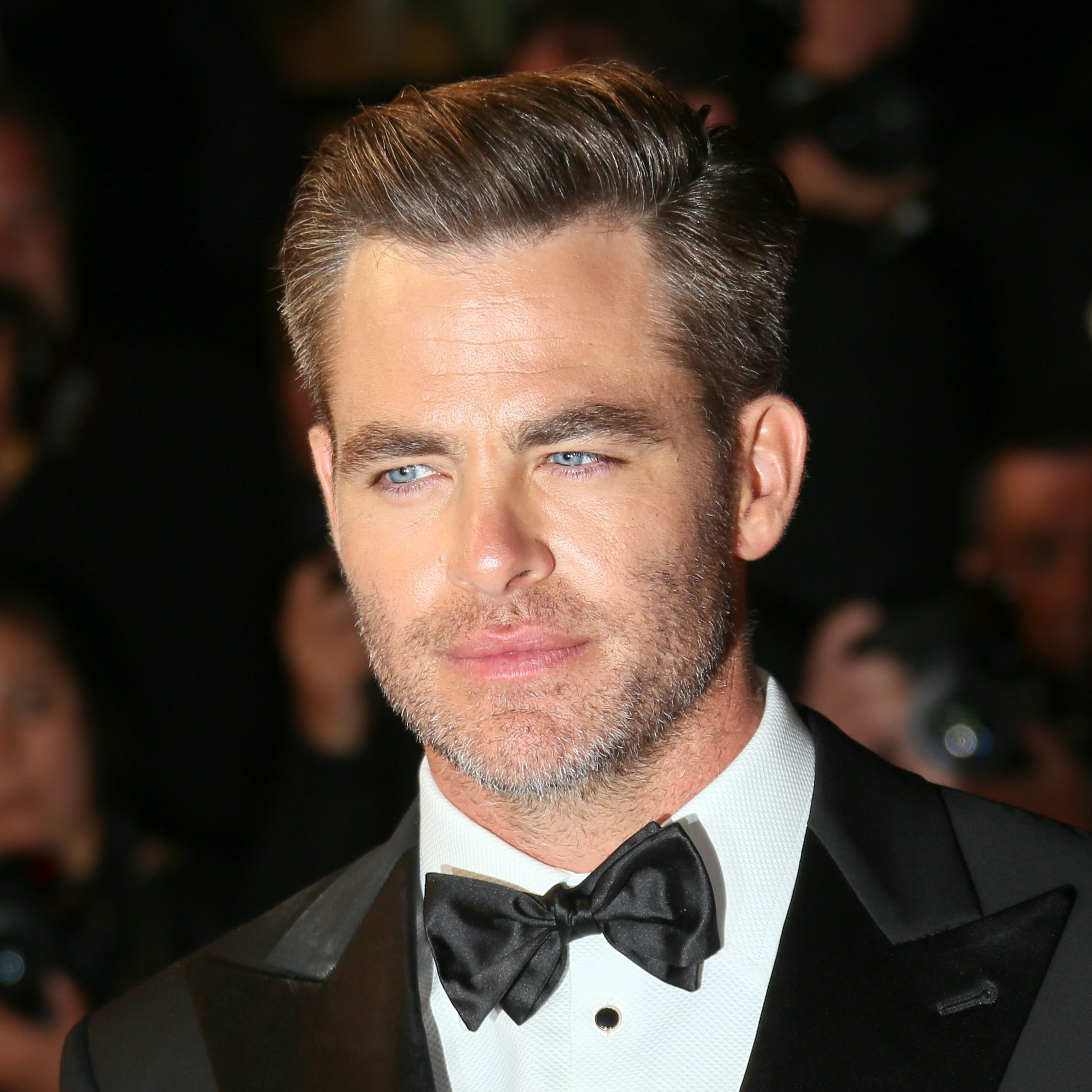
31 Best Ivy League Haircuts for Men (2026 Guide)
While you may not be able to afford Harvard’s tuition, you can easily get the Harvard style
Looking for a classic men’s haircut that’s clean, versatile, and easy to style? The Ivy League haircut is a longer version of the traditional crew cut that leaves enough length on top to create a side part, brush the hair back, or add a subtle quiff.
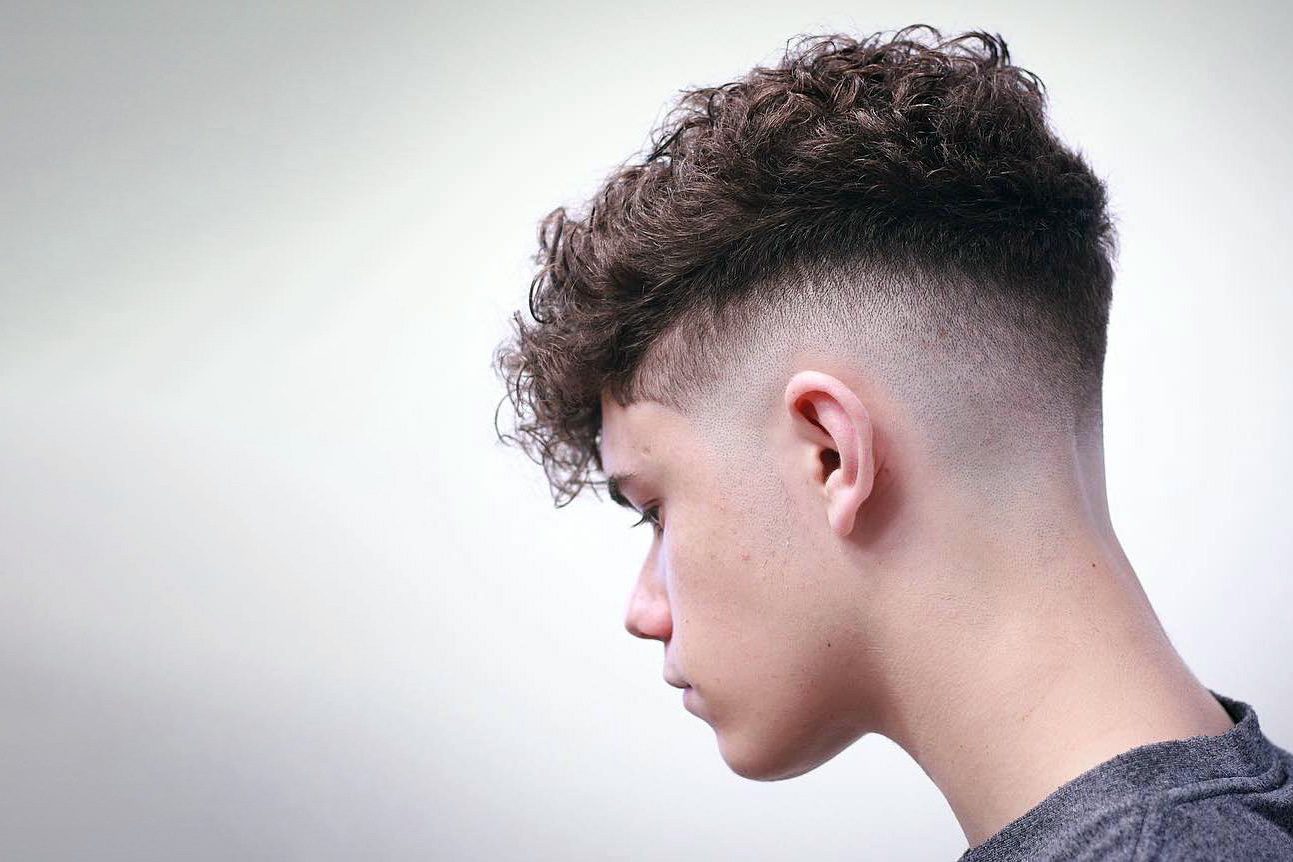
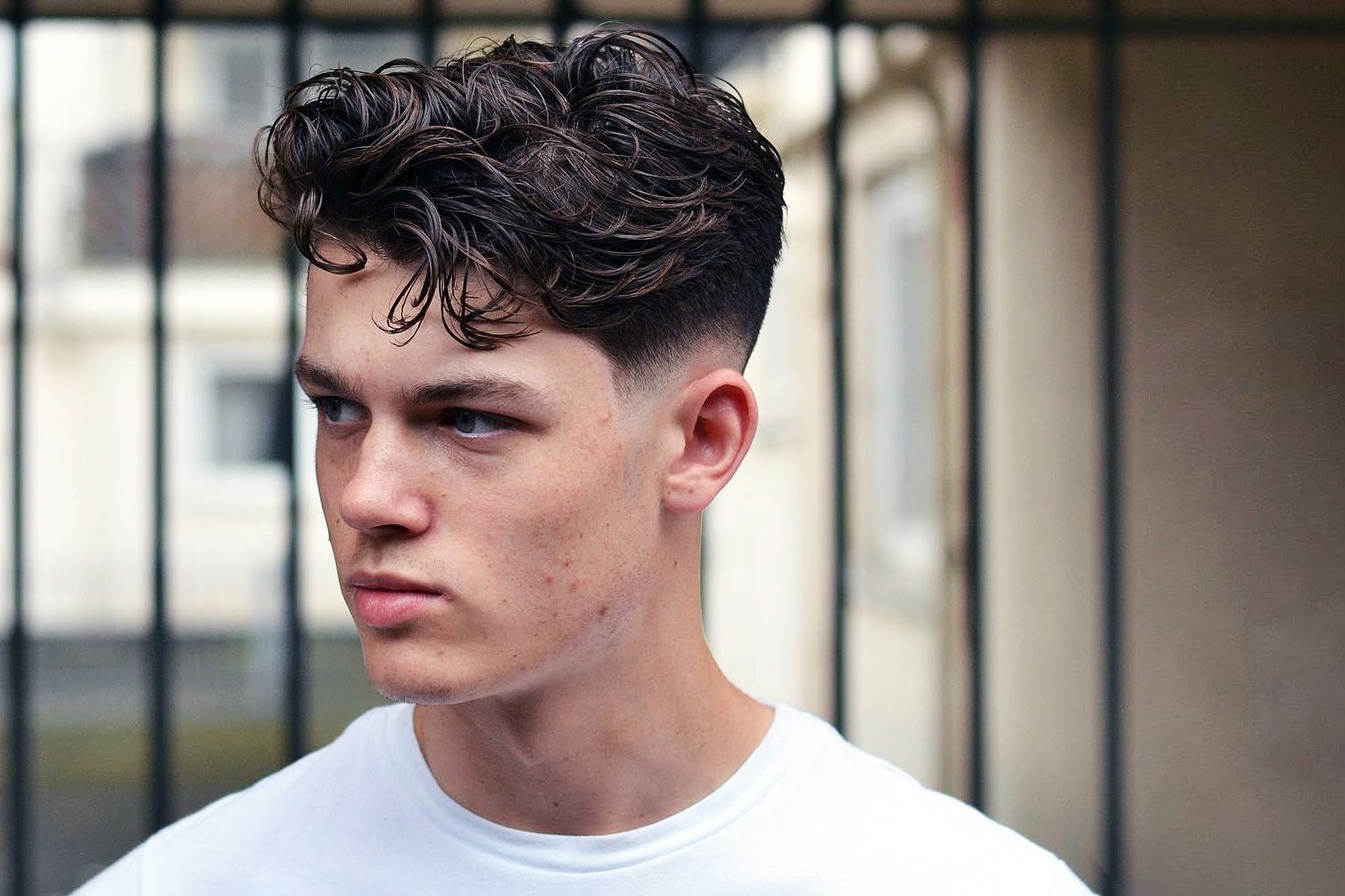
Also known as the Harvard clip or Princeton haircut, the Ivy League combines short, tapered sides with a slightly longer top. Modern versions can include fades, textured tops, longer fringes, and relaxed styling while keeping the polished shape that defines the cut.
In this guide, you’ll find 31 Ivy League haircut ideas for men, along with tips on choosing the right length, asking your barber for the cut, styling it, and adapting the hairstyle to different hair types.
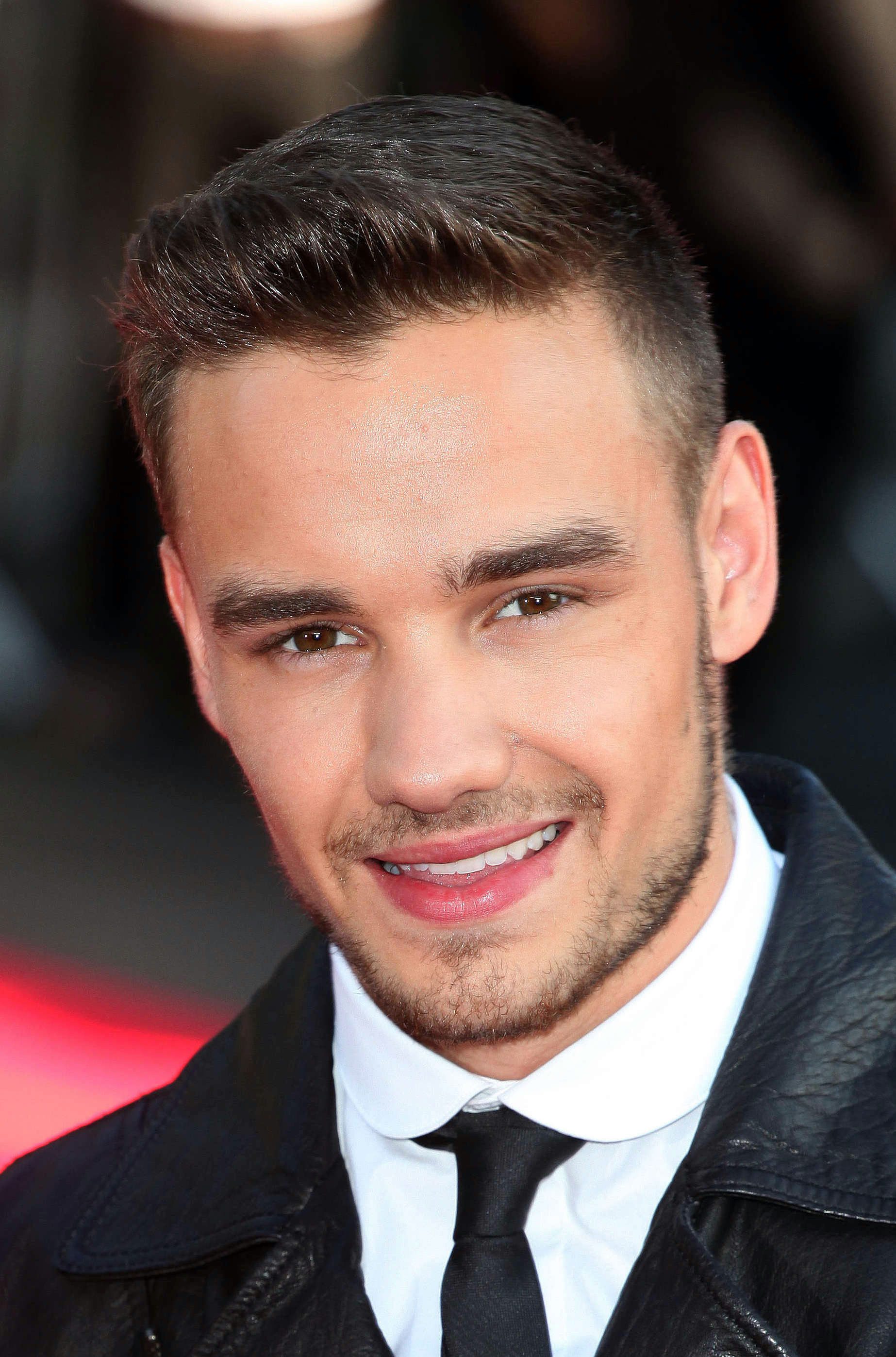
Liam Payne's Ivy
Another great example of clean-cut Ivy league, the short sides are a vintage staple of this style and Liam Payne is known to keep a healthy mixture of classic and modern influences when it comes to his personal style.
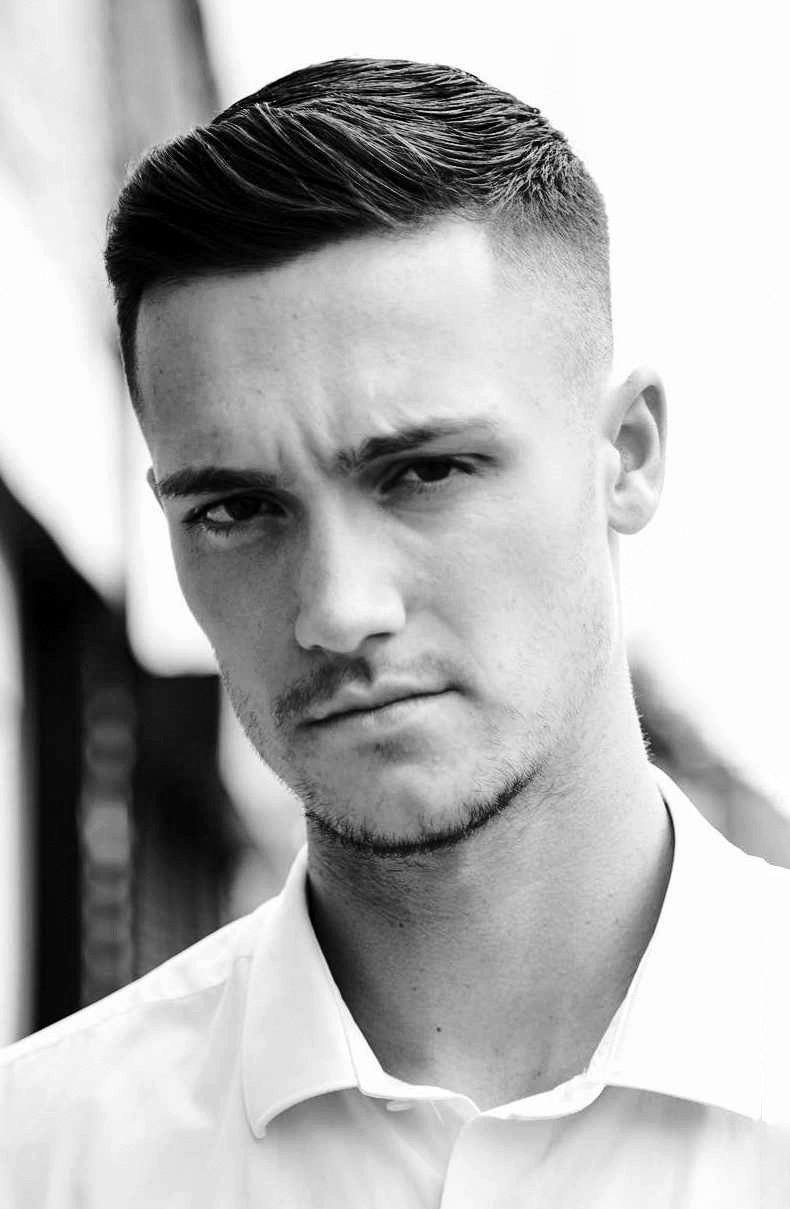
Sleek Ivy League
This is a top choice for those looking to convey an air of professionalism and create a serious business look. Characterized by short sides and a longer top, this versatile style can be styled to fit different occasions. Keep in mind that maintaining this cut will require some level of upkeep to hold its shape – try using a product like pomade or wax to tame flyaways while keeping your strands looking sleek.
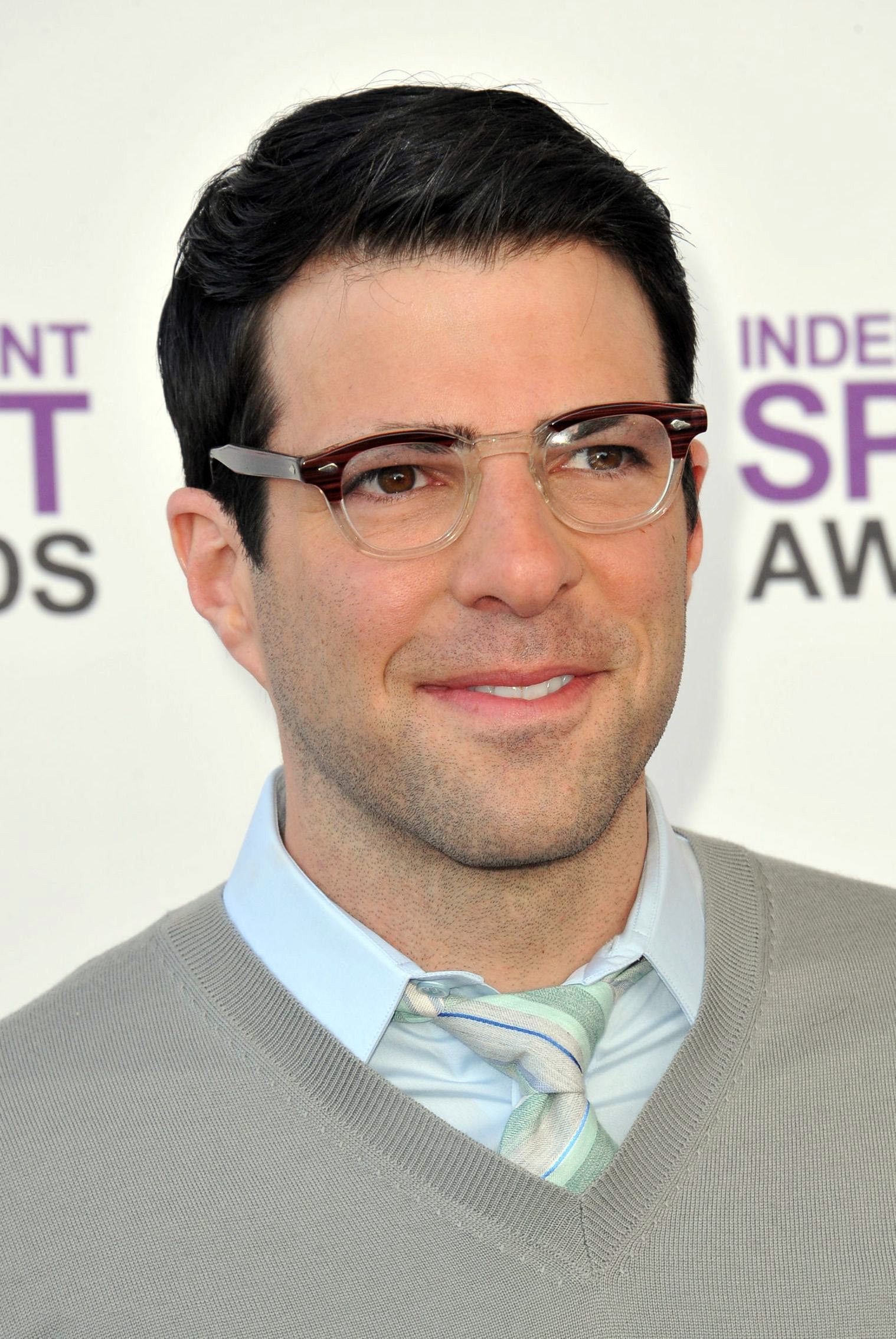
Zachary Quinto's Ivy
You don’t always need a clear side part, try a more relaxed style and take a page out of Zachary Quinto’s book.
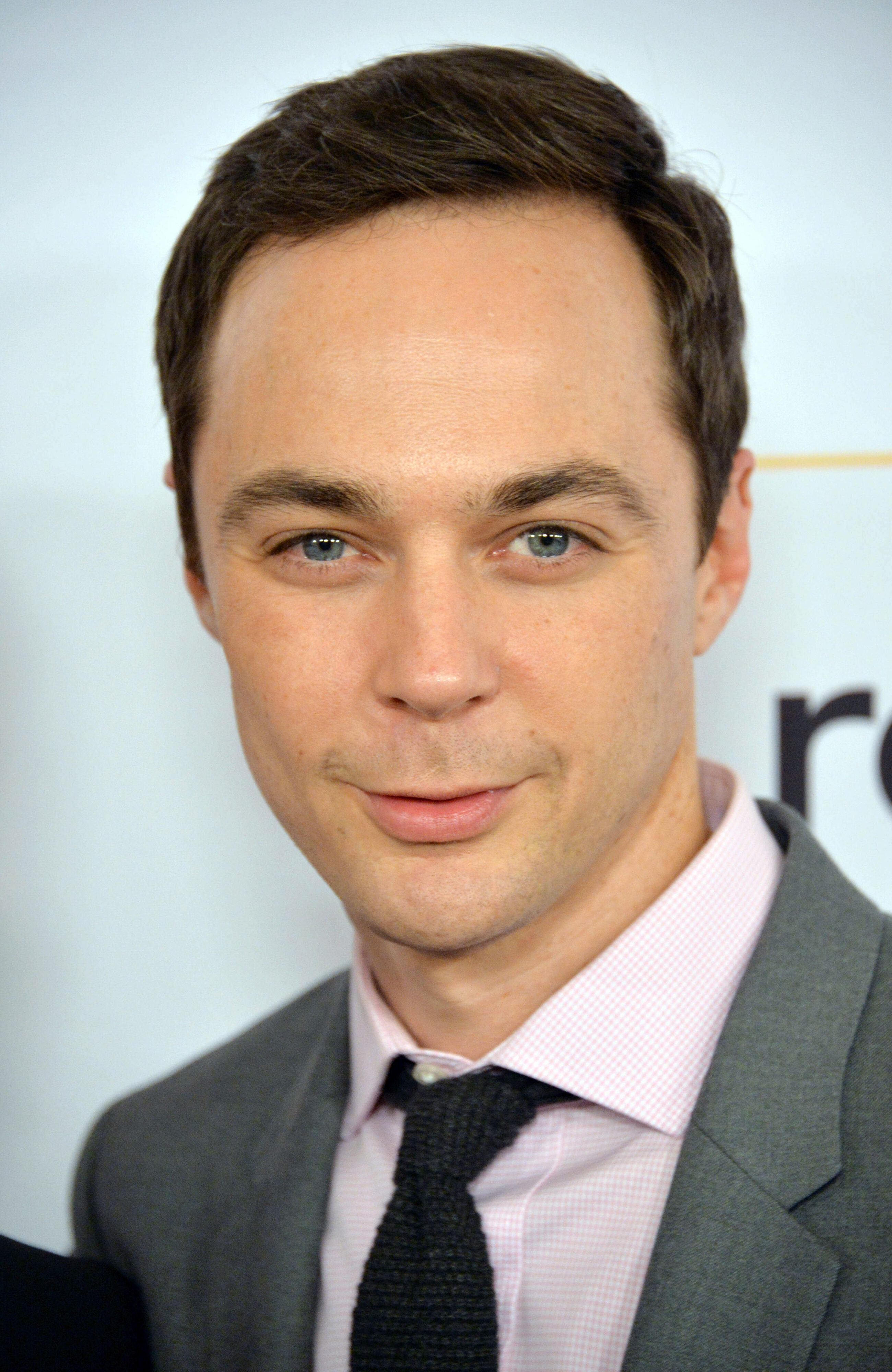
Jim Parsons' Ivy
It’s no surprise that Jim Parsons, who plays the quirky scientist Sheldon Cooper in CBS’s sitcom The Big Bang Theory chooses to wear an Ivy League haircut. Sheldon is extremely methodical and very adverse to change outside of his regular routine, so this classic hairstyle is a great fit for both the actor and Sheldon’s character.
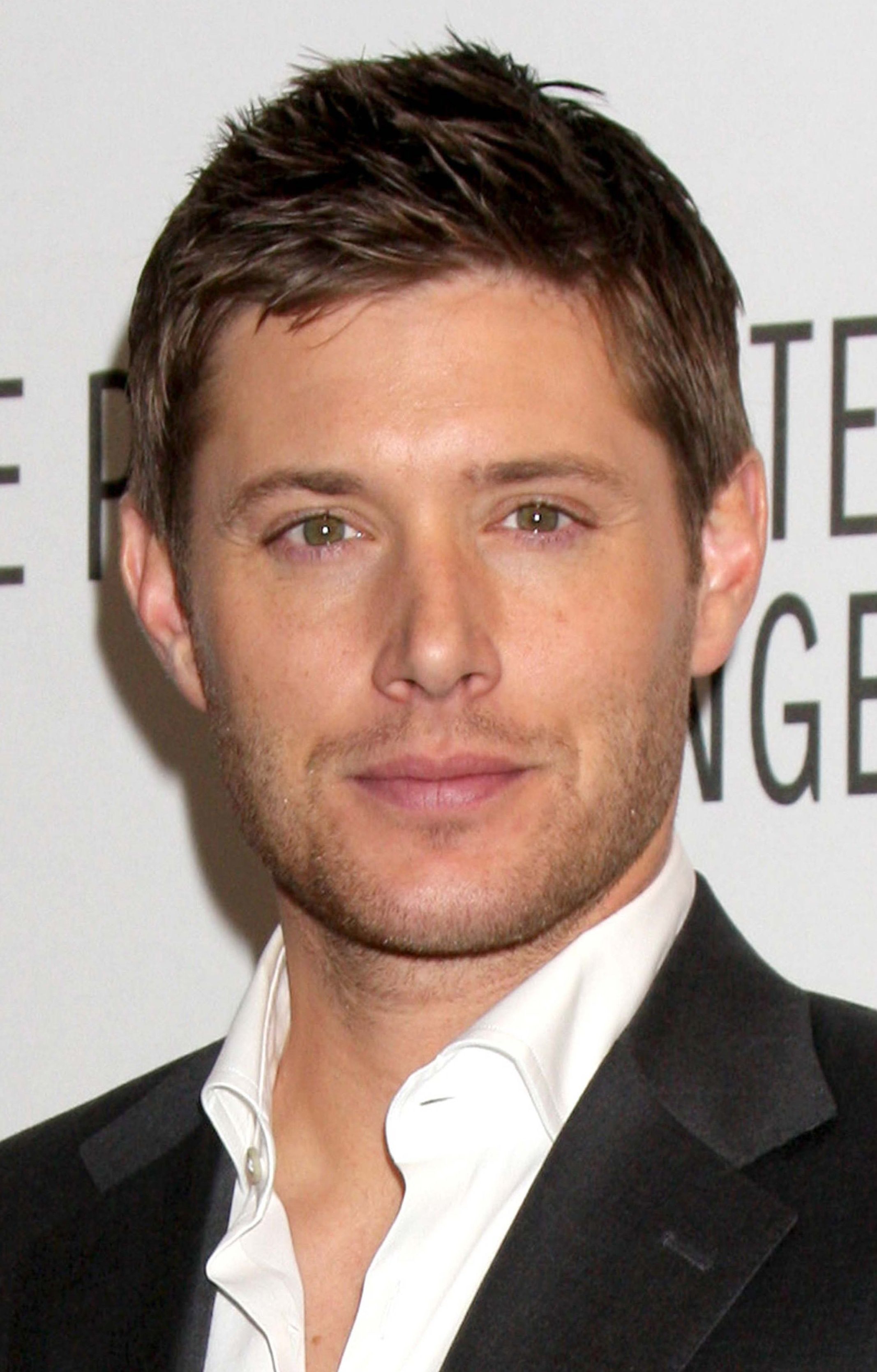
Jensen Ackles' Long Ivy
This longer, tousled Ivy adds a fantastic texture to this classic cut. If you want something that’s a bit different from the standard Ivy League, this is for you.
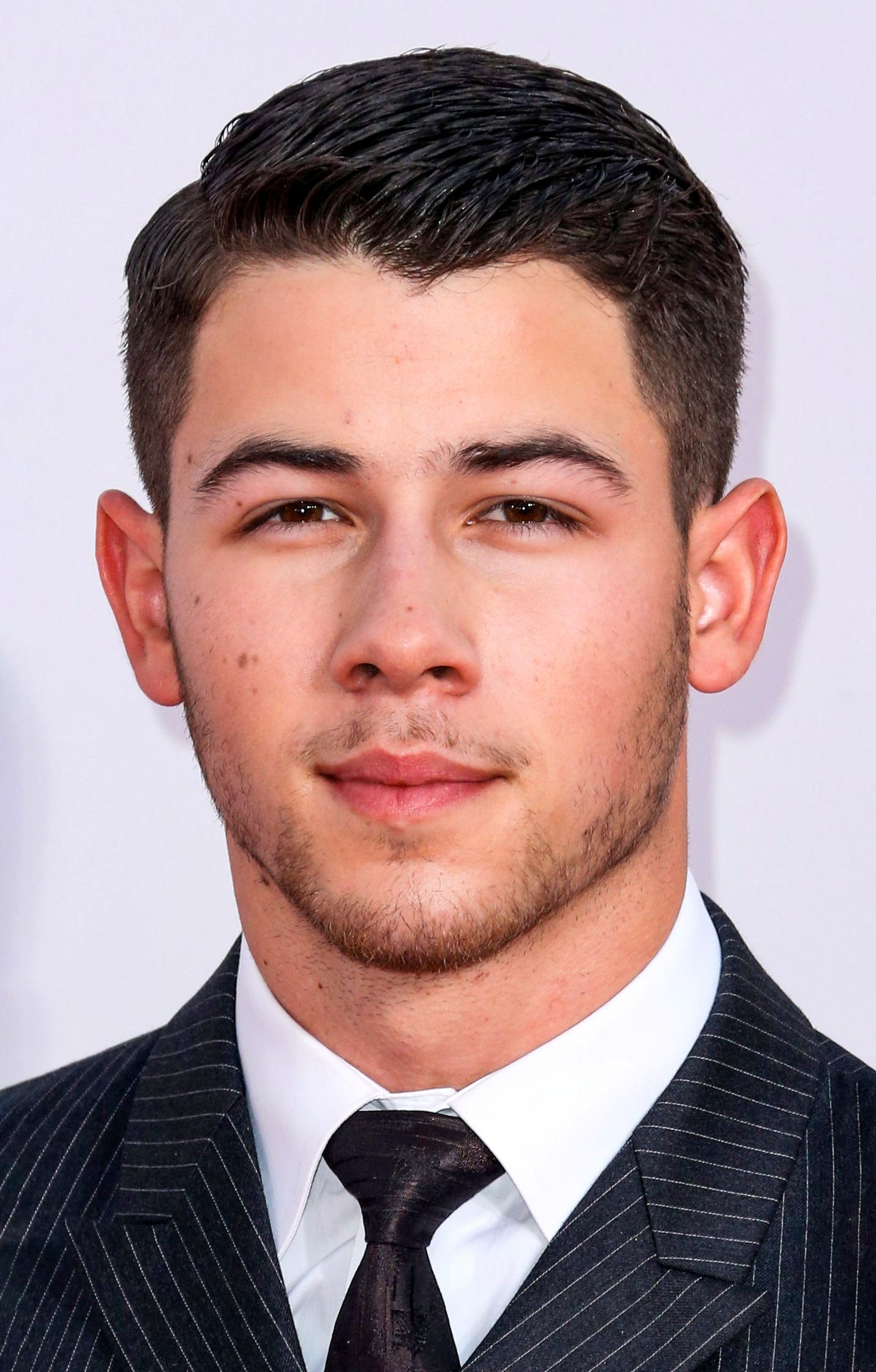
Nick Jonas' Long Tapered Ivy
Long yet neat, this Ivy League has almost every hair fixed in its place for a formal, more mature look.
Related
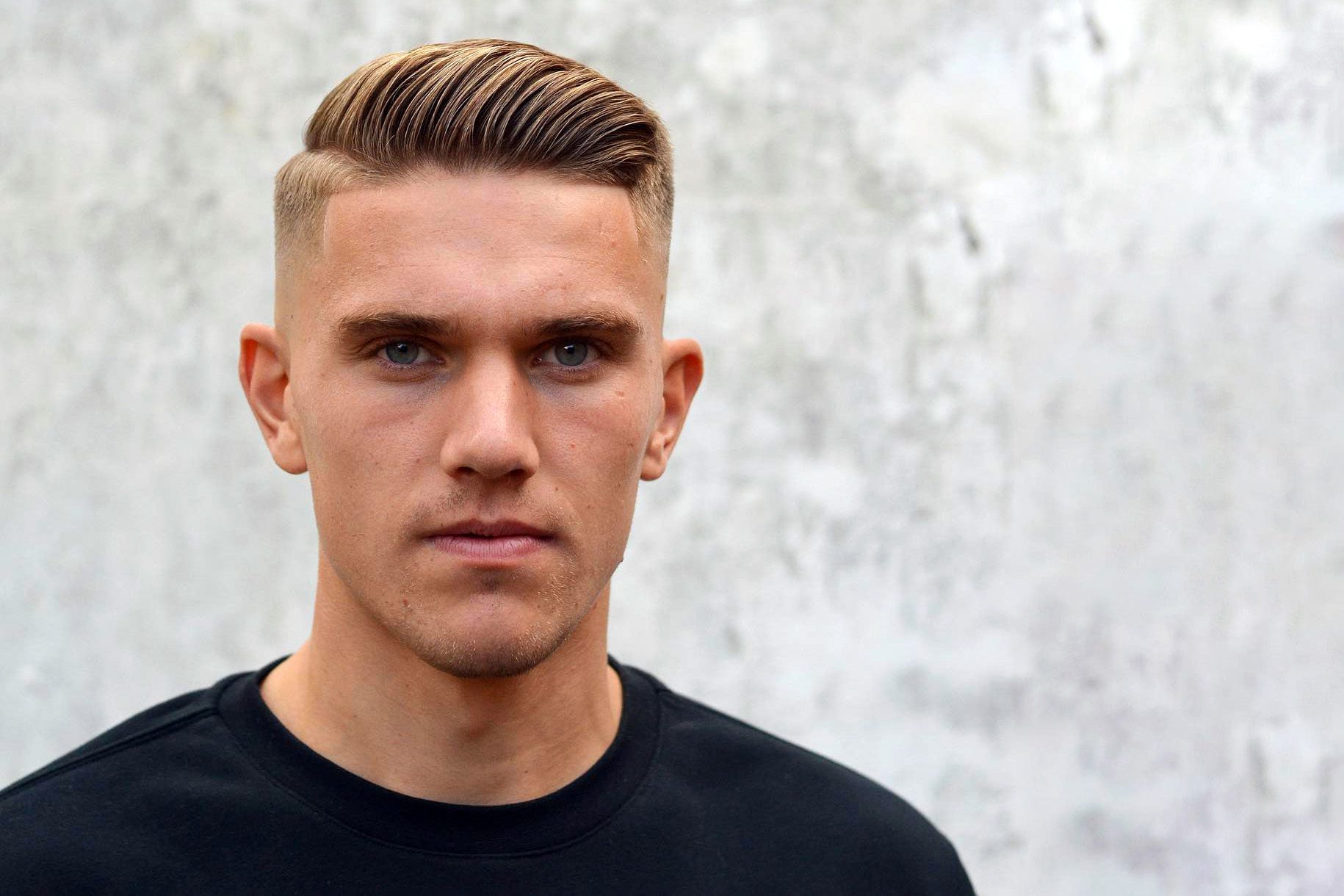
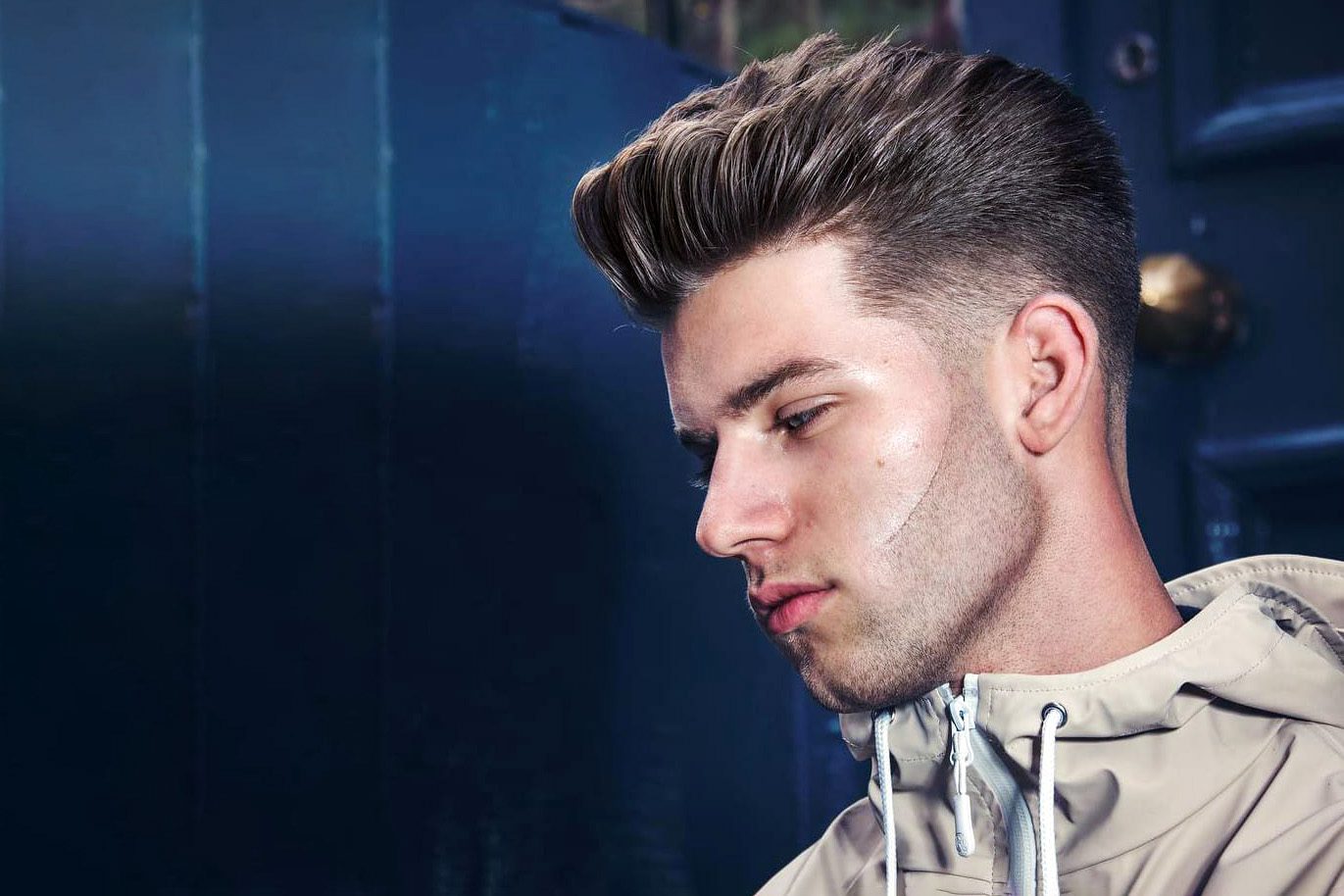
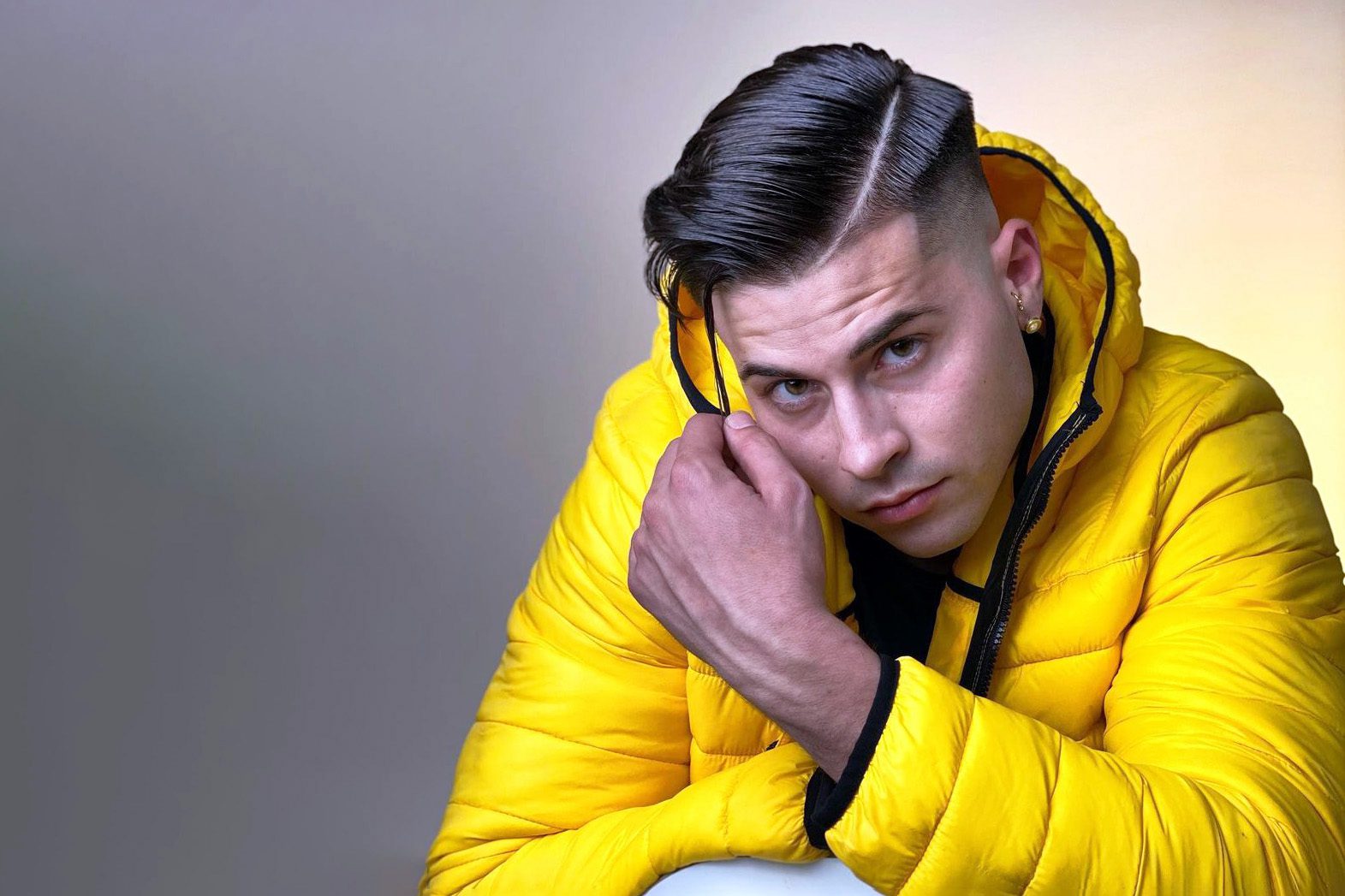

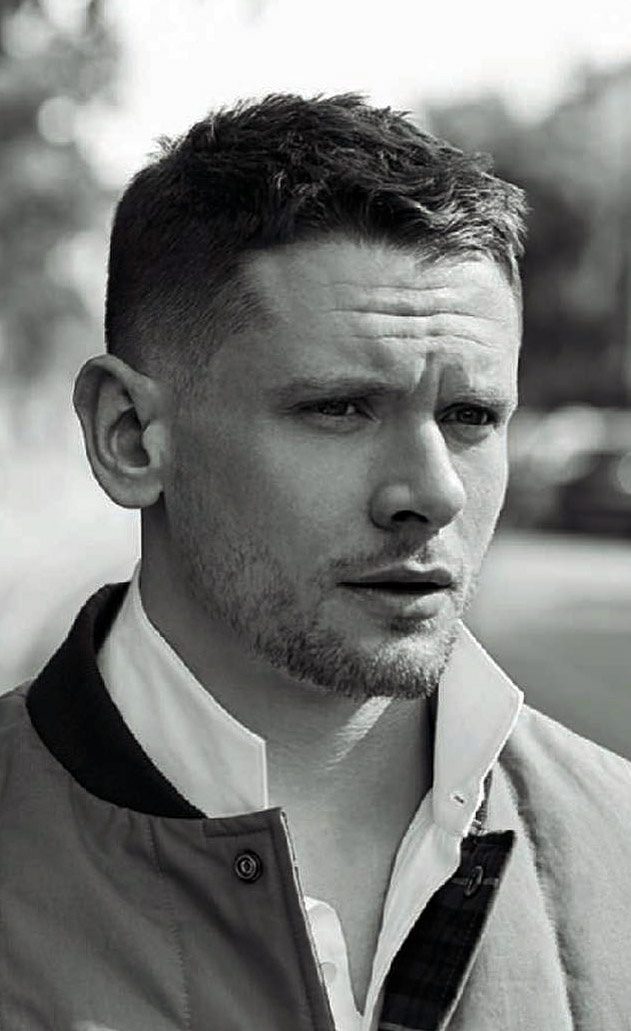
Messy Ivy League
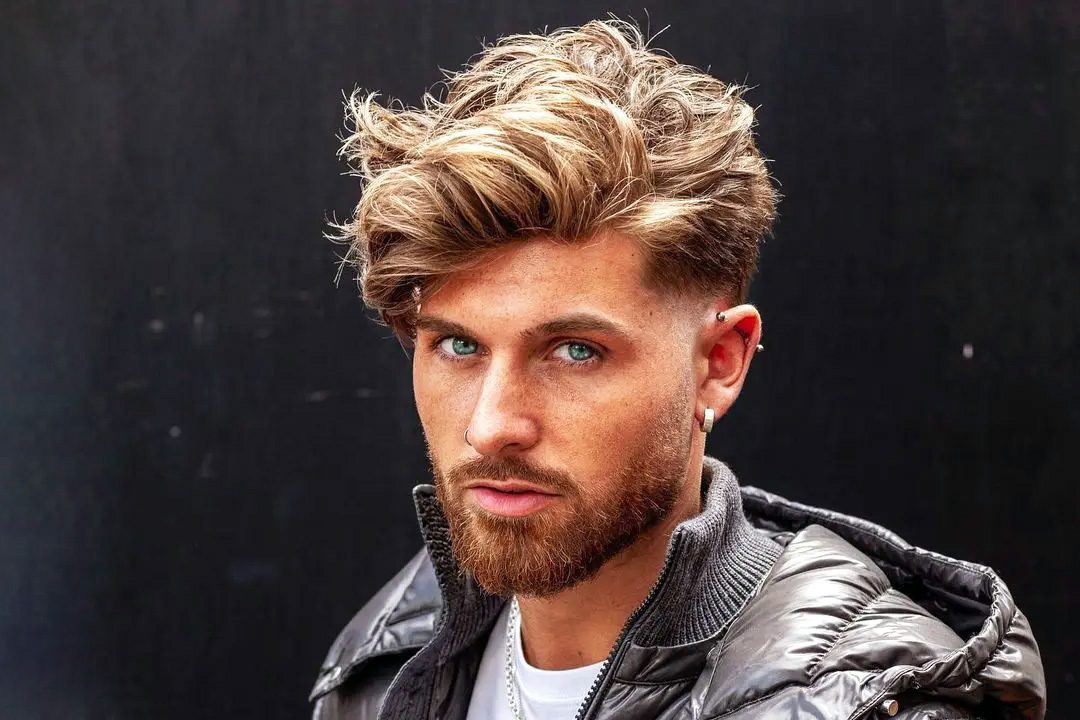
Tom Hardy, is that you? Well if not then it is a pretty close look and boy that makes a lot of panache. The messy yet controlled high volume top with gradually tapered sides are always on the classier side of things. The sharp and carved line up shows that details matter and end it with a classic stubble chin beard.
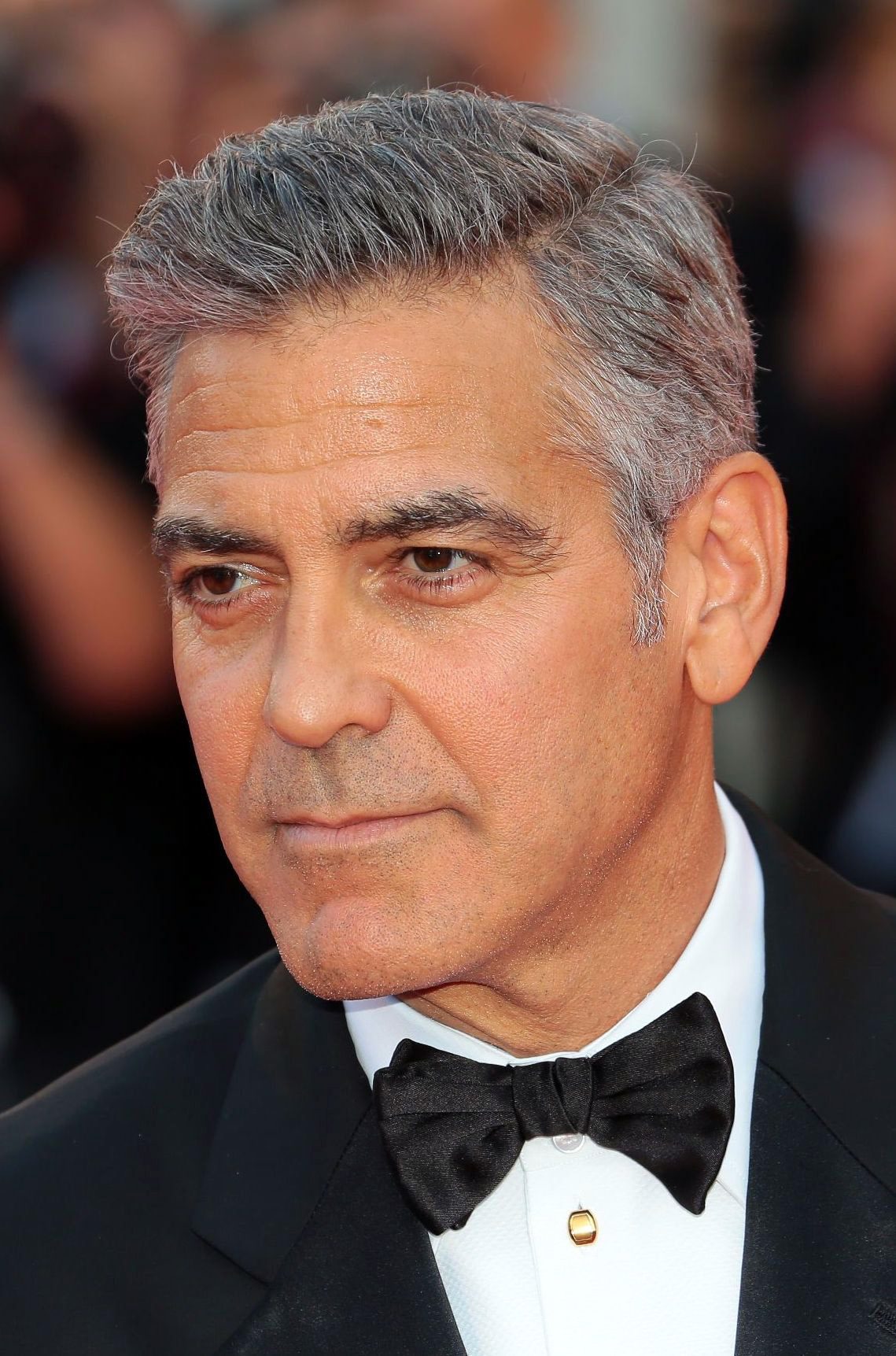
Clooney's Modest Cut
Even if your hair is naturally somewhat frizzy, you can still rock an Ivy League. Check out how George Clooney uses a medium length Ivy League with his slightly frizzy hair.
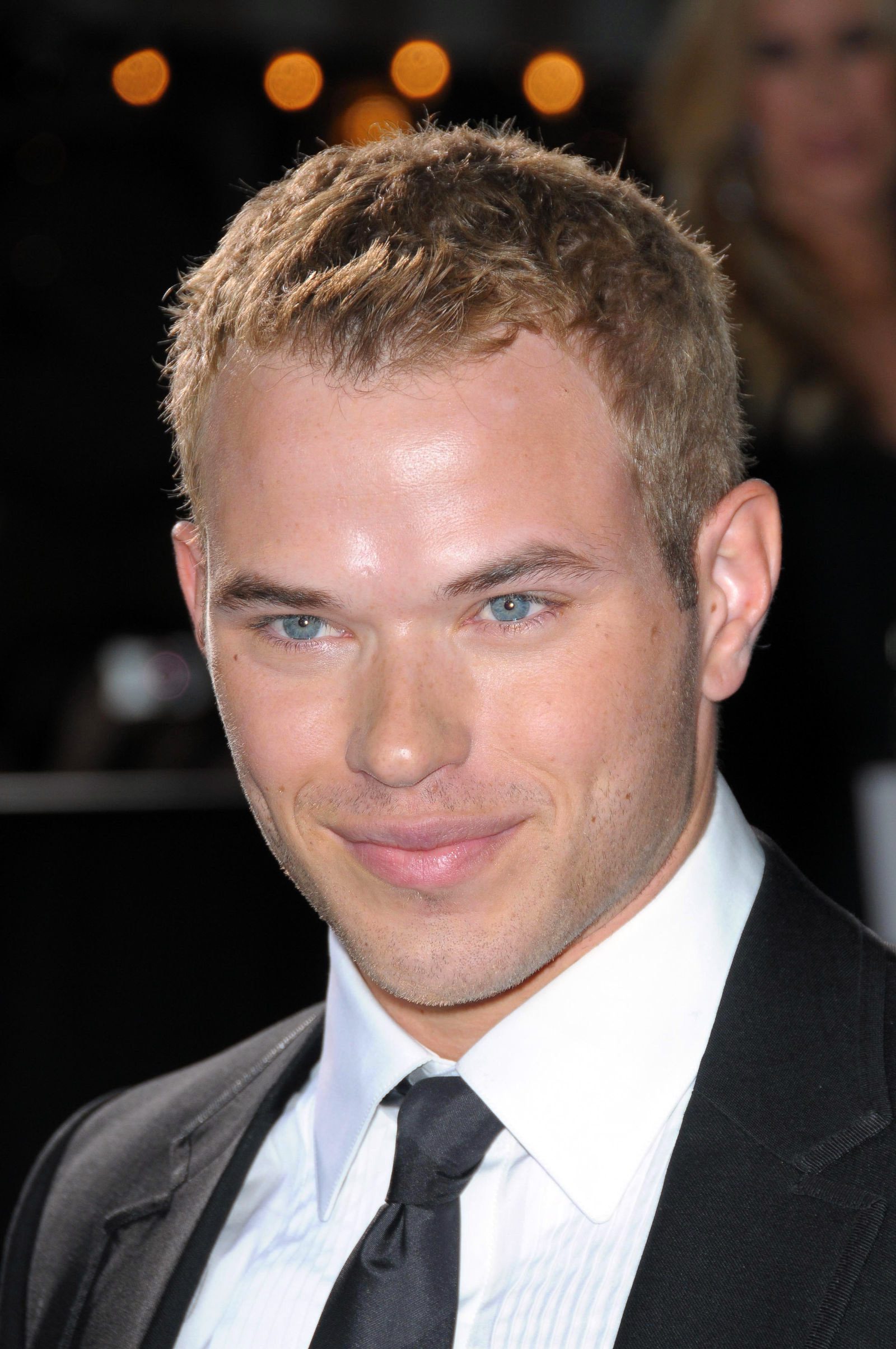
Ivy League Haircut: Informal Short Top
The Ivy League looks great at several lengths, and if you desire, you can wear it short as it was originally intended. However, you don’t have to have a super neat cut––you can have a more informal look as shown here.
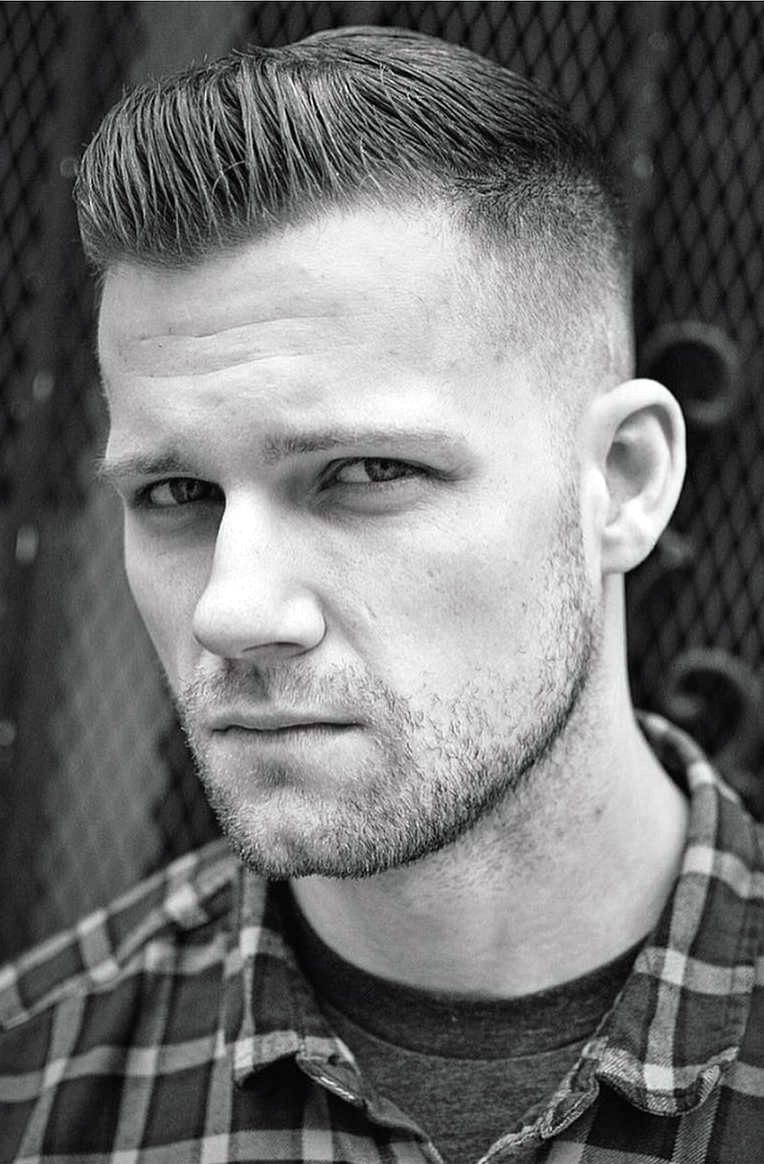
Packed Pompadour with Faded Sides
Introducing the most classy and maintained Ivy League with a small quiffed pompadour in the front. The sides are finely tapered and the temple is almost faded with a stubble beard to come to balance the look of the face. Make note that this will need some products to stay in place and look sharp.
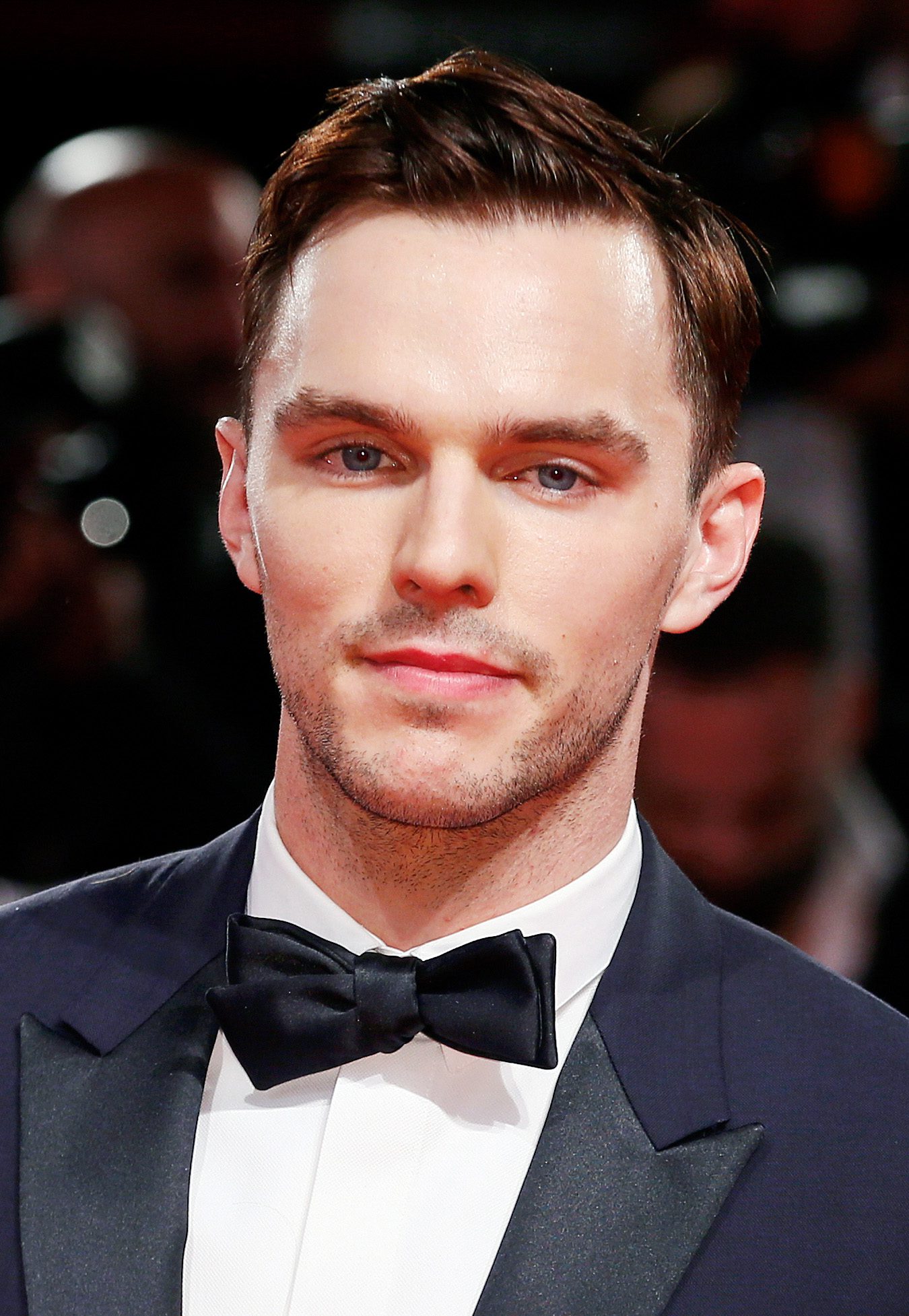
Nicholas Hoult's Tousled Ivy
If you like more casual styles, you might want to consider this Ivy League. This one’s also a good choice for men with finer or thinner hair.

Simple Rolled Brush with Short Sides
One great hairstyling trick is to use a roller brush at the front of the head to curl up the hair. Here you can see that technique applied to the Ivy League, which creates a more laid-back vibe.
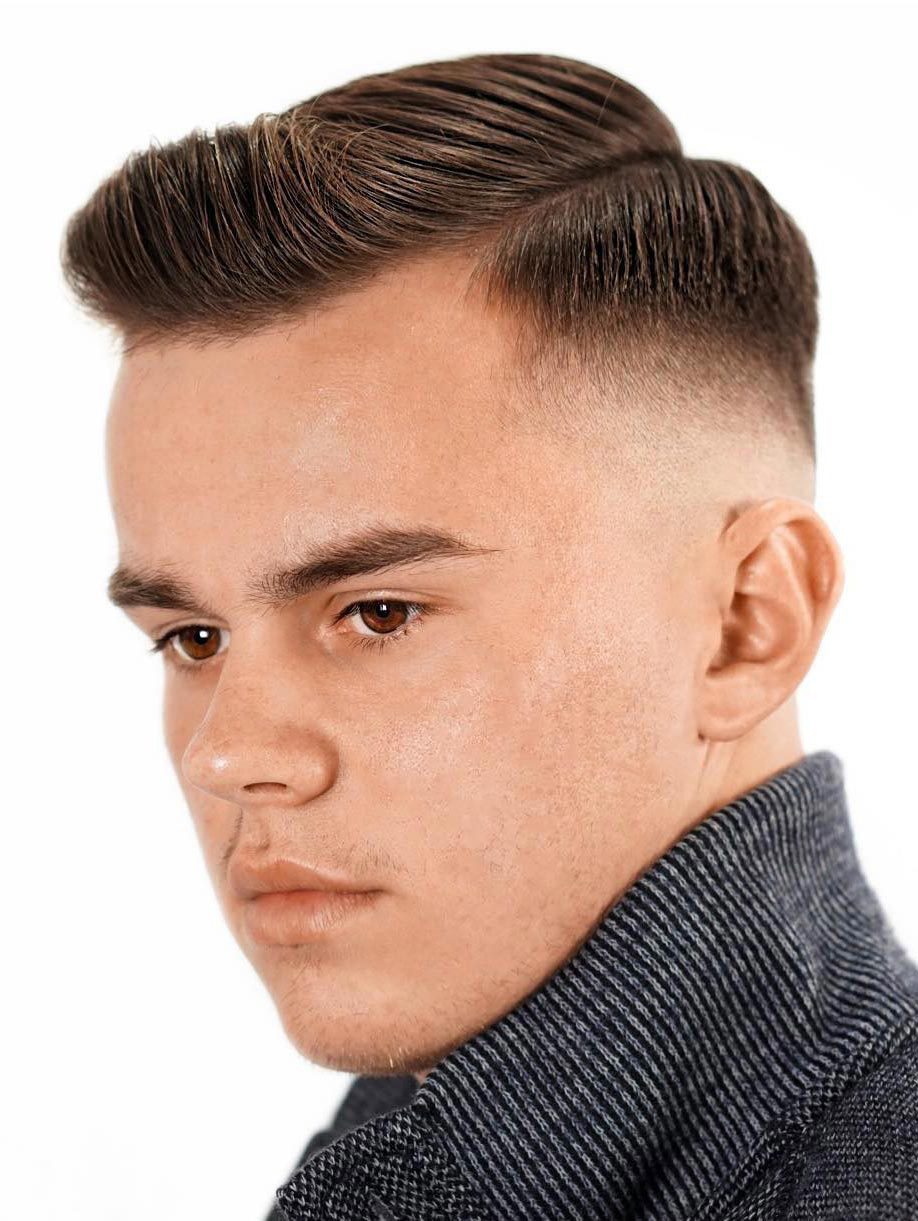
Modern Regulation Cut with Burst Fade
If you’re after the authentic retro look, try out this regulation Ivy. It’s brushed up a bit at the front but is combed into place everywhere else, which makes for a great contrast.
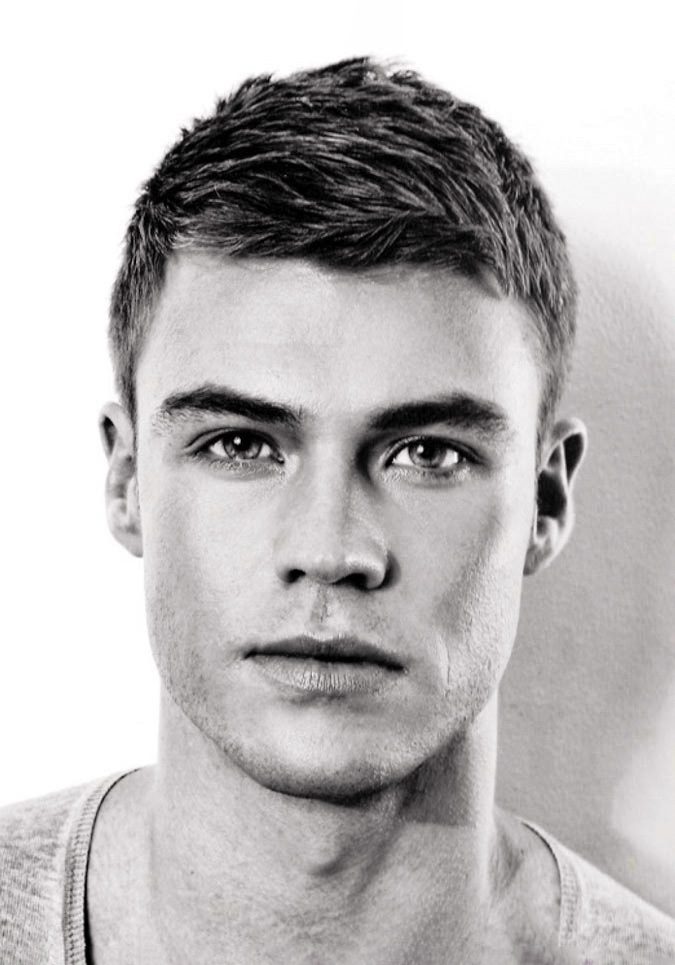
Textured Ivy League
This side swayed ivy league has more of a pocky stranded texture rather than a straight one. Moreover, the sides are sneakily tapered rather than being all obvious taper faded. The temple being faded supports the clean look which makes this style a rather formal one than casual.
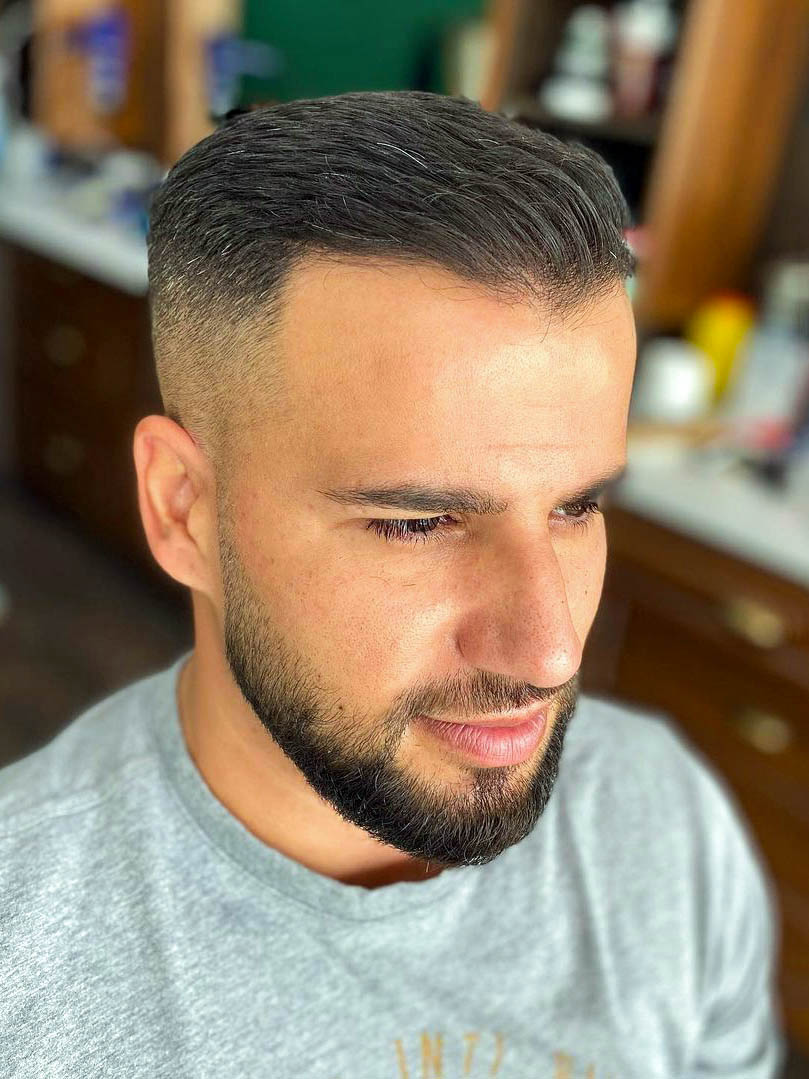
Regulation Ivy League
Look at any organization with haircut regulations; you’ll find a cut like this. This neatly cropped ivy league cut sacrifices nothing when it comes to style and trendiness. The hair on the top is kept close and follows its natural flow, moving toward the back of the head while the sides are kept at a tight high fade. Add a well-trimmed beard like you see here, and you’ve got formality that can be dressed up or down, giving you a sophisticated style for every occasion.

The Rolling Ivy
If you’re not about parts and pomade, you can still channel the clean, attractive look of the ivy league. Here, this gentleman kept his fringe long enough to roll it back with a comb or brush. This brings all the attention to the front of the hairstyle and removes any need for a hard part to draw attention. The high fade keeps the professional look which is easily contrasted by the smartly lined beard.

Long Parted Ivy
The ivy league cut isn’t just about the shorter length styles. This cut can also be tailored to fit every hair profile, including your longer hair. The feel of a smart, sleek look is still kept intact by the sides falling to a low fade, while the top is naturally brushed back and up. The easy, natural part adds to the image by creating an appealing break in the hair, allowing for more contrast and volume.
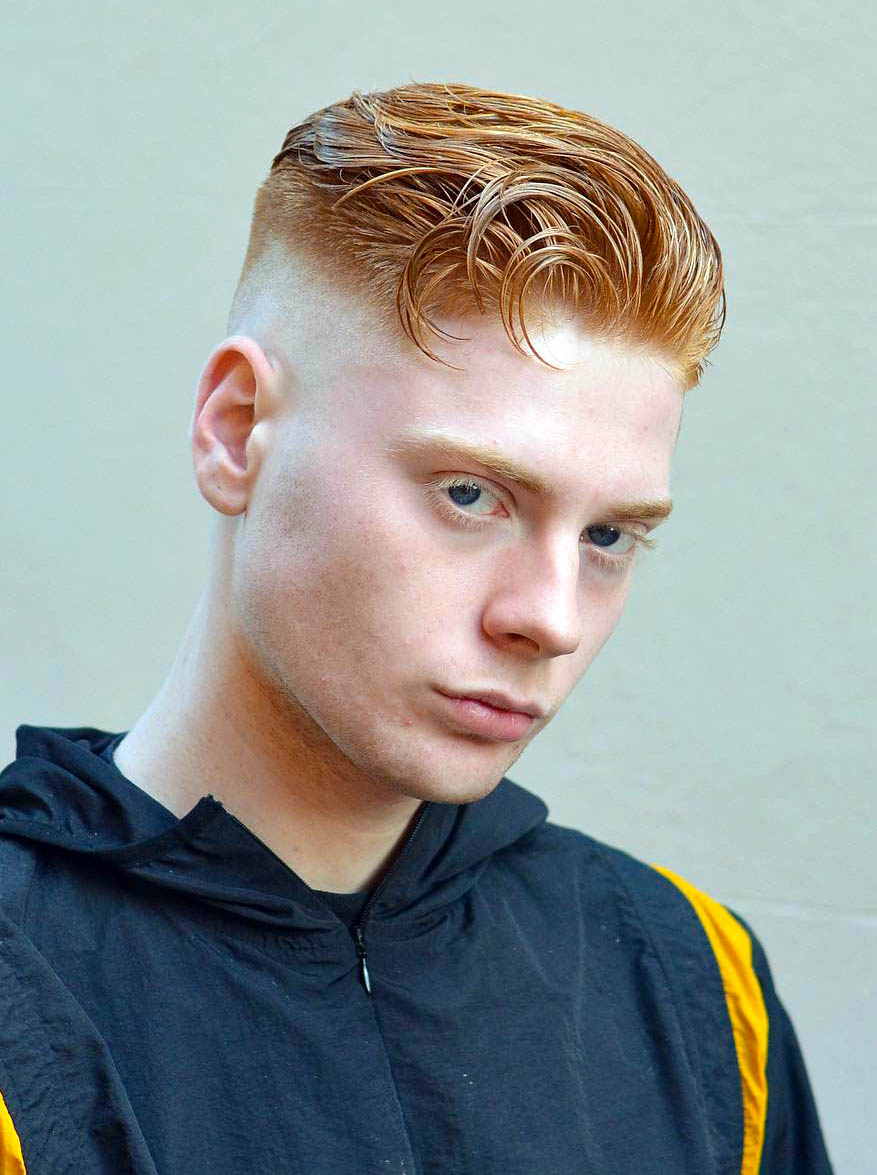
Slicked Back Undercut Ivy
Straight and easy-to-style hair has its benefits. As seen here, the top is slicked back while the fringe is given a slight loose curl. The wave is slightly followed through to the back, adding a reasonable volume and texture. The high fade with an undercut provides this style with a little more edge and pulls the eyes to the front of the hair, where those three perfectly curled hairs give you a confident and playful style.
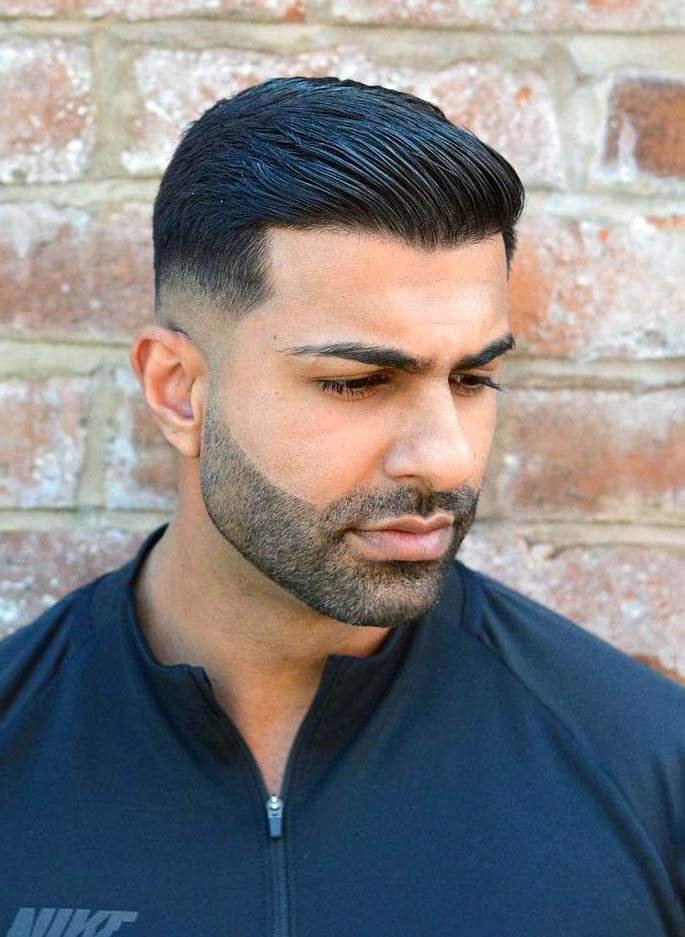
Ivy League Haircut: Quiffed Ivy
If you really want to give off the impression of professionalism and a smartly tailored look, the ivy league with a quiff is precisely the style to do it! Here, the sides are kept at a medium fade while the fringe is just long enough to be held in a quiff with some medium shine product. The thin, well-lined beard adds the perfect amount of edge to this look, completing the ensemble.
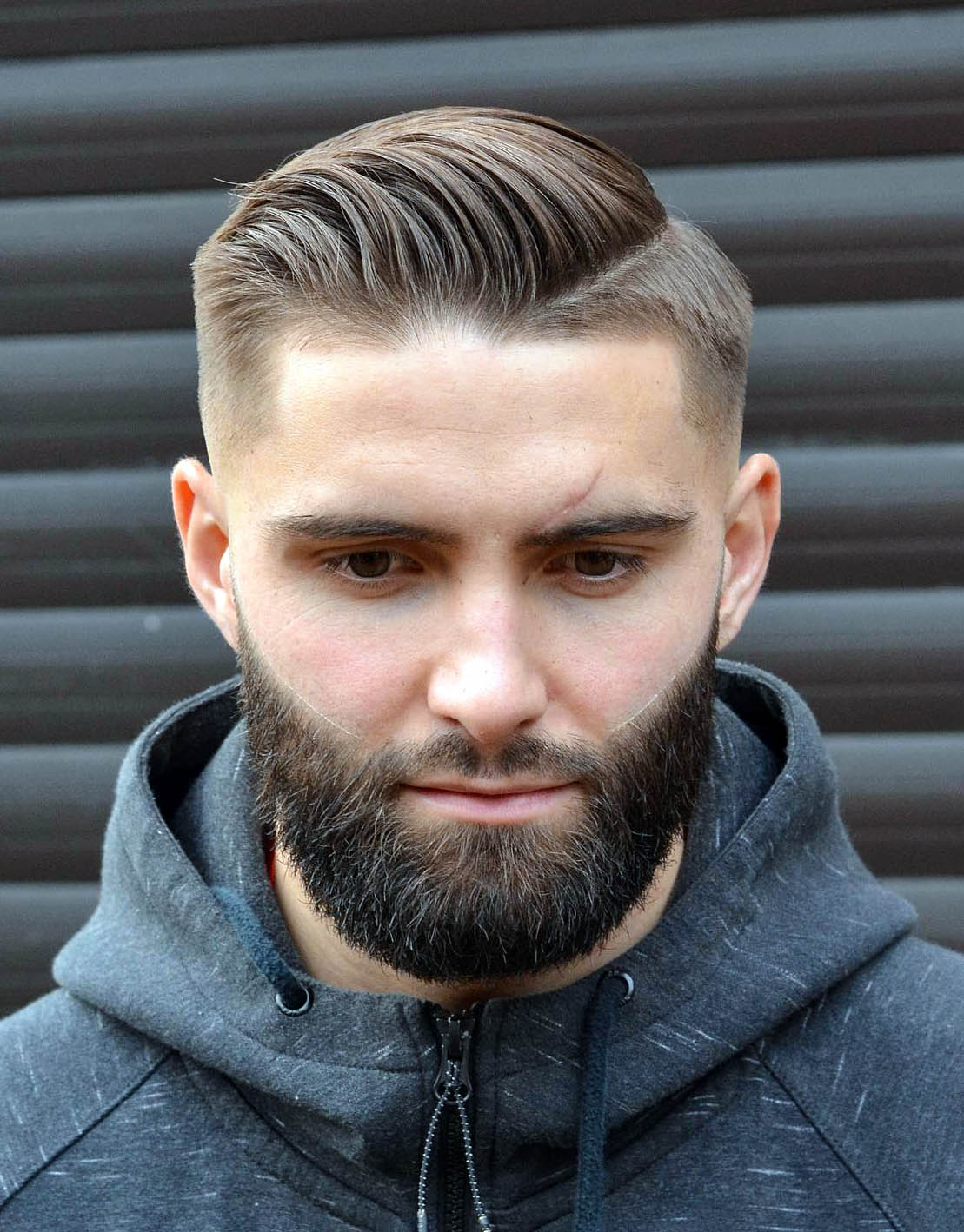
Ivy League Combover
A different take on the typical ivy league cut, this style grabs two of the cuts most associated with a clean, tailored appearance. The combover and the ivy league. This gentleman keeps his sides a tad bit longer to accentuate the part while adding product to the fringe to comb it over and slightly back. Adding a medium to low fade gives his hairstyle a sleek and powerful look. Moving down the face, his beard is bushy and trimmed perfectly, complementing the hair by adding appealing contrast.
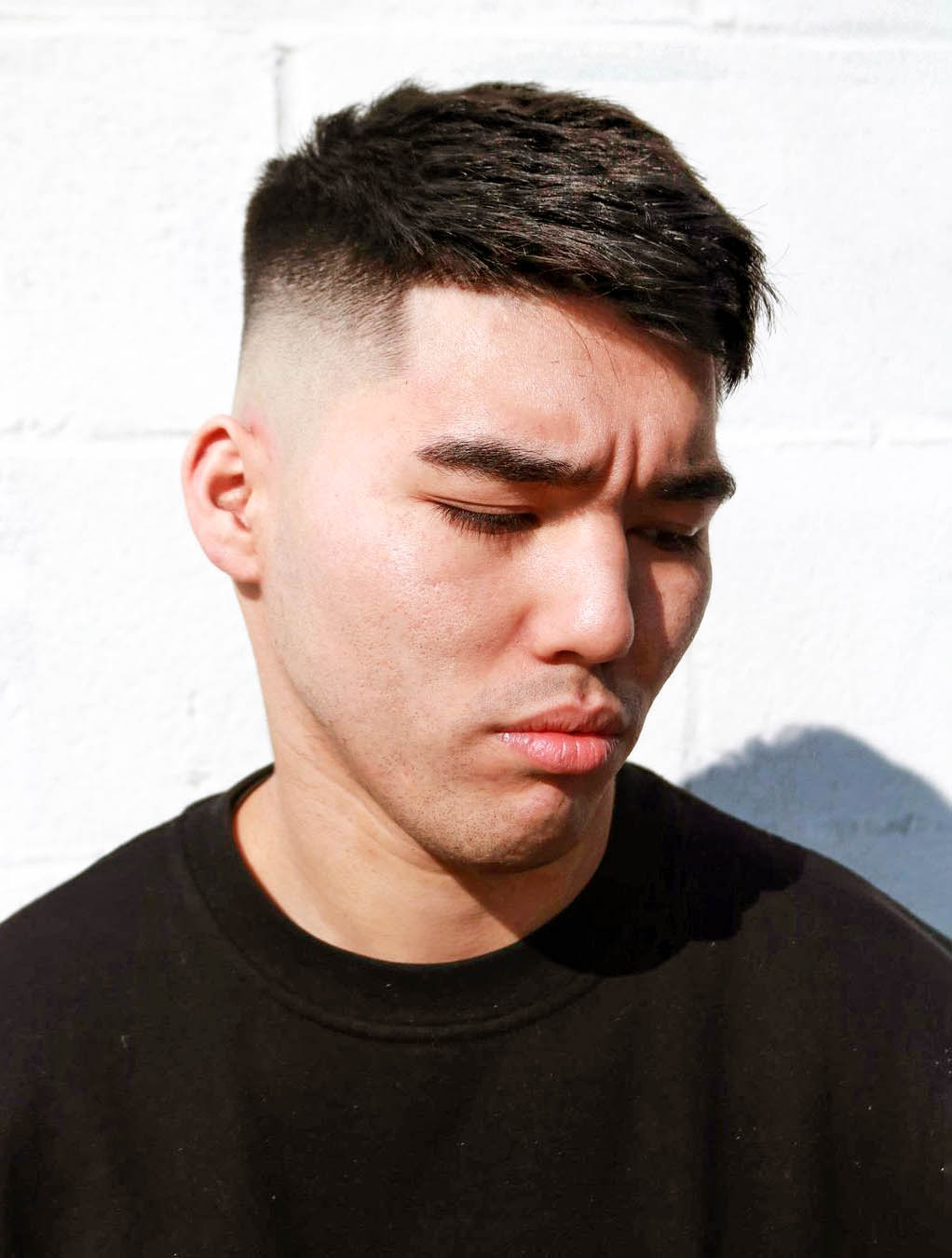
Ivy League Haircut: Close Cropped Ivy
Throwing it back to the style that originated in top-ranked universities, this close-cut ivy league hairstyle will undoubtedly increase your fashion IQ. Great for almost any event or setting, the ivy league brings versatility and a clean appearance. The high fade here gives off a sleek style that is easy to maintain. Add some product, and you can style it to really give off a cleanly tailored look.
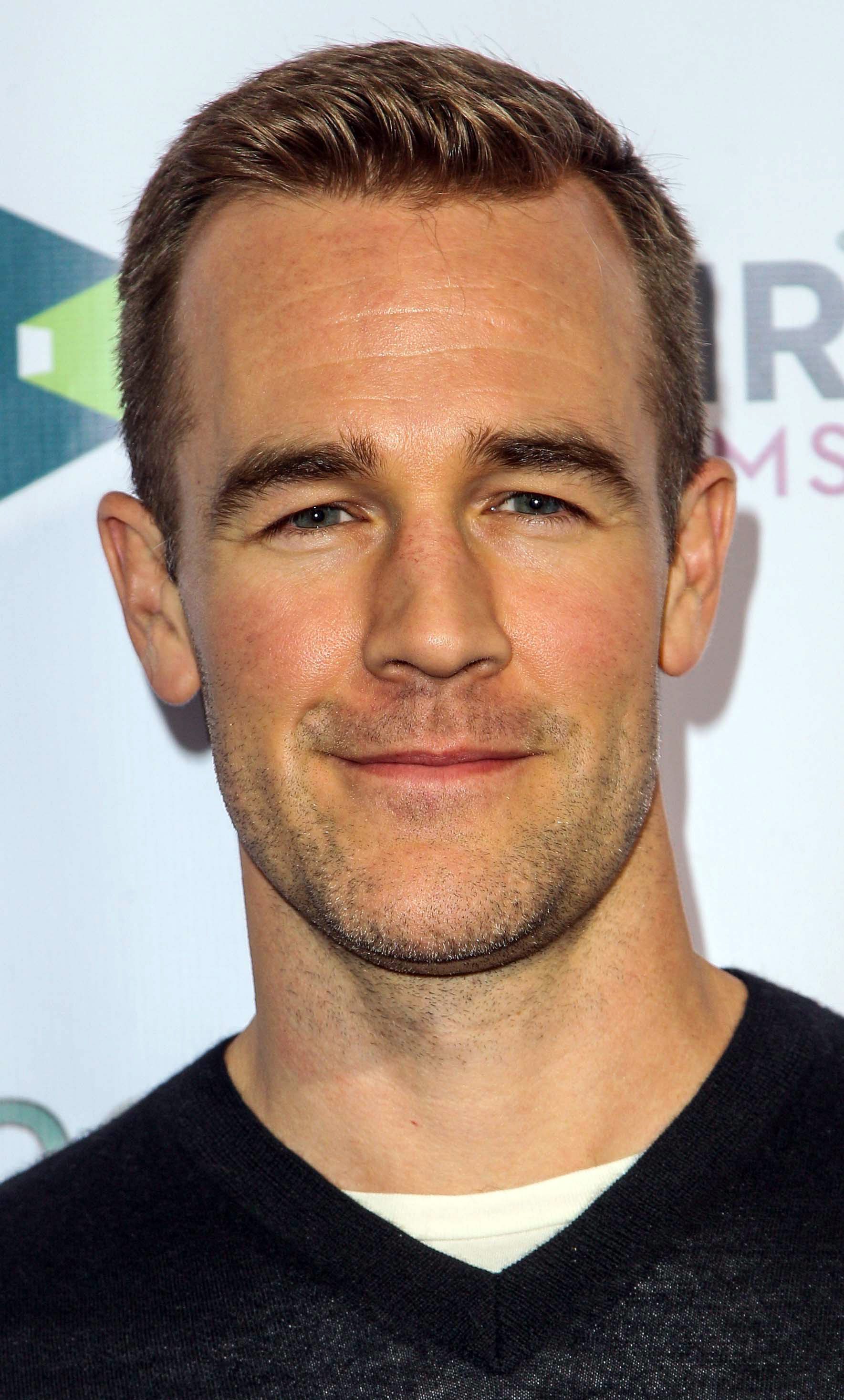
James Van Der Beek's Ivy League
A very classic way of sporting the Ivy League is by having it cut short. There are many modern spins of this hairstyle but if your goal is to keep it timeless, the short version is your best choice.
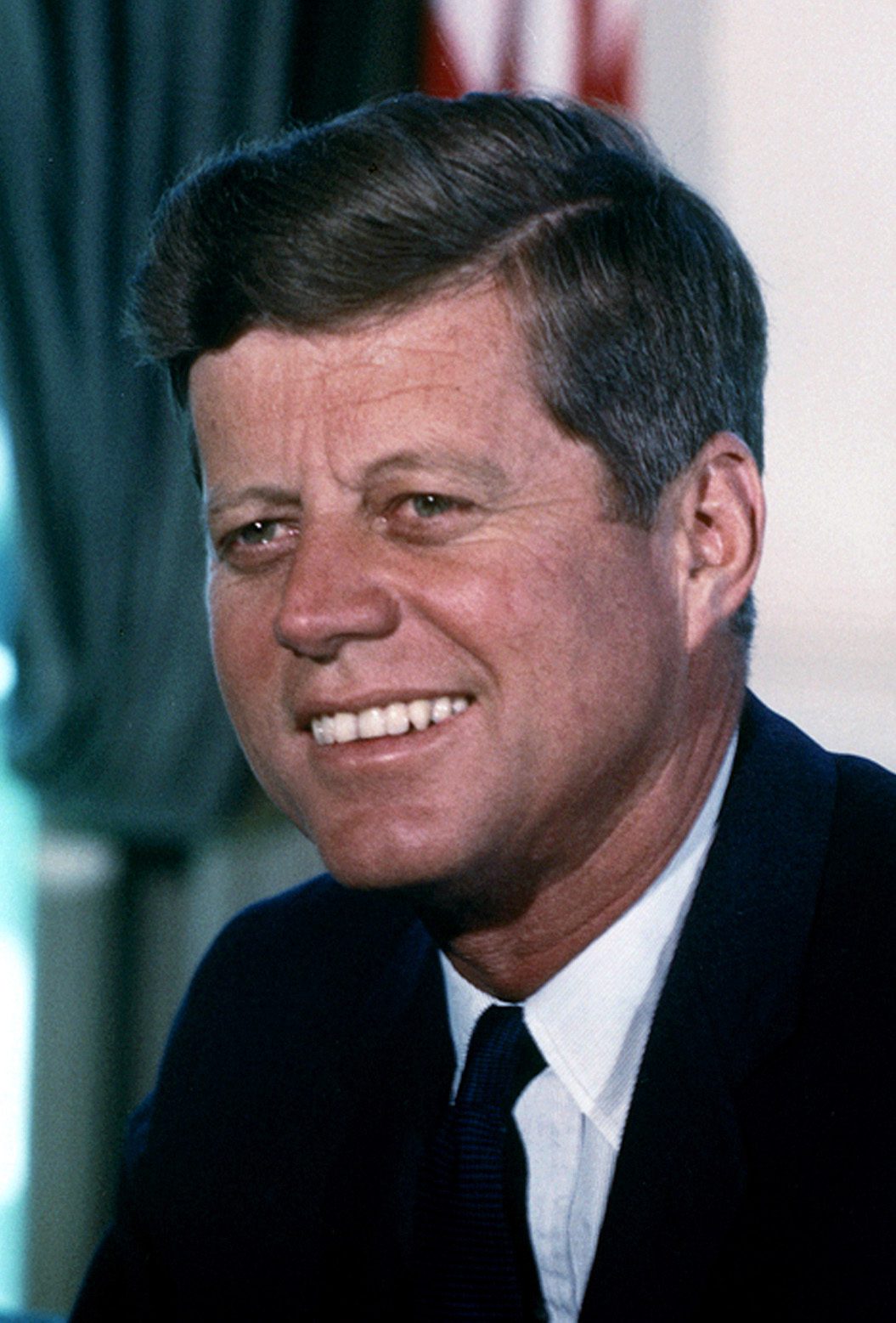
JFK's Voluminous Ivy
There isn’t a more iconic wearer of the Ivy League than John F. Kennedy, 35th president of the United States.
His look consists of a smooth balance between length and styling. If you pay attention, the hair is barely weighed down by thick hair products, it rather sits lightly and in place. To achieve this, you’ll need a slight amount of hair gel to comb the hair into the desired form. Remember, sometimes less is more.
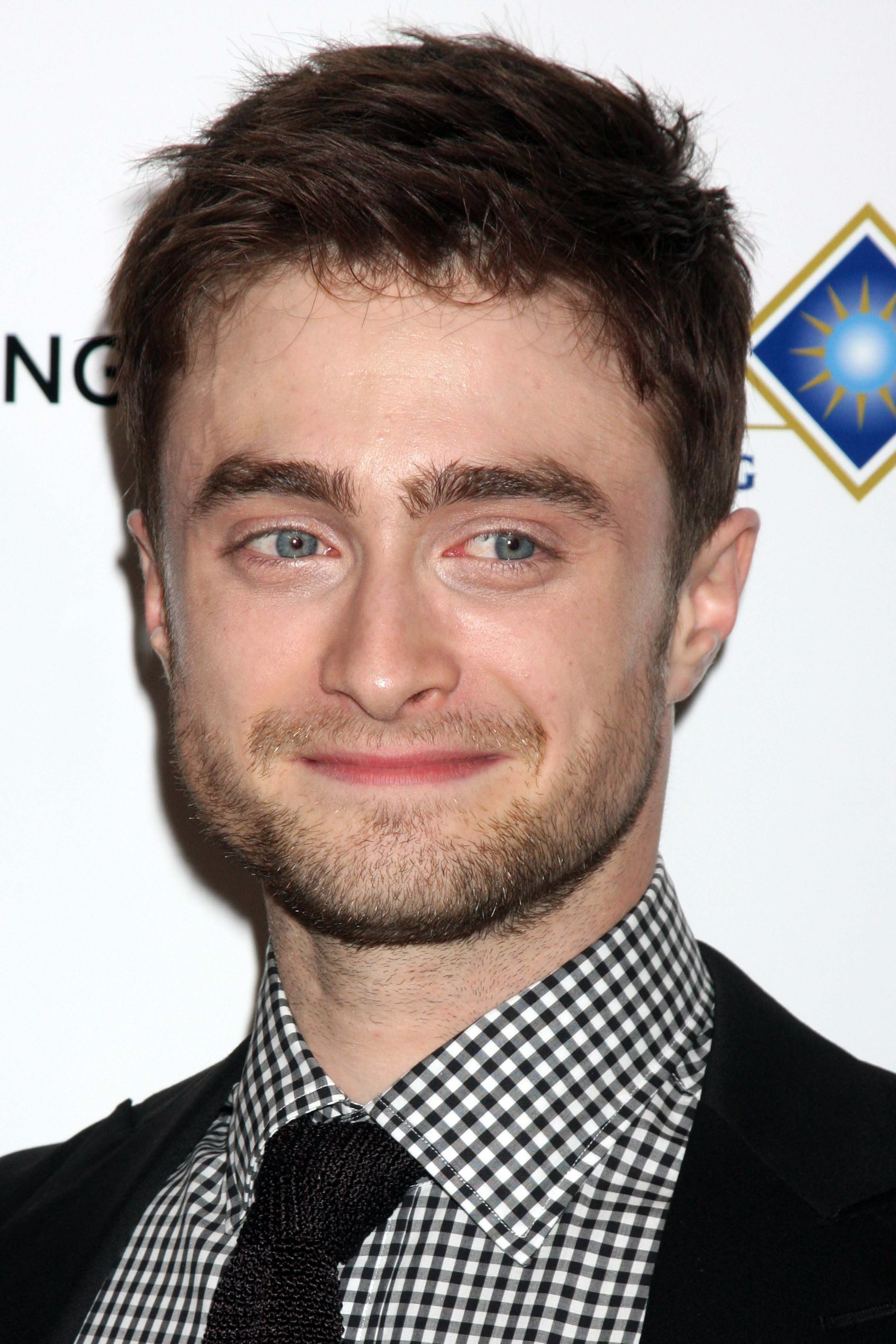
Daniel Radcliffe's Casual Ivy
This relaxed take on the classic Ivy League is a great look for any guy. It’s got just enough length so that you can style it if you want.
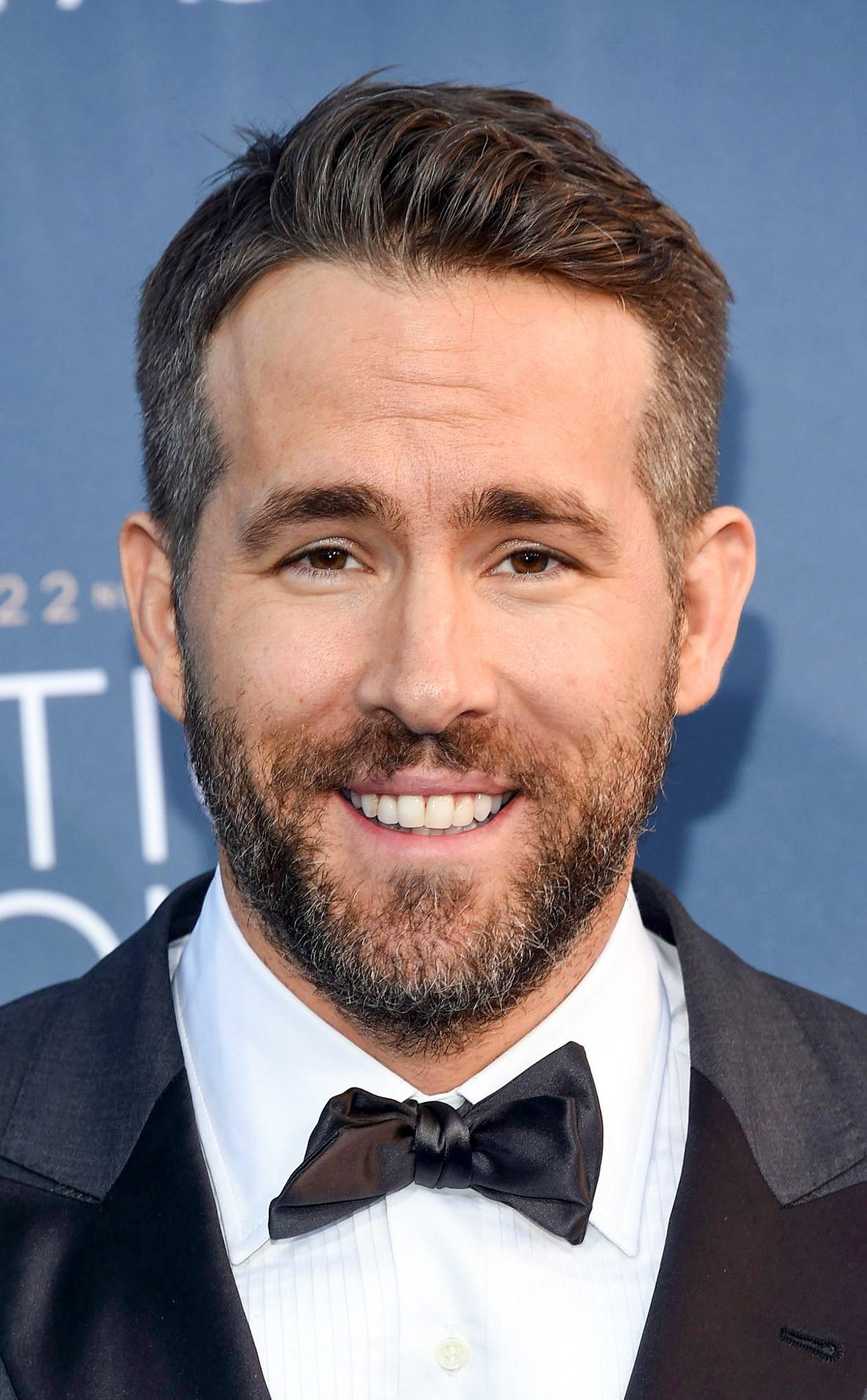
Ivy Comb Over
The Ivy League pairs nicely with many other hairstyles. Here, Ryan Reynolds is sporting an Ivy that’s combed over to the side, creating a mini quiff in front.
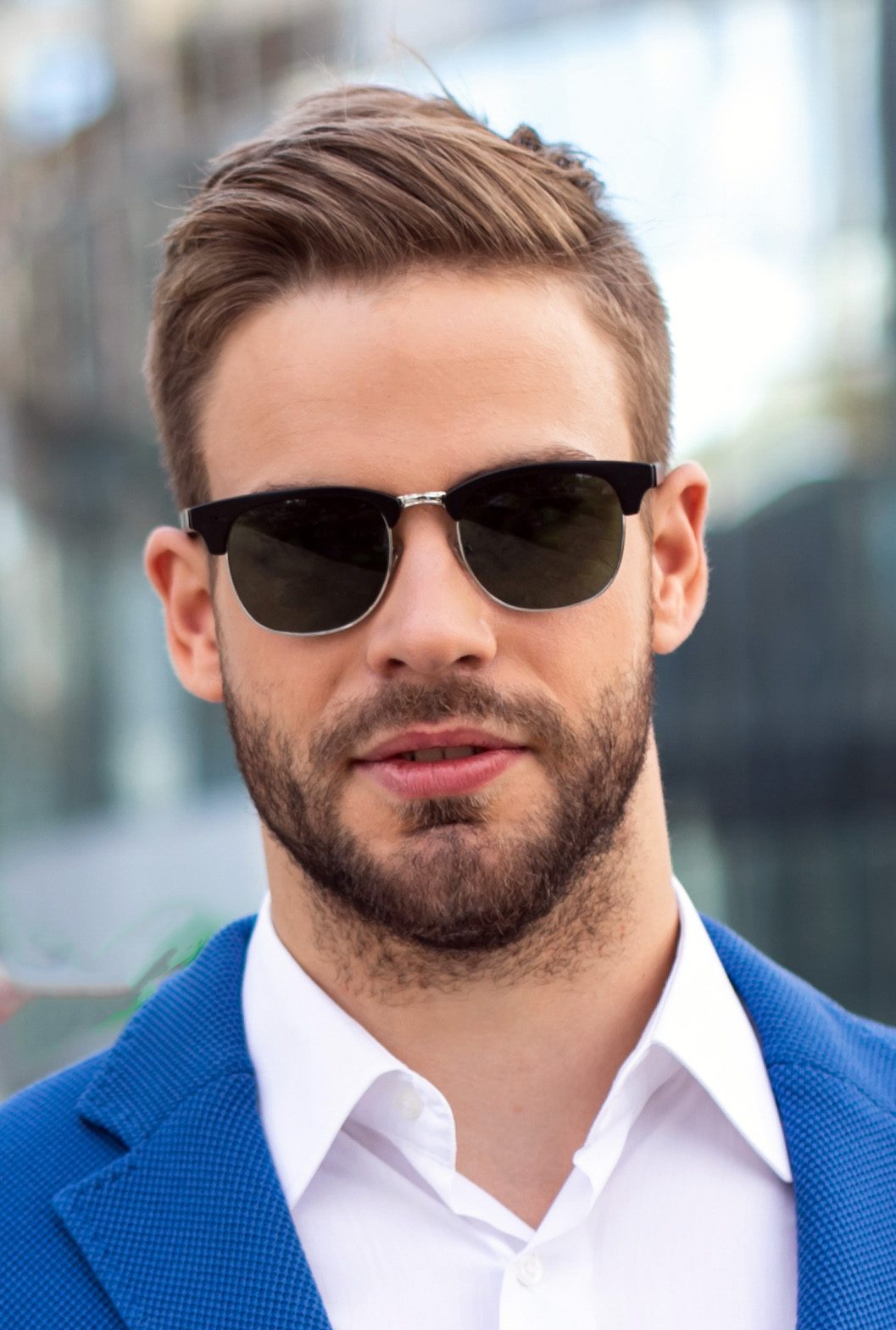
Side-Brushed Ivy
Another version of the side swept Ivy, this style adds a bit more volume, almost taking it into quiff territory.

Styled Ivy with Undercut
Slick and clean, this haircut combs all of the hair into place and keeps the sides short to create a nice contrast that makes this look pop.
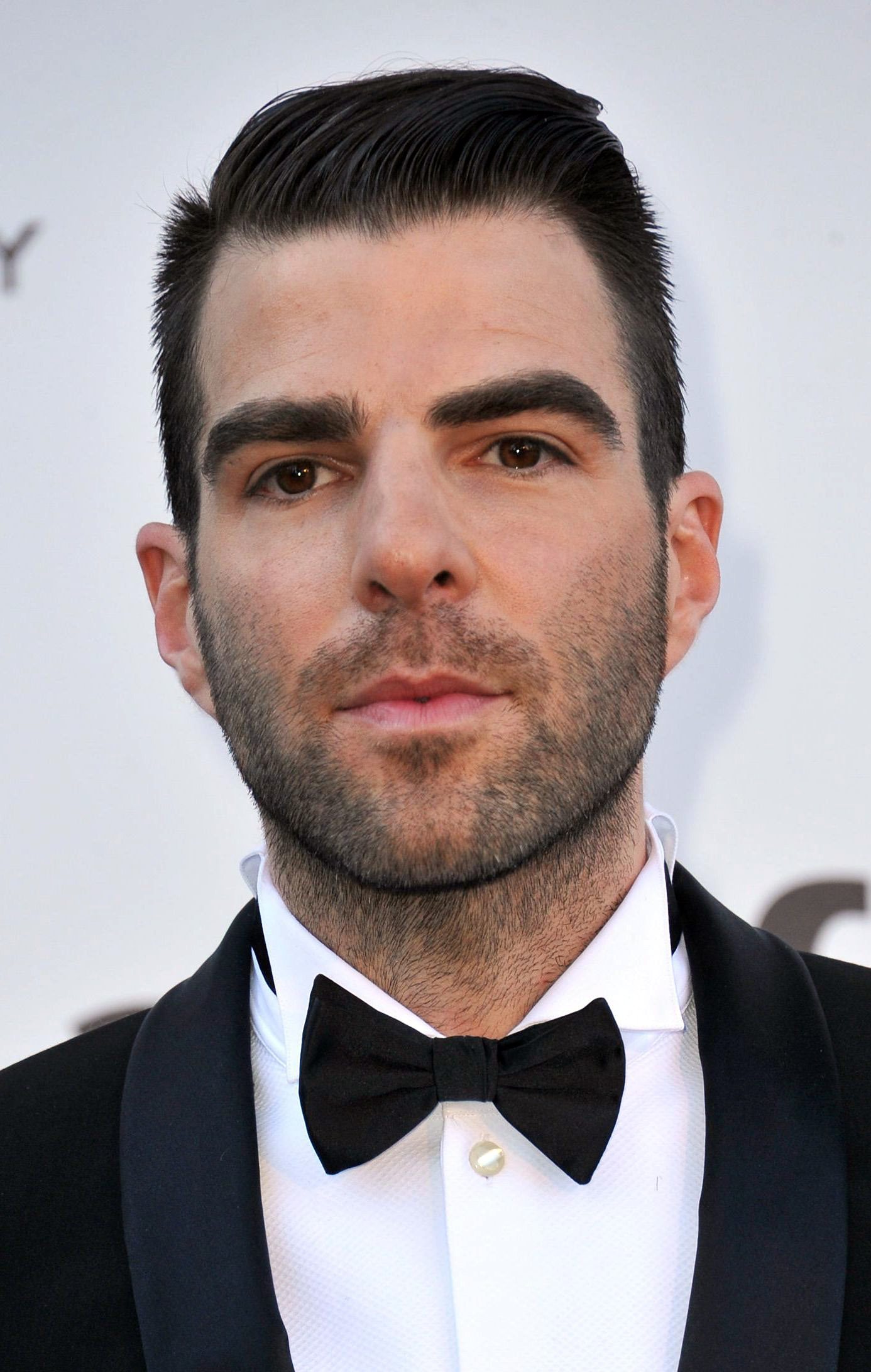
Combed Side Brush
Another neat look, this cut takes the Ivy a bit longer on the sides, resulting in a fuller head of hair.
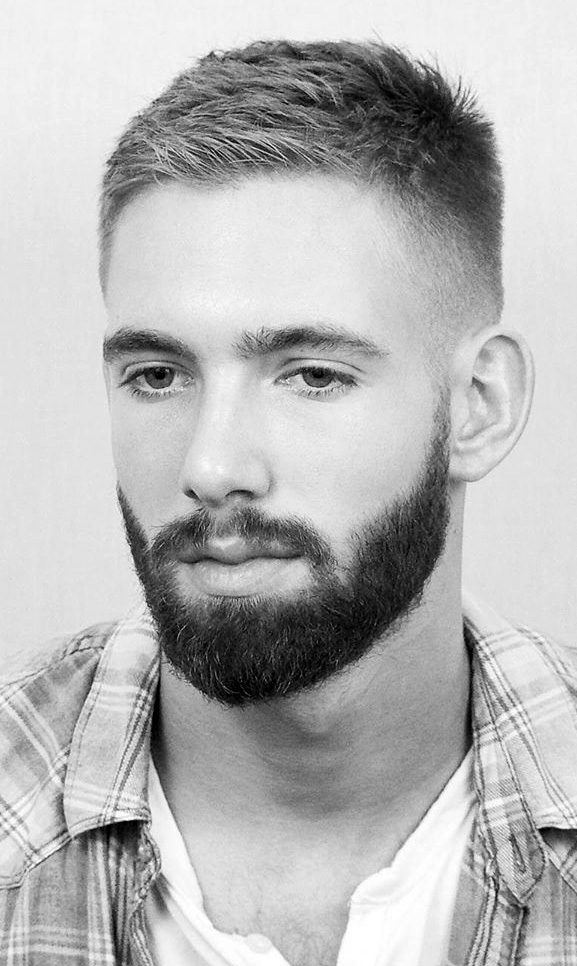
Tapered Ivy with Beard
This is what we call a collaboration between short hairstyles with ivy league. The side swayed makes it more of an Ivy look whereas the short hair length gives it that classy charm. Taper the sides to pull attention on the top with faded temples. The beard being dense balances the face just perfectly.
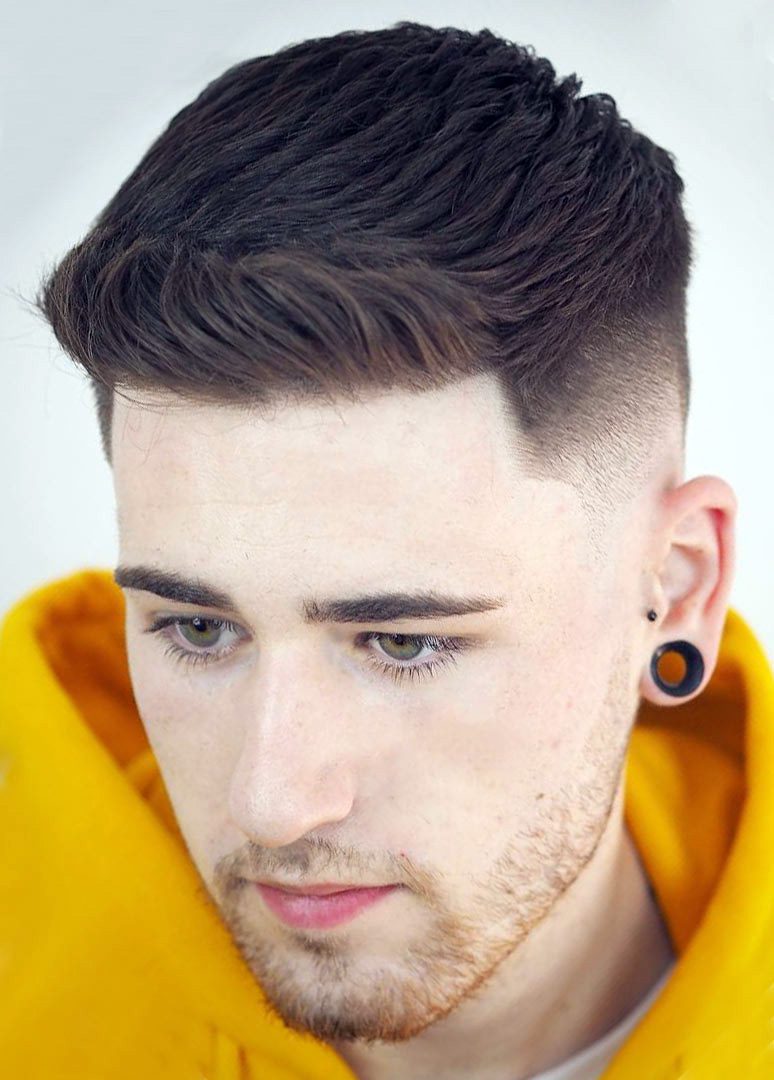
Skin Fade Undercut Ivy League
This European-inspired Ivy League variation is trendy and tidy. It’s also very flexible and can match almost any personal style.
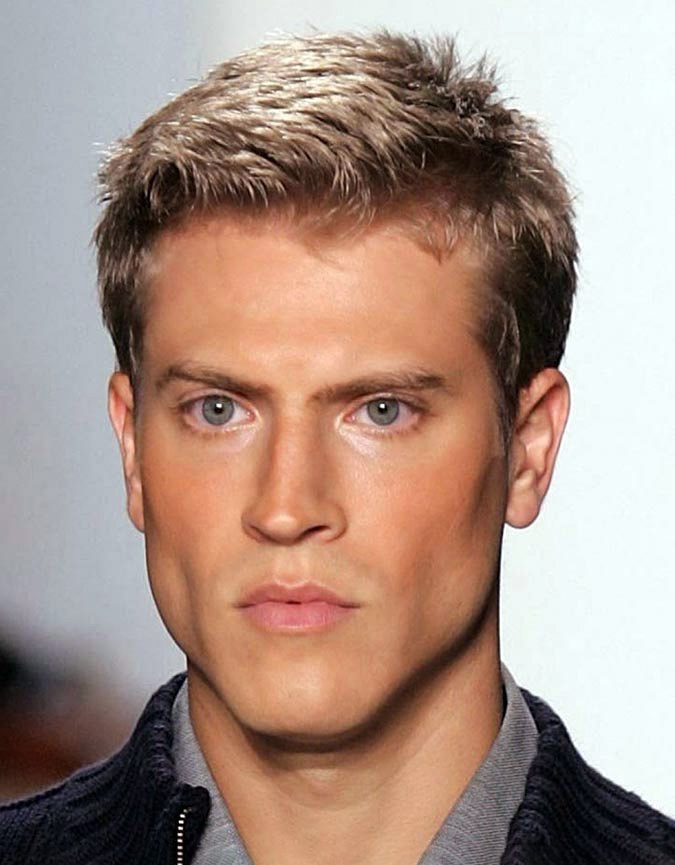
Side Combed Ivy League
For a beach-inspired look, this messy Ivy League won’t disappoint. Since it’s combed to the side, this cut has a lot of motion, which makes it especially interesting.
What Is an Ivy League Haircut?
Ivy League vs. Crew Cut: What's the Difference?
The Ivy League haircut and crew cut are closely related classic men’s hairstyles. Both feature short sides and a relatively short top, but the main difference is the amount of length left on top and at the front.
An Ivy League is essentially a longer version of a crew cut. The extra length gives you enough hair at the front to create a side part, sweep the hair back, or add a small amount of volume. This makes the Ivy League more versatile when it comes to styling.
A crew cut is generally shorter, particularly toward the front. The hair is often tapered from the front toward the crown, creating a clean, athletic shape that requires very little styling.
The two styles can also overlap, particularly when a crew cut is left slightly longer on top or an Ivy League is cut very short. The key distinction is whether the front and top have enough length to be deliberately styled.
If you want a short haircut with multiple styling options, an Ivy League gives you more flexibility. If you prefer a simple, low-maintenance haircut with minimal styling, a crew cut keeps things shorter and more straightforward.
How to Ask Your Barber for an Ivy League Haircut
How to Style an Ivy League Haircut
Classic Sophistication: The Ivy League Haircut for Men
FAQs
What Hair Length Do I Need?
Since this is a short style, you won’t need much. The Ivy League haircut requires an inch of hair on the top of the head and a little more than an inch in the front. We recommend that your hair is at least 1.5 inches long for the Ivy League haircut.
How to Get the Ivy League Haircut?
First, check with your barber or stylist to see if they’re familiar with the cut. It’s a fairly common style, but not all stylists may know it. In that case, we recommend showing your stylist pictures and describing the characteristics below.
Whereas a crew cut requires the hair to be buzzed with clippers, the Ivy League can be cut using scissors on the top of the head. This gives it the extra length that differentiates it from the crew cut.
Tell your stylist you want half an inch to an inch (depending on your preference) on top of your head and a little longer in the front. The longer hair in the front will facilitate the brushing back of the hair, which is one of the notable characteristics of the Ivy League haircut. You can also style it with a part if you wish.
One important facet of the Ivy League haircut is its taper. Unlike other styles that only taper the sides and back, the Ivy League tapers the sides, back, and top. A gradual taper is key to getting the classy look that an Ivy League haircut can provide. When you visit your stylist, make sure to inform them of the taper if they’re unfamiliar with the style.
For the sides and back, you can choose a length that suits your style. We recommend requesting a shorter clipper setting (#2 to #4). The sides and back are cut shorter than the top or front, but they’re also tapered. Let your stylist know how gradual of a taper you’d like.
The taper on your neckline is blocked, meaning that it ends in a straight line across the neck. However, you can go with a different type of tapered neckline.
Make sure the entire haircut is one seamless style. There should be no jagged edges or sharp changes. Each part of the haircut should blend into the other. The only exception is the crown, where the taper on the top of the head ends.
How to Style Ivy League?
Because the Ivy League is low maintenance by design, you don’t need to do much to style it. You won’t need much product, either. Like a crew cut, the Ivy League is known for its simplicity and ease. However, if you do want to use a product for styling, a casual styling wax will do the trick.
Traditionally, its side parted. Style the hair with your fingers or a comb to achieve your desired look. You can also brush it back and use some wax to hold the hair in place. You can also combine brushing the hair back with a side part.