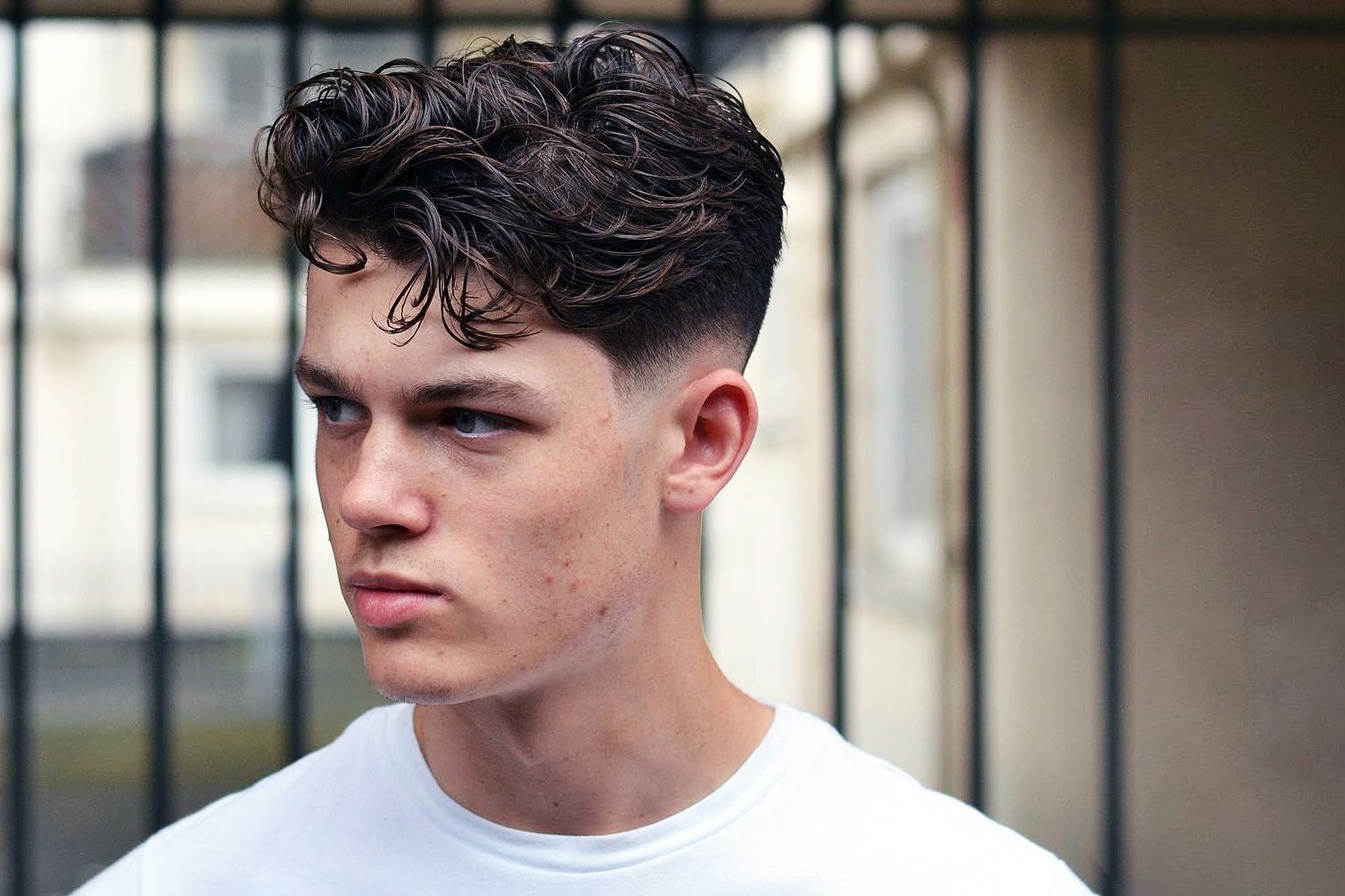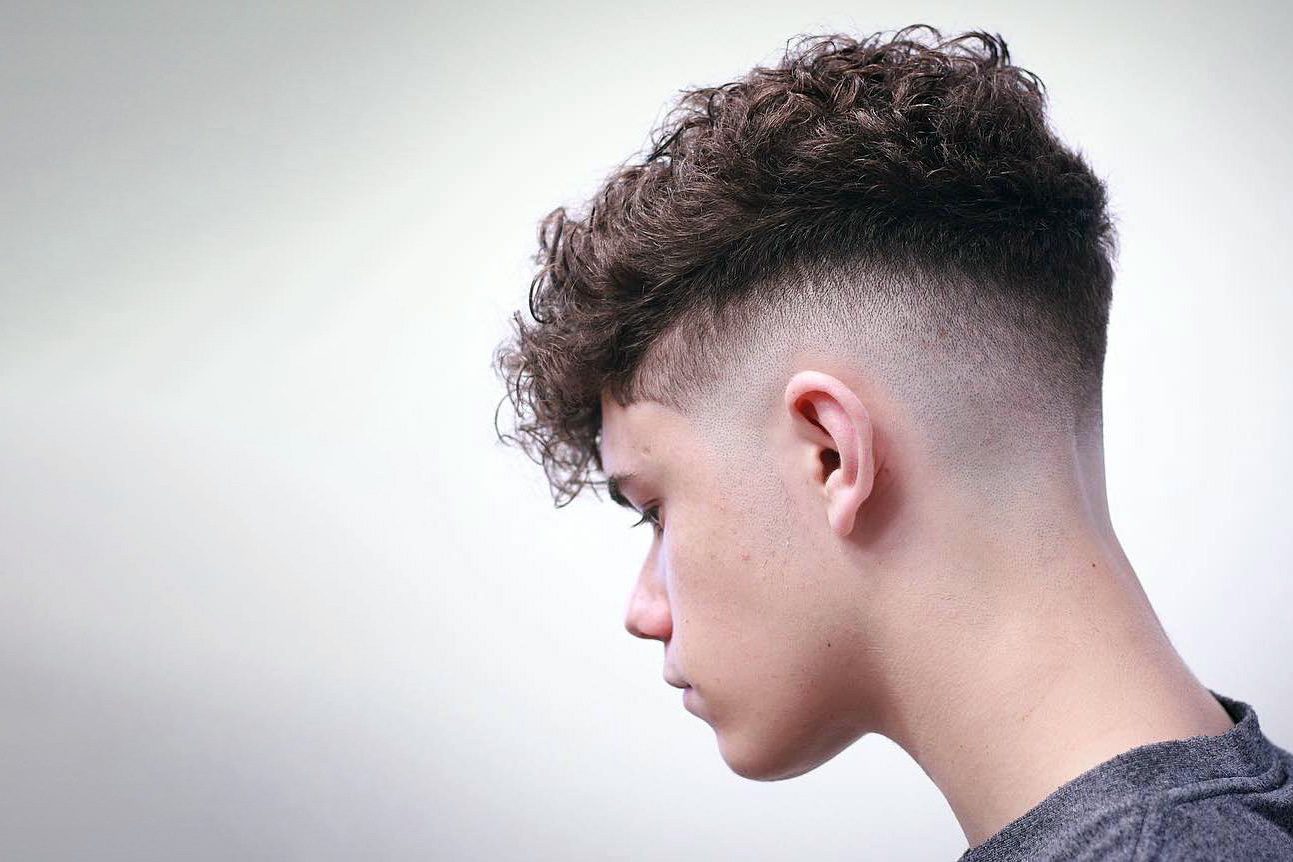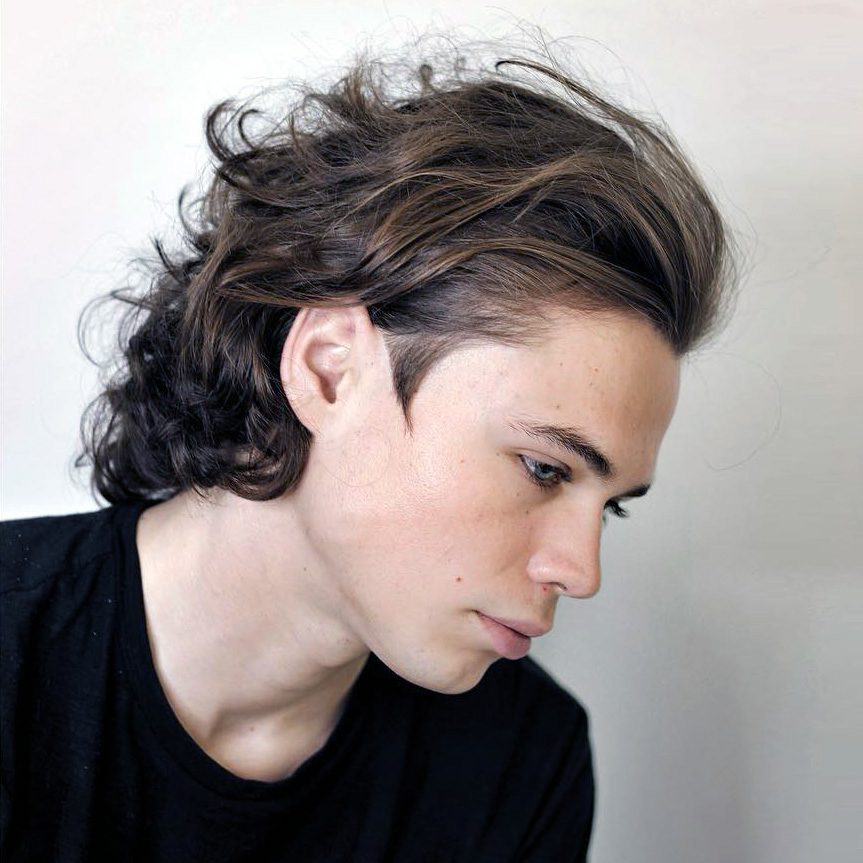
Best Wavy Hairstyles for Men in 2026: 48 Haircuts & Styles
Wavy locks are the perfect base for these modern styles.
Wavy hair gives men the best of both worlds: natural texture, volume, and movement without requiring a complicated hairstyle. Whether you prefer a short textured crop, a clean taper fade, a classic wavy quiff, or longer flowing locks, there are plenty of ways to make your natural waves work for you.
This hair type has a mind of its own, and because of this, is often thought of as unruly and fickle. But the wayward nature of wavy hair offers texture and volume, while adding character to almost any cut. To professional hairstylists, wavy hair is considered the holy grail of hair types.
In this guide, we’ve rounded up the best wavy hairstyles for men, from low-maintenance short cuts to medium and long styles. You’ll also find ideas for different hair types and face shapes, plus practical tips for choosing a haircut and styling your waves. Take a look through these wavy haircuts for men and find a style you can take straight to your barber.
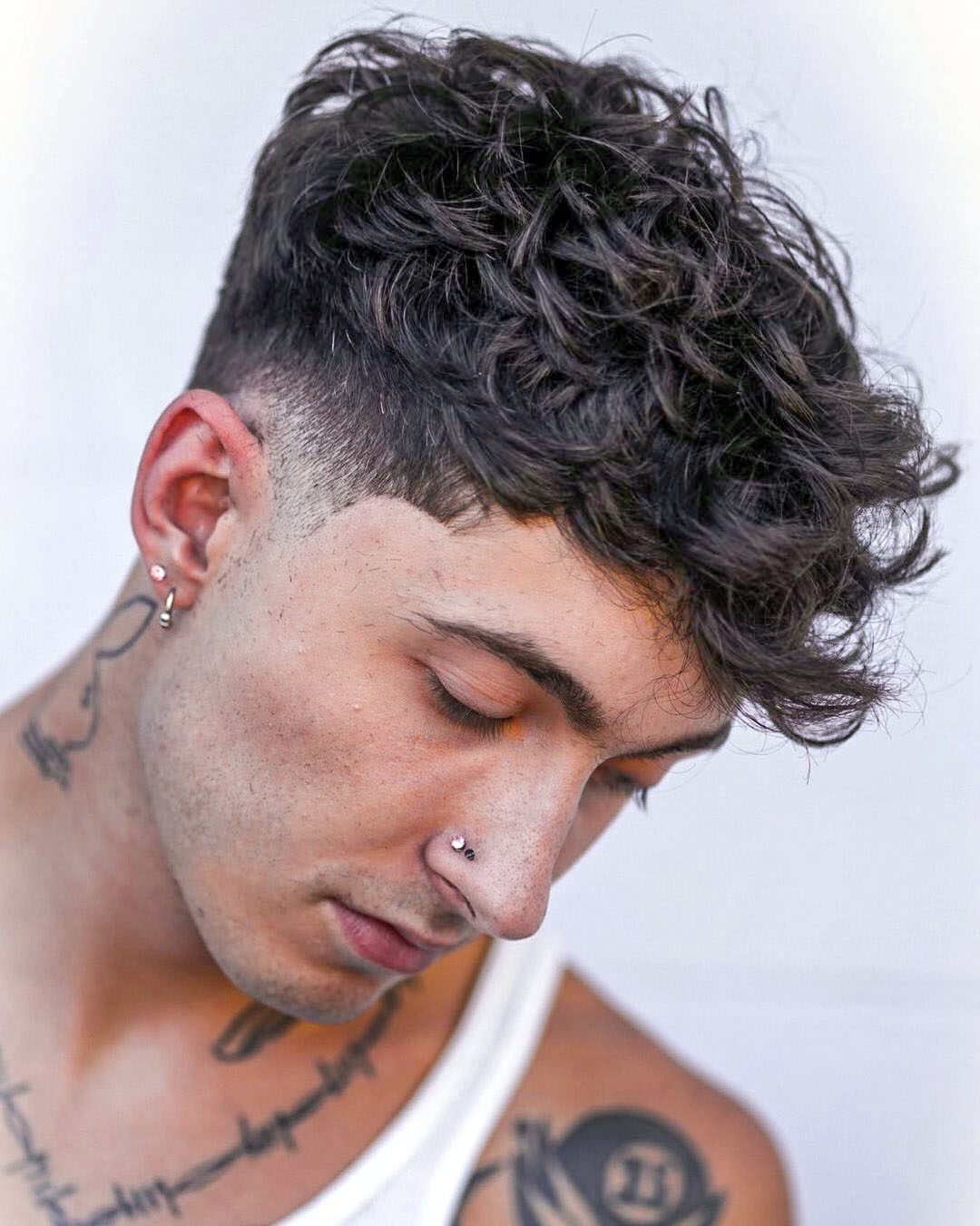
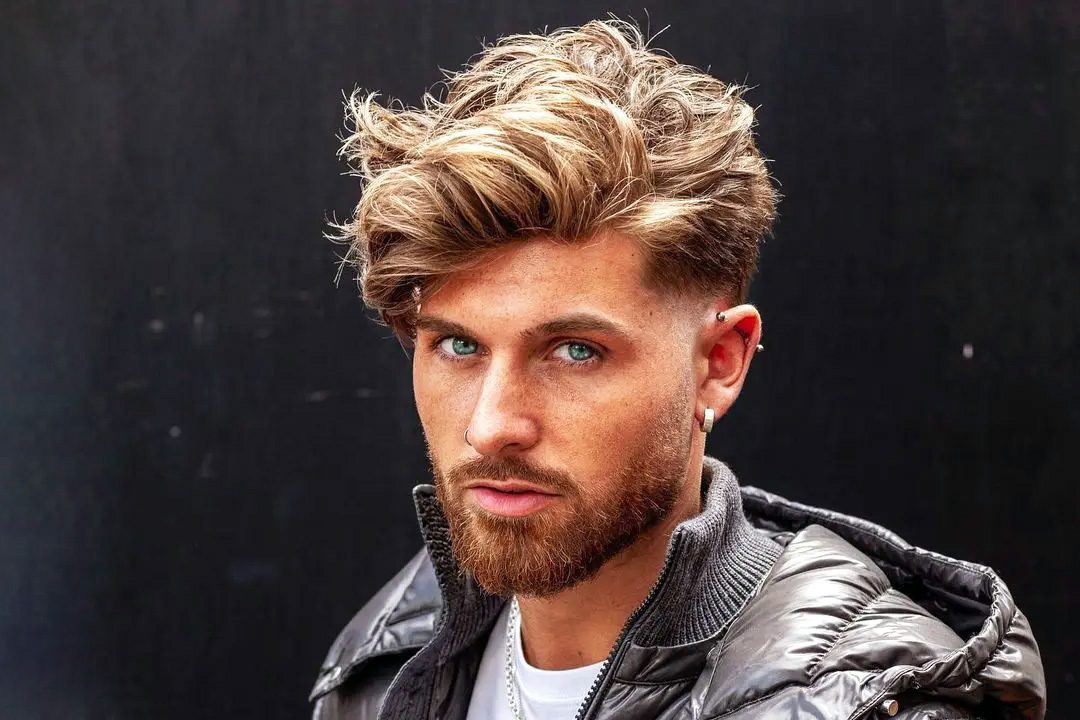
Wavy Hair with Temple Fade
Clean shaven face combined with a gradual temple fade on the sides and curly, textured waves on top is the next #1 trendy haircut! Another thing worth admitting is the salt and pepper highlights all over the head. Such a stylish haircut complements this rare hair colour and makes it pop. Meanwhile, if you have nose or ear piercings or want one, this photo is an excellent example of an edgy style that you could use daily.
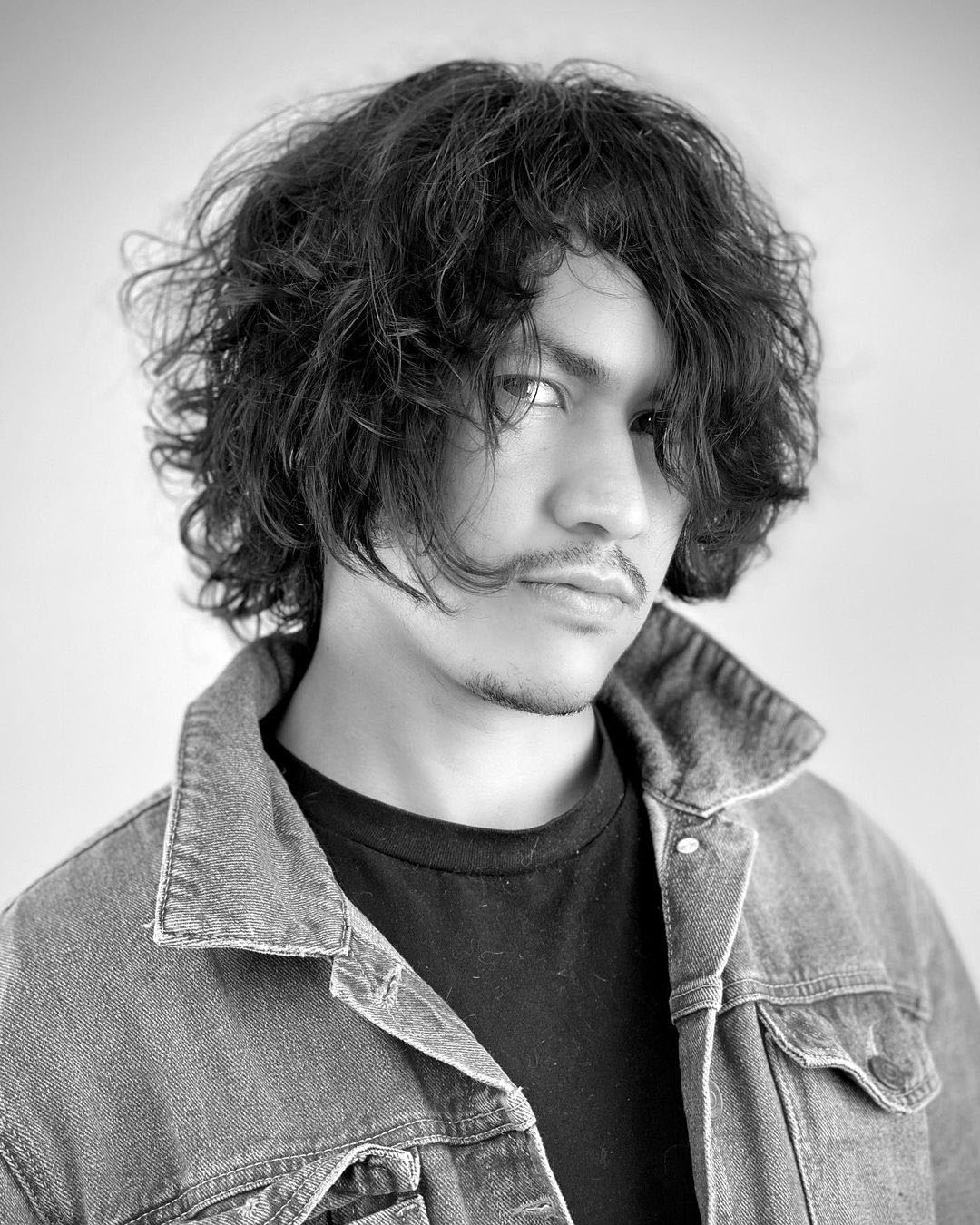
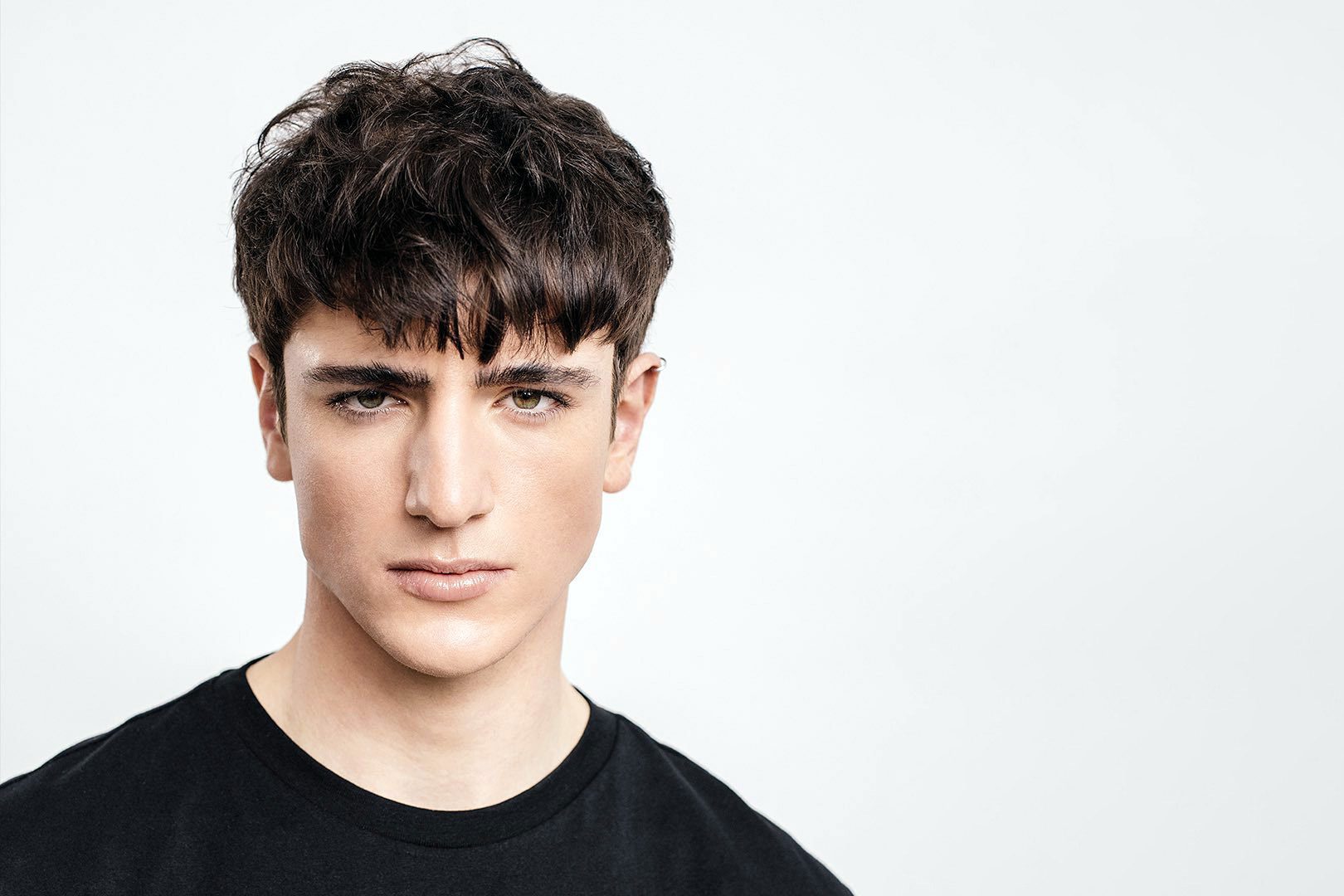
Wavy Bowl Cut
Gone are the days when bowl cuts are limited to straight hair. If you have wavy hair and want a bolder, fuller look – all you have to do is get a bowl cut and then grow your hair up to the edge of your ears. This can be styled with just enough opening so you can still see amidst the clump of hair in front. This hairstyle can be worn by all face shapes, as most of your face is covered enough not to discern its shape. Another good thing about it? It can be worn straight out of bed!
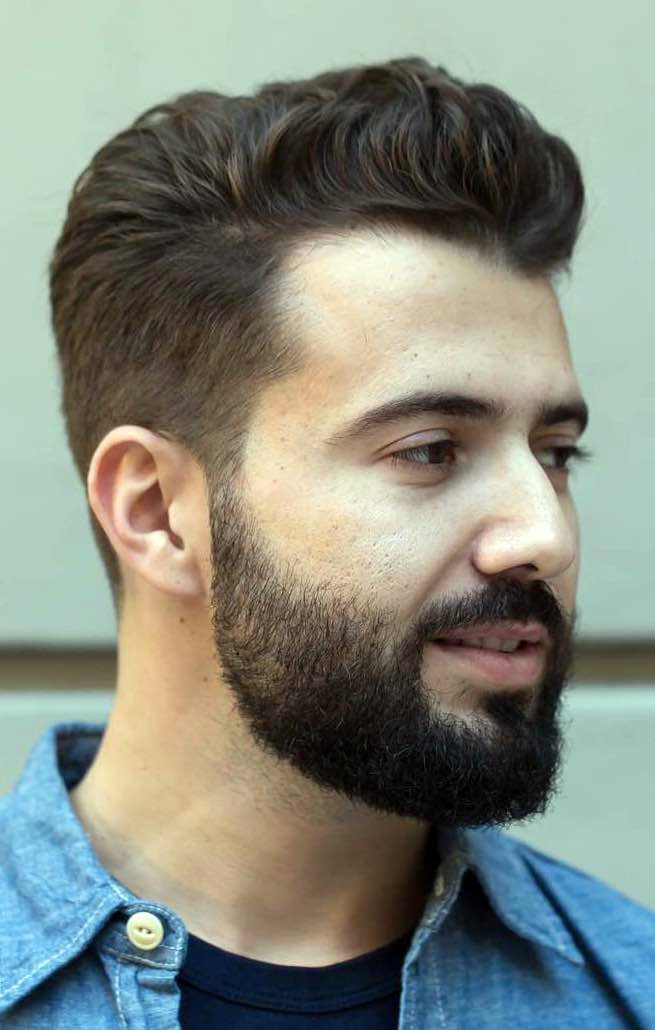
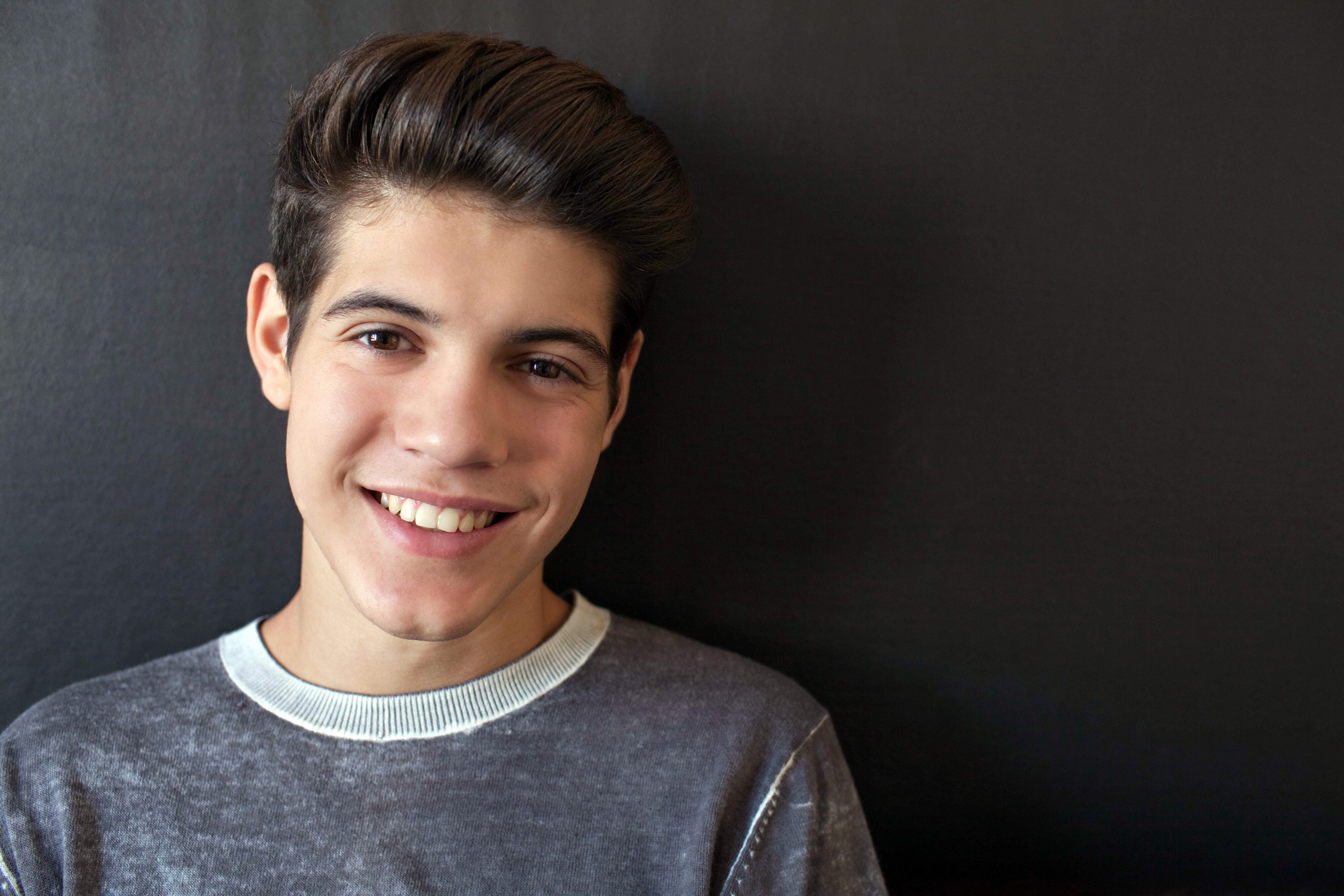
Clean Quiff with Tapered Sides
This clean quiff with tapered sides is a great example of how a refined look can be worn in a casual and easy-to-style way. The natural waves are subtle and offer texture to what might be an otherwise flat look.
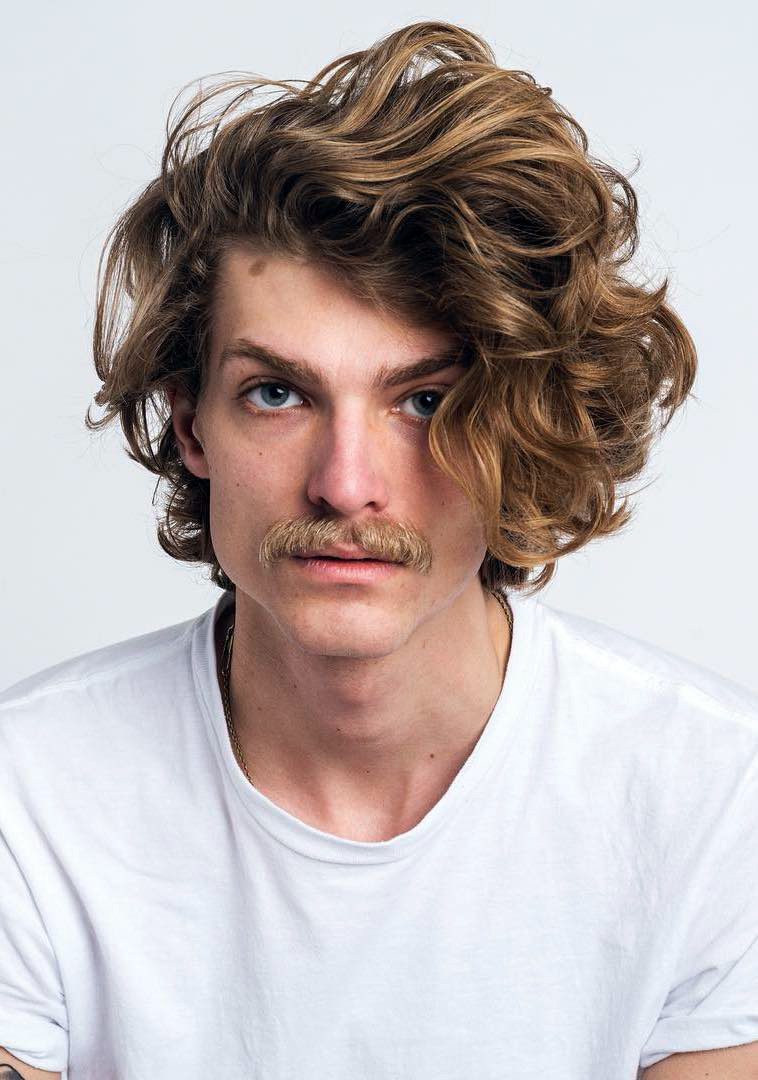
Wavy Medium Length Mess
The longer the hair, the more obvious the waves. And in this case, we want and need those twists. By having the curls cascade down and all around, the face is framed with lived-in curls that give off an effortless cool-guy vibe.
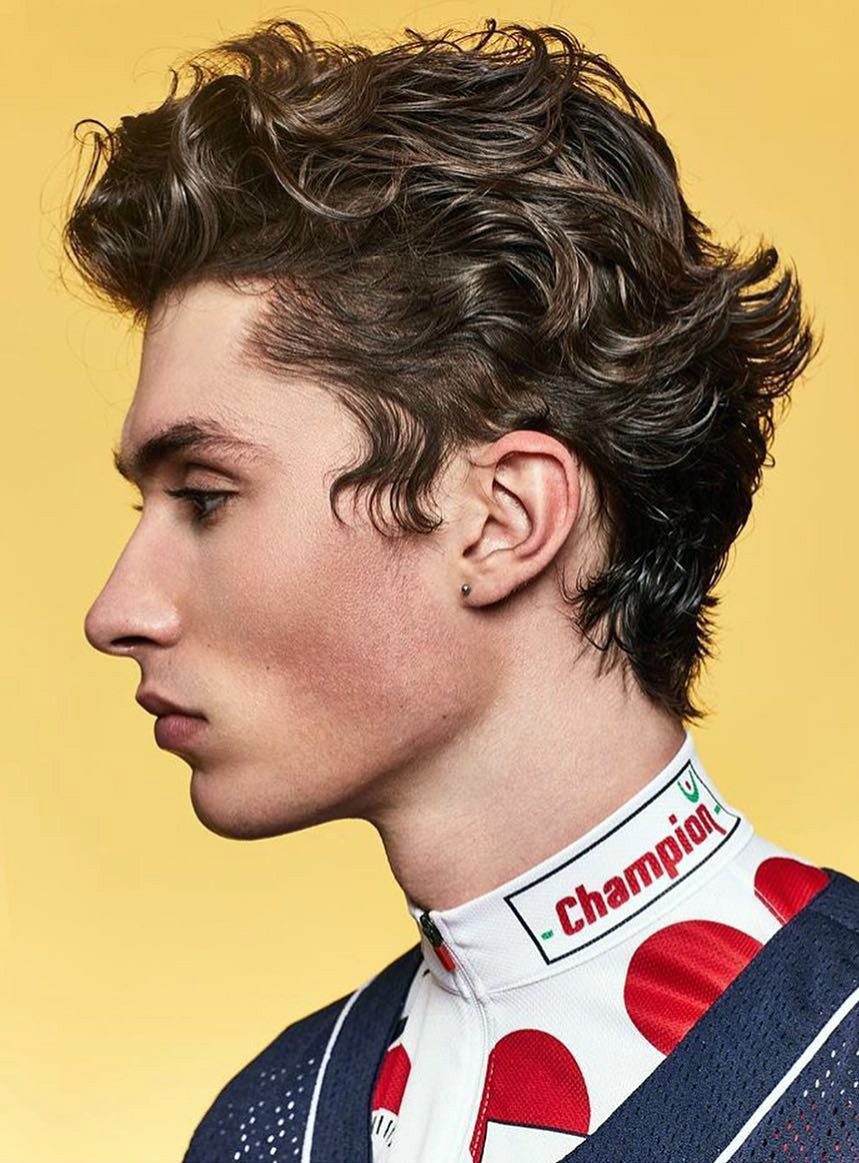
Less Chopped High Volume Hair
Let those waves run loose and free with this high-volume haircut. The sides are swept back, and curls are tousled and messy. Curl activating creams and lotions add moisture to prevent hair from frizzing and give structure to what would normally be a disheveled look.
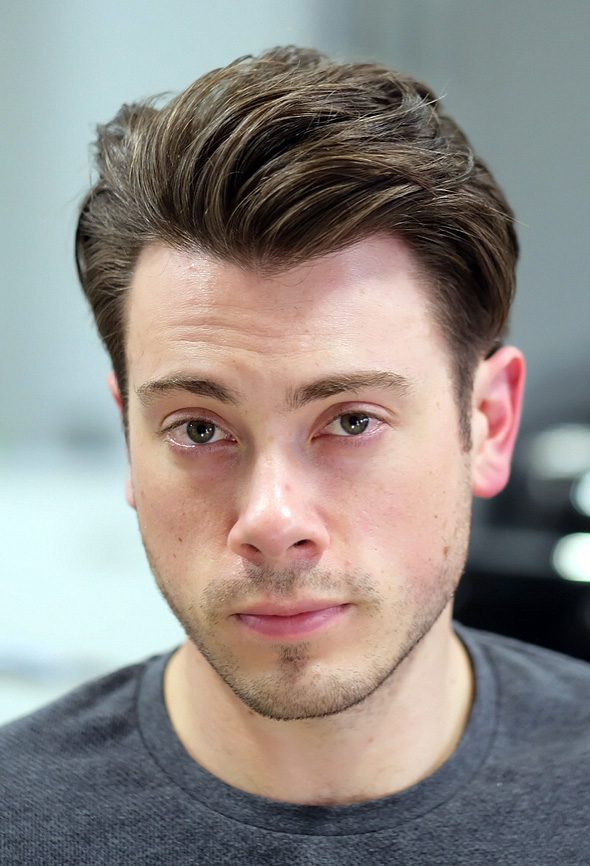
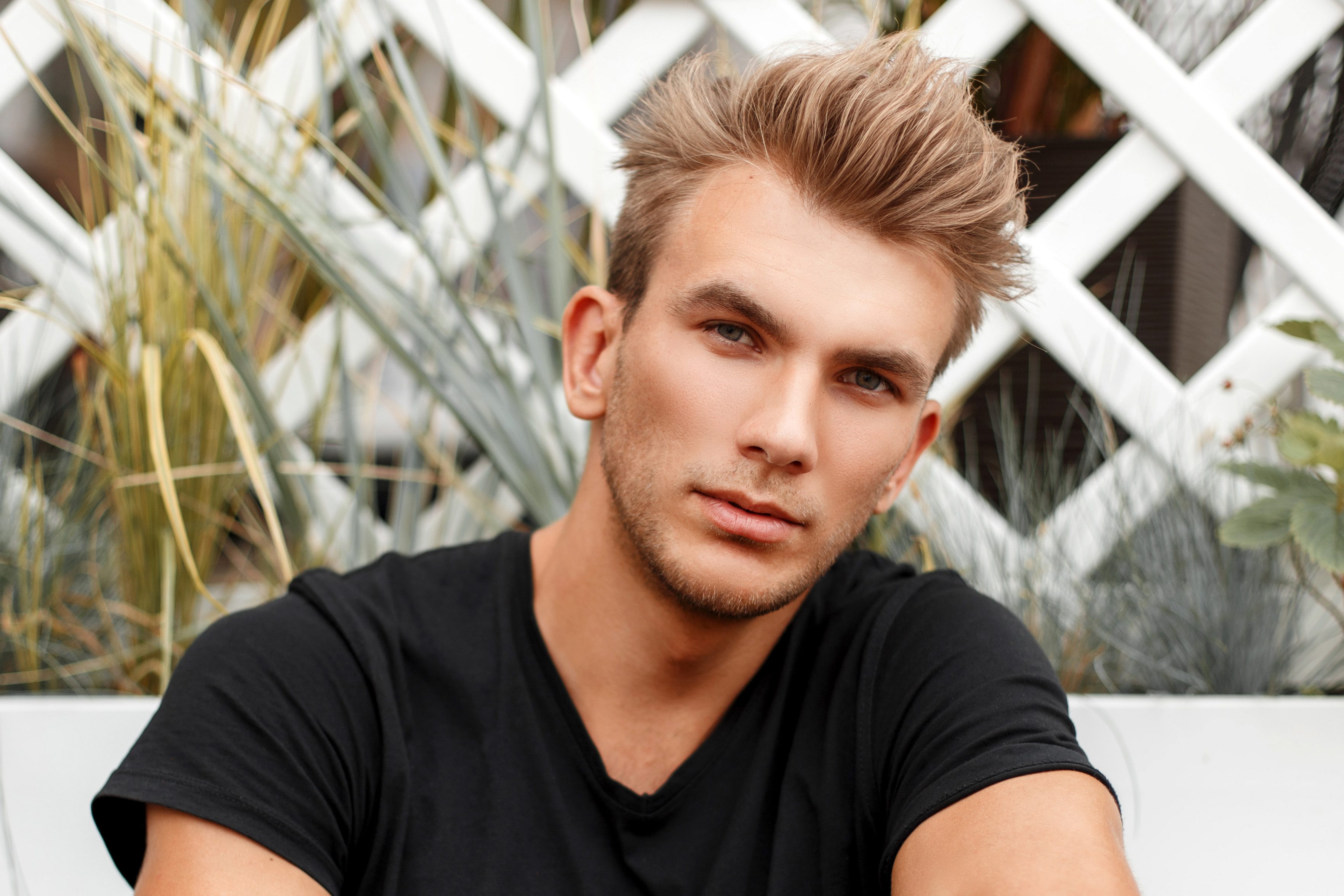
Side Pushed Quiff
The side pushed quiff suits square and angular faces especially well. The rounded sides of this hairstyle give balance to the sharpness found in angular faces. Blow-drying hair is an essential step to creating this style. Natural waves give the volume that is needed but adding a sea-salt mist or volumizing product also helps when styling.
Related

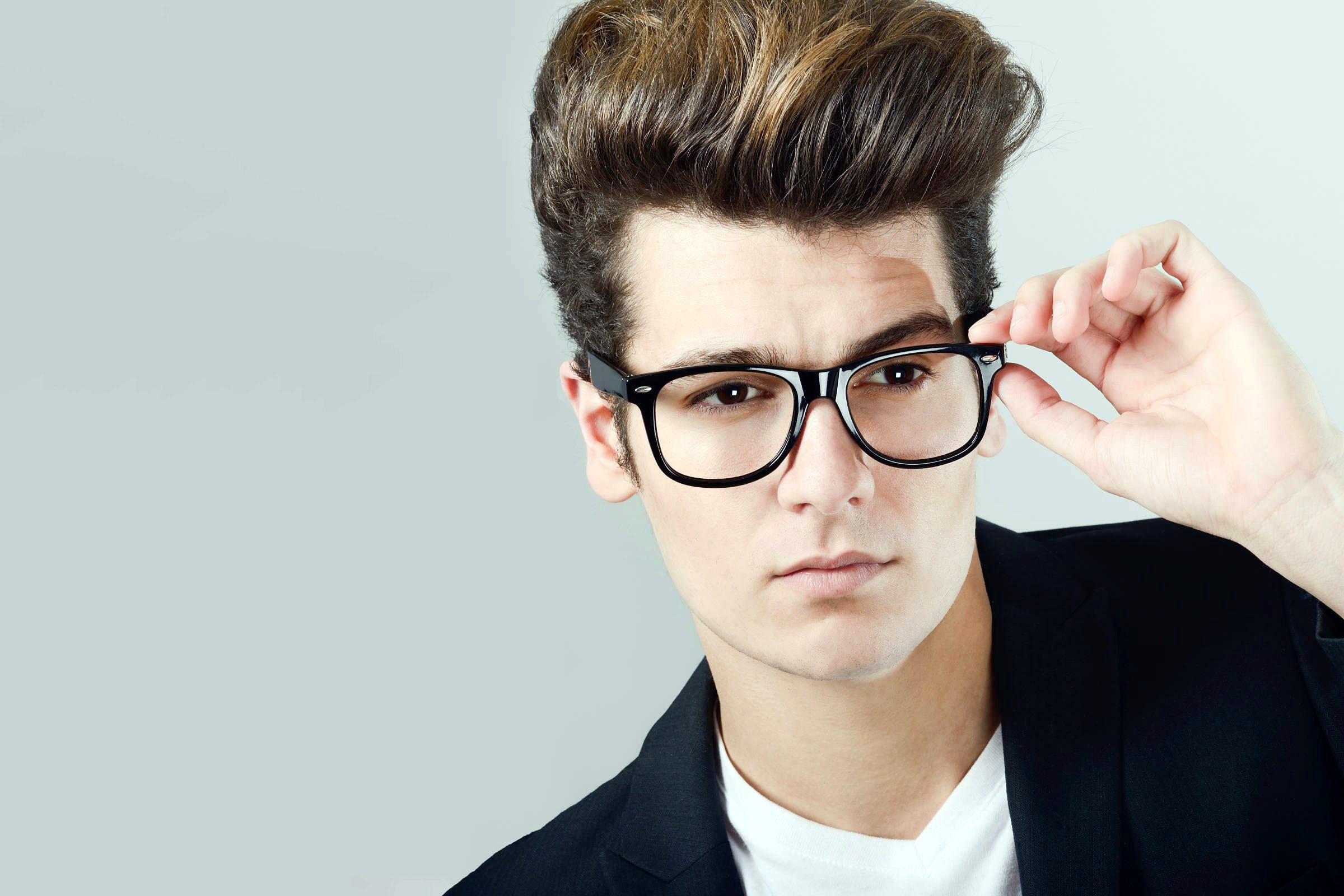
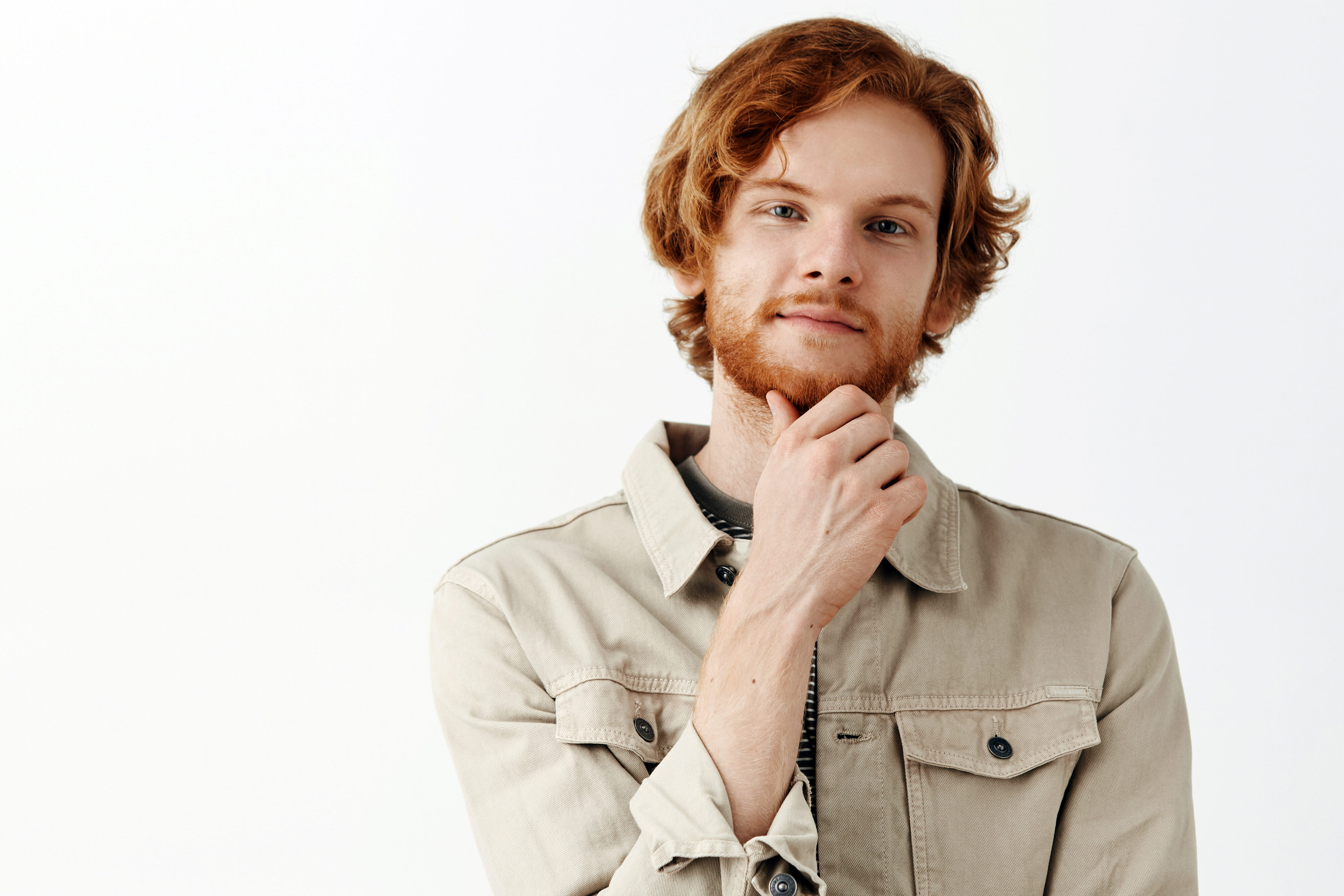
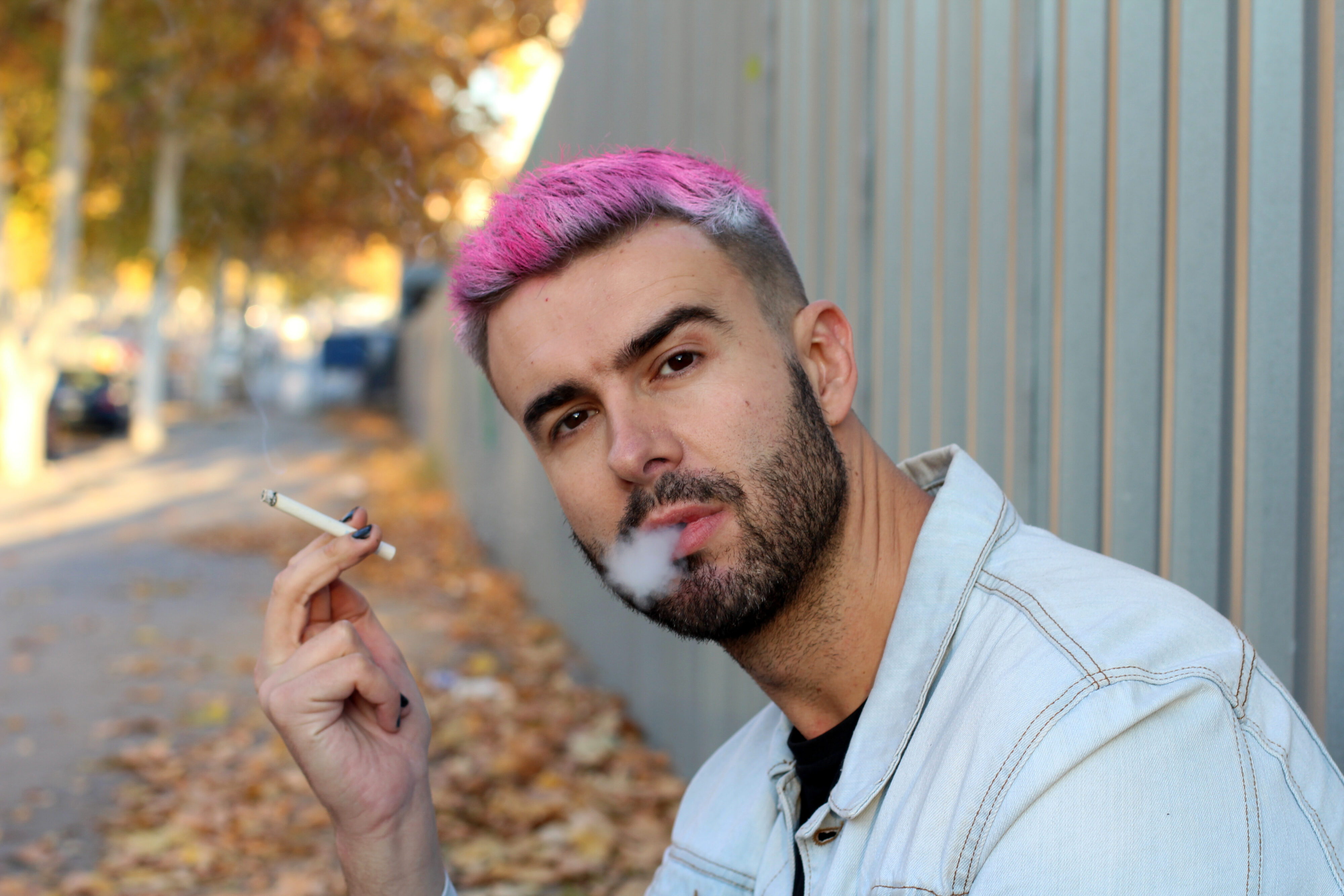
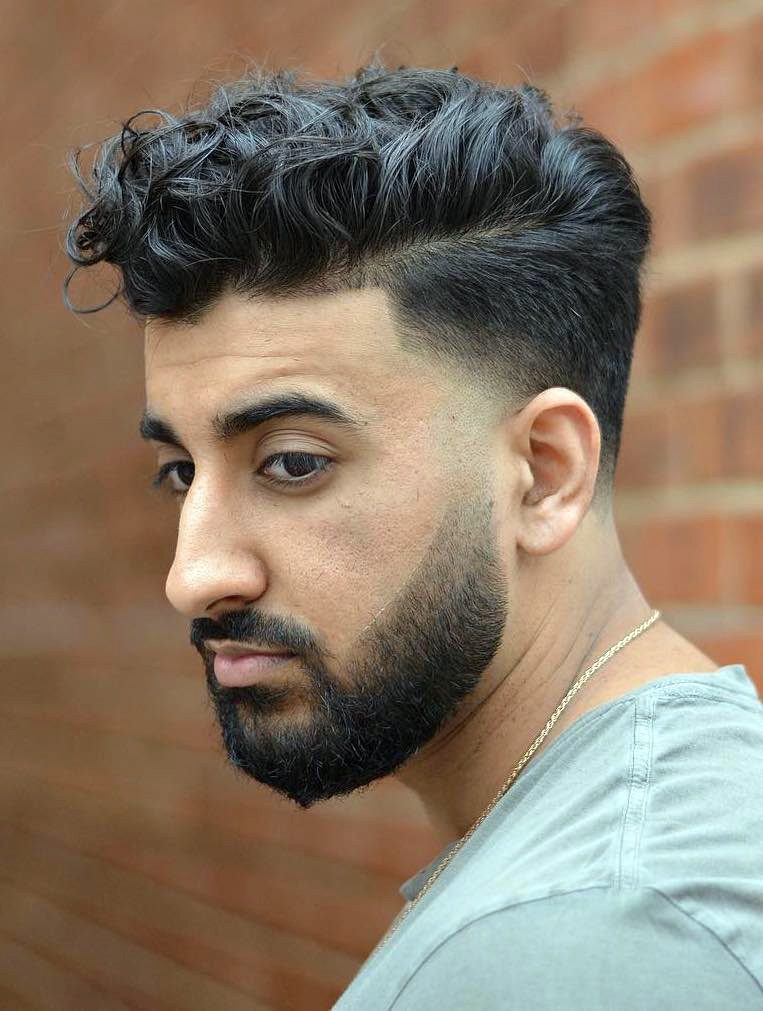
High Volume Wavy Top with Temple Fade
A temple fade is an excellent style for those who are new to fades. As the name suggests, the fade focuses around the temples, while the back and sides are left groomed, but a little bit longer. Here, volume is built on top to give the illusion of a lifted face.
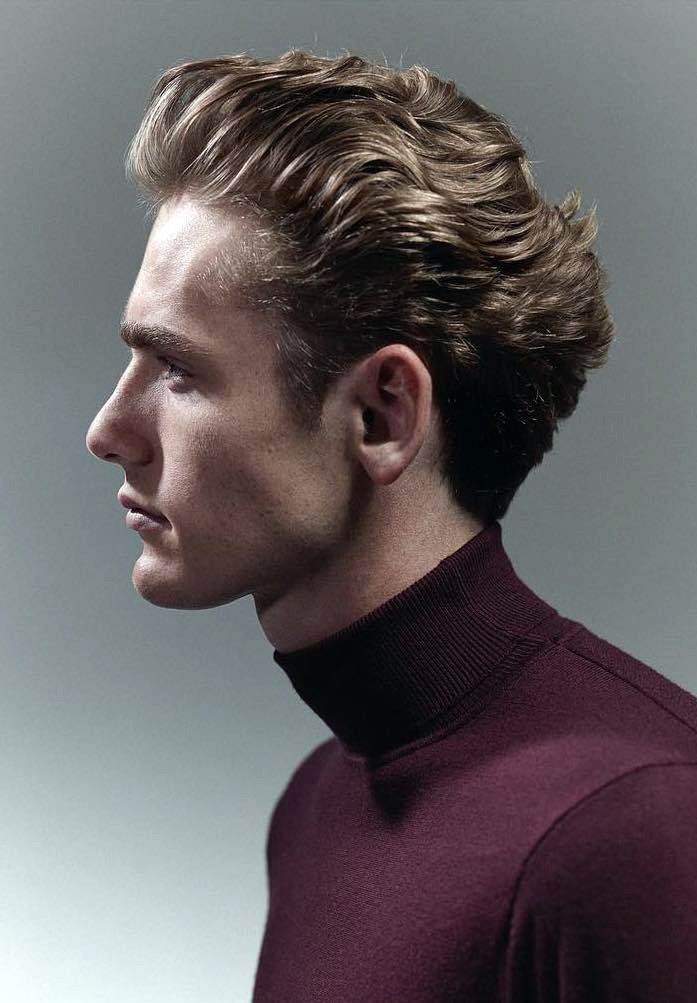
Blonde Push Back
Pushing hair out of the face is not only comfortable and convenient, but also sleek and fierce. The shiny blonde hair catches light in a way that emphasizes the waves. The warmer bronde (blonde+brunette) tone combines the warming benefits of darker hair with the brightening effects of lighter hair.
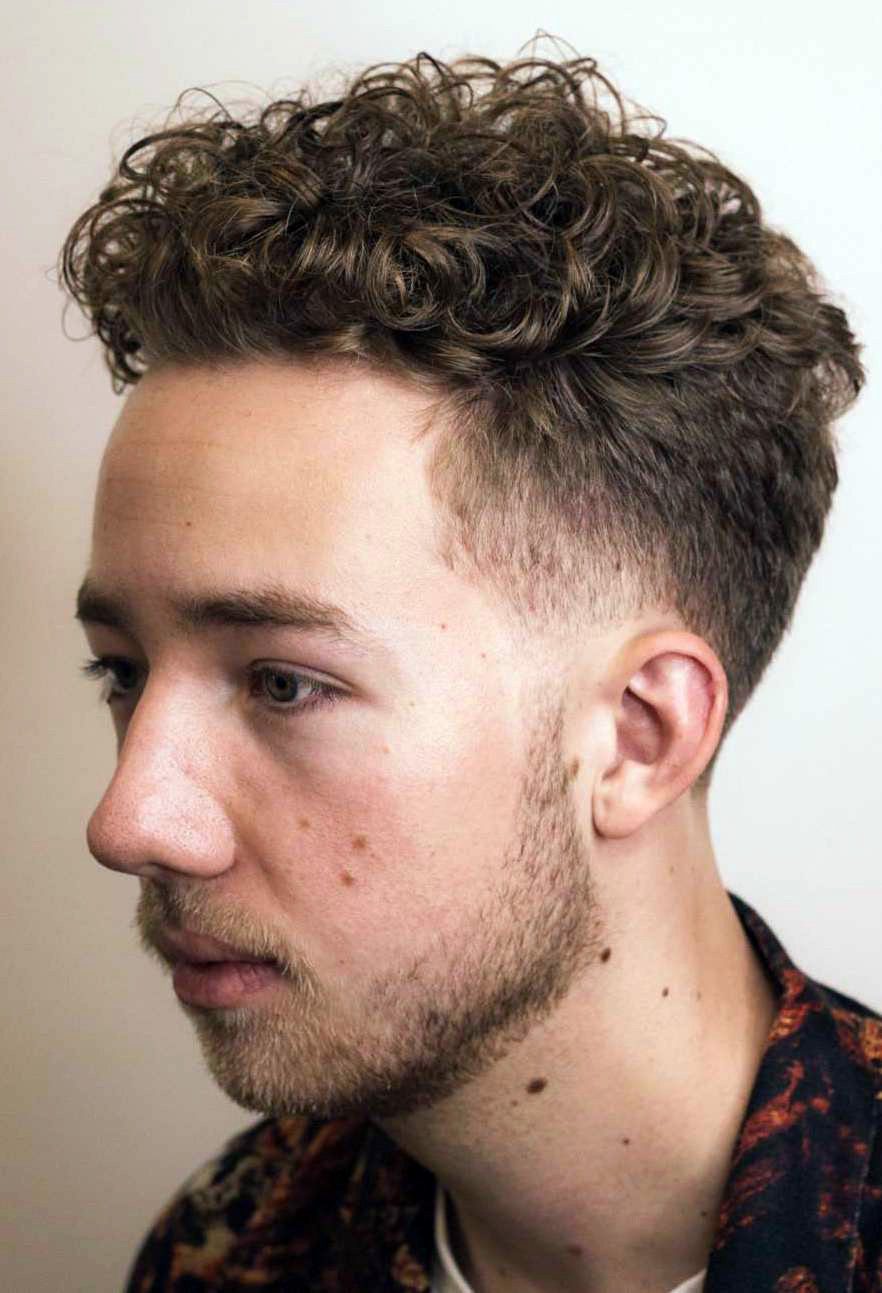
Short Waves with Temple Taper
This is a young and fun haircut that celebrates youth. Keeping the sides clean and the temples tapered makes the look smart but personable.
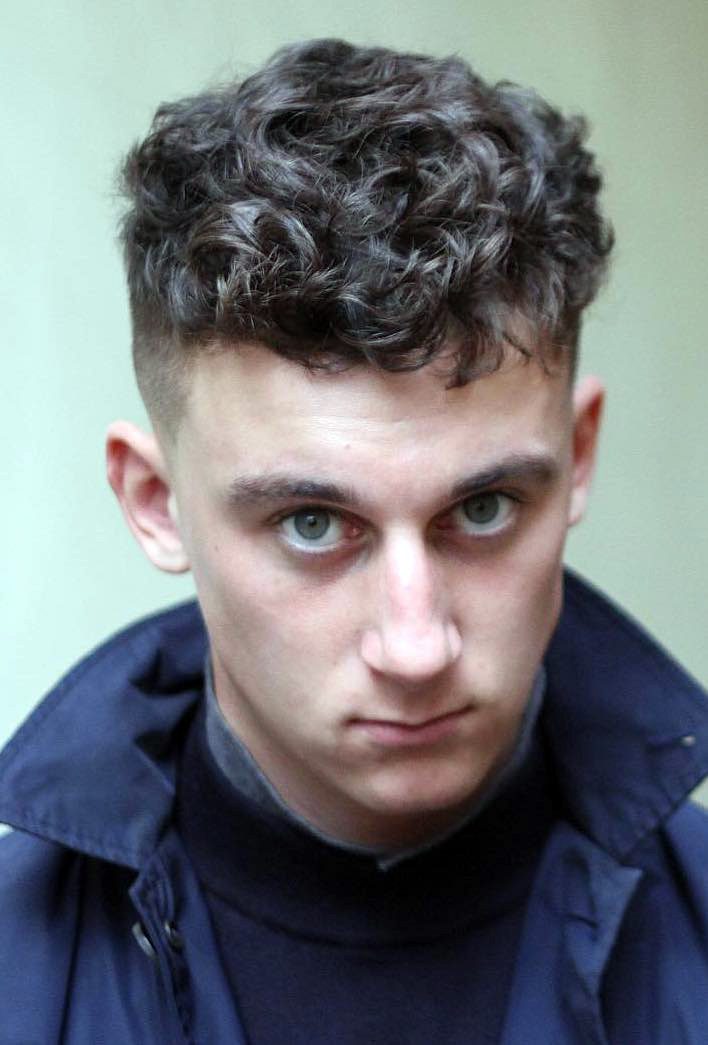
Curly Fringes with Taper
For those who don’t want to spend hours blow-drying hair, this style looks best when the natural curls are allowed to do what they want. An anti-frizz serum or oil is essential to prevent the hair from puffing up. This haircut is an easy style for face shapes that need height and movement on top.
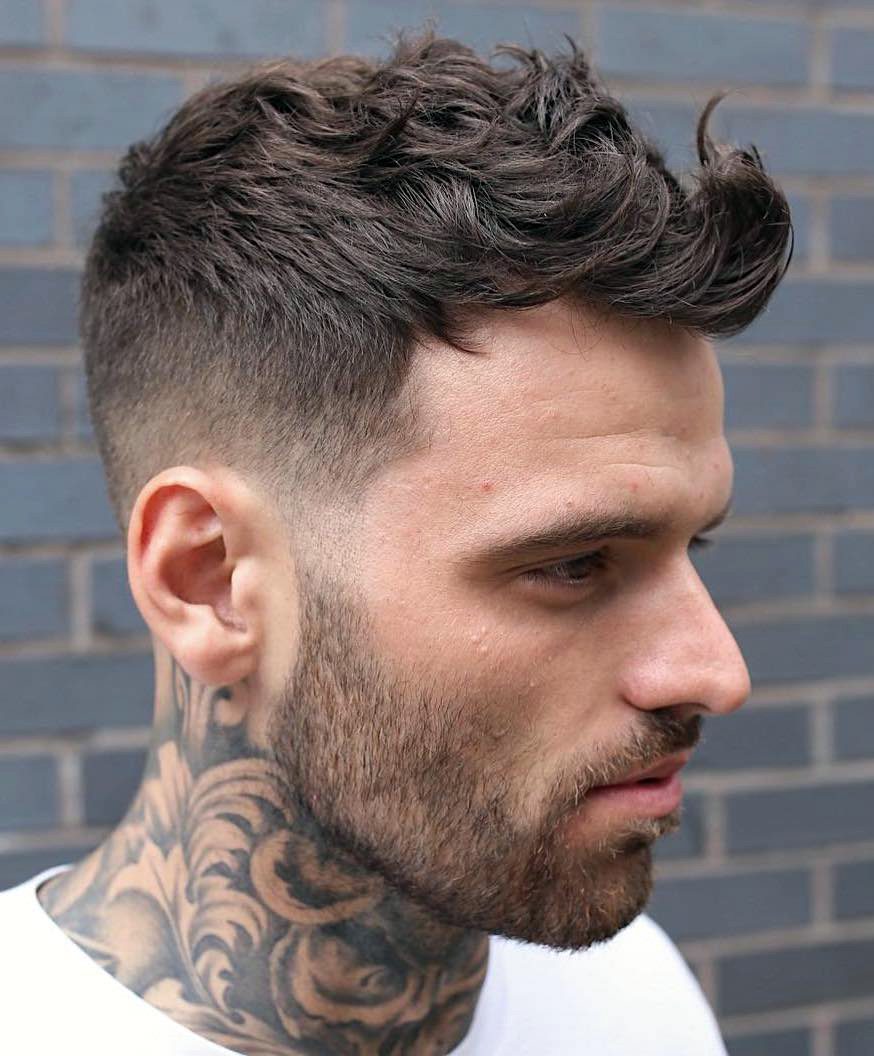
Casual Side Brushed Taper
Choppy layers up top are styled in a purposefully chaotic way. This cut brings volume to the top of the head without looking too strong and stocky.
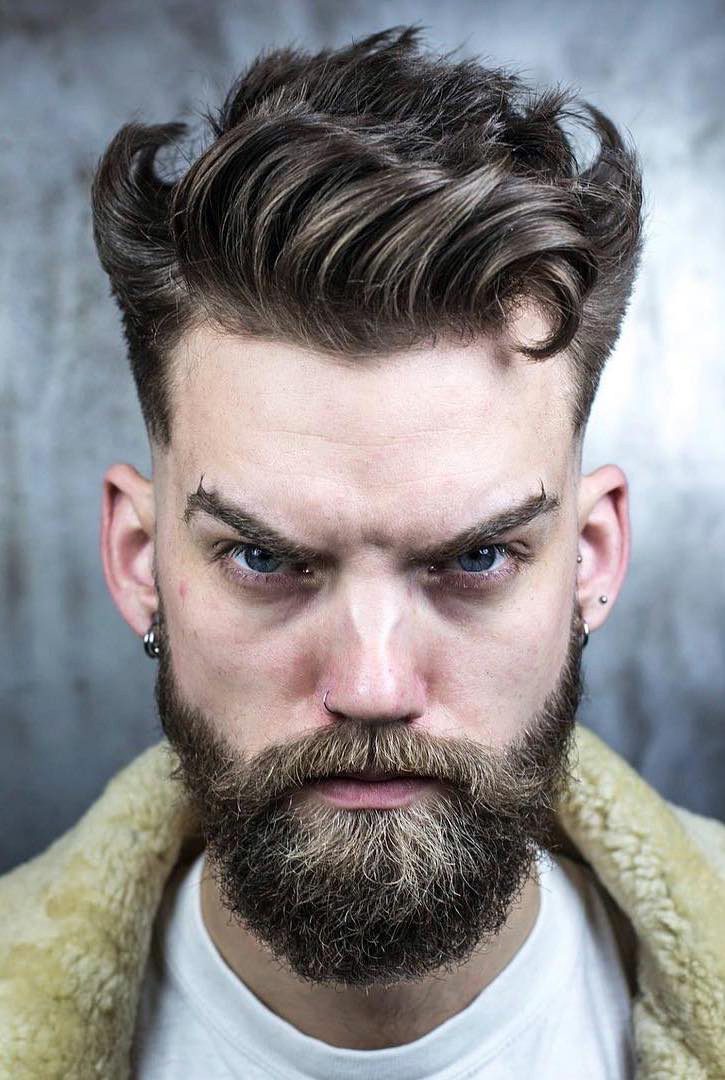
Winged Wavy Quiff
For the bold and daring, this winged wavy quiff is a more manageable and less severe take on the statement haircut made popular by A Flock of Seagulls. The best part of this style is that the cut is done similarly to the side pushed quiff and can be worn in many different ways on days where you don’t feel like singing “Space Age Love Song”.
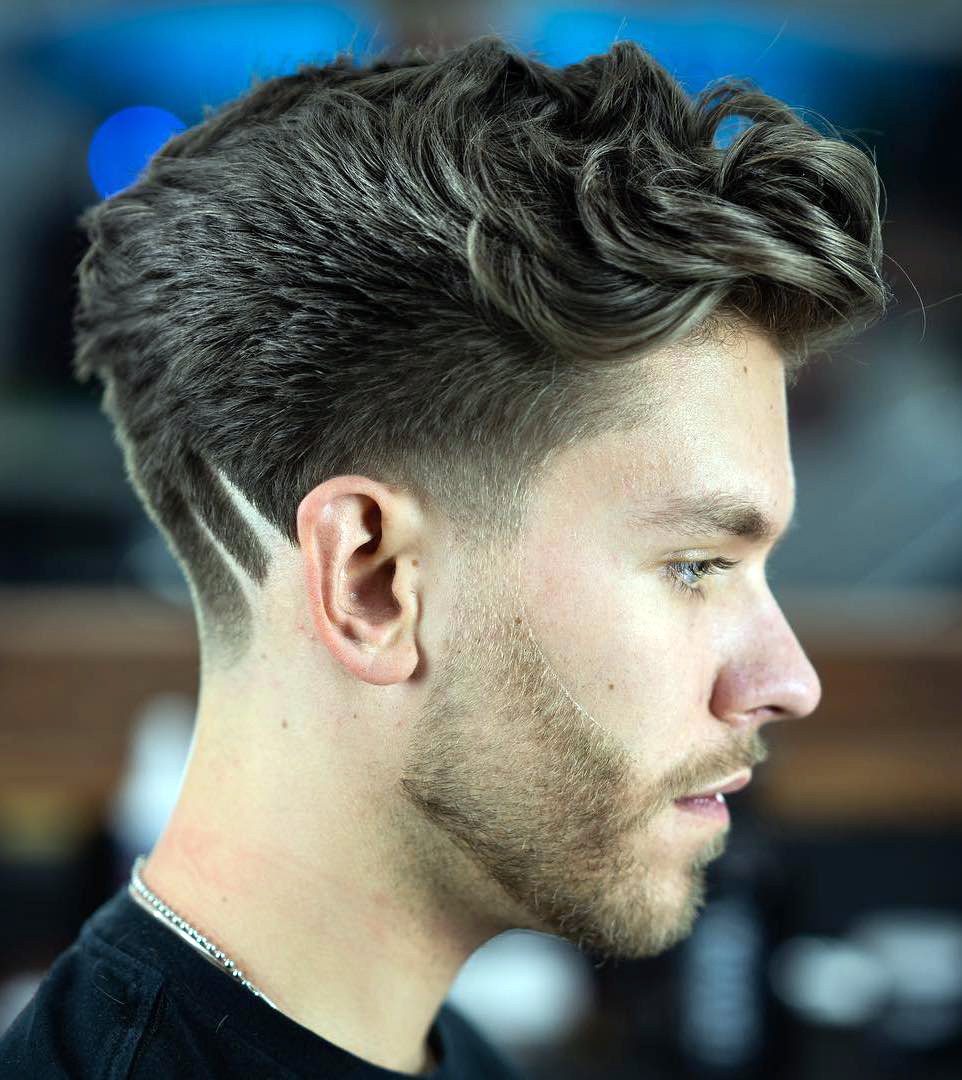
Messy Waves with Shaved Neckline
The mullet is known as the ultimate “business in front, party in back” hairdo, but this cut, with its discernible waves and shaved neckline, might be a more socially acceptable alternative. The cuts in the back add personality to what would otherwise be a pretty normal haircut and makes for a stylish surprise as you’re walking away.
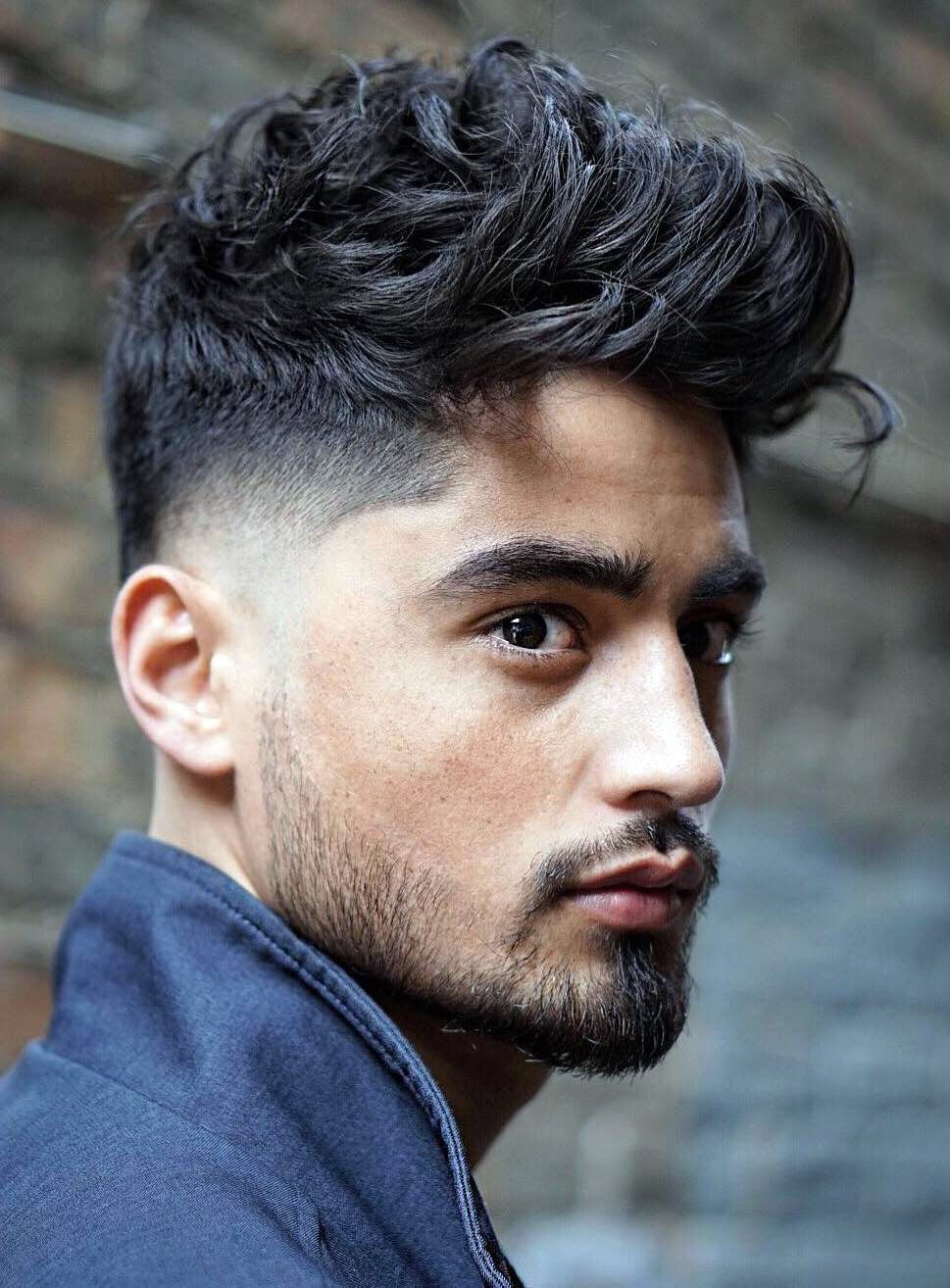
High Volume Top with Subtle Low Fade
A perk of having wavy hair is that volume comes naturally, play it out with some added product and texture to achieve a sturdy-looking top!
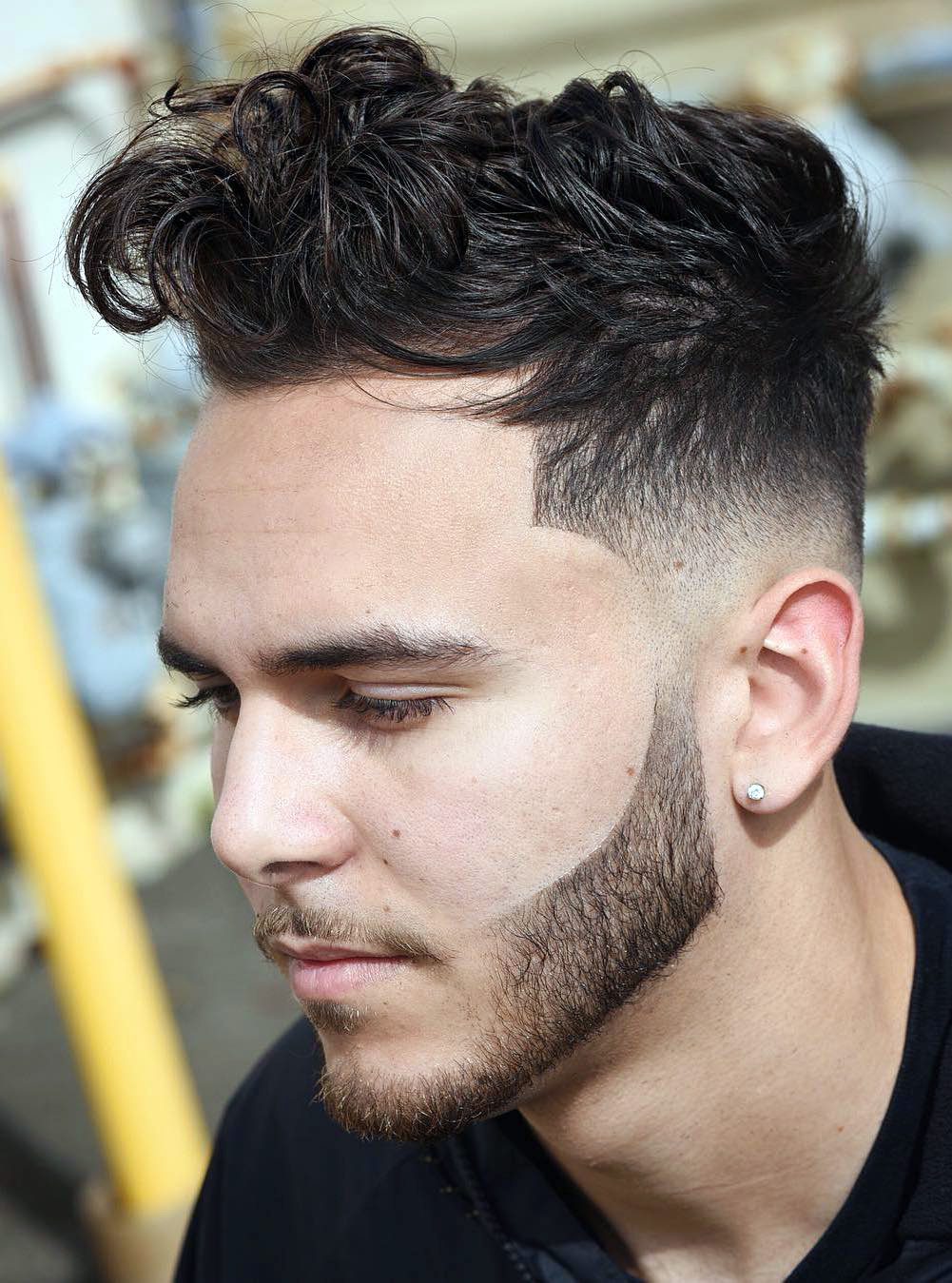
Wavy Texture with Clear Low Fade
Depending on what type of wavy pattern you have, a style like this will have slight variations as you sport it. The eye-catcher here is the effortless-looking texture that’s been slightly styled and that you could definitely try!
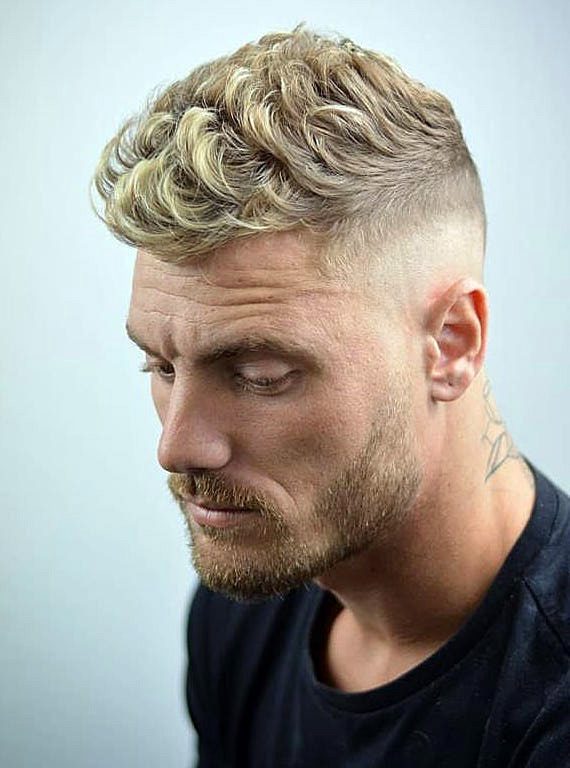
Short Waves Mixed with Undercut Taper Fade
The undercut here gives a pass at the beautifully styled top for the spotlight. Hairstyles like this might require some time to complete depending on your natural texture, but it’s an absolute classic for those of you with wavy hair.
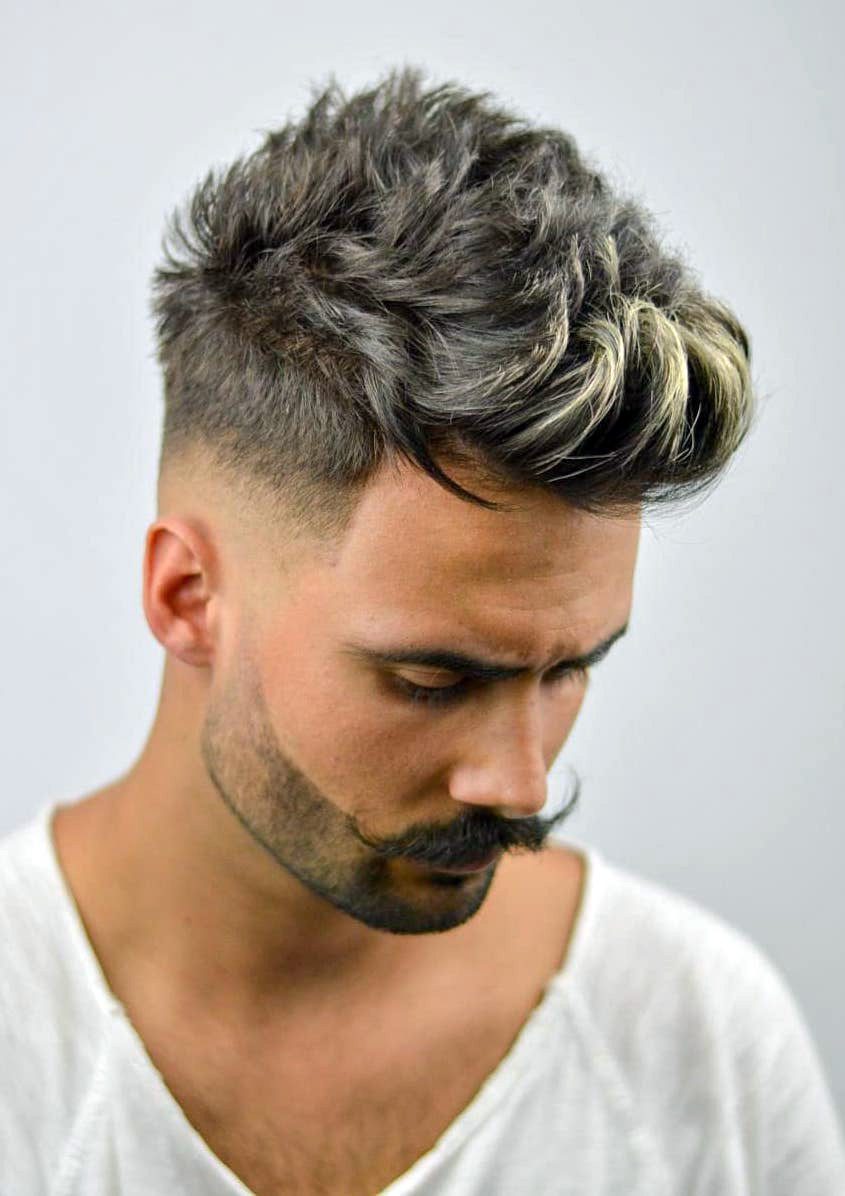
Curled Brush Up with Highlighted Strands
The colored tips at the front give this style more than enough flair to show off the amazing hair texture. Ask your barber for light texture at the top to sport a style like this.
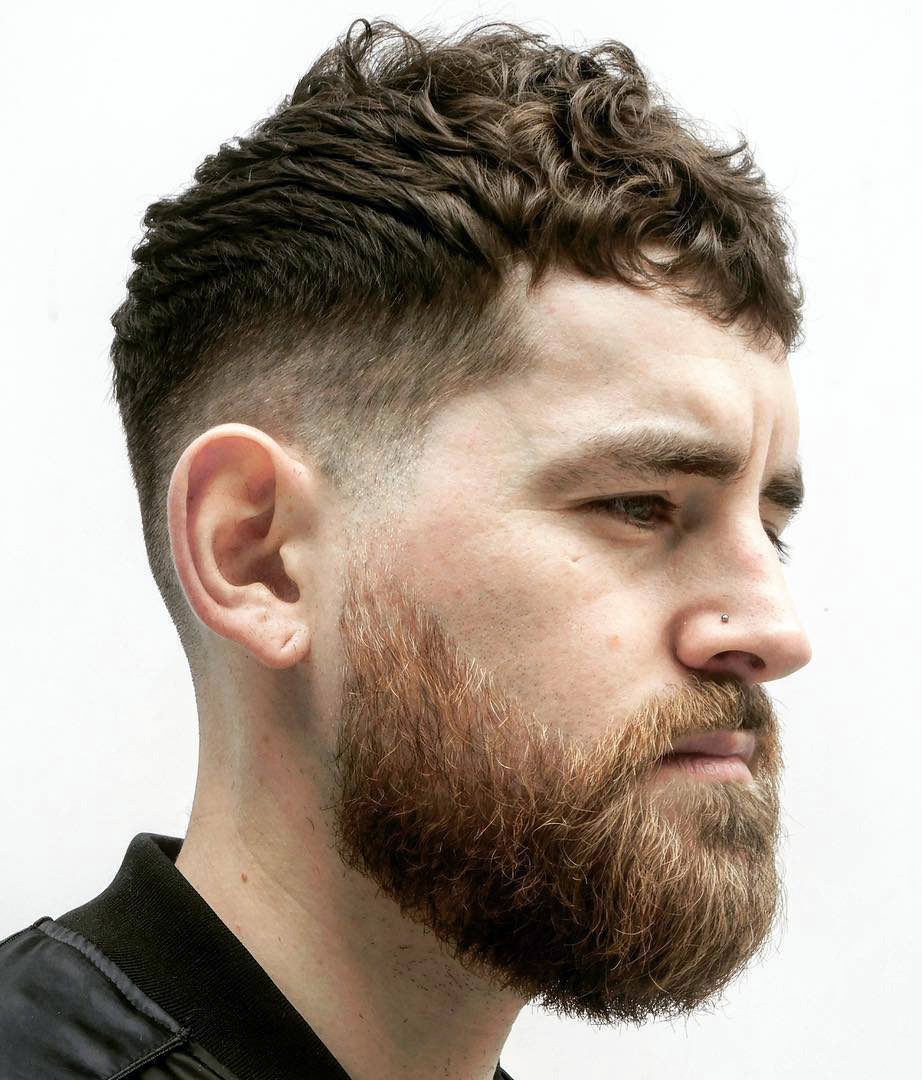
Shortly Waved with Low Taper
Wavy hair is super versatile when it comes to styling. With the help of some products and tools, you could play out two different types of texture in the same hairstyle as they do here.
If your hair tends to be a little more coarse you could always straighten a part of it and make the contrast more noticeable.
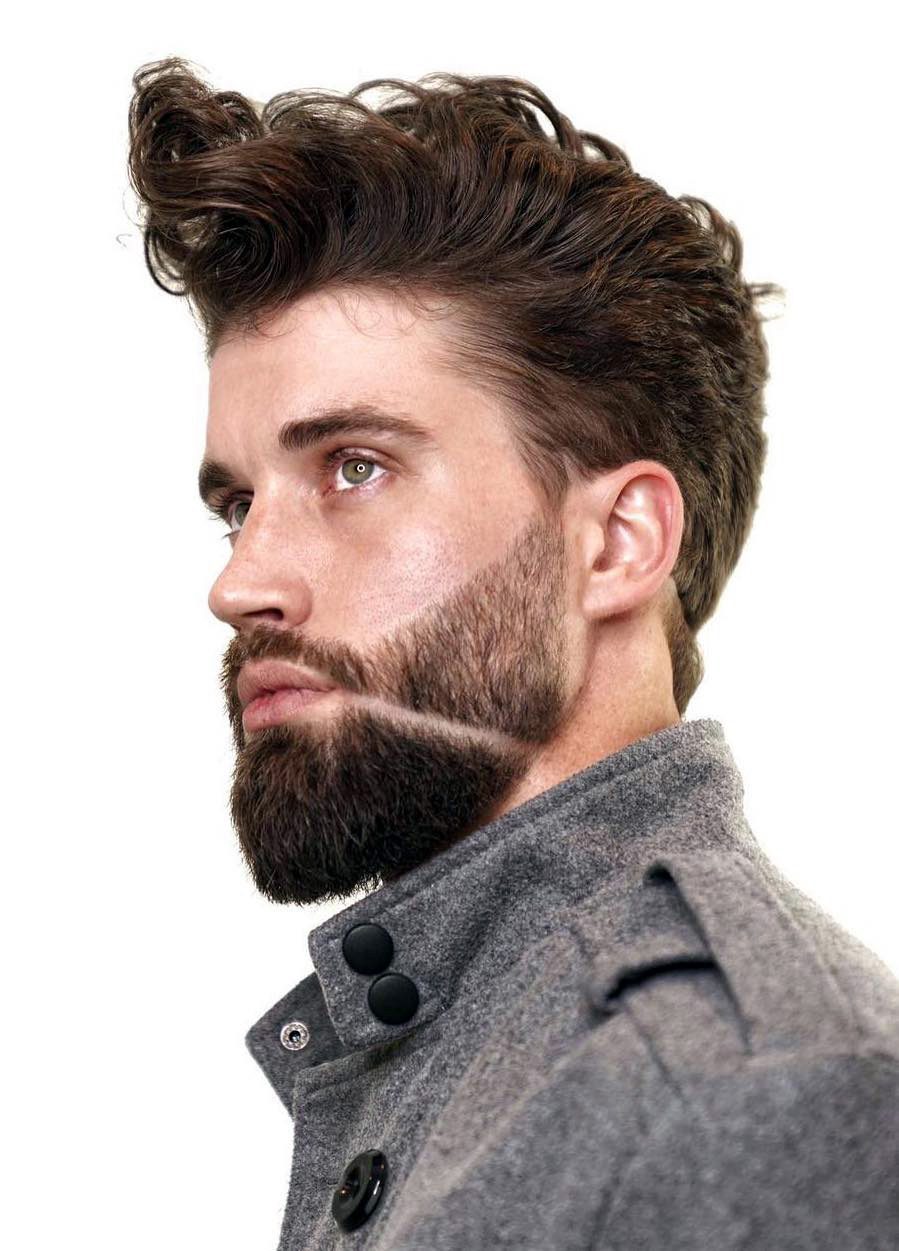
Short Waved with Long Top
Take advantage of how easy it is to build on natural volume for wavy hair and sport a hairstyle that focuses on it!
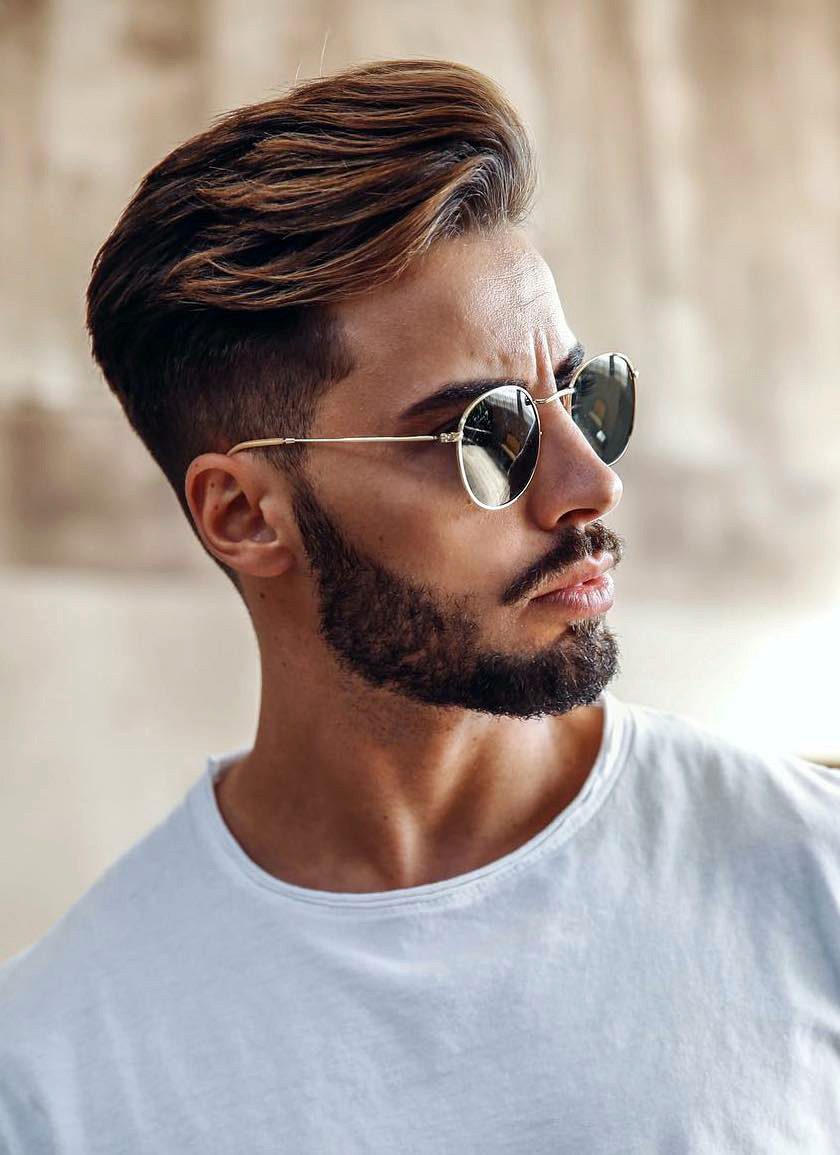
Semi Wavy Top with Low Key Line Up
Here the hair might not look wavy per se but we’d love to see it! That ever so slight wave on top does the trick. Definitely a style wavy-haired folk could shine with!
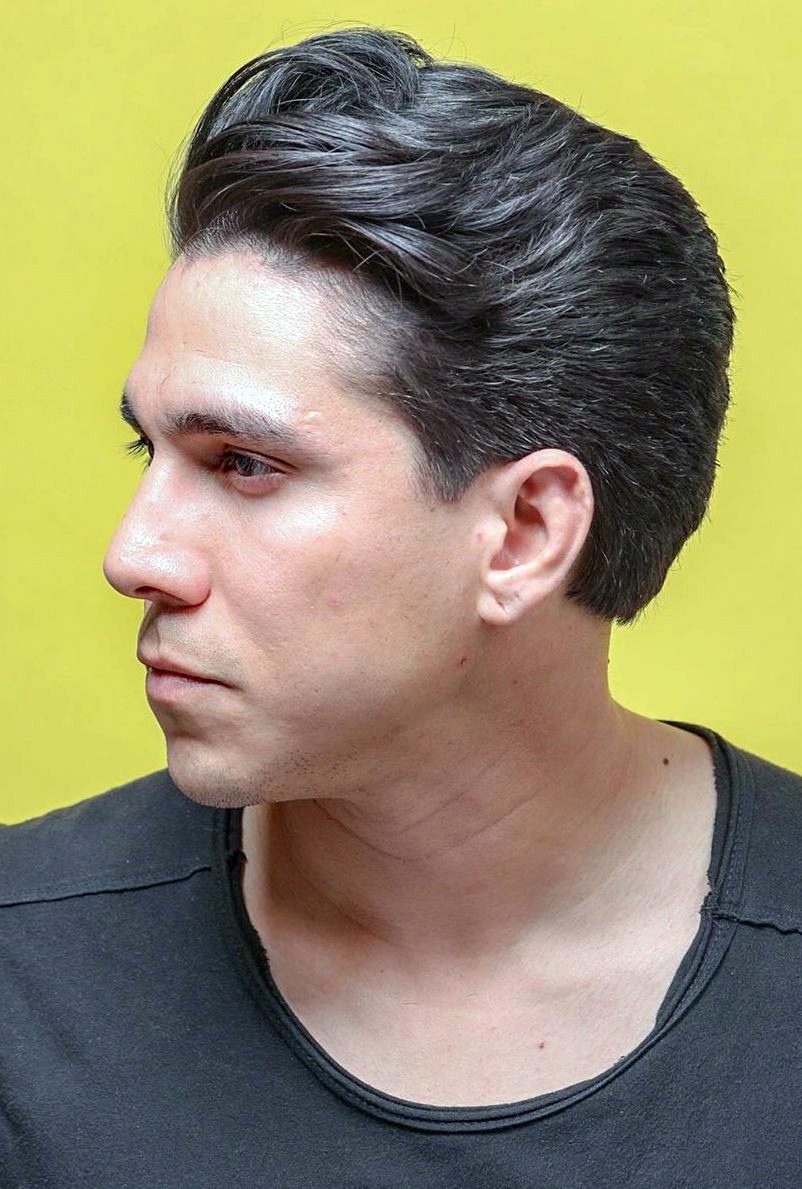
Wavy Quiff with Longer Top
A brushback is always a fun look for those luscious locks, adds a bunch of texture with very little effort. Here, on a medium classic scissor crop, the hair is slightly textured at the front.
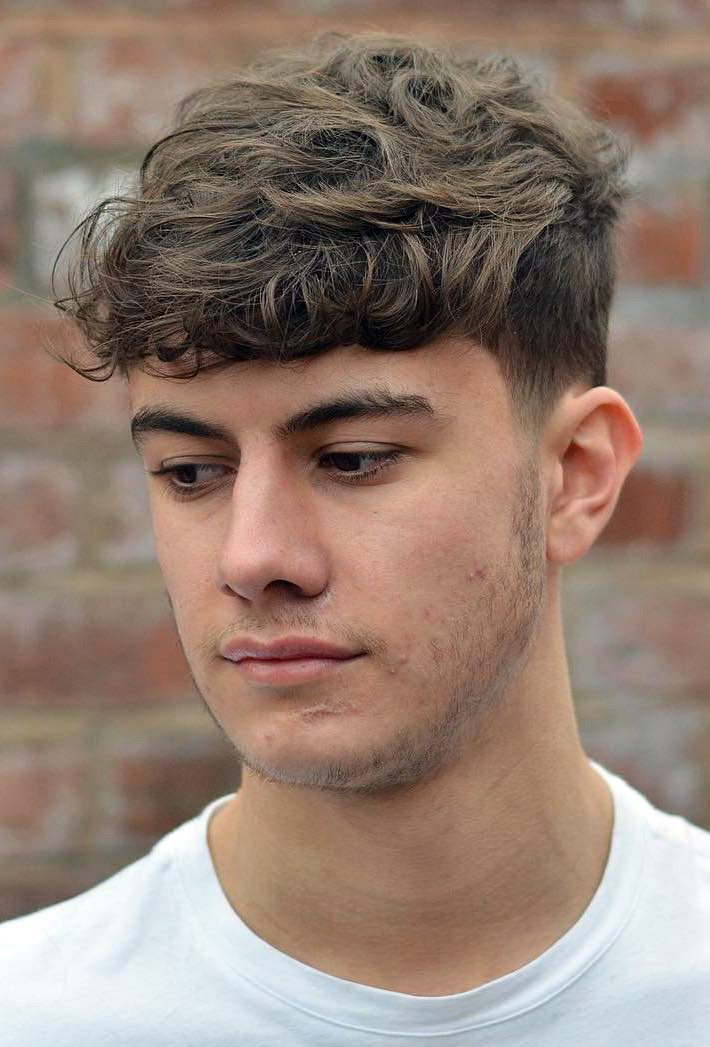
Hairstyles For Men with Wavy Hair: Wake Up Texture
Love to see a good french crop with some nice texture! What a better way to put your waves on display than this classic haircut that only gets better as it evolves in fashion.
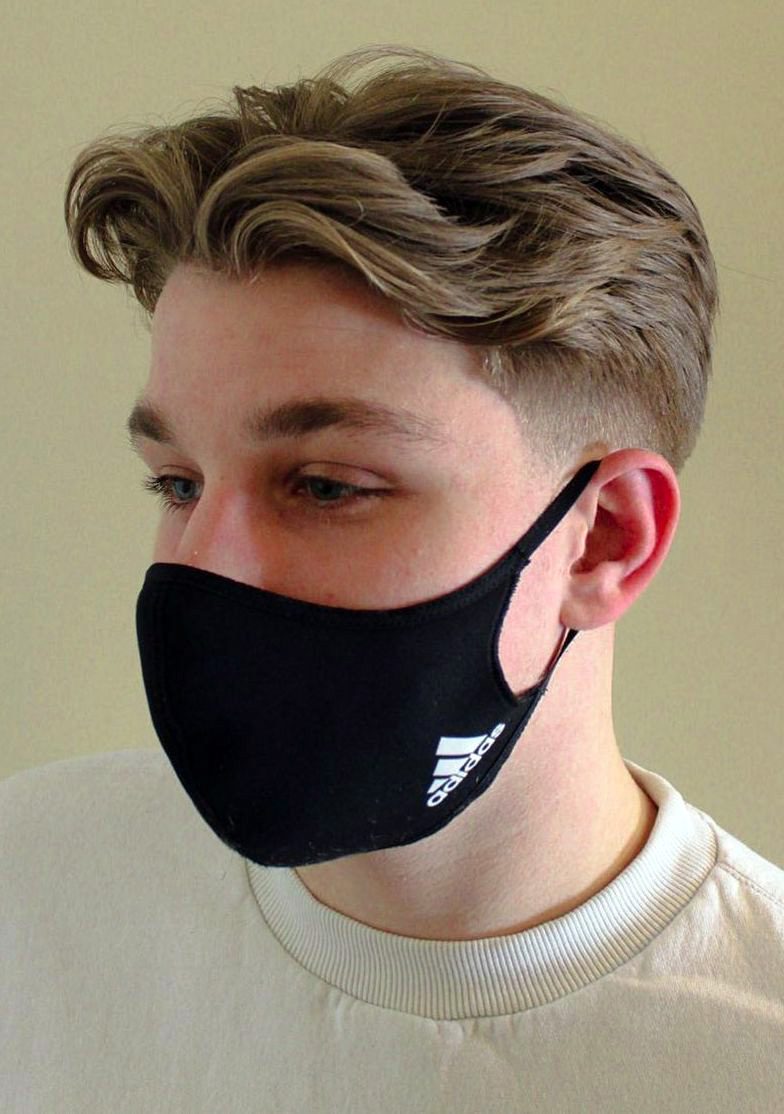
Semi Waved Mid Part with Temple Taper
Wavy doesn’t have to be crazy all the time but sometimes it is rather chilled out just like this. The top is middle parted for maximum style within casual look plus the temple taper fade which enhances that neat approach.
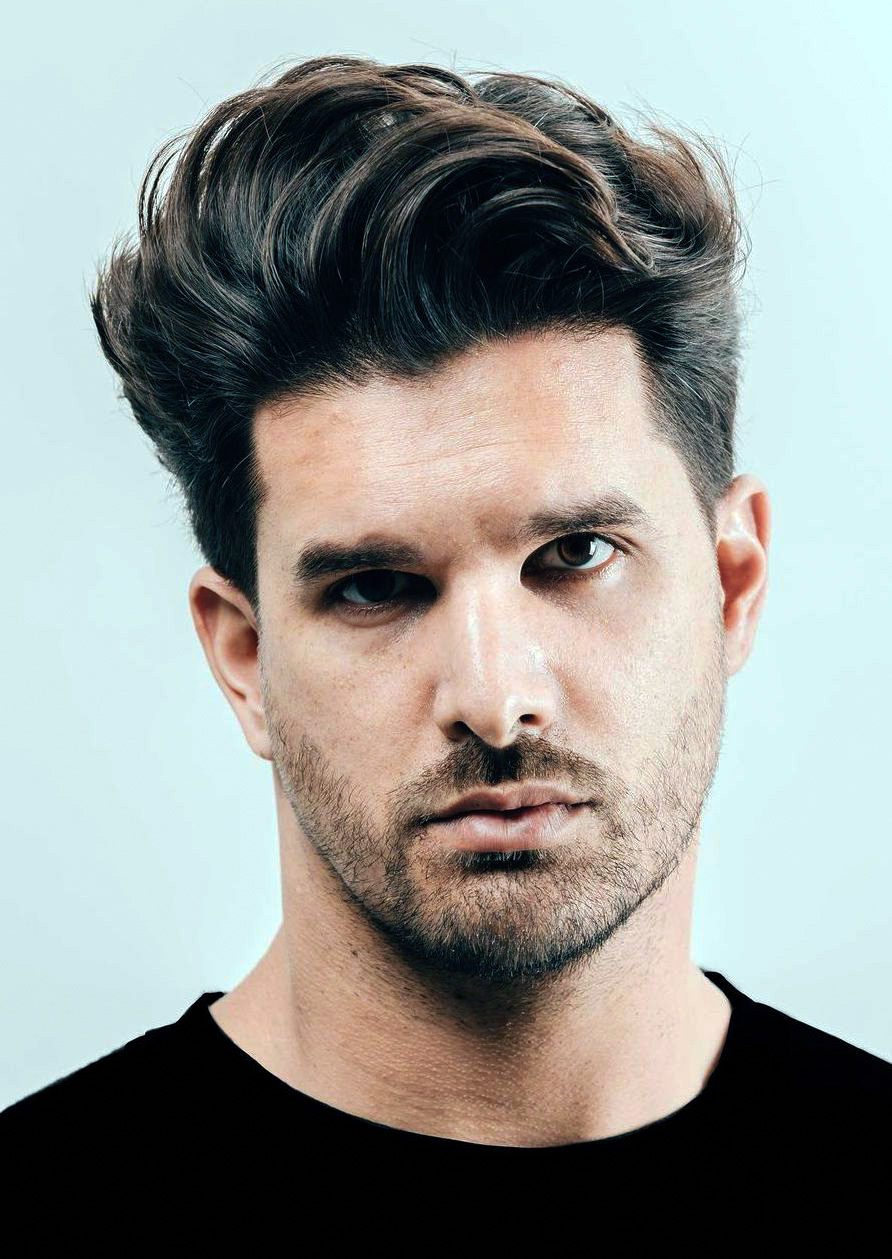
Wavy Hair at its Best
Wavy hair has this tendency to look fluffier than they actually are. This is the prime example of the same. The top is longer than the sides where the side is tapered for maximum control over the look so that it doesn’t look shaggy.
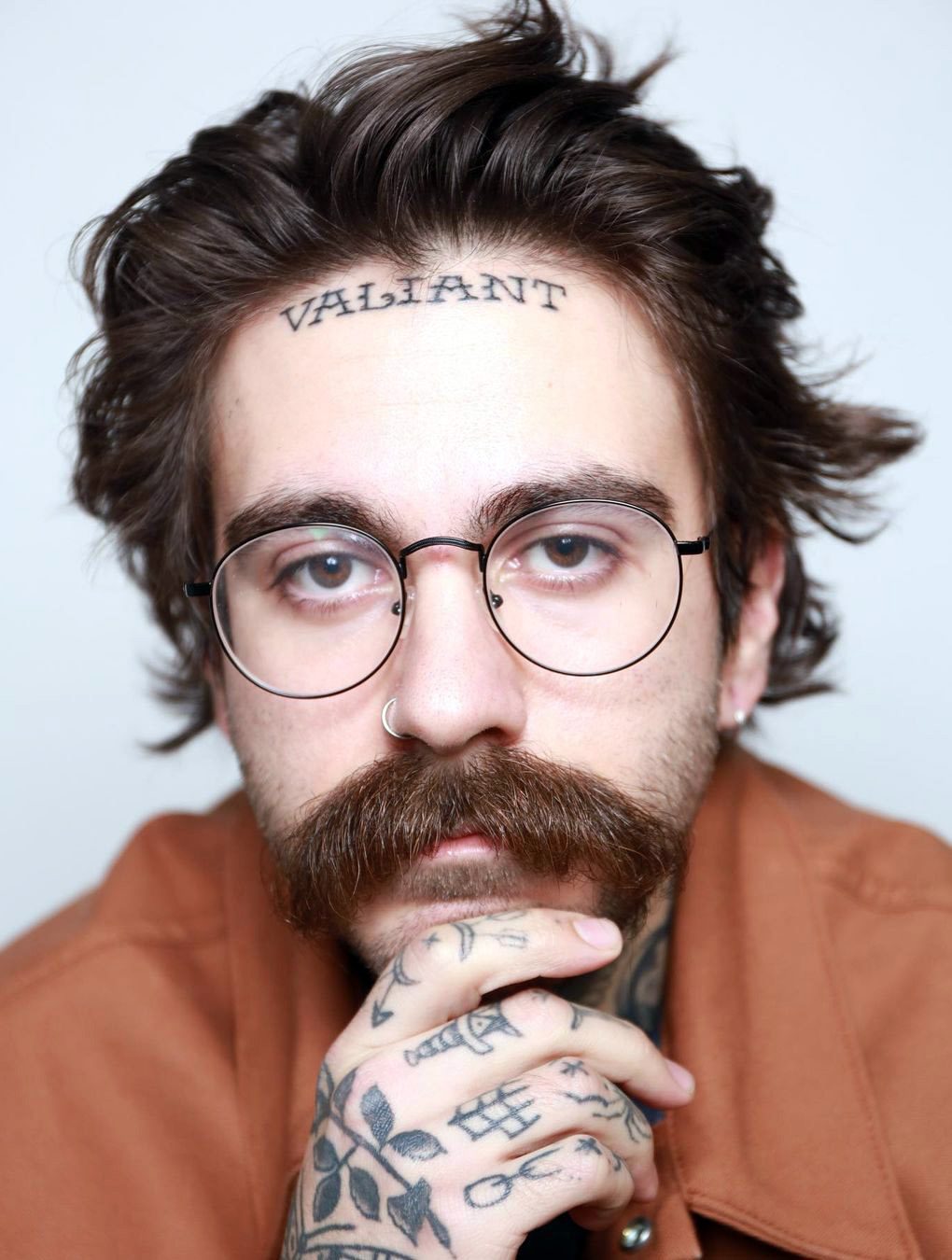
Wavy Pushed Back Strands
Wavy hair when allowed to grow, does wonder. This one is quite pushed back from all the sides and the top being the longest. The sides are tapered and layered for maximum panache.
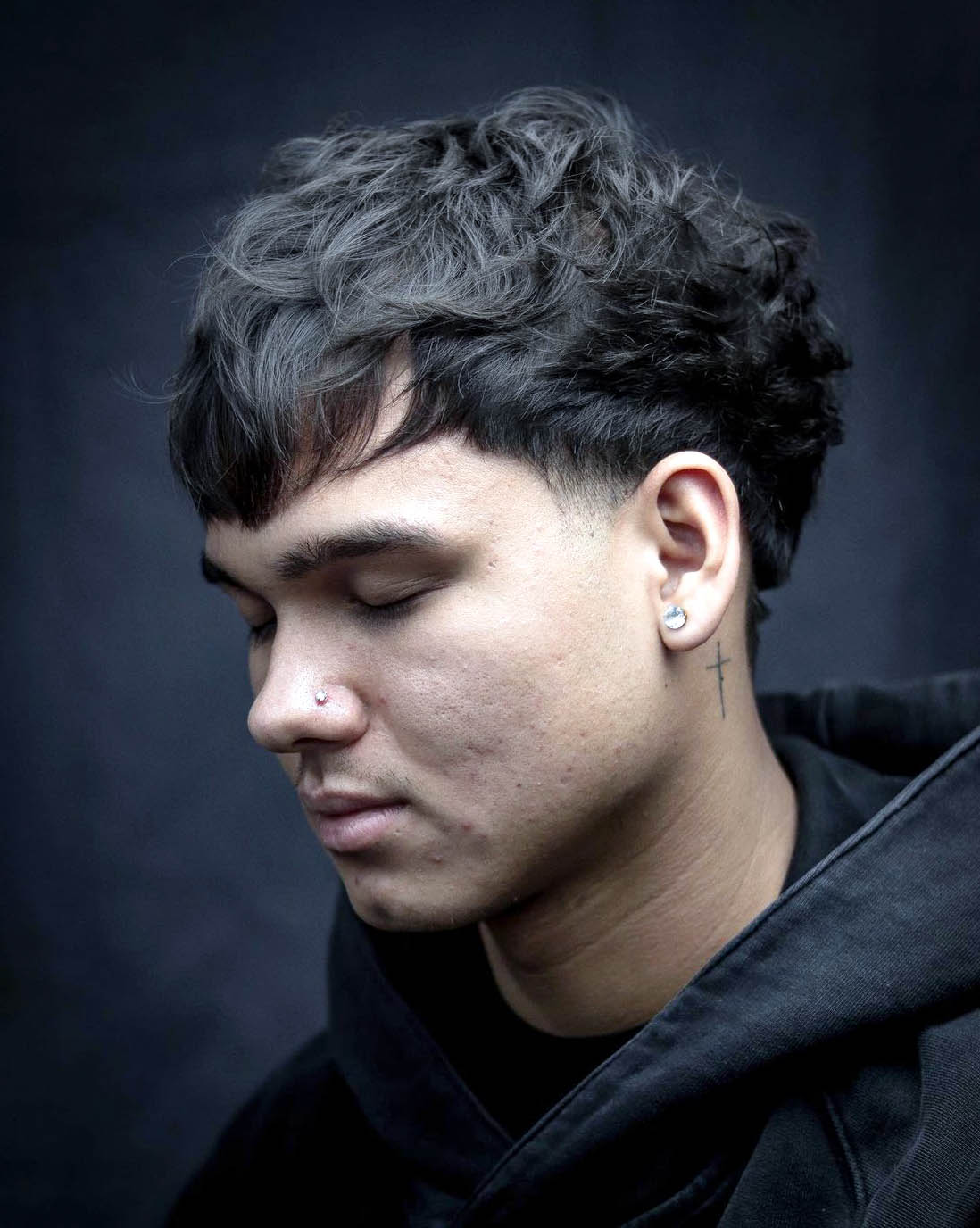
Hairstyles For Men with Wavy Hair: Wavy and Clean
This gentleman gives off a sleek edginess by incorporating longer hair on top that he then styles into a wavy, textured look. The sides are also left long, but scissor cut around the ears to keep it from spilling over and detracting from the clean look. The fringe is slightly wavy but kept mostly natural, while the back is brushed forward and into the sides, enhancing the overall look of messiness. His black hoodie and two diamond studs accentuate the edginess to complete the image he’s trying to give off.
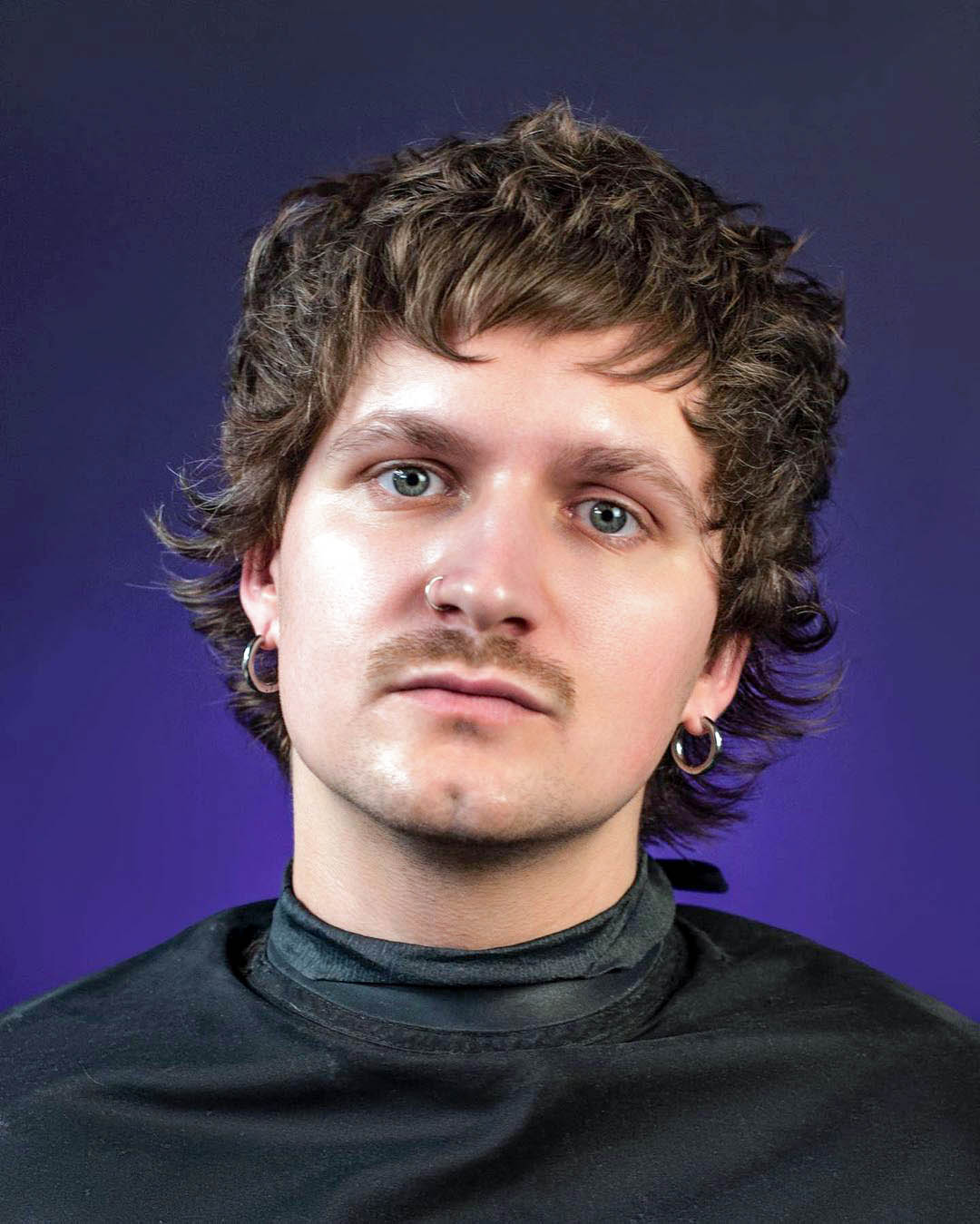
Hairstyles For Men with Wavy Hair: Contrasting Waves
This style is all about contrast. From fringe to nape, the style gives off contrast in volumes. The key to this cut is to let your hair grow out, run your hand through it with some of your favorite product, and give it a little mess. The sides should be angled differently than the top, while the fringe is point cut and leave varying textures and lengths. The style is accentuated by similar silver piercings and the clean and neatly trimmed mustache.
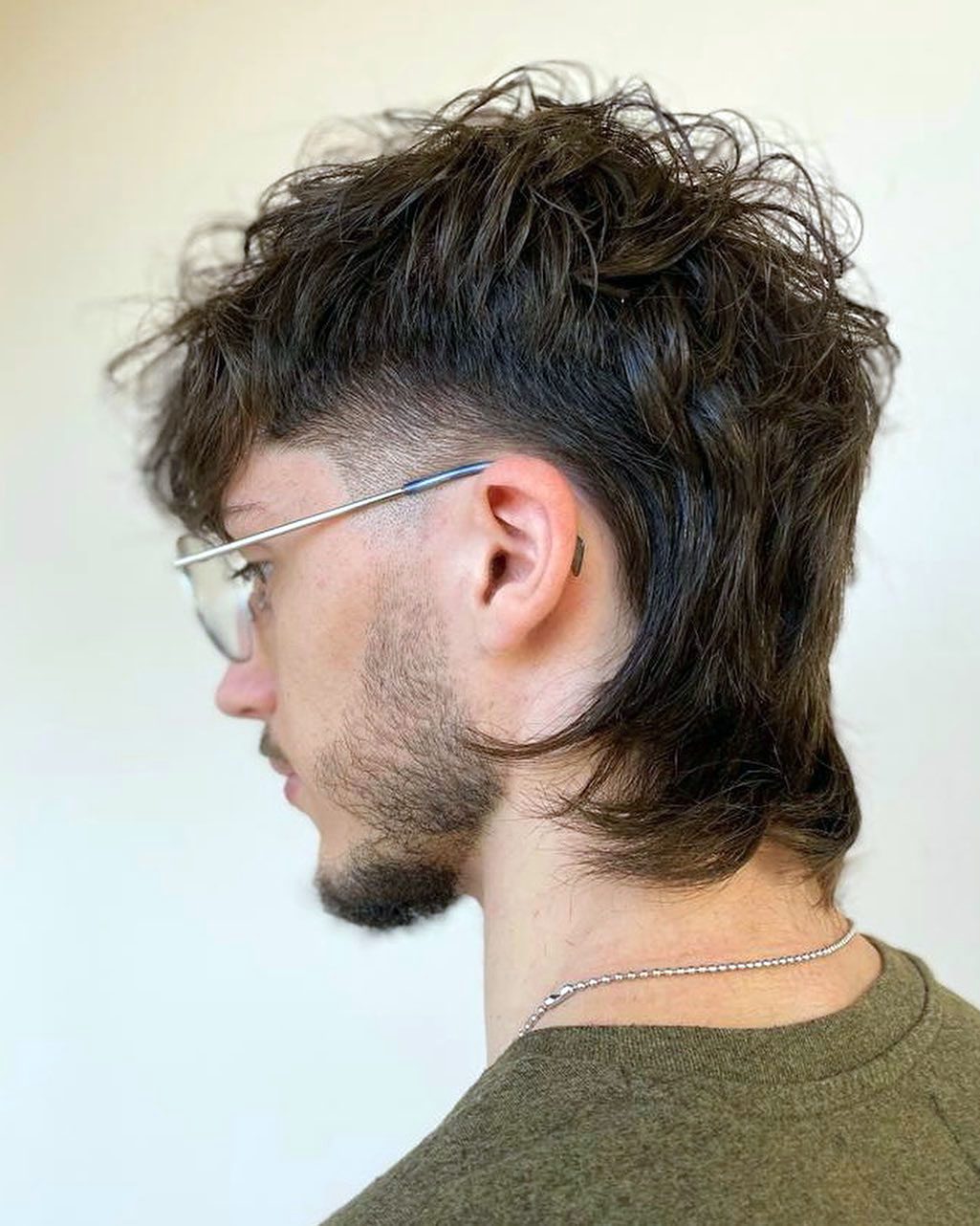
Wavy Hair with Short Mullet
When you have it, flaunt it. Wavy hair for men is a crowning glory so don’t hide it! A great way to expose your naturally beautiful semi-locks is with a short mullet.
Why? First of all, the top will look unique. There’s a wild texture to short, wavy hair, especially when cut short on the top that cannot easily be copied. Plus, the long tail at the back will have its shape as well. Not to mention the front part of this mullet which can be styled in a variety of ways.
Best suited for oval and round face shapes, rock this with the minimum accessories and short stubble.

Side Swept Quiff
This iconic look has presence. Letting the hair fall to one side breaks the symmetry of a standard quiff and makes the style suitable for almost any situation, from the most casual to the most professional. It is particularly appropriate for wavy hair, as natural curls make a great base for the volume that is needed.
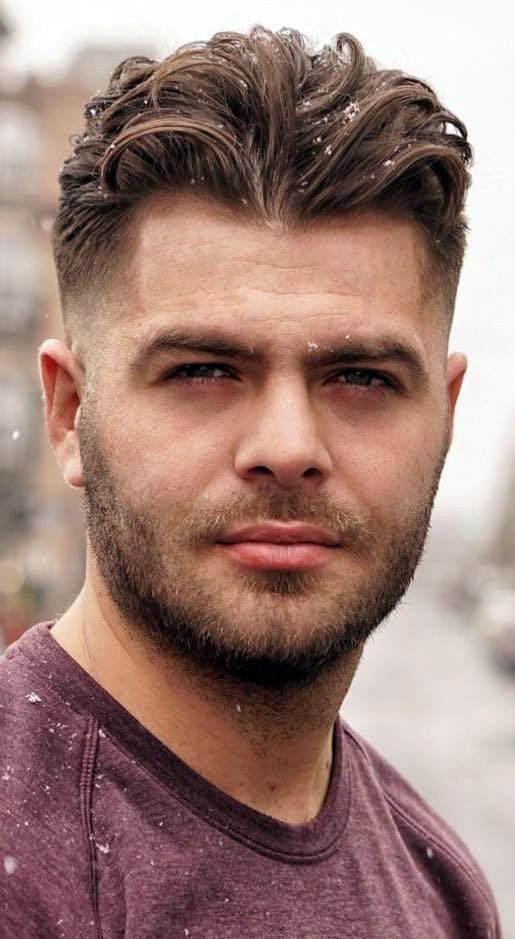
Loose Strands with Tapered Sides
If you really want to take advantage of the rebellious qualities that wavy hair has to offer, separating strands can be an easy, dynamic way to do so. The contrast of the clean and tapered sides keeps this style from looking unkempt.
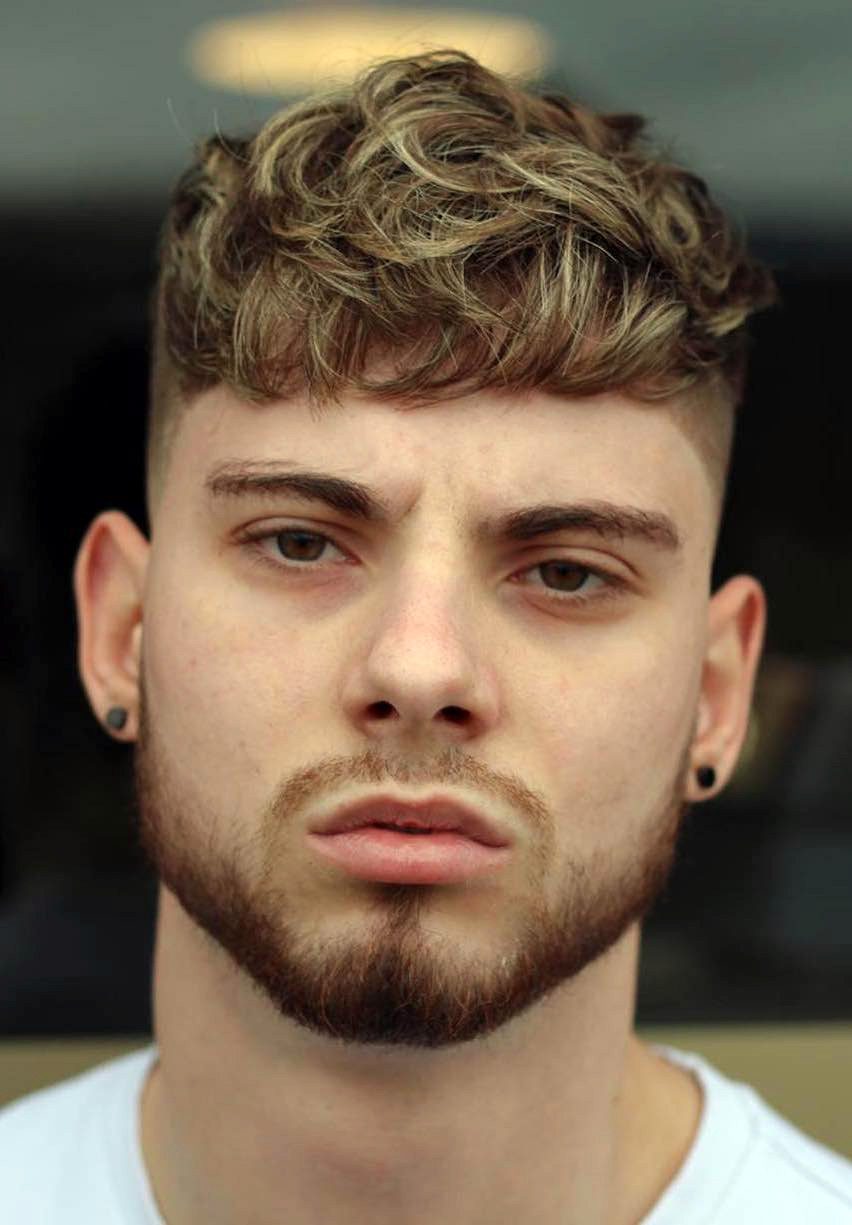
Shades of Blonde
Going blonde can add dimension and depth to the twists and turns of wavy hair. The darker the hair, the less contrast is available between the shadows and highlights. Lighter hair emphasizes the contrast, making it the ideal color to clearly see those wayward waves. Adding different tones can also give focus to the different layers.
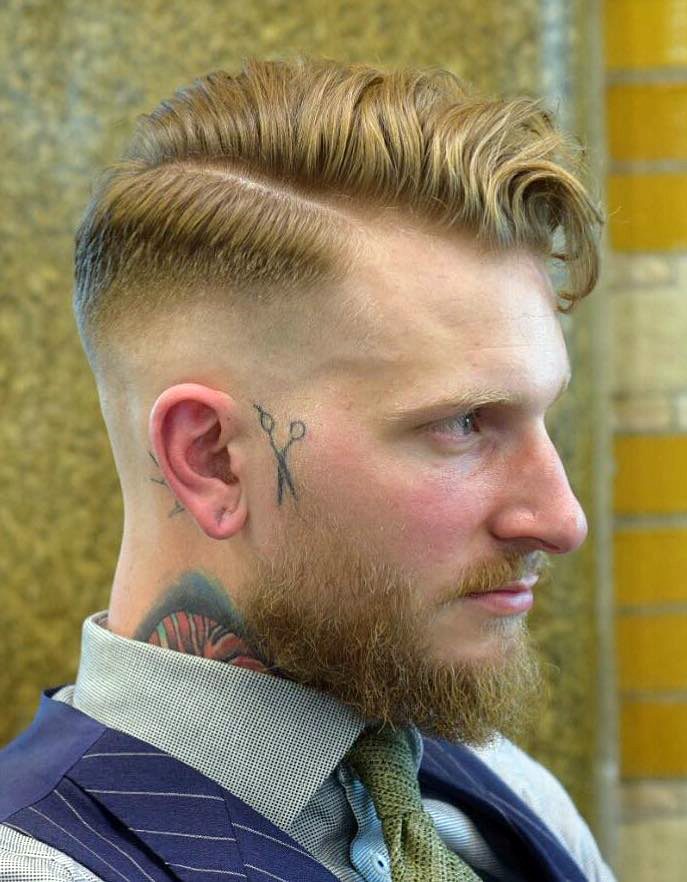
Wavy Regulation Cut
The regulation cut was made into a military cut because of its respectable look and easy-to-maintain nature. Natural curls shake this traditional look up, giving it an unexpected twist, while preserving its respectable characteristics.
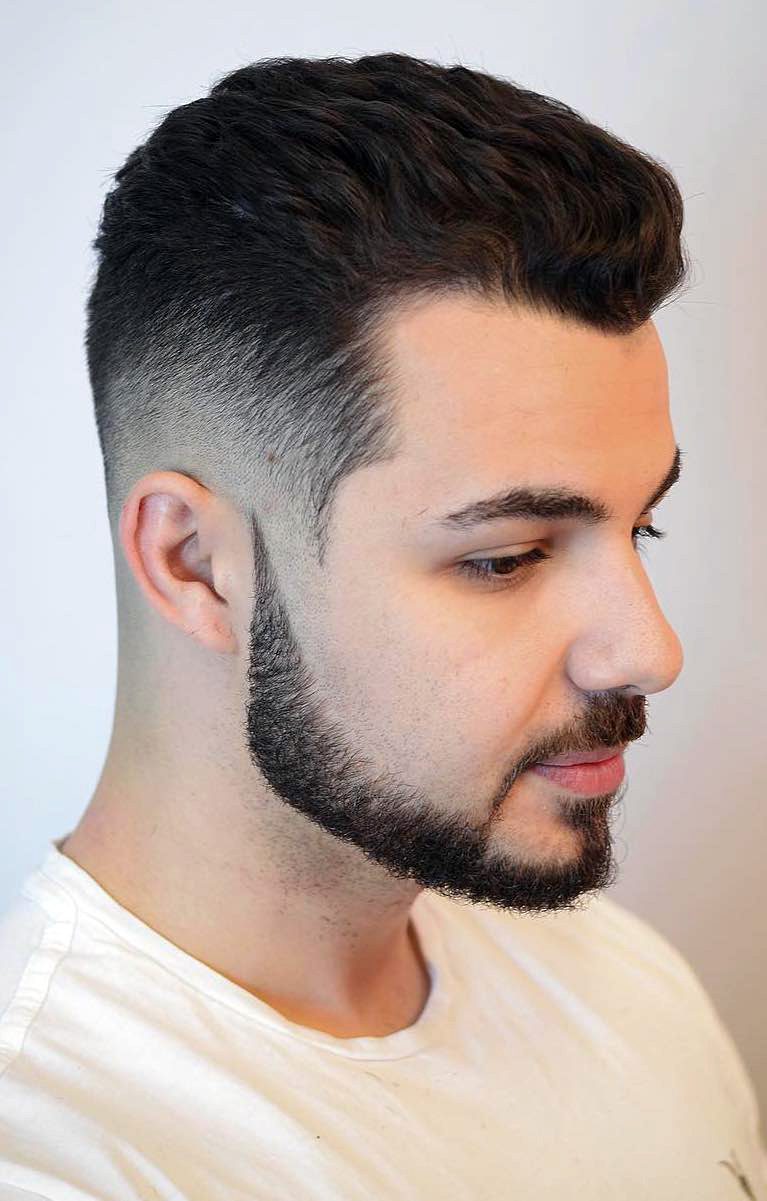
Wavy Textured Burst Fade
Wavy hair can be refined with a burst fade. Hair is tapered on the sides behind the ear and left a bit longer in the back.
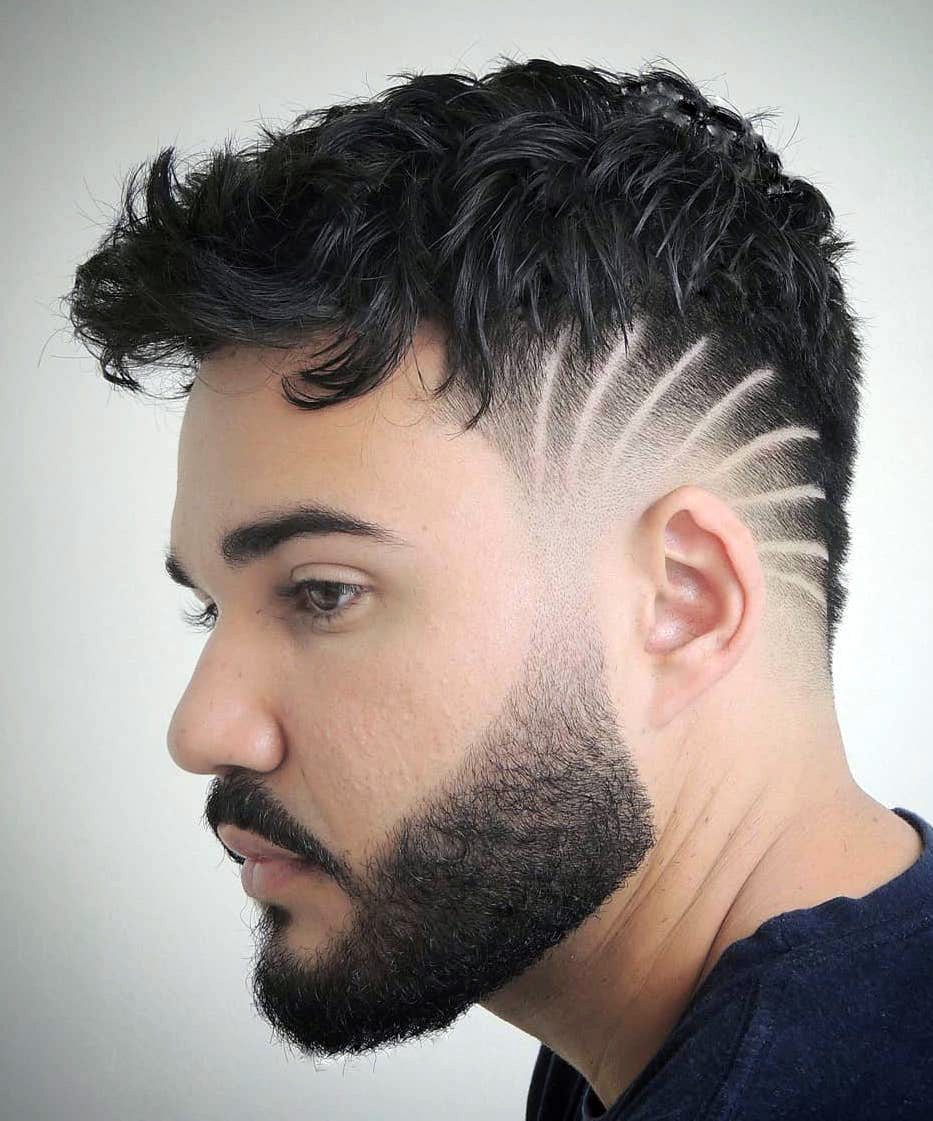
Wavy Top with Fancy Burst
For those looking for something a bit different, the burst in this burst fade is given energy with the line pattern carved down the sides. It is a polished way to look funky and fearless.
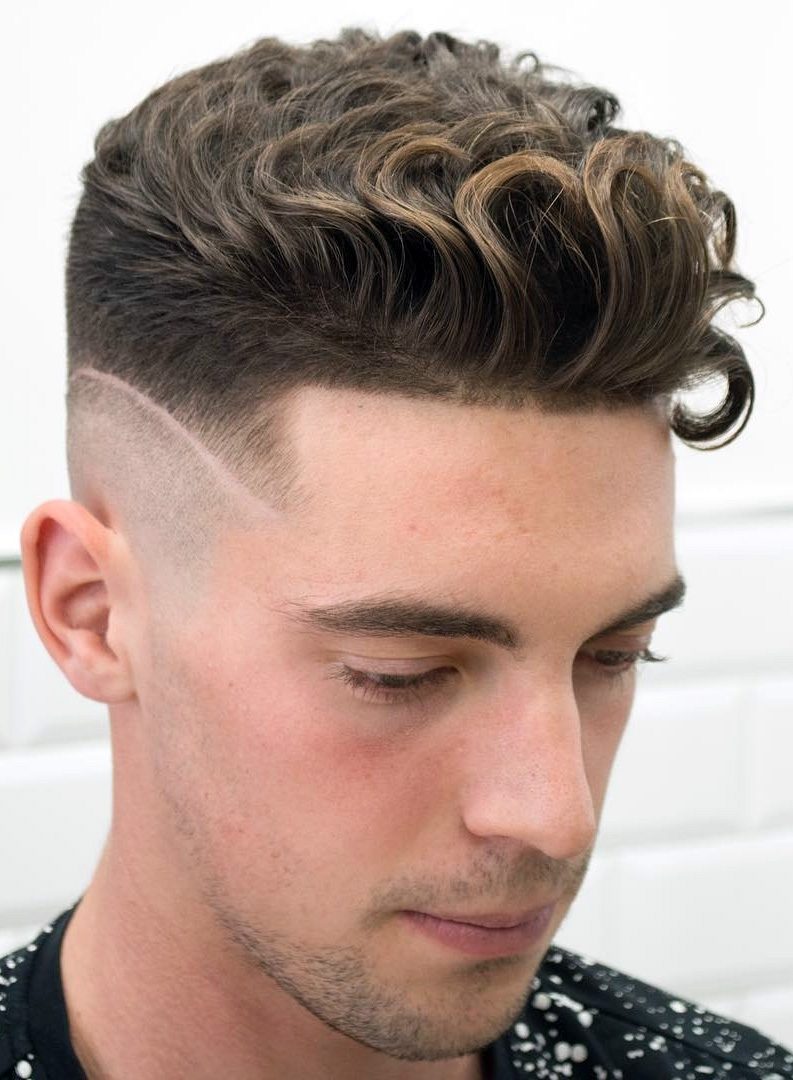
Broken Wavy Quiff with Subtle Hairline
We’ve all seen the wild line designs that some very talented barbers have created. For those who want to dabble in the art of line detailing without committing to a full masterpiece, this subtle line art is a fresh and simple way to step outside of the norm. The clean line carved into the side of the hair is matched with a clean and sharp hairline, giving the casual messy top some structure.
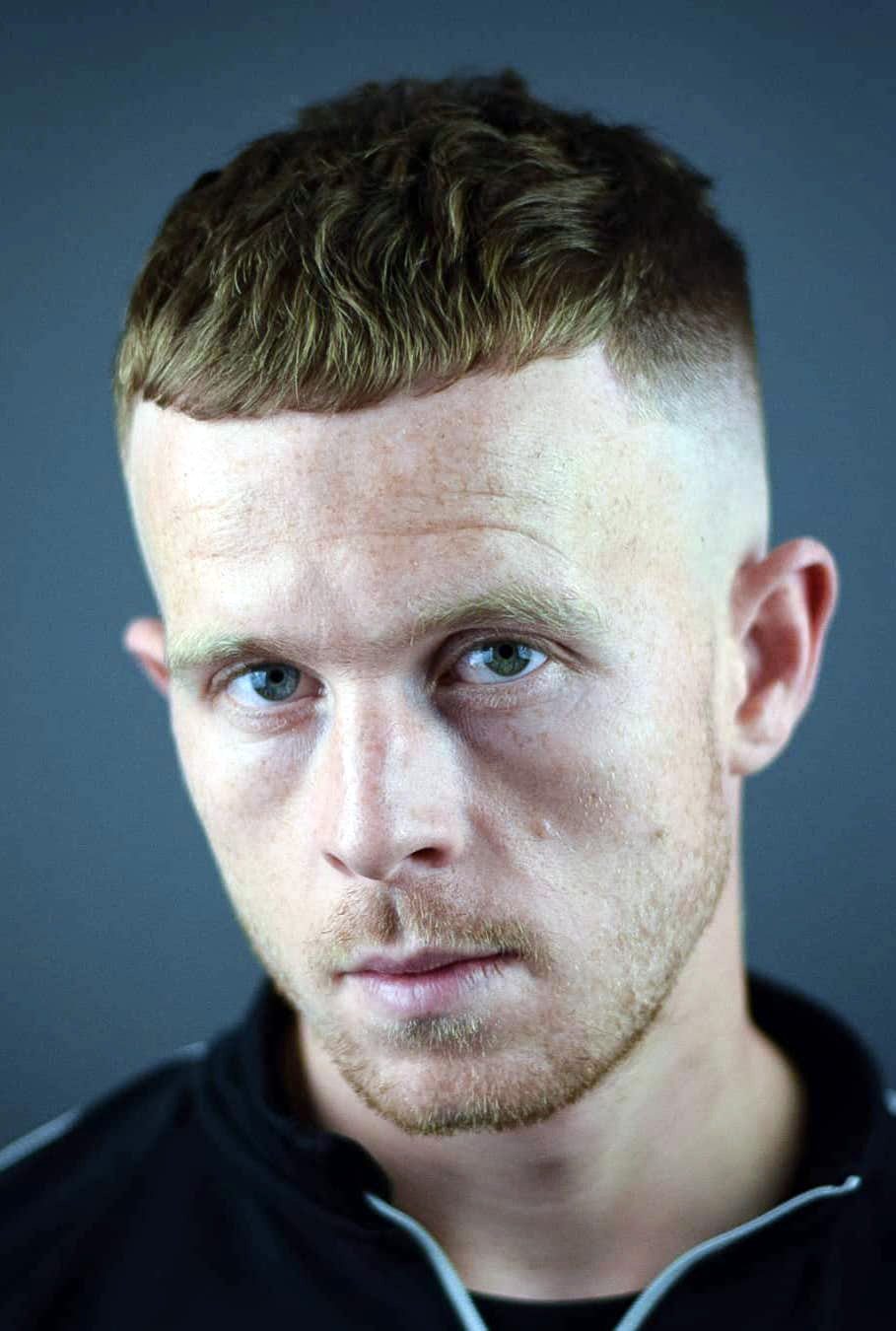
Short Length Wavy Top
Maybe one of the easiest styles to handle, this low maintenance hair cut makes it as easy is a blotting the hair with a towel after a shower. To prevent the hair from frizzing, a blotting motion is advised over rubbing the hair dry.
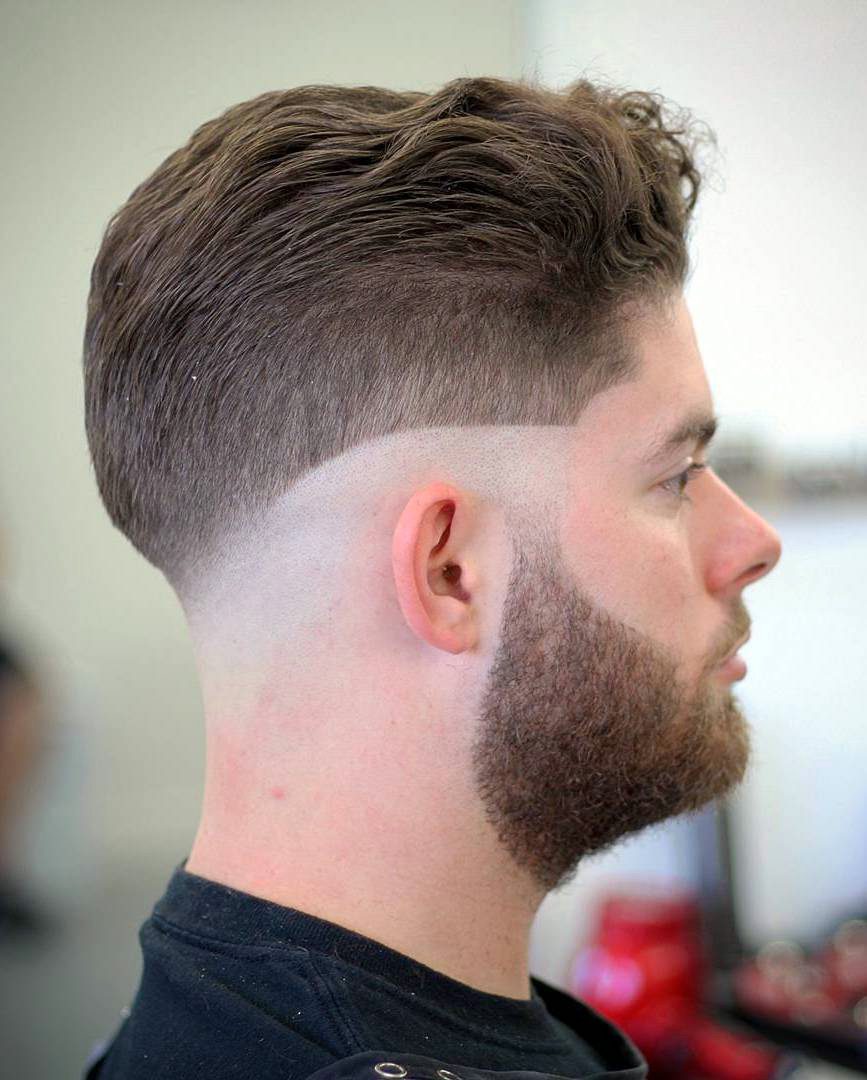
Tapered Side with Shaved Temple
This cut looks great with a well-groomed beard. The harsh separation between hair and beard is a welcomed update to the traditional cut and can make beards look fresh and stylish.
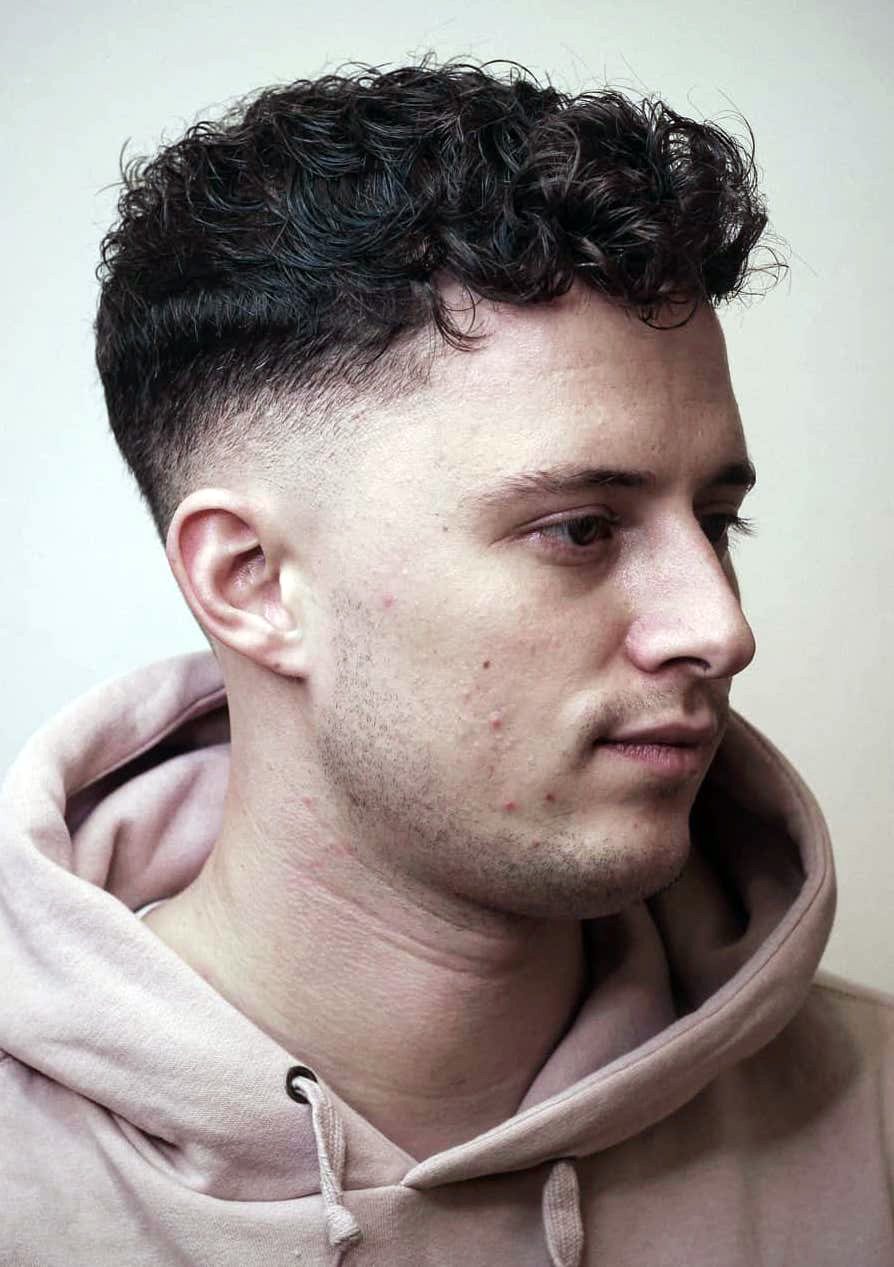
Drop Faded with Messy Top
If you have just one minute to get from out-of-the-shower to out-of-the-door, pat your hair with a towel to prevent any water from dripping down your forehead, grab some pomade or gel, and piece it through your waves. Most pomades have a bit of a gloss to it to give your waves a wet, messy look. To get a glossy look, use a curl-defining gel. For something more natural, try a matte pomade.
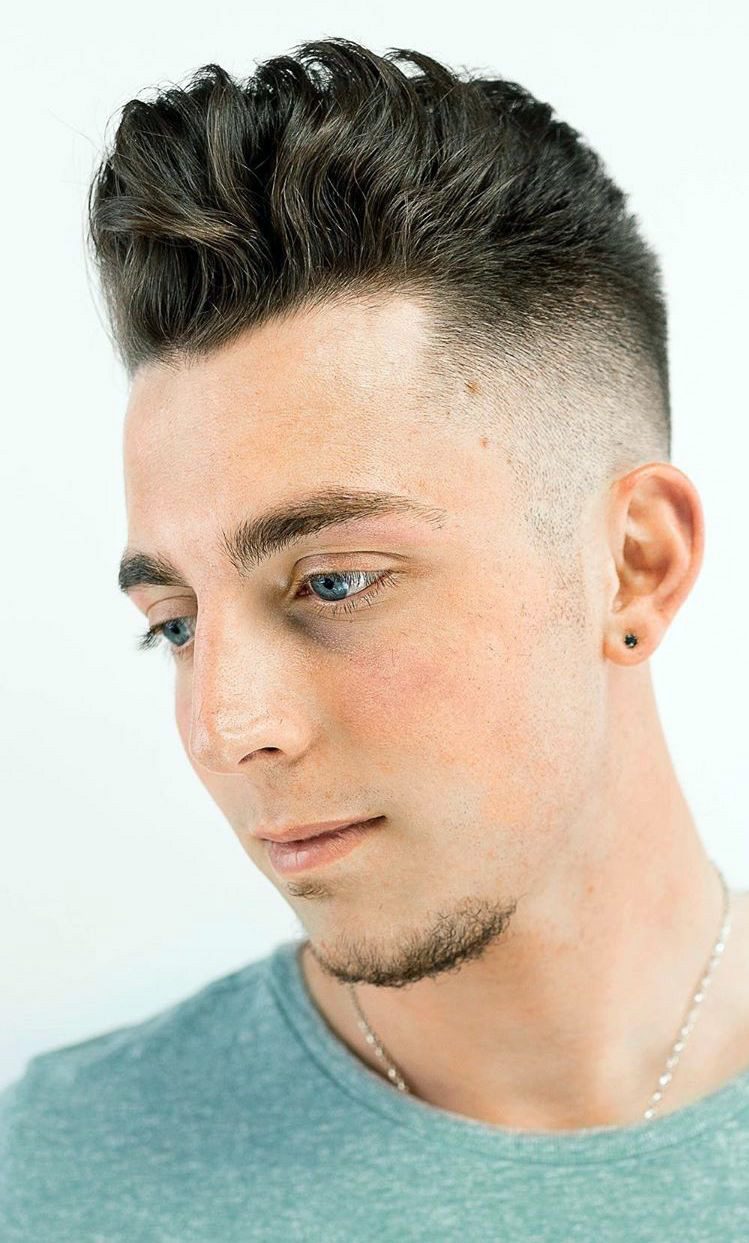
Wavy Brush Up with Taper Fade
It’s lovely how they’re using the hair’s natural wavy texture here to create a neat brush up. Keep the products light and voila! A look with a bunch of character.
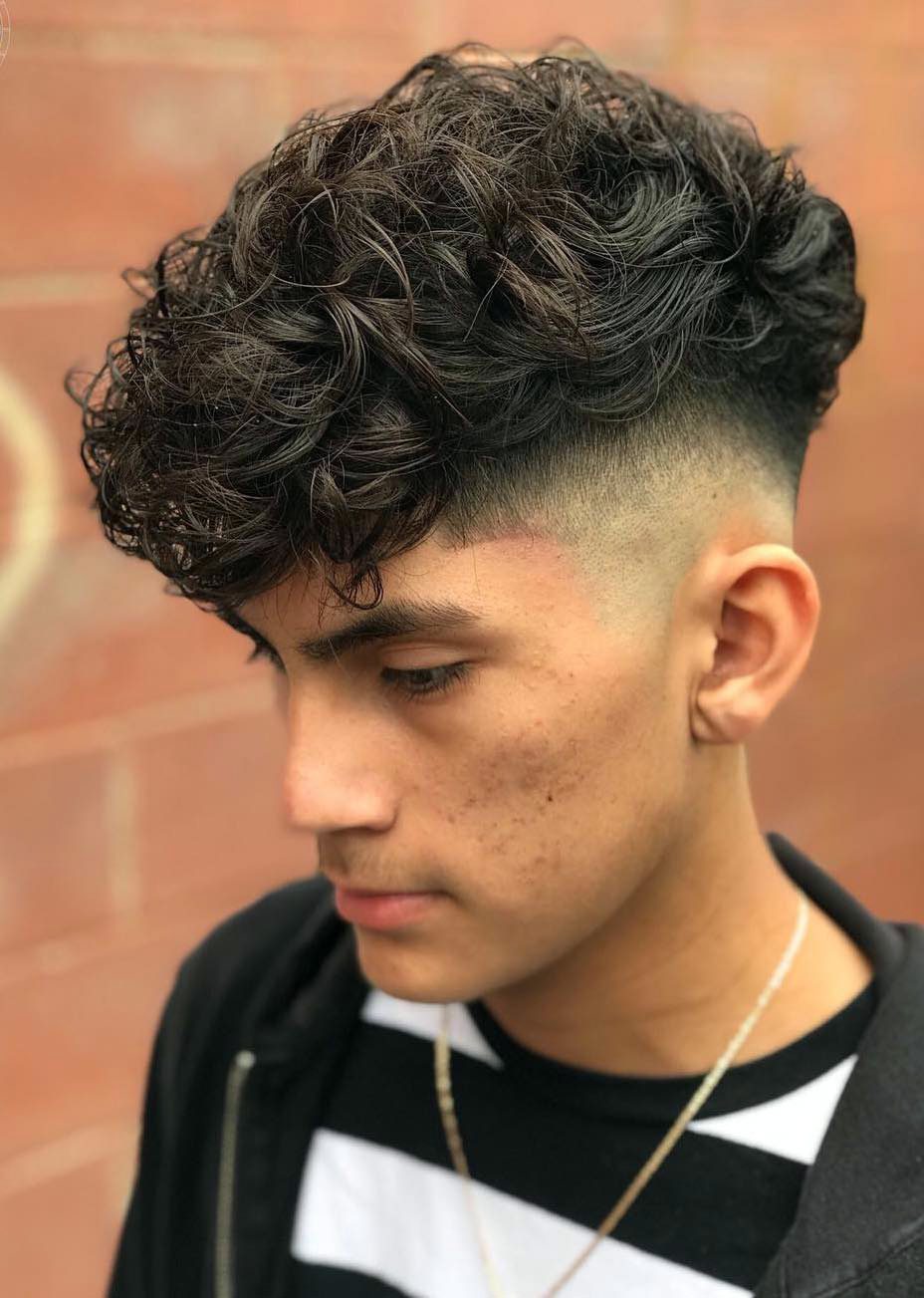
Messy High Volume Top
Letting the waves the lead, this undercut gives the powerful volume the front page to showcase its locks. Make sure to ruffle your hair a bit with your fingers as you work the product in.
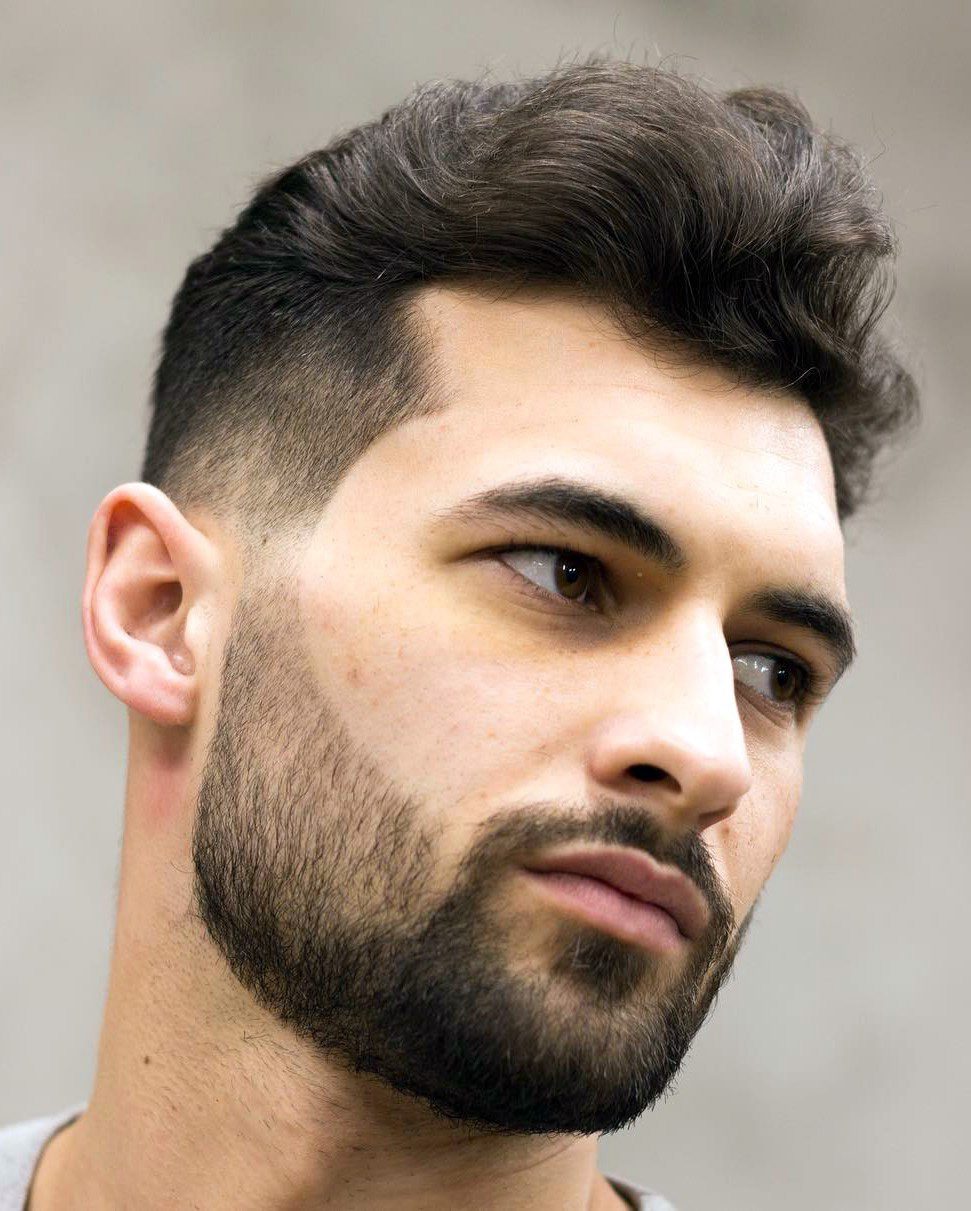
Wavy Top with Tapered Hairline
Sometimes a classic is the way to go. Whether you’re all about business or are looking for a look that gives you a put-together appearance this scissor crop allocates every single strand in all the right places!
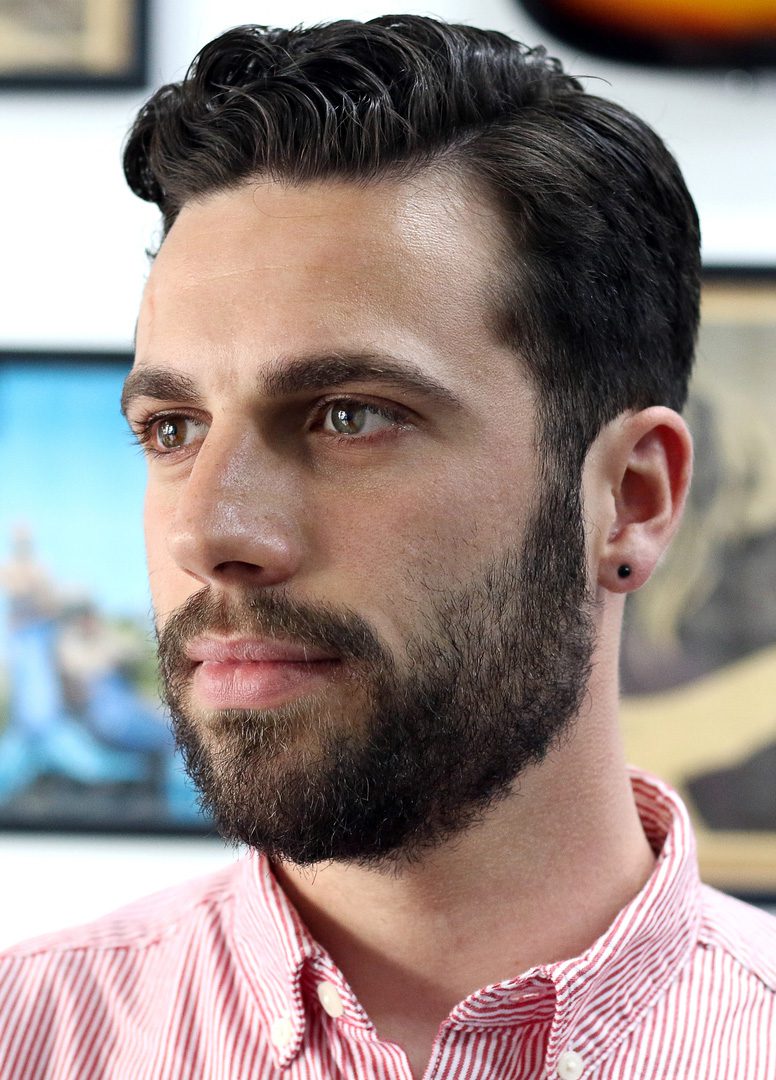
Wavy Texture with Beard Blend Temple
This look is completed with seamlessly blended sideburns with the beard. A natural part is a great way to complement the lightly styled top.

Curly Top with Tapered Temple
Taking some inspiration from the faux-hawk this hairstyle leaves the hair a little longer and keeping the ever so present texture that works so well for the faux hawk.
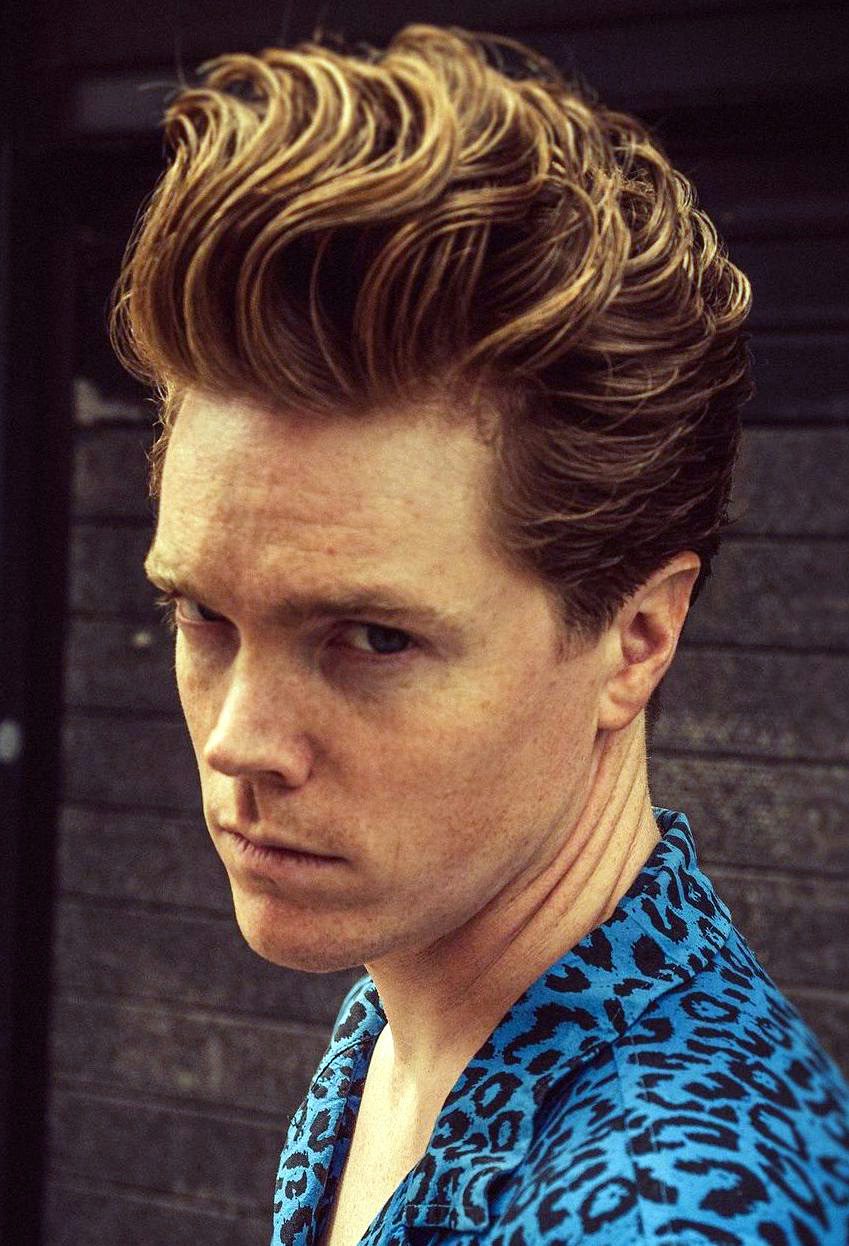
Hairstyles For Men with Wavy Hair: Semi Waved Brush Up
Waves are always fun but when paired with another style just like brush up in here makes it flashy. The sides are slightly tapered in layers so that it is subtle and the clean look supports the face just great.
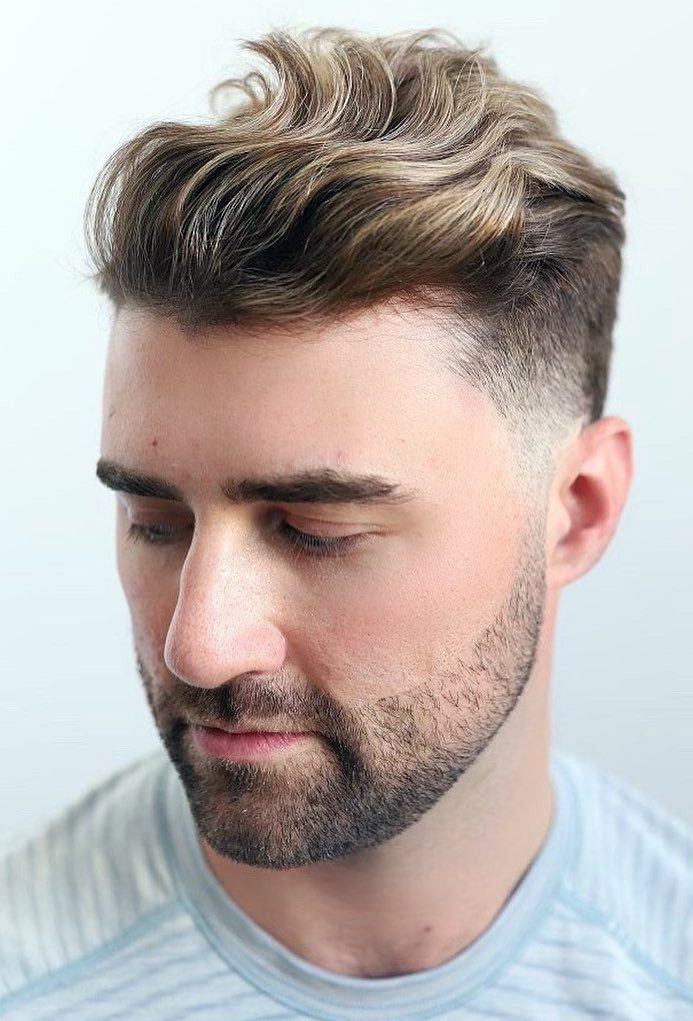
Puffed Slicked Back with Undercut
Slicked back is usually very compressed with little to no fluff but this one here is quite an unusual take on the style. The wavy strands make it slightly puffy while the sides are sharply undercut tapered for that neat side look.
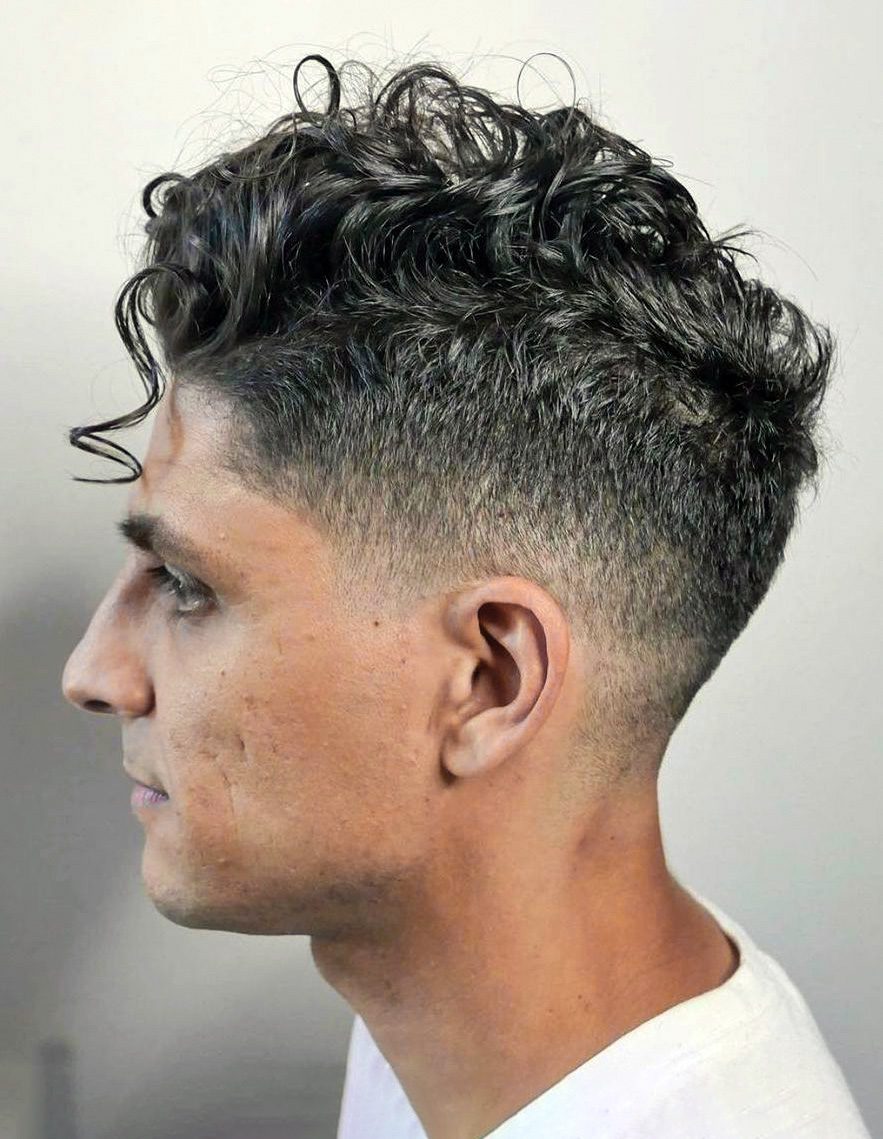
Wavy or Curly or Both?
This is somewhere between curly or wavy as it is quite a strand and not entangled in itself. The sides are tapered all the way but faded just at the end to make it look finesse. The absence of an undercut makes it wholesome and full of volume.
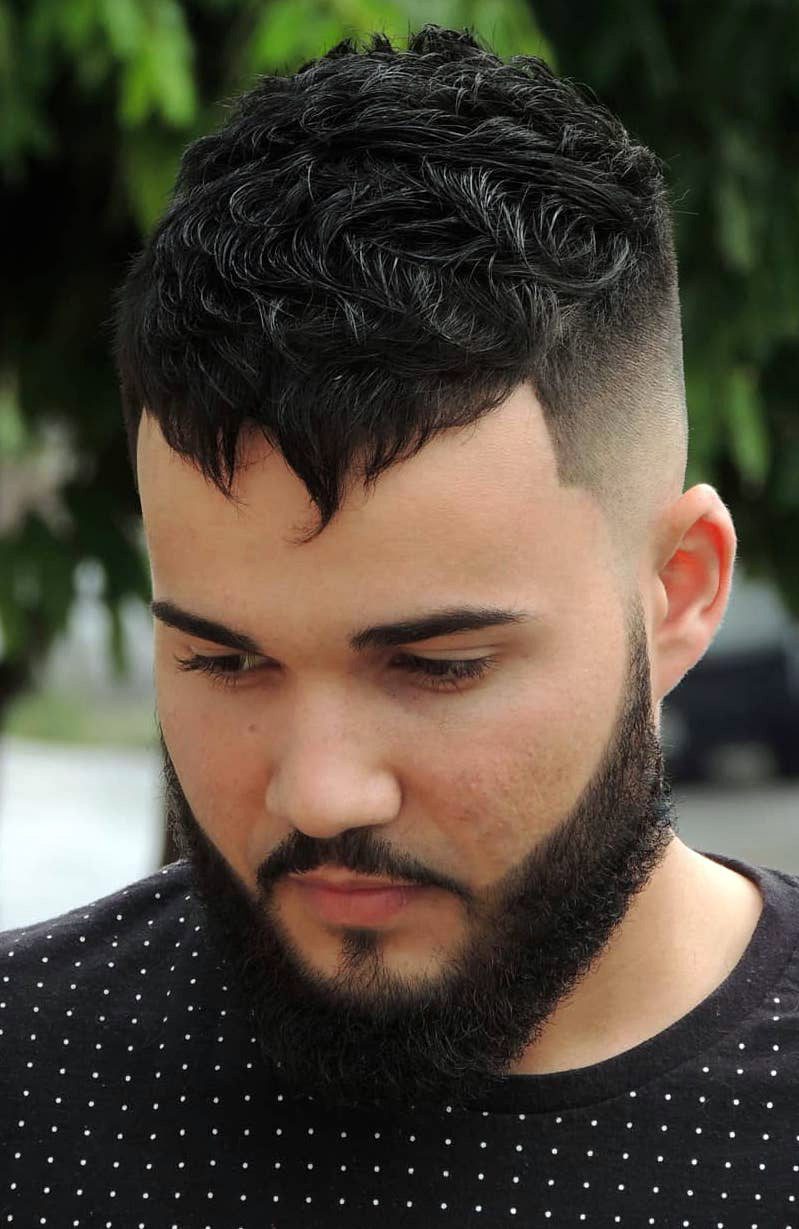
Casual Top with Uneven Fringes
“Man bangs” bring up mental images of Chris Farley in Tommy Boy, but they really don’t have to be so…goofy. The choppy layers of this casual top with uneven fringe is a hip way to style hair. To prevent “fat guy in a little coat” jokes, it is essential to keep most of the length at the top, while cleaning up the sides.
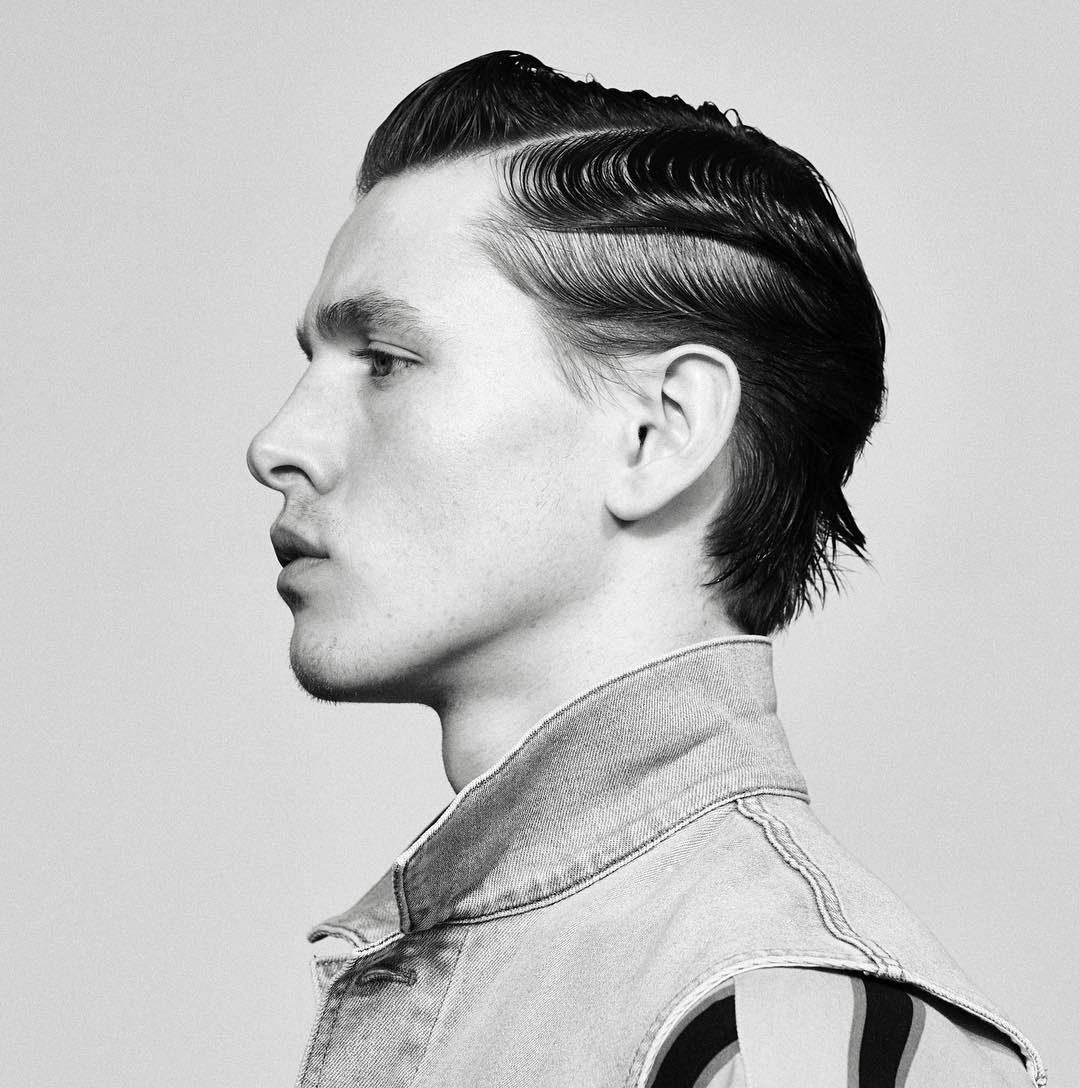
Finger Wave
This vintage look is reminiscent of the finger wave of the 1920s. The sleek silhouette and the carefully styled waves will have you looking like a dapper Old Hollywood star.
How to Choose the Right Wavy Hairstyle for Men
The best wavy hairstyle isn’t necessarily the trendiest one—it’s the one that works with your natural wave pattern, hair type, face shape, and lifestyle. Before choosing a haircut, consider how much length and styling you’re comfortable maintaining.
Consider Your Hair Length
Short wavy hair is easy to manage and works especially well with textured crops, fades, tapers, and short fringe styles. Keeping some texture on top allows your natural waves to add movement without requiring much styling.
Medium-length wavy hair gives you more versatility. You can wear it as a quiff, side-swept style, middle part, brush back, or relaxed textured look. This length is a good choice if you want your natural waves to be more noticeable.
Long wavy hair emphasizes natural movement and volume. Layered cuts, flowing styles, shags, and longer curtains can work particularly well, although longer hair generally requires more conditioning and maintenance.
Work With Your Hair Type
Your hair’s thickness and wave pattern can make a big difference. Thick, coarse waves can support fuller styles with plenty of volume, while fine or thin wavy hair often benefits from shorter cuts and lightweight styling products that don’t weigh the hair down.
If your waves are loose and subtle, a textured cut can help make them more visible. Tighter waves can usually be shaped with layers, a controlled taper, or a longer top.
Choose a Style for Your Face Shape
Your face shape can also help narrow down the best wavy haircut. Men with oval faces can usually pull off a wide range of styles. Round faces often benefit from extra height and texture on top, while square faces work well with quiffs, textured tops, and side-swept styles.
For long or oblong faces, medium-length styles and fringe can help create more balance. If you have a diamond or heart-shaped face, layered or side-swept wavy hairstyles can add width around the sides and soften the overall shape.
Think About Maintenance
Be realistic about how much time you want to spend styling your hair. Short wavy haircuts with a taper or fade are generally easier to maintain, while medium and long hairstyles may require more regular conditioning and styling to control frizz and define the waves.
If you prefer a low-maintenance look, ask your barber for a cut that works with your natural wave pattern rather than fighting it. A good wavy haircut should make your hair easier to style—not require you to straighten or heavily manipulate it every morning.
Choose a Style You Can Show Your Barber
Once you’ve found a wavy hairstyle you like, save a few photos to show your barber. It’s also helpful to explain how much length you want to keep, how short you want the sides, and how much daily styling you’re willing to do.
The right combination of length, texture, and taper can turn your natural waves into a hairstyle that looks good with minimal effort.
Best Haircuts for Different Types of Wavy Hair
Not all wavy hair behaves the same way. The thickness of your hair, how tight your waves are, and how much length you want to keep can all affect which haircut works best. The key is to choose a style that works with your natural texture rather than trying to fight it.
Best Haircuts for Thick Wavy Hair
Thick wavy hair naturally has plenty of volume, making it ideal for textured and fuller hairstyles. A wavy quiff, textured crop, side-swept style, taper fade, or medium-length layered cut can help control bulk while keeping the natural movement of your waves.
Ask your barber to remove some weight through the sides and interior of the haircut without over-thinning the top. This keeps the hair manageable while preserving the texture that makes thick wavy hair stand out.
Best Haircuts for Fine or Thin Wavy Hair
Fine wavy hair can benefit from shorter, textured cuts that make the hair appear fuller. A short textured crop, messy fringe, wavy quiff, or taper with a textured top can add the appearance of volume without making the hair look flat.
Avoid using heavy waxes and greasy pomades, which can weigh down fine waves. Lightweight products such as mousse, sea salt spray, or a small amount of styling cream can help create texture while keeping the hair looking natural.
Best Haircuts for Coarse Wavy Hair
Coarse waves can be harder to control, but they also provide excellent natural volume and definition. Medium-length layered cuts, textured crops, wavy quiffs, and longer brushed-back styles can work particularly well.
Keeping a little extra length can help weigh down unruly waves and make them easier to shape. Regular conditioning is also important for keeping coarse wavy hair softer and reducing frizz.
Best Haircuts for Loose Wavy Hair
If your hair has a subtle wave rather than defined curls, choose a haircut that gives the texture room to show. Medium-length layers, textured tops, side parts, quiffs, and relaxed brush-back styles can enhance loose waves without making them look overly styled.
A lightweight styling product can add definition and help bring out the natural bends in the hair.
Best Haircuts for Thick, Defined Waves
Men with strong, defined waves can take advantage of their natural texture with medium and longer hairstyles. Layered wavy hair, textured fringes, middle parts, wavy shags, and longer flowing styles all work well when the wave pattern is prominent.
The goal is usually to shape the volume rather than eliminate it. Strategic layers can prevent the hair from becoming too bulky while allowing the waves to retain their natural movement.
Best Short Haircuts for Wavy Hair
If you prefer short hair, you don’t have to sacrifice your natural texture. Wavy crops, short quiffs, crew cuts with texture, taper fades, and low fades with a wavy top are practical choices.
Keeping a little length on top gives the waves enough room to create texture, while shorter sides provide a clean, defined shape.
Best Medium-Length Haircuts for Wavy Hair
Medium-length hair is one of the most versatile options for men with waves. It provides enough length for the natural texture to become noticeable while remaining relatively easy to manage.
Try a wavy quiff, side-swept hairstyle, middle part, layered cut, brush back, or textured fringe. These styles can be adapted to work with different wave patterns and face shapes.
Best Long Haircuts for Wavy Hair
Long wavy hair creates plenty of natural movement and can be worn in a relaxed, effortless style. Long layers, flowing waves, curtain hairstyles, shags, and pushed-back styles are popular choices.
For longer wavy hair, regular conditioning and occasional trims can help prevent split ends and keep the shape looking intentional. Avoid excessive brushing when the hair is dry, as this can disrupt the wave pattern and create unwanted frizz.
The Bottom Line
The best haircut for wavy hair depends on your natural texture and how you want to wear it. Short cuts are easier to maintain, medium styles offer the most versatility and longer cuts make your waves the main feature. Whatever length you choose, a good barber should work with your natural wave pattern to create shape, movement, and manageable volume.
Best Wavy Hairstyles for Men by Face Shape
Your face shape can help narrow down which wavy hairstyle will suit you best. While there are no strict rules for choosing a haircut, the right combination of length, volume, and texture can help create a more balanced appearance. The easiest way to choose is to work with your natural wavy texture while adding shape where you need it.
Wavy Hairstyles for Oval Faces
An oval face is versatile and works well with most wavy hairstyles. You can experiment with short textured crops, wavy quiffs, side parts, middle parts, tapers, fades, and longer layered styles.
If your face is naturally balanced, you don’t need to add much height or width. Focus instead on choosing a haircut that suits your hair thickness and preferred level of maintenance.
Try: Wavy quiff, textured crop, side part, middle part, taper fade, or medium-length waves.
Wavy Hairstyles for Round Faces
For a round face, adding some height and texture on top can help create the appearance of a longer, more defined face. Shorter sides paired with a textured or voluminous top are particularly effective.
Avoid overly rounded shapes that add unnecessary width around the sides. A low or mid fade combined with a longer wavy top can create a clean contrast.
Try: Wavy quiff, textured crop with fade, wavy brush up, side-swept waves, or a taper fade with volume on top.
Wavy Hairstyles for Square Faces
Square faces typically have a strong jawline and defined angles, which pair naturally with textured wavy hairstyles. You can emphasize those features with both short and medium-length cuts.
A wavy quiff or textured top adds movement without hiding the natural structure of the face. For a softer appearance, consider keeping a little more length and using loose, layered waves.
Try: Wavy quiff, textured crop, side-swept waves, messy waves, or medium-length layers.
Wavy Hairstyles for Oblong or Long Faces
If you have a longer or oblong face, styles that add some width and avoid excessive height can help create balance. Medium-length waves, textured fringes, and side-swept styles are good options.
Avoid adding too much height directly on top, as this can make the face appear longer. Keeping some volume around the sides can create a more proportionate shape.
Try: Wavy fringe, side-swept waves, medium-length layers, middle part, or a textured crop.
Wavy Hairstyles for Diamond Faces
Diamond-shaped faces are typically narrower around the forehead and jaw with more width around the cheekbones. Wavy hairstyles with some volume around the forehead can help balance those proportions.
Medium-length styles, textured fringes, and side-swept waves work particularly well. A softer taper can also maintain some width around the sides instead of creating an overly tight silhouette.
Try: Wavy fringe, side-swept waves, textured quiff, layered medium hair, or a soft taper.
Wavy Hairstyles for Heart-Shaped Faces
Heart-shaped faces are generally wider around the forehead and narrower toward the chin. Medium-length wavy styles can help create balance by adding texture and visual weight around the lower part of the face.
Side-swept styles and layered waves are especially useful because they can soften the forehead while adding movement around the sides.
Try: Side-swept waves, medium-length layers, wavy fringe, textured crop, or a relaxed middle part.
Wavy Hairstyles for Triangular Faces
A triangular face is typically wider around the jaw and narrower around the forehead. Hairstyles with additional volume and texture on top can help balance the proportions.
A textured wavy top, quiff, or side-swept style can draw attention upward. Keeping the sides moderately short rather than extremely tight can also help maintain a balanced shape.
Try: Wavy quiff, textured top, side-swept waves, wavy fringe, or a medium-length layered cut.
The Bottom Line
Face shape is a useful starting point, but it shouldn’t be the only factor when choosing a wavy haircut. Your wave pattern, hair thickness, hairline, lifestyle, and personal style all matter. If you’re unsure, show your barber a few reference photos and ask which version will work best with your natural hair and face shape.
What to Ask Your Barber for a Wavy Haircut
Finding a hairstyle you like is only half the job. The next step is explaining it clearly to your barber. Wavy hair can look very different depending on its length, thickness, and natural wave pattern, so don’t be afraid to show a few reference photos.
Start With a Photo
The easiest way to communicate the look you want is to bring a photo of the hairstyle. Ideally, show your barber pictures from the front, side, and back. This gives them a better idea of the shape, length, and amount of texture you’re after.
Keep in mind that your hair may not look exactly like the photo. Your barber can adapt the cut to your natural wave pattern, thickness, and face shape.
Explain How Much Length You Want
Be specific about the length you want to keep on top and around the sides. For example:
“I want to keep enough length on top for my natural waves to show, but I want the sides shorter and clean.”
If you want a medium or longer wavy hairstyle, tell your barber that you want to preserve length rather than simply asking for a shorter version of the reference photo.
Tell Them How You Style Your Hair
Let your barber know how much effort you’re willing to put into styling. If you prefer a low-maintenance haircut, say so. Your barber can choose a shape that looks good with minimal product and works with your natural texture.
You can say:
“I want something that works with my natural waves and doesn’t require much styling.”
If you regularly use a diffuser, sea salt spray, curl cream, or another styling product, mention that too.
Be Clear About the Sides
Terms such as low fade, mid fade, high fade, taper, and scissor cut can produce very different results. If you aren’t sure which one suits your hairstyle, ask your barber for a recommendation.
For a more natural look, you might ask for:
“A low taper that keeps some weight around the sides.”
For a sharper contrast, you could ask for:
“A low fade with a longer, textured wavy top.”
Ask for Texture, Not Just Length
Wavy hair already has natural movement, so the right amount of texture can make a major difference. Ask your barber whether your hair would benefit from layers or internal texturing rather than simply removing a lot of length.
A useful request is:
“Keep the natural wave and add enough texture to reduce bulk without making the hair too thin.”
Ask What They Recommend
If you’re unsure what will work best, give your barber some basic information and ask for their professional opinion. Tell them your preferred length, how much maintenance you want, and what you like about your reference photos.
A good conversation might be:
“I want to keep my natural waves, have a clean shape around the sides, and keep the styling fairly low-maintenance. What would you recommend for my hair?”
This gives your barber room to adapt the haircut to your actual hair rather than trying to copy a style that may have a completely different texture.
Don’t Forget to Ask About Styling
Before you leave, ask your barber how they would style the haircut. They can show you where to apply product, whether to air-dry or use a diffuser, and how much product you actually need.
For example:
“What product would you use to define my waves, and how should I style it at home?”
The best wavy haircut is one that works both in the barbershop and in your everyday routine. A little communication before the scissors come out can make it much easier to get a result that suits your hair and is realistic to maintain.
Hairstyles For Men with Wavy Hair - How To Style It
The key to styling wavy hair is to enhance your natural texture rather than trying to make every strand perfectly straight or controlled. With the right haircut and a few simple techniques, you can define your waves, add volume, and reduce frizz without making your hair look overly styled.
1. Start With Clean, Damp Hair
Wash your hair with a gentle shampoo and conditioner, then pat it dry with a towel. Avoid aggressively rubbing your hair, as rough towel drying can separate the natural wave pattern and create frizz.
Your hair should be damp, not soaking wet, when you apply styling products.
2. Apply the Right Styling Product
The best product depends on your hair type and the finish you want.
- Sea salt spray: Adds texture and a slightly messy, beachy finish.
- Curl cream: Defines waves while helping control frizz.
- Mousse: Adds lightweight volume and works well for fine or thin wavy hair.
- Matte clay: Provides more control for short, textured hairstyles.
- Lightweight pomade: Useful for cleaner styles such as side parts, quiffs, and brushed-back waves.
Start with a small amount and add more only if necessary. Heavy products can weigh down wavy hair and make it look flat.
3. Scrunch Your Hair
After applying your product, gently scrunch your hair upward with your hands. This encourages your natural waves to form and helps create definition.
For a more relaxed hairstyle, use your fingers to arrange the hair rather than combing it into a perfectly uniform shape.
4. Air-Dry or Use a Diffuser
If you have time, letting your hair air-dry can produce a natural, relaxed finish. Try not to touch your hair too much while it dries, since constant handling can create frizz.
For more volume and faster drying, use a hair dryer with a diffuser attachment on a low or medium heat setting. Hold the diffuser close to the hair and gently lift sections rather than aggressively blowing the waves around.
5. Add Shape With Your Fingers
Once your hair is mostly dry, use your fingers to make small adjustments. Push the front upward for a wavy quiff, sweep it to the side for a side-swept style, or loosely push it back for a relaxed brushed-back look.
Avoid repeatedly brushing dry wavy hair, as this can break up the wave pattern and make the hair look puffy or frizzy.
6. Finish With a Small Amount of Product
If your hair needs additional hold, apply a tiny amount of lightweight styling product to the finished style. Concentrate on areas that need control rather than coating your entire head.
For a natural look, the goal is to keep your waves defined but touchable rather than stiff or greasy.
How to Reduce Frizz in Wavy Hair
Frizz is often caused by dryness, friction, or excessive handling. Conditioning regularly, drying your hair gently, and using a suitable leave-in or curl-enhancing product can help keep your waves smoother.
It’s also important not to over-wash your hair. If your hair becomes dry or frizzy after shampooing, experiment with a gentler routine and focus conditioner on the lengths and ends.
How to Make Wavy Hair Look More Voluminous
If your wavy hair tends to fall flat, avoid heavy products and concentrate styling product near the roots and mid-lengths. Blow-drying with a diffuser can also add volume.
A haircut with enough texture and movement can make a significant difference. Ask your barber to choose a shape that supports your natural wave pattern rather than removing too much weight from the hair.
The Best Styling Routine for Your Hair
There’s no single method that works for every type of wavy hair. Fine waves may need lightweight mousse or sea salt spray, while thick or coarse waves may respond better to curl cream or a moisturizing styling product.
Start with a small amount of product, work with your natural wave pattern, and adjust your routine based on how your hair behaves. Once you find the right combination of haircut, product, and drying technique, styling wavy hair can take just a few minutes.
Final Thoughts
Wavy hair gives men plenty of options, whether you prefer a short and low-maintenance cut, a textured medium-length style, or longer waves with plenty of natural movement. The best wavy hairstyle is one that works with your natural texture rather than trying to fight it.
When choosing your next haircut, consider your hair thickness, wave pattern, face shape, and how much time you want to spend styling it. A good taper, fade, layers, or textured top can help shape your waves while keeping them easy to manage.
Most importantly, don’t be afraid to experiment. Save a few photos of wavy hairstyles you like, show them to your barber, and ask how the cut can be adapted to your hair. With the right length and a little styling, your natural waves can become one of the best features of your look.