37 Best Men’s Fringe Haircuts & Hairstyles for 2026
From casual to formal, there’s a fringe haircut for every situation
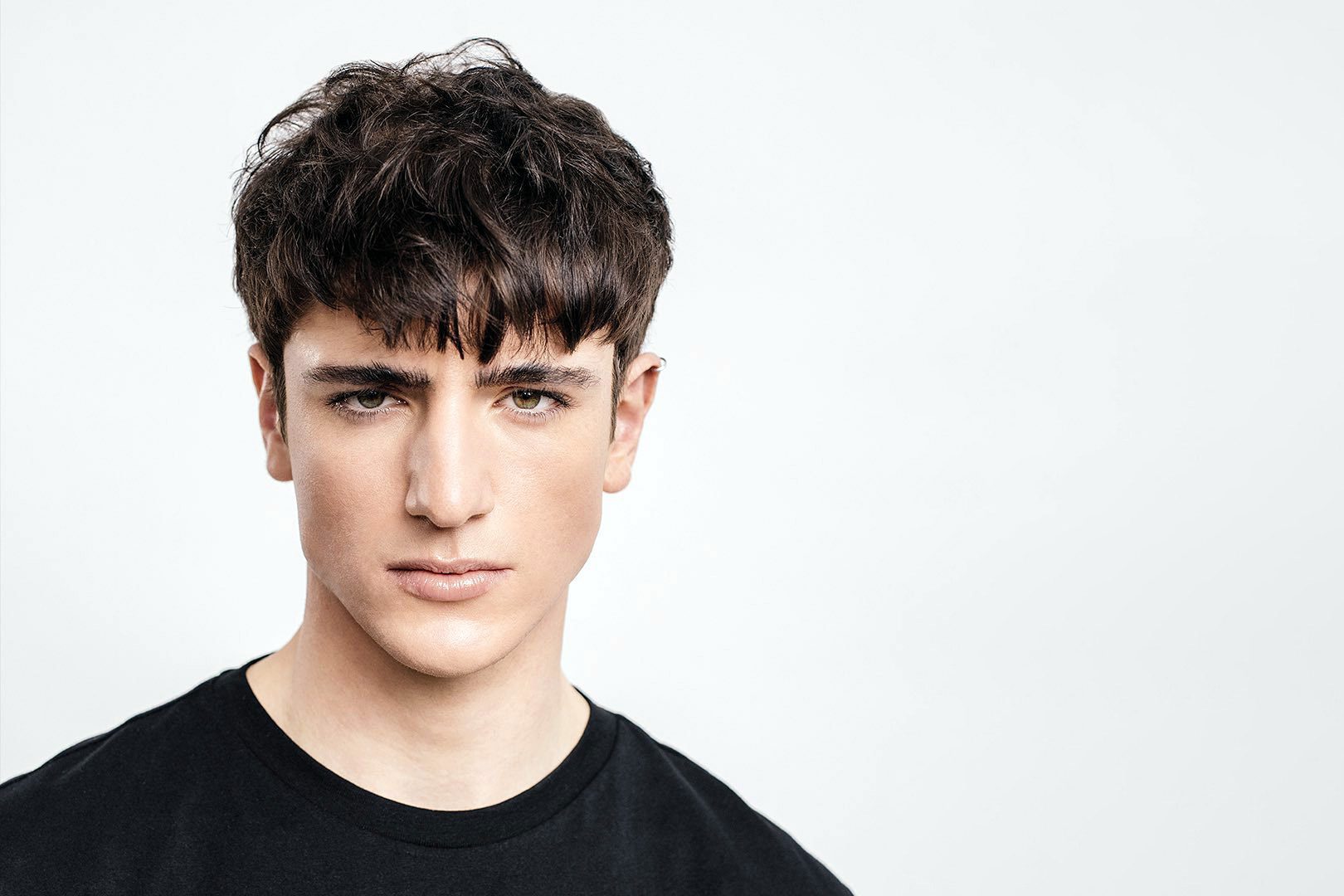
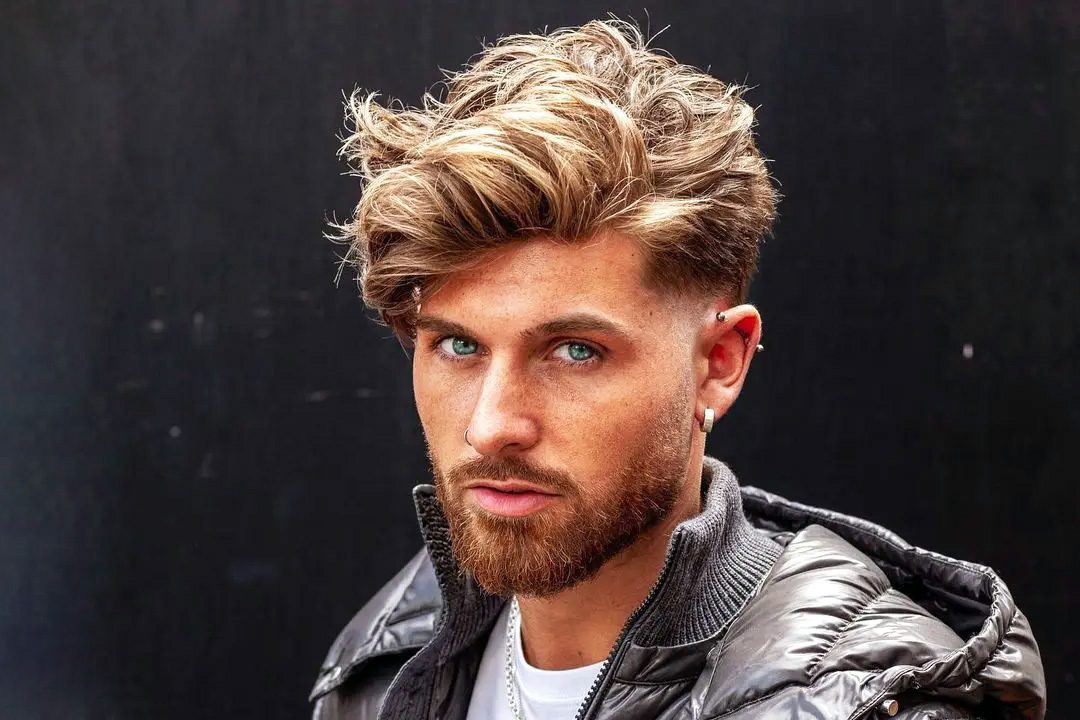
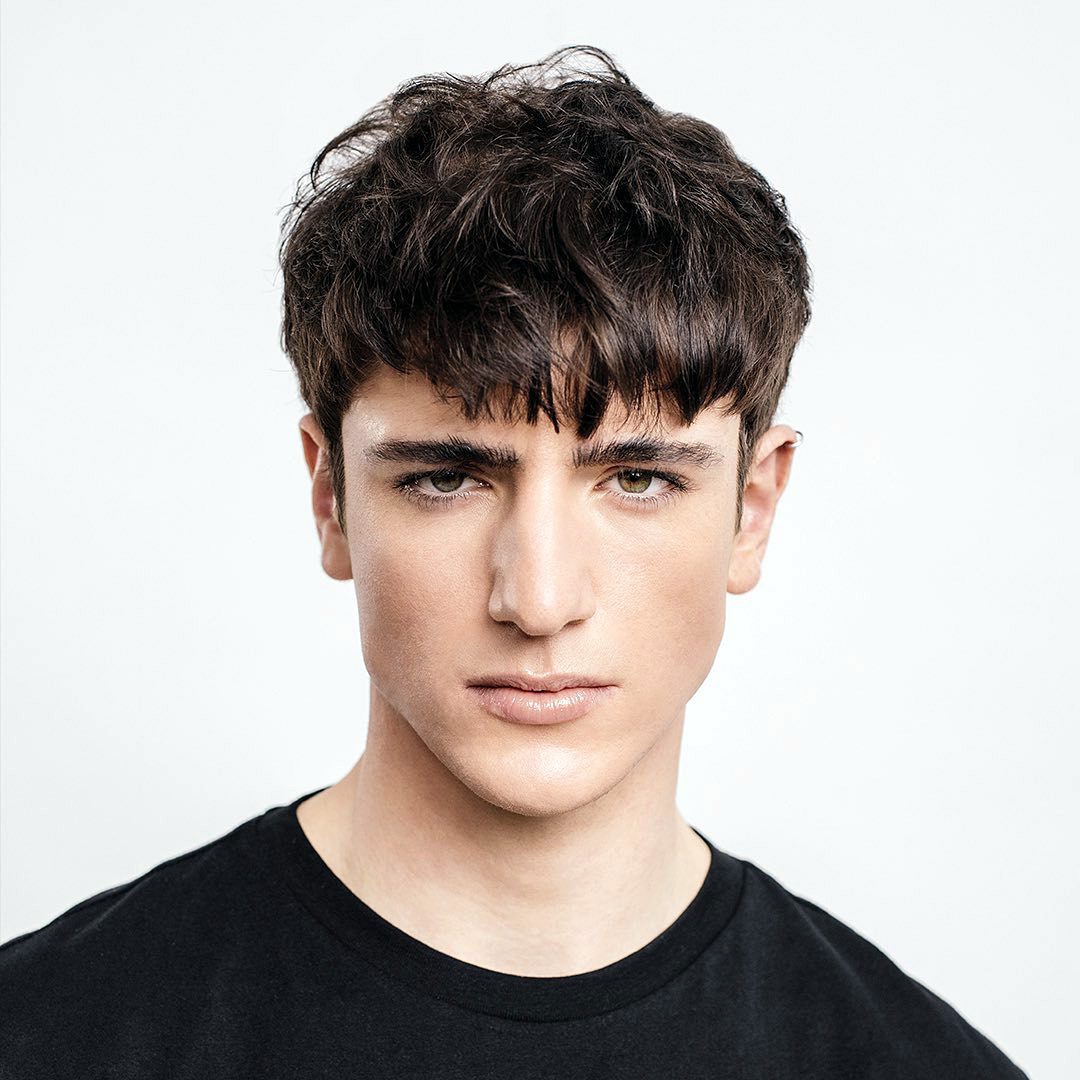
Fringe haircuts for men are a versatile way to change your look while keeping the focus on the front of your hair. Also known as men’s bangs, a fringe can be short and textured, long and sweeping, straight across the forehead, angled to one side, or paired with a fade or taper.
From classic French crops and Caesar-inspired cuts to messy textured fringes, curly bangs, angular styles, and modern fringe fades, there are plenty of ways to wear this haircut. The right fringe can also complement your hair type and face shape while making a simple haircut feel more distinctive.
Below, you’ll find some of the best men’s fringe haircuts and hairstyles to use as inspiration, followed by a guide to choosing, styling, and maintaining the right fringe for you.
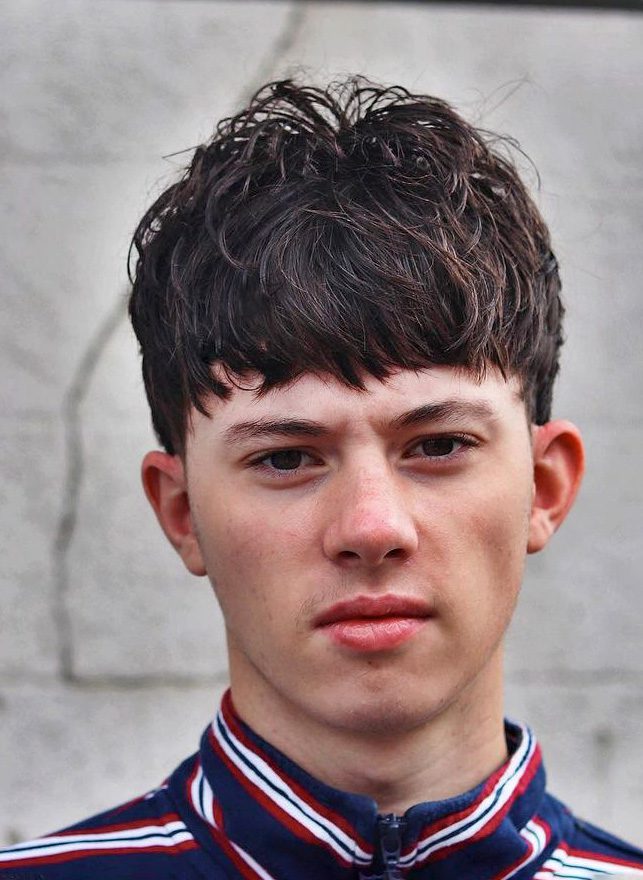
Men’s Fringe Haircuts: Choppy Fringe
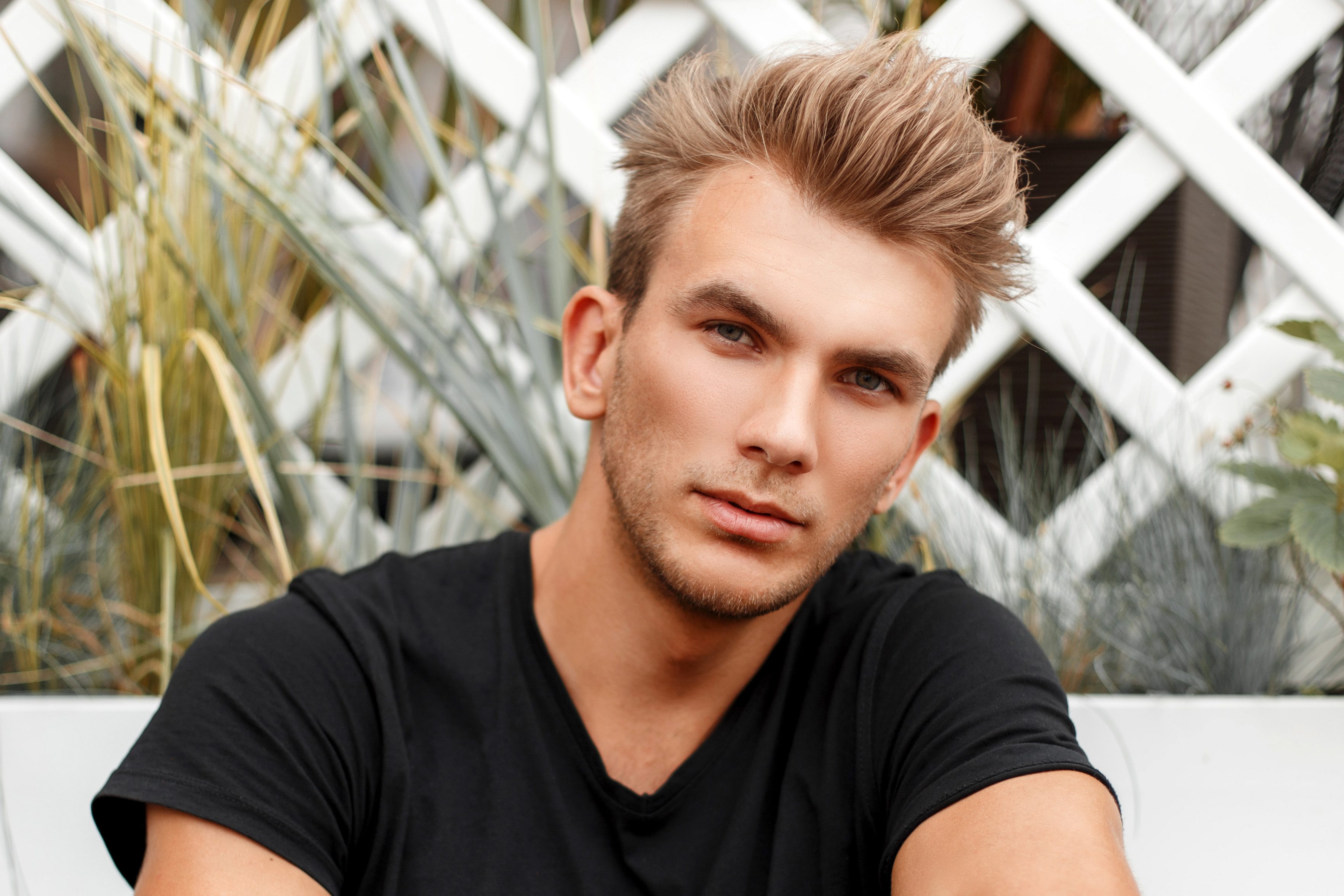
Do you have an oval or square face shape and you’d like to soften it a little bit? Stylists will say that a fringe will do just that. But what fringe will be best for you? If you’re the low-maintenance kind of guy that cannot be bothered with combing or blow-drying or even slathering hair products on your hair, but still want to have an edgy, unforgettable look – then you have found the right fit.
Would look especially great with straight hair, this choppy fringe can also help you if you’re suffering from cowlicks. Wear without accessories or facial hair to keep your crowing glory the prime focus.
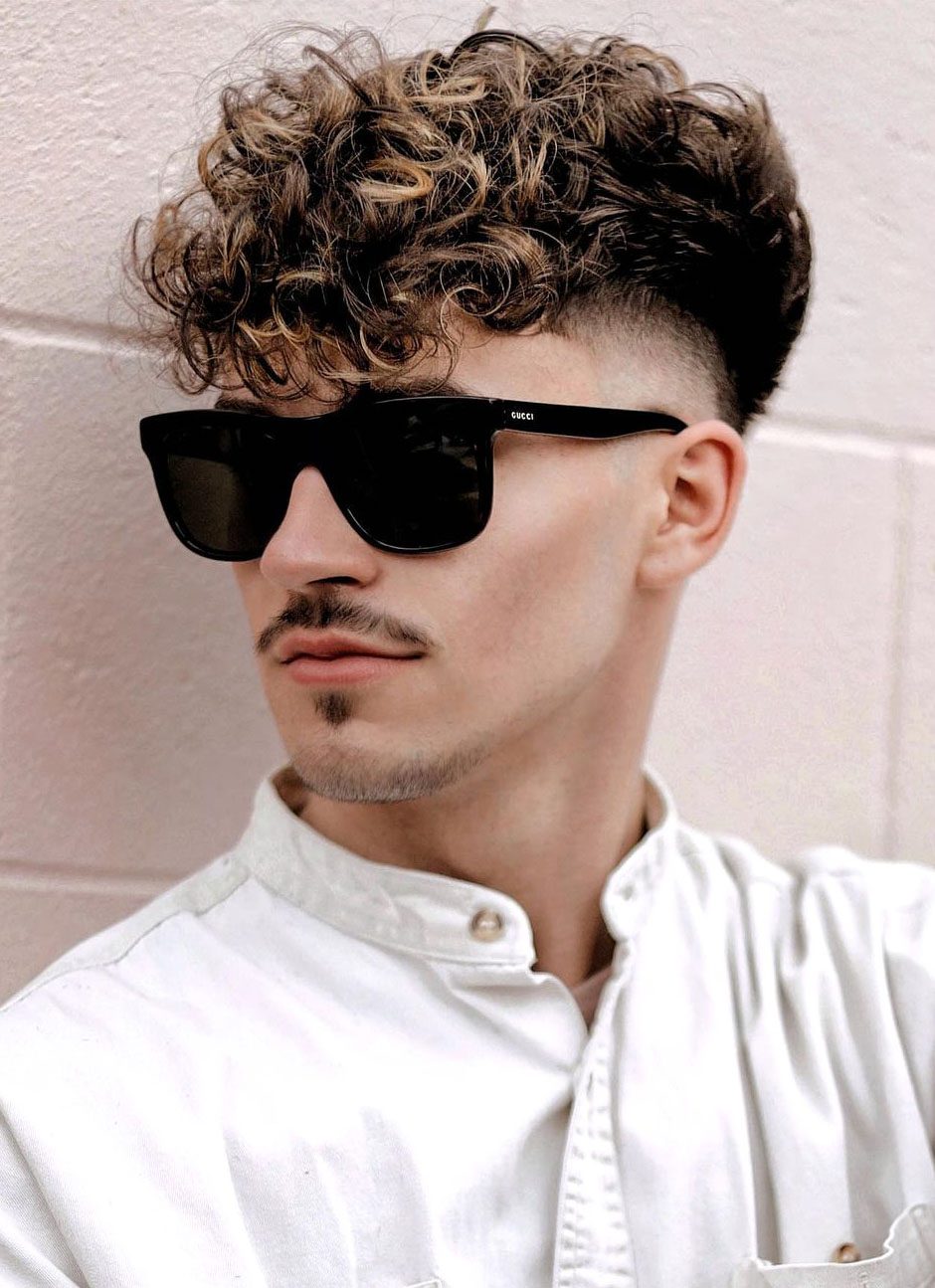
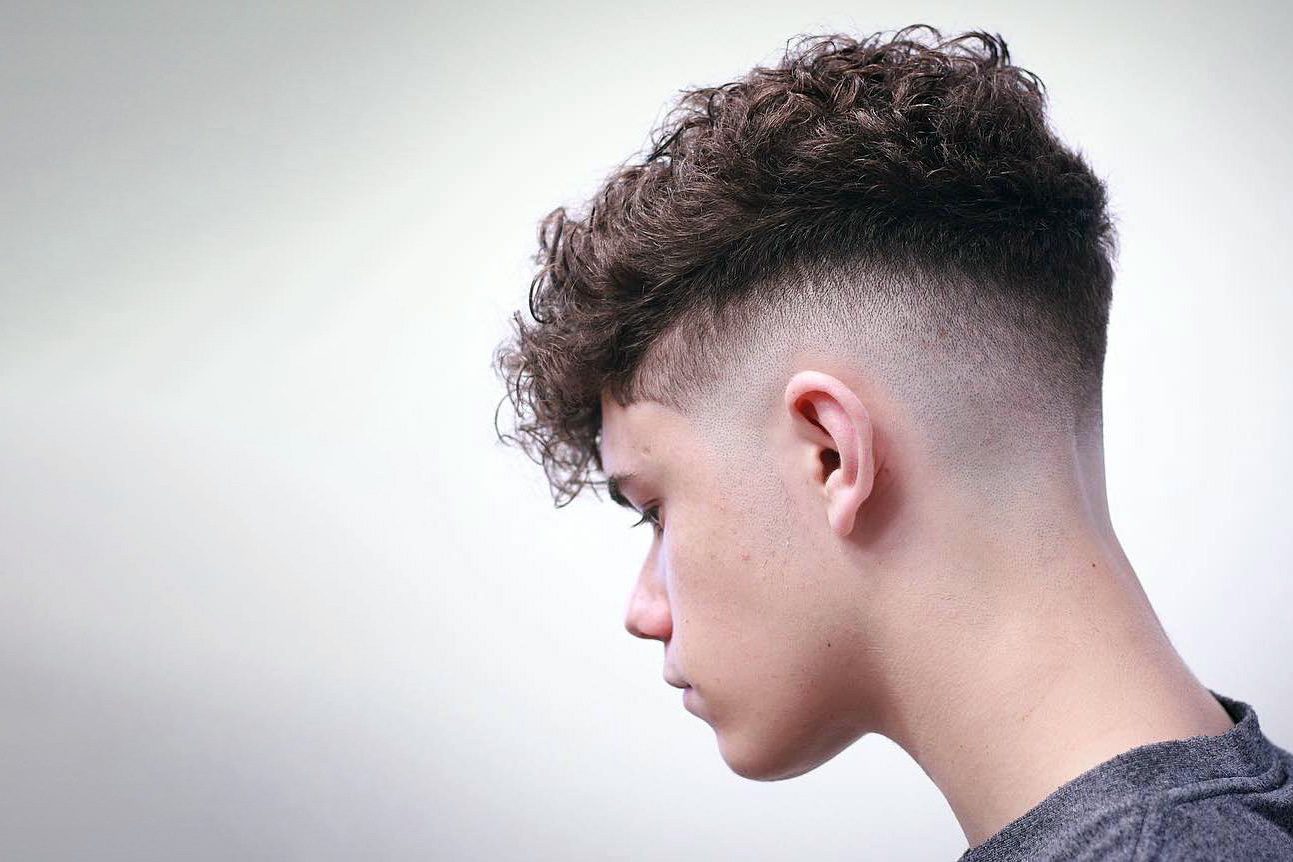
Curly Fringe with Drop Low Fade
If you prefer a casual style over anything more sophisticated – you should pause for a second and take a closer look at this haircut. The curls in the photo have beautiful natural sunkissed highlights which can be styled easily with some salt spray to keep the texture. The right pair of shades and a neatly trimmed mustache or soul patch will only add charm to your look.
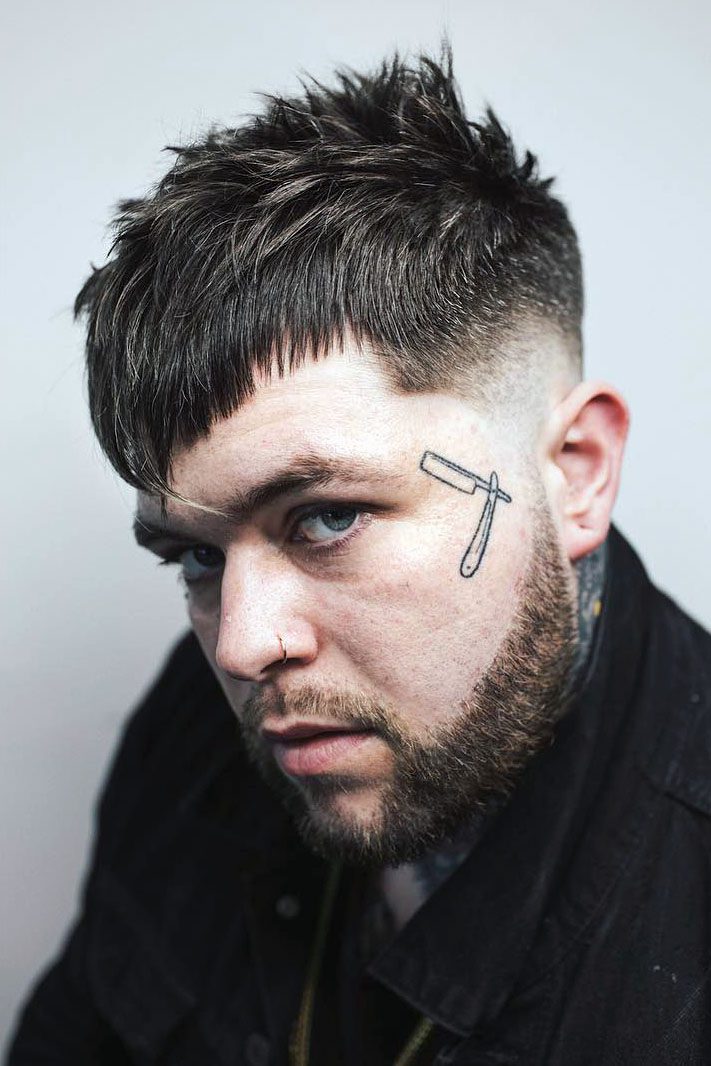
Layered Angular Fringe
Got a jawline that can cut through glass? Then the layered, angular fringe is perfect for you to showcase it even more. The layers of the fringe cover half of your forehead, bringing the focus more to the lower part of your face. Add more oomph to your already edgy hairstyle by sporting a disconnected stubble beard – it also wouldn’t hurt if you have a small line tattoo or an ear piercing to showcase.
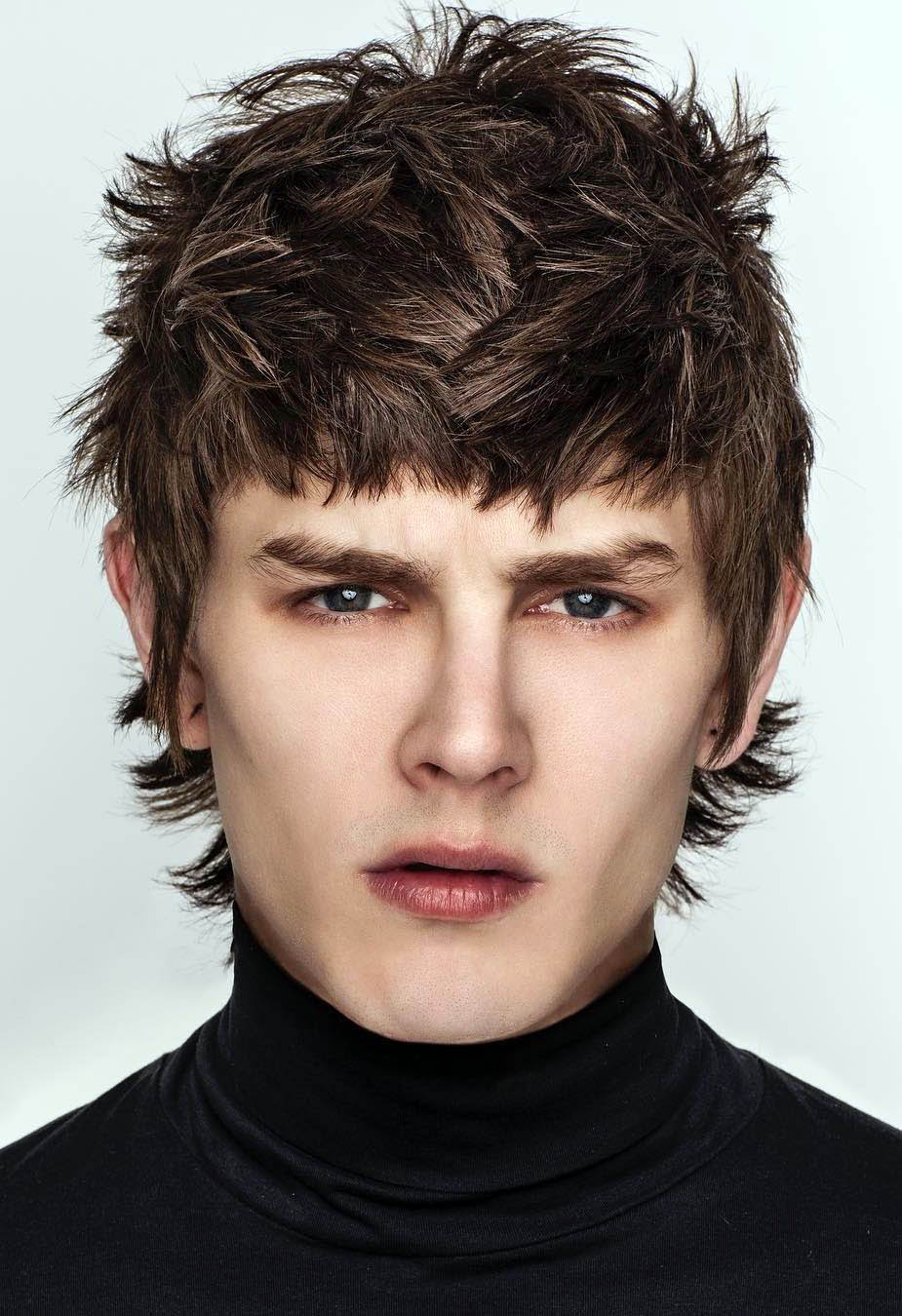
Long and Textured with Fringe
There’s nothing quite like hair that has tons of texture. This style uses point cutting to texture the hair all over, and the jagged fringe adds even more flair to the look.
Do you like the Fringe? Here is another article: Angular Fringe Haircuts: A Booming Trend
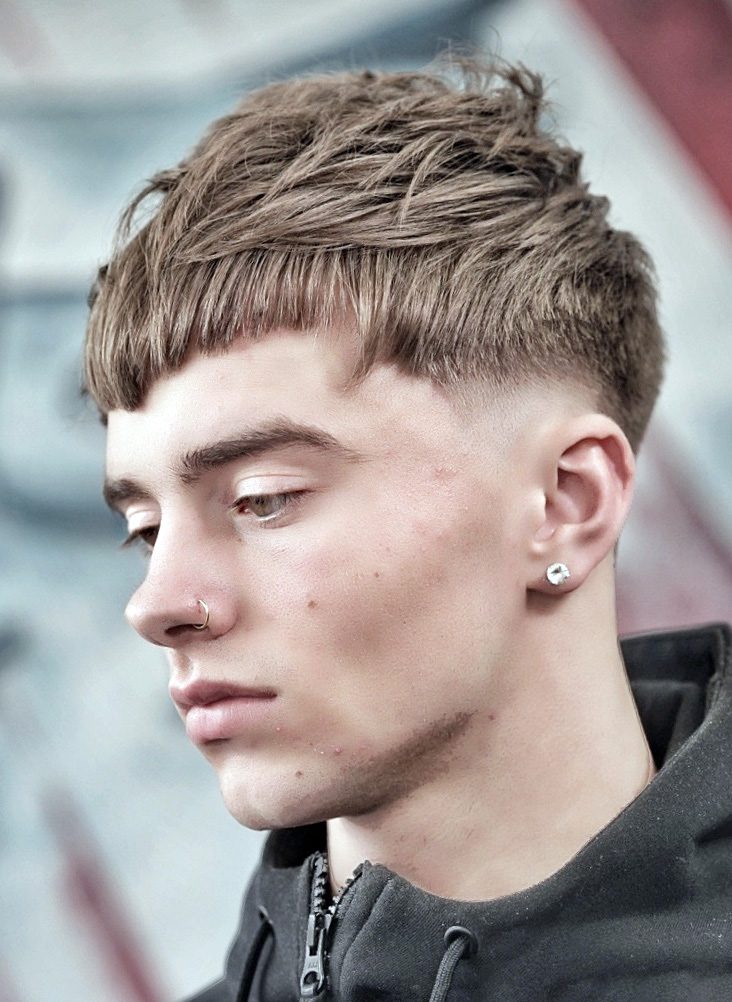
Temple Fade with Irregular Fringe Cut
Another textured style, this haircut sets itself apart from others by using an asymmetrical fringe to create a unique look.
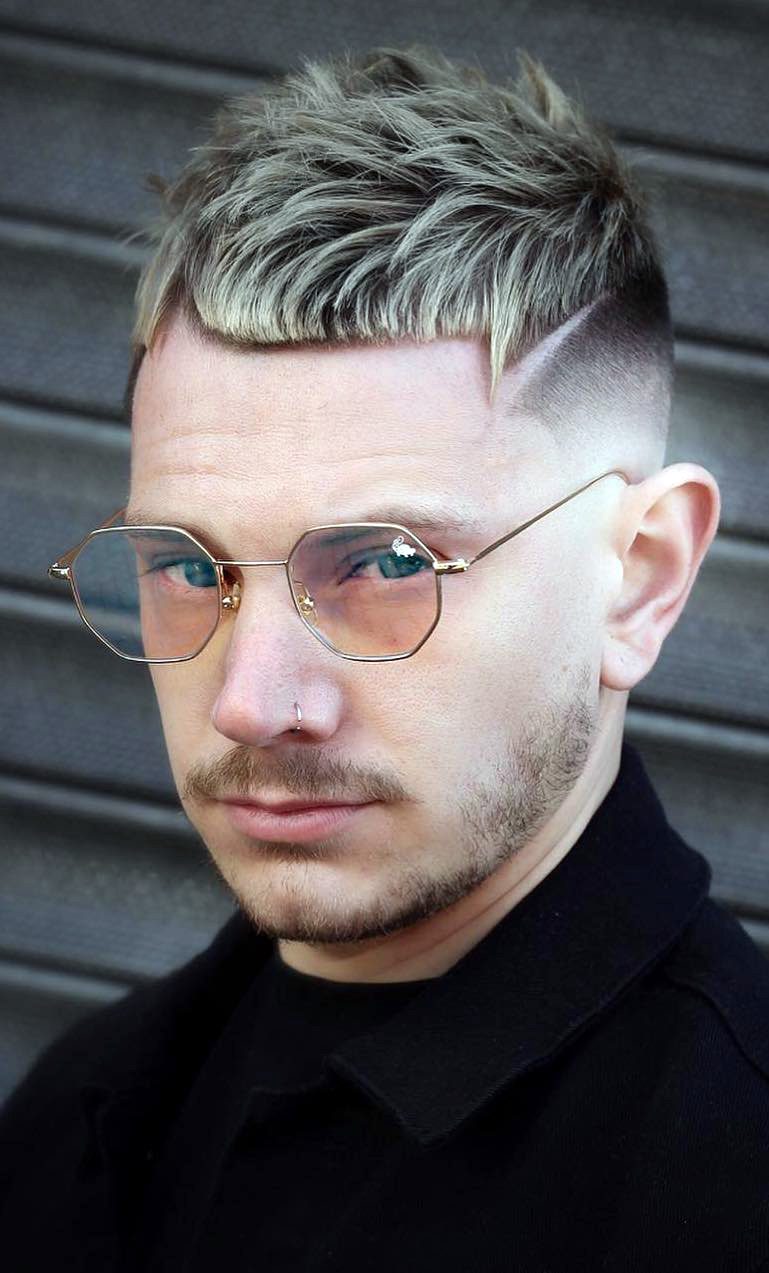
Dyed Top with Fancy Fringes
Here’s an uncommon take on a fringe style. Really, the only fringe here consists of two “fangs” on either side of the head, but there’s no denying it creates a one-of-a-kind style.
Related
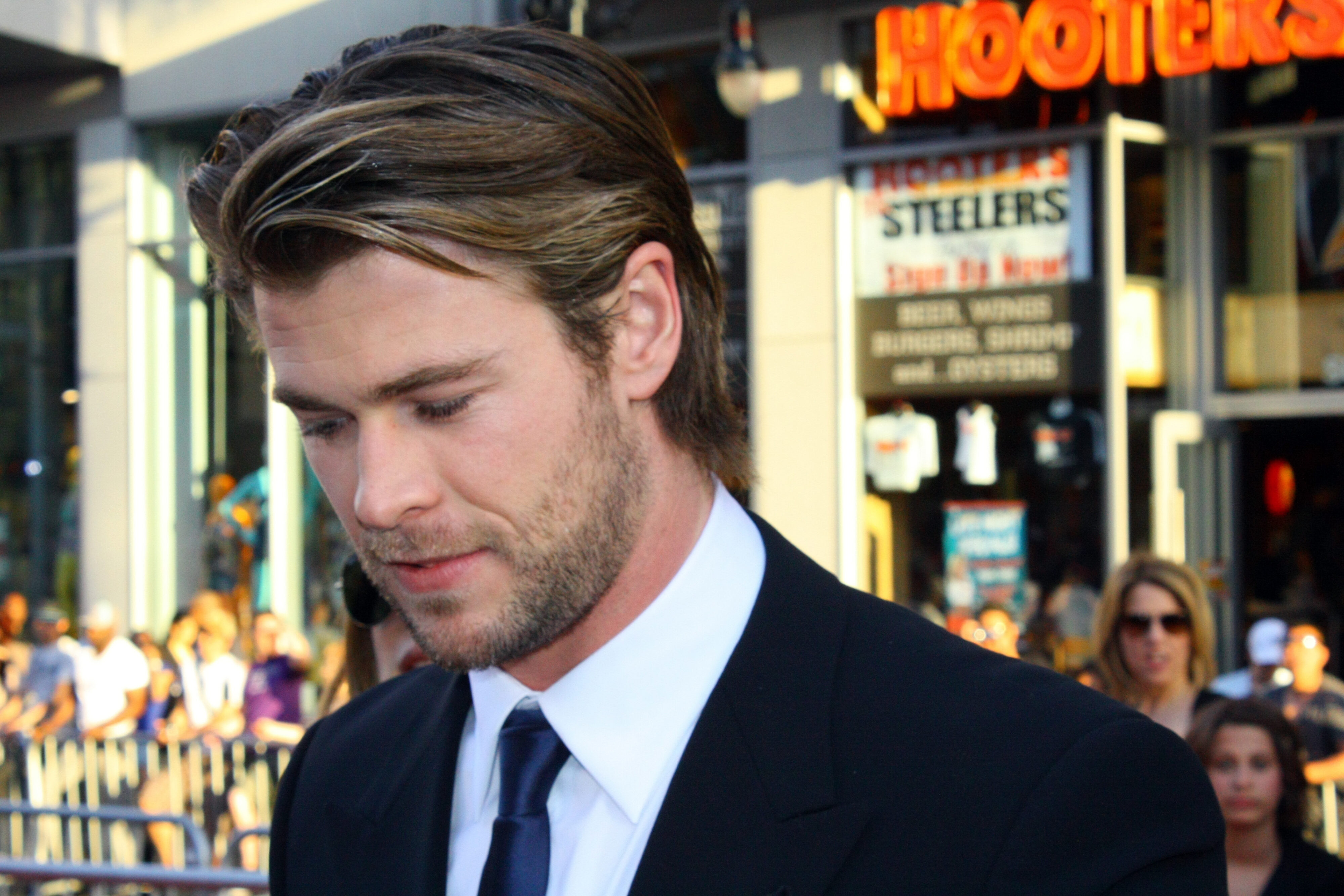
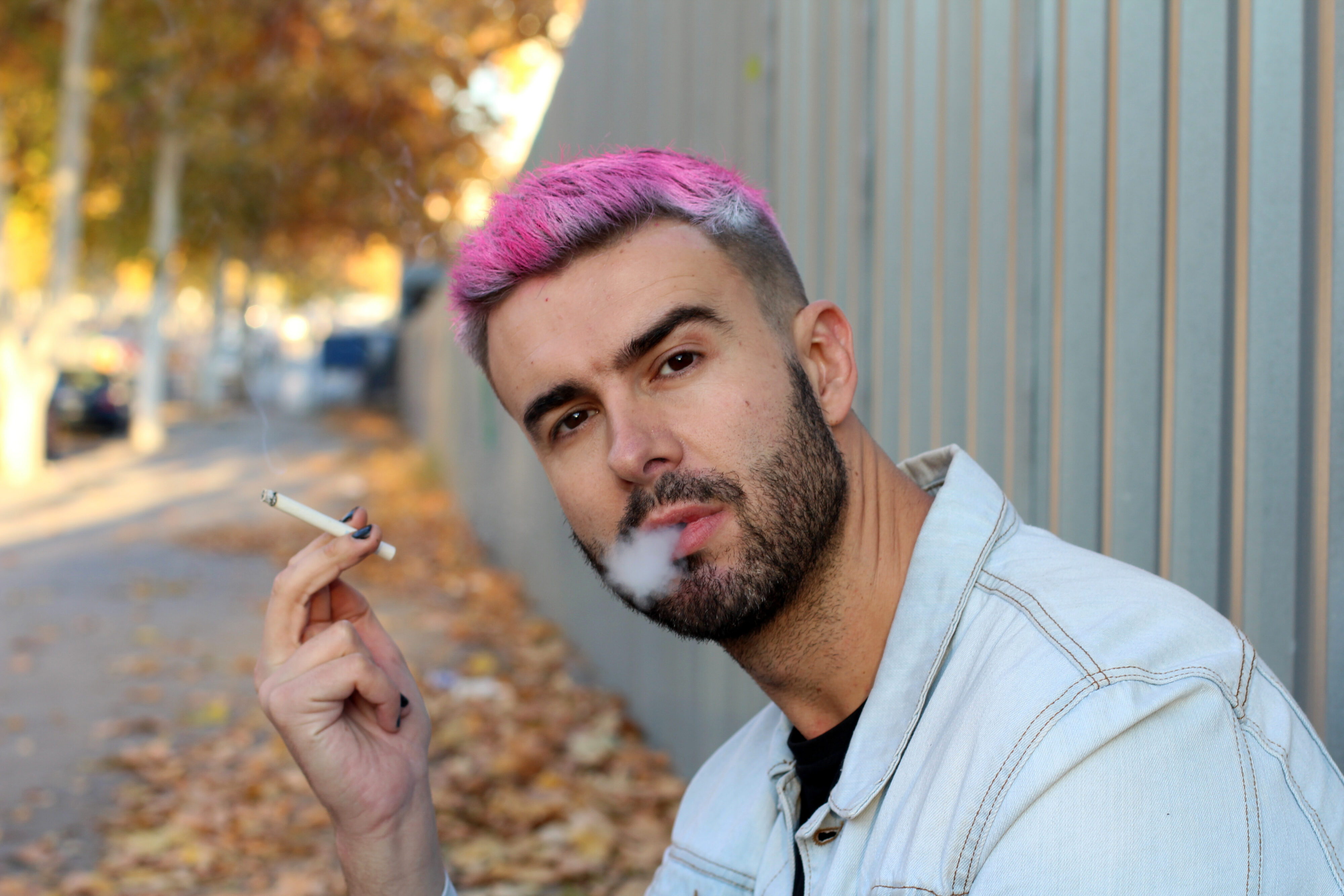
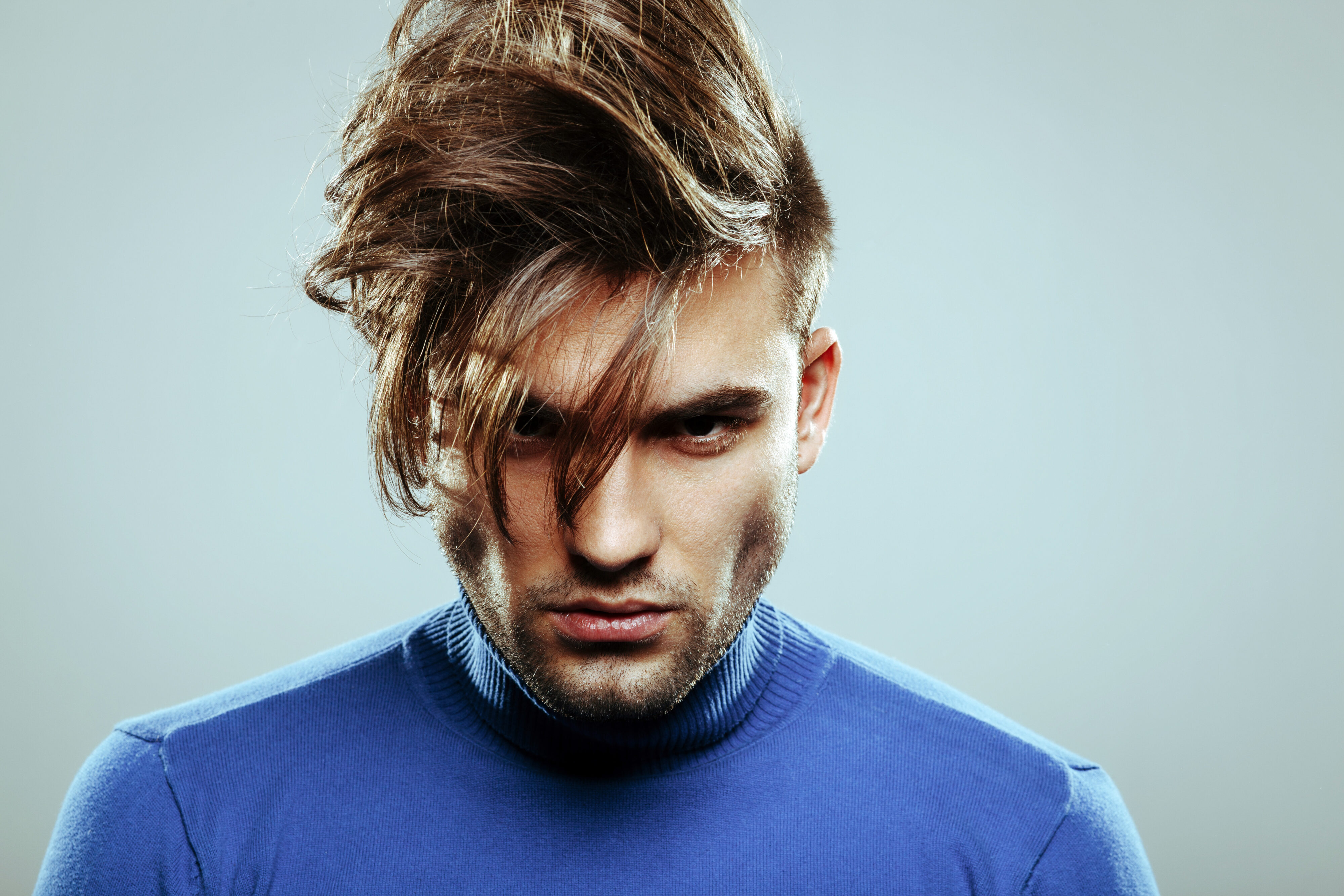
Textured Top with Twin Fringe
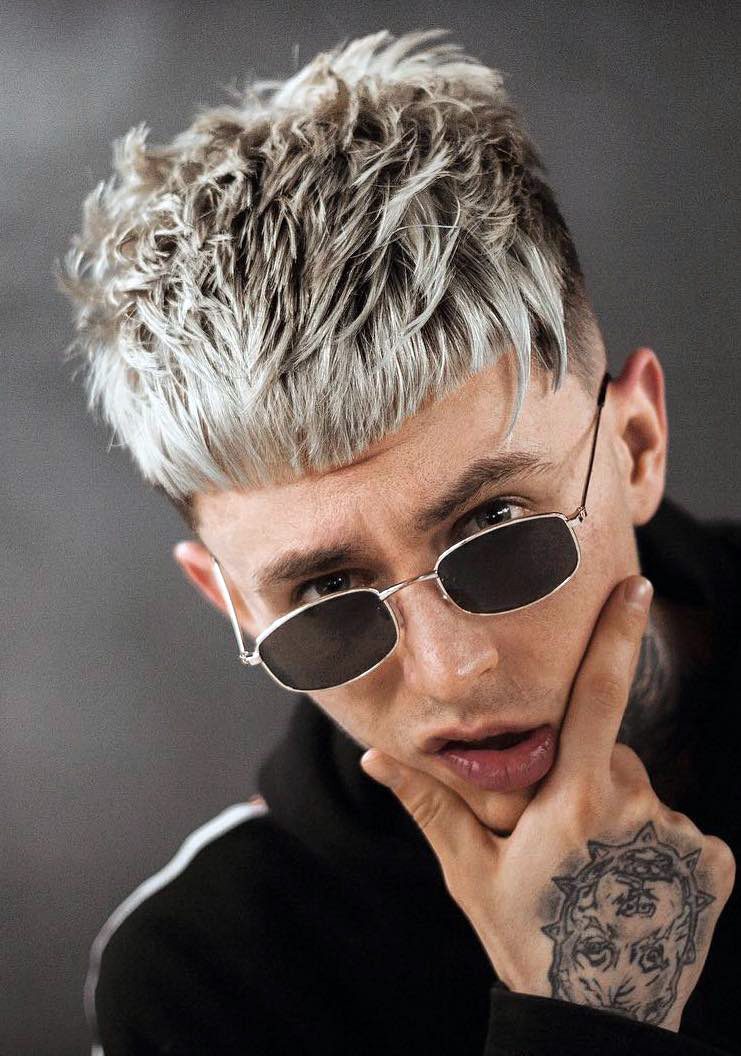
This style features a tidy, uniform fringe with double fangs on the far side that continue the textured motion of the hair.
Hipster Straight Fringe with Subtle Low Fade
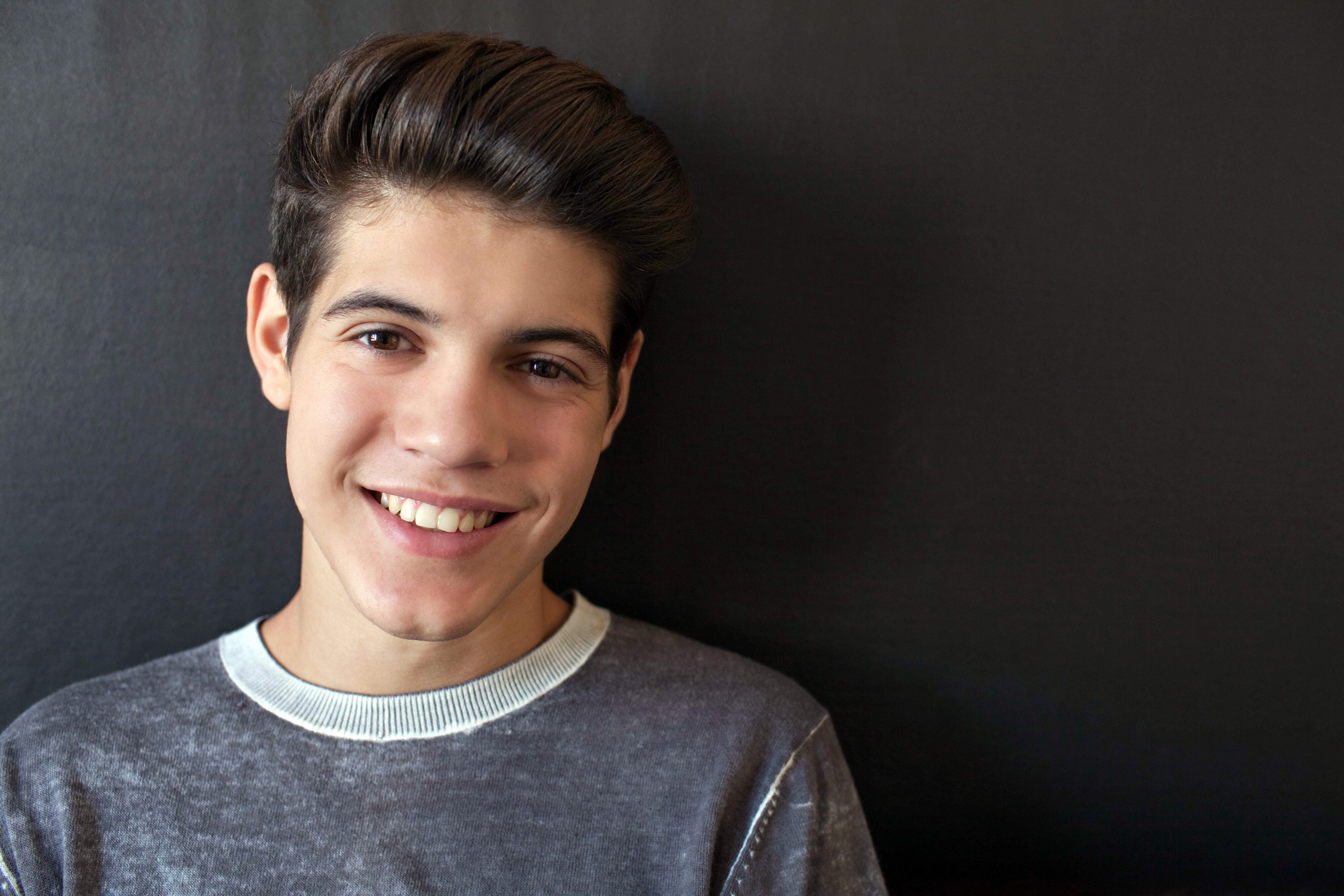
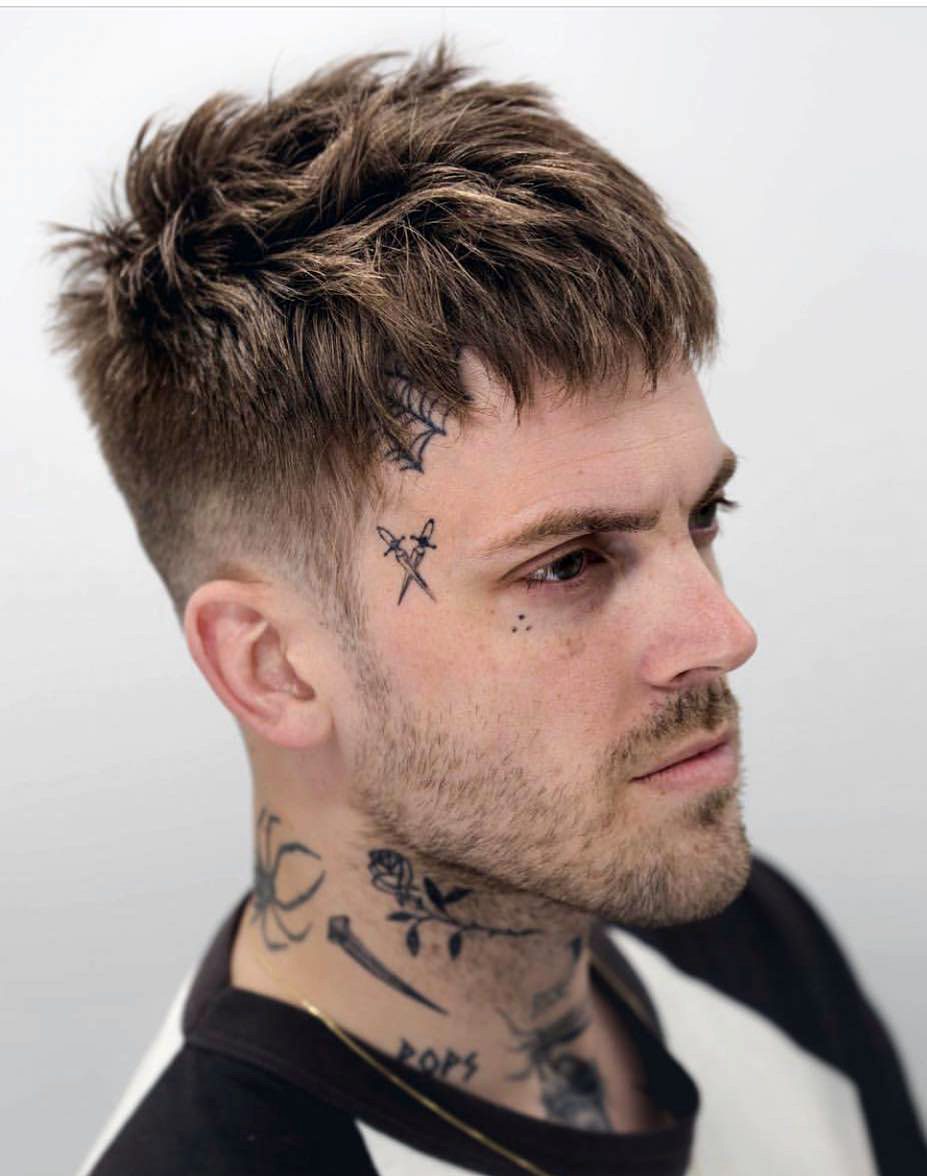
When in doubt, you can always go for a simple straight fringe. The fade on the sides is subtle but really makes the fringe pop.
Around The World Fringes
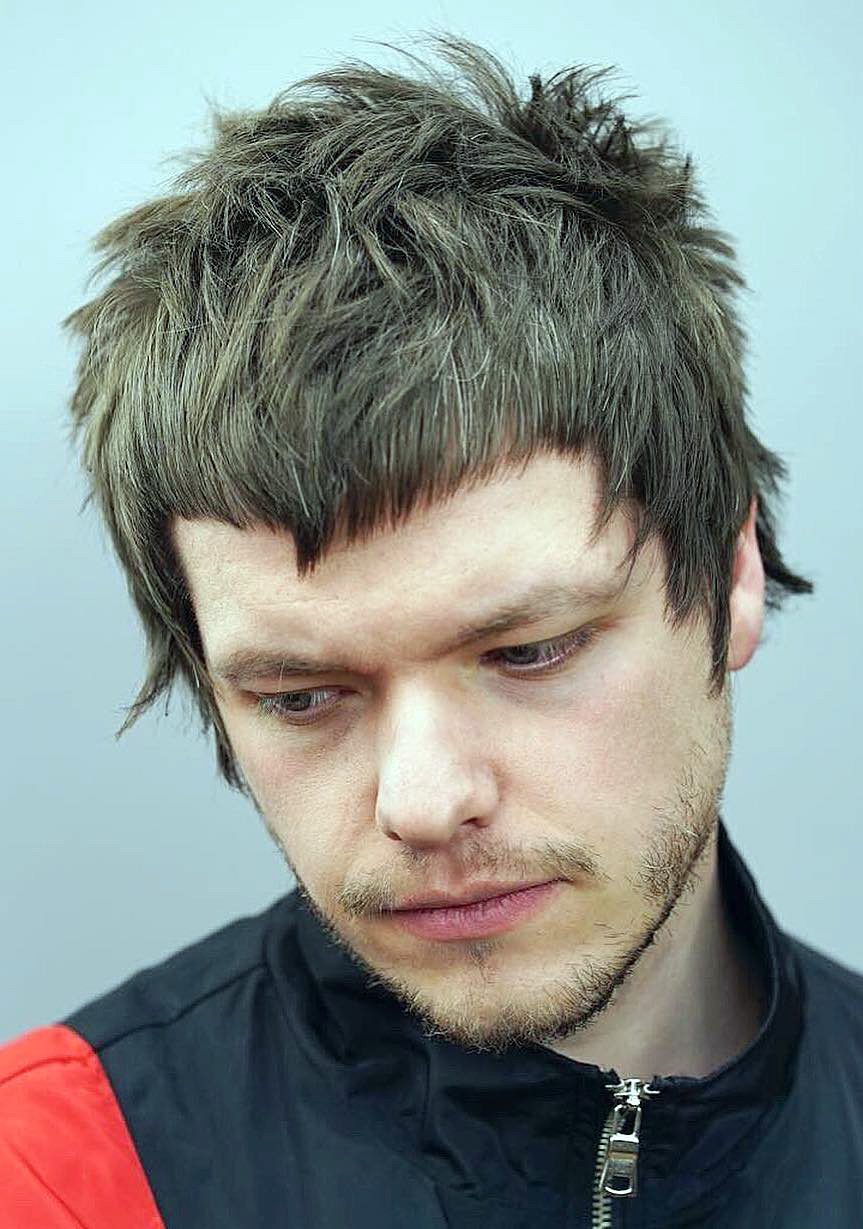
Here, the fringe is longer on the edges and in the middle. This frames the face nicely, making this a great choice for men with oval- or diamond-shaped faces.
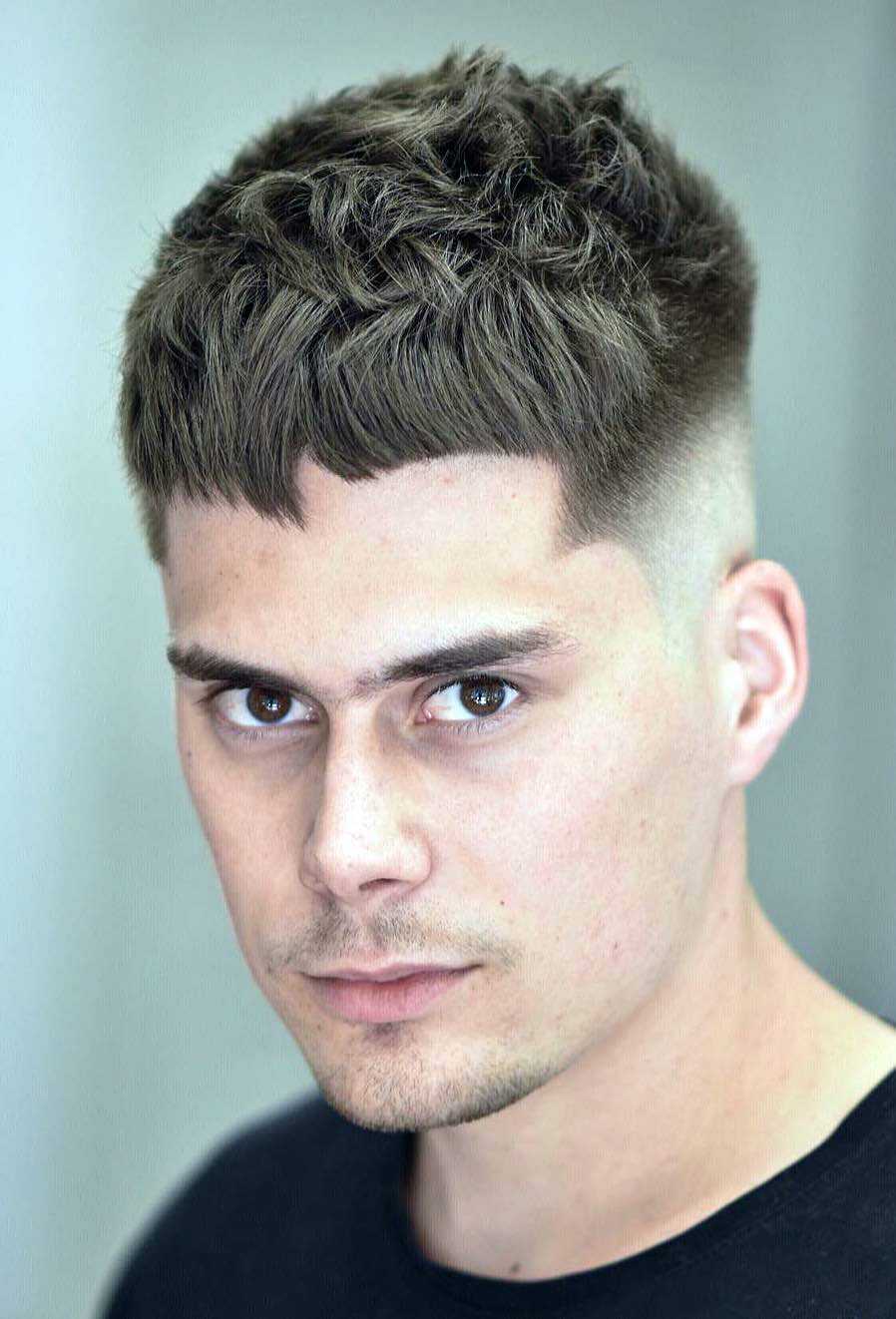
Messy Top with Acute Angled Fringe
This angular, slightly asymmetrical fringe is complemented by a sharp line up that unifies the haircut into one cohesive look.
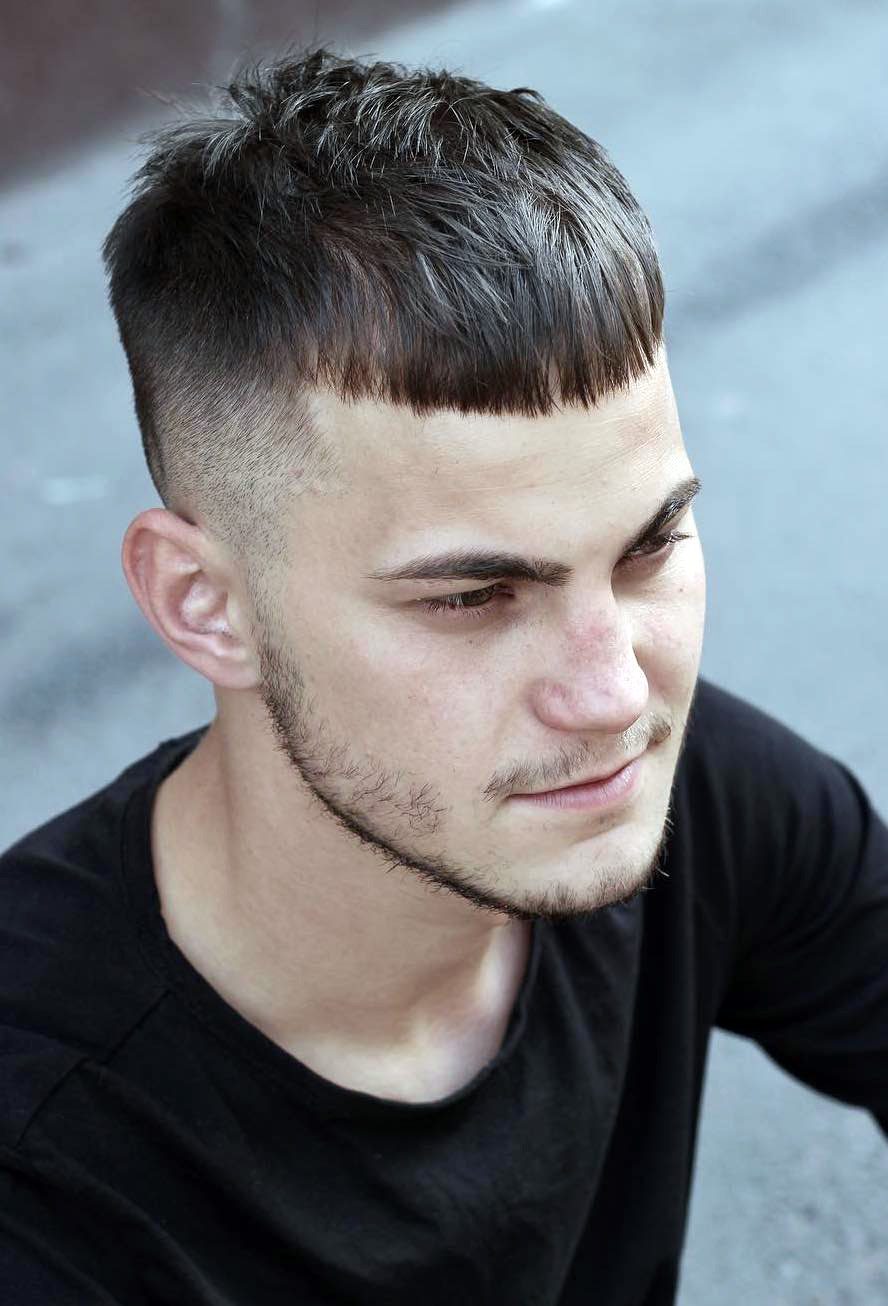
Mildly Faded Line Up with Straight Front
Taking inspiration from the classic bowl cut, this fringe style uses both scissor cutting and tapering to ensure the “bowl” is prominent.
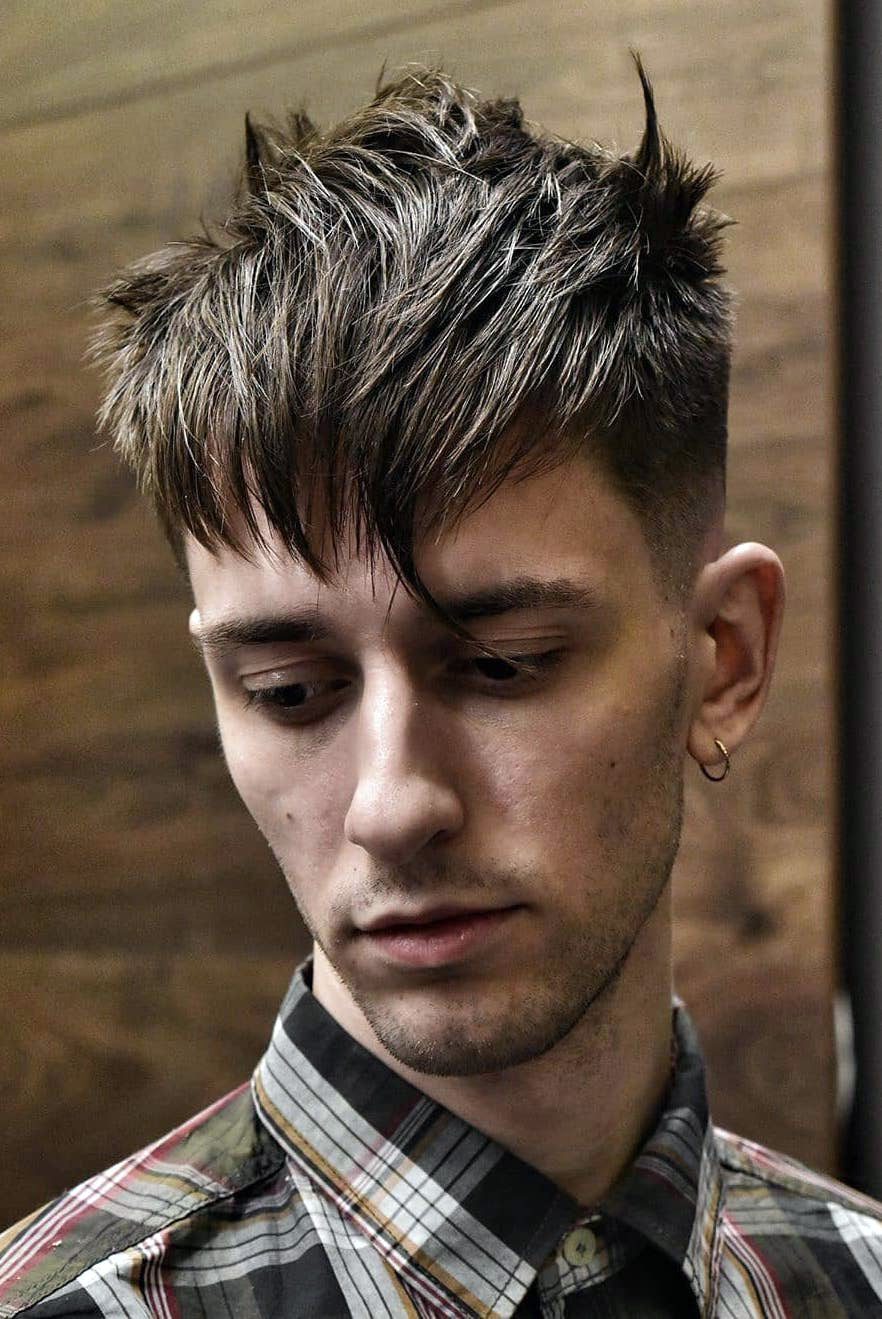
Foreheaded Long Strands
If you were to brush a faux hawk straight down, you might get something like this long, swooping fringe style that bears a touch of punk culture.
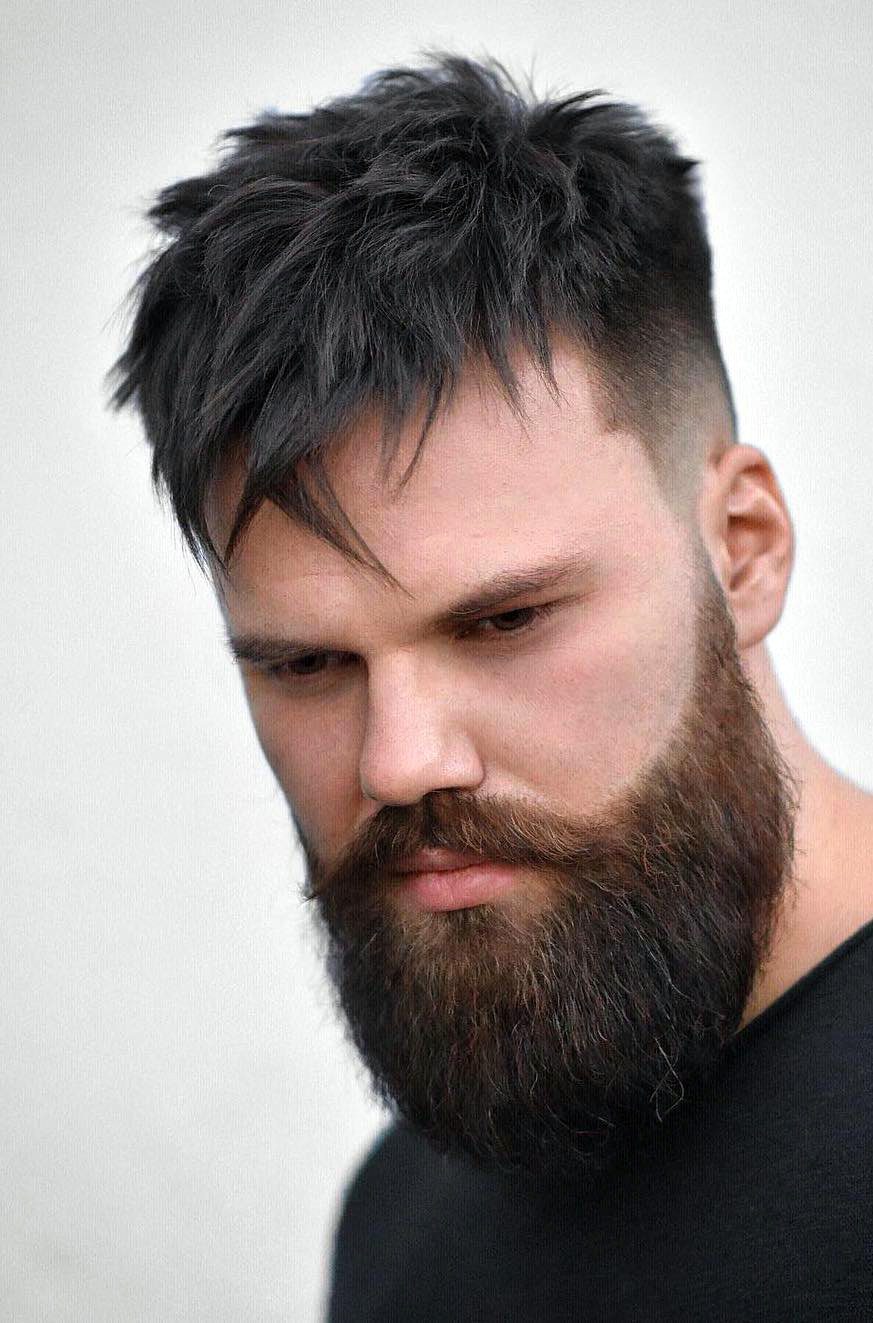
Long Spiked Texture
For a classy yet fun look, this spiked style delivers. The spikes also serve as the fringe, making this cut quite unique.
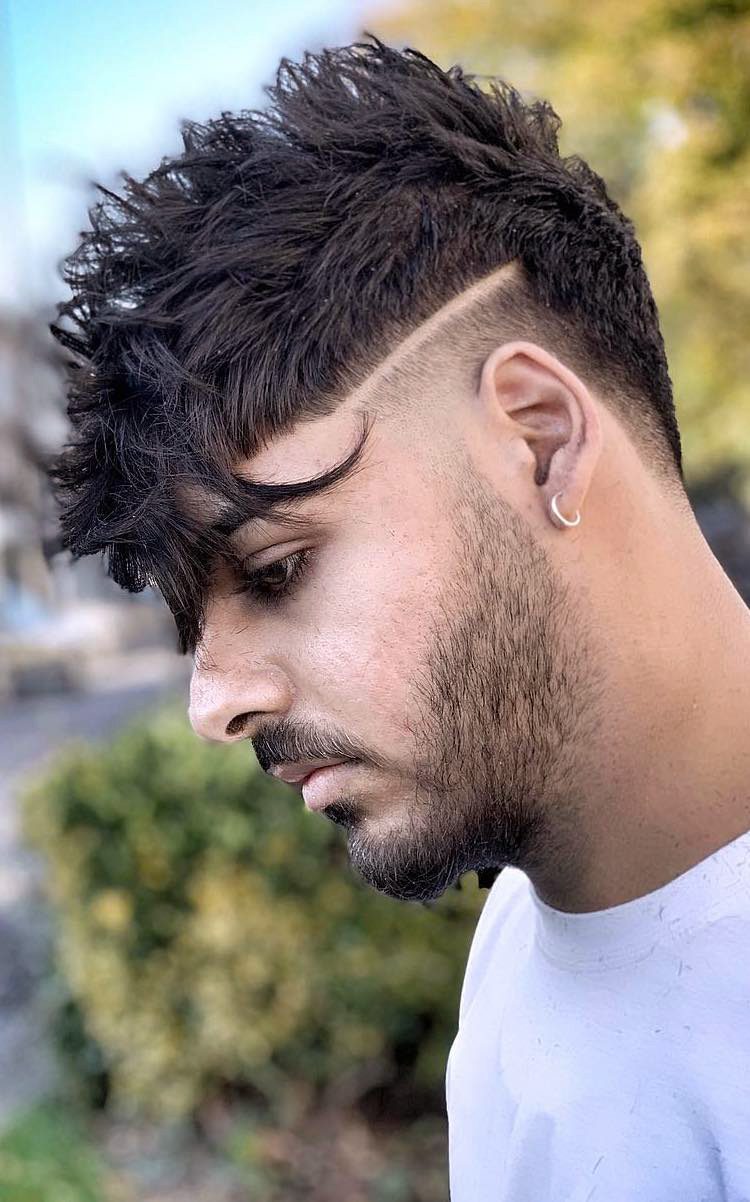
Extremely Hardcore Textured Fringe
If you want to look like you actually just rolled out of bed, try out this incredibly messy style. The hard part and tapered sides help to tame this otherwise wild look.
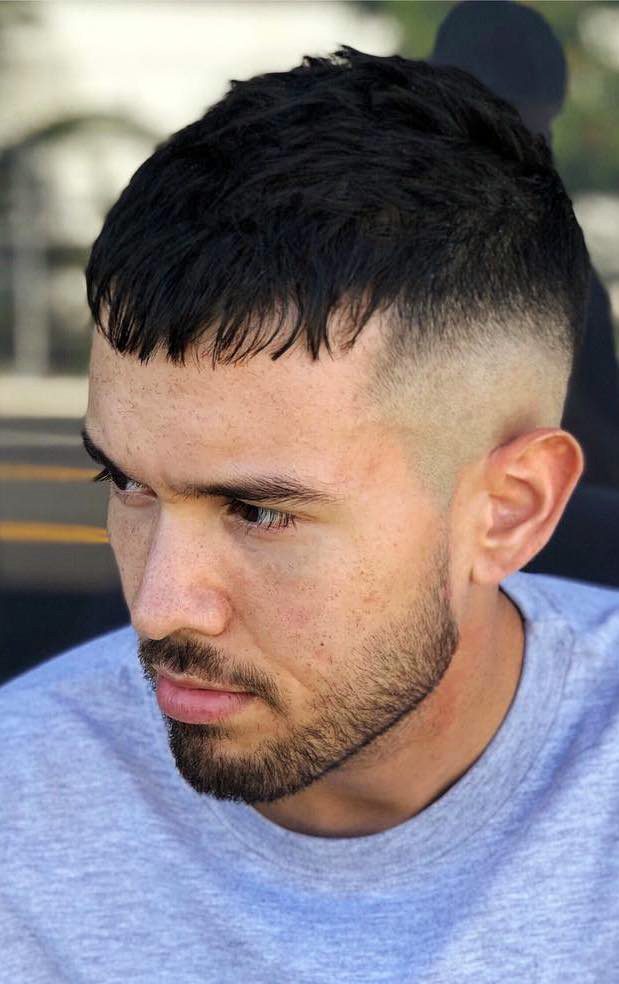
Skin Fade Drop Down
This cut is about as simple as it gets, with a short fringe and side taper. If you have a beard, this cut will pair nicely with it.
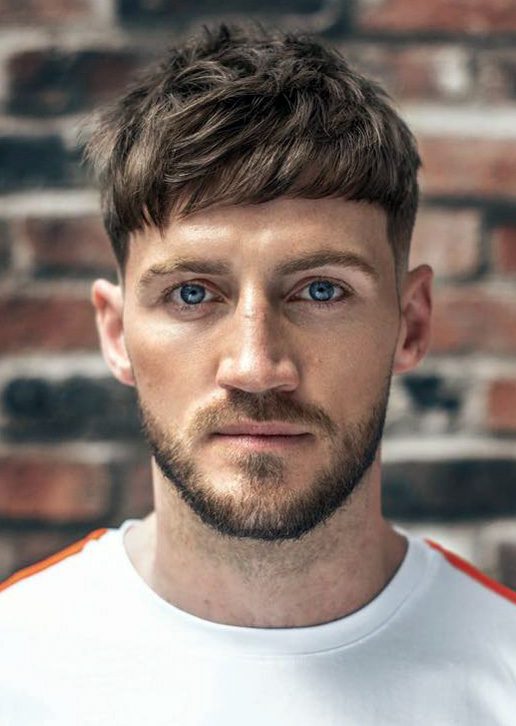
Slightly Angled Textured Fringe
Ever so slightly asymmetrical, this fringe cut uses a looser, fluffier texture for maximum body and a more casual appearance.
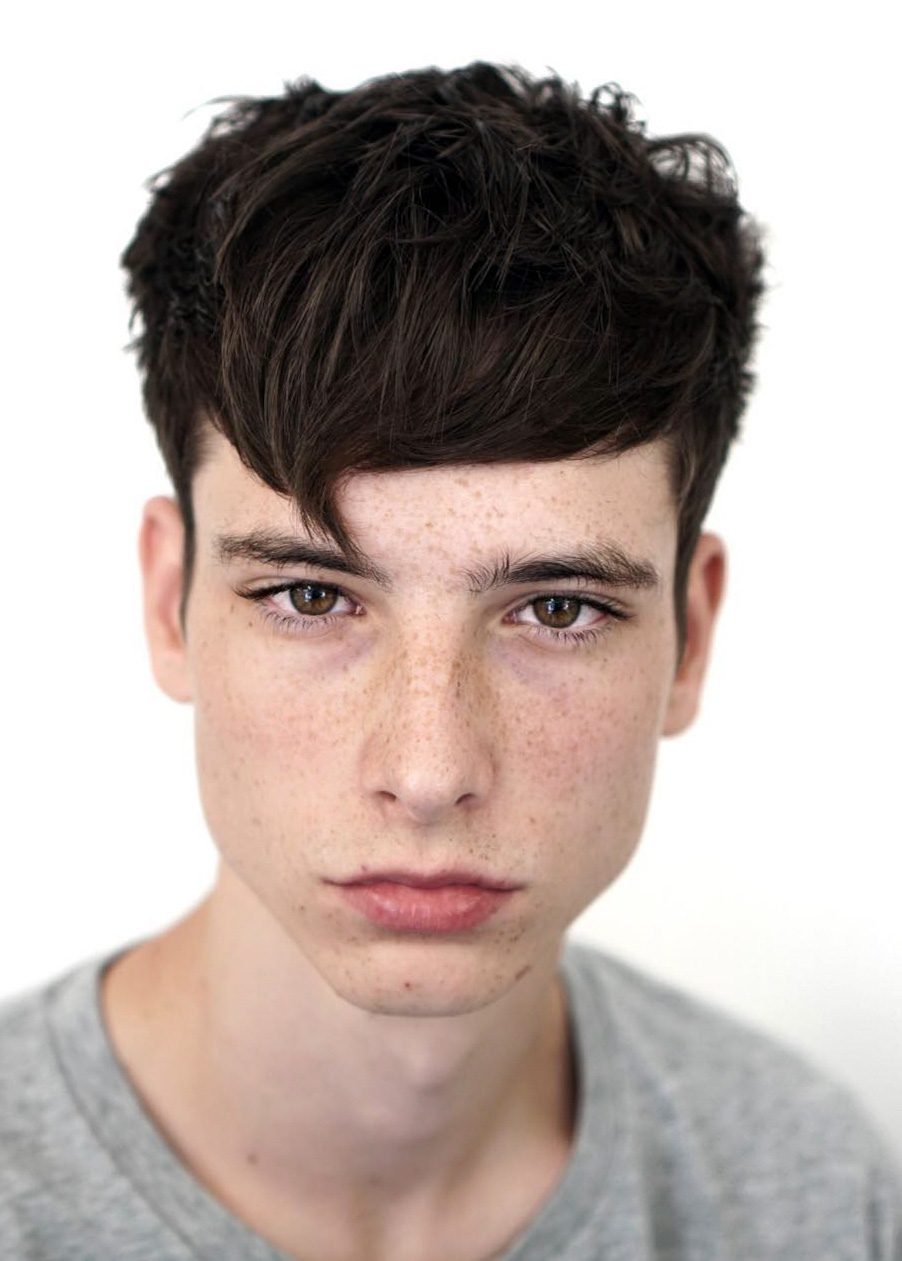
Angular Fringe and Short Elephant Trunk
Another angular, asymmetrical style, this haircut is a short yet fashionable option that features an elephant trunk hanging to the side.
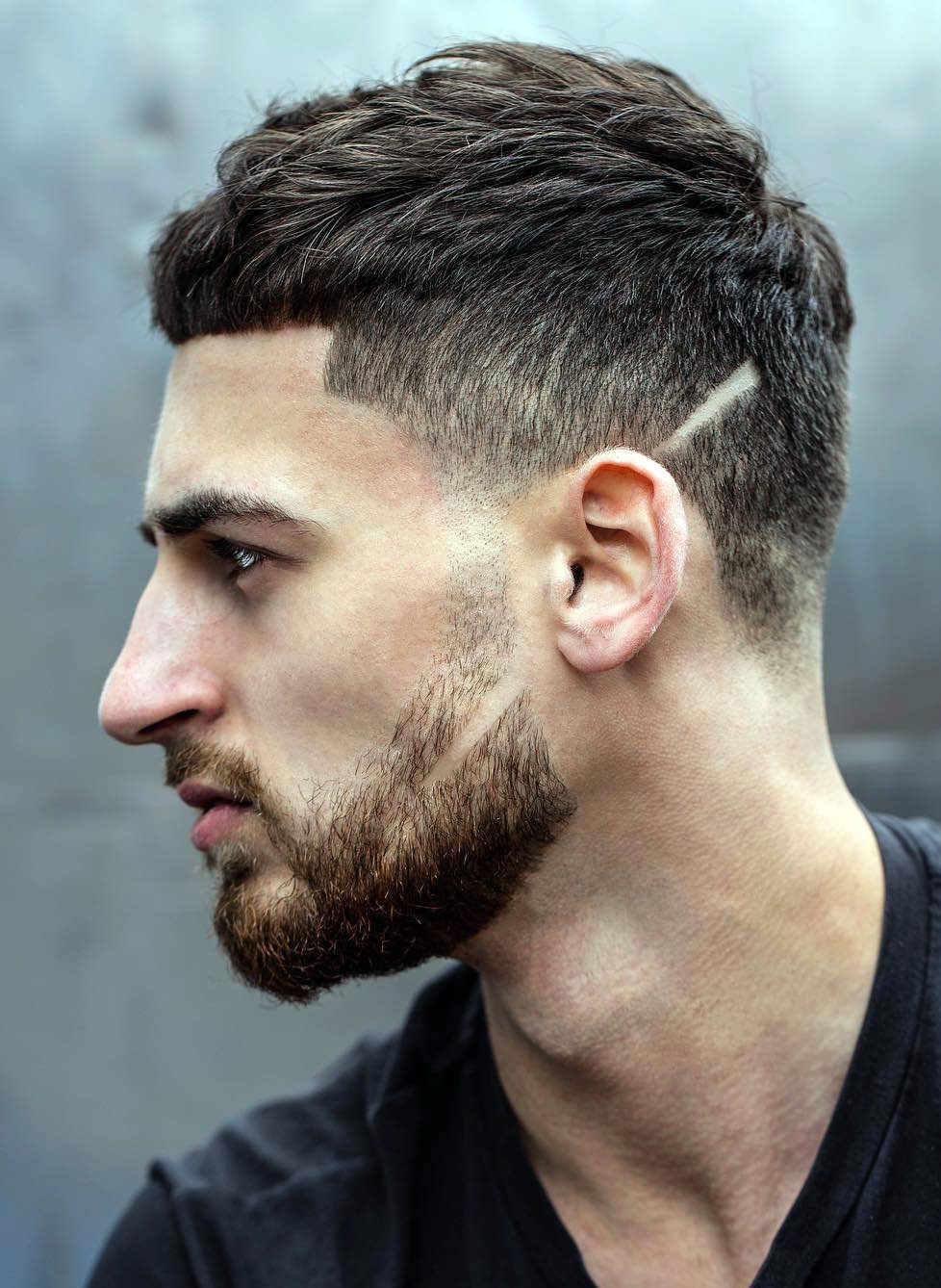
Straight Fringe with Mini Line Up
With a short, straight fringe and a shaved line, this look stands out while not being too dramatic. A nice touch is the continuation of the line into the beard.
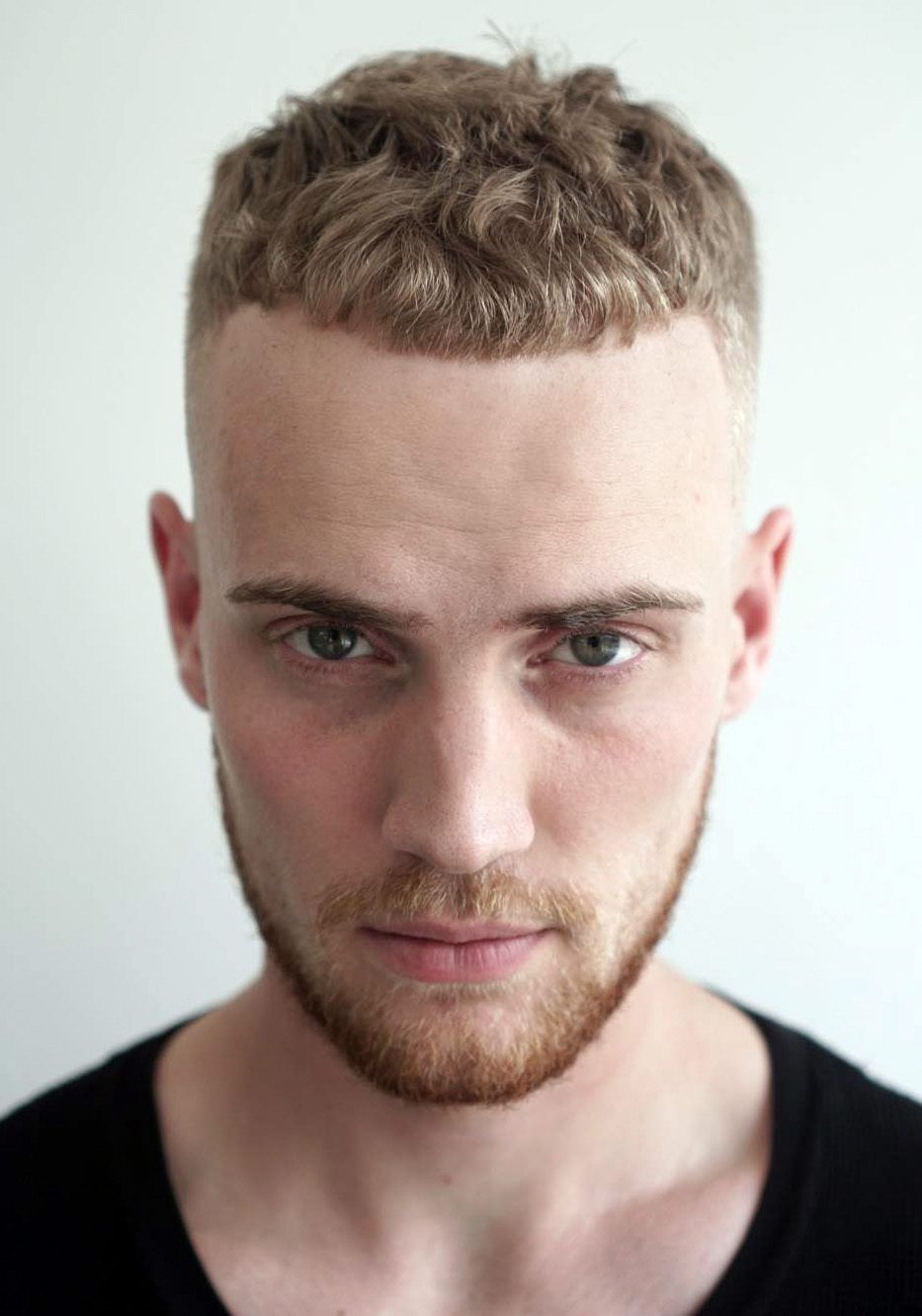
Blonde Short Fringe French Crop
This minimal fringe hairstyle is one of the shortest on this list and offers a tidy, low maintenance option to guys who prefer short hair.
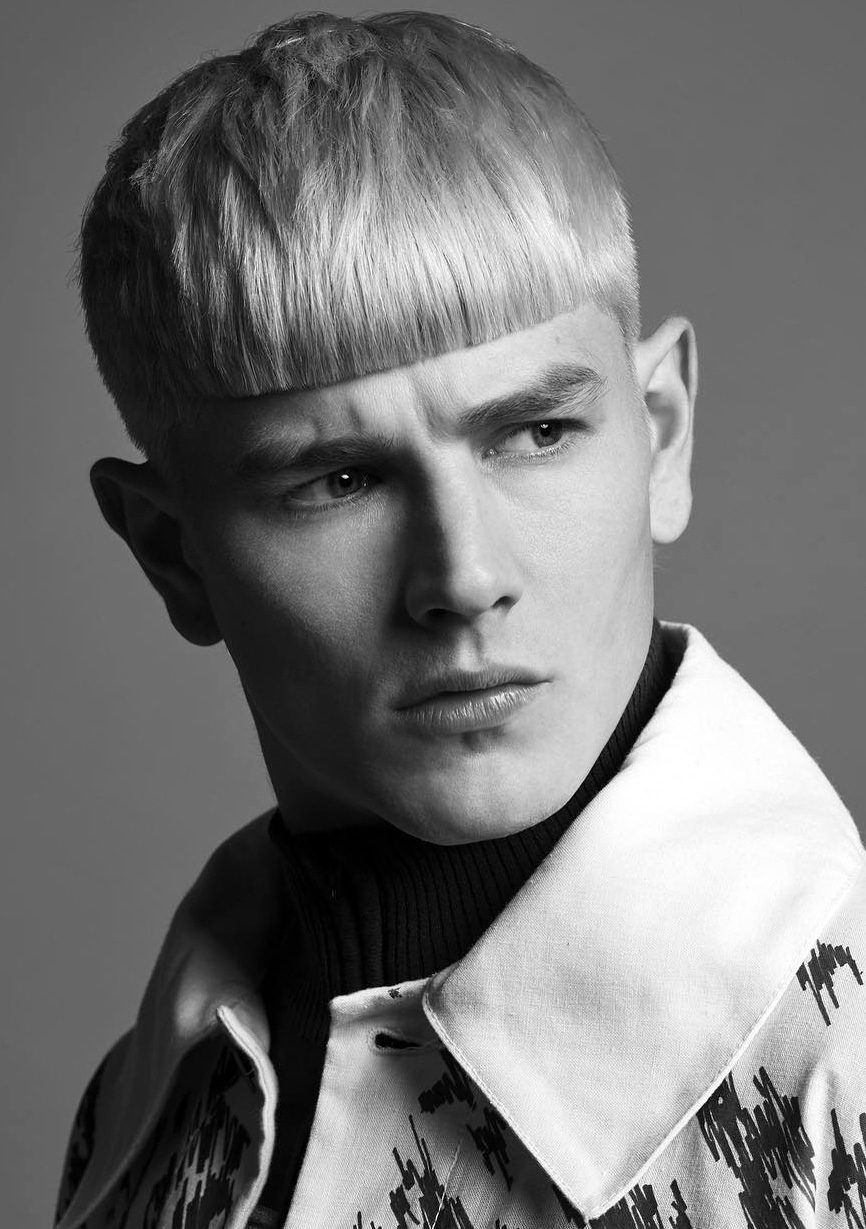
Straight Fringe
Major Leonard Nimoy vibes and we’re here for it! This Star-Trek-inspired look is such a perfect example of a straight line fringe.
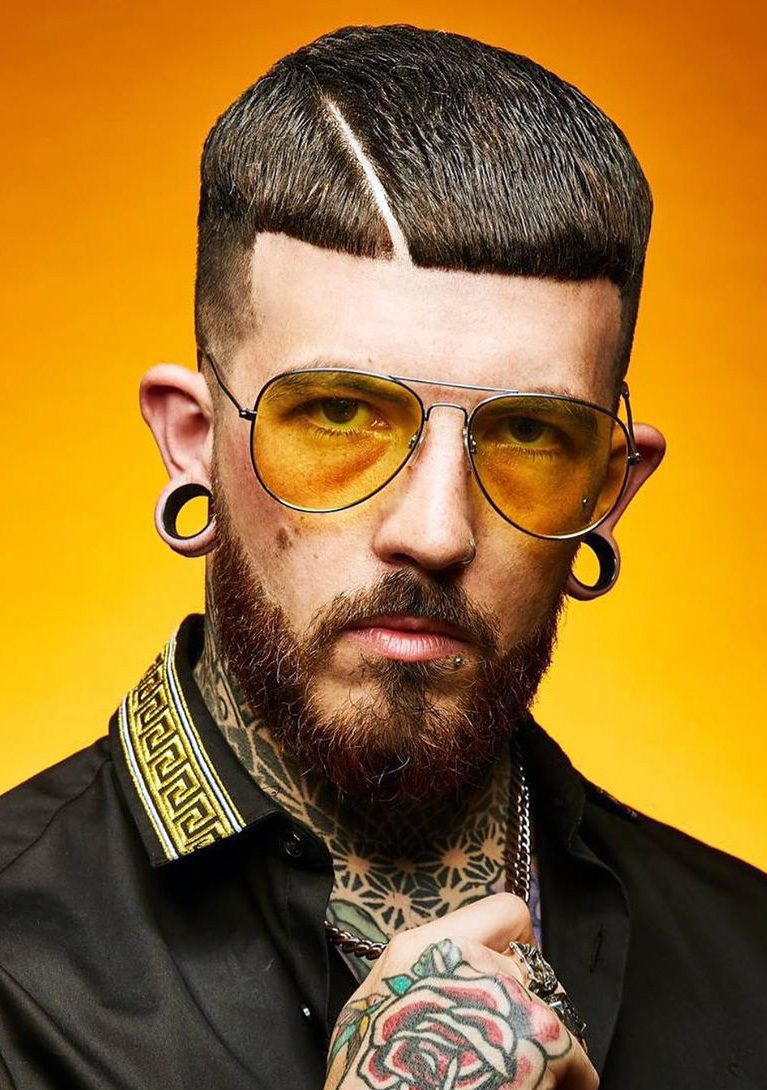
Hard-Parted Straight Fringe
This hard part is so prominent it could almost pass as a disconnected haircut. The line unapologetically separates the fringe and top of the hair on this very neat do.
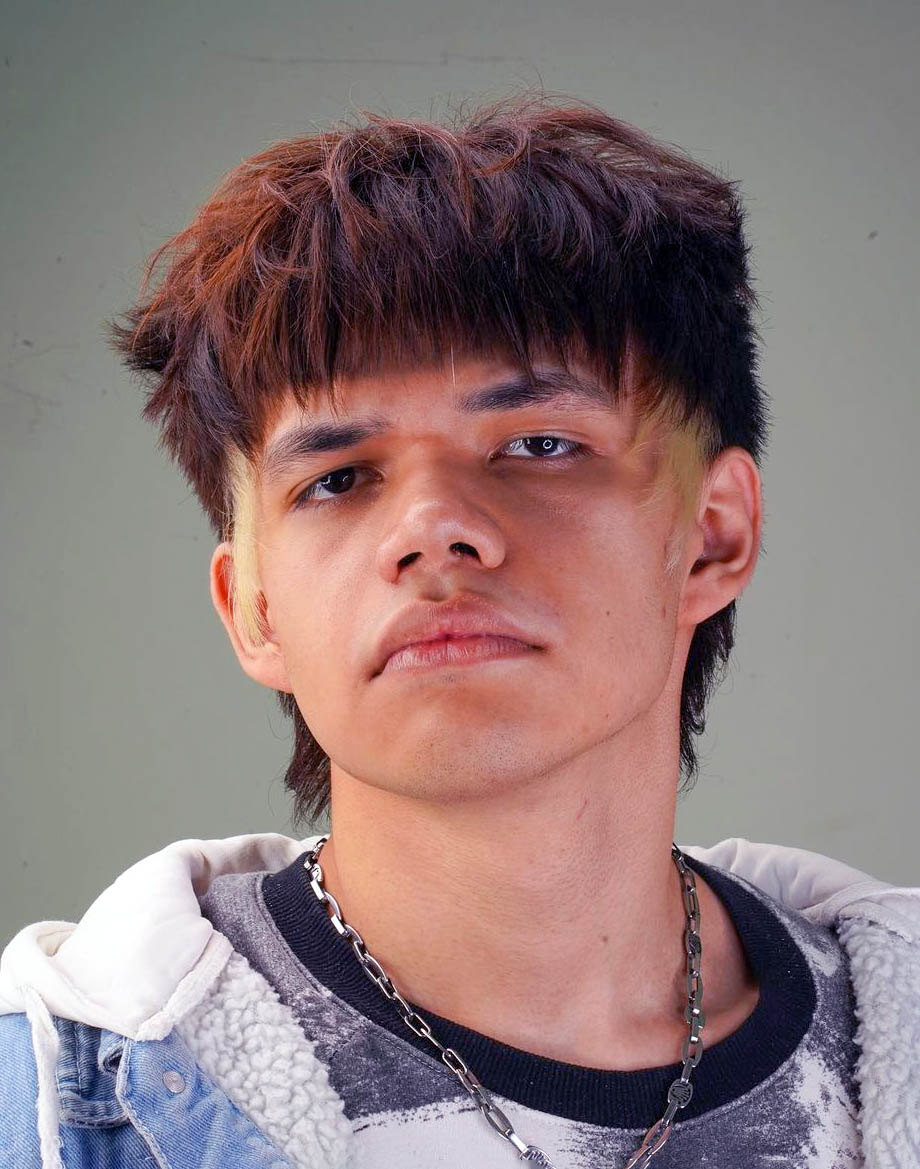
Textured Fringe
Fringe haircuts have become much more popular for men in recent years. In this haircut, the front section of the hair, or the fringe, is pushed to the front of the face and is kept slightly longer than the rest of the hair. While some fringe hair styles utilize wave patterns, this style is primarily straight but still textured.
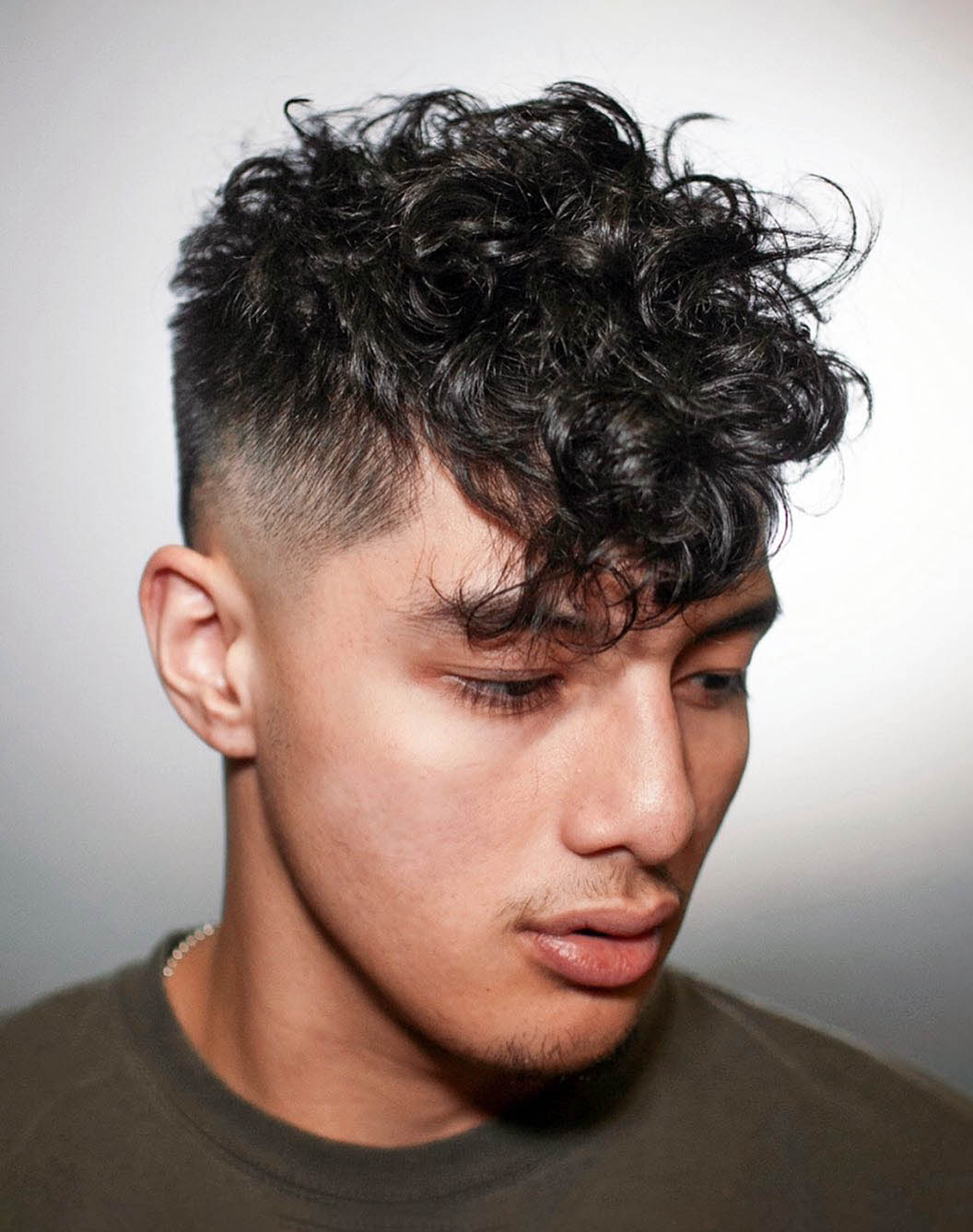
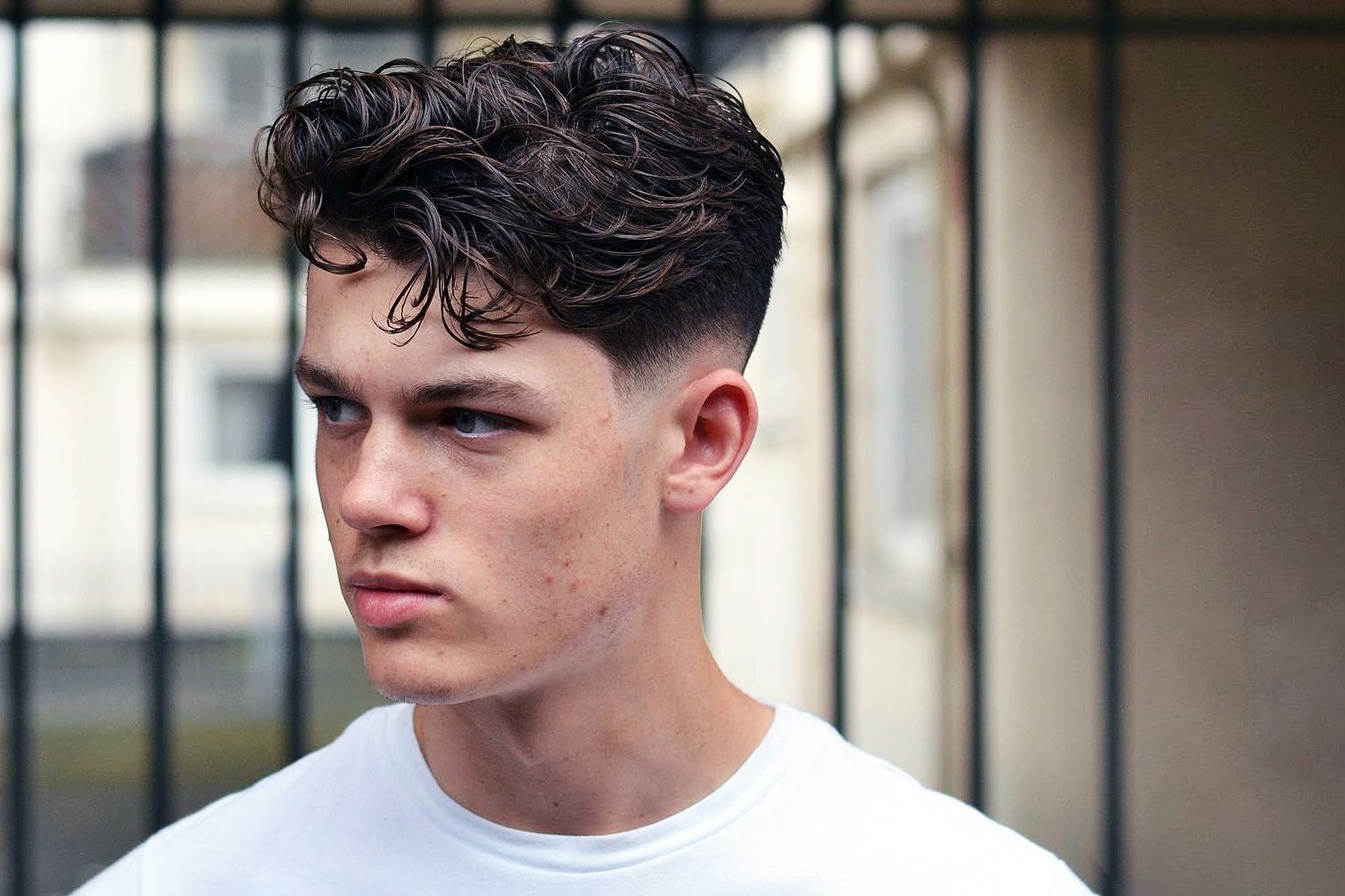
Fade the perm
Let’s revive the 60s and bring back the perms. If your face shape is long, oval or even square, your hair shiny black, and you are looking to try something new, something adventurous, then get ready for some curls with the sides rocking a tapering fade.
This hairstyle takes away many years from your look and makes you feel youthful, adventurous and, dare I say, snarky. Get ready to steal the girl of your dreams with a look that says you know what you want.
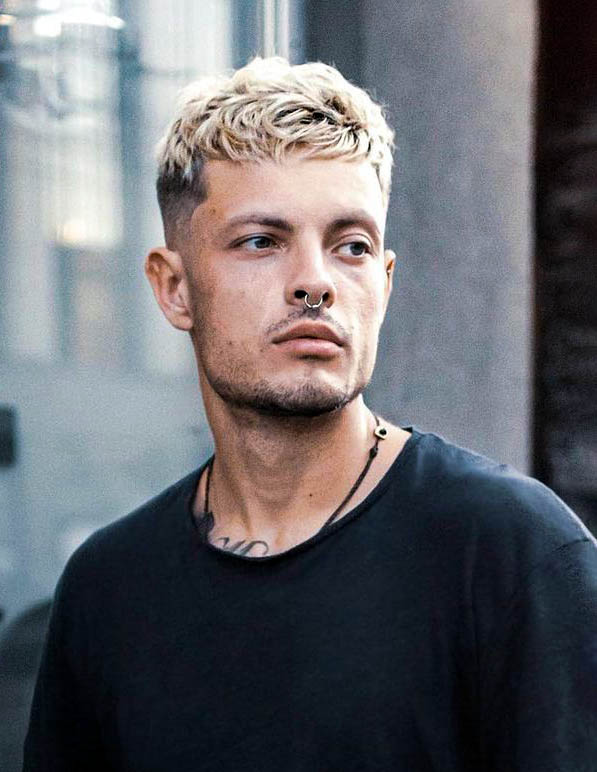
Mid-taper fade with short bangs
Are you going for a tough, matter of facts look? Are you a man of few words? Do you want to wear a hairstyle that says you mean only business? Then go with the professional vibe of mid-taper fade with a street style of short fringes.
With his haircut, people would be left baffled trying to put the finger on your exact aetiology. Get ready to rock the street style with a gist of professionalism. With a septal nose piercing, little facial hair on the chin, and a dark necklace, you are sure to turn a few heads when you walk into the room.
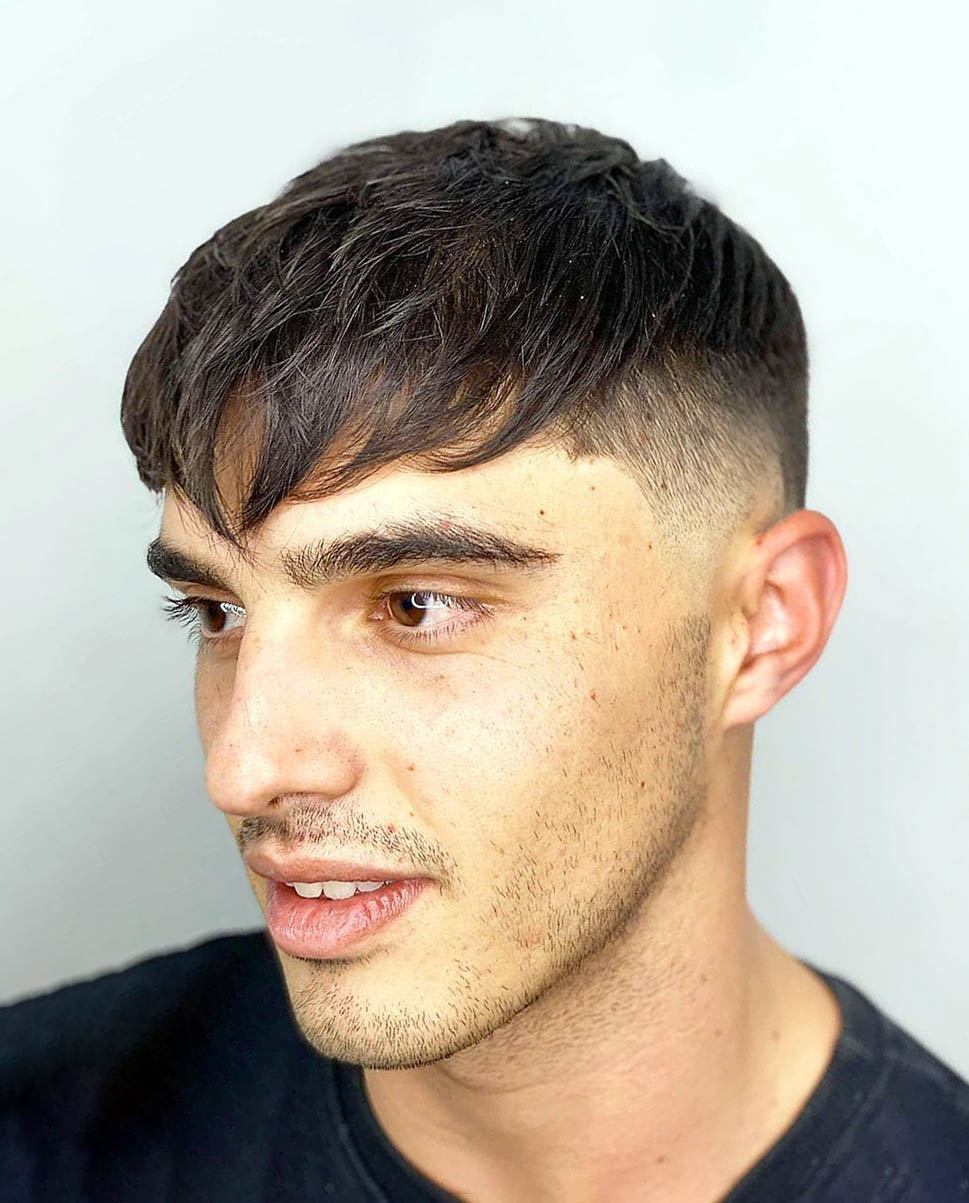
Mens Fringe Hair Cut: Taper fade with bangs
Get ready to look your best with this hairstyle which combines the tapering fade with some fringes on top. This is best for hairstyles for those aiming to look neat and messy at the same time. This hairstyle is versatile enough to go with any attire you wish to don.
You can style this cut with some stubble or even go clean-shaven if you have a jawline! Don’t be afraid to style it with a silver chain, tux, or plain black tee.
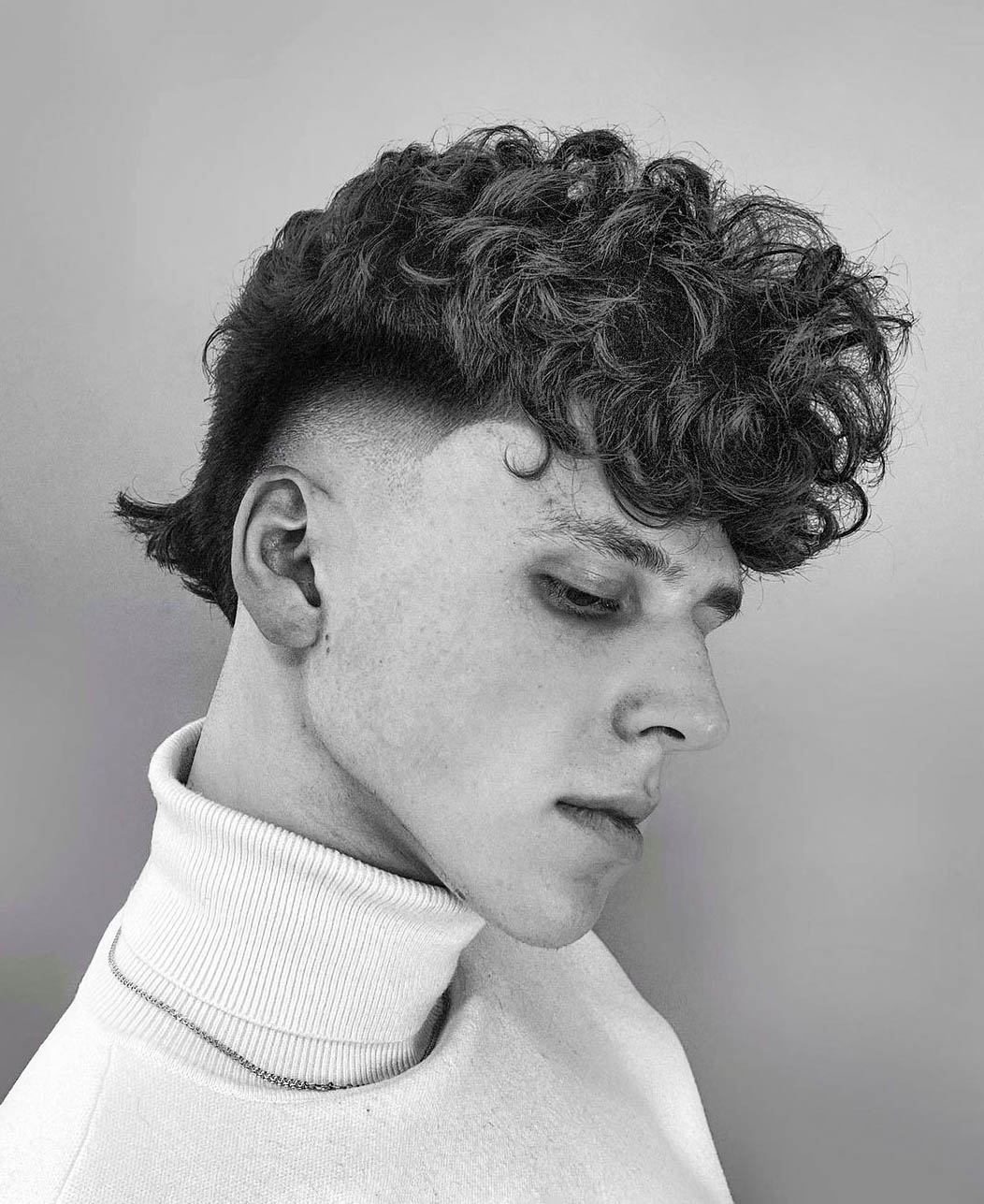
Mallet and Curls and Bangs
Now, this is something that no one could have seen coming! If you are someone who is unpredictable but a high-functioning sociopath, then meet the triple banger style, combining all the iconic right on your head.
With fringes falling on your forehead, you give off an innocent, almost cute vibe. With the curls on top, you throw in a flair of sexiness and seduction. With the mallet trailing behind you, you could very well be carrying a machete to murder someone! Whatever your intentions, no one would dare question them if you wear this hairstyle!
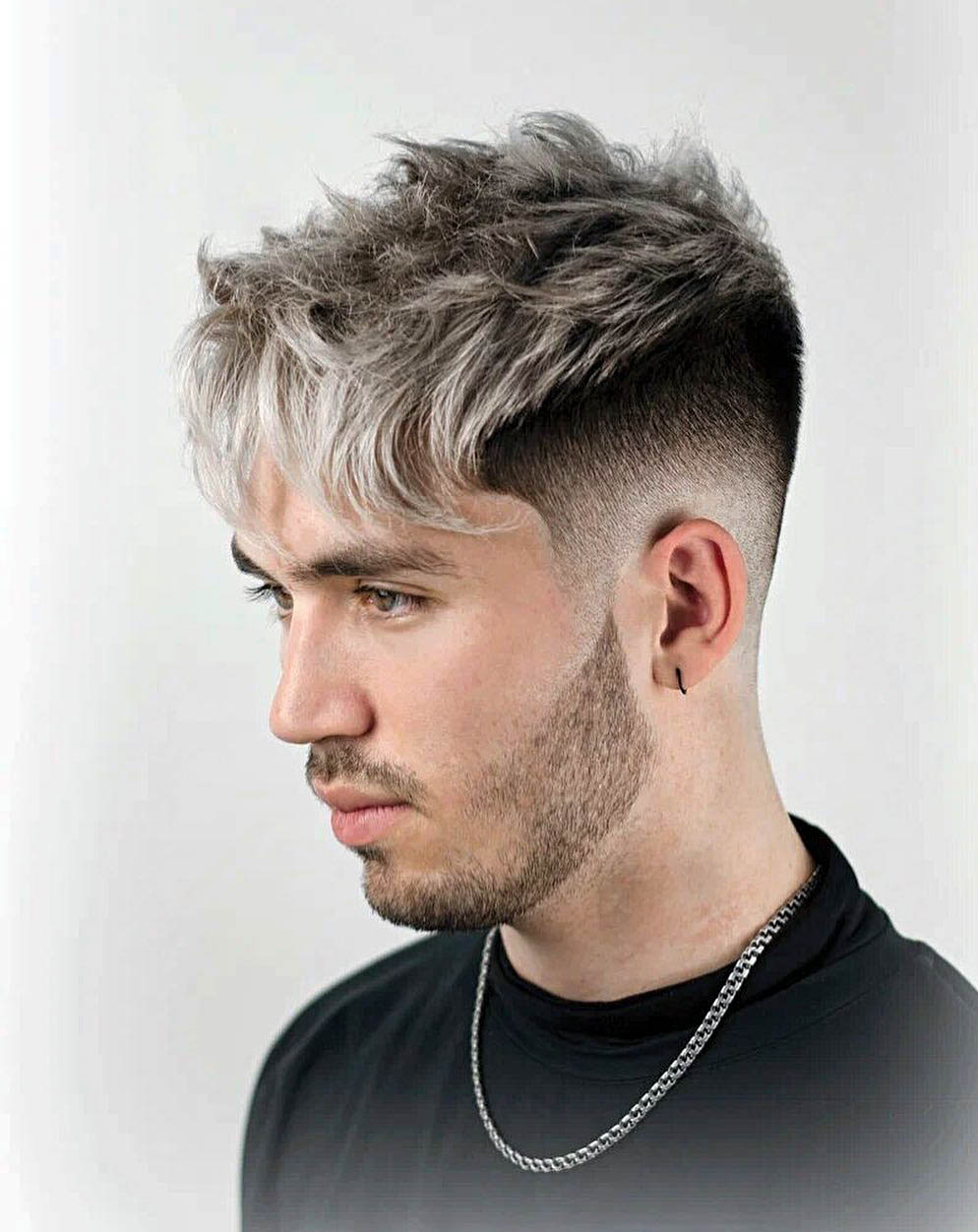
Burst the convention with bangs
Are you going for a versatile cut that can fit every occasion in every season of the year? Then look no further than the burst fades with fringes. With the combination of the best of both worlds, from fringes to the burst fade, get ready to look an eye candy.
The silver colour on this bold cut is like the cherry on top of a delicious ice cream. Rock the style with some neatly trimmed beard with sharp lines, a silver chain with some girth, a turtleneck or whatever you grab the first thing in the closet because anything goes!
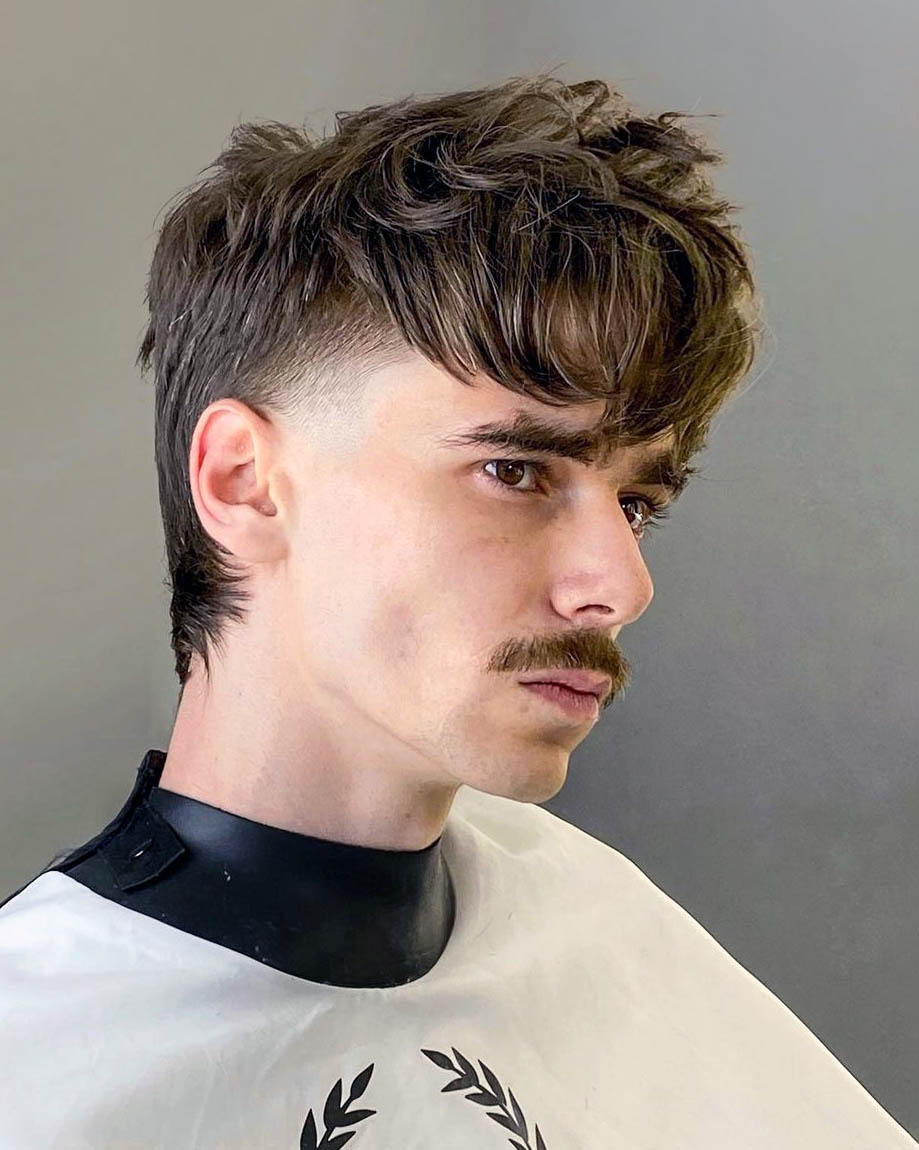
Short mallet with fringes
This one on the list is not for the faint of the heart! Are you someone who thrives in rebellion? Are you someone who likes pineapple on pizza? Then you would love to combine the two controversial mallet styles and fringes. Get ready for some exciting and scintillating results.
With a short chevron on the face and a clear chiselled jaw, get ready to stir up some controversy wherever you go! Showcase your savvy attitude with a dangerous, apathetic look that says you are not afraid of what the mortals say behind your back!
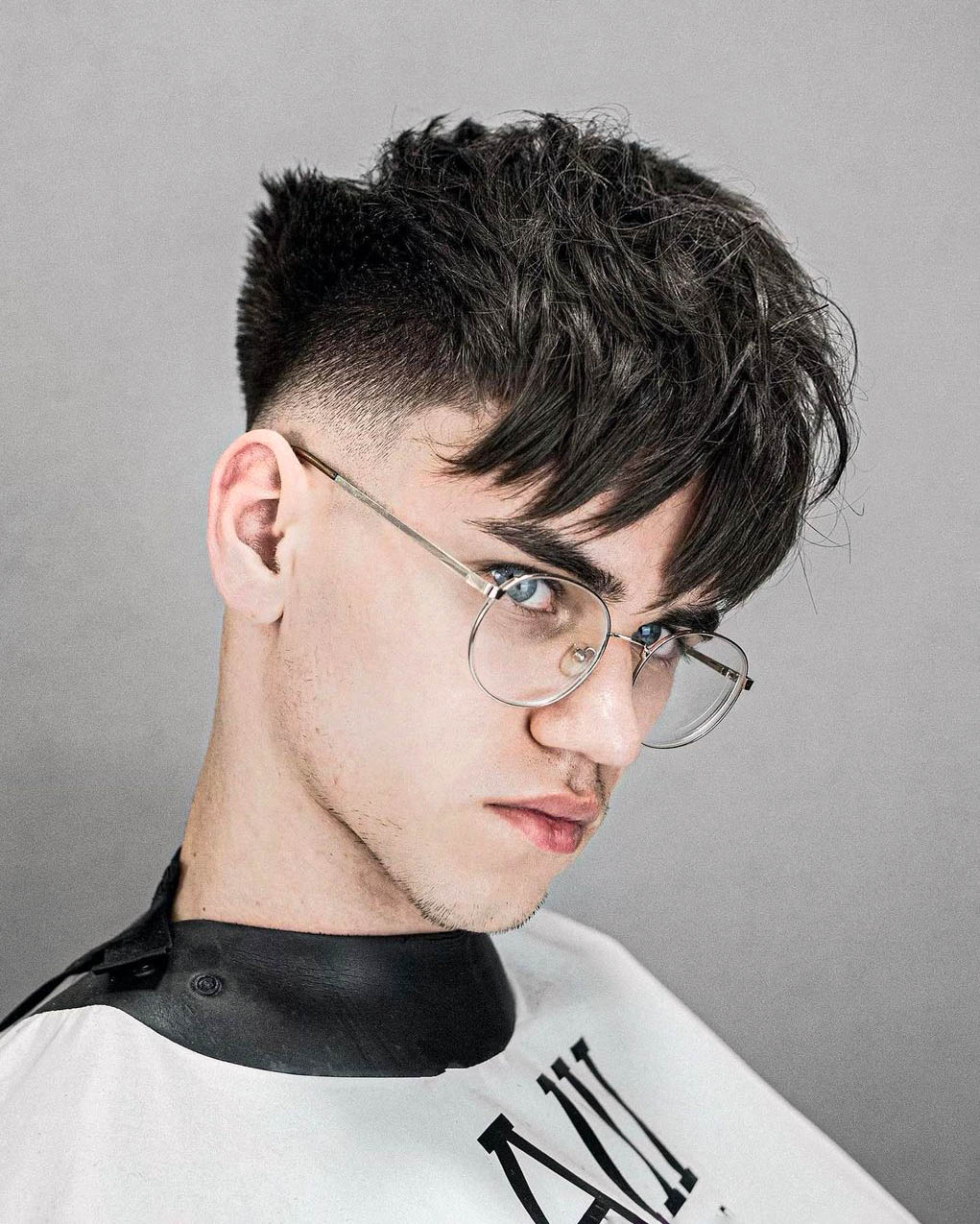
Low bald fade with bangs
Gone are the days with classic Quiffs, side parts, and those bland haircuts. Usher in a new era with bangs! Quite literally! Haircuts are like a fancy dish in a high-end restaurant! And rightly so, hairstyles last longer than some dishes, and we all know what happens to food once consumed!
So let me present, from the workshop of the devil himself, crafted with absolute perfection; soak your eyes in the pinnacle of haircutting art with the low bald fade with a dash of fringe! This is arguably the best haircut complimenting your Harry Potter glasses on a long or oval face.
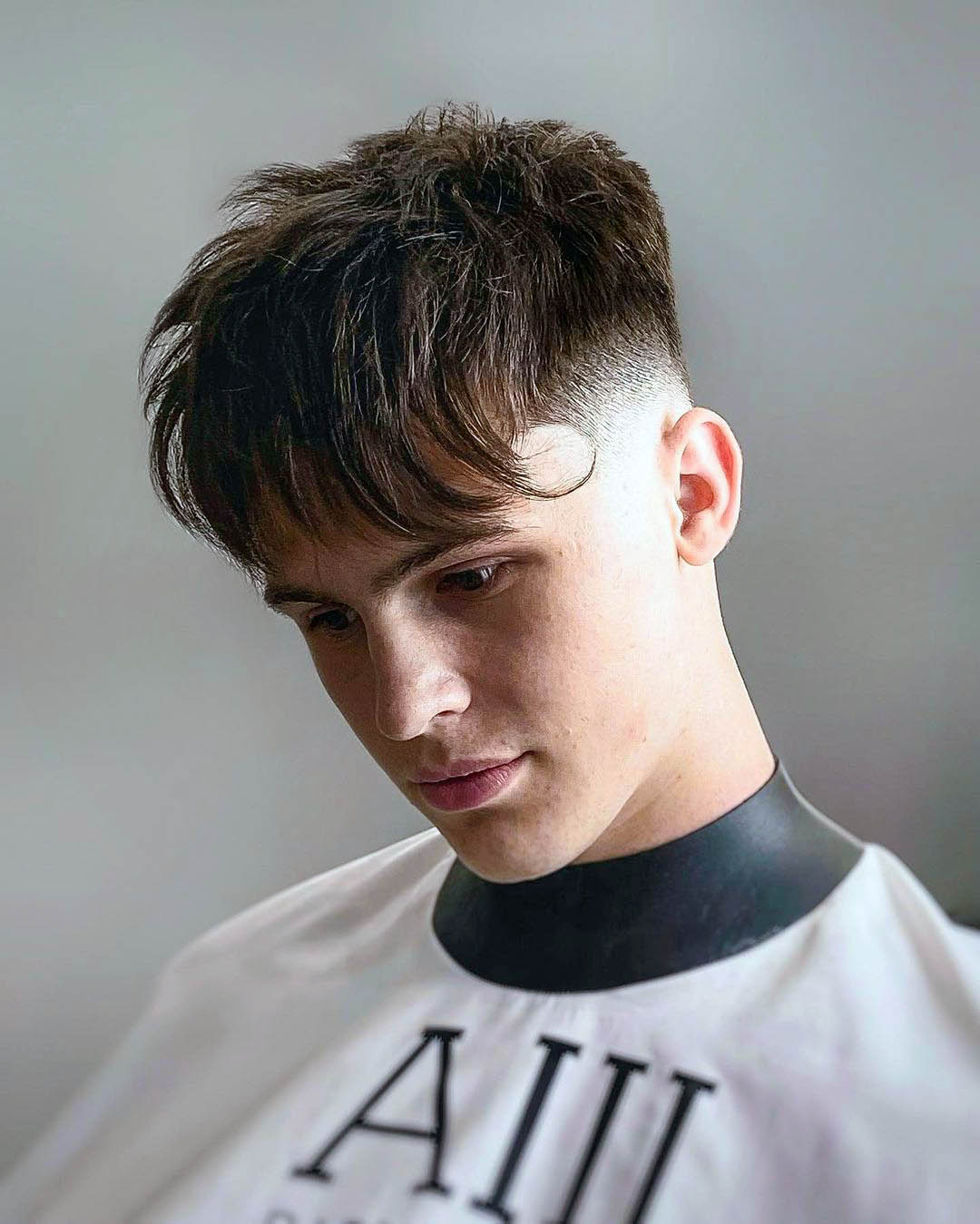
Textured skin fades with fringes
Do you want to go for a look that would simultaneously make the onlookers awed and impressed? If so, this look with low bald fade and some cool looking bangs falling on your forehead is the perfect fit for you!
With this hairstyle and a smirky smile, you will surely stir some serious trouble! Some would even say that you would be the perfect friend to a Cardiologist, breaking hearts and whatnot! With a clear-as-day face, without a trace of facial hair, and neat-looking summer clothes, get ready to make a lasting impression!
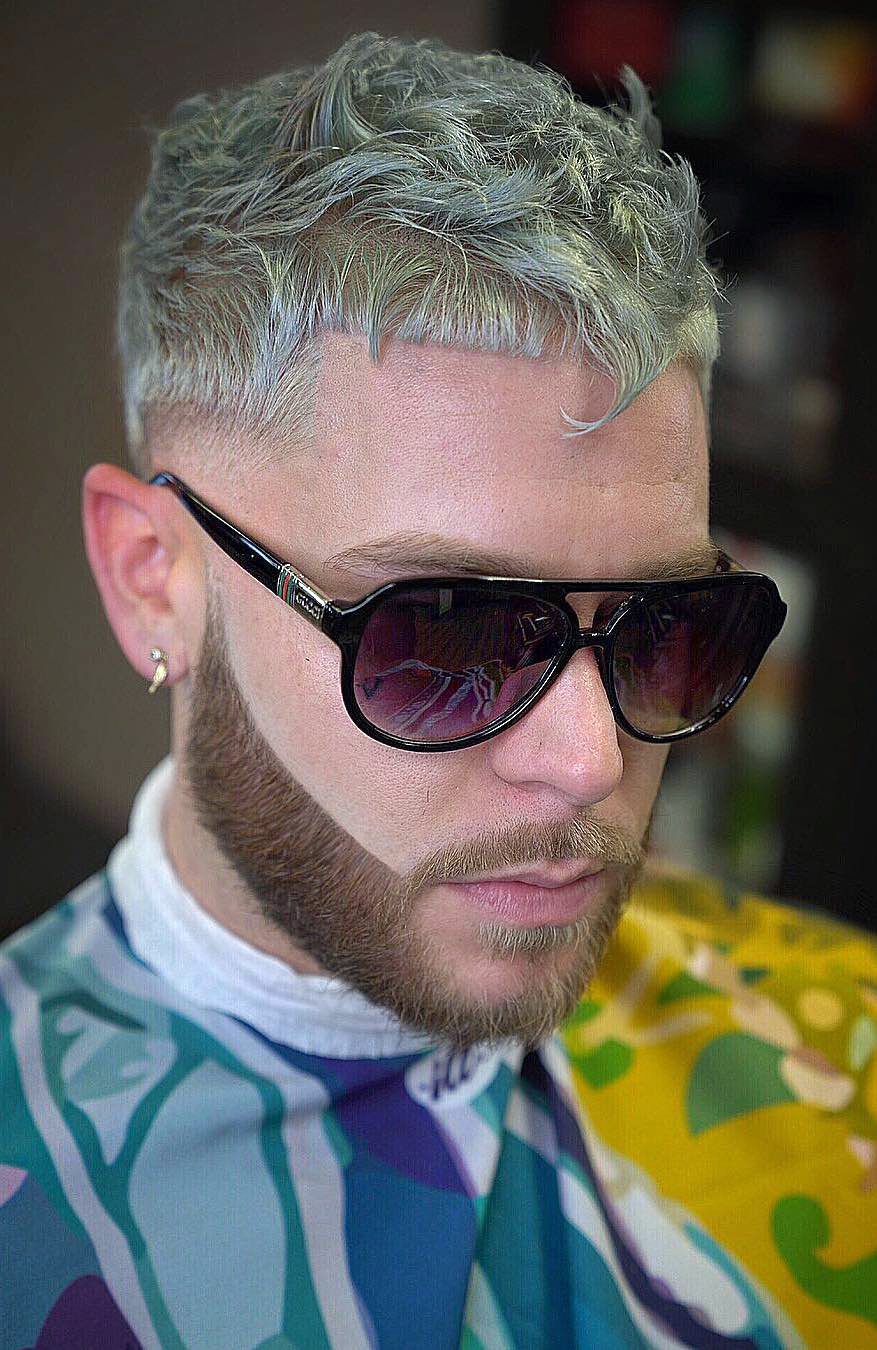
Short Fringe with Overhang
This is another kind of style you don’t see too often but that’s guaranteed to make you stand out in a crowd. The neat, lined up fringe is broken up by tufts of hair that hang down irregularly.
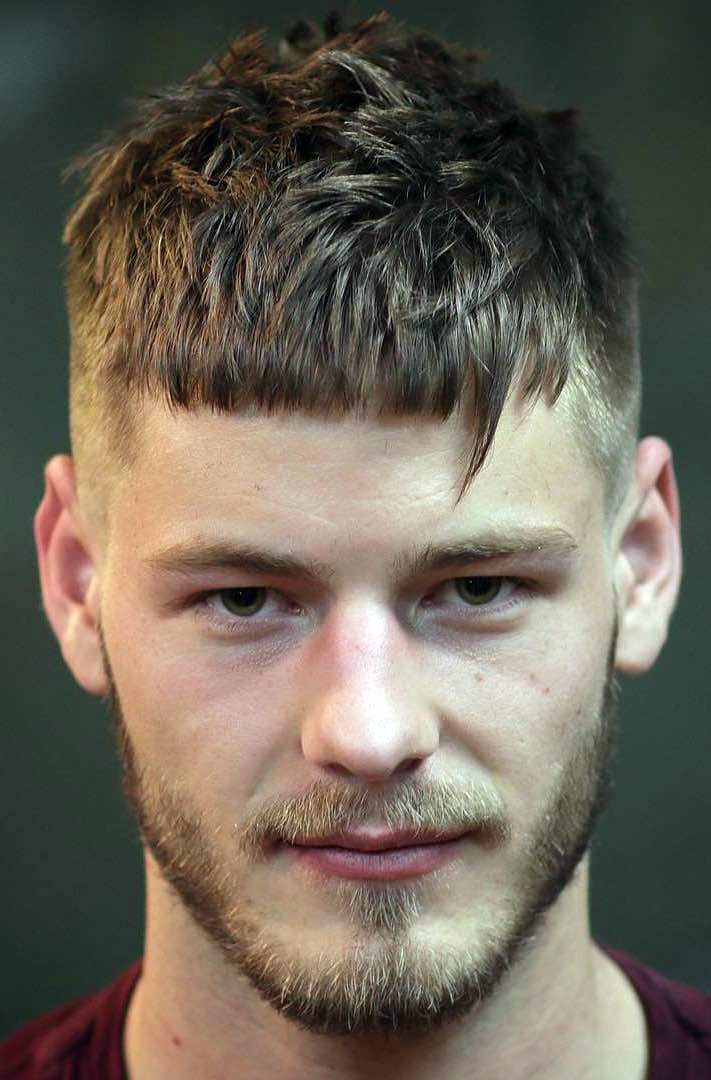
Mens haircuts with fringe: Thorny Pocky Fringe
This short fringe style is textured and layered, creating a woven effect on the top of the head and a thorny effect for the fringe itself. The long fang on the side, although asymmetrical, helps to balance out the overall cut.
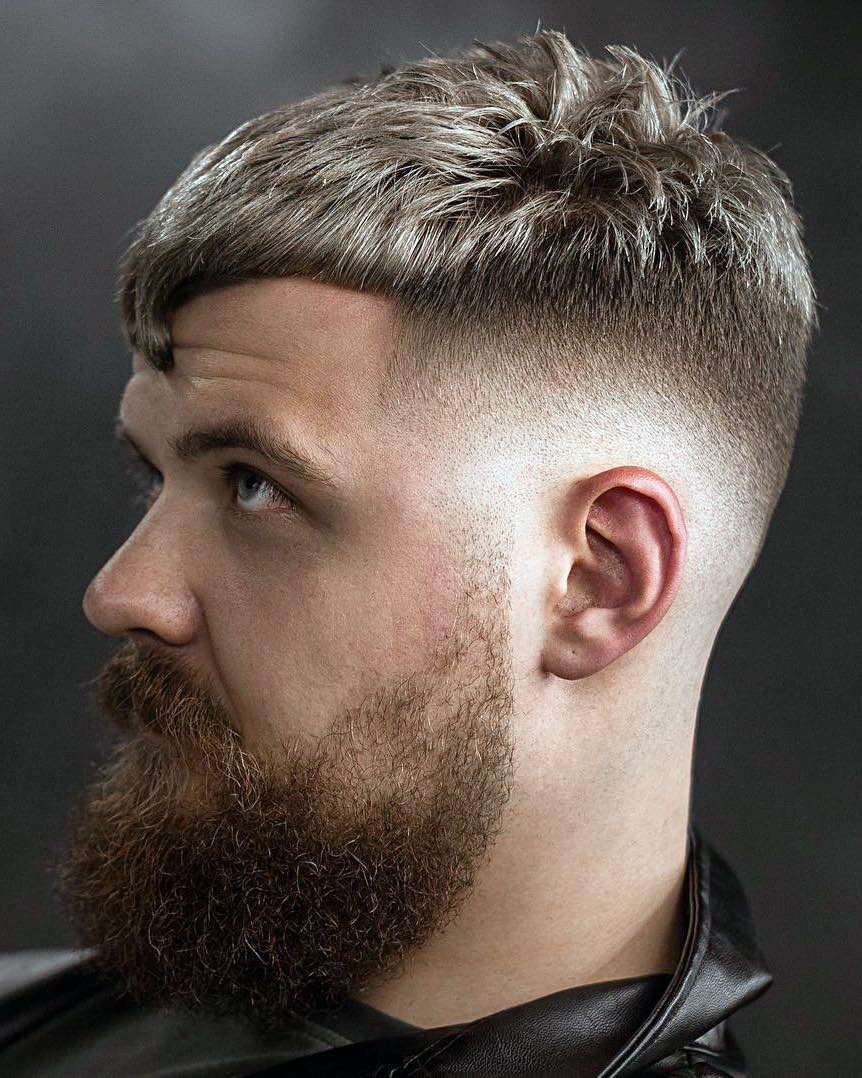
That Golden Arc
This is a neat, refined fringe haircut that works with a variety of hair types and personal styles. The high fade pulls a lot of the weight by ensuring the hair isn’t too rambunctious.
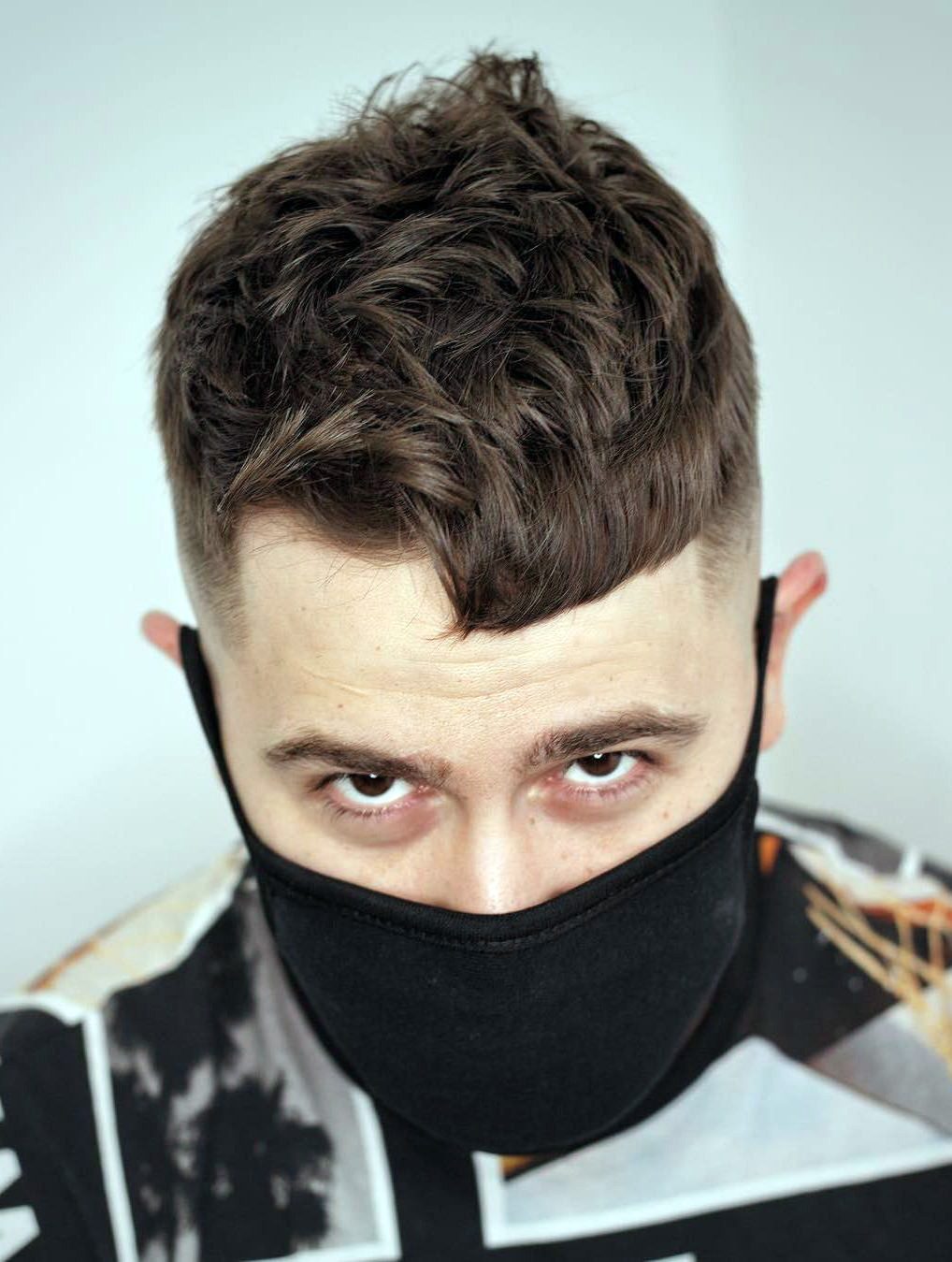
Stranded Fringe with Side Brushed Curls
Looking for texture and motion? This style’s got plenty. The asymmetrical fringe is the highlight, offering a twist on the messy look.
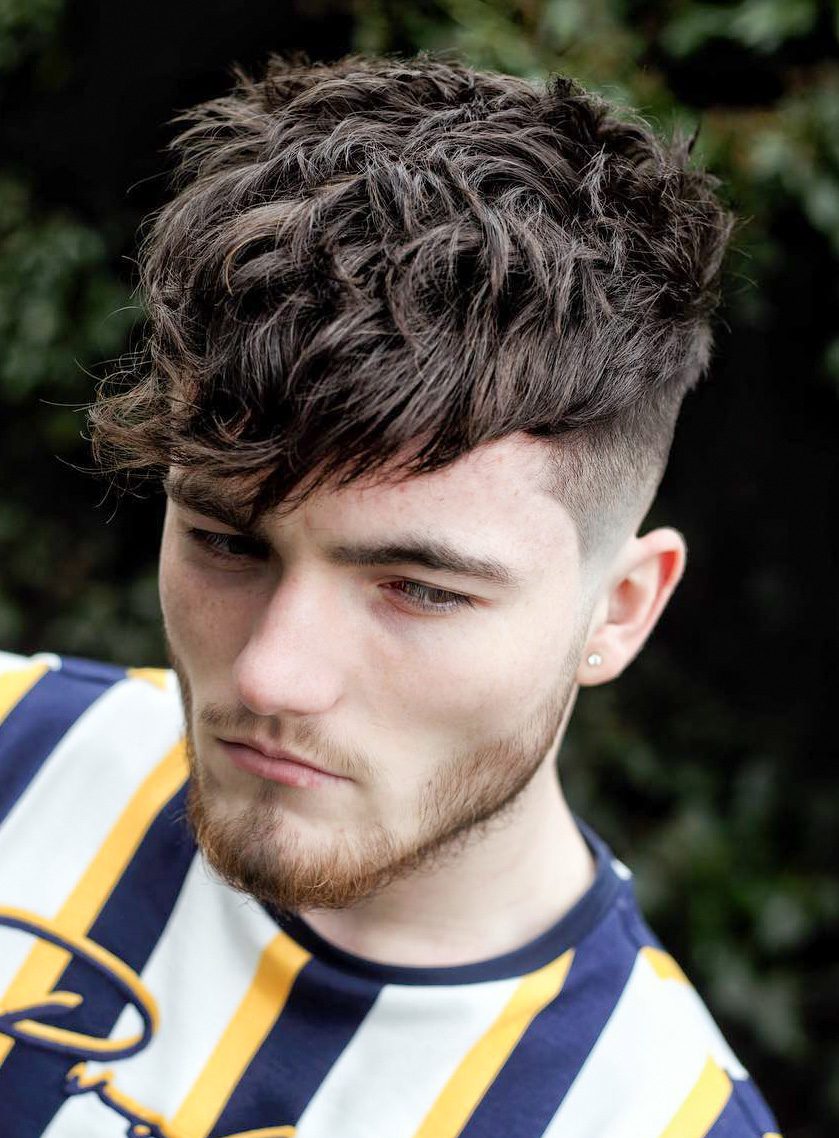
Medium Fade and Long Pointy Fringe
Rich and full of movement, this luscious style is an excellent choice for men with thicker hair. The fringe naturally grows from the textured body and extends forward gracefully.
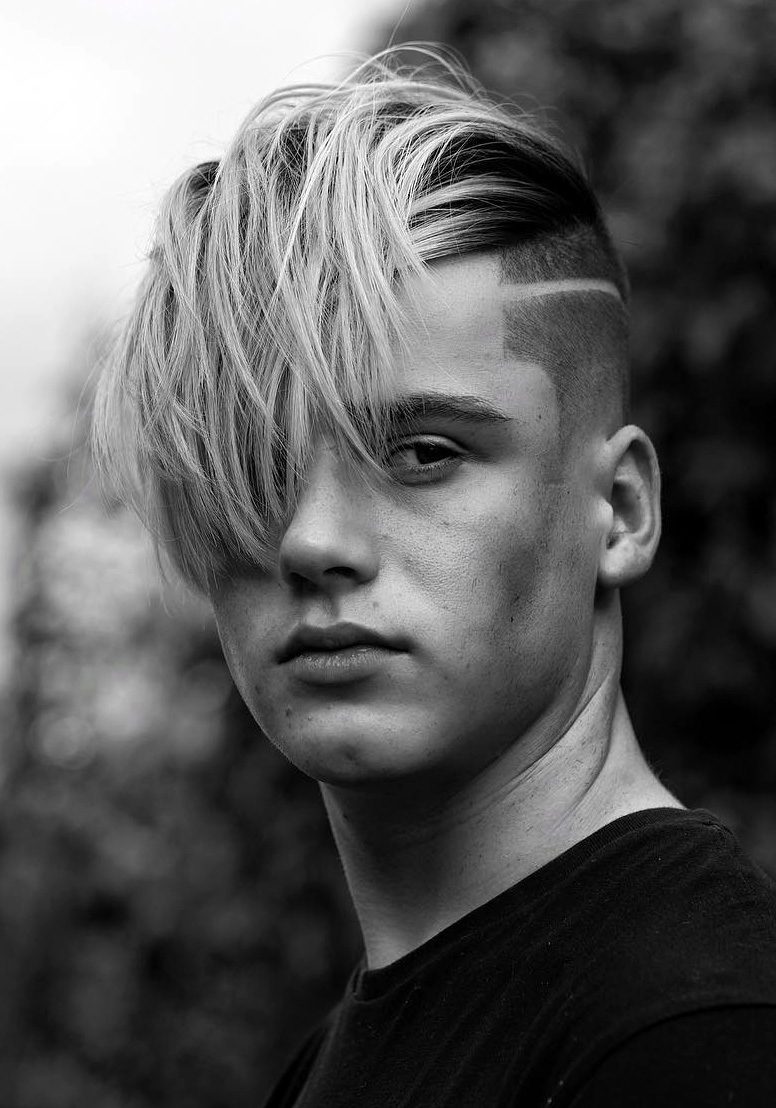
Long Alternative Punk Fringe and Undercut
This cut features one of the longest fringes on this list, and it’s immediately eye-catching. The fringe hangs all the way down to the tip of the nose, while the sides are trimmed super short for contrast.
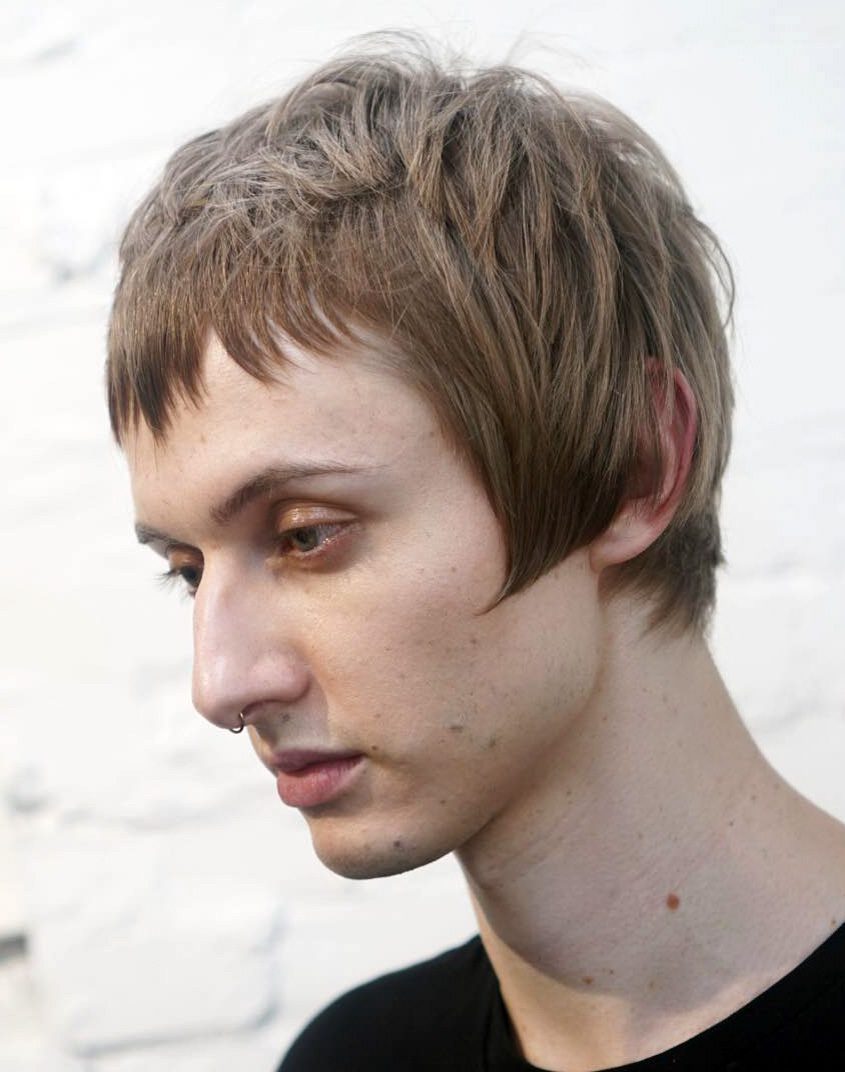
Overgrown Side-Burns on Caesar and Choppy Fringe
Based on the close-cropped Caesar, this cut features a mix of choppy and flowing hair in different spots to create various textures.
What Is a Fringe Haircut?
A fringe haircut is a men’s hairstyle where the hair at the front is left long enough to fall or be styled forward over the forehead. In the United States, this style is often called bangs, while “fringe” is more commonly used in the UK and other parts of the world.
The fringe can be cut straight across, angled, textured, choppy, curved, or left long enough to sweep across the forehead. The sides and back can be combined with a fade, taper, undercut, or scissor cut depending on the look you’re after.
One of the biggest advantages of a fringe is its versatility. A short textured fringe can create a low-maintenance appearance, while a longer fringe can provide more styling options. Fringe hairstyles can also work with straight, wavy, curly, and thick hair.
Because the front of the hair frames the forehead and upper face, changing the length and shape of the fringe can significantly alter the overall appearance of a haircut.
Men's Fringe Haircuts by Hair Type
Your hair type can have a bigger impact on a fringe haircut than you might expect. Straight, wavy, curly, thick, and fine hair all behave differently, so the same fringe won’t look or style the same on everyone.
The best men’s fringe haircut works with your natural texture instead of forcing your hair into a shape it doesn’t naturally want to hold. When choosing a fringe, consider how your hair falls when it is dry, how much volume it naturally has, and how much time you’re willing to spend styling it.
Fringe Haircuts for Straight Hair
Straight hair is particularly versatile for men’s fringe hairstyles because it can create clean, defined shapes. A straight fringe can fall neatly across the forehead, while a textured cut can add movement and prevent the hairstyle from looking too flat or uniform.
For a classic appearance, try a straight fringe with tapered sides or a short French crop. For something more modern, a textured fringe with a low or mid fade can create additional contrast.
Men with very straight hair may find that longer fringes naturally fall forward, making them relatively easy to style. If your hair tends to be flat, ask your barber to add texture or layers rather than relying on heavy styling products to create volume.
Fringe Haircuts for Wavy Hair
Wavy hair can give a fringe natural movement and texture without requiring much product. Rather than trying to make every strand fall in exactly the same direction, work with your natural waves.
A messy wavy fringe can create a relaxed appearance, while a textured fringe with tapered sides provides a cleaner silhouette. A longer fringe can also be swept slightly to one side to emphasize the natural movement of the hair.
Avoid overloading wavy hair with heavy products, which can weigh down the waves. A lightweight styling cream or matte product can help define the texture while keeping the hairstyle natural.
Fringe Haircuts for Curly Hair
Curly hair can make a men’s fringe especially distinctive because the curls naturally create volume, texture, and movement around the forehead.
A curly fringe can be worn short and controlled or left longer for a more noticeable effect. Pairing curls with a taper or fade creates contrast between the textured top and cleaner sides.
Keep in mind that curly hair often appears shorter when dry because of curl shrinkage. Your barber should account for this when deciding how long to leave the fringe.
For styling, enhance your natural curls rather than brushing them flat. A curl cream or lightweight styling product can help define the curls while controlling frizz.
Fringe Haircuts for Thick Hair
Thick hair provides plenty of volume for a fringe, but excessive weight can make the front difficult to control. The right amount of texturizing can make a major difference.
A textured fringe works particularly well for thick hair because removing some bulk allows the individual strands to move more naturally. A French crop, choppy fringe, or messy textured fringe can all work well.
You can also pair thick fringe hair with a fade or taper. Keeping the sides shorter removes some visual weight and makes the hairstyle easier to manage.
When getting the haircut, tell your barber if your main concern is reducing bulk. Thinning or texturizing should be done carefully so the fringe doesn’t become too light or uneven.
Fringe Haircuts for Fine Hair
Fine hair can work well with a fringe, particularly when the haircut is designed to create texture and the appearance of volume.
A short textured fringe can make fine hair look fuller by creating separation between individual sections. Keeping some length on top can also give you more styling options.
Avoid using too much heavy wax, pomade, or other products that can make fine hair look flat. Lightweight matte products or texture powders can provide definition without adding excessive weight.
A textured crop with a fringe and tapered sides is a particularly practical choice for fine hair because the haircut provides structure without requiring significant volume.
Fringe Haircuts for Coarse Hair
Coarse hair often has plenty of natural body, which can make it ideal for fuller fringe hairstyles. However, coarse strands can also be more difficult to control if the fringe is cut too short or left with excessive weight.
A slightly longer textured fringe can help the hair sit more naturally. A barber can also remove strategic weight to make the front easier to style without eliminating its natural volume.
Matte styling products generally work well because they provide control while maintaining the natural appearance of coarse hair.
Fringe Haircuts for Thin Hair
If your hair is thinning, a fringe can sometimes be used to create additional coverage around the forehead. The right length and texture can help the hair appear fuller without making it look overly heavy.
A short textured fringe can be a good starting point. Ask your barber to avoid creating an extremely blunt or heavy line, as this can sometimes emphasize differences in density.
If you’re specifically looking to use a fringe to cover areas of thinning hair, discuss the desired result with your barber before deciding on the length.
Fringe Haircuts for Receding Hairlines
A fringe can sometimes help reduce the visibility of a receding hairline by bringing some hair forward toward the forehead. However, the ideal approach depends on the shape of your hairline and how much density remains at the front.
A textured or slightly messy fringe can create a natural transition rather than making the hair look as though it has been deliberately positioned to cover the hairline.
Shorter textured styles can also be easier to maintain than trying to grow an extremely long fringe. Your barber can help determine whether a fringe is suitable for your particular hairline.
Fringe Haircuts for Medium-Density Hair
Medium-density hair offers a lot of flexibility. You can generally experiment with straight, textured, messy, angular, side-swept, and French crop-inspired fringes without needing significant adjustments for excessive thickness or lack of volume.
A medium-length textured fringe is a particularly versatile choice because it can be styled forward, slightly to the side, or left messy depending on your preference.
This hair type also gives you plenty of freedom to experiment with fades, tapers, undercuts, and longer hairstyles.
Fringe Haircuts for Short Hair
Short hair and fringe can create a clean, low-maintenance combination. A short fringe can be paired with a fade, taper, or closely cropped sides for a sharp appearance.
The Caesar and French crop are two classic examples of short hairstyles that use a defined fringe. A textured finish can make the look more modern and prevent it from appearing overly rigid.
If you don’t want to spend much time styling your hair, tell your barber you want a fringe that can be worn naturally with minimal product.
Fringe Haircuts for Medium-Length Hair
Medium-length hair provides more freedom with fringe length and direction. You can wear the fringe forward, sweep it to one side, add texture, or allow it to blend into longer layers.
A long textured fringe can create a relaxed appearance, while a side-swept fringe provides a more polished option. Medium-length wavy or curly hair can also create particularly distinctive fringe styles because of its natural movement.
If versatility is your priority, medium-length hair is one of the best lengths for experimenting with different fringe hairstyles.
Fringe Haircuts for Long Hair
Long hair allows the fringe to become a major feature of the hairstyle. Instead of stopping at the eyebrows, a longer fringe can extend toward the eyes or blend into the sides.
Long fringes work particularly well with layered, shaggy, curtain-inspired, and alternative hairstyles. They can also be swept to either side when you want the option of keeping your forehead more exposed.
Because longer fringes can become heavy, regular trimming and appropriate layering can help maintain movement.
Choosing a Fringe Based on Your Hair Type
If you’re not sure which fringe to choose, use your natural texture as a starting point:
- Straight hair: Try a straight, textured, French crop, or side-swept fringe.
- Wavy hair: Emphasize your natural movement with a messy or textured fringe.
- Curly hair: Let the curls define the fringe and pair it with a taper or fade.
- Thick hair: Use texturizing to control bulk and create movement.
- Fine hair: Choose a shorter textured fringe and lightweight styling products.
- Coarse hair: Try a slightly longer fringe with strategic weight removal.
- Thinning hair: Consider a natural-looking textured fringe rather than an overly heavy style.
- Short hair: A cropped or Caesar-inspired fringe offers a clean, low-maintenance option.
- Medium-length hair: Experiment with textured, side-swept, or longer fringes.
- Long hair: Use layers and length to create a sweeping or blended fringe.
The Best Fringe Is the One That Works With Your Hair
There’s no single fringe haircut that works best for every man. Your natural texture, density, growth pattern, and styling habits should all influence the final cut.
Instead of bringing your barber a photo and asking for an exact copy, use reference images to show the length, texture, and overall shape you like. Your barber can then adapt those elements to your particular hair type.
The right fringe should make your hair easier—not harder—to manage. When the cut works with your natural texture, you can spend less time fighting your hair and more time enjoying the finished hairstyle.
How to Style a Men's Fringe
A great fringe haircut can look completely different depending on how you style it. Some men’s fringe hairstyles are designed to fall naturally over the forehead, while others need a little blow-drying and styling product to create texture, volume, or direction.
The good news is that most fringe hairstyles don’t require a complicated routine. The right technique depends mainly on your hair type, fringe length, and the finish you want.
Start With Damp Hair
Begin with freshly washed or slightly damp hair. You don’t need your hair to be soaking wet; towel-dried hair is usually easier to control.
Use your fingers or a wide-tooth comb to position the fringe approximately where you want it to sit. Starting with the hair in the correct direction makes the rest of the styling process easier.
Blow-Dry the Fringe Into Place
A blow dryer can make a significant difference, especially if your hair naturally grows in a different direction from your desired fringe.
For a straight fringe, direct the air downward while gently guiding the hair toward your forehead.
For a side-swept fringe, direct the airflow diagonally toward the side where you want the hair to fall.
For a textured fringe, use your fingers while blow-drying rather than creating a perfectly smooth finish.
If your hair is fine or tends to fall flat, lifting the roots slightly while drying can create additional volume.
Add a Small Amount of Styling Product
Once your hair is dry, use a small amount of styling product to finish the look. Start with less than you think you need—you can always add more.
Matte clay or paste works well for textured and messy fringe hairstyles because it provides definition without making the hair look overly shiny.
Styling cream can be useful for softer, more natural-looking fringes.
Pomade can create a smoother and more polished finish, particularly for classic or side-swept styles.
Texture powder can add volume and separation to fine or straight hair without weighing the fringe down.
Work the product between your fingertips first, then distribute it through the hair. Concentrate on the fringe and roots rather than coating the entire hairstyle.
How to Style a Textured Fringe
A textured fringe works best when it doesn’t look overly perfect.
Apply a small amount of matte clay or paste and work it through the front using your fingertips. Pinch small sections of the fringe to create separation, then allow some pieces to fall naturally.
The goal is movement rather than uniformity. Slightly uneven strands can make the haircut look more modern and effortless.
How to Style a Straight Fringe
For a straight fringe, use a blow dryer to direct the hair forward. A comb can help create a clean, consistent shape, while your fingers can produce a slightly more relaxed finish.
Keep the product lightweight. Too much heavy styling product can make a straight fringe look greasy or cause it to separate into unwanted sections.
How to Style a Side-Swept Fringe
A side-swept fringe needs a little more direction than a straight or textured fringe.
While the hair is damp, use a blow dryer to move the fringe diagonally across the forehead. Once it is dry, apply a small amount of styling cream, paste, or pomade to keep the shape in place.
The longer the fringe, the more flexibility you’ll have with the direction and amount of movement.
How to Style a Curly Fringe
Curly hair generally looks best when you work with its natural texture rather than trying to force it into a completely different shape.
Apply a curl-enhancing cream or lightweight styling product to damp hair. Gently scrunch the fringe and allow the curls to form naturally. If you use a blow dryer, a diffuser can help reduce excessive disturbance to the curl pattern.
Avoid brushing the fringe aggressively once the curls have formed, as this can create unwanted frizz.
How to Style a Messy Fringe
A messy fringe should look intentionally relaxed rather than completely unstyled.
After blow-drying, apply a small amount of matte product and use your fingers to push sections of the fringe forward and slightly apart. Leave some strands longer and more defined than others.
This works particularly well with textured or layered hair because the natural variation in length creates additional movement.
How to Style a French Crop Fringe
The French crop is typically easier to maintain than longer fringe styles. The hair is generally styled forward, with texture added to the top and fringe.
Apply a small amount of matte clay or paste and work it through the top of the hair. Push the fringe forward with your fingers, then separate a few sections to create texture.
You don’t need a perfectly uniform finish. Slight irregularity can make the crop look more modern.
How to Style a Fringe With a Fade
When your fringe is paired with a fade, the contrast between the longer top and shorter sides becomes an important part of the hairstyle.
Keep the styling focused primarily on the top and fringe. A textured or matte finish can emphasize the contrast, while a smoother finish creates a cleaner appearance.
The fade itself generally requires little daily styling, although regular barber visits are needed to keep the sides and neckline sharp.
How Often Should You Style a Fringe?
That depends on your haircut and natural hair texture. Some short, textured fringes can be shaped in a few minutes using your fingers and a small amount of product. Longer or more directional fringes may require blow-drying each morning.
If you want a low-maintenance hairstyle, tell your barber that you prefer a fringe that can be styled with minimal effort. They can adjust the length and texture to work with the way your hair naturally falls.
Common Men’s Fringe Styling Mistakes
Avoid using too much product. Heavy amounts can flatten the fringe, make fine hair look greasy, and remove natural movement.
It’s also important not to fight your natural hair pattern unnecessarily. If your hair naturally grows toward one side, a side-swept fringe may be easier to maintain than forcing it straight forward every morning.
Finally, don’t overlook the haircut itself. If your fringe is difficult to style even with the right technique, the problem may be the length, weight, or shape of the cut rather than the styling product.
The Key to a Great Fringe
The best men’s fringe hairstyles combine the right haircut with the right styling technique. Start with damp hair, use a blow dryer when you need additional direction or volume, and finish with a small amount of product.
Whether you prefer a textured fringe, messy fringe, straight fringe, curly fringe, side-swept style, or French crop, keep the finish appropriate to the haircut and your natural hair texture.
A good fringe shouldn’t require you to completely reshape your hair every morning. The ideal cut should work with your natural growth pattern and make your daily styling routine easier.
Final Thoughts
A fringe is one of the most versatile elements you can add to a men’s haircut. Whether you prefer a short French crop, textured fringe, messy bangs, a longer side-swept style, or a fringe paired with a fade, there are plenty of ways to make the look your own.
The most important thing is to choose a fringe that works with your hair type, face shape, natural texture, and lifestyle. Straight hair can create clean, defined fringes, while wavy and curly hair can use natural movement to create texture. Thick hair may benefit from strategic texturizing, while fine hair can often look fuller with a shorter, carefully shaped fringe.
Your desired level of maintenance matters too. A short textured fringe can be relatively easy to manage, while longer or more directional styles may require additional styling each morning. Talk to your barber about how you normally wear your hair and how much time you’re willing to spend styling it.
Don’t be afraid to experiment. Small changes to the length, texture, direction, or sides of a fringe can completely change the appearance of the haircut. Use the styles in this guide as inspiration, find a few reference photos you like, and ask your barber to adapt the look to your hair.
There are so many different hairstyles. You might be interested in this the best medium length hairstyles for men post.