Best Men’s Curtain Haircuts & Hairstyles for 2026
Let's travel through decades together: a beauty guide highlighting the best haircut styles
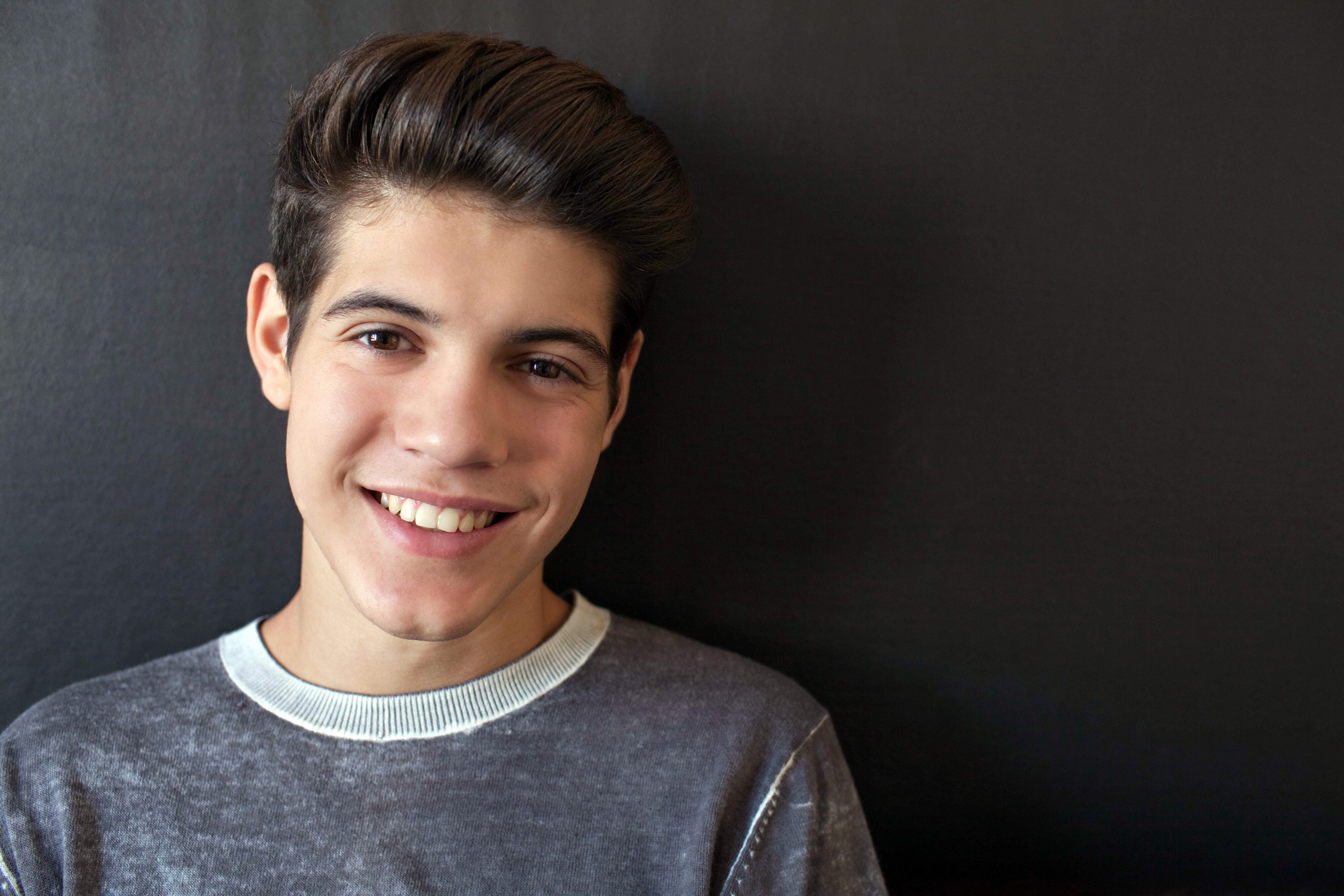
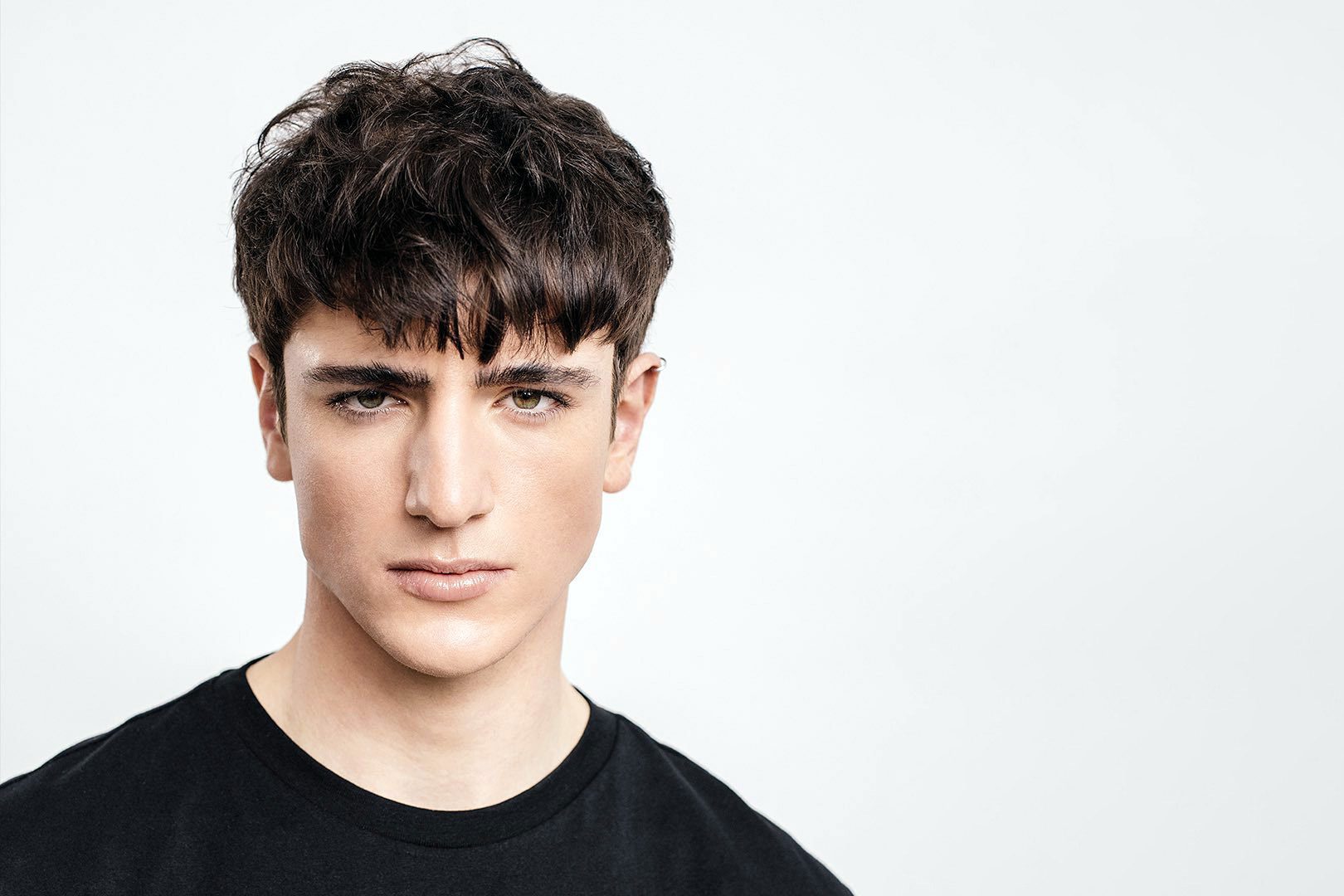
The men’s curtain haircut is a timeless hairstyle defined by a middle or slightly off-center part that allows the front hair to fall naturally on both sides of the face. Also known as curtain bangs, curtains, or a middle-part haircut, the style can range from short and textured to long, layered, wavy, and relaxed.
Curtain hairstyles became especially recognizable during the 1990s, when celebrities and musicians helped popularize the look. Today, the style has made a strong comeback with modern variations that incorporate fades, tapers, undercuts, natural texture, and Korean-inspired styling.
Whether you want a classic 90s curtain haircut, a messy surfer-inspired style, a short curtain with tapered sides, or long flowing curtains, there are plenty of ways to adapt the look to your hair type and personal style.
Below, you’ll find some of the best men’s curtain haircuts for inspiration, followed by a guide to choosing, styling, and maintaining the right curtains for you.
Curtain Bang
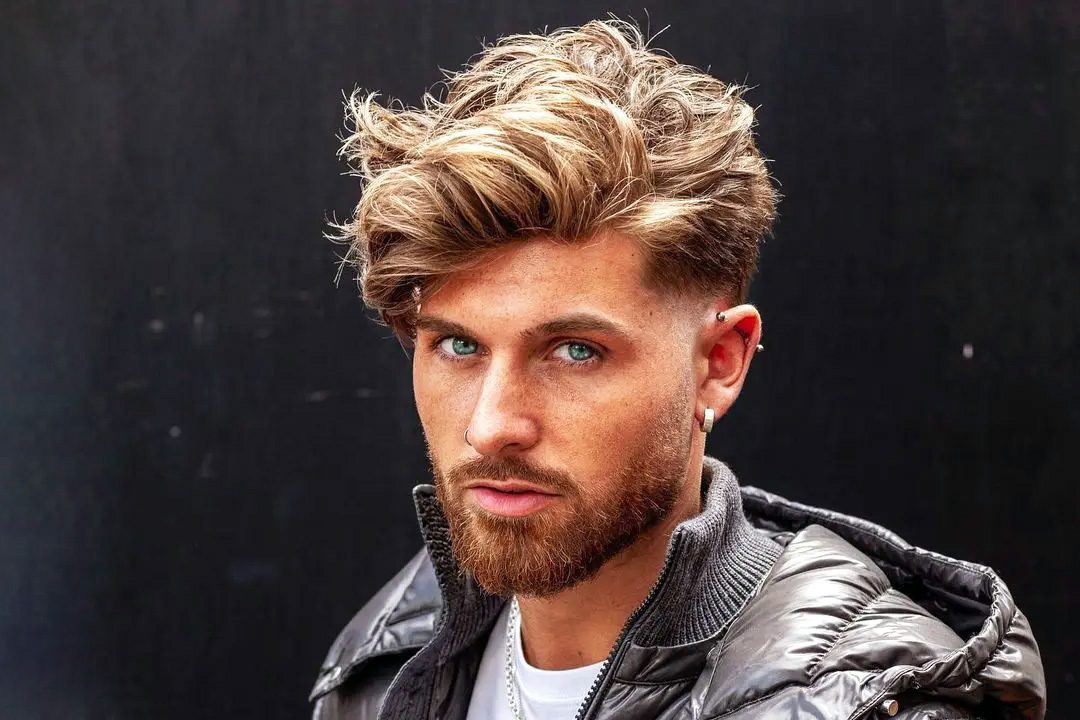
Popular amongst the younger male generation, this is a longer scissor-cut that is kept textured and messy. The front of the hair, or the fringe, is swooped out to create the look of a messy curtain-bang which adds style and shape to this cut.
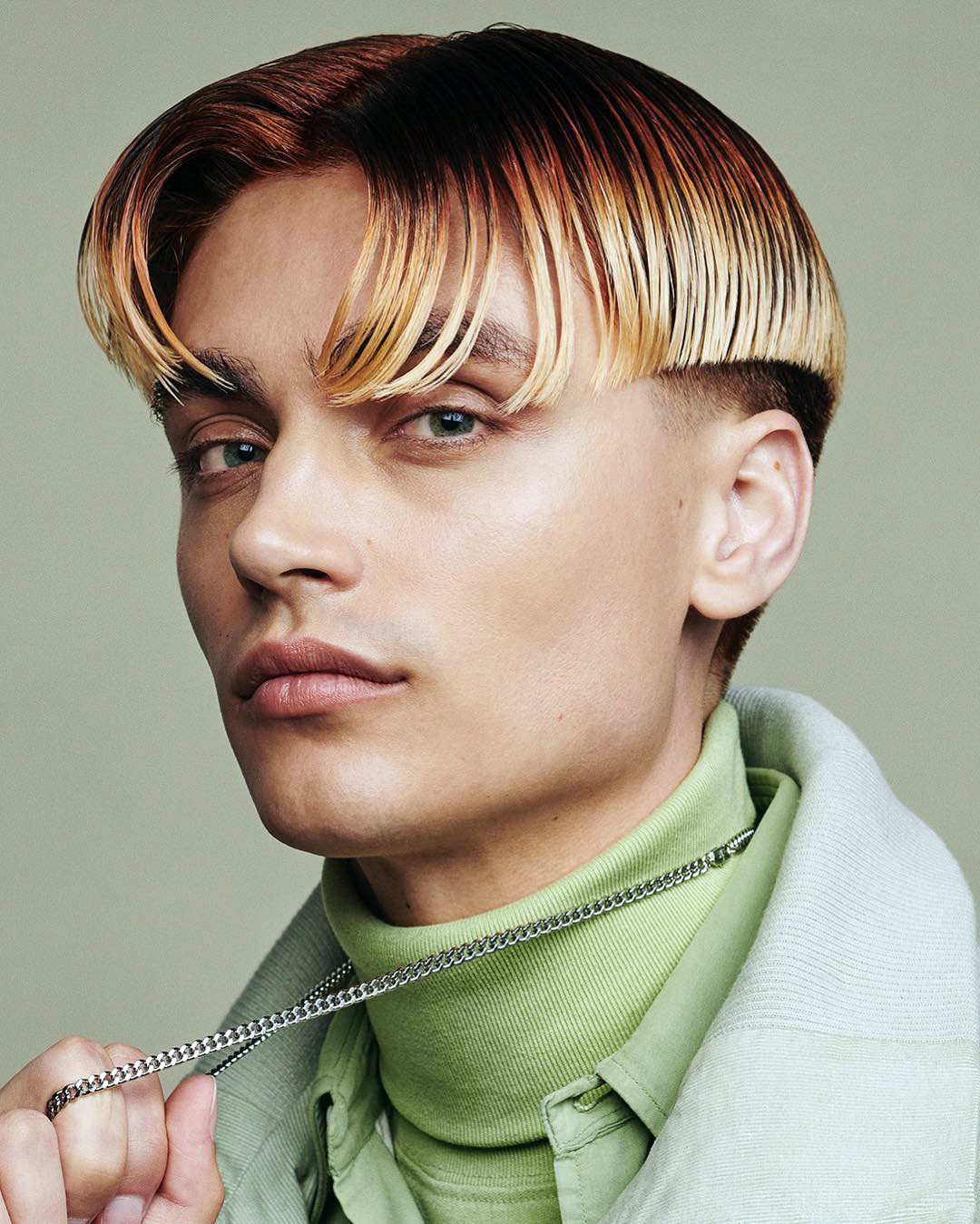
Curtain-Mushroom Ombre Hair
Back in the era of slap bracelets and portable diskmen, it seems every boy wanted to be David Beckham and every girl wanted to date Nick Carter. No flaxen-haired megastars seemed to pull off the precise mushroom-shaped curtain quite like them. The darker-haired among us can achieve a similar end with some subtle or stark ombré coloring with the help of hair bleach, another staple of the 90s. Give it a modern twist by ditching the tapered sides and take them almost all the way down to the skin like an undercut.
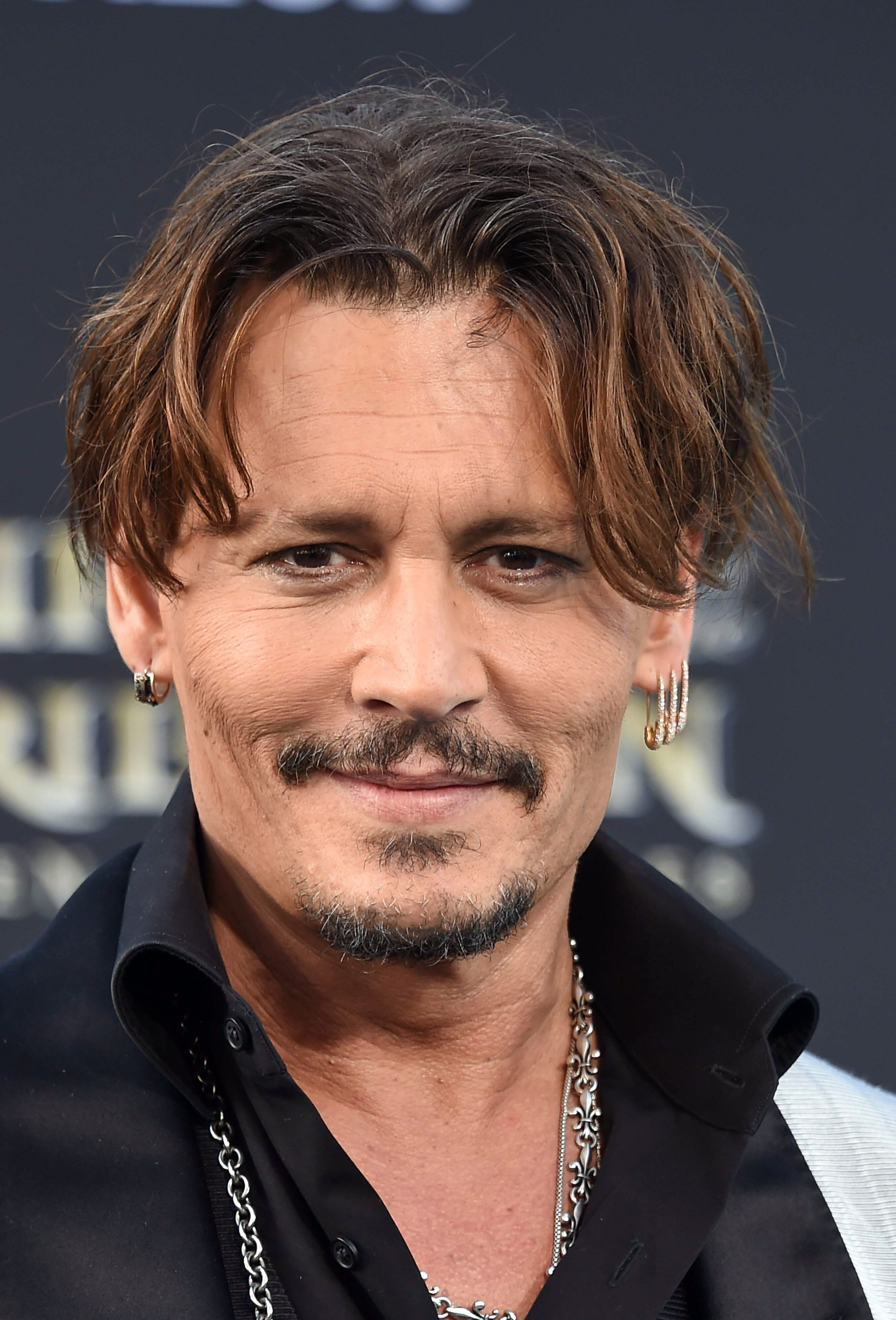
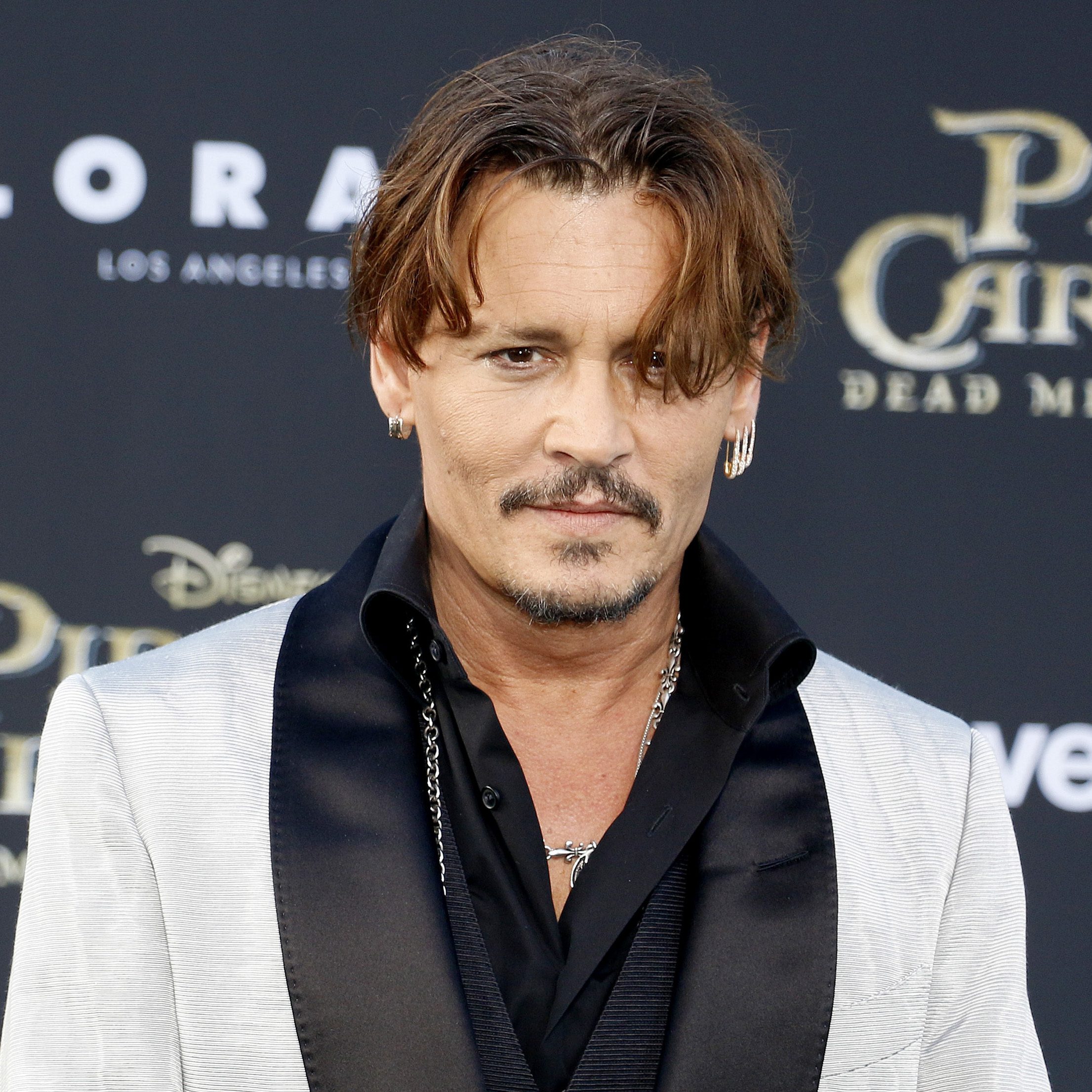
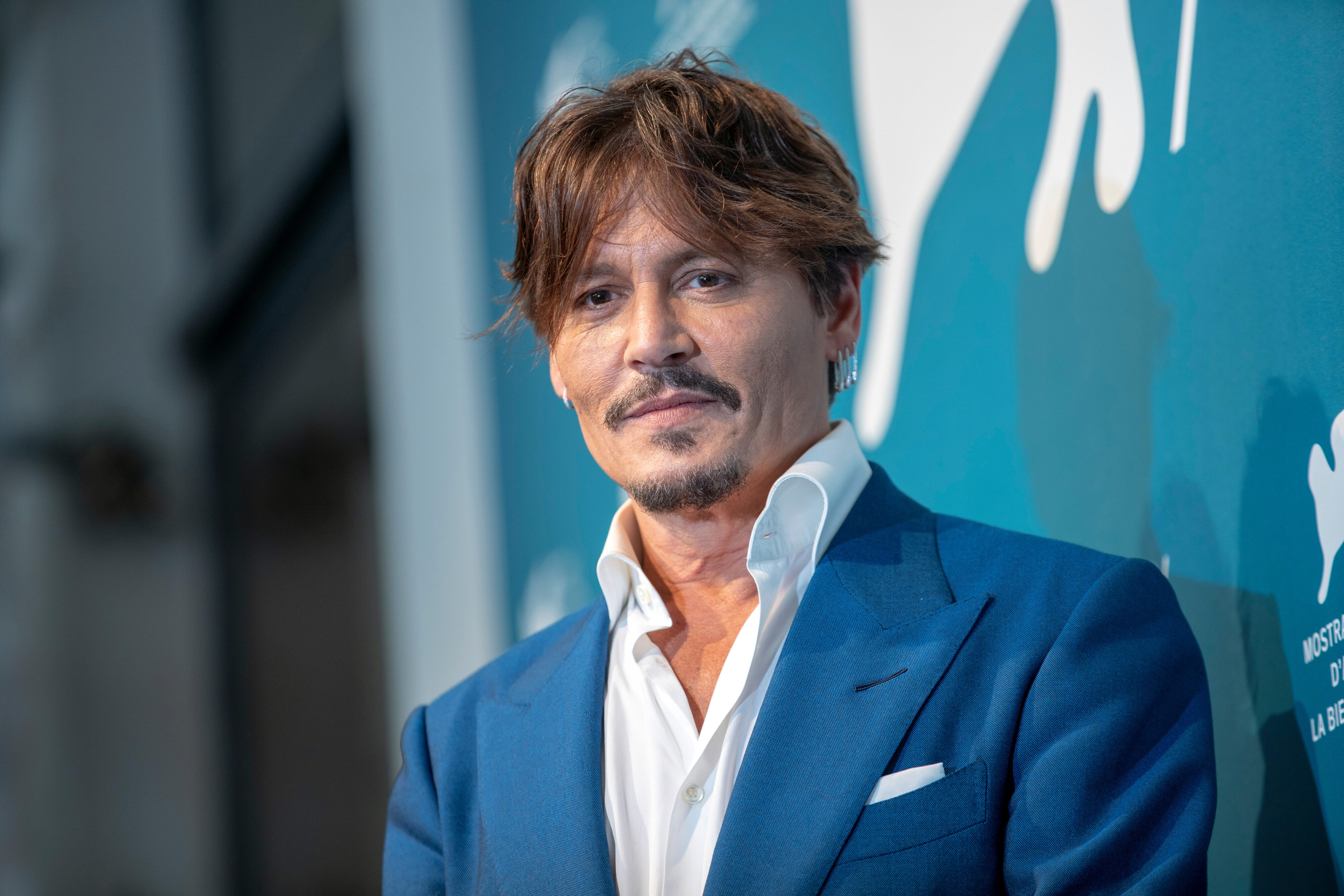
Johnny Depp's Messy Curtain Hair
Johnny Depp has been rocking the messy curtain for so long he’s a great example of both an old school and modern take on the look. As the mysterious indie heartthrob of the ‘90s, he wore it long and relaxed. Now he’s updated it with a shorter length, often incorporating an undercut, and keeping it frizzy and tousled, befitting his wild and kooky spirit.
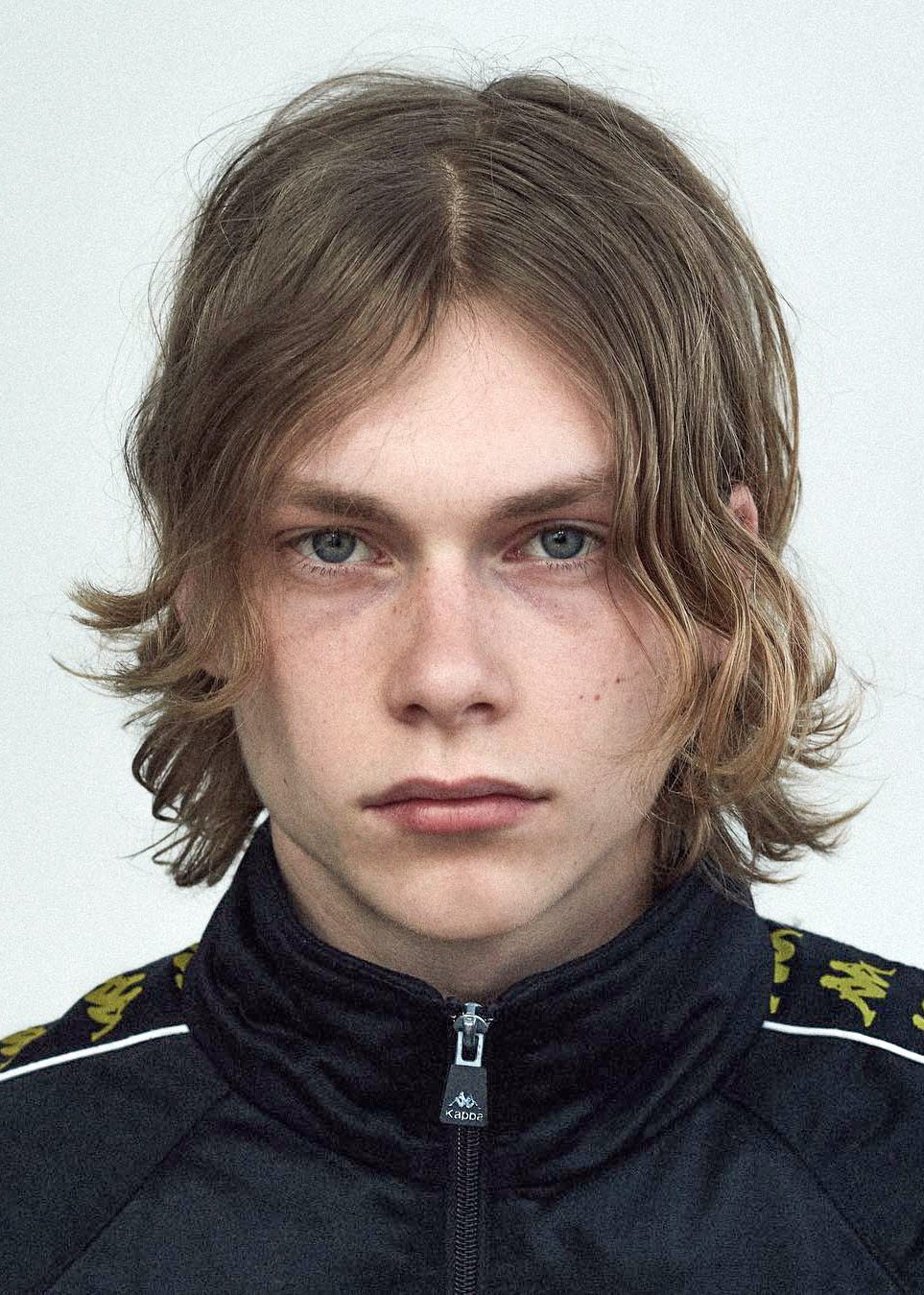
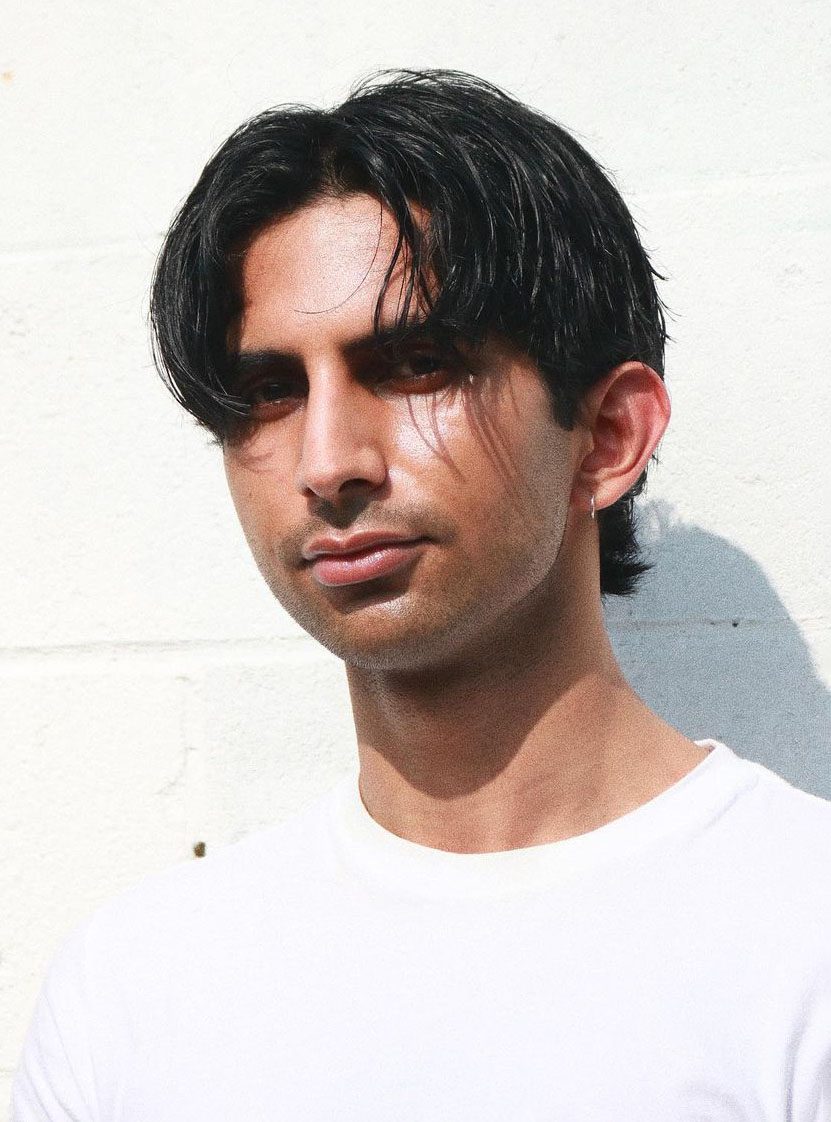
Curtain Haircut for Men: Retro Long
Reminiscent of the gloomy, rain-soaked grunge scene of Seattle, this long curtain is ideally subdued. Enough styling product to keep the locks low and close to the scalp, but not so much as to render it flat and formless. Allow a little curl to come through towards the ends to fashion a nicely shaped frame for the face, especially if that face has strong cheekbones. This low maintenance style suggests an artistic and thoughtful temperament.
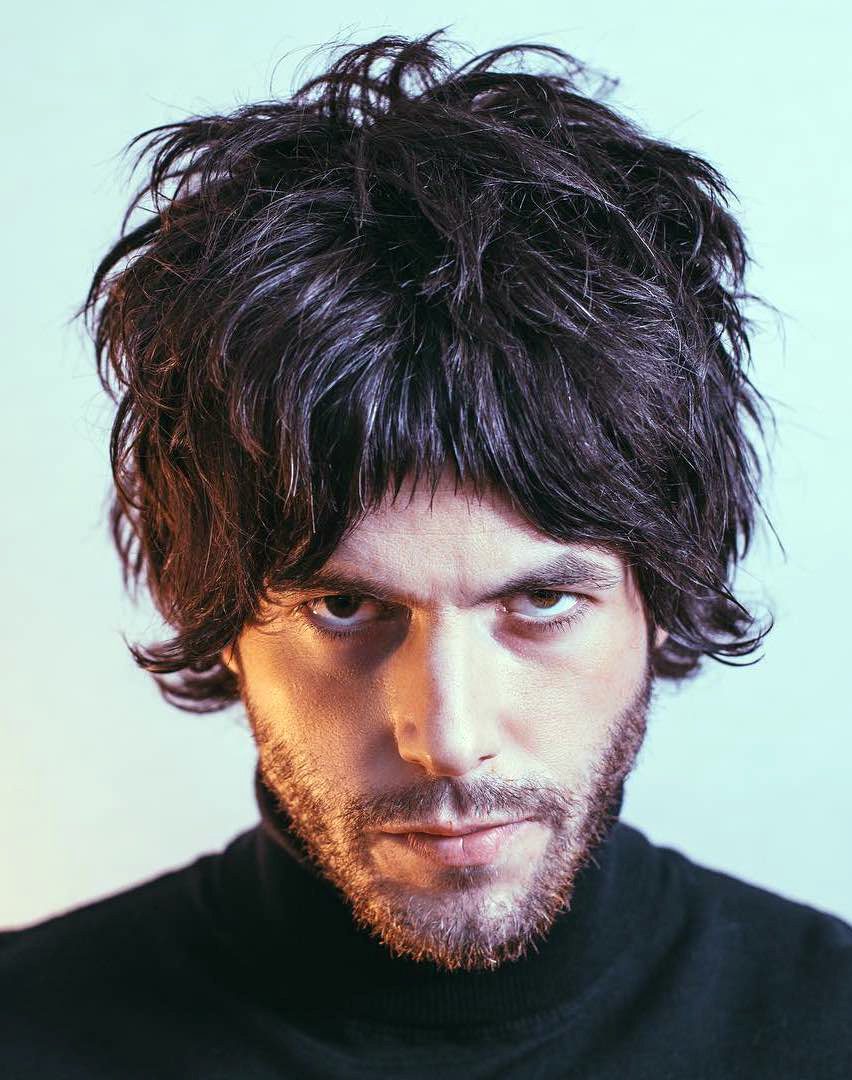
Curtain-Flow Messy
When ‘90s rockers like Oasis and The Verve first donned this look it had already been retro for decades going back to Kieth Richards in the late ‘60s. It’s a constant standby for those in somewhat edgier scenes. Although it looks wild and untamed, it is in fact heavily styled and layered to achieve that iconic messy silhouette. Exudes a very devil-may-care attitude.
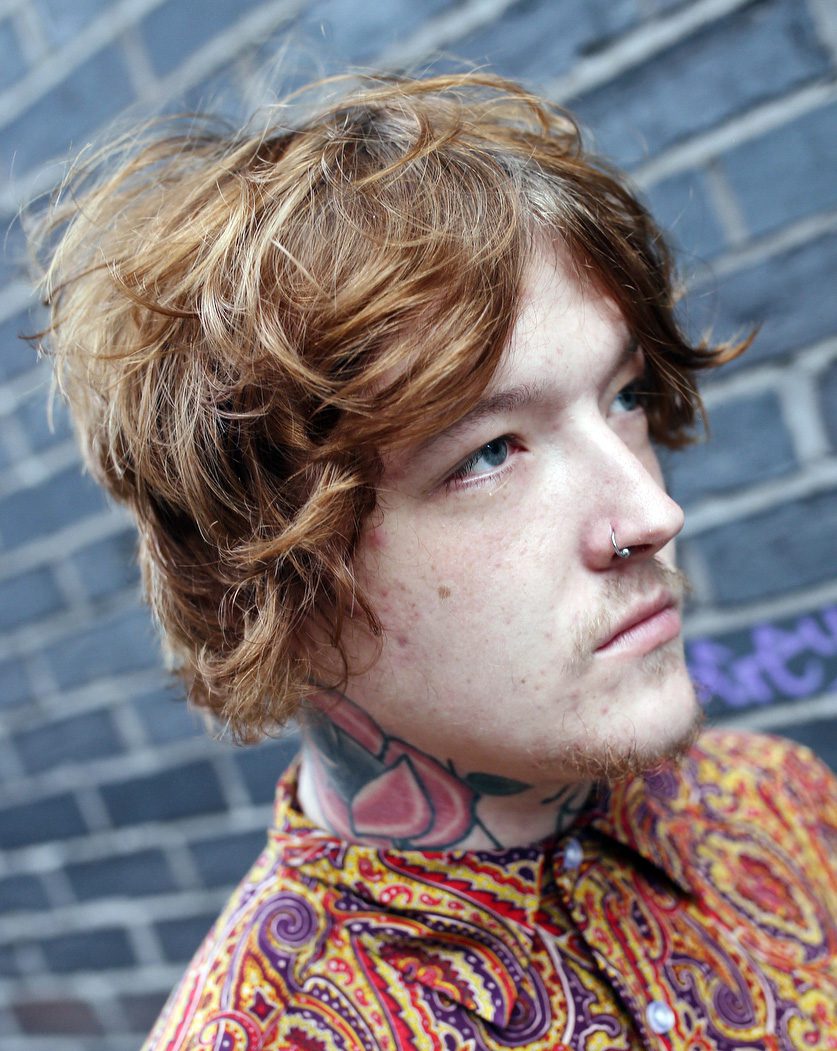
Ginger Flow with Curtain Bangs
Another messy curtain popular since the sixties, this coif builds subtle volume with wild, tousled strands and waves. It takes the complex, multi-hued nature of layered natural red hair and puts it on full blast. If the likes of David Bowie to Ed Sheeran and Domhnall Gleeson aren’t ashamed of being “kissed by fire” neither should you.
Related
Super Light Fringe
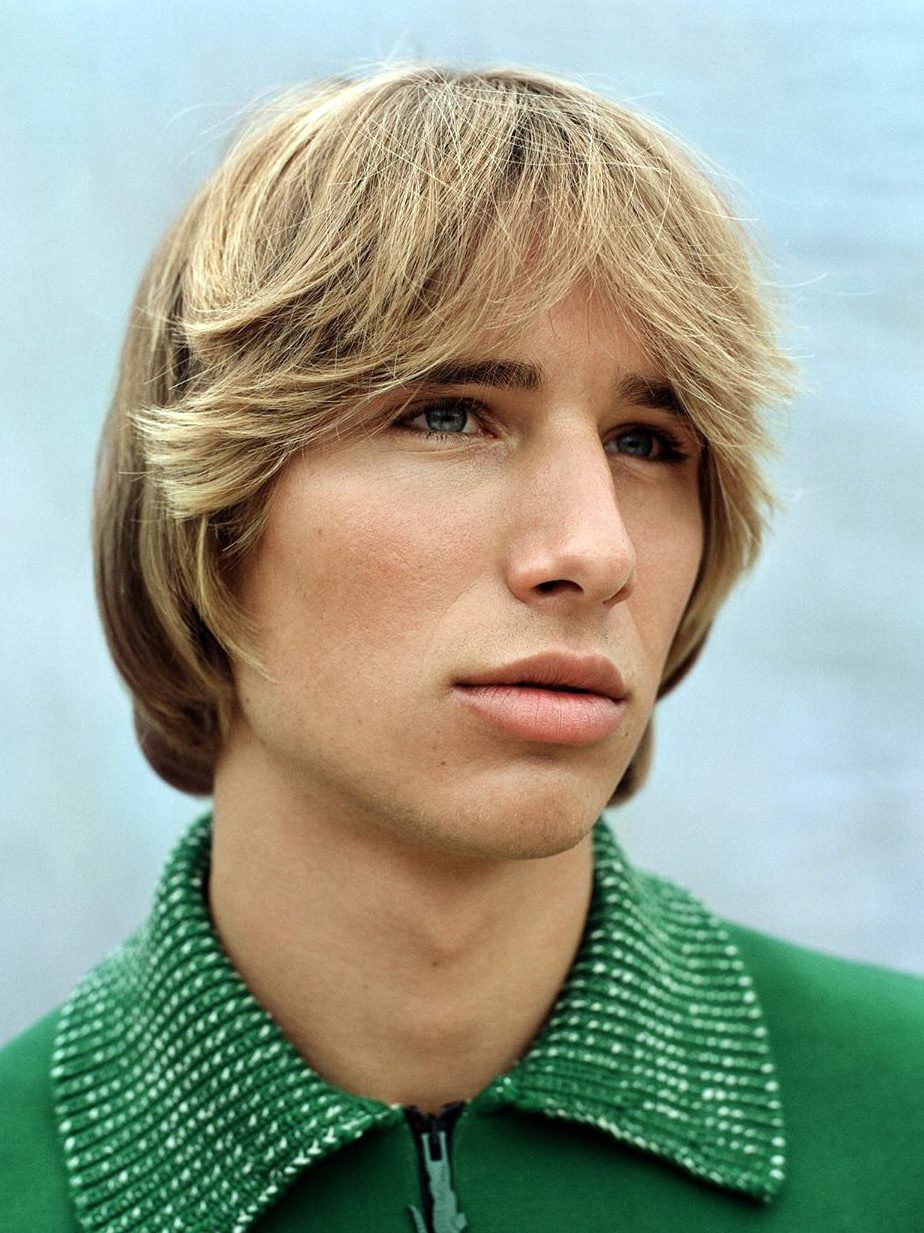
If you’re going for a ’60s or ’70s vibe, try this retro curtain style. It’s reminiscent of the Beatles mop-top but with flippy curtain bangs.
Curtain Haircut with Temple Fade
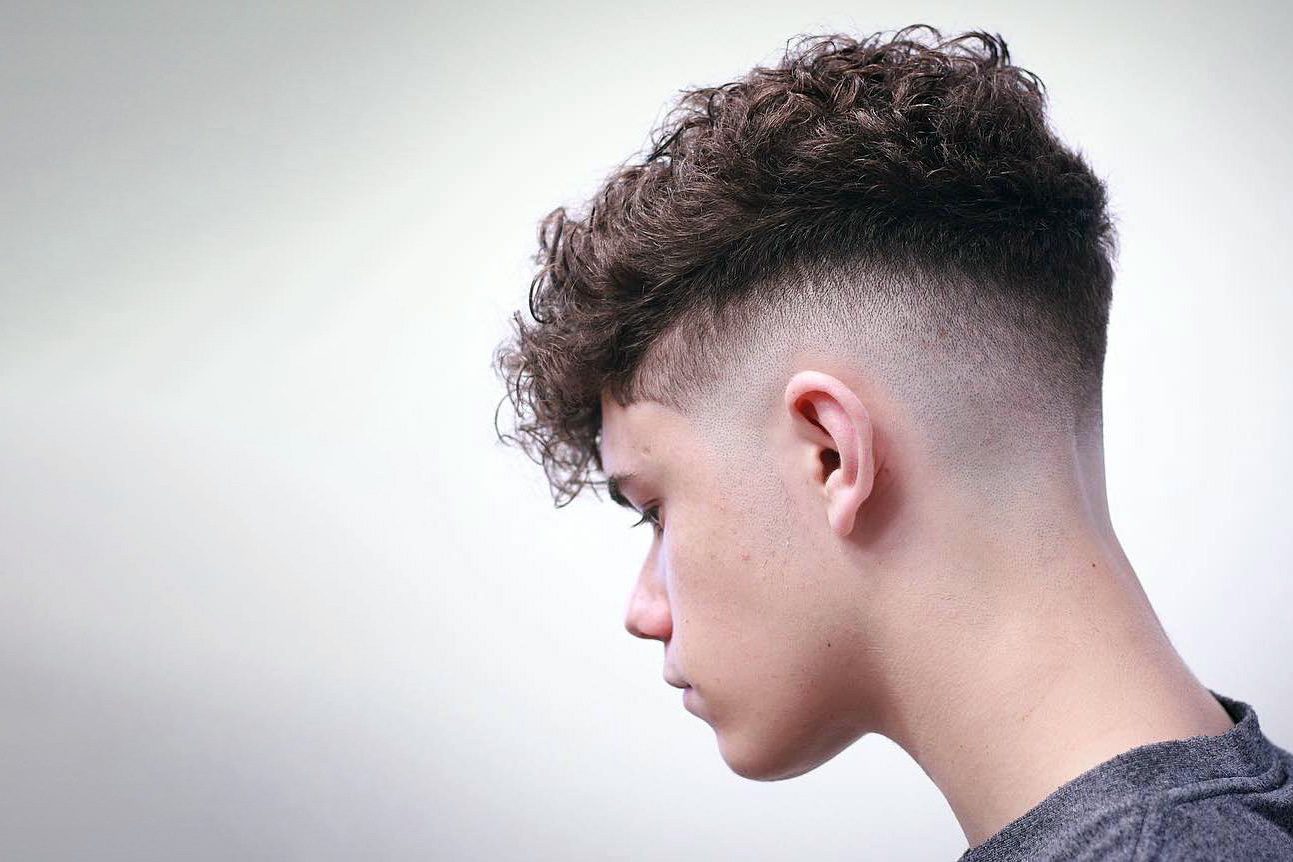
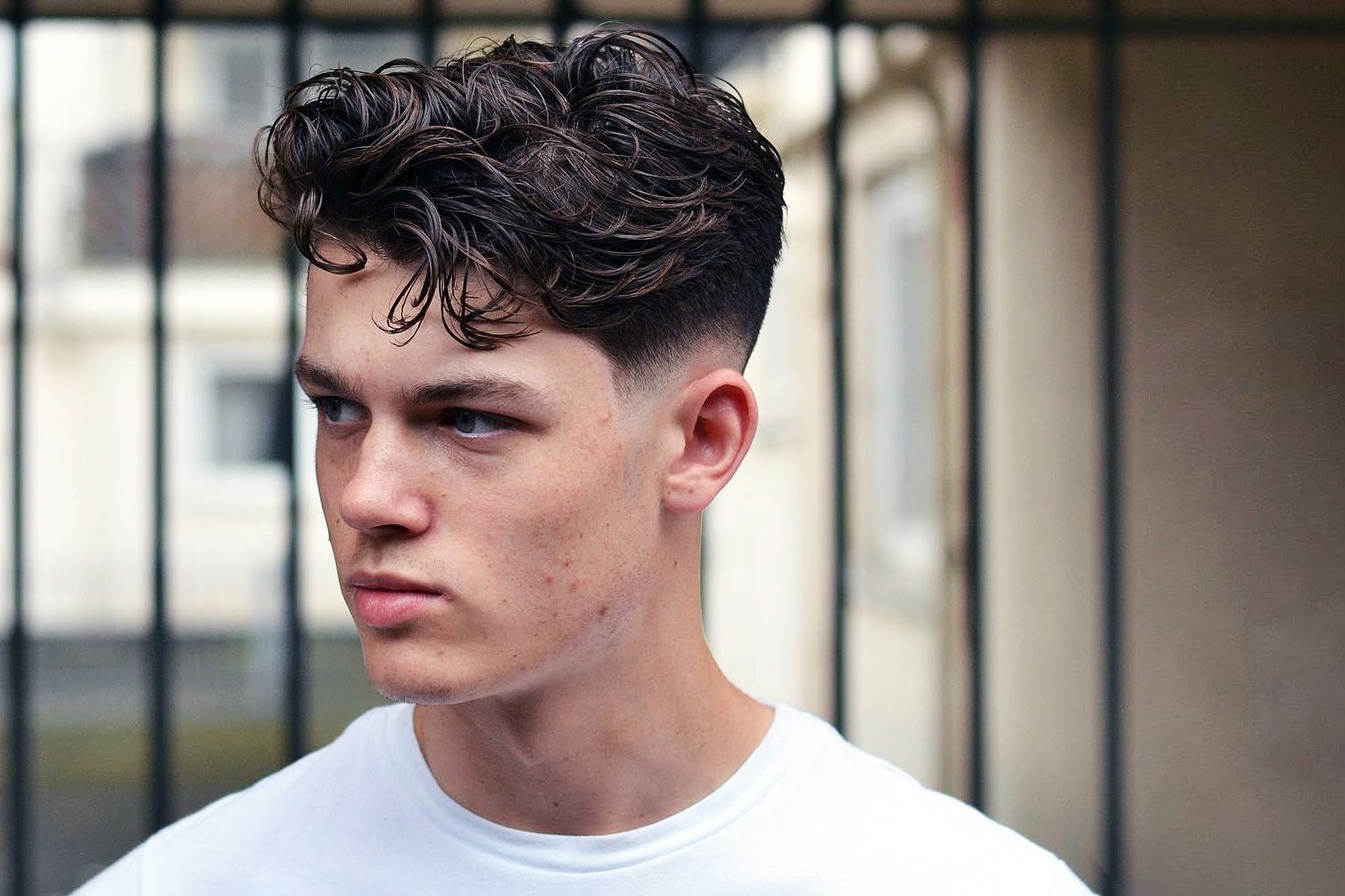
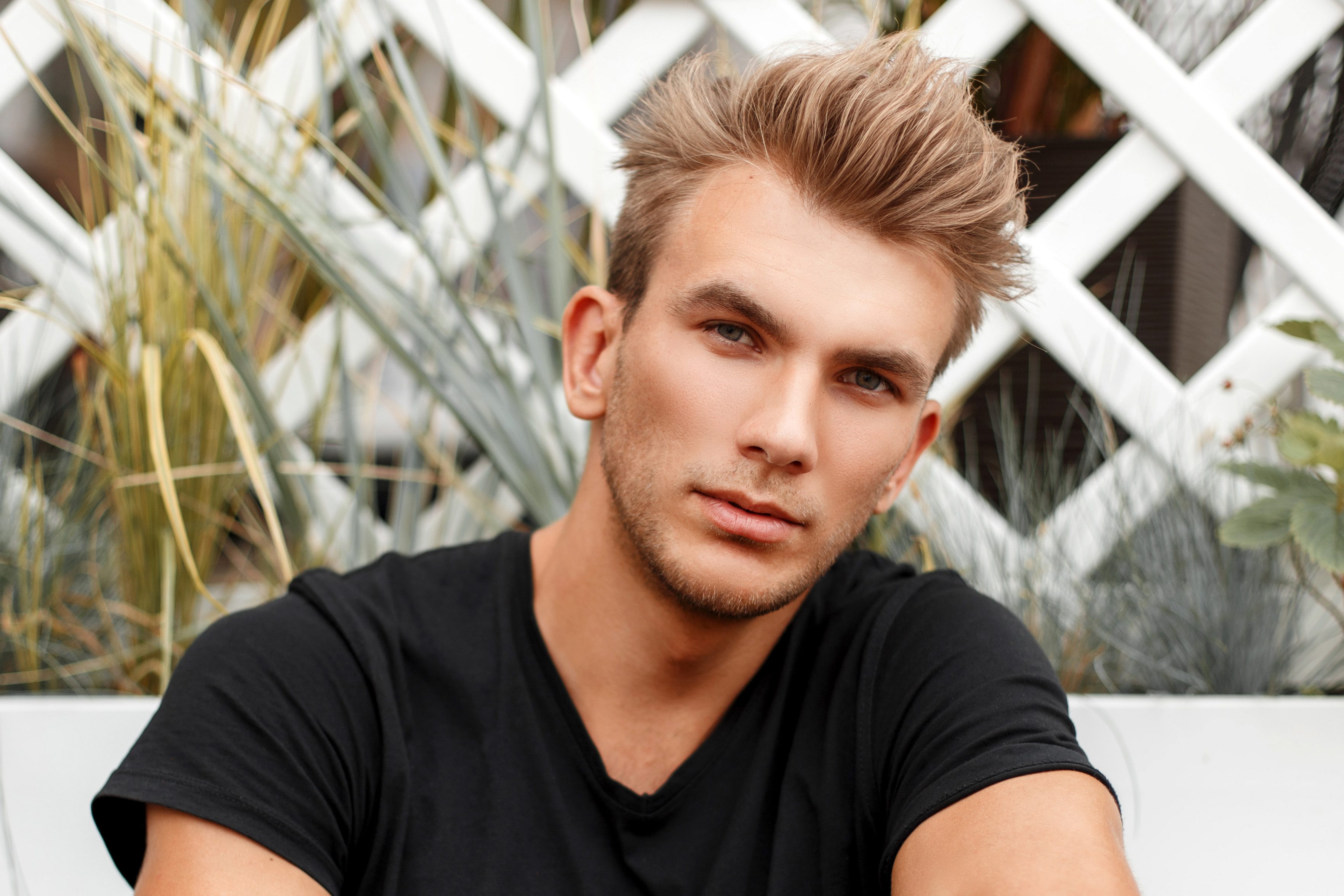
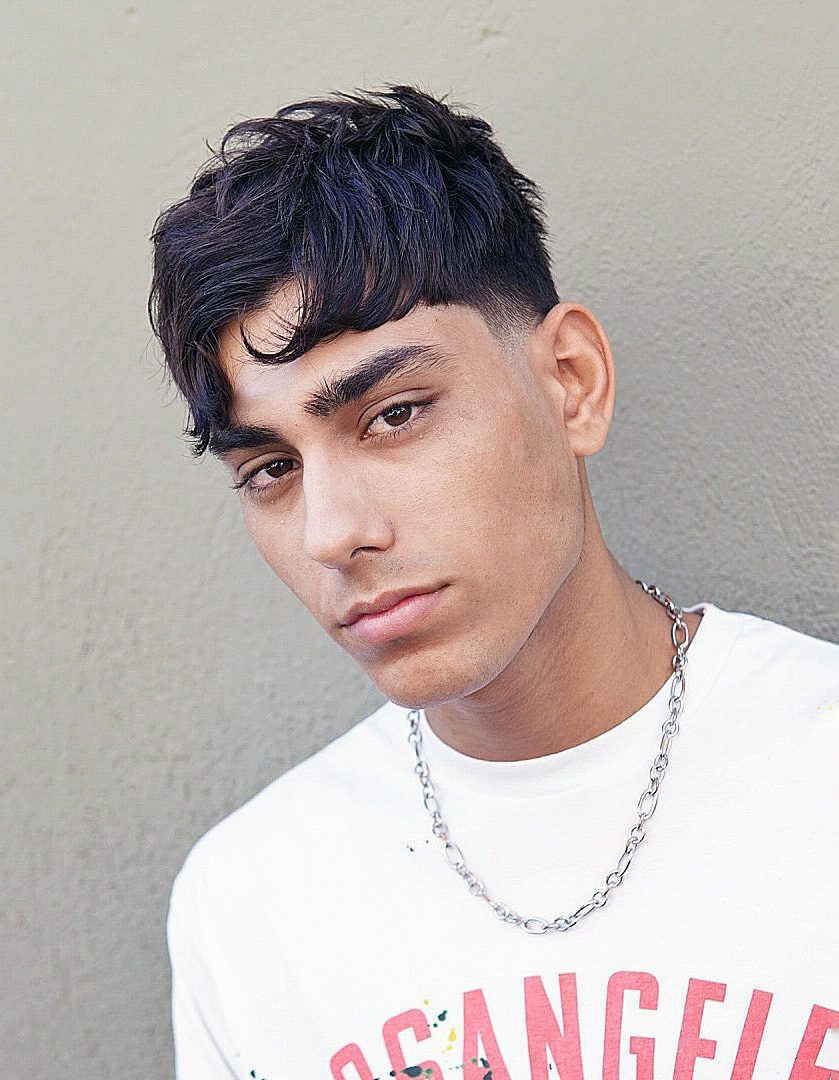
In this cut, the sides are kept much shorter, they are taper faded, and they are completely disconnected from the top. The front of the hair is kept significantly longer, and the fringe section is styled into a curtain-bang.
The Curtain Haircut: Medium Length Style
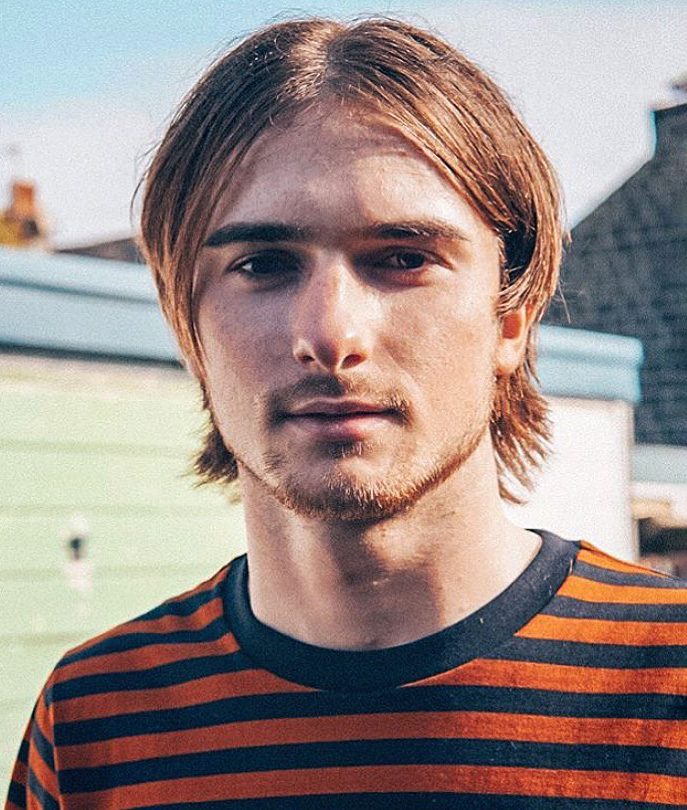
While most curtain haircuts are associated with boy bands of the 90s or k-pop groups, there is also a certain style that will make you seem like you’re hanging out with Nickelback or Creed instead. The trick? The hair should be one length in front and on the sides and gets longer right behind the ears. Keep it close to your scalp as well by placing non-volumizing hair products, and don’t forget the middle part.
Curtain haircuts can be worn in different face shapes, but if you’re opting for this one, it best suits a square face. Match it with a short stubble and you’re good to go.
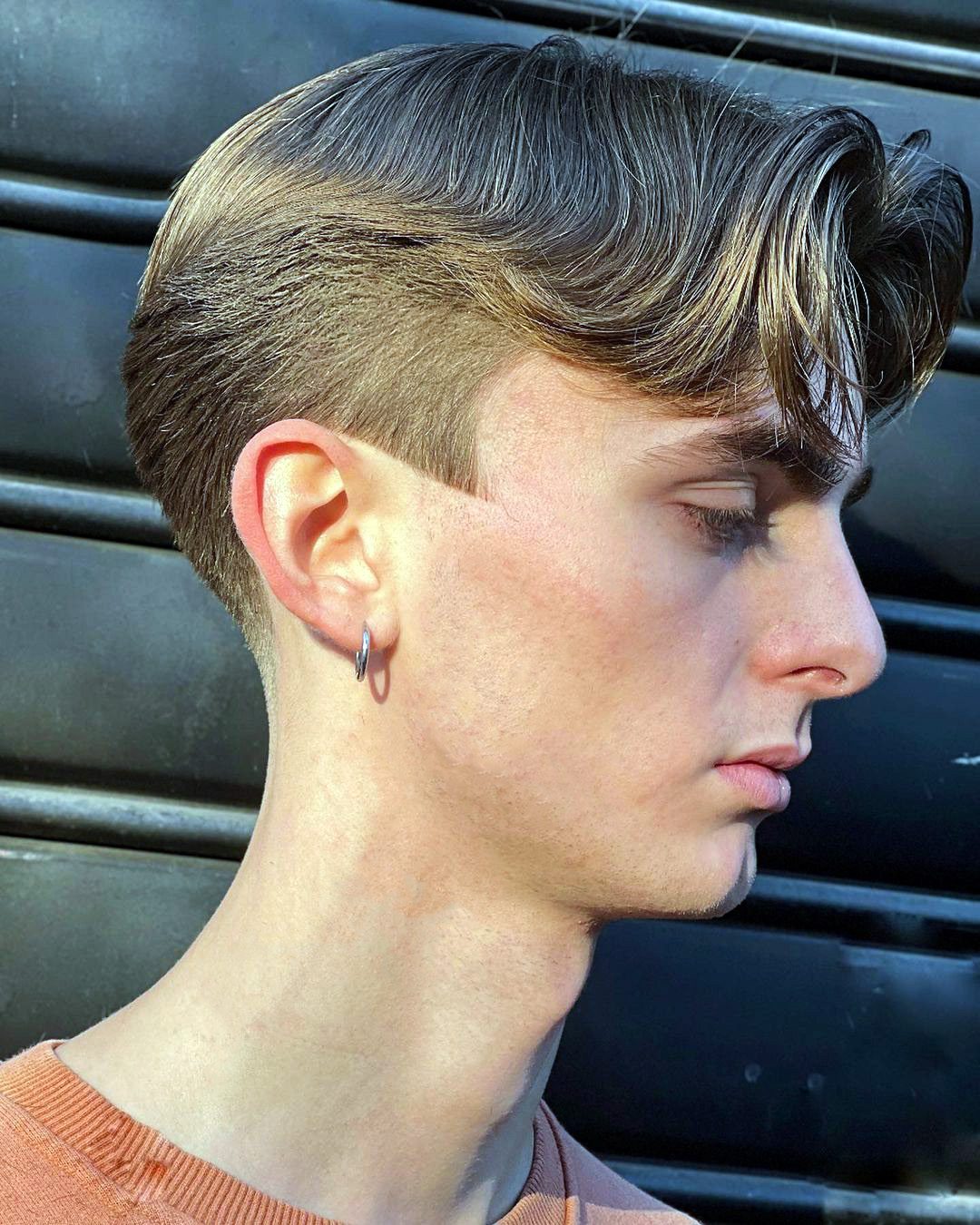
Curtain Fringe Style with Short Sides
Made popular by k-pop hair styles and teenage boys, this front curtain fringe is definitely trending right now. In this style, the front fringe section is kept the longest, and the sides of the cut are much shorter. The hairline and edges of this hair cut incorporate angles and hard lines which adds shape to the sides of the hair while still keeping the top textured and flowy.
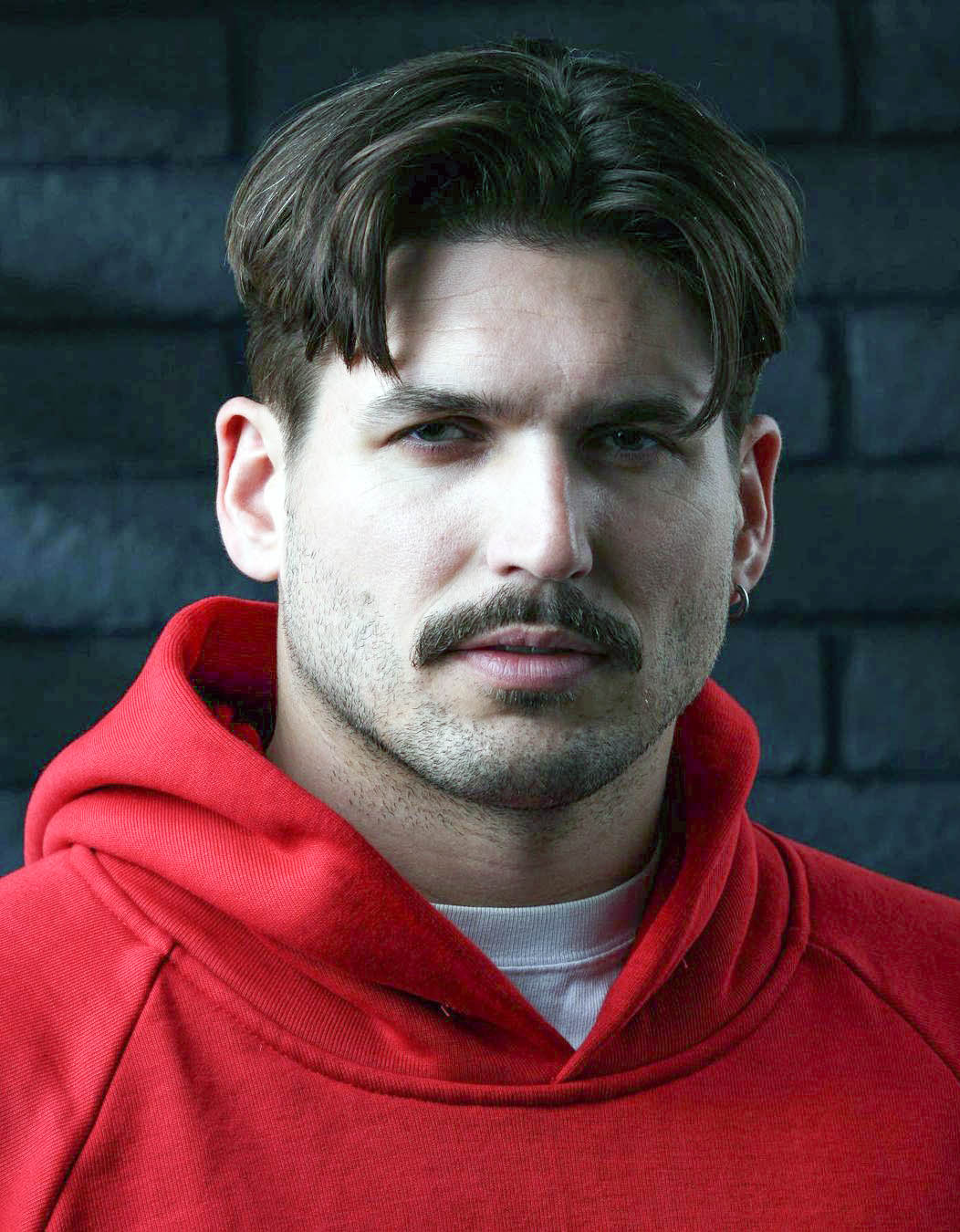
Short Curtain Bangs
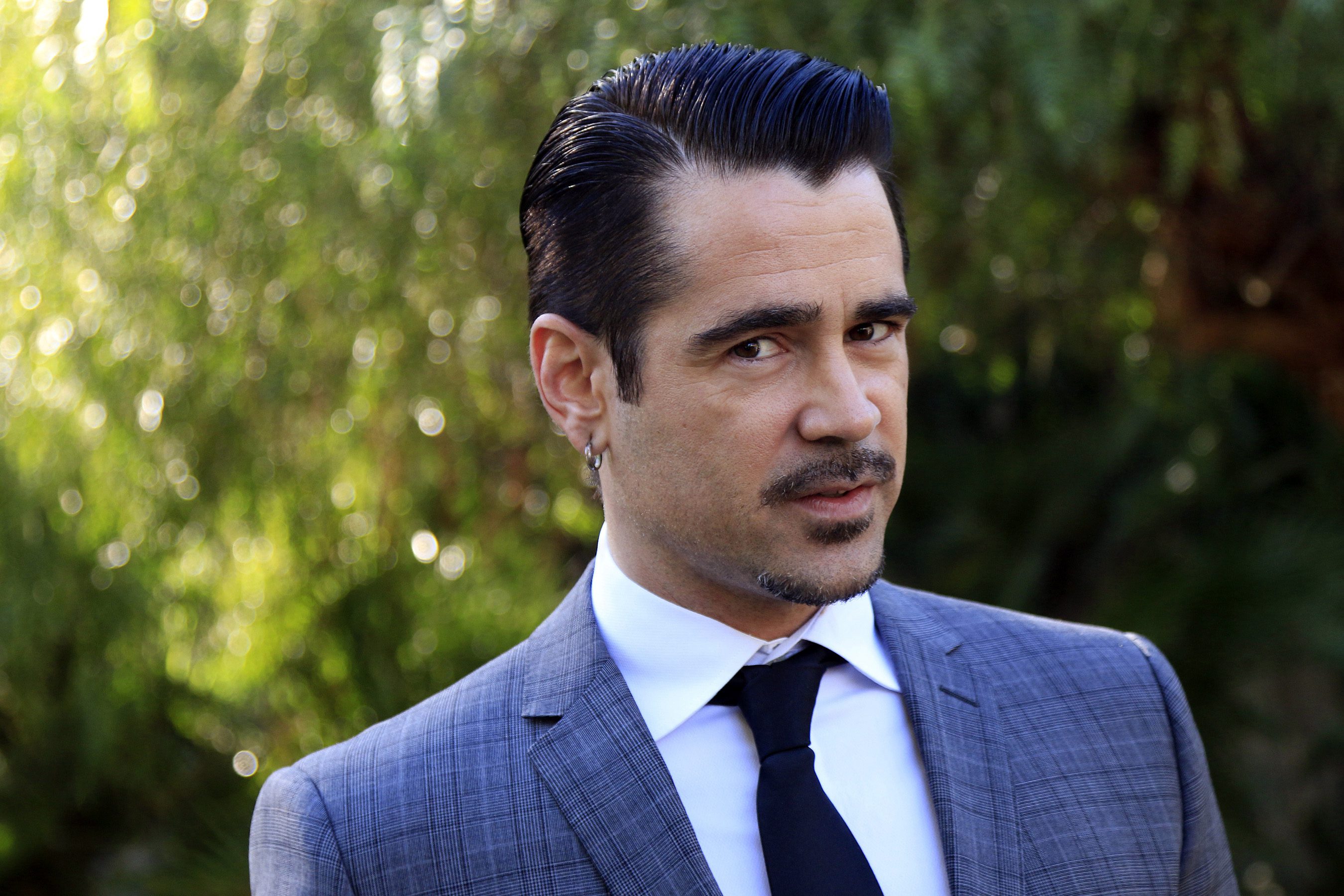
For those who want to keep their curtain hair short and simple, this is perfect for you. It’s straightforward – you’ll get short curtain bangs that you can part in however you want. Wear it with short stubble and a mustache. And to keep it more interesting, add a hoop earring. Could work well with most face shapes.
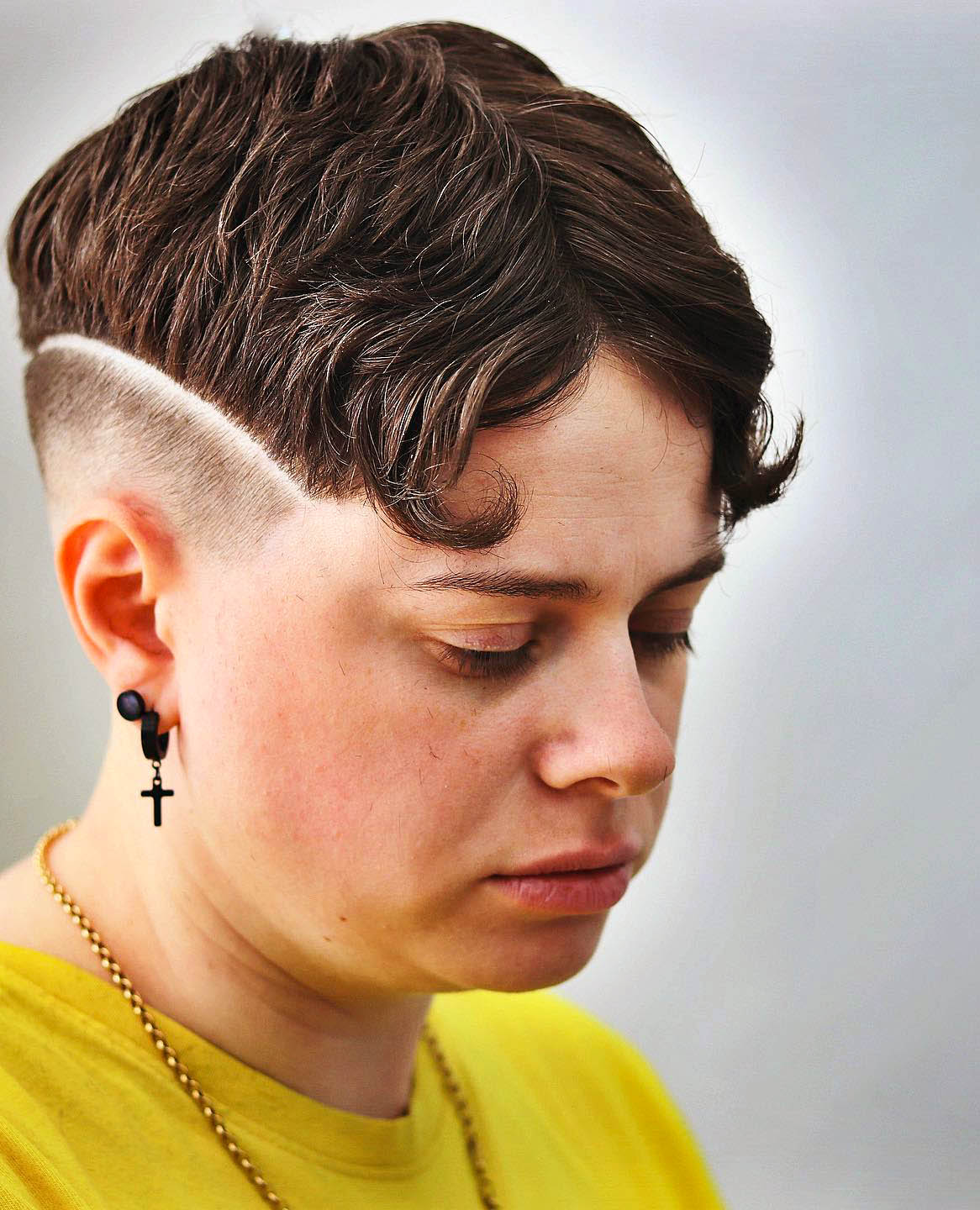
Temple Fade with Hard Line and Wavy Curtain Bangs
This temple fade went from typical to striking with the addition of just one shaved, hard-line that follows the contour of the head. In the middle part, the curtain bangs and curved at the edge because of the wavy hair. It might require the use of products to hold the hair in its current state, as wavy hair tends to become volumized as it dries up. Best for narrower face shapes such as oblong and oval. Add an earring or two to accessorize.
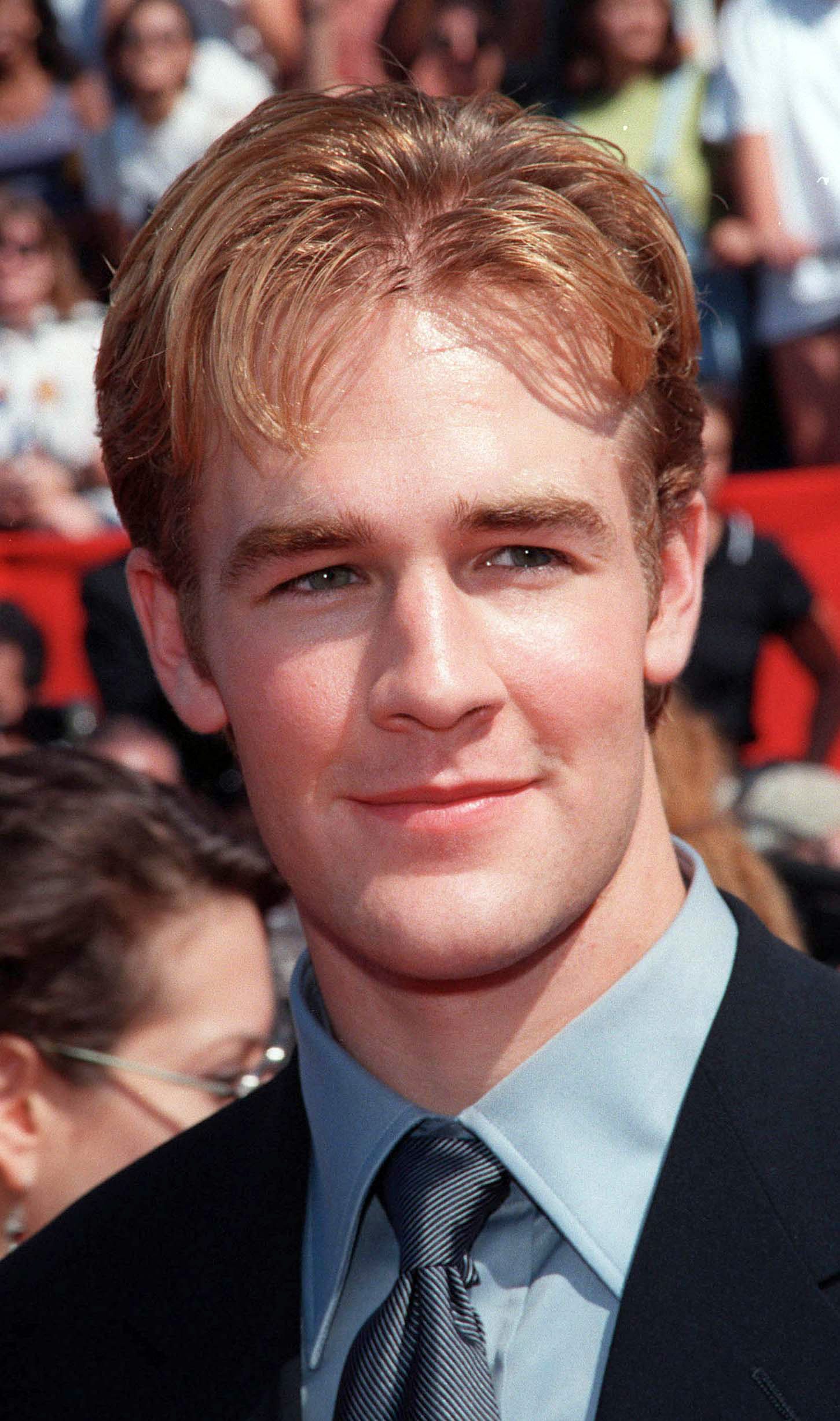
James Van Der Beek's Blonde Curtain Hair
This shorter curtain cut was particularly popular amongst men with sandy blonde locks. An all-American boy-next-door look worn by seemingly every teen star on The WB during its heyday. In modern times its popularity has gone international, for instance being adopted by not one, not two, but three Hemsworth brothers (yes there are really three of them). It does pair particularly well with a rather square jawline.
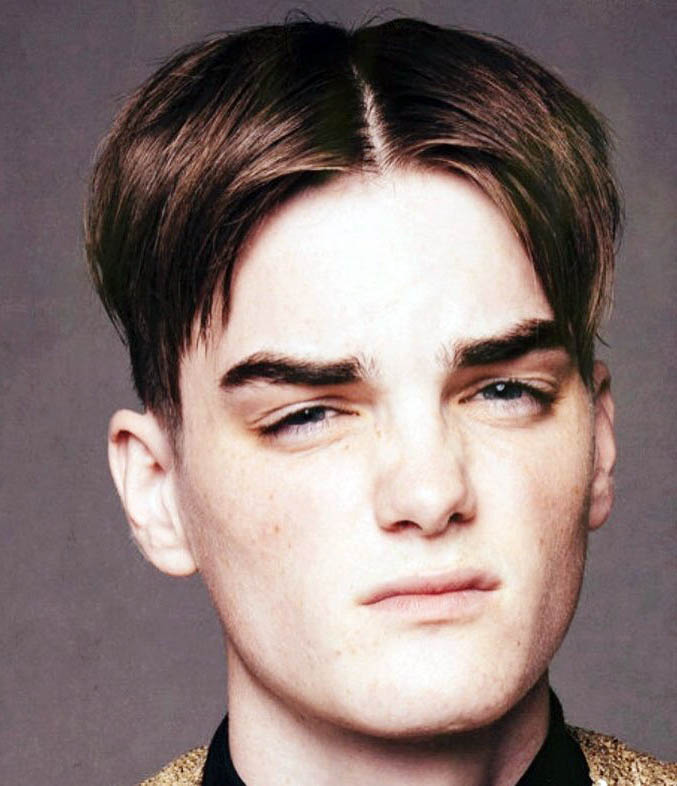
Pushed-Aside Curtain Bangs
Similar to the blonde mushroom curtain, this version was a big hit for brunette men of the time (think Brendan Fraser, especially in The Mummy). A tad shorter and less styled, this cut didn’t prioritize perfectly straight bangs, razoring the top length into rougher ends, for a more relaxed vibe
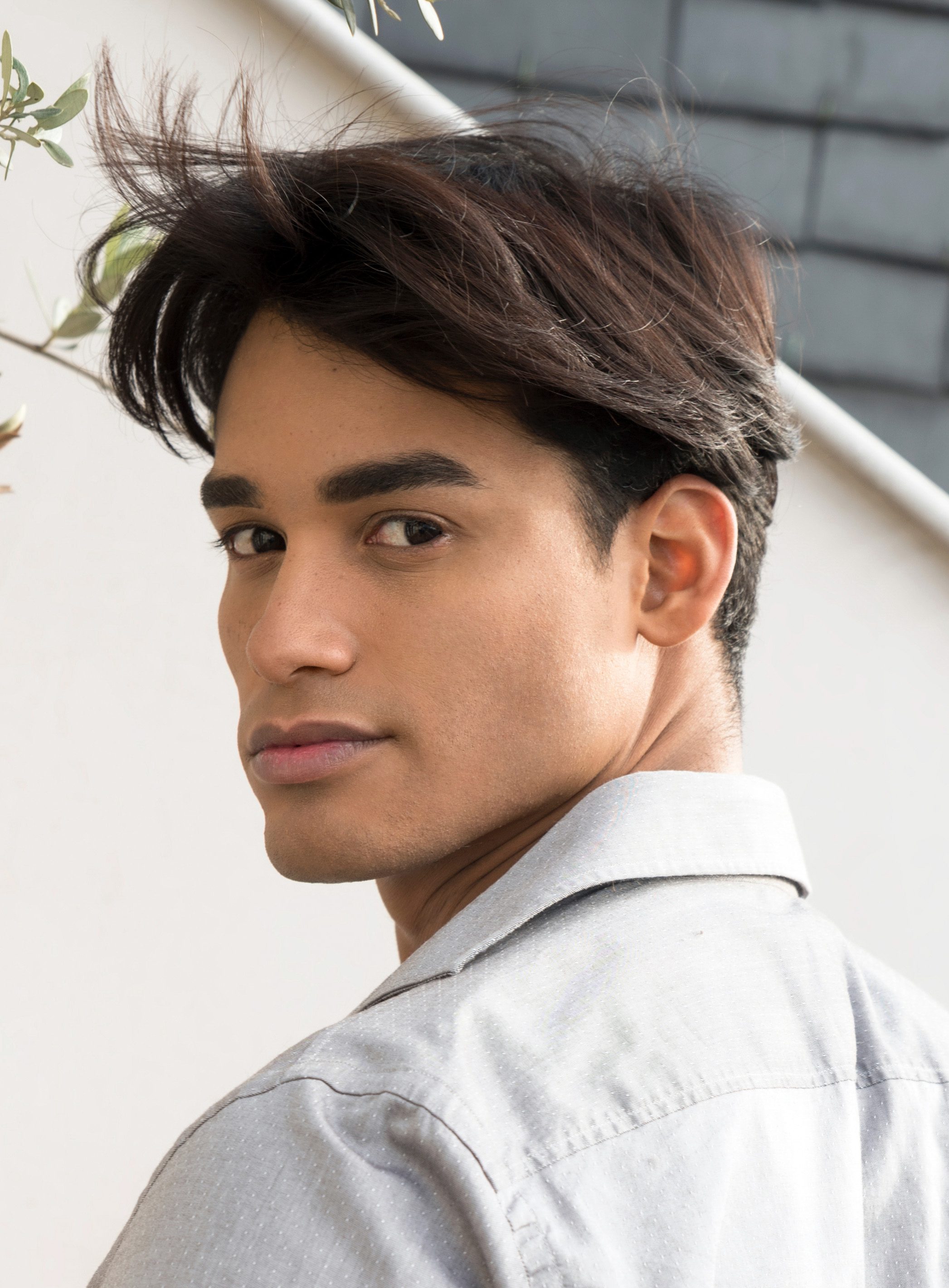
Tapered Curtain Hair
It seemed all our favorite leading men had this Hero’s haircut. From Zach Morris to Will Hunting, this tapered curtain was a titan for the 90s protagonist. Leave the bangs long and naturally disheveled with a voluminously layered taper. Even a post-mullet phase Uncle Jesse got in on the action, adding some cool-guy edge. See Chris Evans’ grim Captain America in Infinity War for a modern take on the style.
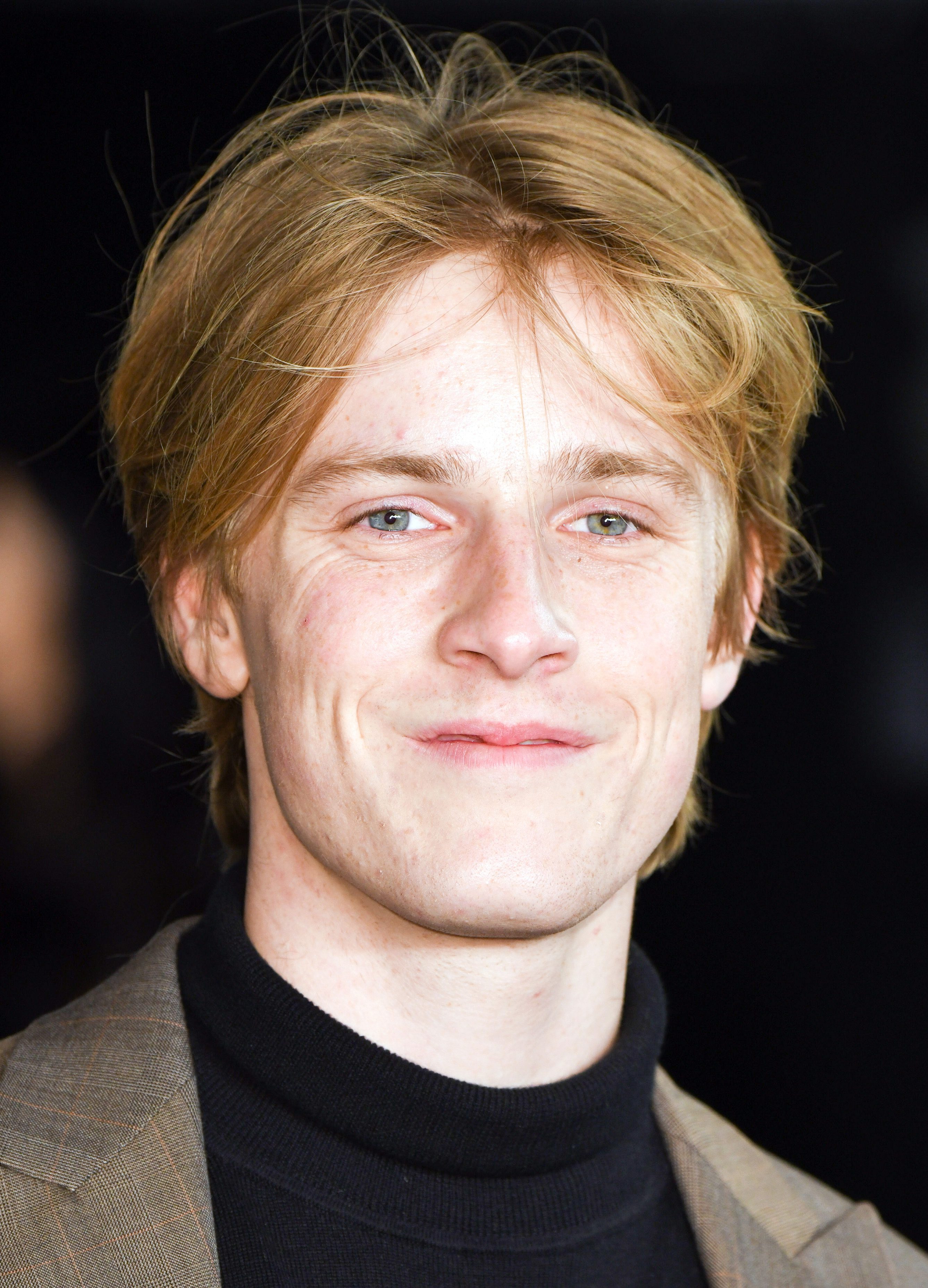
Louis Hofmann's Curtain Hair
This curtain on Louis Hofmann looks like such an effortless style — perfect for those days when you can’t be bothered to get perfectly groomed before heading out the door. Though casual, it certainly looks stylish.
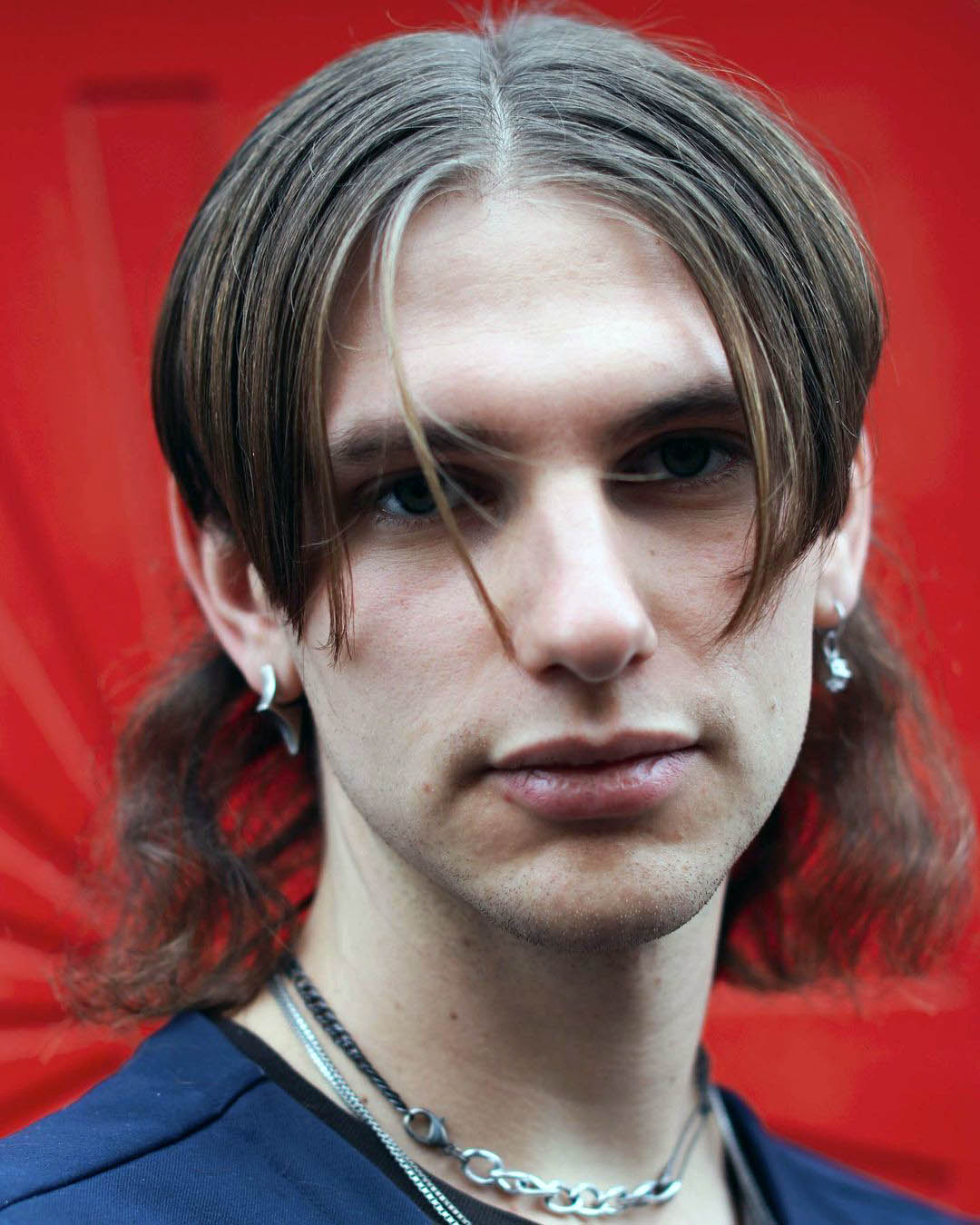
Middle Part Curtain Bangs with Wavy Mullet
While the name of this haircut may seem overwhelming, how to get it is pretty simple. The frontal half of the hair will bring the curtain bangs with a middle part, while the back is that of a mullet, with shoulder-length wavy curls. This way, when you are not in the mood to have your mullet down, you can tie it with a ponytail, and it will be your typical curtain bangs. Works well with most face shapes except round. Accessorize for a more edgy look.
What Is a Men's Curtain Haircut?
A men’s curtain haircut is a hairstyle where the front section is divided by a middle or slightly off-center part and falls down on both sides of the forehead. The hair can be kept short around the face or grown longer toward the cheekbones, jaw, or shoulders depending on the desired look.
The defining feature is the parted, face-framing fringe. The sides and back can be left relatively long or combined with a taper, fade, or undercut for a sharper modern appearance.
Curtains can be worn straight, wavy, curly, messy, sleek, or layered. This makes the style considerably more versatile than its 1990s reputation might suggest.
A classic curtain haircut usually has more length around the sides and a softer transition between the top and sides. Modern versions often use shorter sides, textured layers, fades, or tapers to create more contrast.
The hairstyle is also closely associated with the 1990s, although its current revival has introduced new versions influenced by Korean hairstyles, contemporary middle parts, surfer hair, and textured men’s cuts.
Curtain Haircuts by Hair Type
Your natural hair type plays a big role in how a curtain haircut looks and how much styling it requires. Straight hair can create a clean, defined middle part, while wavy and curly hair add natural movement and texture. Hair thickness also affects how much layering or weight removal you may need.
The best men’s curtain haircut is one that works with your natural texture rather than forcing your hair into a shape it doesn’t naturally hold.
Curtain Haircuts for Straight Hair
Straight hair is ideal for classic curtain hairstyles because it naturally falls into the two sections created by the middle part. You can wear the hair sleek and polished or add layers and texture for a more relaxed modern look.
A classic 90s curtain haircut works particularly well with straight hair, especially when the sides are left medium to long. For a contemporary style, combine the curtains with a taper or fade and add texture through the top.
If your straight hair tends to fall flat, ask your barber for subtle layers. A lightweight volumizing product can also help give the curtains more body without making them look stiff.
Curtain Haircuts for Wavy Hair
Wavy hair gives curtain hairstyles natural volume and movement. Instead of trying to make the hair perfectly symmetrical, let the waves create a slightly relaxed shape around the face.
A long, layered curtain haircut can work especially well with wavy hair because the additional length allows the waves to form naturally. For a shorter option, try textured curtains with a taper on the sides.
Use a lightweight styling cream or sea salt spray to enhance the natural waves. Avoid applying too much heavy product, which can weigh the hair down and make the curtains lose their movement.
Curtain Haircuts for Curly Hair
Curly hair can create a distinctive version of the men’s curtain haircut. The curls naturally add volume around the face, giving the middle part a softer and more textured appearance.
For curly curtains, keep enough length at the front and sides for the curls to form properly. A layered cut can help distribute the volume and prevent the hair from becoming too bulky.
Remember that curly hair often looks considerably shorter once it dries. Your barber should account for curl shrinkage when deciding how much length to remove.
For styling, use a curl-enhancing cream or lightweight leave-in product and allow the curls to form naturally. Avoid repeatedly brushing dry curls, which can create frizz and disrupt the shape of the curtains.
Curtain Haircuts for Thick Hair
Thick hair can produce excellent volume and fullness in a curtain haircut, but too much weight can make the hairstyle difficult to control.
Ask your barber about layering or strategic texturizing to remove excess bulk while keeping enough density around the front. A taper or fade can also reduce the amount of hair around the sides without changing the overall curtain shape.
A medium-length curtain with textured layers is a particularly versatile option for thick hair. You can wear it naturally messy or use a blow dryer and styling product for a more polished middle part.
Curtain Haircuts for Fine Hair
Fine hair can still work very well with curtains, but the haircut should be designed to create the appearance of fullness.
Avoid removing too much weight from already-fine hair. Instead, ask your barber for subtle layers that create movement without making the ends look thin.
A short or medium curtain haircut can be easier to style than an extremely long version. Blow-drying the roots upward and slightly away from the middle part can also add volume.
Choose lightweight products such as volumizing mousse, texture spray, or a small amount of matte styling cream. Heavy waxes and pomades can flatten fine hair and make the curtains look greasy.
Curtain Haircuts for Coarse Hair
Coarse hair can give curtains plenty of natural body and structure. However, the strands may be more resistant to changing direction, particularly around the part.
A slightly longer curtain can help the hair fall naturally on both sides. Your barber can remove some bulk through the layers while preserving enough weight to keep the hairstyle controlled.
A styling cream or light pomade can help smooth coarse hair without making it excessively stiff. If you prefer a messy or textured finish, a matte clay can provide more definition.
Curtain Haircuts for Thin or Thinning Hair
If your hair is becoming thinner, a curtain haircut can still work, but the cut should avoid creating excessive separation at the middle part.
A shorter textured curtain can sometimes create the appearance of greater density than a very long, flat style. Keeping some natural volume around the top can also prevent the part from looking overly wide.
If you’re using curtains to work with a receding hairline or thinning temples, talk to your barber about the direction of your natural growth pattern. A slightly off-center part or textured fringe may be more flattering than forcing an extremely precise middle part.
Curtain Haircuts for Medium-Density Hair
Medium-density hair offers the most flexibility. You can experiment with short, medium, long, messy, layered, tapered, or faded curtain hairstyles without needing major adjustments for excessive thickness or lack of volume.
A medium-length layered curtain is a particularly versatile choice because you can style it with a clean middle part one day and wear it messier or more naturally the next.
Which Curtain Haircut Is Best for Your Hair Type?
Use your natural texture as a starting point:
- Straight hair: Try classic 90s curtains, sleek middle parts, or textured curtains.
- Wavy hair: Emphasize your natural movement with layered or messy curtains.
- Curly hair: Keep enough length for the curls to form and use curl-enhancing products.
- Thick hair: Add layers or strategic texturizing to control excess weight.
- Fine hair: Choose a shorter or medium-length style and use lightweight volumizing products.
- Coarse hair: Keep enough length for the hair to fall naturally and use products that provide flexible control.
- Thin hair: Consider shorter, textured curtains that avoid creating excessive separation at the part.
- Medium-density hair: Experiment with almost any curtain variation, from classic to modern.
Work With Your Natural Texture
There’s no single “correct” way to wear a curtain haircut. The best version is the one that works with your natural hair rather than requiring you to completely reshape it every morning.
Before your haircut, tell your barber how your hair behaves naturally, including whether it is straight, wavy, curly, thick, fine, or difficult to control. Bring reference photos showing the length and texture you like, and let your barber adapt the style to your hair.
When the length, layers, and middle part are designed around your natural texture, men’s curtains can be surprisingly easy to maintain while still giving you the distinctive face-framing look that makes the hairstyle so popular.
Curtain Haircuts for Different Face Shapes
A curtain haircut frames the forehead, temples, and sides of the face, so your face shape can influence which version looks most balanced. The good news is that curtains are highly adaptable. Changing the length, part, layers, and volume can make the same basic hairstyle work for very different facial proportions.
Use your face shape as a starting point rather than a strict rule. Your hair texture, hairline, and personal style are just as important when choosing the right men’s curtain haircut.
Curtain Haircuts for Oval Faces
Oval faces are generally well balanced, making them particularly versatile for curtain hairstyles. You can experiment with short, medium, long, layered, textured, or classic 90s curtains.
A classic middle part can highlight balanced facial proportions, while longer layered curtains create a softer, more relaxed appearance. If you prefer a contemporary look, try adding a low taper or subtle fade around the sides.
Because an oval face doesn’t necessarily need much visual correction, focus on choosing a curtain style that works with your hair type and desired level of maintenance.
Curtain Haircuts for Round Faces
For a round face, you may want a curtain hairstyle that adds some visual length and definition rather than emphasizing width.
A longer curtain with volume at the top can help create a more elongated silhouette. A slightly off-center part and textured layers can also introduce more angles and movement around the face.
Pairing curtains with tapered or faded sides can create additional contrast. Avoid excessive width at the sides if your goal is to make the face appear longer and more structured.
Curtain Haircuts for Square Faces
Square faces typically have a strong jawline and defined facial angles. Curtains can complement these features while adding softer lines around the forehead and cheeks.
A layered or slightly messy curtain haircut can work particularly well because the movement of the hair contrasts with the stronger geometry of the face. Longer curtains can create a softer frame, while shorter textured curtains can produce a sharper, more contemporary appearance.
If you want to emphasize your jawline, a shorter curtain with cleaner sides can create a particularly structured look.
Curtain Haircuts for Oblong or Long Faces
Curtains can be especially useful for longer face shapes because the hair falling around the forehead can reduce some of the visible vertical length.
A fuller, medium-length curtain can add visual width around the sides of the face. Keeping some volume near the temples and cheekbones can create a more balanced appearance.
Avoid adding excessive height directly on top if you don’t want to emphasize facial length. A softer, lower-volume curtain can be a better option.
Curtain Haircuts for Heart-Shaped Faces
Heart-shaped faces tend to be wider around the forehead and narrower toward the chin. Curtains can help soften the forehead while adding visual balance around the sides of the face.
Try medium or longer curtains with soft layers that frame the cheekbones. A slightly off-center part can also create a less symmetrical, more relaxed appearance.
Avoid making the top excessively bulky if you already have significant width around the forehead. Instead, allow the sides of the curtains to provide some visual weight lower on the face.
Curtain Haircuts for Diamond Faces
Diamond-shaped faces are typically narrower at the forehead and jaw with more prominent cheekbones. A curtain haircut can help frame the cheekbones while adding some visual width around the upper face.
A longer, layered curtain can work well, particularly when the hair has natural movement. Wavy or textured curtains can soften the transition between the forehead, cheekbones, and jawline.
Avoid overly flat styles if you want to add more volume around the forehead. Some lift and texture can create a more balanced overall shape.
Curtain Haircuts for Triangle Faces
Triangle-shaped faces are generally wider around the jaw and narrower around the forehead. Curtains can add visual weight around the upper part of the face to create greater balance.
A fuller curtain with moderate volume on top can work well. Longer or layered curtains can also soften the transition between the forehead and wider jawline.
A taper can provide a clean finish without removing too much visual weight from the sides.
Best Curtain Style for Your Face Shape
As a quick starting point:
- Oval face: Almost any curtain variation can work, from classic 90s curtains to modern fades.
- Round face: Try longer curtains with some height and texture.
- Square face: Experiment with layered, messy, or structured curtains.
- Long or oblong face: Choose fuller curtains and avoid excessive height on top.
- Heart-shaped face: Try medium or long curtains with soft layers.
- Diamond face: Use layered curtains and natural volume to frame the cheekbones.
- Triangle face: Consider fuller curtains with volume toward the top.
Your Face Shape Isn’t the Only Factor
Face shape can help narrow down your options, but it shouldn’t determine your haircut by itself. Your hair texture, density, hairline, forehead height, and natural growth pattern can have just as much influence on how a curtain haircut looks.
For example, two men with the same face shape may need completely different curtain haircuts if one has thick, straight hair and the other has fine, curly hair.
When you visit your barber, bring a few reference photos and explain what you like about each one. Your barber can then adjust the length, layering, part, and sides to create curtains that suit your individual features.
The best men’s curtain haircut is ultimately one that works with your natural hair and gives you a shape you’re comfortable styling and wearing every day.
Curtain Haircut for Men: Style, Shine, and How to Make It Yours
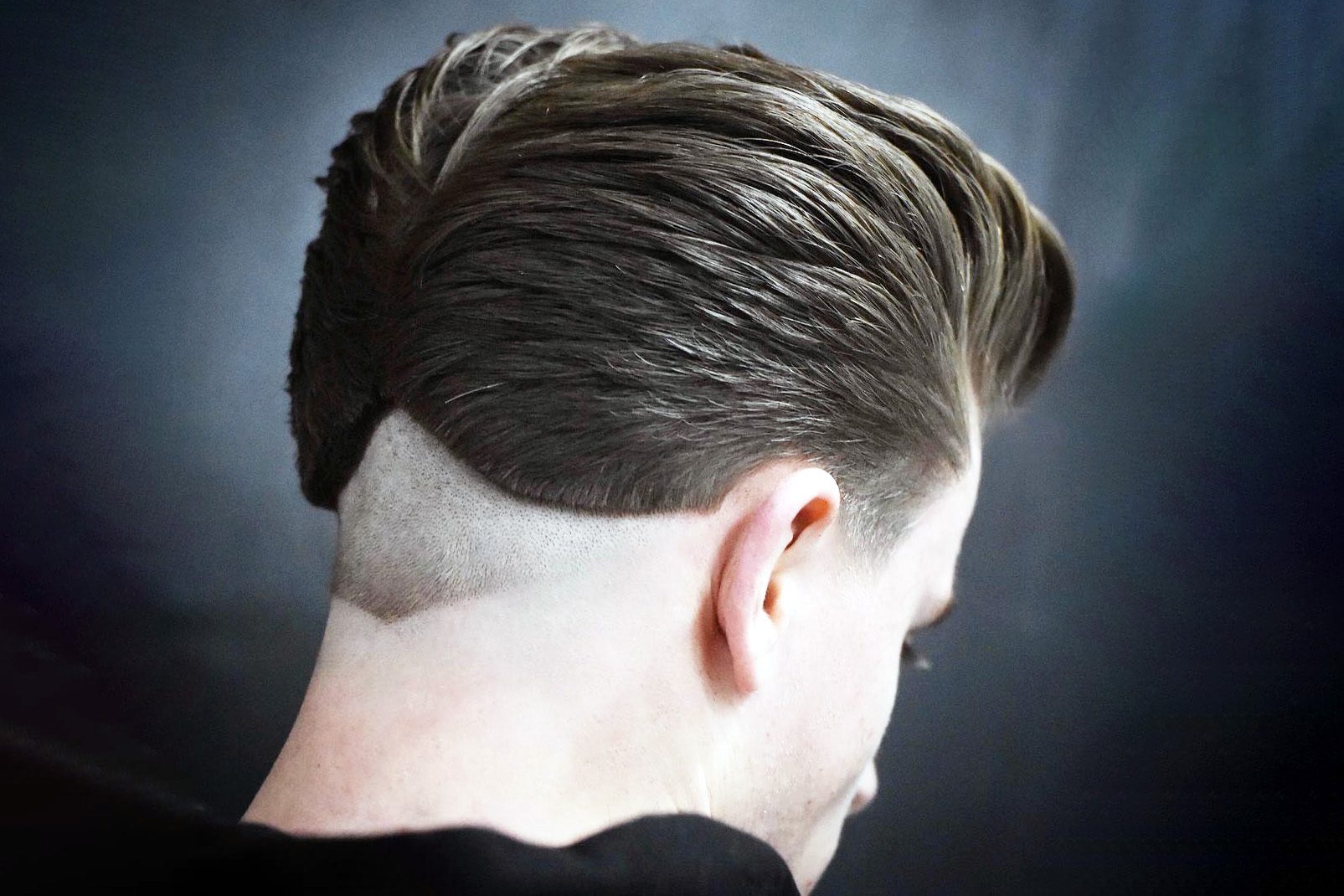
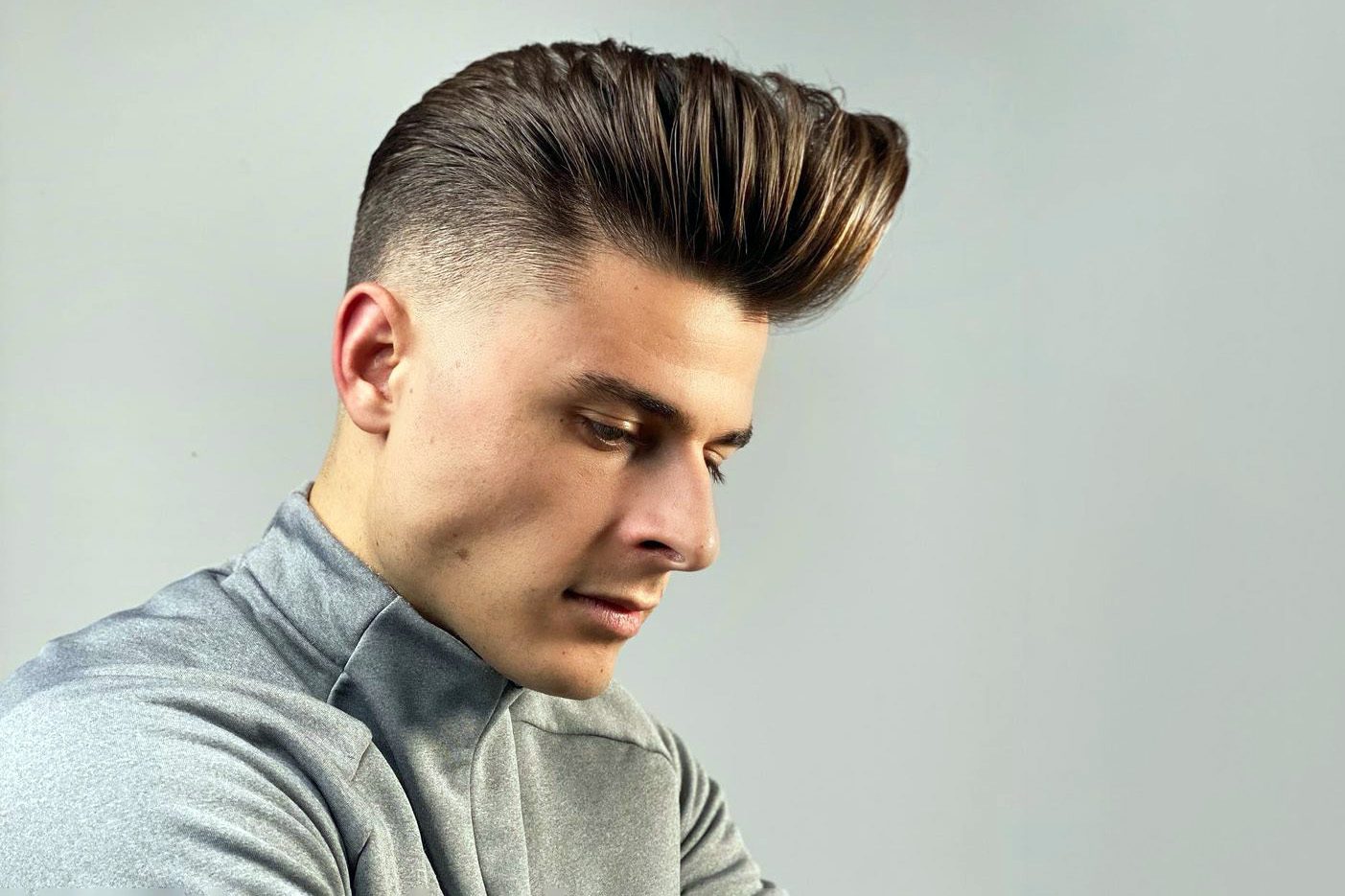
Looking for something new? Tasteful Retro: 10+ Suave Ducktail Haircuts
The curtain haircut for men is a timeless revival—a soft, face-framing look that’s effortlessly cool with a confident edge. Whether you’re channeling ’90s icons or modern e‑boys, this style is versatile, flattering, and surprisingly easy to personalize.
Style Essentials
-
Opt for medium to long hair on top, combed into a defined center—or slightly off-center—part to create that signature “curtain” effect.
-
Pair the top with shorter sides, such as a fade, taper, or undercut, to keep the focus on the draping fringe and add contrast to the overall look.
Variations to Suit Your Vibe
-
Messy or surfer curtains bring texture and a laid-back aesthetic—minimal styling, maybe just a touch of sea-salt spray, and you’re good to go.
-
Sleek or feathered curtains deliver a polished presence—ideal for formal settings or that effortlessly groomed appearance.
-
Soft, wavy curtains blend natural movement with flair, perfect for casual elegance and medium-length hair frames.
Styling Tips That Make It Pop
-
Begin with damp, freshly washed hair, and nurture it into shape with a light volumizing mousse or texturizing spray.
-
Use a round brush and blow-dry while lifting the fringe upward and outward, creating a soft bend and body that holds.
-
Finish with a matte finish pomade or flexible hairspray to maintain structure without stiffness.