24 Best Twist Hairstyles for Men (2026 Guide to Two-Strand, Fade & Long Twists)
An ultimate guide to the afro hair dressing ideas
Twists have become one of the most popular hairstyles for men thanks to their versatility, low-maintenance routine, and ability to protect natural hair. Whether you’re growing out your curls, looking for a stylish protective hairstyle, or simply want a fresh new look, twist hairstyles offer countless possibilities for every hair type, hair length, and personal style. From short two-strand twists paired with a taper fade to long rope twists styled into buns or ponytails, there’s a twist hairstyle to suit nearly every preference.
One of the biggest advantages of twists is that they work with your natural hair texture rather than against it. Men with curly, coily, and kinky hair can use twists to define their curl pattern, reduce tangles, and minimize breakage while creating a clean, fashionable appearance. Twists also help retain moisture, making them an excellent protective style for men with textured hair who want to promote healthier-looking hair over time.
Unlike some braided styles, twists are generally quicker to install and place less tension on the scalp, making them a comfortable option for everyday wear. They can be worn loose for a relaxed look, tied into a man bun for a polished finish, or combined with modern fades and undercuts for a sharp, contemporary hairstyle. Whether you prefer classic two-strand twists, chunky jumbo twists, mini twists, or longer rope twists, the styling possibilities are virtually endless.
Twists are also incredibly adaptable to different hair lengths. Short twists offer a clean, easy-to-maintain hairstyle that’s perfect for active lifestyles, while medium-length twists provide enough length for creative styling without requiring excessive upkeep. Long twists create a bold statement and can be worn in high ponytails, half-up styles, or intricate updos for maximum versatility.
If you’re considering twists for the first time, it’s important to start with healthy, moisturized hair. Most stylists recommend having at least 2 to 3 inches of hair for well-defined twists, although longer hair provides more styling options. Regular moisturizing, scalp care, and sleeping with a satin bonnet or pillowcase can help keep twists neat, reduce frizz, and extend the life of the hairstyle between maintenance appointments.
In this guide, we’ve rounded up the best twist hairstyles for men, from classic two-strand twists and modern fade combinations to bold long styles and celebrity-inspired looks. Whether you’re searching for a professional hairstyle, a low-maintenance protective style, or your next standout haircut, these twist ideas will help you find the perfect look for your hair type, lifestyle, and personality.
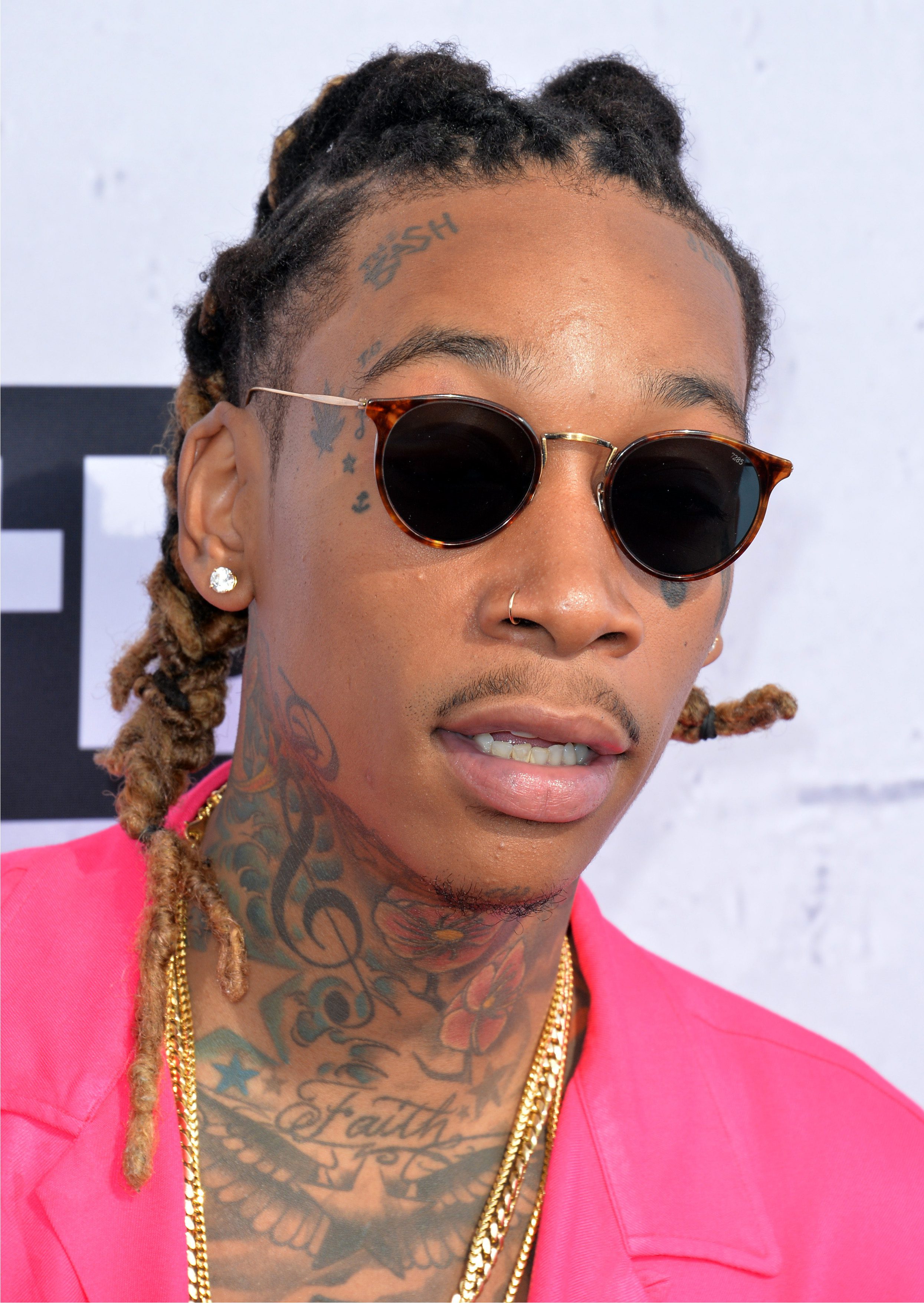
Wiz Khalifa’s Braided Twists
Did you think that the twists can be used just like the hair strands for a regular type of braiding? Well, here is the proof that they can. Wiz had his hairstylist create four separate bigger braids that were eventually connected into two main twist braids at the bottom. Looks good on Wiz, but it also would be a cool hairstyle for anyone with longer, thicker hair.
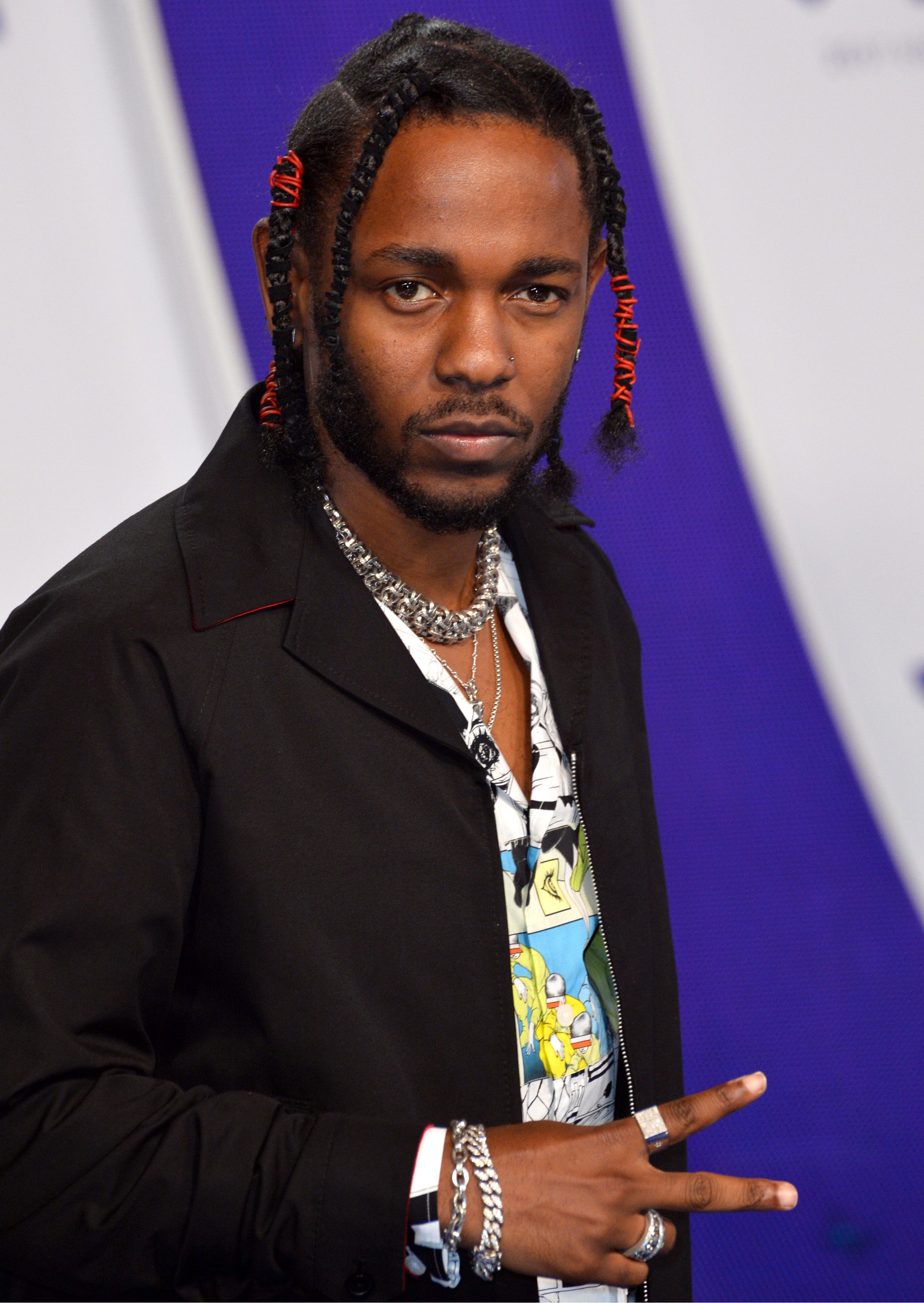
Kendrick Lamar’s Colourful Wrapped Twists
Looking to brighten a little a dull, formal suit for a ceremonial event? Look no further! Your hair can add to your outfit more vivacity than you think with just a few extra minutes for styling the twists. Pick a colorful strap or ribbon but not too wide and push it through the beginning of the twist. Gradually wind round the twist and tackle the end of the ribbon into the hair tie. That’s it! Your colorful braids are done and ready to outshine any outfit.
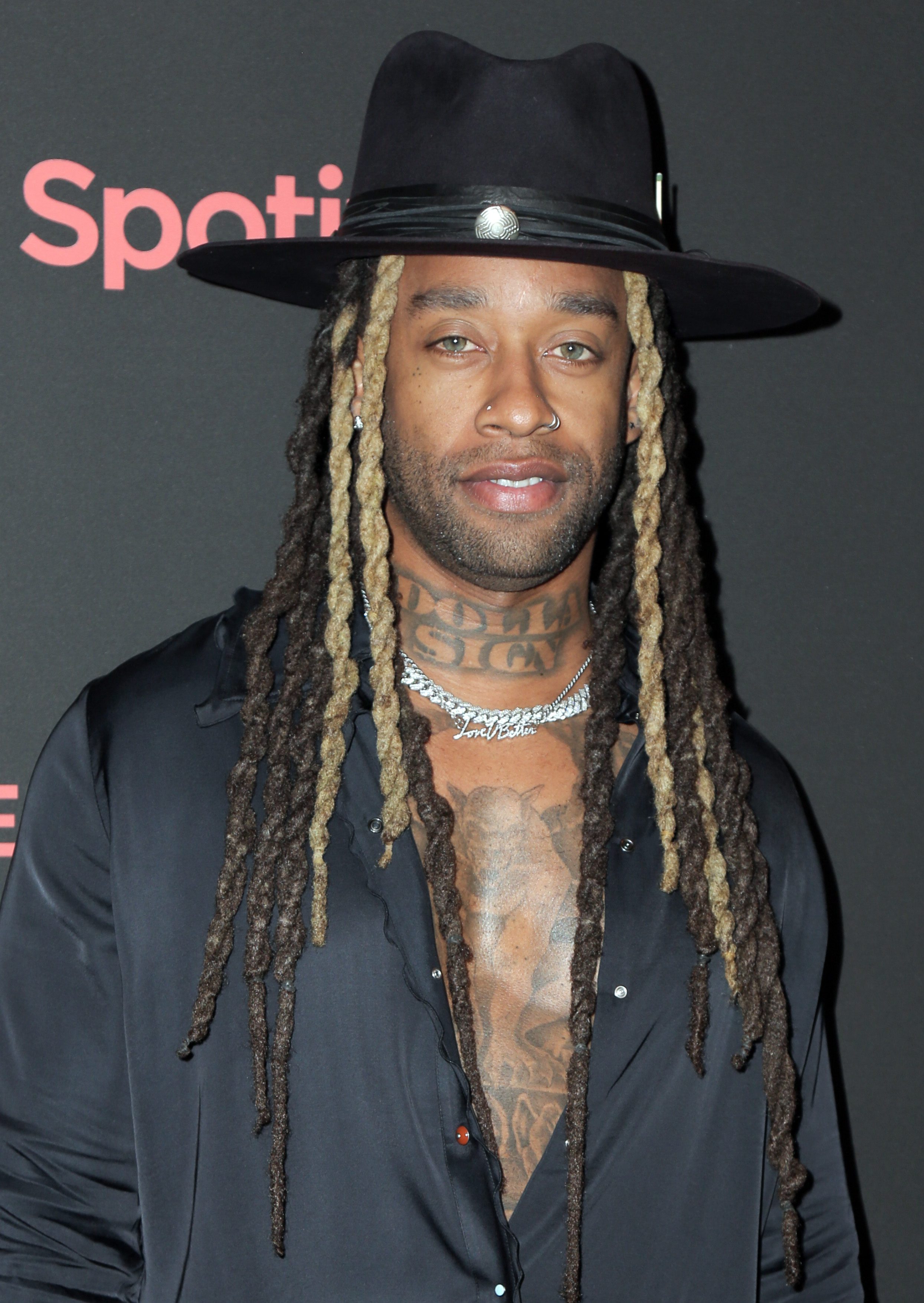
Ty Dolla Extra Long Two-Color Twists
Ty Dolla picked a very humble look with a dark silk shirt and velvet hat and seemingly what can make him look so seductive? Well, that v-shaped unbuttoned part and long, thick blond and brown twists made him look extremely attractive. The blond twists at the front parts have outlined his face and enlightened the gorgeous green eye color. That’s how the simple-looking twists can add some lure to your look.
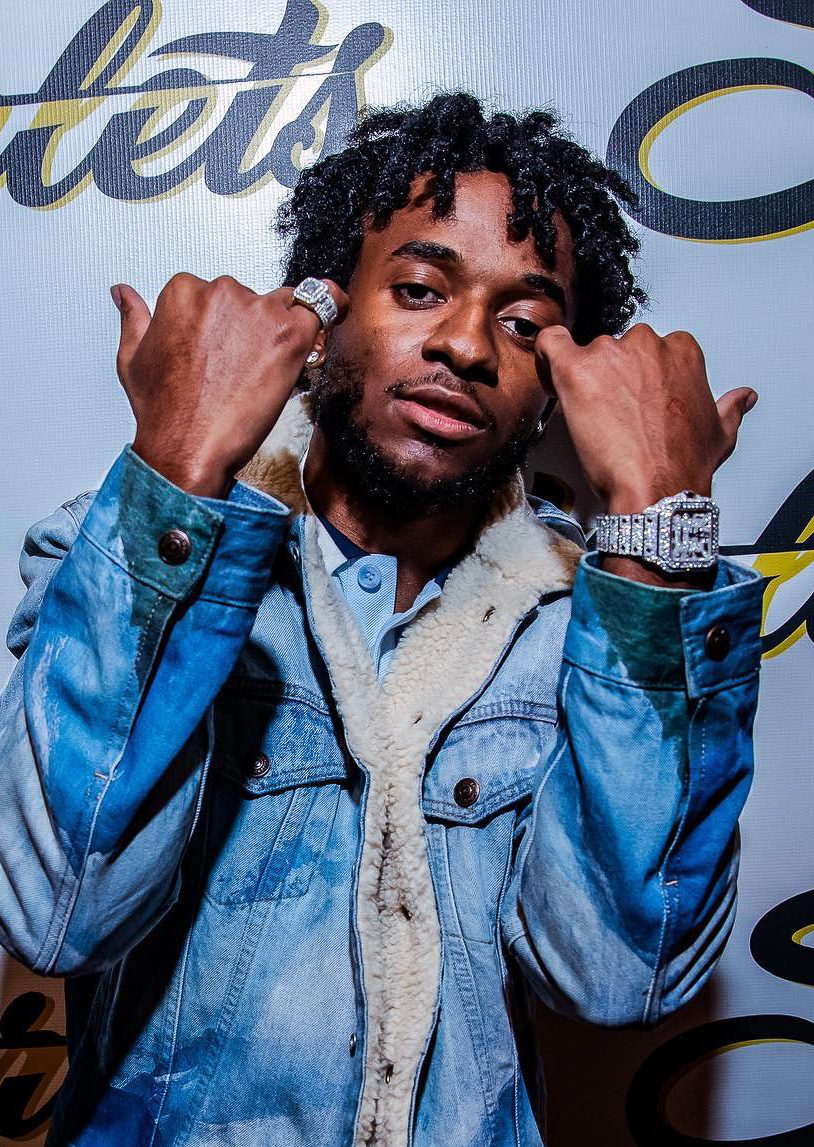
Mooski’s Short Twists
One of the least complicated hairstyles is definitely the short curled twists that Mooski has. It doesn’t require too much expertise to be done and also doesn’t look too polished in case you’re a fan of more casual looks. To achieve the same-looking curls you should wet your hair, roll the twists and sleep with them overnight. In the morning you will get exactly the same hair look that can last for a week or so.
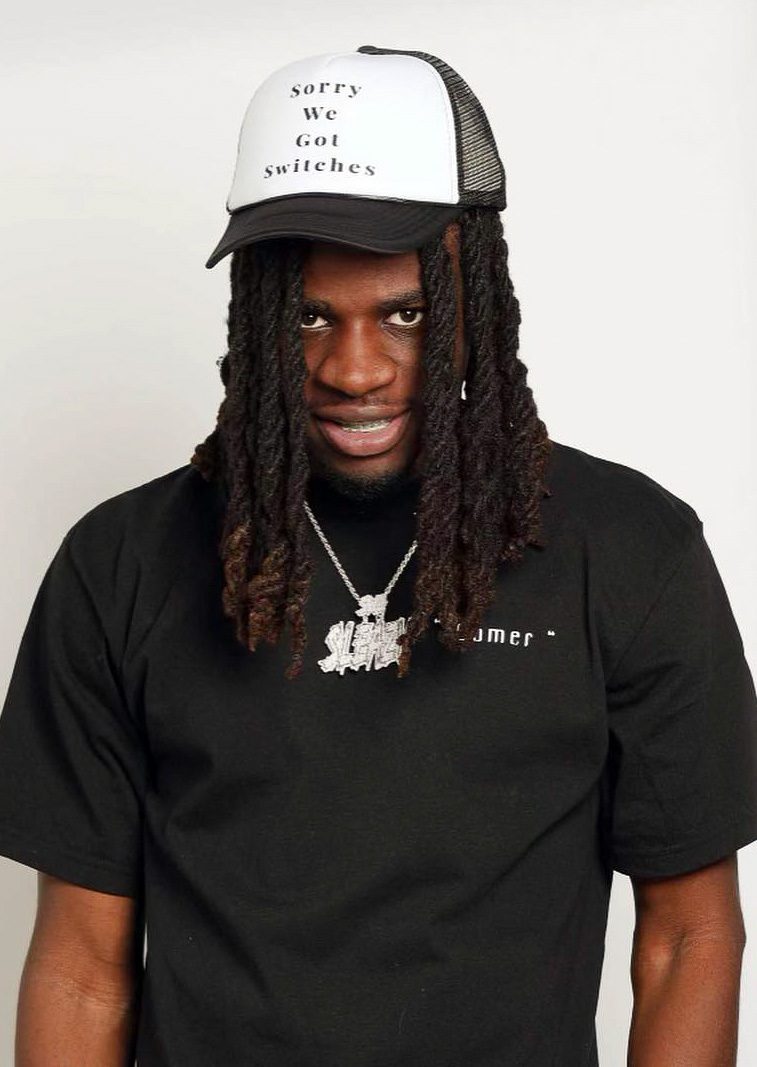
SleazyWorld Go With Multi Braided Twists
We can freely imagine a twist made of two or three hair strands but can you picture yourself with extremely large twists rolled with five strands and more? Turns out it’s one of the most beloved hair braiding styles among the younger celebrities. It is literally not the easiest one in terms of wearing it due to the extensive weight of the twists themselves. However, such a hairstyle doesn’t need any additional accessories or styling, it already looks cool by itself.
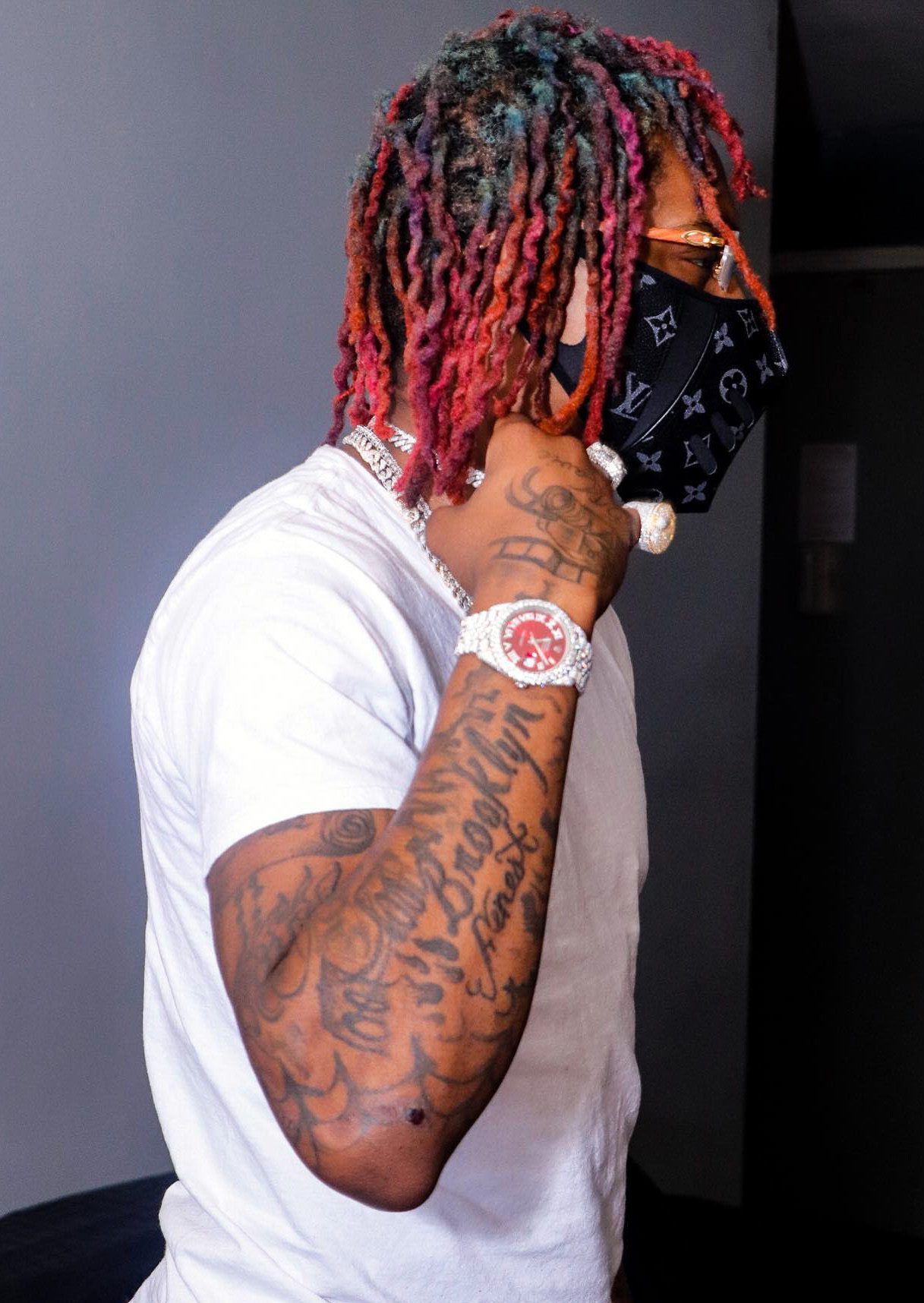
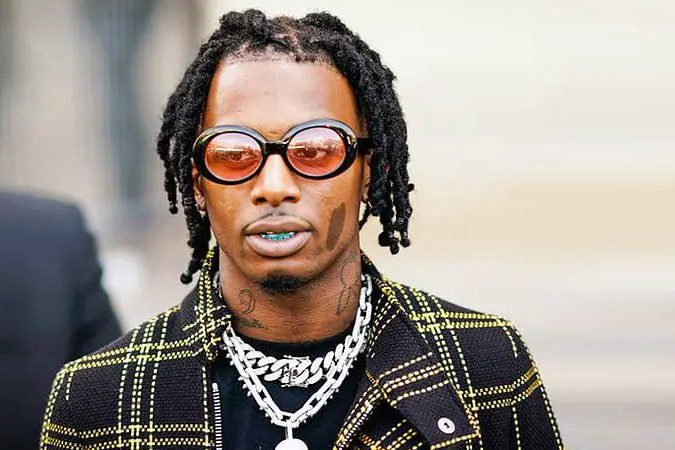
Sosa Geek’s Single Stranded Twists
Sosa has been experimenting with the hair for a long time but recently he impressed his fans with the colored twists. Not only did the combo of red, blue, and pink tones surprise us but also the type of the twists he used. What looks like a regular hair twist is actually a single hair strand that was twisted in a normal way first to get a similar curl and then unrolled and separated into the individual twists. Such a creative way of implementing the popular hairstyle.
Related
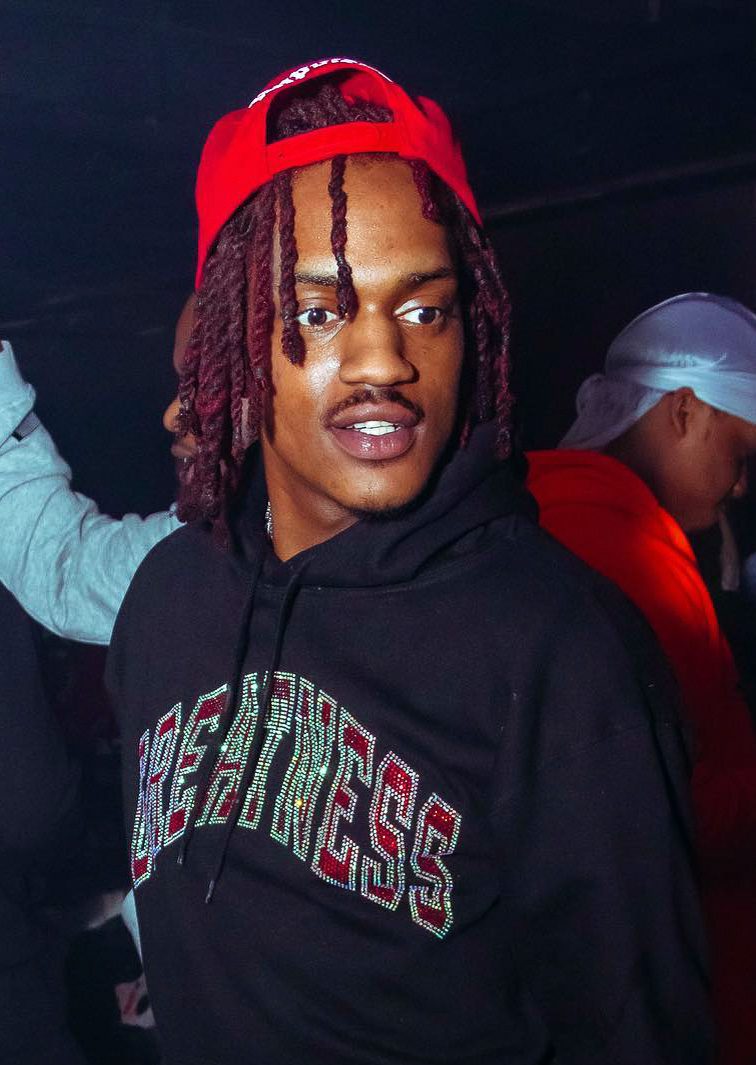
Sosa Geek’s Regular Red Twists
When Sosa is not testing new hairstyles he can be seen with his usual twists: the two-strand twists of different widths and the curled ends complemented by a spicy red color look vivid on Sosa. This would be a simple enough style to do at home and not too complicated to keep it up. So definitely a good choice for someone with a casual style.
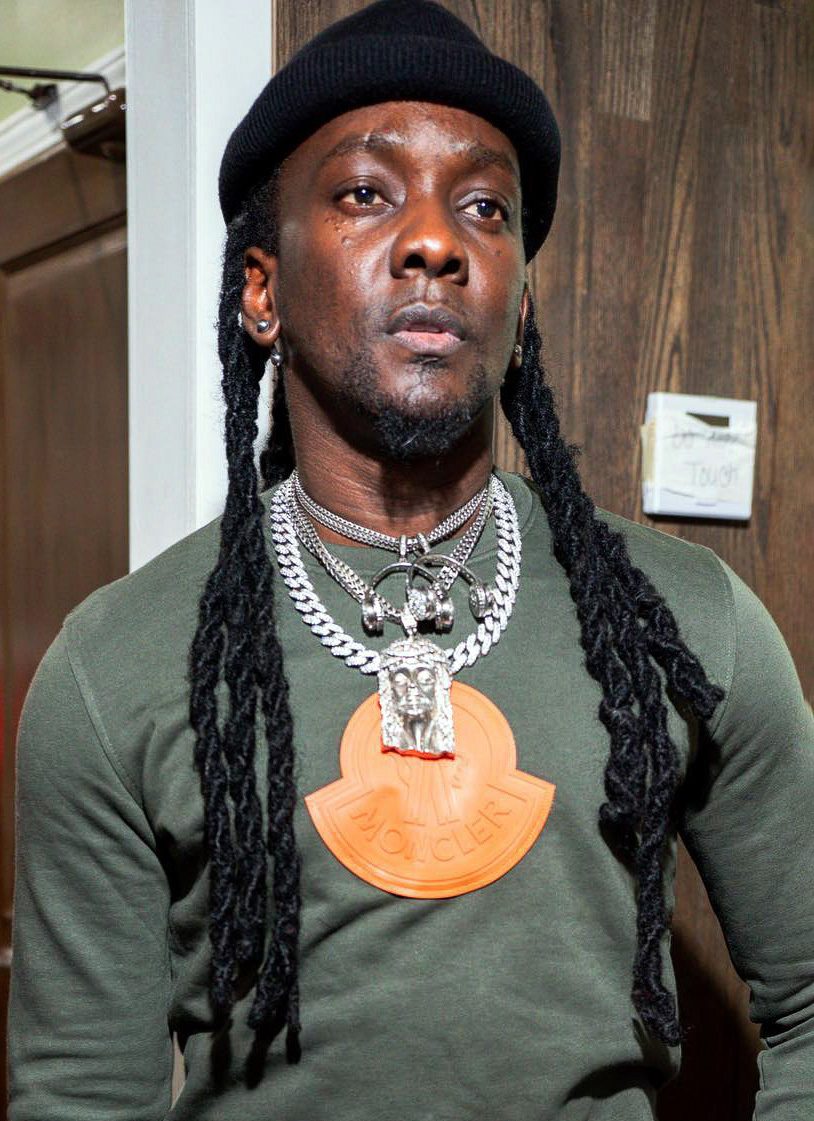
Mr. Killa’s Long Black Twists
Mr. Killa made a great choice of casual-looking two-strand twists that are extremely easy to be done at home and can be transformed into a different hairstyle every day whether it’s a high bun, low ponytail, or something that you will come up with. Yet they look polished enough to perfectly match formal wear for an official event or ceremony.
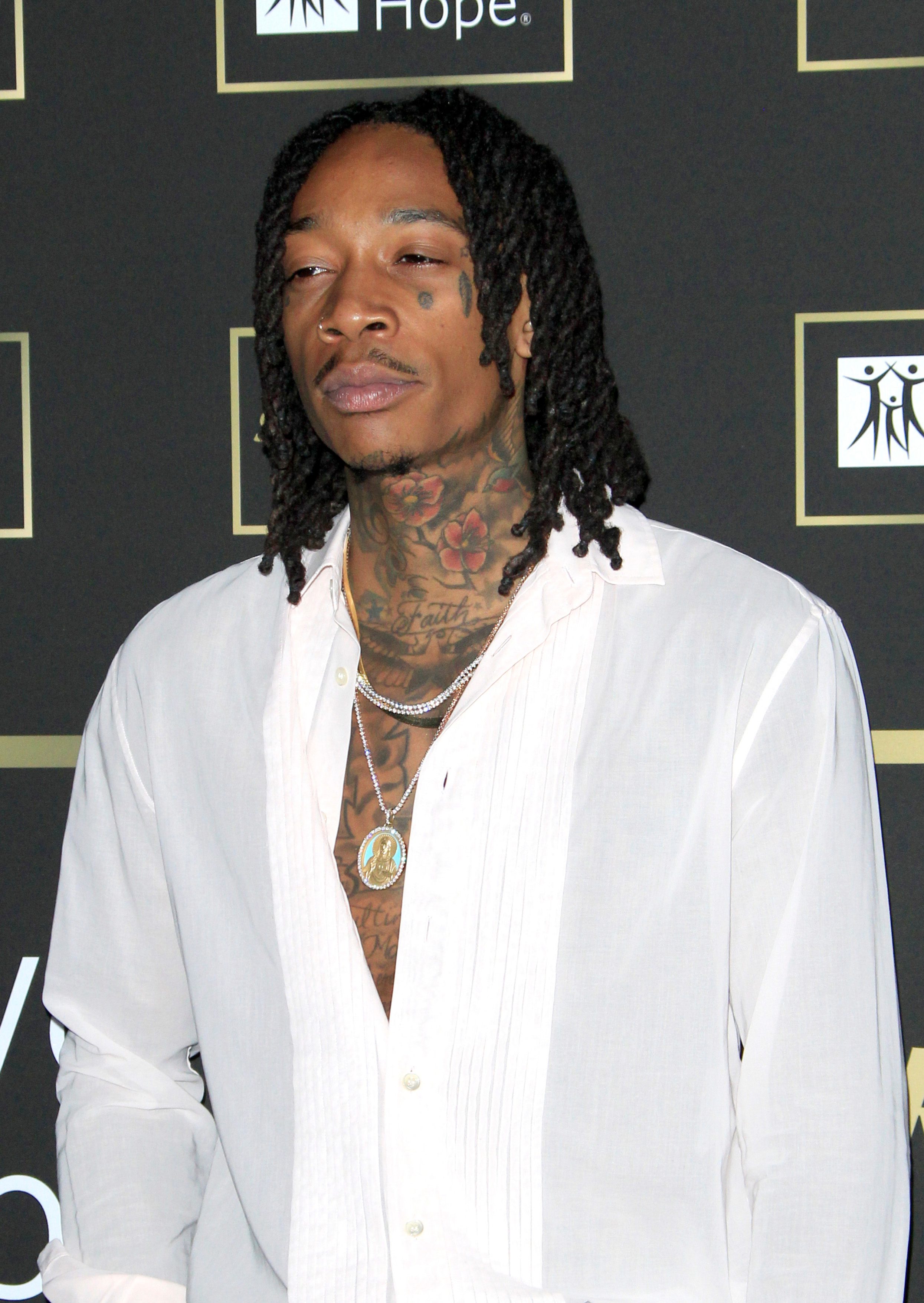
Wiz Khalifa’s Large Black Twists
Same Wiz, different hair! And we have to admit that both options look good on him. This time Wiz decided to go for a more elegant, classy style and that was definitely a good choice for this kind of event.
Smoothly rolled black twists of different lengths suit him a lot: starting with the shorter twists next to his face and gradually lengthening to the back of his head such hairstyle creates a beautiful framing for the face features.
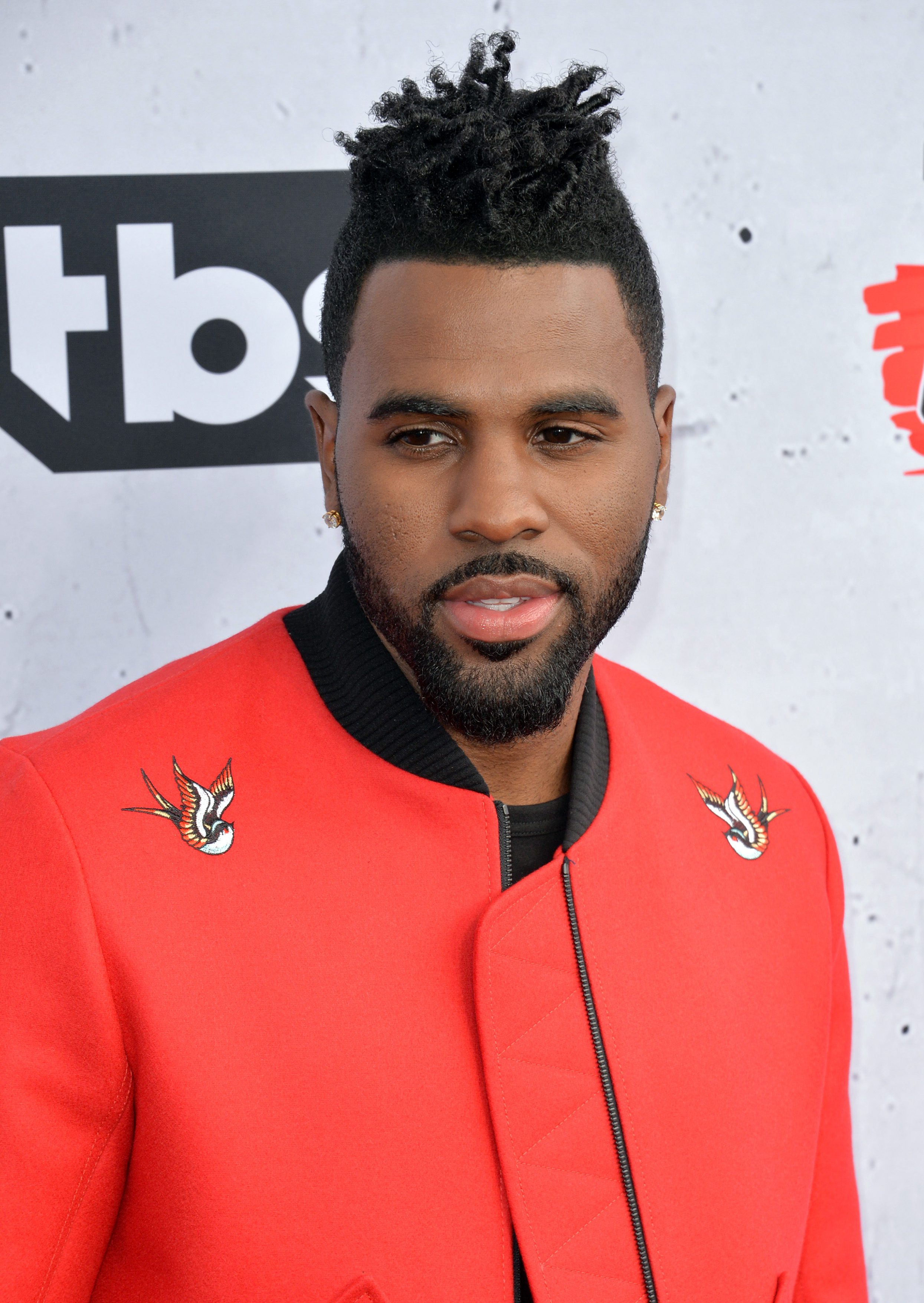
Jason Derulo’s Extravagant Short Twists
Jason has always had that thirst for some fanciful looks just like his music preferences. But in a combination with a neatly framed beard and freshly trimmed sides, such unordinary twists in short length look as glorious as any other twist hairstyle. Using a thin curler would be also helpful to roll such twists as it can soften the structure of the hair and make it more flexible.
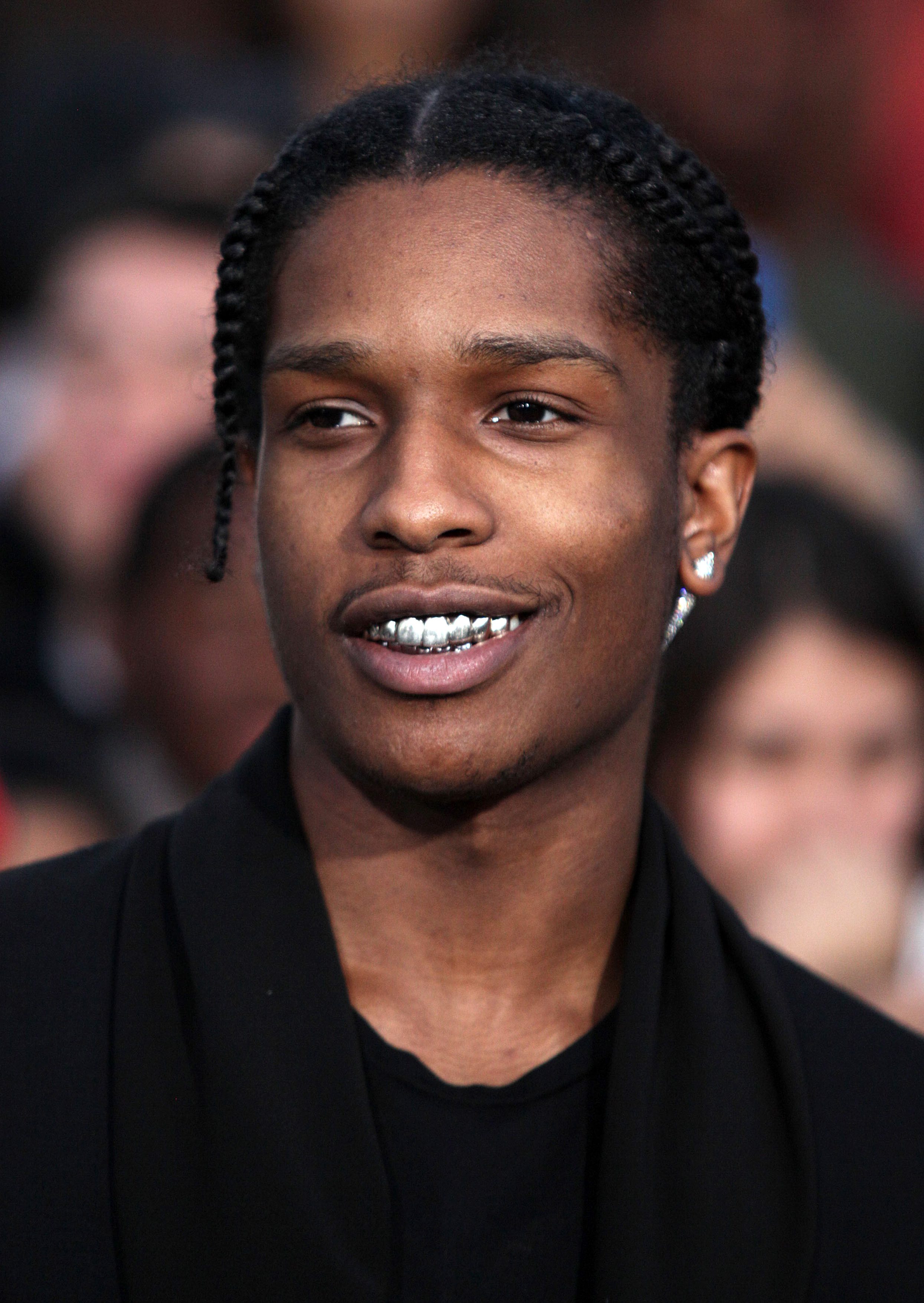
ASAP Rocky With Medium Twists
Not a big fan of the longer twists? Not a problem! ASAP Rocky doesn’t like them too. His choice of a few medium-length twists with shortly trimmed sides is a great option for everyday styling. Also, it doesn’t require too much time to be kept up and will be suitable even for a strict ceremonial look.
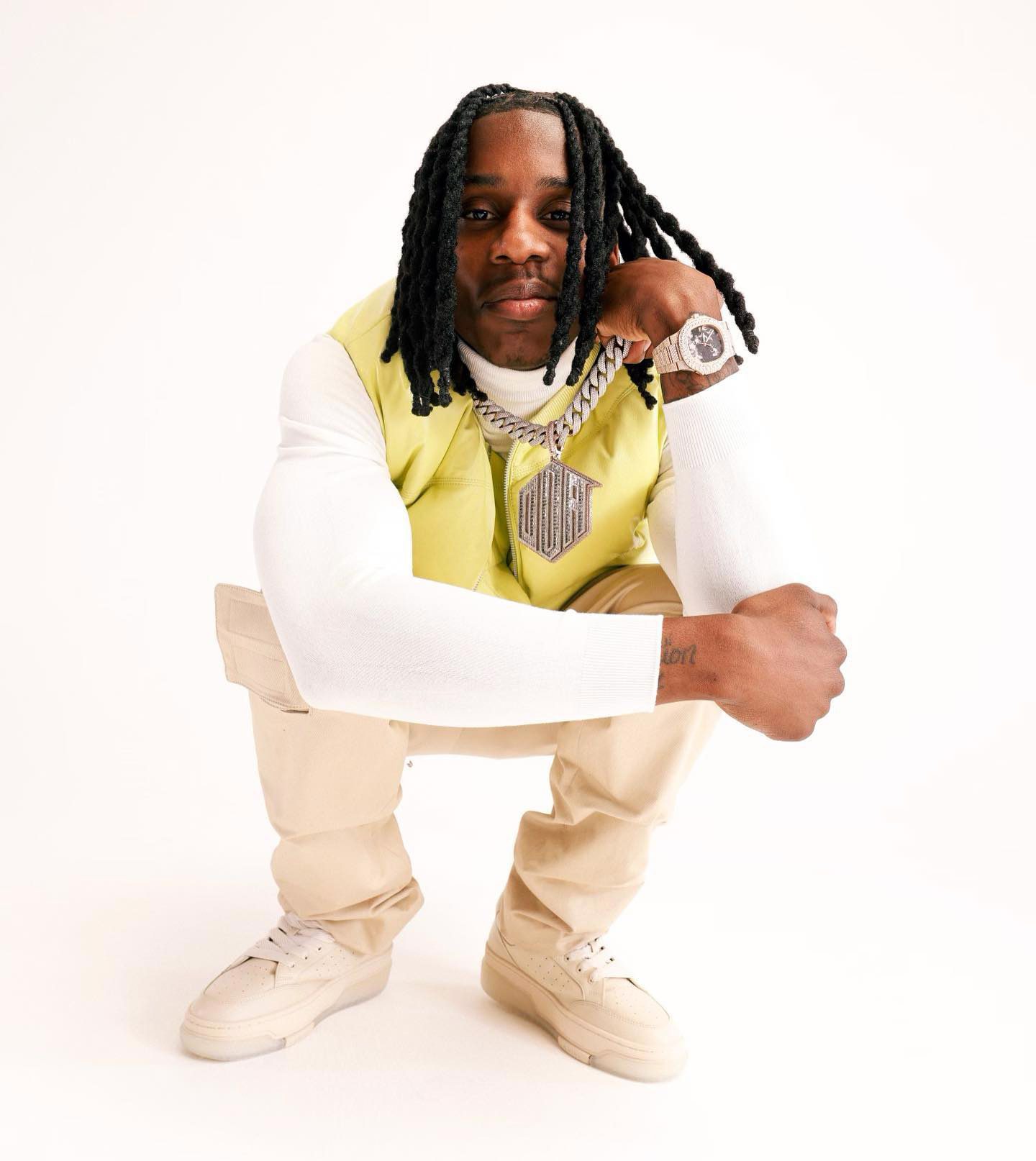
Polo G With Plush-Looking Hair Twists
Short hair with long wide twists – how could that be combined you may ask. With the correctly selected extensions, anything can be possible. Polo G doesn’t have long hair but it didn’t stop him from getting the twists. His hairstylist created thin almost invisible harnesses to which the plushy, lightweight extensions were attached. This could be a bit tough to wear every day due to the high pressure on the natural hair, but assuredly a cool idea for a photoshoot.
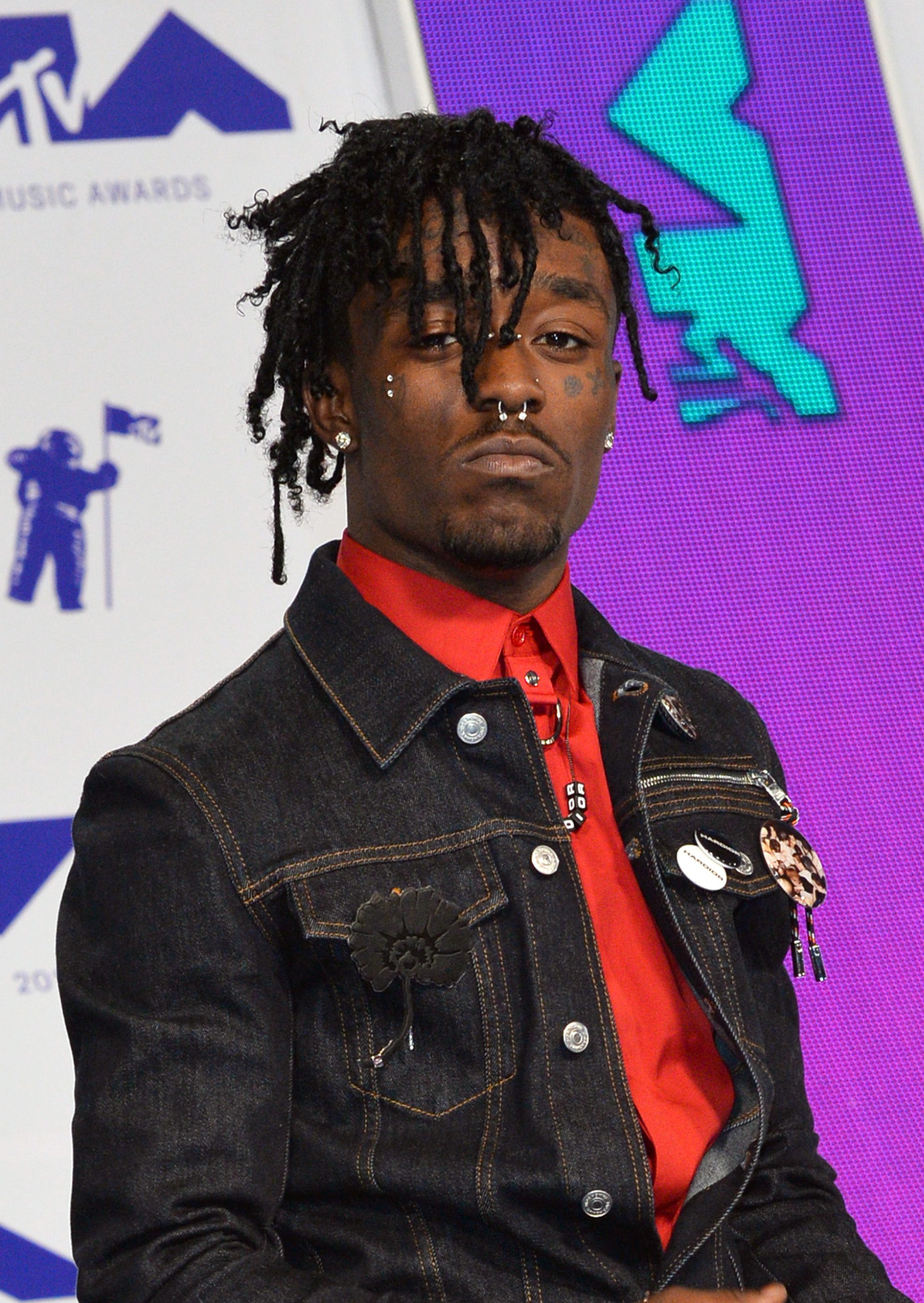
Lil Uzi’s Sloppy Twists
Apparently, Lil Uzi is not a big admirer of the crisp, geometrical shapes or lines, at least his hair tells us so. Perchance, such a twisted hairstyle would work for someone artistic and open to jumbling styles. Lil has a combination of a few lengths and types of twists: thick two-strand twists covering his face are mixed with the shorter coil curls. Might be not a universal hairstyle but certainly has a right to exist.
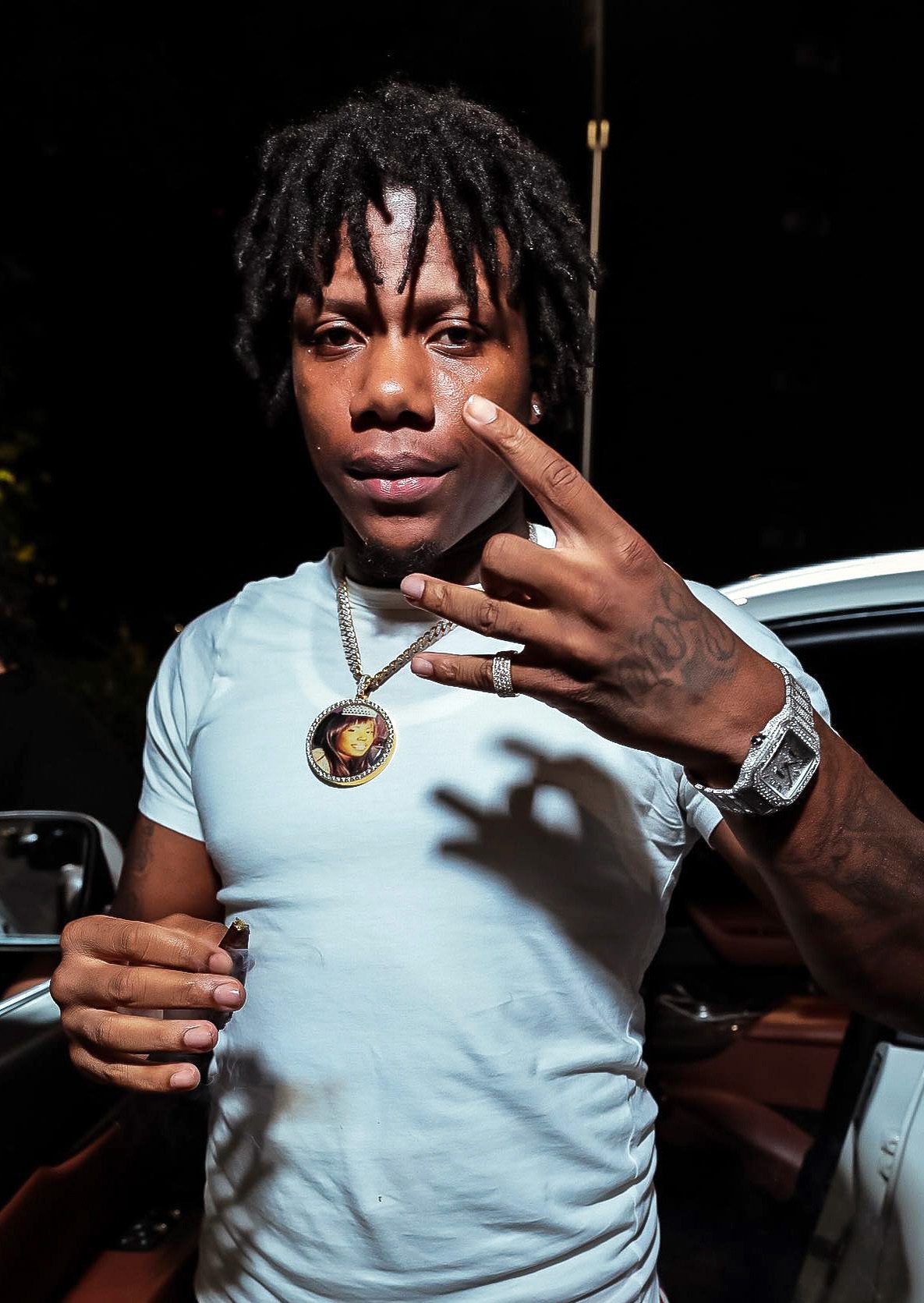
Neek Bucks With Dread-Looking Twists
For those of you with long, fluffy hair this hairstyle might be the most beneficial one. Such hair twists won’t require long hours of styling or too much attention in order to keep them in shape. The dread-like hair twists can be an excellent addition to your casual outwear and lifestyle.
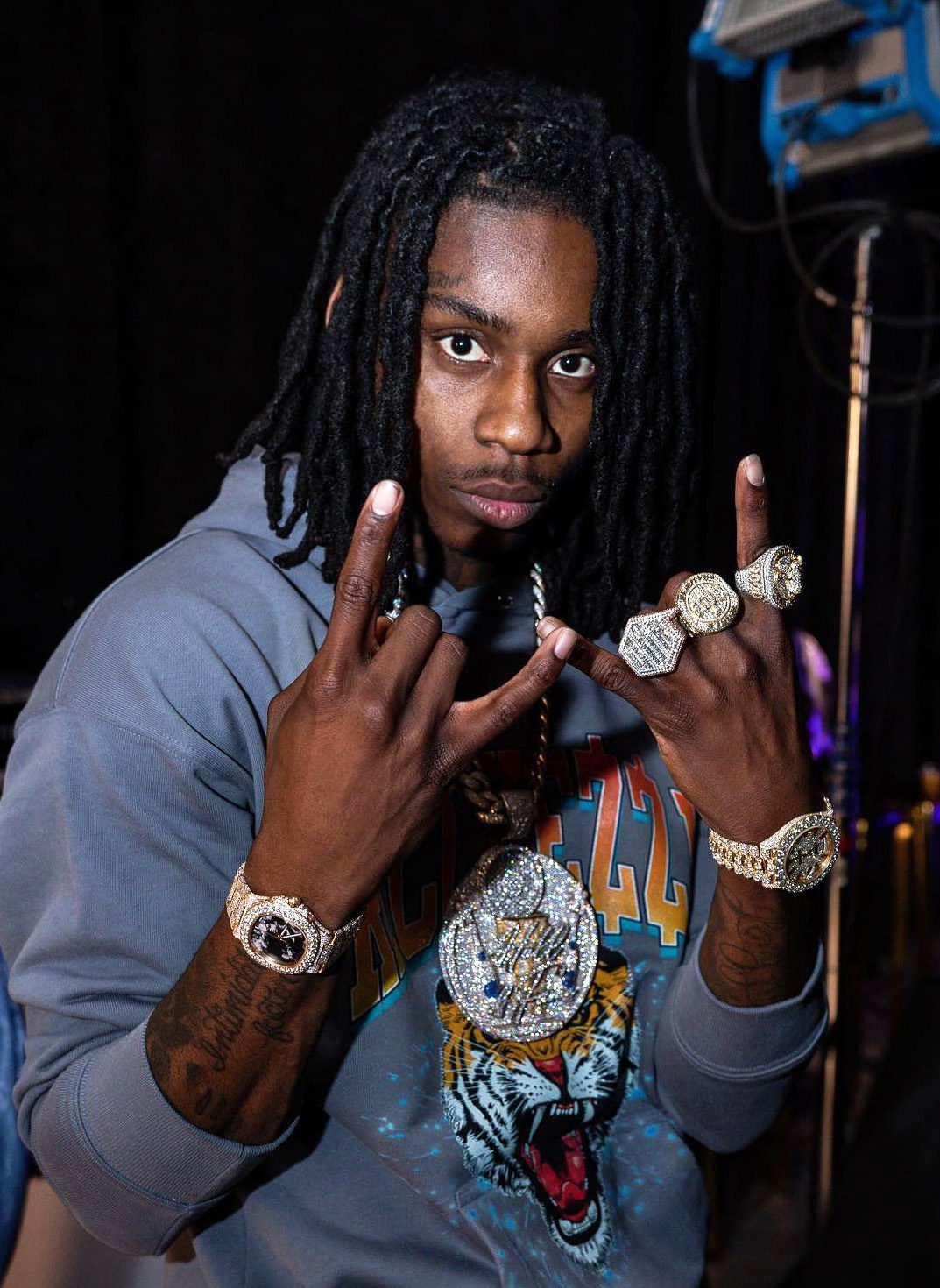
Polo G With Tightly Curved Twists
We have seen Polo G with various styles of hair, but this one seems to be the most casual one. The neatly rolled twists with the prominent curls look good on Polo G and for sure will suit anyone with the afro-textured hair. These twists are versatile when it comes to the styling options as with such length it will be simple to tie the twists into a low bun or a bigger knot.
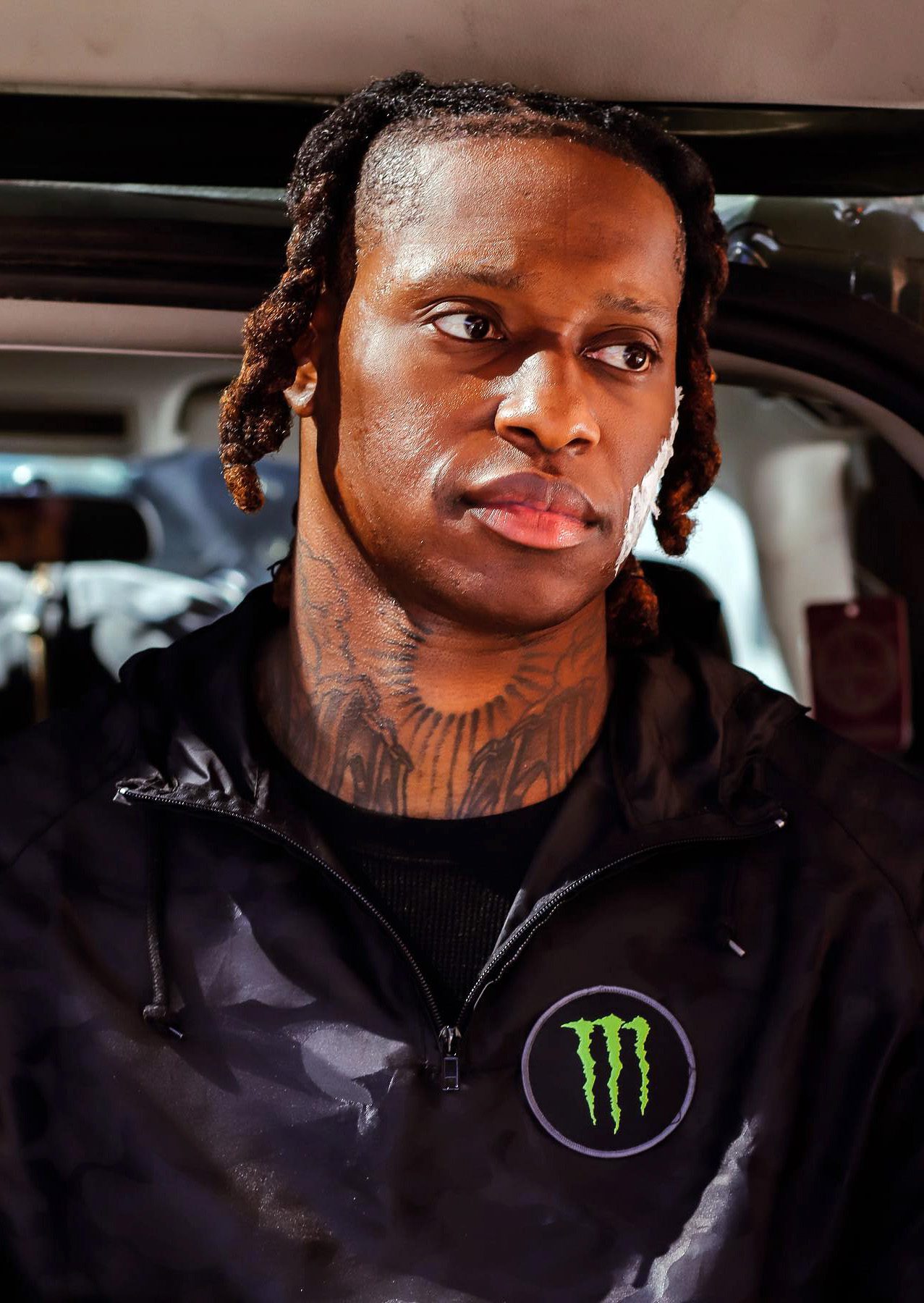
Phresher’s Twisted Jumbo Braids
Phreshes surprised everyone during the shooting of his new music video. His choice of complicated prosthetic makeup and four twisted braids created a provocative image and made him look like a completely new character in that video. Maybe you’re looking for some radical changes as well? Thus trying such a hairstyle could help you juice up your style.
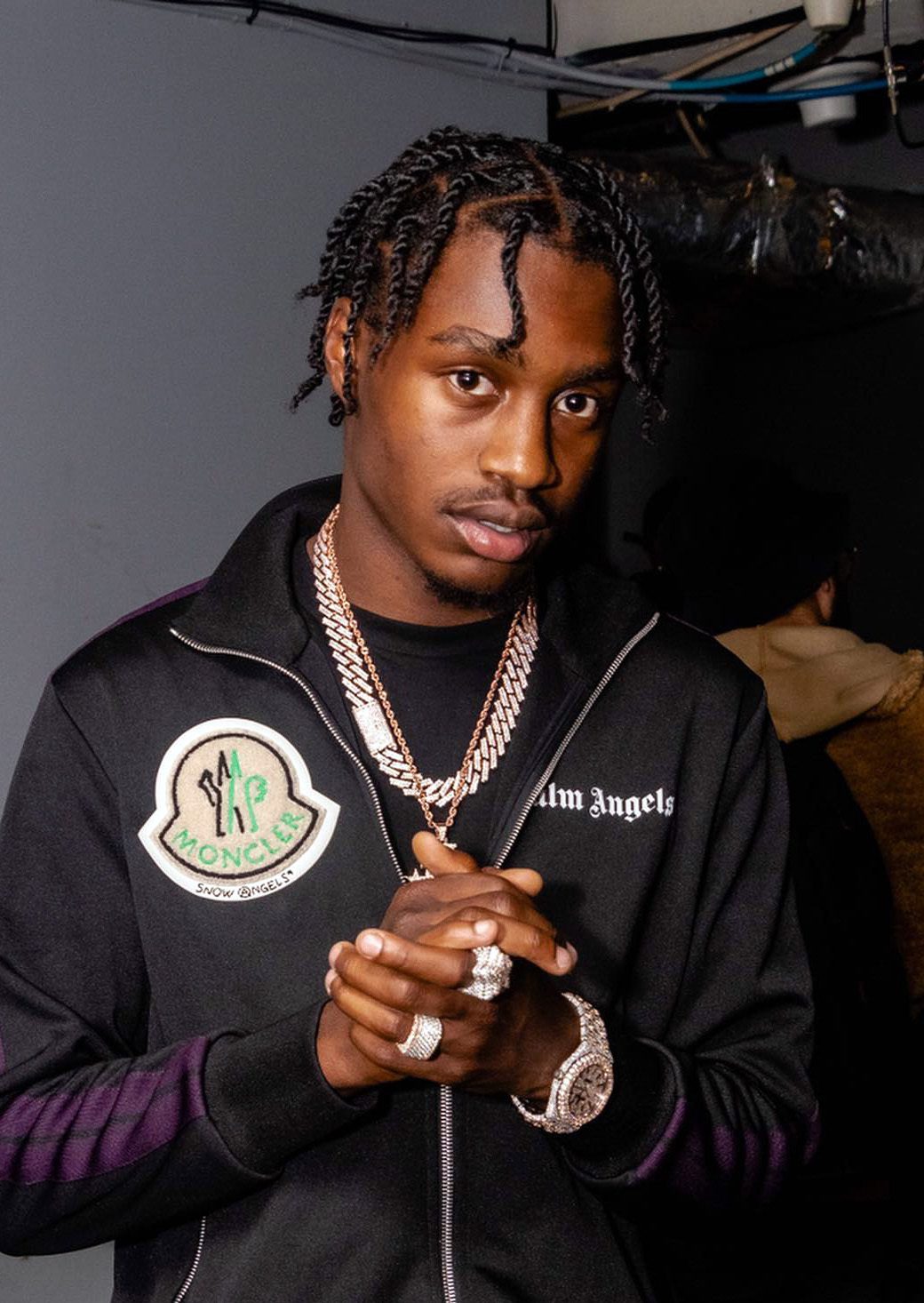
Lil Tjay’s Crochet Twists
Looking for some type of braiding that would look neat and have a glossy finish? Then go for crochet twists! Lil Tjay nailed it with the short two-strand twists made by a crocheting technique. Further, those twists can last up to eight weeks without becoming messy or tangled which makes them the most practical hairstyle for guys with afro-textured hair.
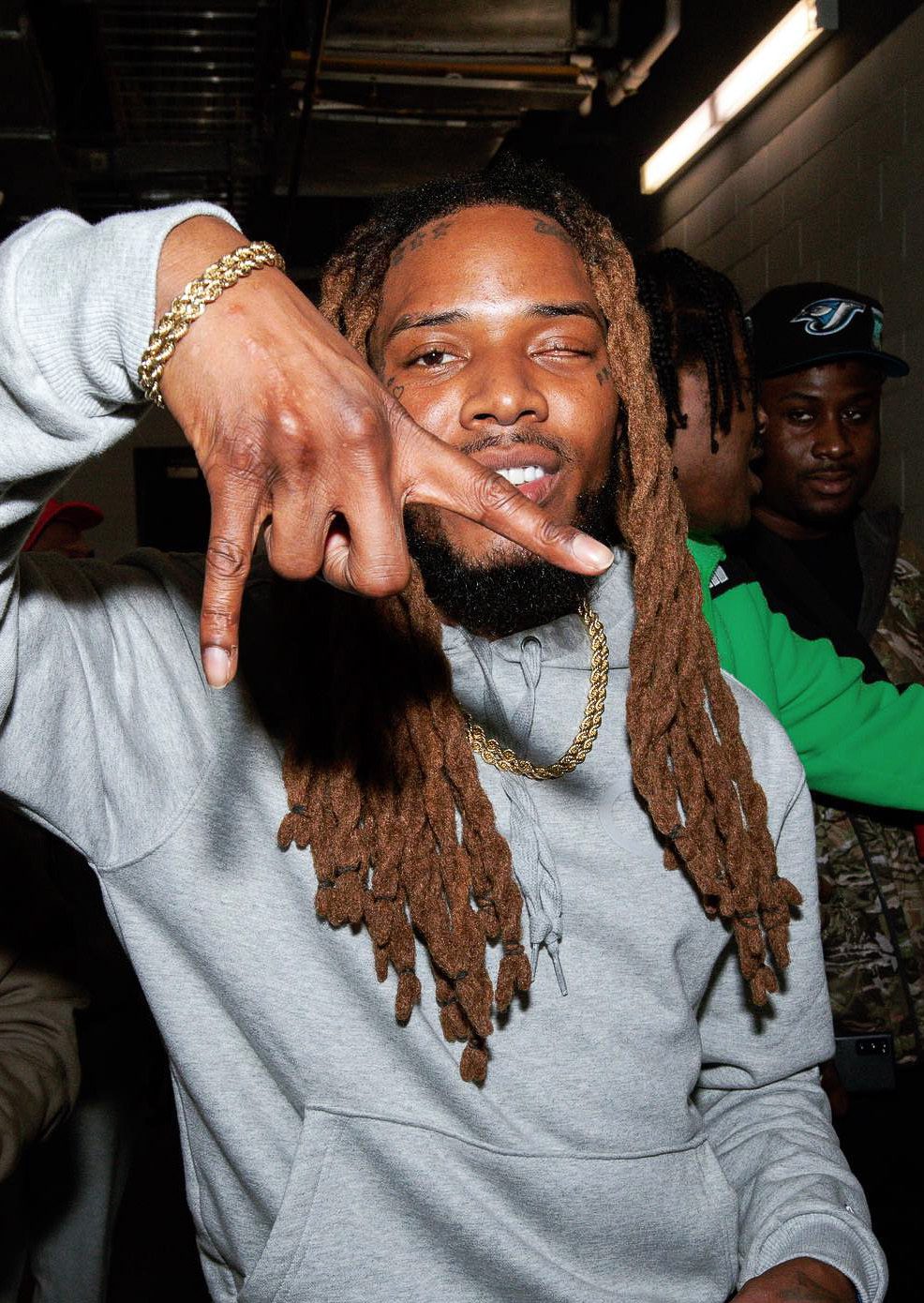
Fetty Wap’s Long Light Brown Twists
Fetty Wap likes to have his hair braided with the long twists of the milk chocolate color. Such a hairstyle is not something very practical, but definitely something to make an impression with. It would be tough to keep up with such twists due to their weight and size. However, you can try to pull them in a low knot or bun whenever you do something actively.
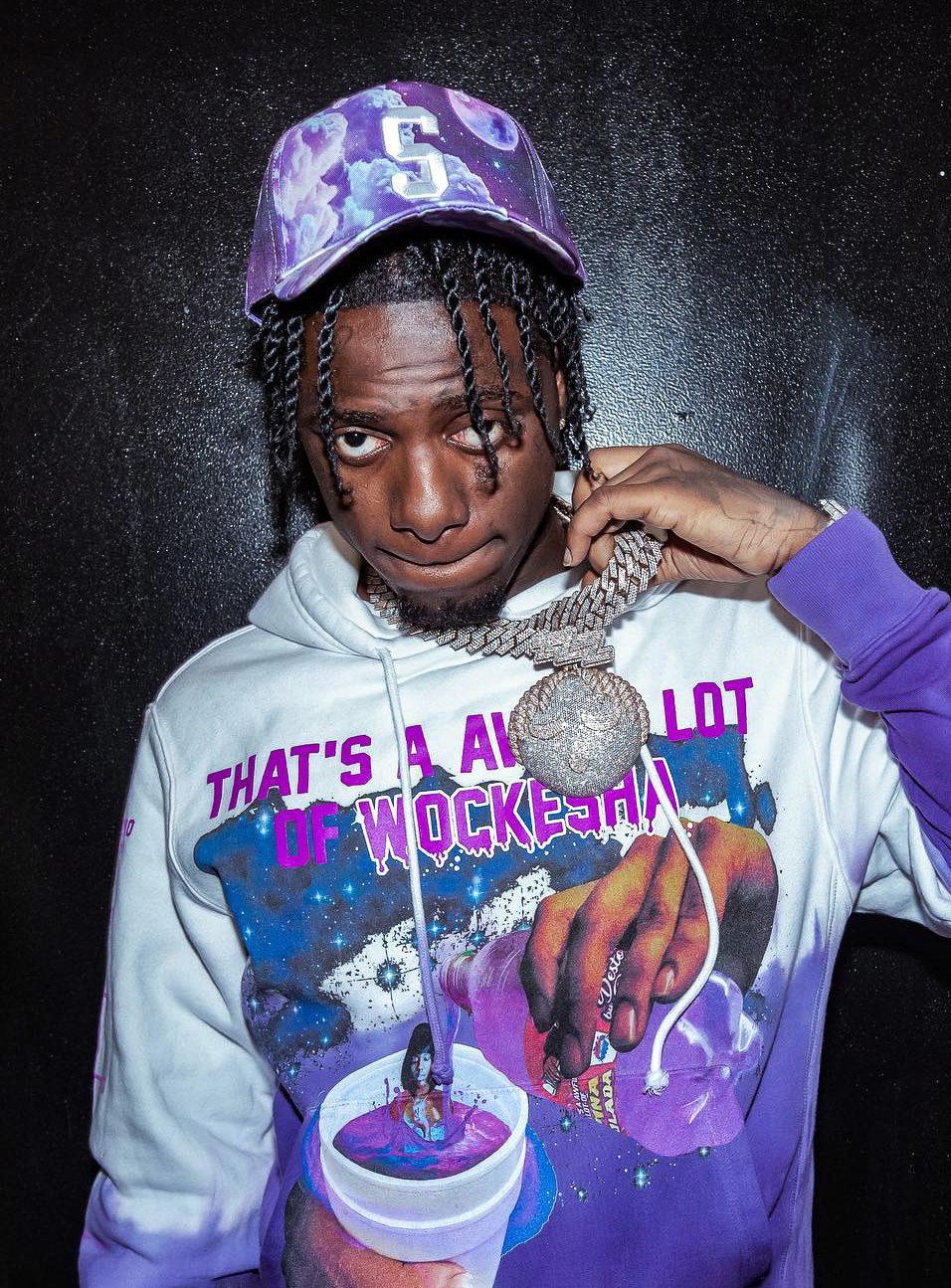
Sleepy Hallow’s Thin Crochet Twists
Another excellent example of wearing the crochet twists is demonstrated to us by Sleepy Hallow. His tidy-looking, shiny twists look stylish and modestly at the same time. These twists made with the crocheting technique of braiding can last longer than other twists and won’t make your daily routine more difficult.
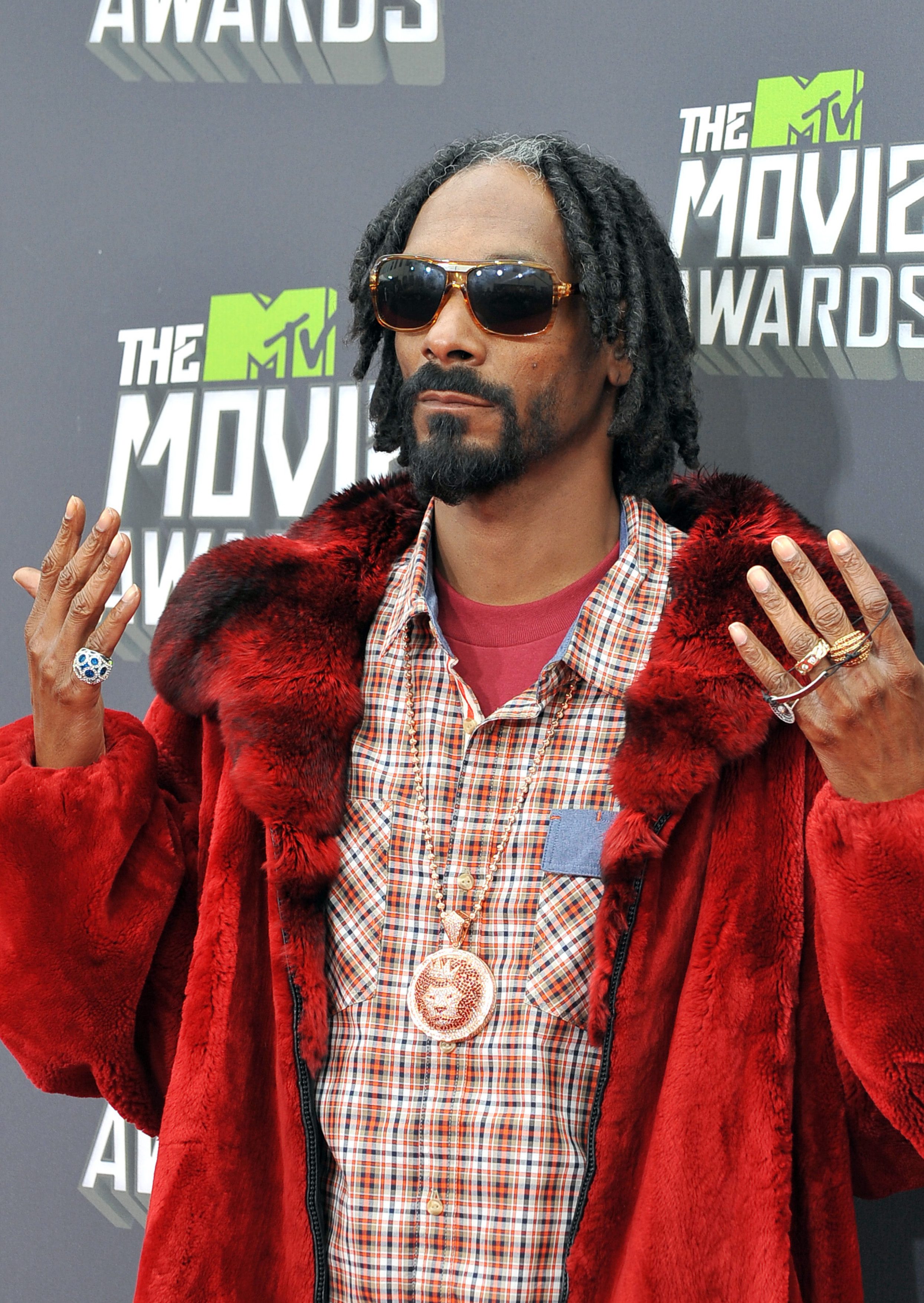
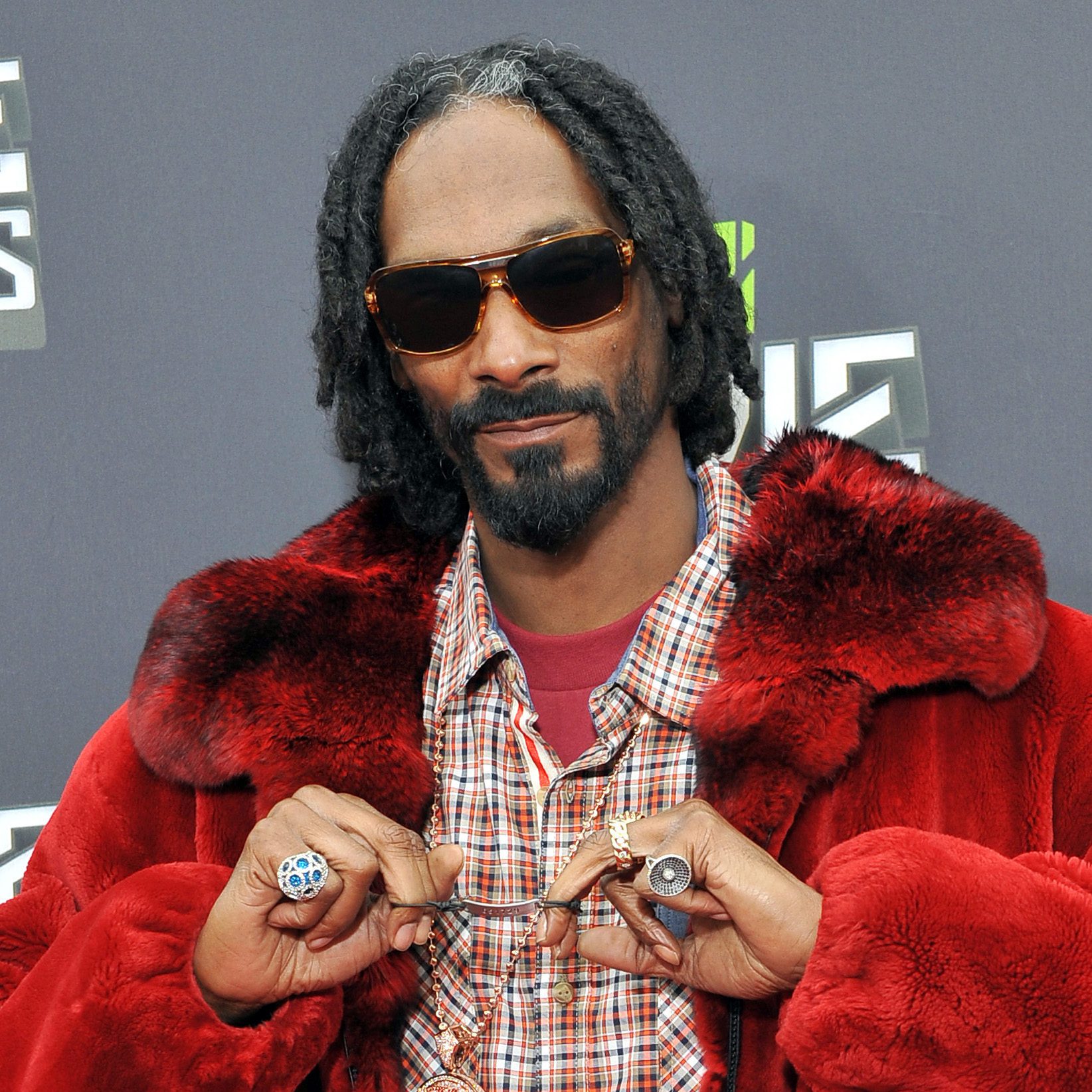
Snoop Dogg’s Tangled Twist Braids
Oh, Snoop Dogg is beyond doubt the King of the afro-textured hairstyles. We have observed so many of his experiments with hairstyles during the last decade. One of the most favored styles of Snoop Dogg is clearly the two-strand twists carefully rolled in big braids of the medium length. In a combination with a short box beard that hair looks absolutely stunning.
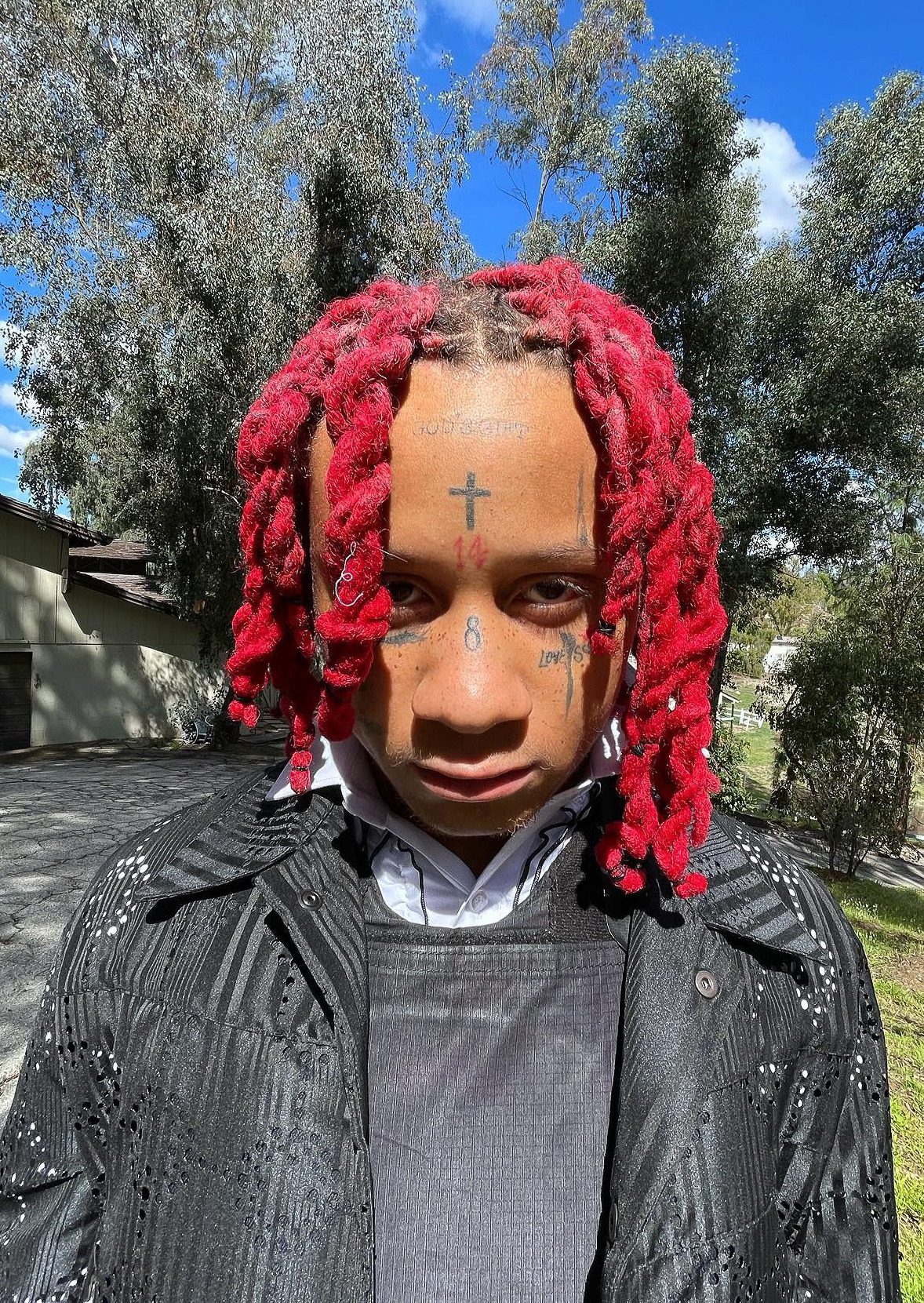
Trippie Redd’s Red Jumbo Twists
Trippie Redd is one of the most bizarre-looking celebrities but in a good way. His outfits might look ludicrous to someone, however, his appearances can be quite noteworthy. This time it’s not an exclusion: the ruby red twists of various widths are made out of extensions and connected to the roots with the help of the tiny hair harnesses. It’s not the healthiest way of styling your natural hair, but can be an interesting choice for a short period of time.
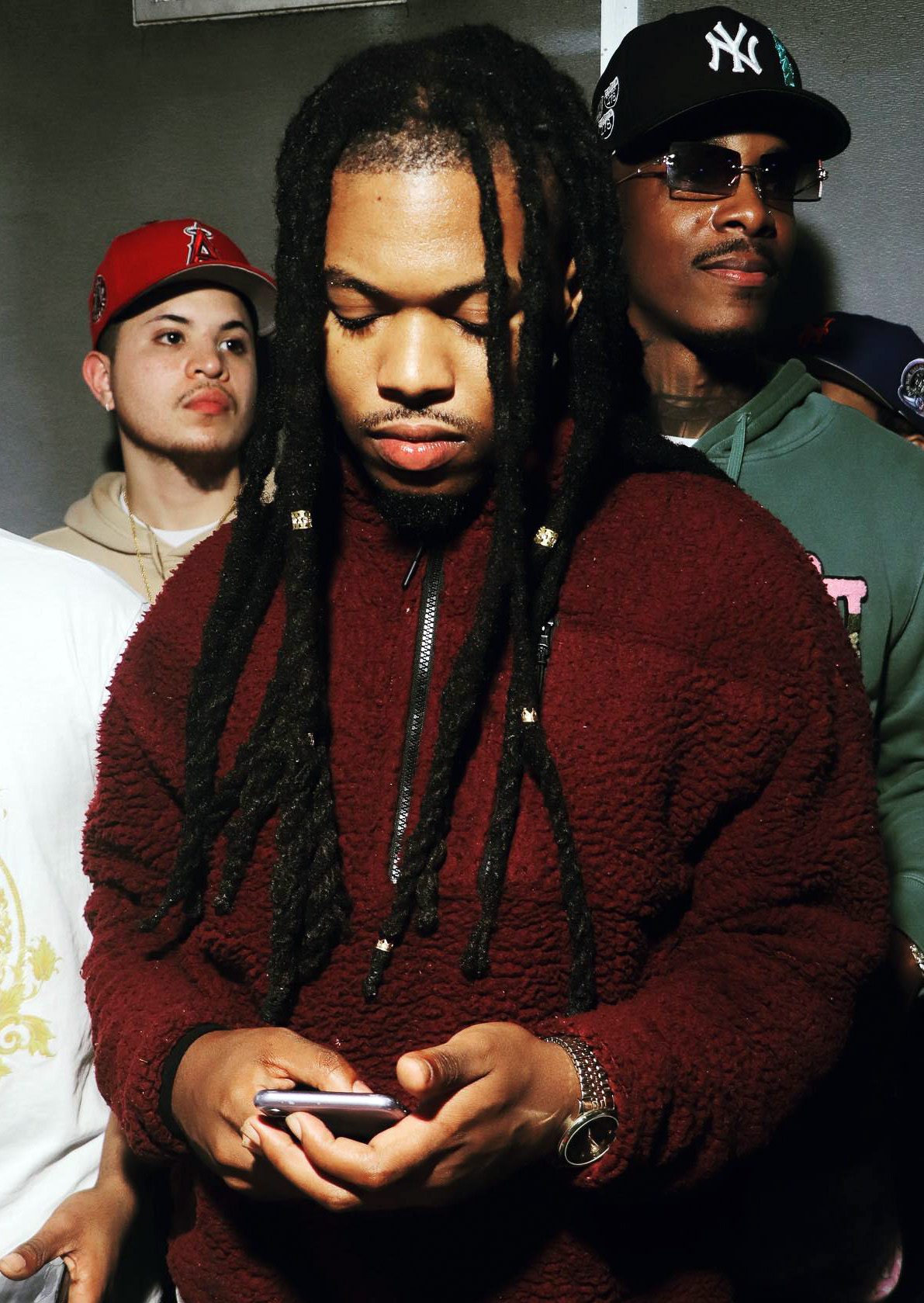
Capella Gray’s Long Twists With Beads
Hair accessories have never been something that is assigned only to women’s hair. Wearing hair jewelry or metallic beads is a common thing among some male celebrities as well. Indeed, some of the pieces can be worth thousands of dollars and simply hang on the twist or braid. A great example of wearing the expensive beads is demonstrated to us by Capella Gray: shaved off forehead with extra-long twists of medium width and a few inlaid hair accessories.
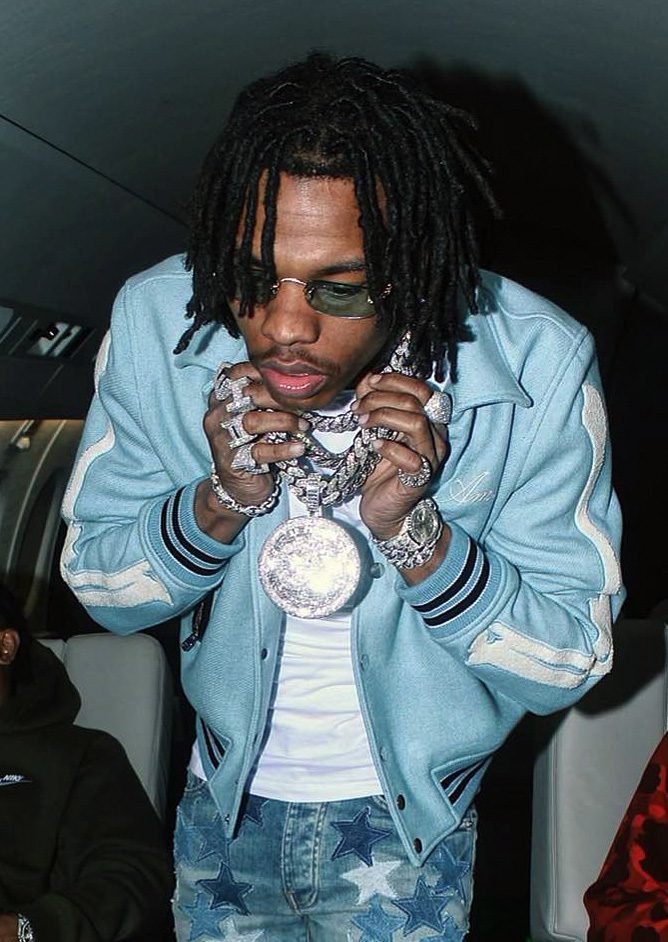
Lil Baby’s Stiff Hair Twists
If you’re willing to find a casual-looking hairstyle with the twists of the small width that are tightly rolled in – look no more. Lil Baby has a lot of twists of various lengths that cover his face partially and look fine with his sports bomber jacket. Also, such hair twists can last way longer than the rest because of the cramped twisting technique.
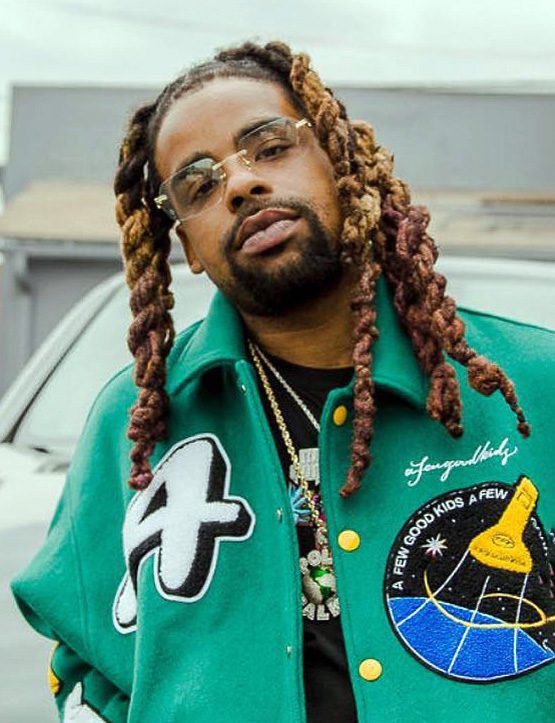
Mr. Chicken’s Coloured Multi Twists
For sure not the most popular twisted hairstyle but the most favorite of Henry Dyer whose scenic name you might know as Mr. Chicken. Just look at this crazy and sophisticated combination of extra short hair on top and extra-long, wide twists made of dozens of smaller ones. Worth to mention that the weight of one braid like that can be uncomfortable to wear due to the pulling strength. But feel free to try it if you’re looking for something extravagant.
Twist Hairstyles by Hair Length
The length of your hair plays an important role in determining which twist hairstyle will look and feel best. While short twists create a clean, low-maintenance appearance, medium-length twists offer the most styling flexibility, and long twists provide endless options for creative looks. Whether you prefer a simple everyday style or a bold statement haircut, choosing the right twist length can help you achieve a hairstyle that matches your lifestyle, hair type, and personal taste.
Short Twists for Men
Short twists are one of the most popular options for men who want a stylish protective hairstyle without the extra maintenance of longer hair. Typically created on shorter natural hair, this style gives a neat, textured appearance while keeping the hair easy to manage. Short twists pair especially well with fades, tapers, and sharp lineups, creating a modern contrast between the clean sides and textured top.
This length is ideal for beginners trying twists for the first time because it requires less styling and is easier to maintain. Short twists can be worn with a low fade for a professional look, a high fade for a more dramatic appearance, or a temple fade for a subtle upgrade. Regular moisturizing and gentle maintenance help keep short twists defined and prevent dryness.
Medium-Length Twists for Men
Medium-length twists offer the perfect balance between versatility and convenience. With more length to work with, men can experiment with different styles while still keeping their hair manageable for everyday wear. Medium twists can be worn loose, pulled into a half-up style, tied back, or combined with fades and undercuts for a modern finish.
This length works well with two-strand twists, sponge twists, and rope twists, allowing the natural texture of the hair to stand out. Medium-length twists are also great for adding accessories such as beads or cuffs for a more personalized look. For men who want maximum styling options without committing to very long hair, medium twists are often the ideal choice.
Long Twists for Men
Long twists create a bold, eye-catching hairstyle with plenty of styling possibilities. Men with longer hair can wear twists down for a relaxed look, tie them into a man bun, create a ponytail, or experiment with layered and creative styles. Long twists are especially popular because they showcase the movement and texture of natural hair while offering a distinctive appearance.
Because longer twists require more hair and maintenance, keeping the hair properly moisturized is essential. Regular washing, conditioning, and scalp care help prevent buildup and keep twists looking healthy. Long twists can also take longer to install and maintain, but the variety of styling options makes them worth the commitment for many men.
Short vs. Medium vs. Long Twists: Which Length Is Best?
The best twist length depends on your desired style, maintenance routine, and hair goals. Short twists are ideal for men who want a clean, practical hairstyle with minimal upkeep. Medium twists provide the most flexibility and are a great choice for men who want to experiment with different looks. Long twists are perfect for those who want a statement hairstyle with maximum styling freedom.
No matter the length, twists can be customized with fades, parts, color, and accessories to create a unique look. Choosing a length that matches your hair texture and daily routine will help ensure your twists stay stylish, comfortable, and easy to maintain.
Best Twists by Hair Type
The best twist hairstyle depends largely on your natural hair type, curl pattern, thickness, and texture. Twists work especially well with curly, coily, and textured hair because they enhance natural definition while helping protect the hair from excessive manipulation. Choosing a twist style that matches your hair type will make maintenance easier, improve the overall appearance, and help your hairstyle last longer.
Twists for Curly Hair (Type 3)
Men with curly hair can achieve stylish twists that enhance their natural curl pattern while adding shape and definition. Looser curls often work well with two-strand twists, mini twists, and medium-length twists because they create a textured look without hiding the natural movement of the hair.
Curly hair twists are ideal for men who want a softer, more relaxed appearance. Styles such as short curly twists with a taper fade, medium twists with a lineup, or longer twists with a natural finish all complement Type 3 curls. Using a curl cream or lightweight leave-in conditioner helps maintain moisture and keeps twists looking defined.
Twists for Coily Hair (Type 4A)
Type 4A hair has a tighter curl pattern that naturally holds twists well. This hair type is excellent for two-strand twists because the texture provides strong definition and helps the style maintain its shape. Short twists, medium twists, and protective twist styles are all popular choices for men with 4A hair.
Coily hair benefits from regular moisturizing because tighter curl patterns can lose moisture more quickly. Applying a hydrating cream or natural hair oil before twisting helps reduce dryness and keeps the twists smooth, healthy, and long-lasting.
Twists for Kinky Hair (Type 4B)
Type 4B hair has a dense, zigzag curl pattern that creates excellent volume and texture in twist hairstyles. Men with 4B hair can achieve bold looks such as chunky twists, sponge twists, mini twists, and high-volume twist styles.
Because 4B hair can be prone to dryness and shrinkage, proper preparation is important. Deep conditioning, gentle detangling, and regular hydration help create cleaner twists while protecting the hair from breakage. Pairing twists with a fade or taper can add a sharp contrast to the natural texture.
Twists for 4C Hair
4C hair is one of the most common hair types for twists because its tightly coiled texture holds styles exceptionally well. From short starter twists to long two-strand twists, 4C hair offers endless styling possibilities. Popular options include flat twists, mini twists, chunky twists, and twists combined with fades.
Since 4C hair tends to be more fragile and moisture-sensitive, maintaining hydration is essential. Using leave-in conditioner, twisting creams, and scalp oils can help keep twists soft, reduce frizz, and improve overall hair health.
Twists for Thick Hair
Men with thick hair have many options when it comes to twists because their natural volume creates fuller, more noticeable styles. Larger two-strand twists, rope twists, jumbo twists, and long twists all work well with thick hair.
A fade or undercut can help balance the volume by creating cleaner sides while allowing the twists on top to stand out. Regular moisturizing and occasional retwisting help thick twists maintain their shape and prevent excessive tangling.
Twists for Fine or Thin Hair
Men with fine or thinner hair can still wear twists by choosing styles that create the appearance of fullness without putting too much stress on the hair. Smaller twists, short twists, and textured twist styles are often better choices because they add definition while keeping the hair lightweight.
Avoiding overly tight twists is important for maintaining healthy hair. A skilled stylist can create twists that provide texture and style while minimizing tension on the scalp.
Choosing the Right Twists for Your Hair Type
The best twists are the ones that work with your natural texture and lifestyle. Curly hair often benefits from defined, softer twists, while coily and kinky hair can support more structured and long-lasting styles. Hair thickness, length, and moisture needs should also influence your choice.
Whether you prefer short twists with a fade, classic two-strand twists, or long statement twists, selecting a style designed for your hair type will help you achieve a cleaner look, easier maintenance routine, and healthier-looking hair.
Twists by Fade
Combining twists with a fade is one of the most popular ways to create a modern, clean, and stylish men’s hairstyle. The contrast between the textured twists on top and the gradually shortened sides creates a sharp appearance that works for different hair lengths, textures, and personal styles. Whether you prefer a subtle taper or a bold skin fade, the right fade can enhance the shape of your twists while making the overall haircut easier to maintain.
Twists with Low Fade
A low fade with twists creates a balanced hairstyle that keeps the sides clean while maintaining plenty of texture on top. Because the fade begins lower around the ears and neckline, it offers a more natural and professional appearance compared to higher fades. This combination works well with short twists, medium two-strand twists, and longer twists that can be styled in different ways.
Low fade twists are a great option for men who want a modern protective hairstyle that works in both casual and professional settings. Adding a sharp lineup or clean hairline can further enhance the polished finish.
Twists with Mid Fade
A mid fade is one of the most versatile options for twist hairstyles because it creates the perfect balance between contrast and coverage. Starting around the temples, a mid fade draws attention to the twists on top without making the haircut feel too dramatic.
Mid fade twists work especially well with medium-length twists, sponge twists, and textured twist styles. This combination gives the hairstyle a contemporary look while keeping the sides neat and reducing bulk around the head.
Twists with High Fade
High fade twists create a bold, eye-catching hairstyle by removing more hair from the sides and placing all the focus on the twisted texture above. This style is popular among men who want a sharper, more fashion-forward appearance.
A high fade pairs well with short twists, chunky twists, and longer twists that create strong contrast. The clean sides make the twists appear fuller while giving the haircut a fresh, athletic feel.
Twists with Skin Fade
A skin fade takes the fade effect all the way down to the skin, creating maximum contrast between the sides and the twists. This ultra-clean style works particularly well with defined two-strand twists, short twists, and textured tops.
Skin fade twists are ideal for men who want a modern haircut with a sharp finish. Because the fade grows out quickly, regular barber visits are recommended to keep the blend looking fresh.
Twists with Taper Fade
A taper fade is a subtle and classic option that cleans up the sideburns and neckline while keeping more natural hair around the sides. This makes it a great choice for men who want twists with a professional and low-maintenance appearance.
Taper fade twists work well with short twists, medium-length twists, and natural textured hairstyles. The style provides a clean upgrade without dramatically changing the overall shape of the haircut.
Twists with Drop Fade
A drop fade follows the natural curve of the head and drops lower behind the ears, creating a unique silhouette. When paired with twists, it adds extra shape and dimension while keeping the haircut balanced from every angle.
Drop fade twists look especially good with medium and long twists because the curved fade enhances the flow of the hairstyle. This is a great choice for men who want something different from a traditional fade.
Twists with Burst Fade
A burst fade creates a rounded fade pattern around the ears while leaving more length toward the back. It is a stylish choice for men who want a more creative twist hairstyle.
Burst fade twists pair well with curly twists, short textured twists, and longer styles that create movement. This fade is especially popular for men who want a unique haircut with a modern streetwear-inspired appearance.
Twists with Temple Fade
A temple fade focuses on cleaning up the area around the temples while keeping most of the hair intact. It is a subtle way to add definition to twists without changing the overall haircut too much.
Temple fade twists are ideal for men who prefer a natural look with a fresh, detailed finish. This style works well with short twists, curly textures, and casual everyday hairstyles.
Choosing the Right Fade for Your Twists
The best fade for twists depends on your hair length, maintenance preferences, and desired style. Low fades and taper fades offer a cleaner, more professional appearance, while mid and high fades create stronger contrast. Skin, drop, and burst fades provide a more modern and eye-catching finish.
No matter which fade you choose, combining it with well-maintained twists creates a hairstyle that is versatile, stylish, and easy to personalize. A skilled barber can customize the fade height, twist size, and overall shape to create a look that matches your hair texture and personality.
How to Get Twists
Getting twists starts with proper preparation, healthy hair, and choosing the right twisting technique for your hair type and desired style. While twists may look simple, achieving clean, long-lasting results requires the right products, proper sectioning, and careful handling to avoid unnecessary tension or damage. Whether you want short twists, two-strand twists, mini twists, or twists with a fade, following the correct process will help you achieve a cleaner and more defined hairstyle.
1. Start With Clean, Moisturized Hair
Before creating twists, begin with freshly washed hair to remove dirt, oil, and product buildup. Clean hair allows the twists to form properly and helps the style last longer. Use a moisturizing shampoo followed by a deep conditioner to restore hydration and make the hair easier to manage.
After washing, gently detangle the hair using a wide-tooth comb or your fingers. Avoid aggressive brushing, especially with curly or coily hair, as rough handling can lead to breakage and frizz.
2. Make Sure Your Hair Is the Right Length
Twists can be created on different hair lengths, but having enough hair makes the process easier and creates better definition. Most men need at least 2 to 3 inches of hair for basic twists, while longer hair provides more styling options.
Shorter hair can work well for starter twists, sponge twists, and tighter styles, while medium and long hair allow for larger twists, ponytails, buns, and more creative looks.
3. Apply a Moisturizing Product
Healthy twists begin with properly moisturized hair. Before twisting, apply a leave-in conditioner, twisting cream, curl cream, or natural hair butter to add moisture and improve hold.
The product helps the hair stay smooth, reduces frizz, and allows the twists to maintain their shape. Avoid using too much product, as heavy buildup can make twists look greasy and weigh the hair down.
4. Section the Hair
Clean sectioning is the key to achieving neat, consistent twists. Use a comb to divide the hair into evenly sized sections based on the type of twists you want.
Smaller sections create thinner, more defined twists, while larger sections create chunky or jumbo twists with more volume. Many stylists use clips or bands to separate sections while working through the hair.
5. Create the Twists
The most common method is the two-strand twist technique. Each section of hair is divided into two equal pieces, then wrapped around each other from the roots to the ends.
Keep steady tension while twisting, but avoid pulling too tightly, as excessive tension can irritate the scalp. The goal is to create secure twists that feel comfortable and allow the hair to move naturally.
6. Secure and Shape the Ends
Depending on your hair texture and length, the ends of the twists may naturally hold or may need additional shaping. Some people use a small amount of styling product, finger coiling, or gentle rolling to help define the ends.
For longer twists, the ends can be left loose for a natural look or styled into different finishes such as curls, coils, or wrapped sections.
7. Allow the Twists to Set
After twisting, allow the hair time to set. Some people let twists air dry, while others use a hooded dryer to speed up the process. Avoid disturbing the twists while they are drying, as this can create frizz and reduce definition.
Once dry, the twists can be separated slightly for added volume or left intact for a cleaner, more defined appearance.
Professional vs. DIY Twists
While twists can be done at home, visiting a professional stylist or braider can provide cleaner parts, consistent sizing, and longer-lasting results. A professional can also recommend the best twist size and style based on your hair type, length, and desired look.
DIY twists can be a convenient option for maintenance or simple styles, especially if you already understand your hair’s texture and needs.
How Long Does It Take to Get Twists?
The time required depends on your hair length, thickness, and the size of the twists. Short twists may take around one to two hours, while medium or long twists can take several hours. Smaller twists generally require more time because more sections need to be created.
How Long Do Twists Last?
With proper care, twists can typically last anywhere from two to six weeks. The exact lifespan depends on your hair type, twist size, maintenance routine, and lifestyle. Regular moisturizing, protecting your hair while sleeping, and avoiding excessive manipulation can help your twists stay neat for longer.
Getting twists is about more than creating a stylish look—it is also about choosing a hairstyle that works with your natural hair and daily routine. With proper preparation, the right products, and consistent care, twists can provide a versatile, protective, and fashionable hairstyle for men.
Barber's Tips for Maintaining Twists
Keeping twists looking fresh requires more than just getting the hairstyle installed. Proper maintenance helps preserve the shape, reduce frizz, protect your natural hair, and extend the life of your twists. While twists are considered a low-maintenance hairstyle, they still need regular care to stay healthy and stylish. Professional barbers and stylists recommend following a consistent routine focused on moisture, scalp health, and gentle handling.
Keep Your Hair Moisturized
Moisture is one of the most important parts of maintaining healthy twists. Natural hair, especially curly and coily textures, can lose moisture quickly, which may lead to dryness, frizz, and breakage. Apply a lightweight leave-in conditioner, moisturizing spray, or natural hair oil several times a week to keep your twists soft and hydrated.
Avoid heavy products that create buildup, as excessive product accumulation can make twists appear dull and cause residue around the roots. A good moisture routine keeps twists looking cleaner and helps maintain their definition.
Protect Your Twists While Sleeping
Nighttime protection can significantly improve how long your twists last. Sleeping directly on cotton pillowcases can create friction, which may cause frizz, dryness, and loosening of the twists.
Use a satin or silk bonnet, durag, or pillowcase to help preserve moisture and reduce friction while you sleep. This simple step can keep your twists looking fresh and prevent unnecessary manipulation.
Avoid Over-Tight Twisting
One of the most common mistakes with twists is creating too much tension. While twists should be secure, they should never feel painful or excessively tight around the scalp. Overly tight twists can cause irritation and may contribute to hairline stress.
When getting twists installed or retwisted, communicate with your stylist and ask for a comfortable amount of tension. A well-done twist hairstyle should feel secure while still allowing your scalp to feel relaxed.
Wash Your Twists Properly
Many men avoid washing twists because they worry about losing definition, but keeping your scalp clean is essential for healthy hair. Use a gentle shampoo and focus on cleansing the scalp rather than aggressively rubbing the twists.
After washing, gently squeeze out excess water and allow the twists to dry completely. Leaving twists damp for extended periods can contribute to unpleasant odors and product buildup.
Maintain Your Scalp Health
A healthy scalp creates the foundation for healthy twists. Keep your scalp clean and moisturized, and pay attention to signs of excessive dryness, irritation, or buildup.
Lightweight scalp oils can help maintain hydration, but avoid applying too much oil, as it can attract dirt and make the twists look greasy. Regular scalp care also helps your twists remain comfortable between appointments.
Refresh Your Twists Between Appointments
Over time, twists naturally loosen and develop some frizz, which can create a relaxed, textured appearance. If you prefer a cleaner look, you can refresh the front hairline, edges, or individual twists without completely reinstalling the style.
A stylist can also perform a partial retwist to clean up areas that need attention while keeping the rest of the hairstyle intact.
Schedule Regular Retwists
The frequency of retwisting depends on your hair type, twist size, and preferred appearance. Many men refresh their twists every two to four weeks to maintain clean parts and definition.
Avoid retwisting too frequently, as constant manipulation can place unnecessary stress on the hair. Allowing your hair time to rest between appointments helps maintain strength and reduces the risk of breakage.
Trim and Maintain Your Fade
If your twists are paired with a fade, taper, or lineup, regular barber visits will keep the haircut looking sharp. Faded sides usually need refreshing every two to four weeks, depending on how quickly your hair grows.
A clean fade creates contrast with the twists and helps the entire hairstyle maintain a polished appearance.
Use the Right Products
The best products for twists should provide moisture, definition, and light hold without creating buildup. Useful options include:
- Leave-in conditioner for hydration
- Twisting cream for definition and hold
- Curl cream for softer texture
- Lightweight oils for scalp moisture
- Edge control for a clean hairline
- Satin accessories for nighttime protection
Give Your Hair Time to Rest
Although twists are a protective hairstyle, your hair still needs proper care and occasional breaks. Avoid keeping twists installed continuously for long periods without cleansing, moisturizing, or checking the health of your hair.
Healthy twists come from a balance of styling and proper hair care. By keeping your hair moisturized, protecting it overnight, maintaining your scalp, and avoiding excessive tension, you can enjoy twists that look fresh, feel comfortable, and support healthier-looking hair over time.
Twists for Men: Versatile Styles for Every Hair Texture
Twist hairstyles for men offer a versatile and stylish option suitable for various hair textures. From classic two-strand twists to more intricate styles like twisted fishtails or colored twists, there’s a twist hairstyle to match every personality and occasion. These styles not only provide a fashionable look but also serve as protective hairstyles, helping to maintain hair health by reducing manipulation and exposure to environmental factors.
Whether you’re aiming for a bold statement or a subtle change, twist hairstyles can be customized to fit your desired aesthetic.
If you liked this article, we are pretty sure you will like the 20 Two Strand Twists Ideas For Your Everyday Style too.
FAQs
How long do the hair twists last?
Once you get familiar with this braiding technique and practice a few times to get smoother twists, they should last as long as a few weeks. All you need to keep them up is an anti-frizz shampoo and mineral hair oil.
How to style hair twists?
The hair twists are pretty easy to entangle to any hairstyle, whether it’s a combination of different braiding styles or something like a high bun or a low ponytail. But we should begin with the detailed process of making the twists themselves:
1) wet your hair in parts or completely using water or mineral/dry styling oil;
2) using your fingers, brush through the hair strands and divide them into parts accordingly to your preferred style;
3) take one part and split it into two or more strands of the same length and start twisting them; release the twist once you set the ends with sticky hair glue or an invisible tie.
Afterward, it will be easy thing to style the twists as one big braid or to get them together in a ponytail. With such a variety of twists for guys, you can pair them with an undercut, mohawk, or dreadlocks to achieve a cool, dressy look.