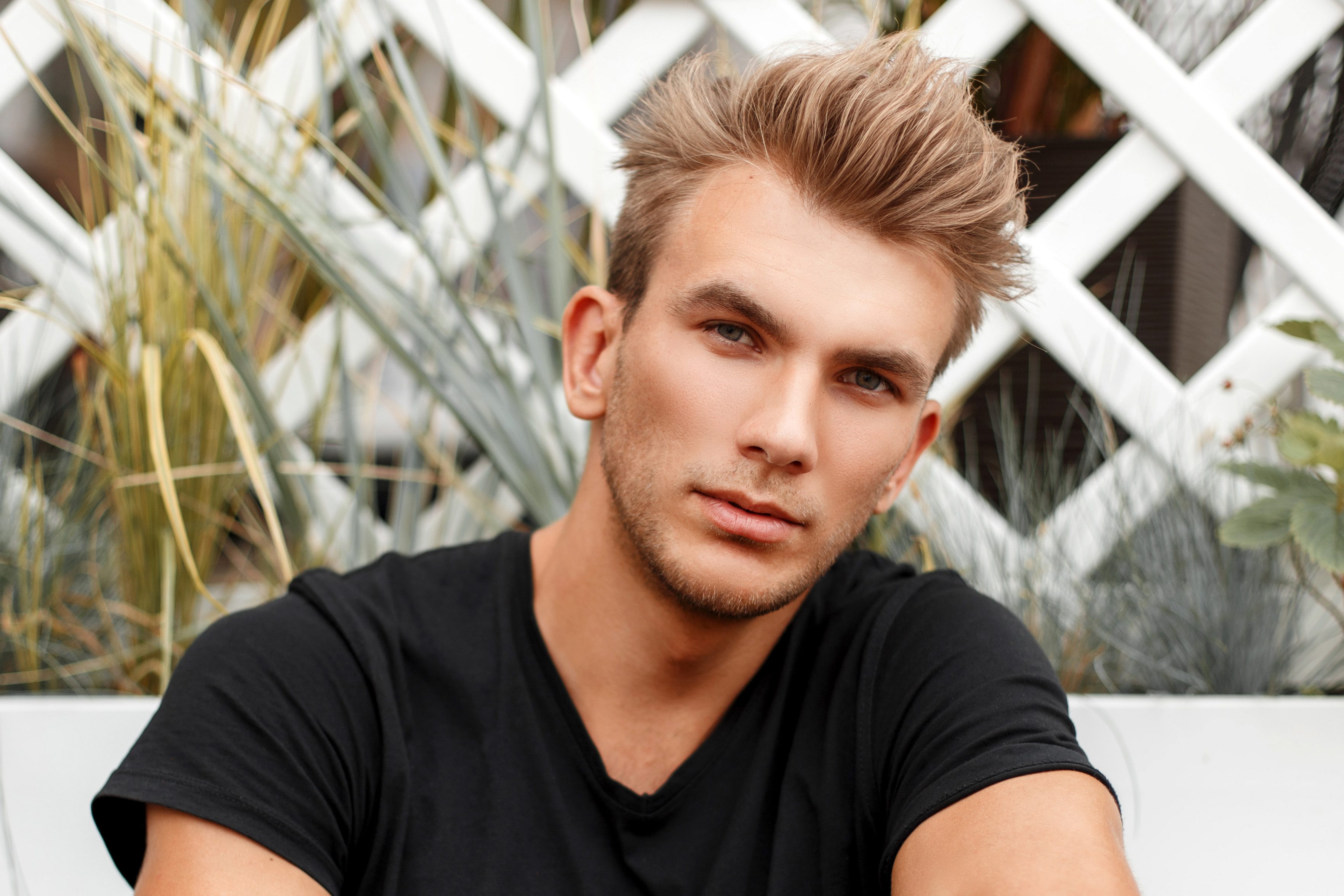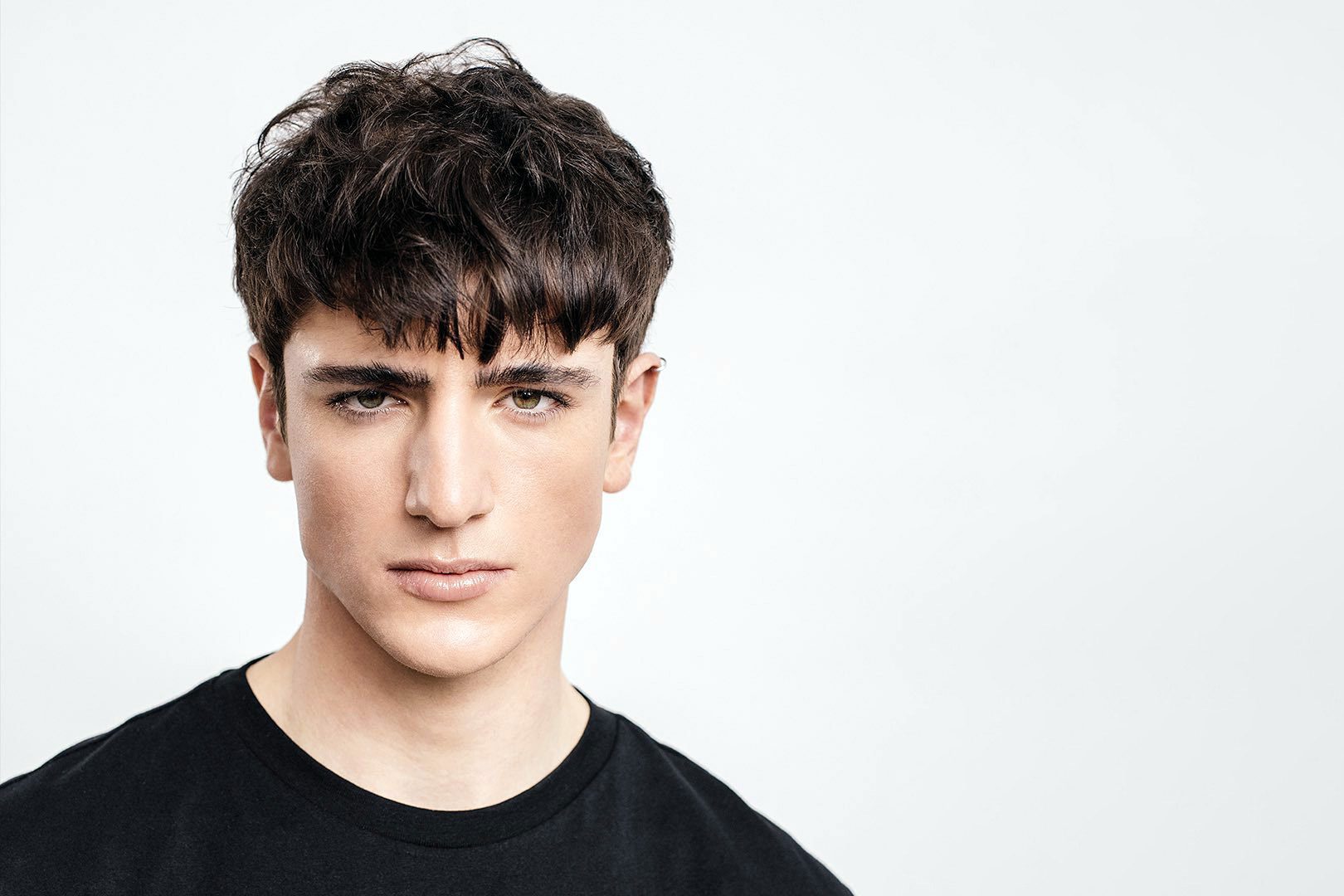
24 Best Flow Haircuts for Men (2026 Guide) | Bro Flow Hairstyle Ideas
From naturally curly to straight: a universal men's cut with a modern touch
The flow haircut is one of the most popular men’s hairstyles because it combines medium-length layers with natural movement and texture. Also known as the bro flow or hockey haircut, this style works with straight, wavy, and curly hair and requires minimal styling.
This classic hairstyle works just as well on both straight or curly hair – with some molding cream, everyone can rock this trend! And when the cooler weather hits, no need to worry – its length provides extra protection against cold temperatures while also maintaining your stylish appearance! Top it off with a snapback hat and you’re ready to go wherever life takes you. Whether you’re growing your hair out or looking for a relaxed, modern hairstyle, these 24 flow haircut ideas will help you find the perfect look.
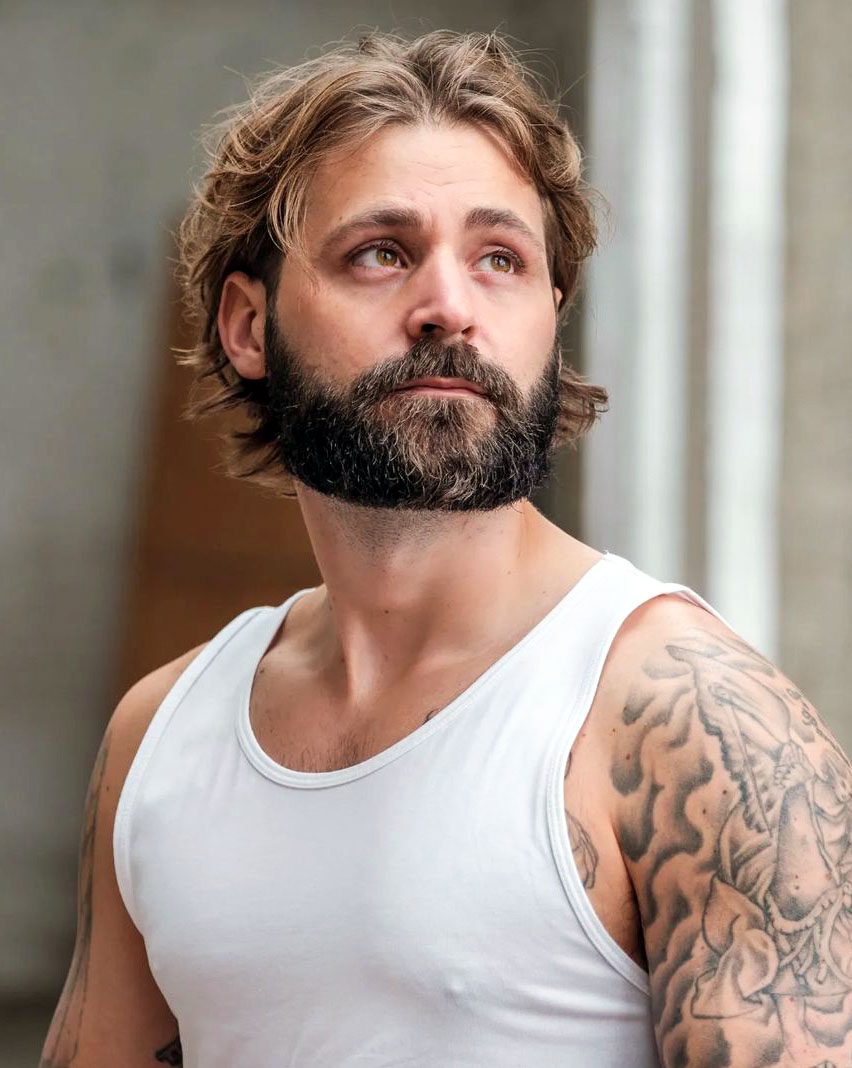
Messy Flow Hairstyle
This flowy, messy hair cut is achieved using a scissor-cutting method. The hair is kept relatively all the same length, but there are shorter pieces throughout the cut to add texture and movement. Additionally, the hair around the face is tucked behind the ear.
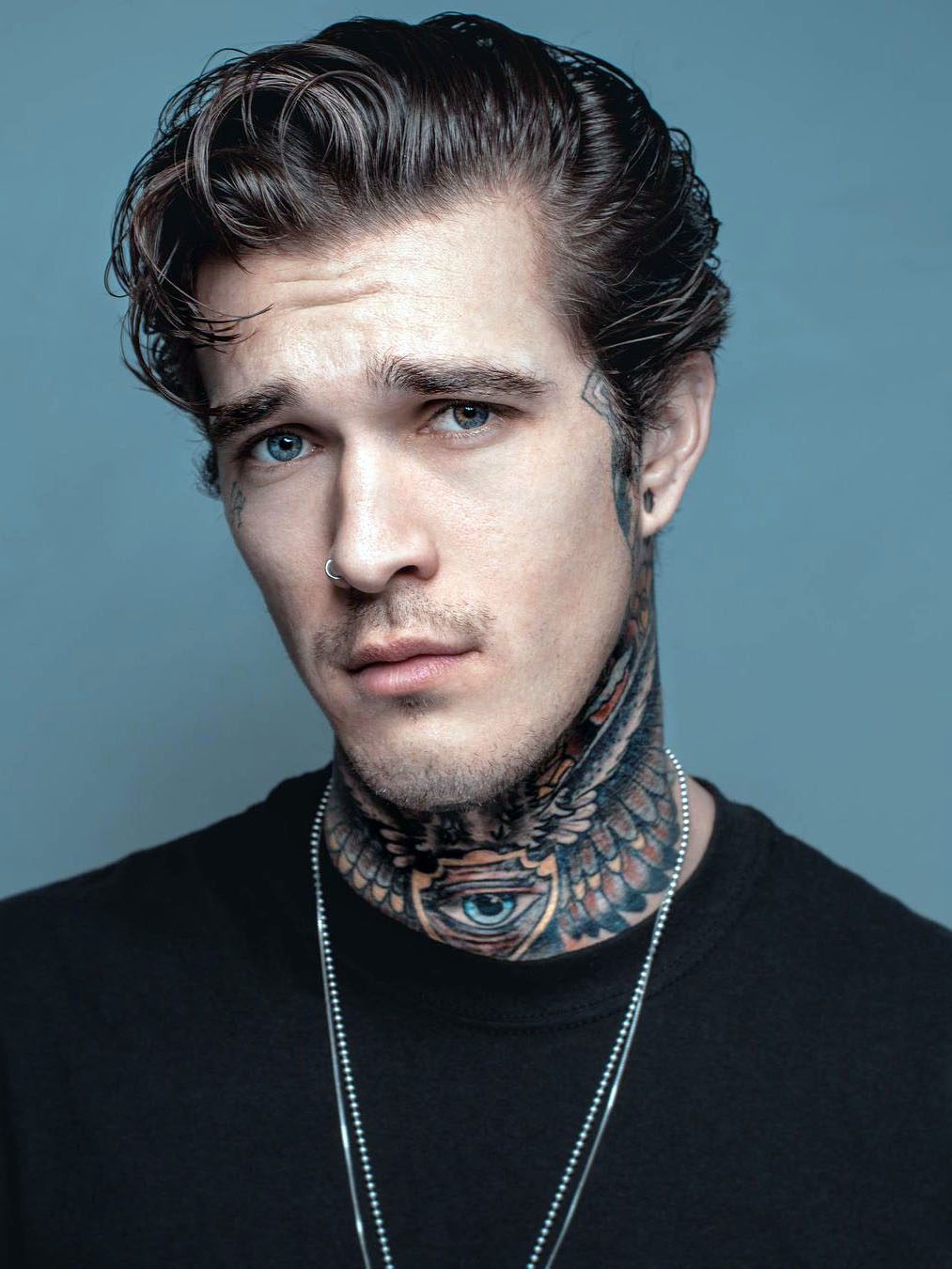
Retro Ear Tuck
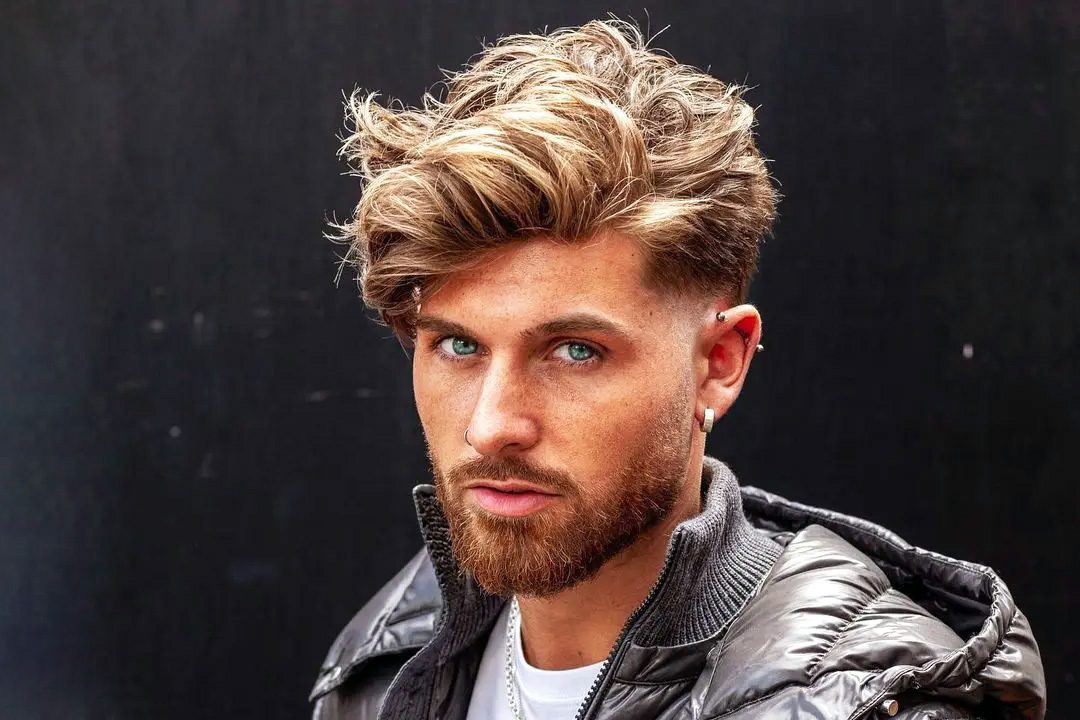
Who said that edgy style can’t be combined with old-fashioned glam? Sometimes combining two opposite styles could give you the best result! Simply look at how attractive the front twist of messy curls looks on the forehead while the sides are roughly gelled to the sides. Such a masculine haircut can look absolutely stunning on someone with lots of facial piercings and tattoos.
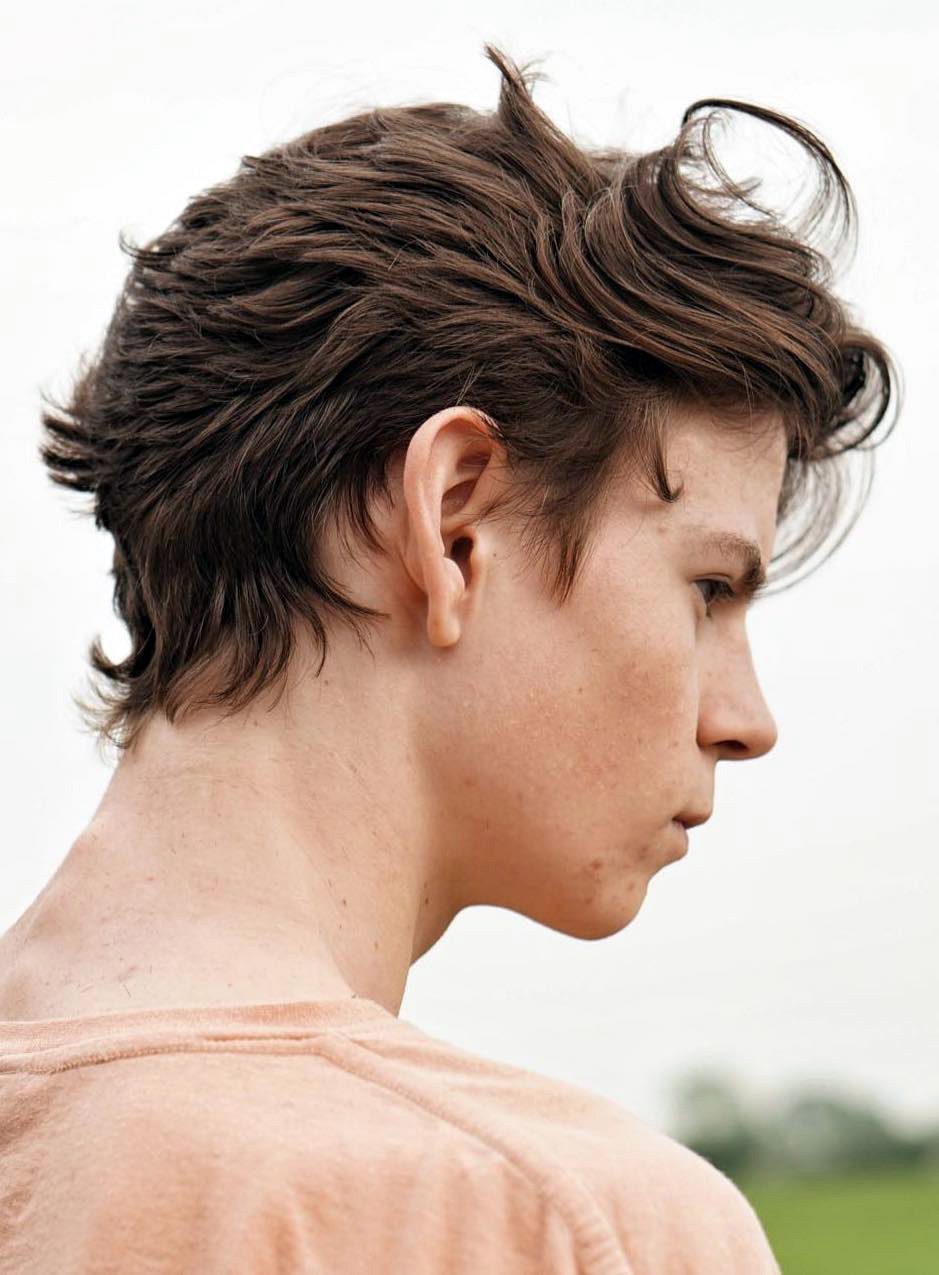
Rusty Brown Loose Strands
When thick hair is grown out, it often creates layers. You can leverage this by tousling the layers for extra movement and texture.

Flowy Wavy Blowout
Here’s a great look for thin hair that’s super casual. This cut is long all over, even at the sides, which makes this a rather unique style.
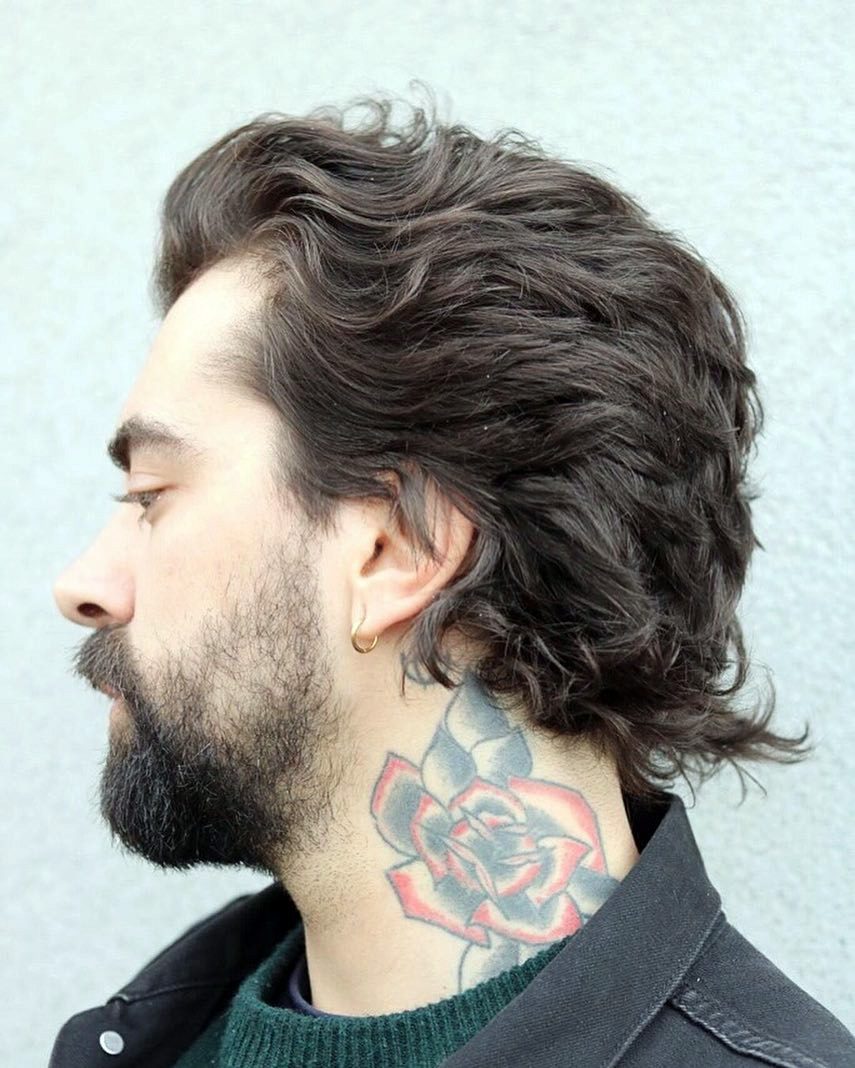
Wavy Texture Overall with Thick Volume
Looking for something with even more texture? Try out this long and wavy style. The hair is brushed back and strategically layered for the fullest head of hair possible.
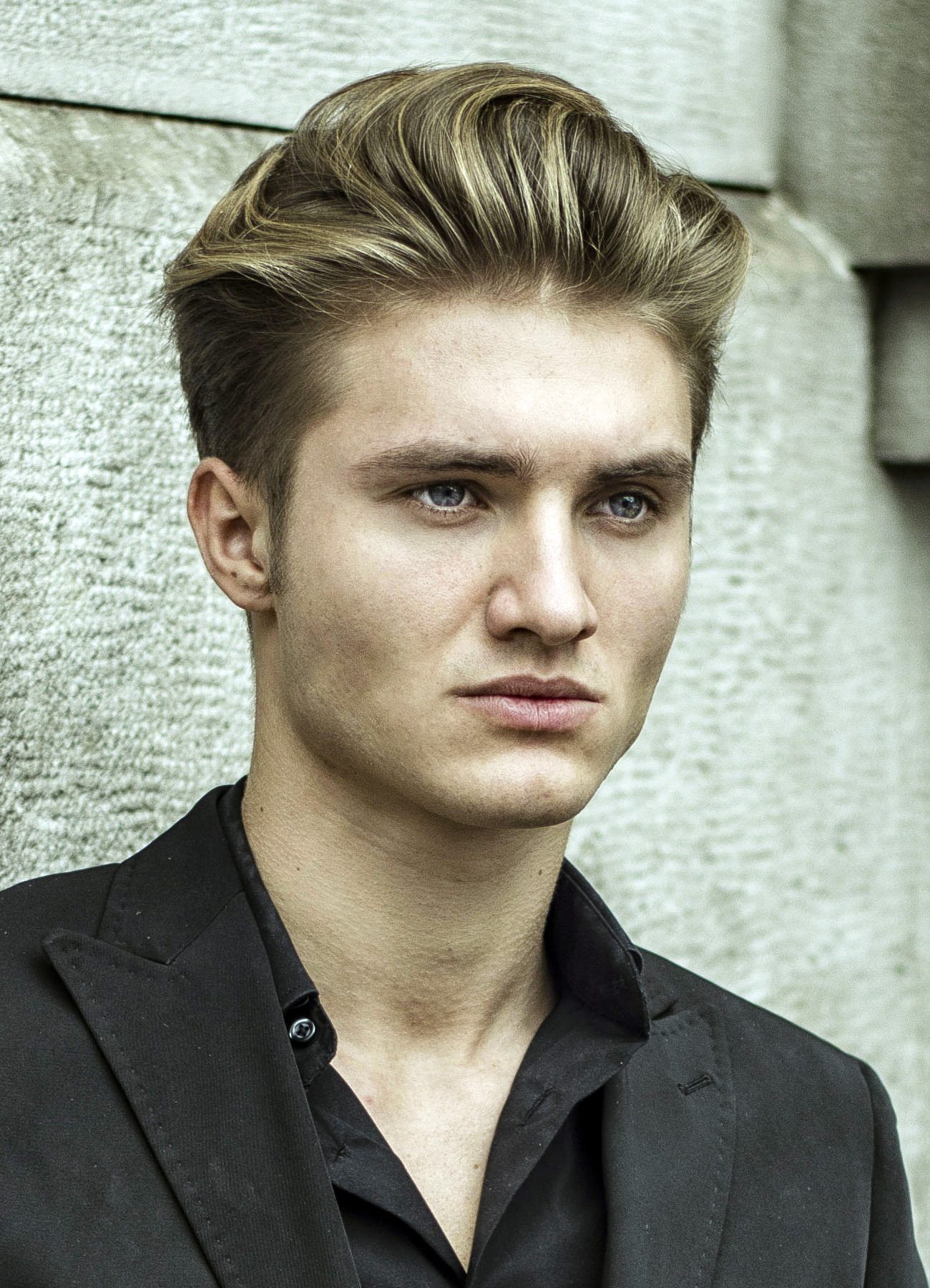
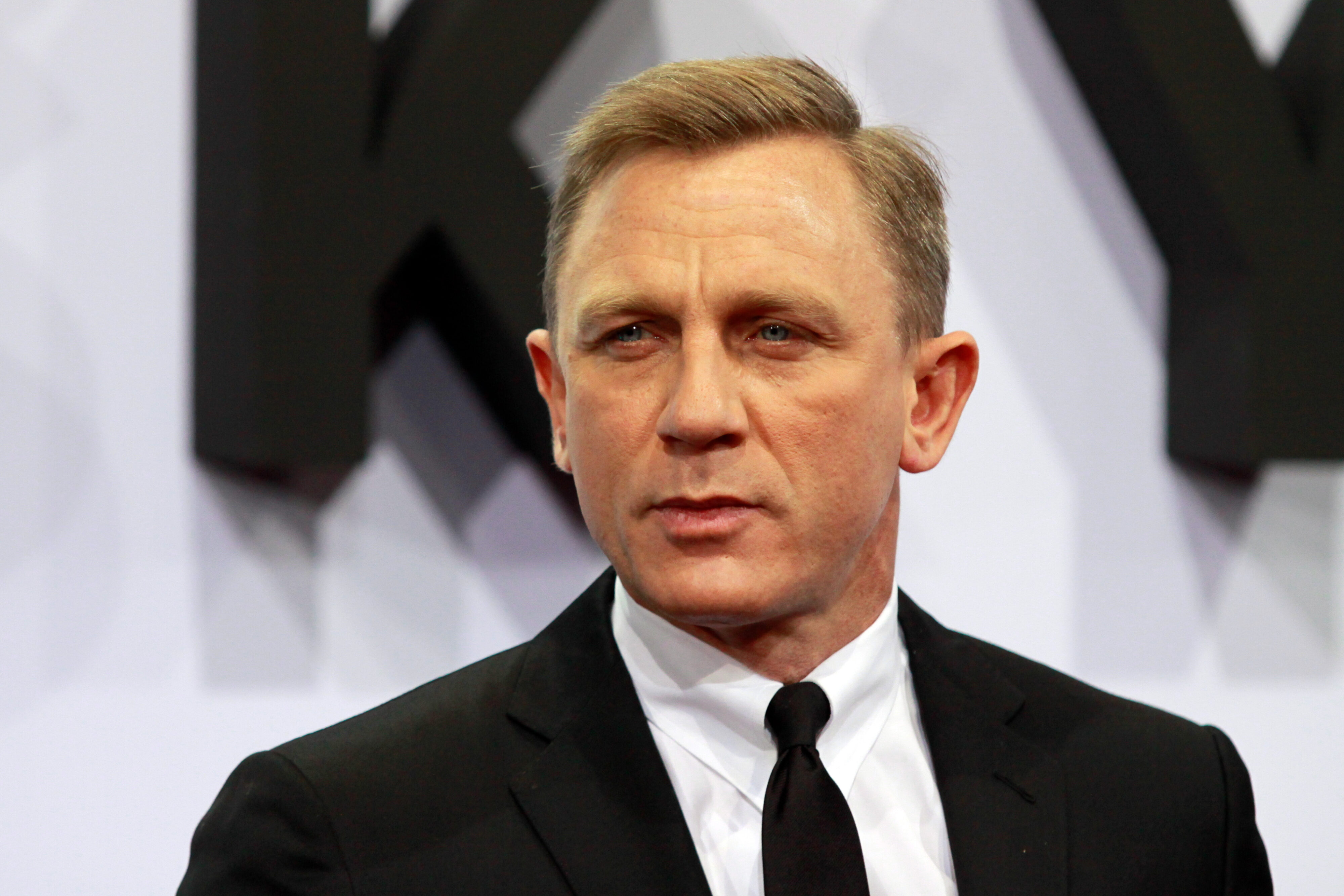
Suited Up Back Flow
A neater, tidier style, this take on the classic quiff has plenty of natural flow. Despite being shorter, this cut has a lot of character and vibrancy.
Related
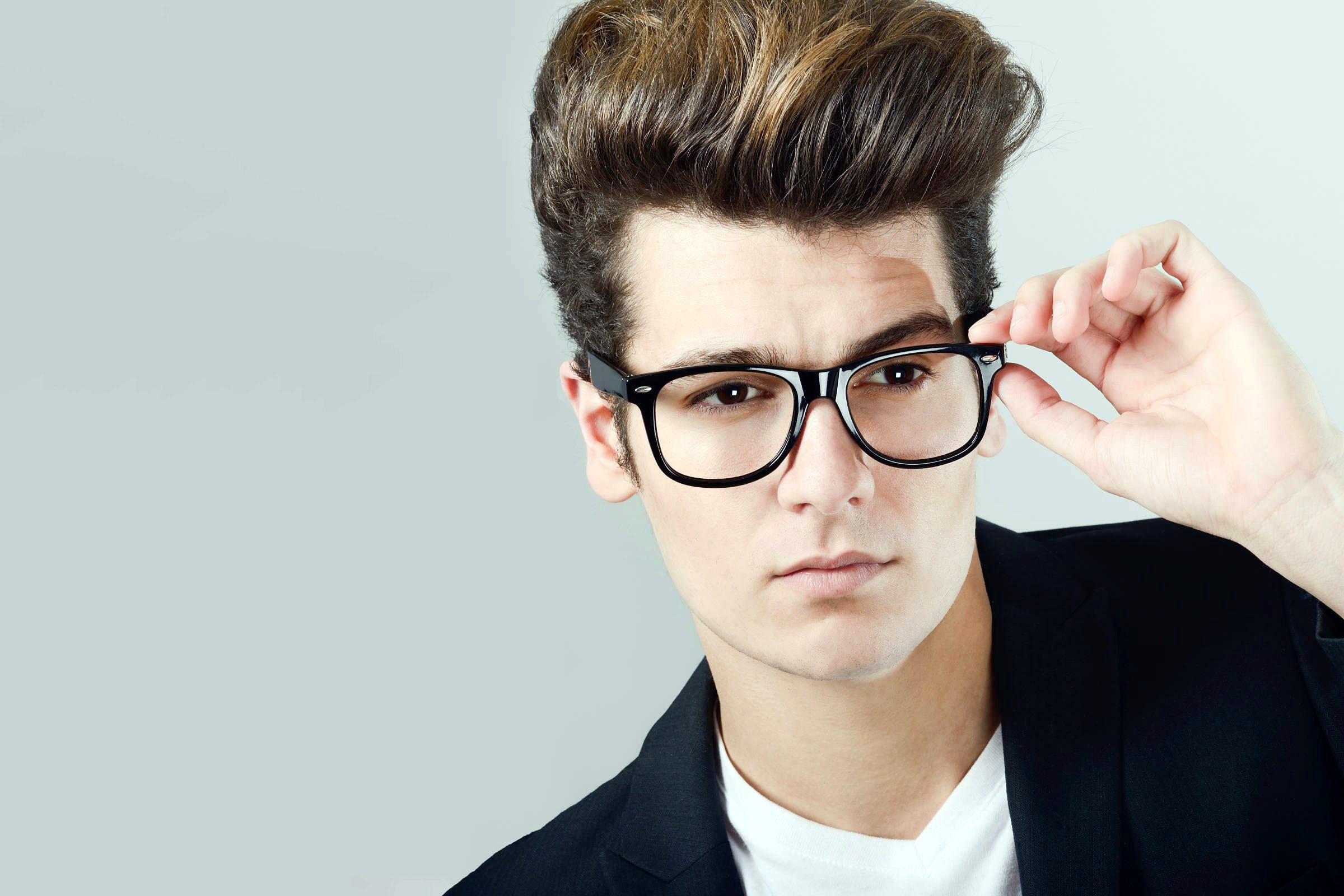
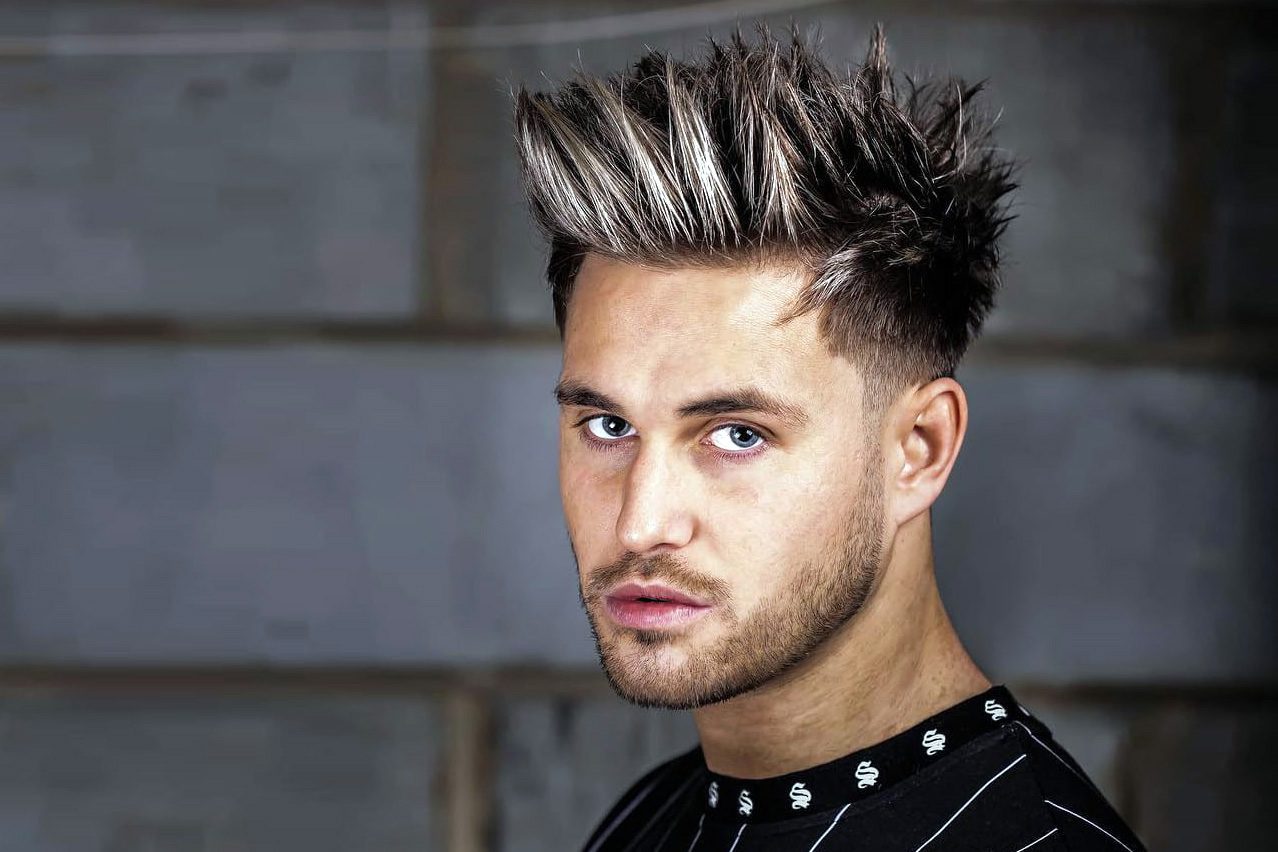

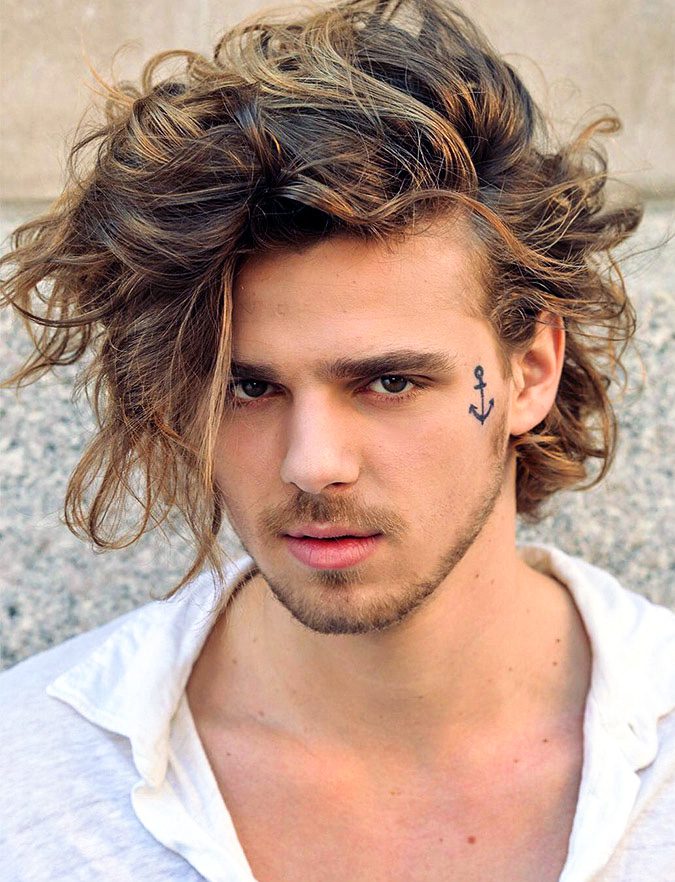
Surfer Messy Style
One of the longest styles on our list, this messy, tangled haircut has ample texture and will give you a super relaxed look.
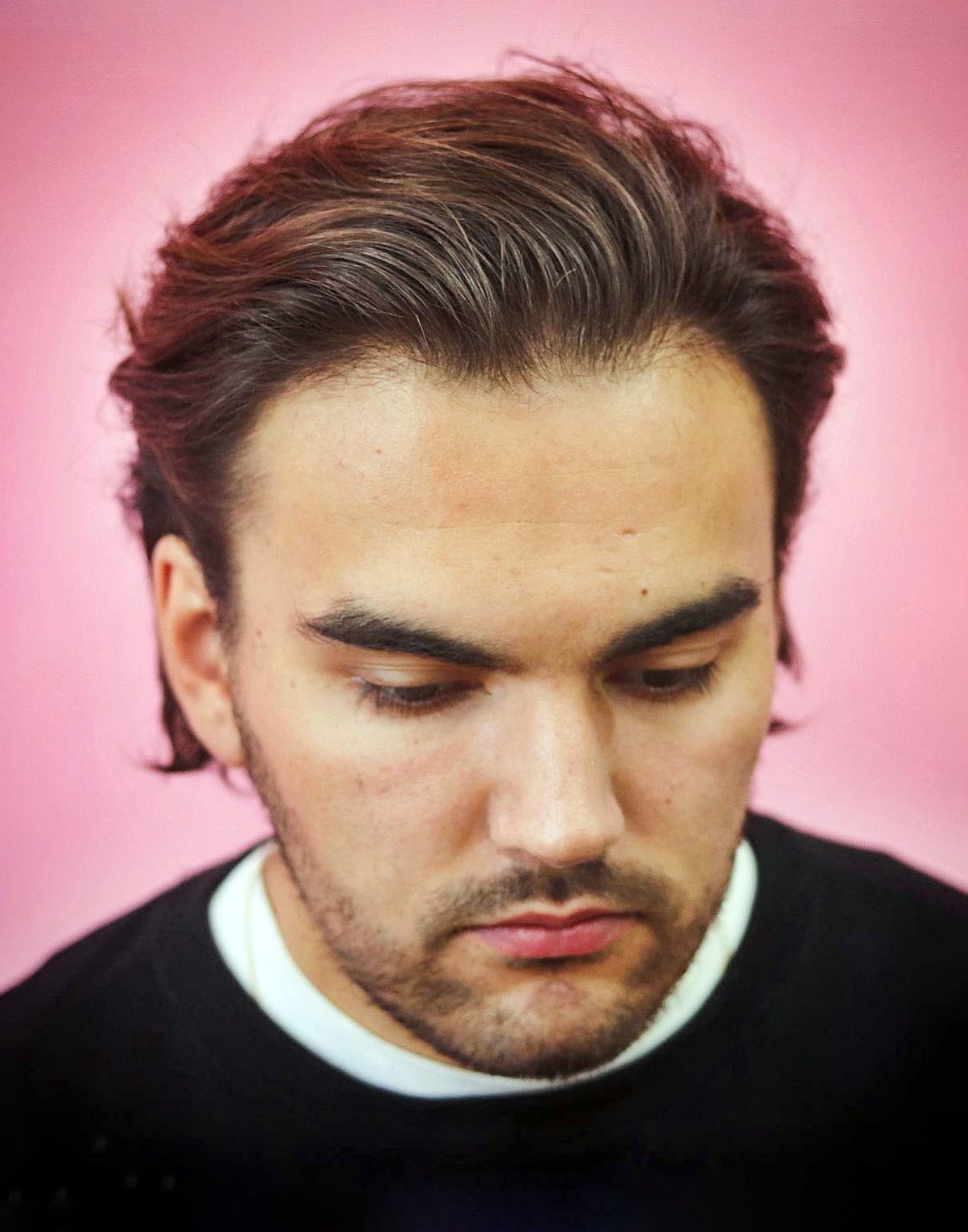
Flow Hairstyle with Widows Peak
This style is achieved by utilizing a classic scissor cut, and it is styled by roughly brushing all of the hair away from the face. This is optimal for people with widow’s peaks, as the textured and messy style draws away from the hairline.
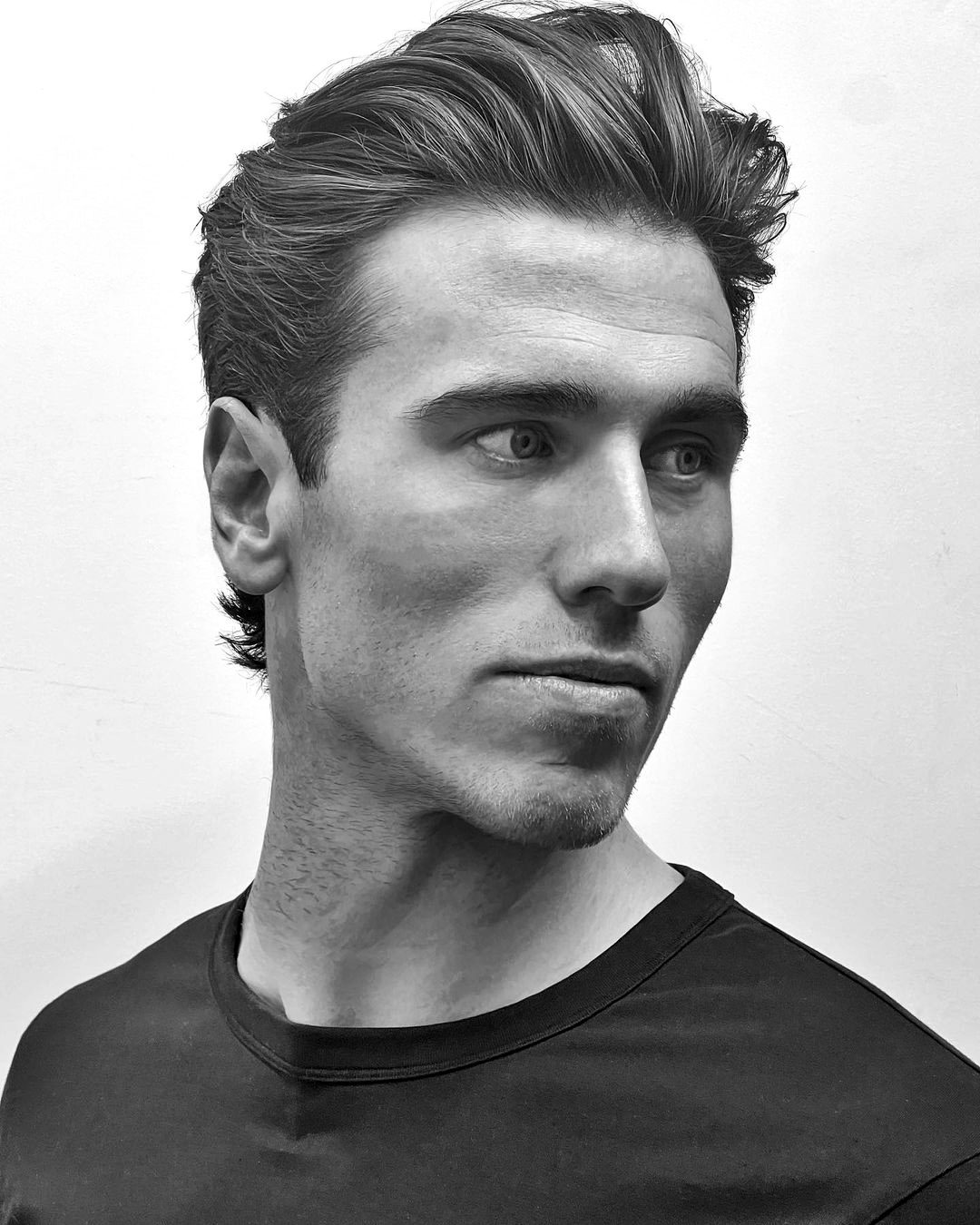
Brushed Up Short Wavy Flow
Want to get that wavy bro flow hairstyle but unsure if your shorter hair can handle it? Worry not, everything is possible with a dollop of hair products. You don’t need to grow your hair past your ears, but you do need to have at least 2 inches of hair on top for you to be able to brush your hair back. Best to do this when it’s a bit damp from washing or you can also place hair products on it and blow dry it.
Wear without a beard and this can do favors for your strong jawline. Works best with a diamond or square face shape.
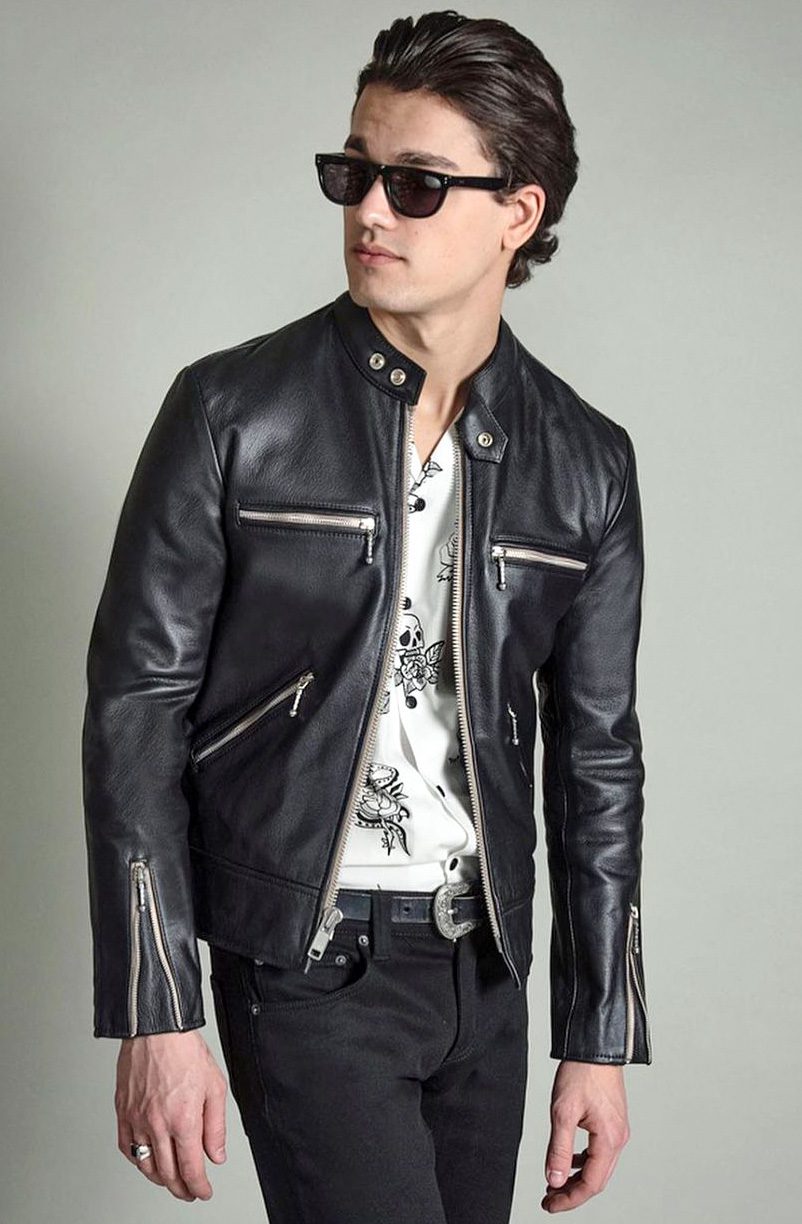
Medium Length With Tidy Layers
Most flow hairstyles require medium-length hair that is grown to at least 5 – 6 inches. Once you achieve this, all you need to do is ask your stylist for tidy, kempt layers at the edge so that when you brush it up, it would have volume, especially if you have straight hair. For those with already wavy hair, getting the layers at the edge can be optional.
Brush up while damp for that perfect flow. Best for square or rectangular face shapes, wear it clean-shaven and use minimal accessories such as a pair of sunglasses.
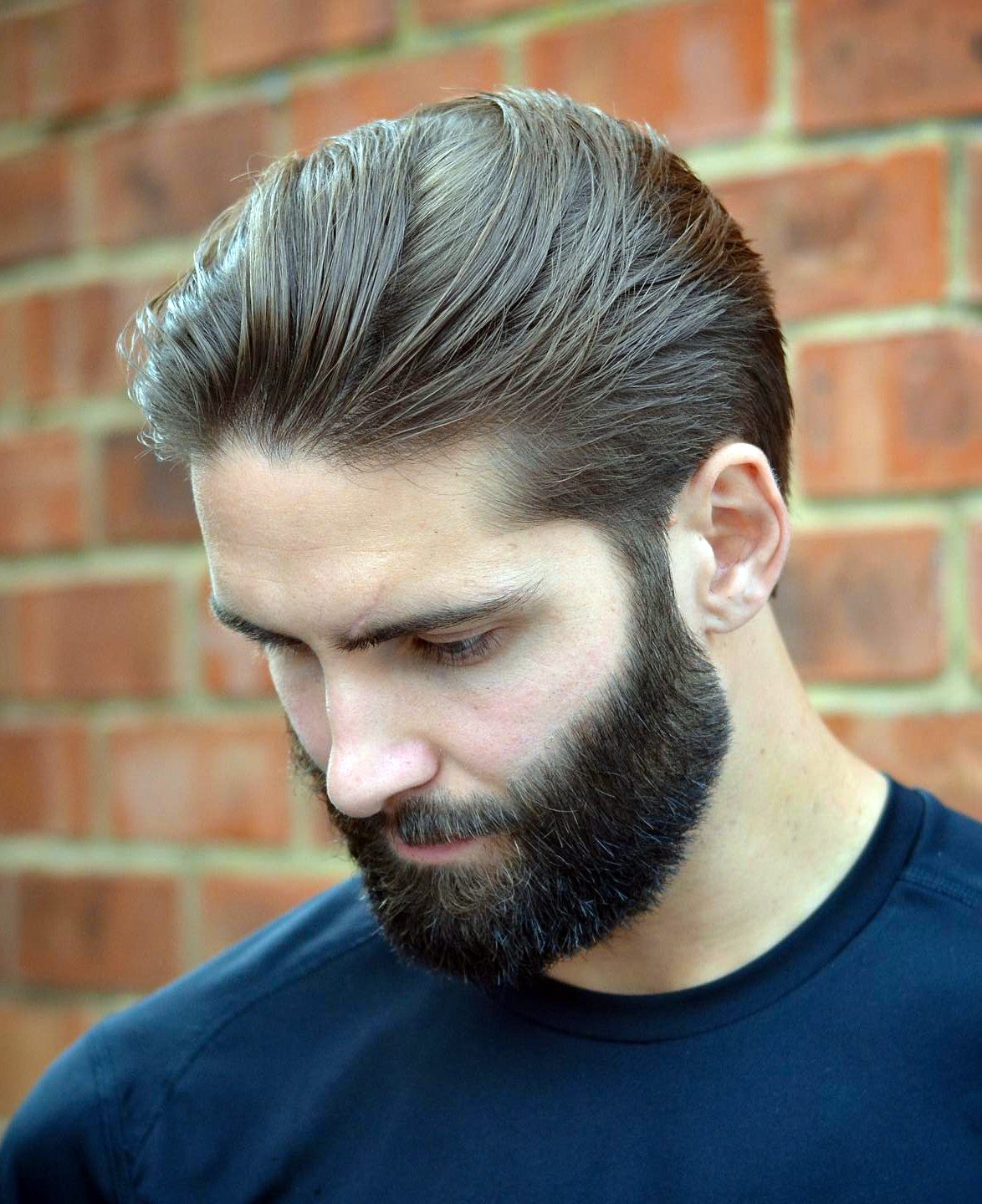
Full Flow
Whoever said less is more clearly hasn’t seen a man with a full flow hairstyle. But we’re not talking about medium-length hair, we’re talking about pairing your flow with a full beard. You don’t have to grow your hair to medium length, but it has to be enough to be brushed up (for this specific haircut, you can grow it to at least 3 inches).
This haircut is great for people who don’t like to maintain their mane that often because you can let your hair grow naturally and just brush it up for the neat effect, and it also requires no shaving.
Great for straight hair and for oval and heart face shapes.
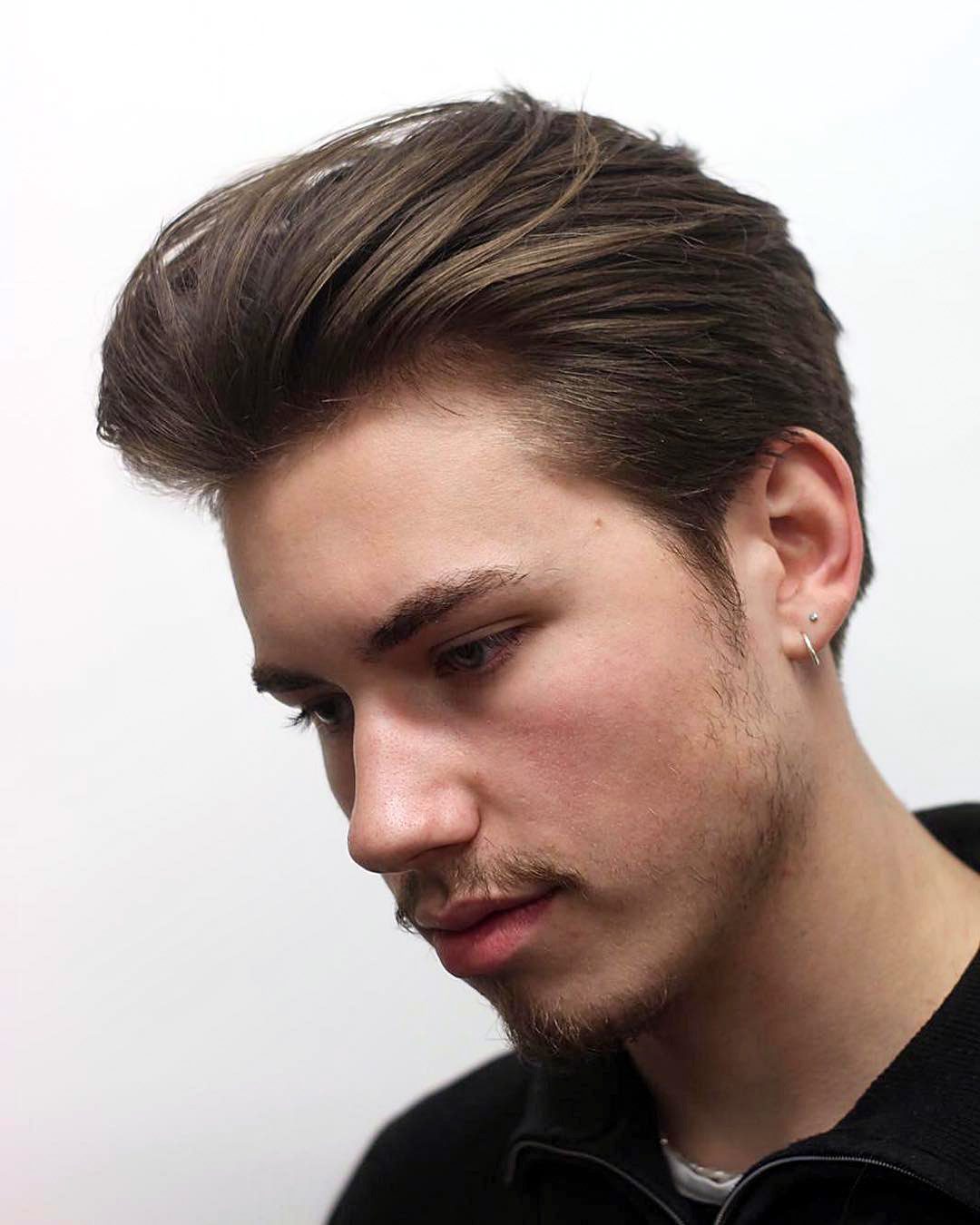
High Volume Brushed Up
For some, just sporting a brushed-up hairstyle is all they need. But for others, a brushed-up is not a brushed-up if it does not come in high volume. Whether it’s for that extra oomph or because it suits your hair’s texture – it’s effortless to achieve. If your hair is straight and thin, you’d need some products like dry shampoo or a texturizing powder, and they will be a part of your routine. And you’ll have to grow your hair to more than 2 inches. You’ll also need to blow dry your hair while brushing it up to achieve the look.
Sport with a light beard (or none at all) and minimal accessories. Best worn by those with oval, round, or diamond face shapes.
You might also have a look at our Simple Yet Neat Looking Male Cuts for Straight Hair article.
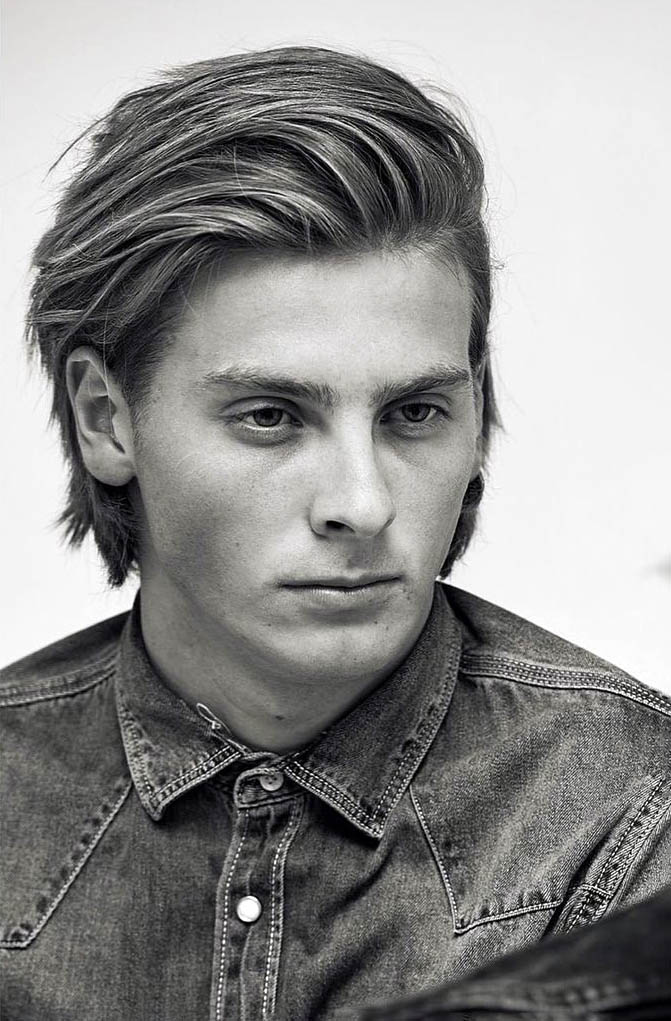
Side-Swept Long Flow
Is a longer mane your go-to style? This natural look takes full advantage of your lustrous volume. Find your natural part and run a hand or comb through the top. Here we see extra texture in the fringe as he pulls it back while sweeping it over his right ear. Use some styling clay with a matte fixture, and you’ll have everyone commenting that your flow resembles the waves in the ocean.
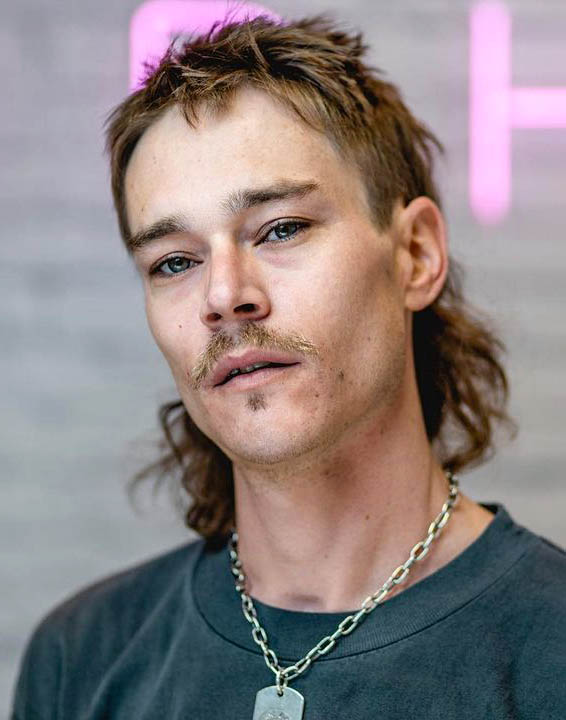
Flow Hairstyle: The Messy Mullet
The mullet is a style with some serious attitude and a hard edge. If a rugged, clean style is what you want, without sacrificing any of the “party,” follow this example. A scissor trim on the sides keeps the textured top and fringe at odds with the curly locks in the back, giving off an appealing contrast. The thick chain in the photo adds a sense of rugged fashion that tells everyone you’re ready for anything and you’ll lead the charge to get there.
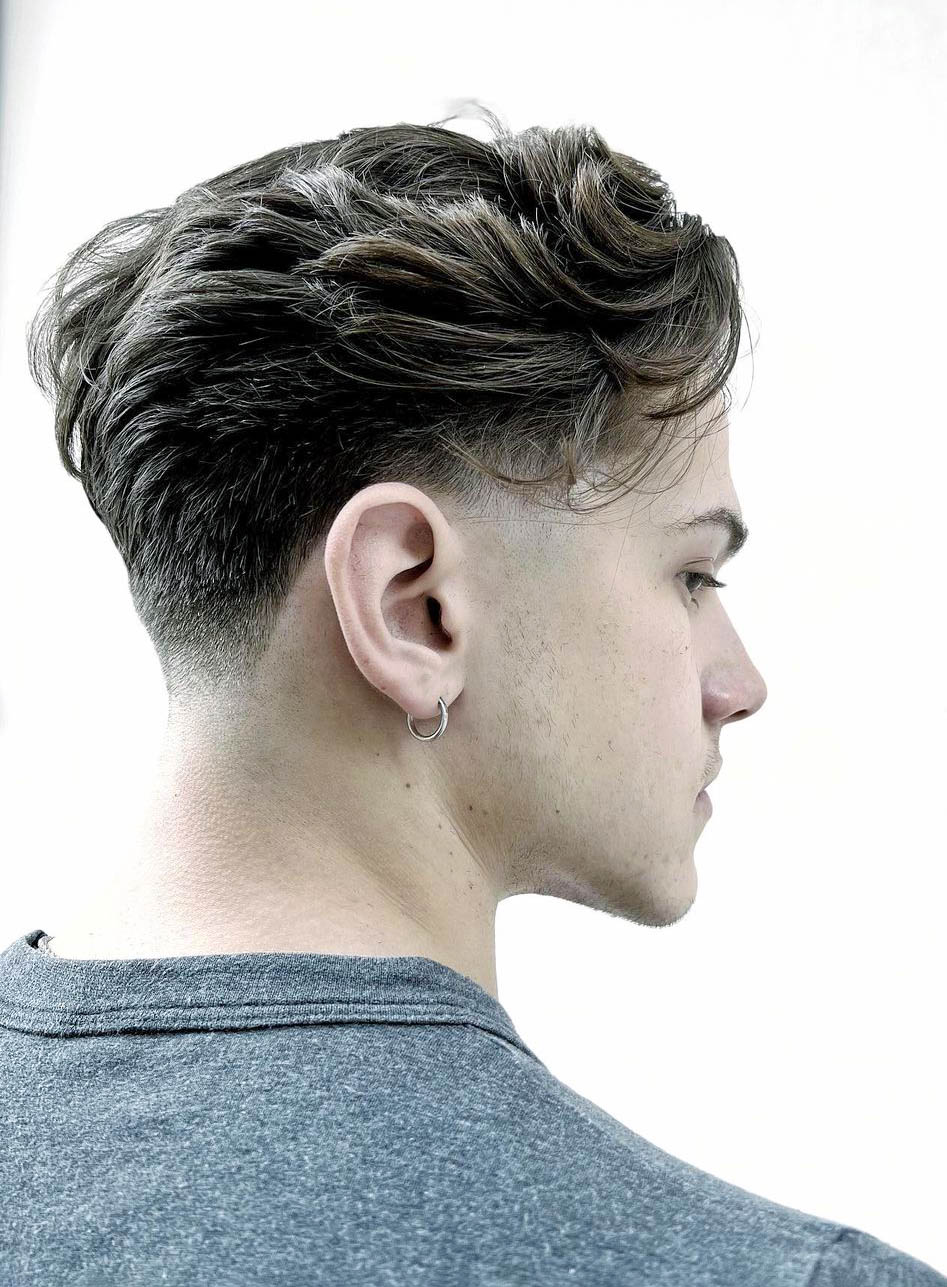
Undercut Flow
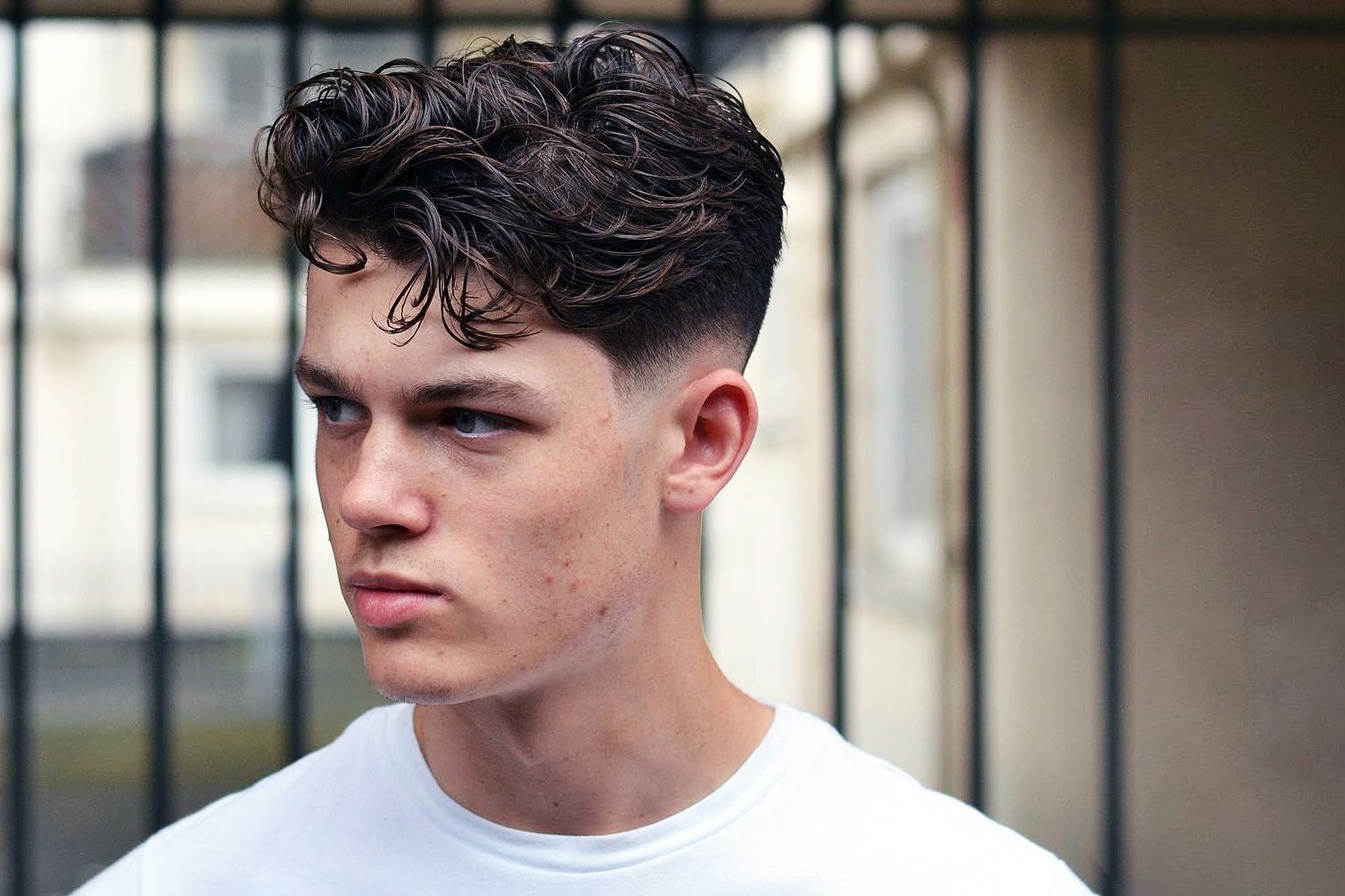
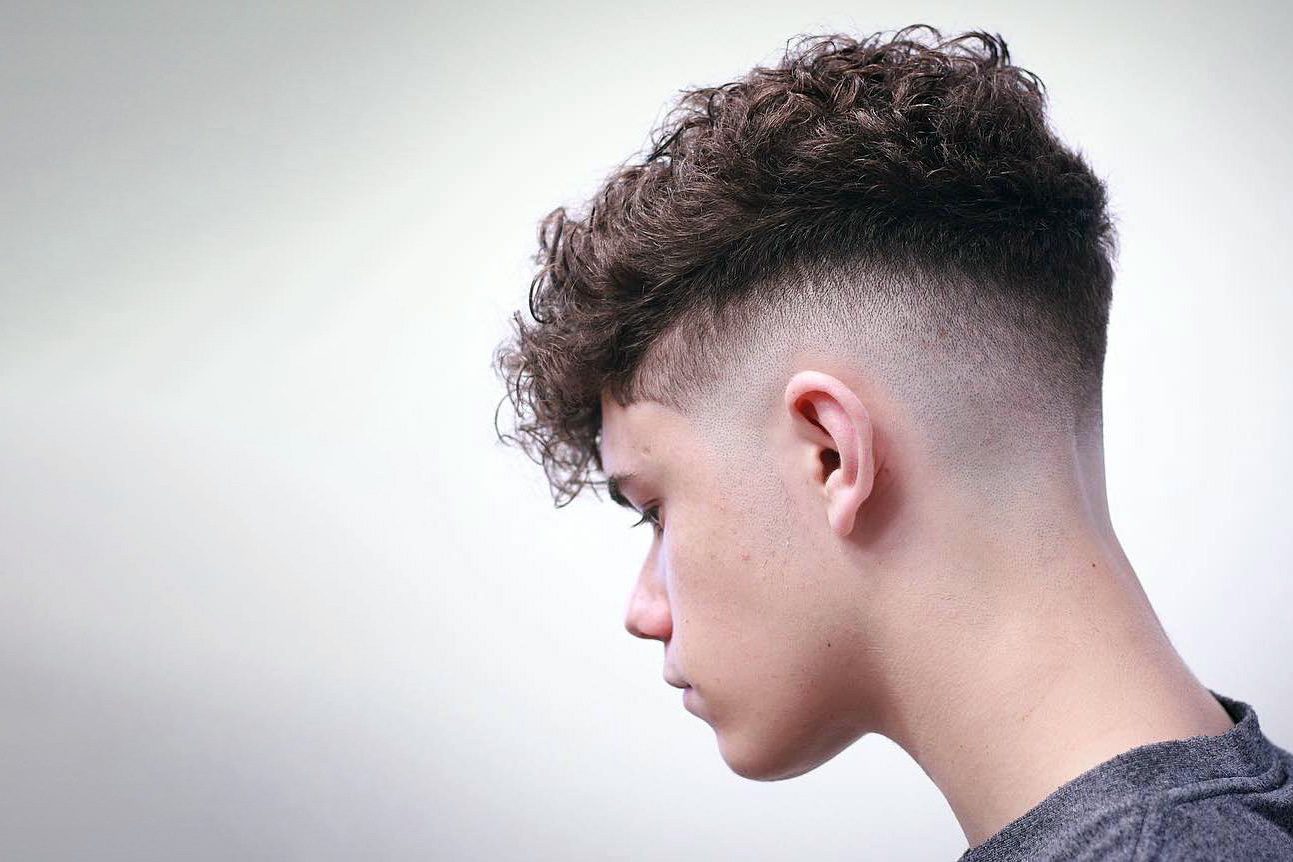
Naturally wavy hair has so many attention getting styles. This one is one the easiest to maintain and one of the most catchy. The medium length on top and a low fade on the sides give this look an element of sleekness that’s amplified by the fringe pushed back and up. The length in the front allows for variety, but the waves created here really pop away from the neatness of the rest of the style.
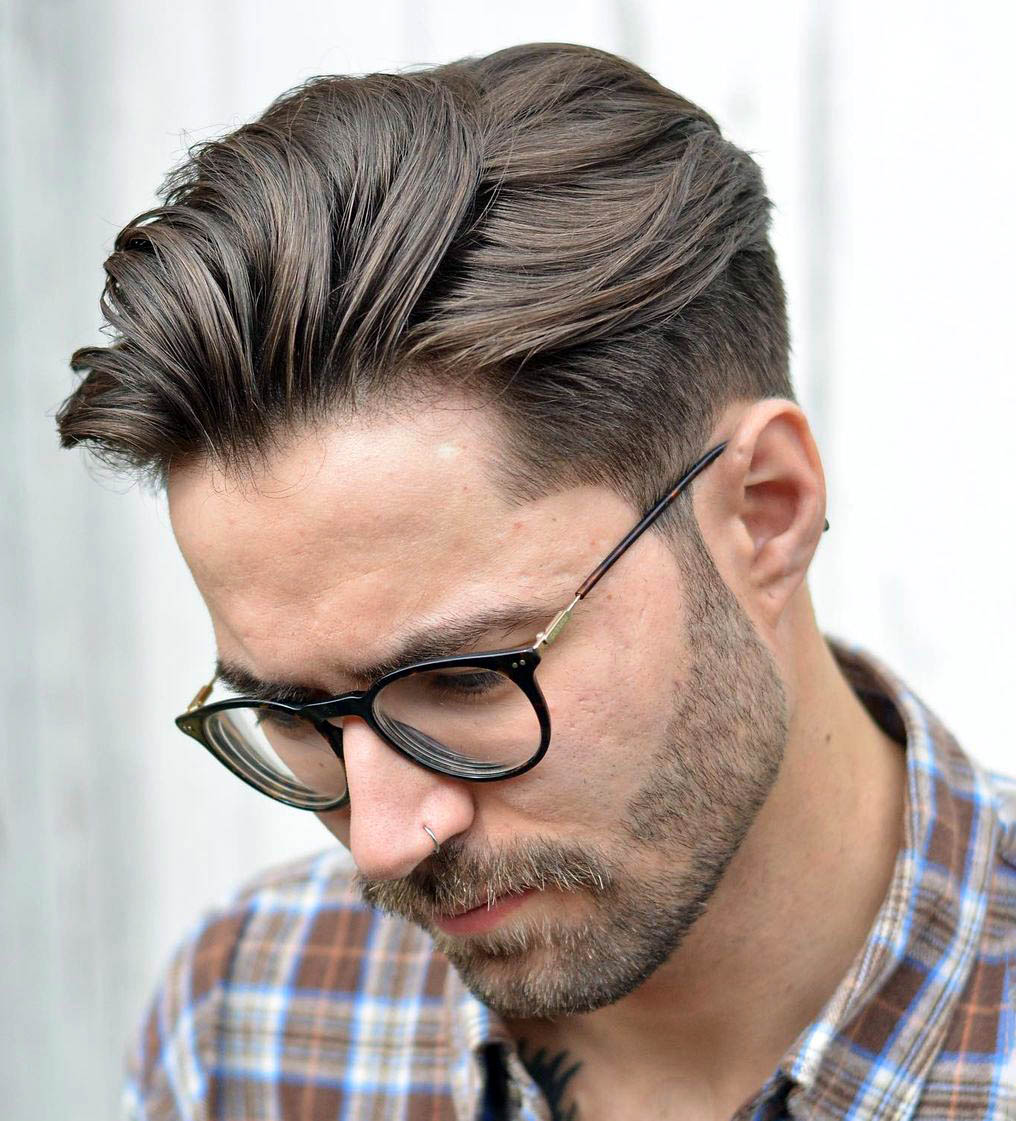
Classic Layered Undercut
This look utilizes the strength of contrast between the layers, straight top, and clean sides. Instead of brushing across the forehead, this one takes it up and over. Add a really attention getting look by breaking one section of your top away and back like seen here. The undercut and scissor fade on the sides keeps the focus on those layers in the fringe. Here the connected beard lends the look a bit more ruggedness.
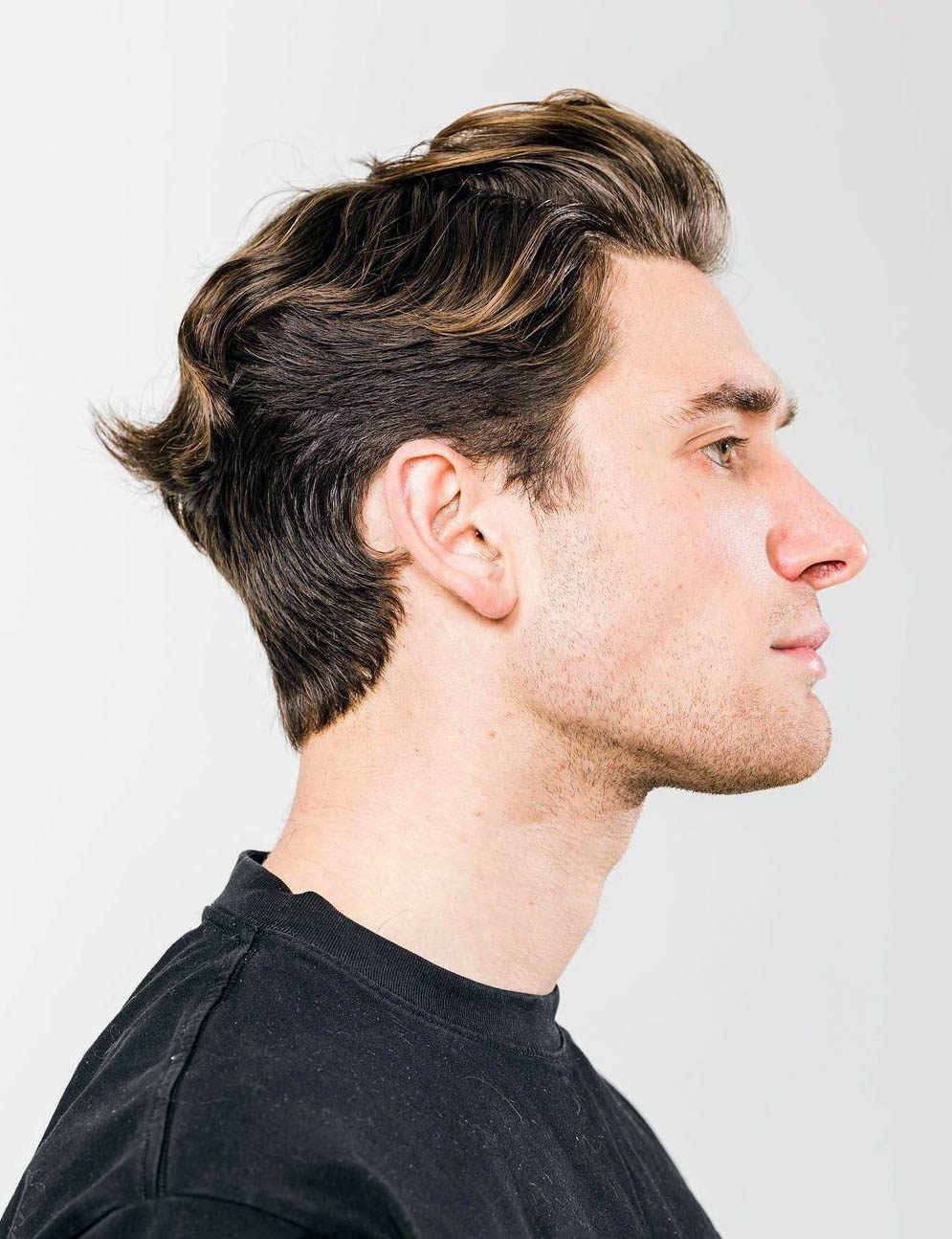
Flow Hairstyle: Minimalist Flow
Sometimes, an eye-catching cut doesn’t take much. This is one example of that. The scissor work keeps the length varied throughout the fringe, top, and sides, with the back of the head using some of the length on top to keep the flow moving through. Some dry styling clay can help you get the waviness you’re looking for, while those of us lucky enough to have naturally wavy hair will find this style suits you all the more.
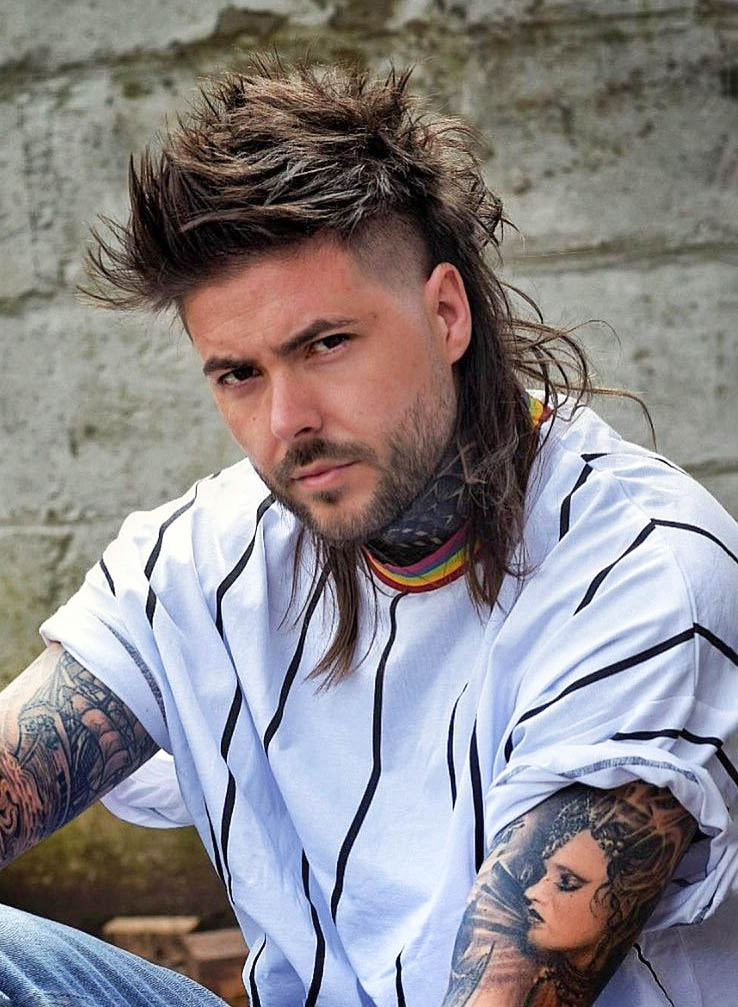
Temple Fade Spiky Mullet
This look channels an even more rugged style. The spiky fringe echoed through to the back of the cut almost feels like you jumped out of bed looking this good, but we know better. The temple fade drops back into the mullet to really add a break in the texture up top. This look rocks hard, even better, with some good-looking ink, as seen here.
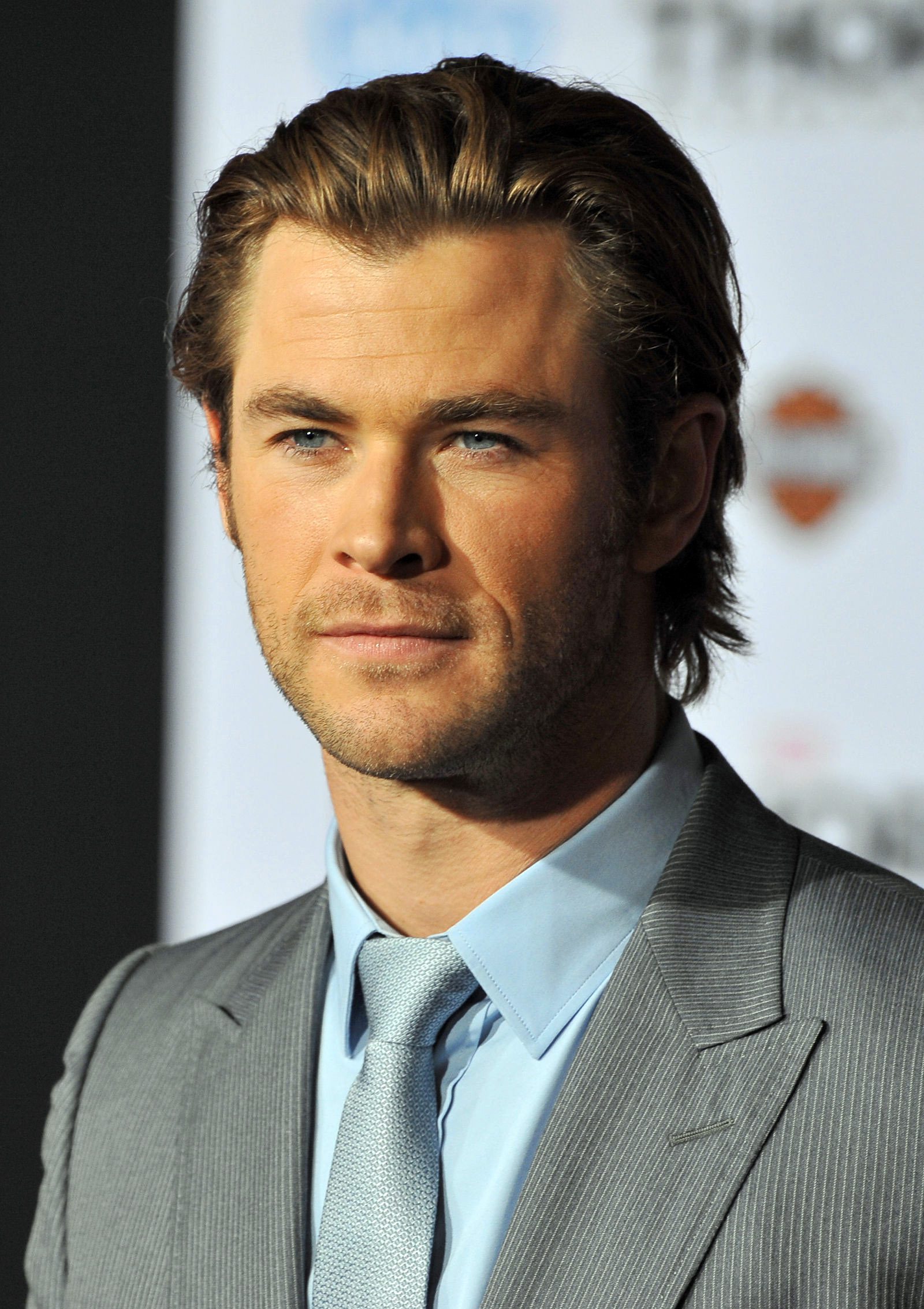
The Flow of The Thor
Thor’s hair is known for its long and flowing style. Take a close look, and you’ll see that this is actually a very simple hairstyle. All it requires is long hair and a bit of brushing to set everything in place.
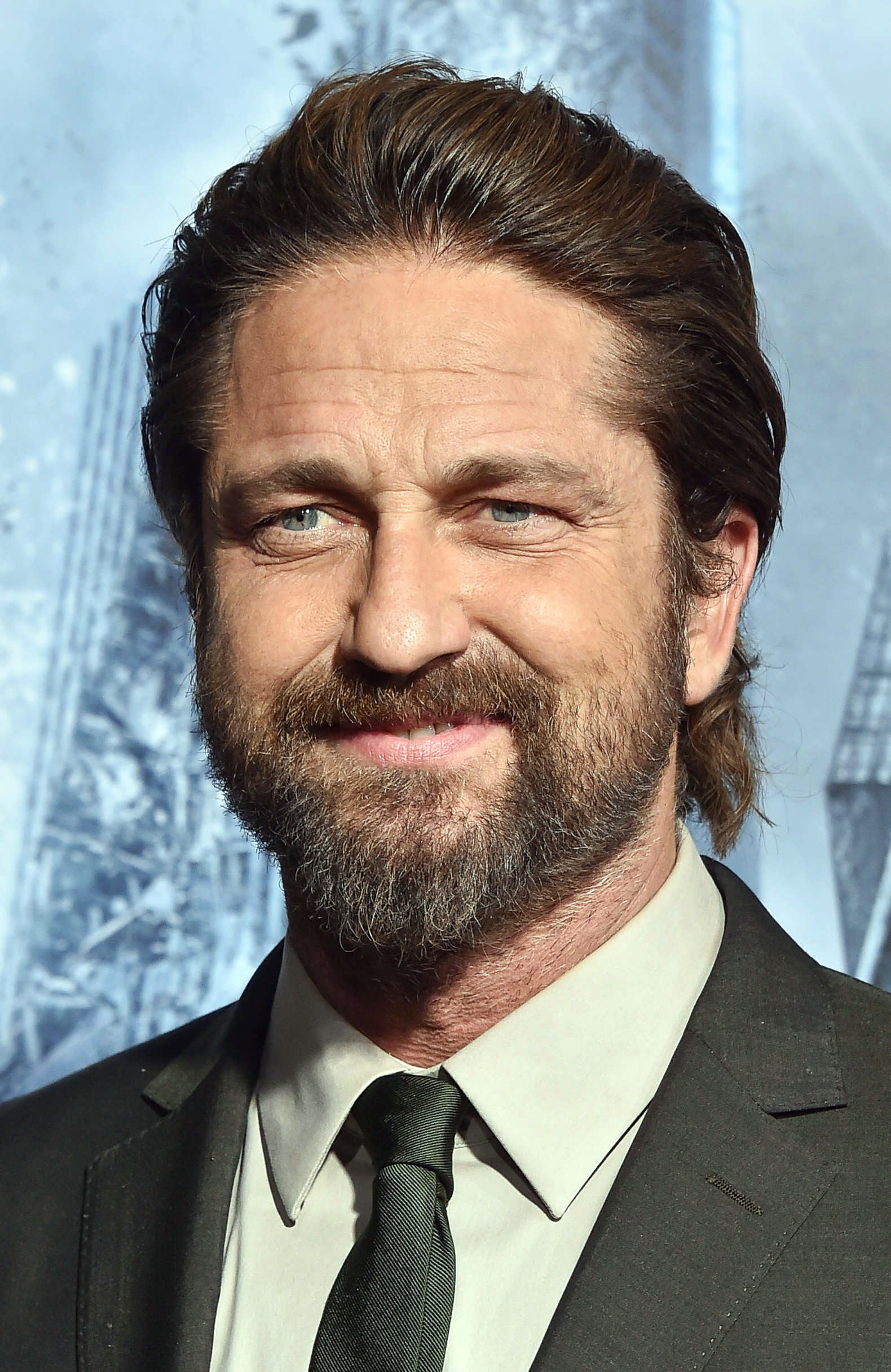
Suited Flow Back with Tight Bind
Here’s another simple, low maintenance style with lots of flow. It’s slightly longer and fuller than the previous style, providing a bit more depth.
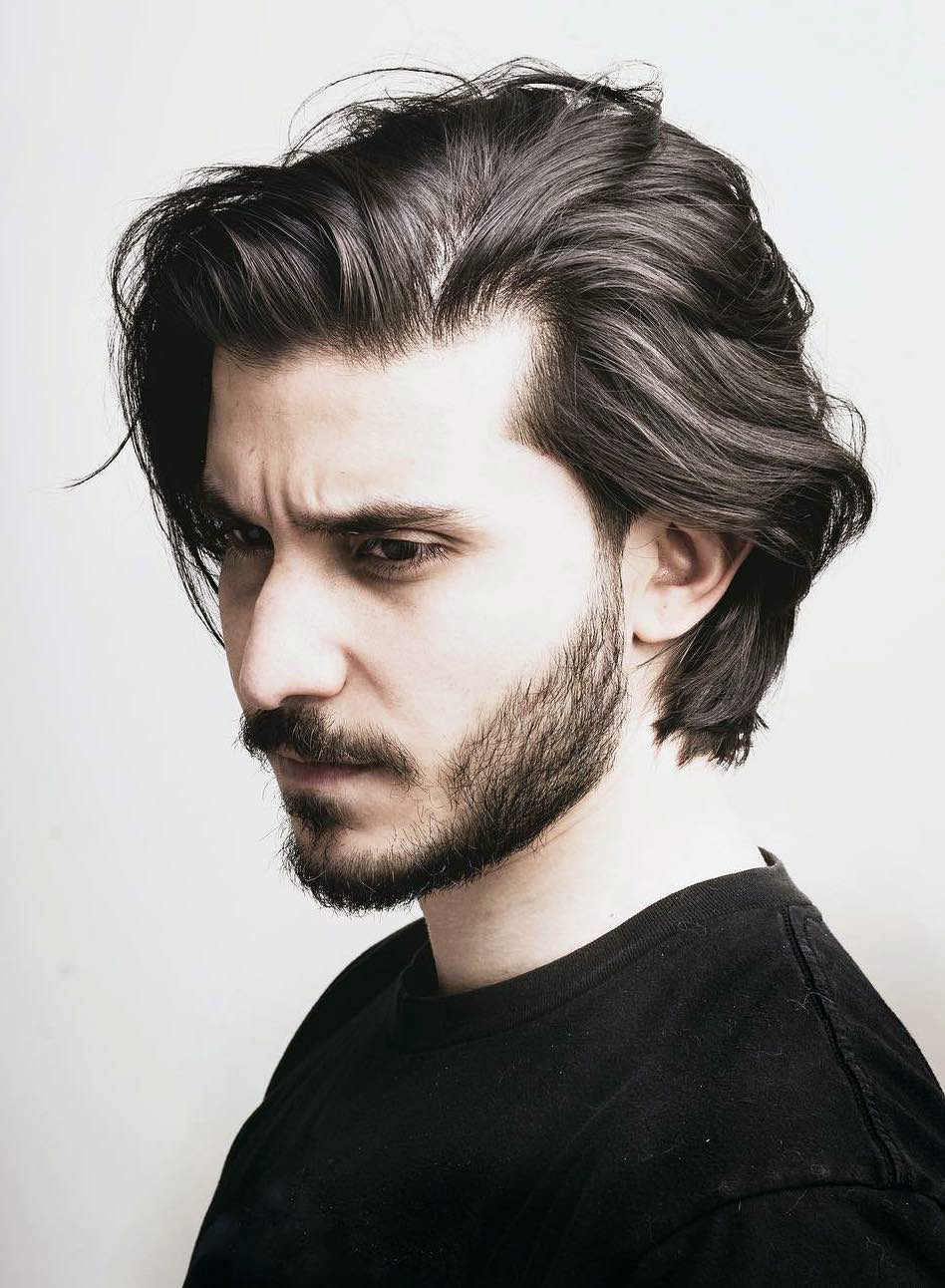
Neck Length Layered Hair
For an even longer and more flowing style, check out this cut that takes the hair down to the neck. The loosely combed hair is full of eye-catching texture and motion.
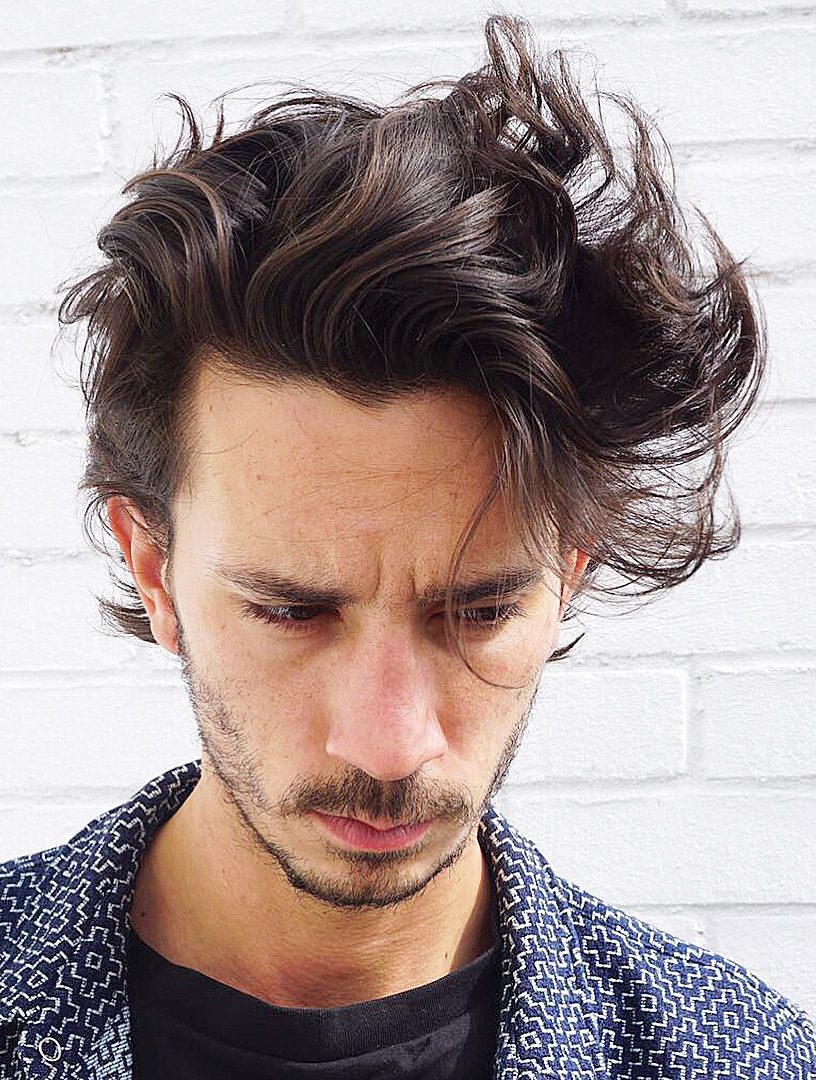
Flow Hairstyle: Breezing Freely
For maximum flow, look no further than this extremely loose, windswept style. The hair is deliberately messy and gives off carefree, laid-back vibes.

Wavy Flow with Thick Volume
Wavy hair and flowy styles go hand in hand, and this style shows how you can take full advantage of the volume that wavy hair provides.
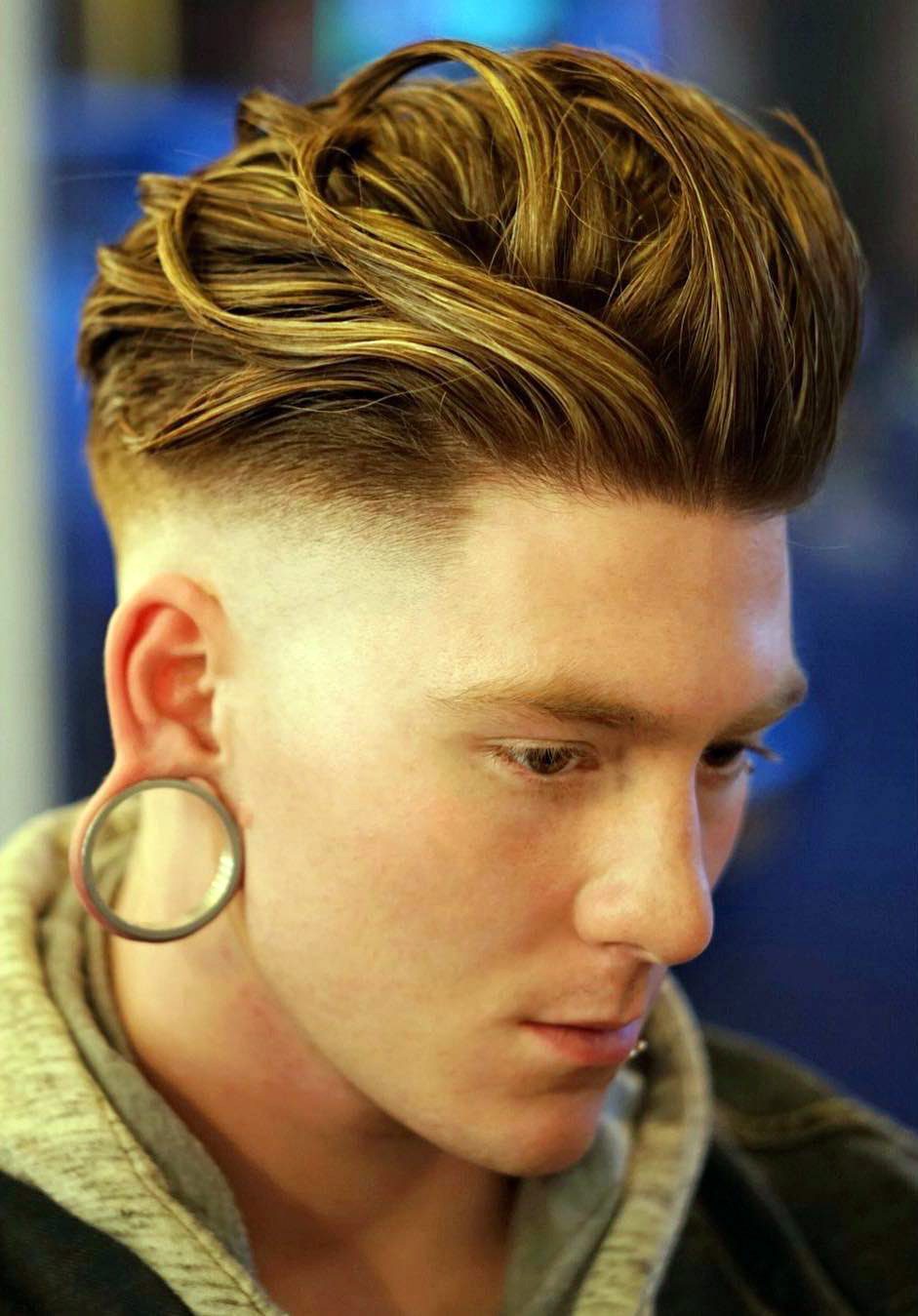
High Volume Strands
If you want to get a bit more artistic with your hair, this is definitely a style to consider. Long and flowing strands are styled into place, creating a unique sense of movement that you don’t often see.
What Is a Flow Haircut?
A flow haircut is a medium-to-long hairstyle that features layered hair with natural movement, creating the appearance that the hair “flows” away from the face and around the ears. Often called the bro flow or hockey flow, this relaxed style emphasizes texture and volume rather than sharp lines or dramatic fades. It’s a popular choice for men who want a stylish, low-maintenance haircut that looks great both casually and professionally.
Unlike shorter hairstyles that rely on frequent trims, the flow haircut embraces a slightly grown-out look. The hair is typically left longer on the top, sides, and back, with soft layers that add shape and prevent the style from looking bulky. Most flow haircuts are cut entirely with scissors, though some modern variations pair longer hair on top with a subtle taper or low fade for a cleaner finish.
One of the biggest advantages of the flow haircut is its versatility. It works well with straight, wavy, and curly hair and can be adapted to suit different face shapes and personal styles. Whether you prefer a polished, brushed-back appearance or a more relaxed, beach-inspired look, the flow haircut can be customized to match your lifestyle.
What Makes a Flow Haircut Unique?
The defining feature of a flow haircut is its natural movement. Instead of creating a structured or heavily styled shape, the haircut is designed to let your hair fall naturally while maintaining enough layering to create volume and texture.
Most flow haircuts include:
- Medium to long hair with soft, scissor-cut layers
- Natural movement away from the face
- Texture and volume without excessive bulk
- A relaxed, effortless appearance
- Minimal daily styling
- A shape that grows out well between barber visits
Because of its versatility, the flow haircut can be worn loose for a casual look or styled with a blow dryer and lightweight product for added volume and definition.
Who Should Get a Flow Haircut?
The flow haircut is ideal for men who want a hairstyle that combines style with flexibility. It works especially well if you:
- Have straight, wavy, or slightly curly hair
- Prefer medium-length hairstyles
- Want a haircut that grows out naturally
- Don’t want to visit the barber every few weeks
- Like relaxed, textured hairstyles with natural movement
With the right layers and styling routine, a flow haircut can suit teenagers, college students, and professionals alike, making it one of the most versatile men’s hairstyles available today.
Flow Haircut vs. Bro Flow
The terms flow haircut and bro flow are often used interchangeably. Traditionally, bro flow describes a laid-back version of the style where the hair naturally falls backward after growing to medium length. Today, both names generally refer to the same hairstyle, although “bro flow” tends to emphasize an even more relaxed, surfer-inspired appearance.
Flow Haircut vs. Curtain Hair
While both hairstyles feature medium-length hair, they create very different looks.
A flow haircut is brushed back or naturally swept away from the face, allowing the hair to flow toward the sides and back. A curtain haircut, on the other hand, is defined by a center or off-center part with the hair framing the forehead and cheeks. If you prefer keeping your face open, a flow haircut is usually the better choice.
How Long Does Your Hair Need to Be for a Flow Haircut?
A flow haircut typically requires at least 3 to 5 inches (8 to 13 cm) of hair on top, though the ideal length depends on the style you’re after. Shorter flow haircuts have a subtle swept-back appearance, while longer versions create the signature movement and relaxed look the style is known for.
If you’re starting with a short haircut, expect to spend a few months growing your hair before it naturally falls into place. Regular maintenance trims can help keep your hair healthy while allowing it to grow into the desired shape.
Short Flow (3–4 Inches)
A short flow haircut offers a cleaner, more polished take on the trend. The hair is long enough to brush back or to the side but still easy to manage. This version works well for school, the office, or anyone transitioning from shorter hairstyles.
Best for:
- Straight hair
- Fine hair
- Low-maintenance styling
- First-time flow haircut
Medium Flow (5–7 Inches)
Medium-length hair is the sweet spot for most flow hairstyles. At this length, the hair naturally develops movement around the ears and neckline while remaining easy to style. It’s also versatile enough to wear casually or with a more polished finish.
Best for:
- Straight hair
- Wavy hair
- Thick hair
- Most face shapes
Long Flow (8+ Inches)
Long flow hair creates the classic surfer or hockey-inspired look with maximum movement and texture. This version offers the most styling options but also requires more care, including regular conditioning and occasional trims to prevent split ends.
Best for:
- Thick hair
- Wavy hair
- Curly hair
- Men who enjoy longer hairstyles
Best Flow Haircuts by Hair Type
Flow Haircuts for Straight Hair
Straight hair creates the classic flow hairstyle, allowing the layers to naturally sweep back with a smooth, polished finish. Since straight hair can sometimes fall flat, adding subtle layers helps create movement and volume.
Best styles:
- Classic bro flow
- Layered flow haircut
- Side-swept flow
- Medium-length brushed-back flow
- Flow haircut with a low taper
Styling tip: Apply a lightweight sea salt spray before blow-drying to add texture and prevent your hair from looking too sleek.
Flow Haircuts for Wavy Hair
Natural waves are ideal for a flow haircut because they add effortless movement and texture. Wavy hair creates a relaxed, beach-inspired look with very little styling.
Best styles:
- Surfer flow
- Textured bro flow
- Medium layered flow
- Flow haircut with a taper fade
- Shoulder-length flow
Styling tip: Enhance your natural wave pattern with sea salt spray or a lightweight styling cream instead of trying to straighten your hair.
Flow Haircuts for Curly Hair
Curly hair gives the flow haircut extra volume and personality. Instead of brushing curls flat, embrace your natural texture with layered cuts that allow your curls to move freely while maintaining shape.
Best styles:
- Curly bro flow
- Medium-length curly flow
- Curly flow with a low taper
- Layered curly flow
- Loose curly surfer hairstyle
Styling tip: Use a curl cream or leave-in conditioner to define curls, reduce frizz, and keep your hair hydrated.
Flow Haircuts for Thick Hair
Thick hair naturally provides the fullness that makes a flow haircut stand out. The key is removing excess bulk through layering so the hairstyle remains light and easy to manage.
Best styles:
- Layered flow haircut
- Textured bro flow
- Long flow hairstyle
- Hockey flow
- Flow with soft taper
Styling tip: Ask your barber to remove weight with scissors rather than cutting the hair too short. This keeps the flow while making styling much easier.
Flow Haircuts for Fine or Thin Hair
A flow haircut can still work well with fine hair, but shorter layers usually create the appearance of greater volume. Avoid letting your hair grow too long, as extra length can make thin hair look flatter.
Best styles:
- Short flow haircut
- Layered flow with texture
- Side-part flow
- Flow haircut with subtle taper
- Medium-length brushed-back style
Styling tip: Blow-dry your hair while lifting it away from the roots, then finish with a matte volumizing powder or lightweight styling cream for natural fullness.
Flow Haircuts for Coarse Hair
Coarse hair has excellent natural body, making it a great match for medium-length flow hairstyles. Soft layering helps control volume while allowing the hair to move naturally.
Best styles:
- Classic bro flow
- Long layered flow
- Relaxed surfer flow
- Medium shag-inspired flow
- Flow haircut with textured ends
Styling tip: Use a moisturizing conditioner and a lightweight styling cream to keep coarse hair soft, manageable, and frizz-free.
How to Ask Your Barber for a Flow Haircut
The easiest way to get the flow haircut you want is to bring your barber a few reference photos. Pictures show details like length, layering, and texture much better than words alone, helping ensure you leave with a style you’ll love.
If you’re describing the haircut instead of using photos, focus on the length, layering, and overall shape rather than using general terms like “long on top.”
What to Tell Your Barber
You can say something like:
“I’d like a medium-length flow haircut with soft layers that create natural movement. I want to keep enough length around the ears and back so the hair flows naturally, with a clean, tapered neckline and plenty of texture.”
This gives your barber a clear idea of the look you’re after while leaving room to tailor the cut to your hair type.
Key Details to Mention
To get the best results, discuss these details before the haircut starts:
- Keep medium length on the top, sides, and back.
- Add soft, scissor-cut layers for movement.
- Remove excess bulk without making the hair look thin.
- Keep the neckline clean with a natural taper.
- Avoid taking the sides too short unless you want a modern variation.
- Create a style that grows out naturally between haircuts.
Should You Get a Fade?
A traditional flow haircut is usually cut entirely with scissors and doesn’t include a dramatic fade. However, many modern versions pair the style with a low taper or low fade to create a cleaner appearance around the ears and neckline while maintaining the signature flow on top.
If you prefer a classic, relaxed look, ask your barber to keep the sides longer. If you want a sharper, more contemporary style, a subtle taper or fade can add definition without sacrificing movement.
Ask for Layers, Not Just Length
The secret to a great flow haircut isn’t simply growing your hair longer—it’s having the right layers. Without layering, medium-length hair can become heavy, bulky, and difficult to style.
Ask your barber to:
- Add long, blended layers for natural movement.
- Remove weight from thick hair while keeping fullness.
- Shape the hair around your face and ears.
- Maintain enough length for the hair to sweep back naturally.
These small adjustments make a big difference in how the haircut looks and how easily it styles.
How Often Should You Get It Trimmed?
A flow haircut doesn’t require frequent trips to the barber, but regular maintenance helps it keep its shape.
As a general guideline:
- Every 6–8 weeks: Trim to maintain the style.
- Every 8–12 weeks: If you’re growing your hair longer.
- Every 4–6 weeks: If your haircut includes a taper or fade.
Regular trims remove split ends, maintain the layers, and keep the hairstyle looking intentional as it grows.
Bring Inspiration Photos
Even experienced barbers interpret haircut names differently. Showing two or three photos from different angles helps communicate exactly how much length, texture, and movement you want.
If possible, choose reference photos featuring someone with a similar hair type—whether it’s straight, wavy, or curly. This gives your barber the best starting point for creating a flow haircut that suits your natural texture and is easy to style at home.
24 Best Flow Haircuts for Men (2026 Guide): Final Thoughts
The flow haircut has earned its place as one of the most versatile men’s hairstyles because it offers a perfect balance of style, comfort, and natural movement. Unlike highly structured cuts that require constant maintenance, the flow embraces a relaxed, effortless appearance that looks better as it grows.
Whether you prefer a classic bro flow, a surfer-inspired style, a modern flow with a taper, or a longer layered look, there are plenty of ways to customize this haircut to match your personality and hair type. Straight hair creates a smooth, polished flow, while wavy and curly textures add extra volume and character.
The key to a great flow haircut is choosing the right length, adding the proper layers, and working with your natural hair texture. A skilled barber can shape the cut so it grows naturally while keeping enough movement and volume to maintain the signature flowing look.
If you’re willing to grow your hair out and put in a little extra care, the flow haircut is a stylish, low-pressure option that works for teenagers, college students, athletes, and professionals alike. With the right cut and a simple styling routine, you can achieve a timeless hairstyle that feels both modern and effortless.
FAQs
What's the difference between mullet and flow hairstyles?
The mullet is characterized by short hair on the sides, with longer hair in the back that falls just below the neckline. On the other hand, the flow hairstyle features long hair all over. It typically has soft layers of varying lengths and wavy or straight strands that can be styled in various ways. This style gives off a more effortless vibe than the harsher look of the mullet and can be adapted to fit any face shape or lifestyle. Both styles have their plusses and minuses; the mullet offers an edgy look but requires regular trips to the barber for maintenance, while the flow hairstyle allows for greater versatility.
How often should I trim my hair?
For a flow hairstyle, it’s essential to get regular trims to help keep it looking healthy. Generally speaking, you should aim to get your hair trimmed every four to six weeks. Getting it cut regularly can help prevent split ends, keep the length even and ensure that it keeps its shape and style. Regular trims are especially beneficial for people with thick or curly hair since their strands tend to be more prone to damage and breakage. The frequency can vary depending on how quickly your hair is growing – if it grows faster, you may need a trim more often than every four weeks – however, getting into the habit of visiting the salon will ensure that your hairstyle looks its best at all times.