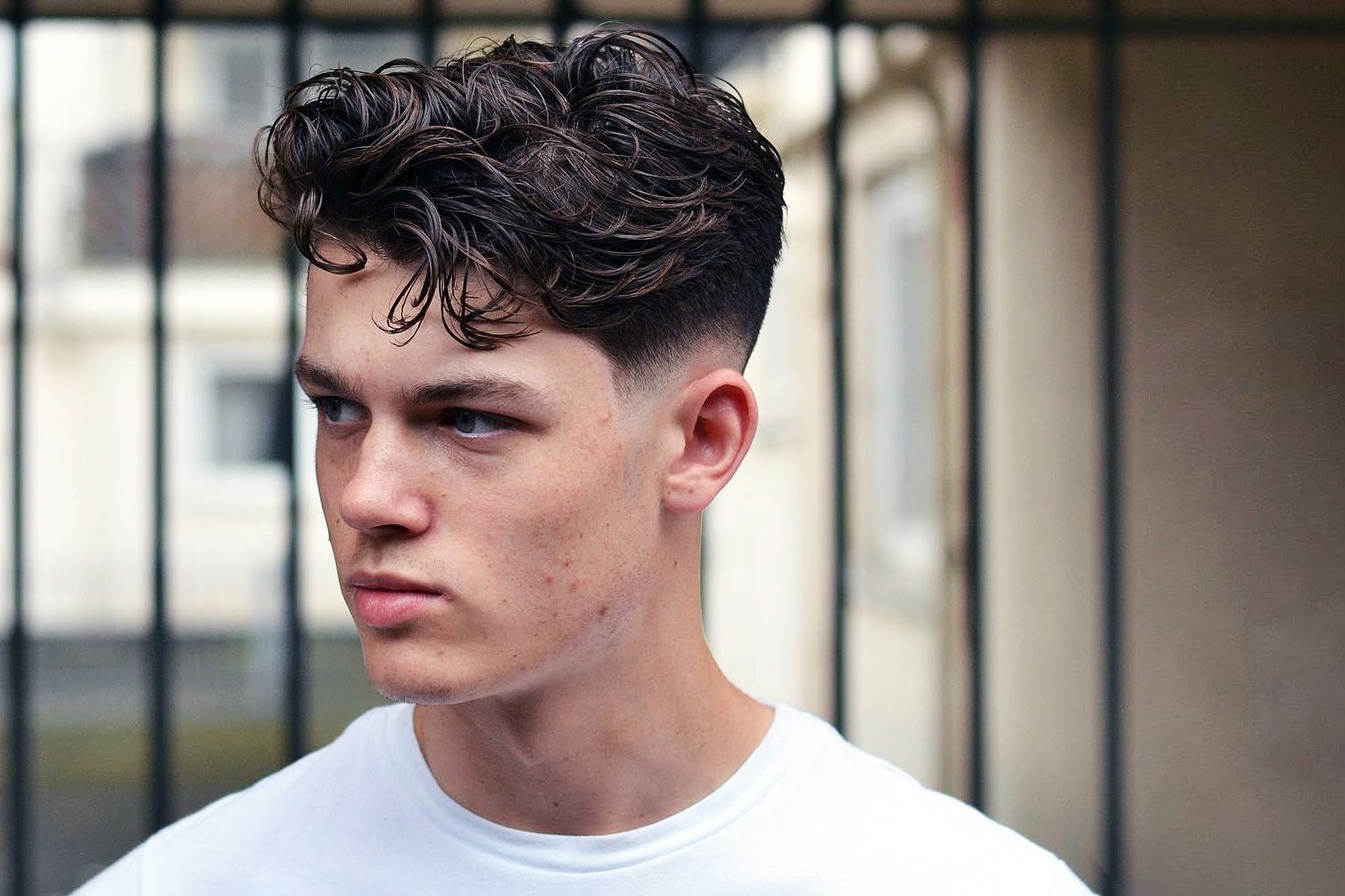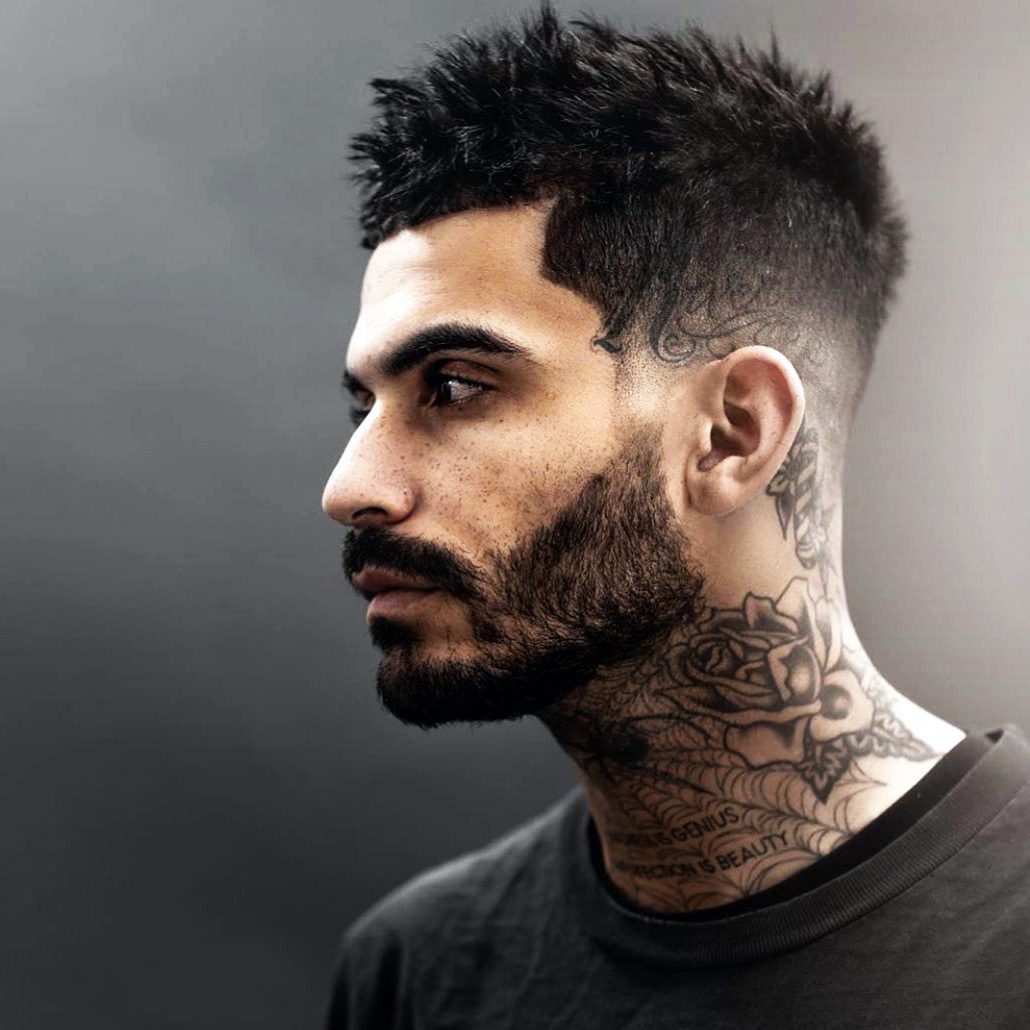
30+ Best Fade Haircuts for Men in 2026
Stand out with this easy men's hairstyle.
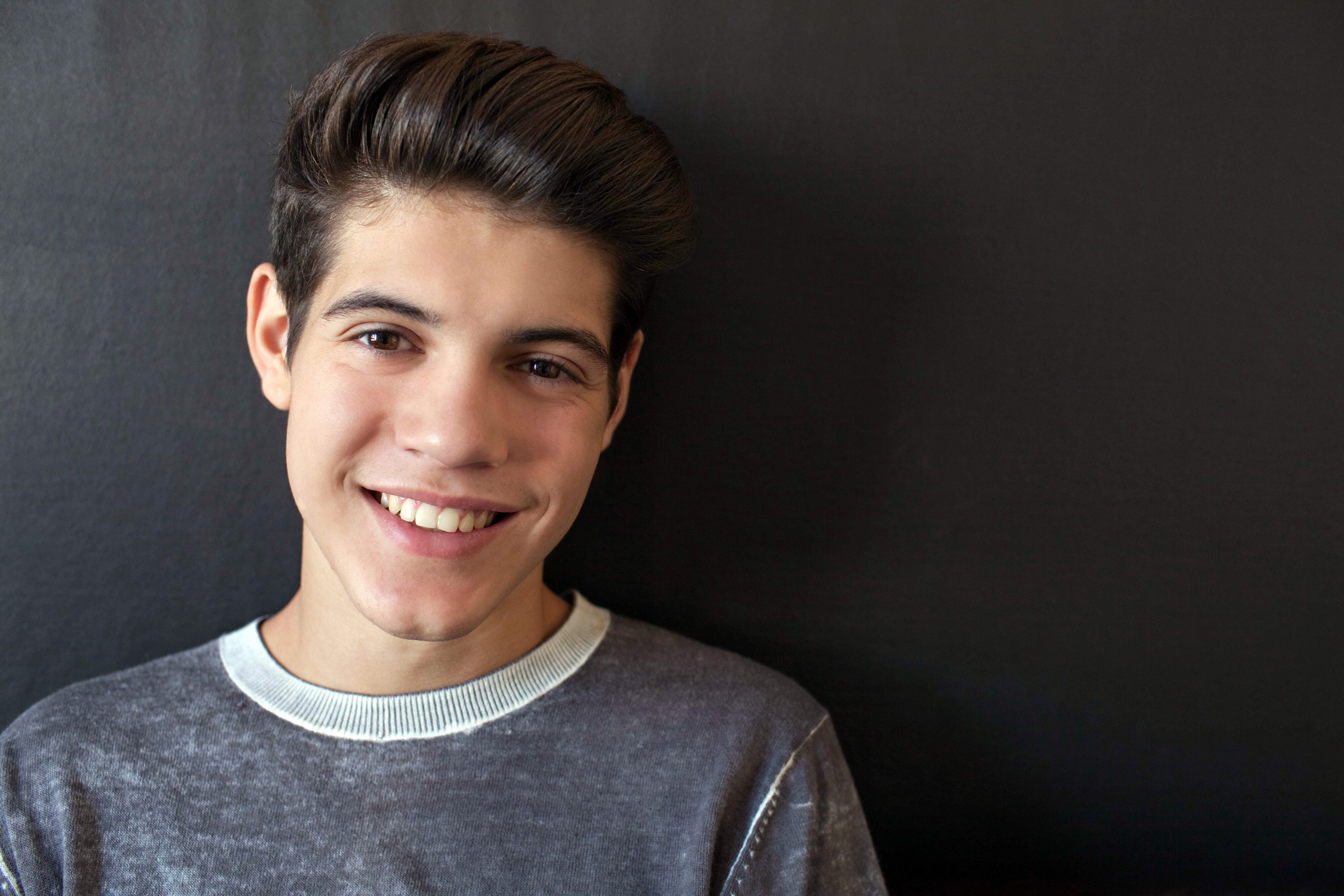
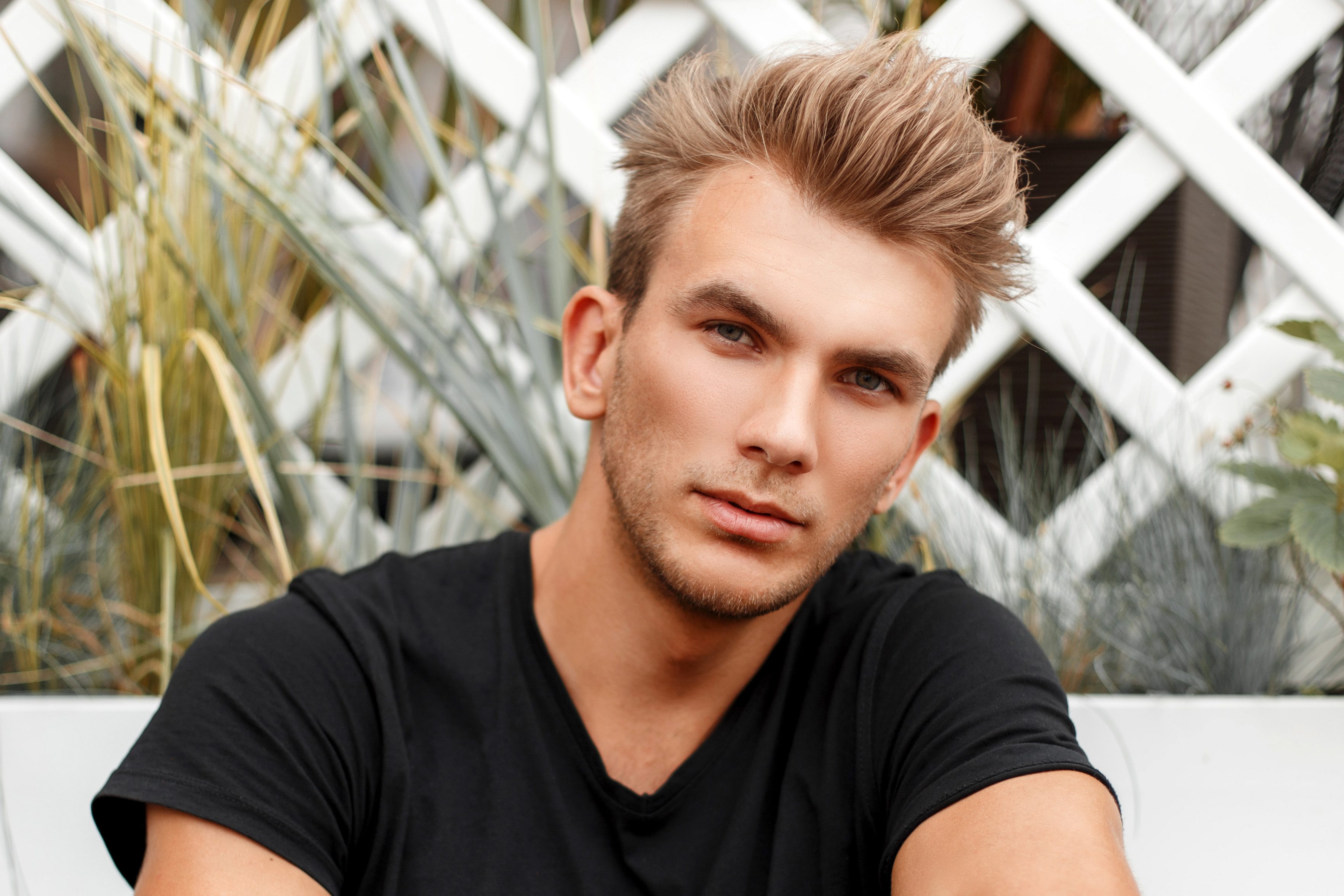
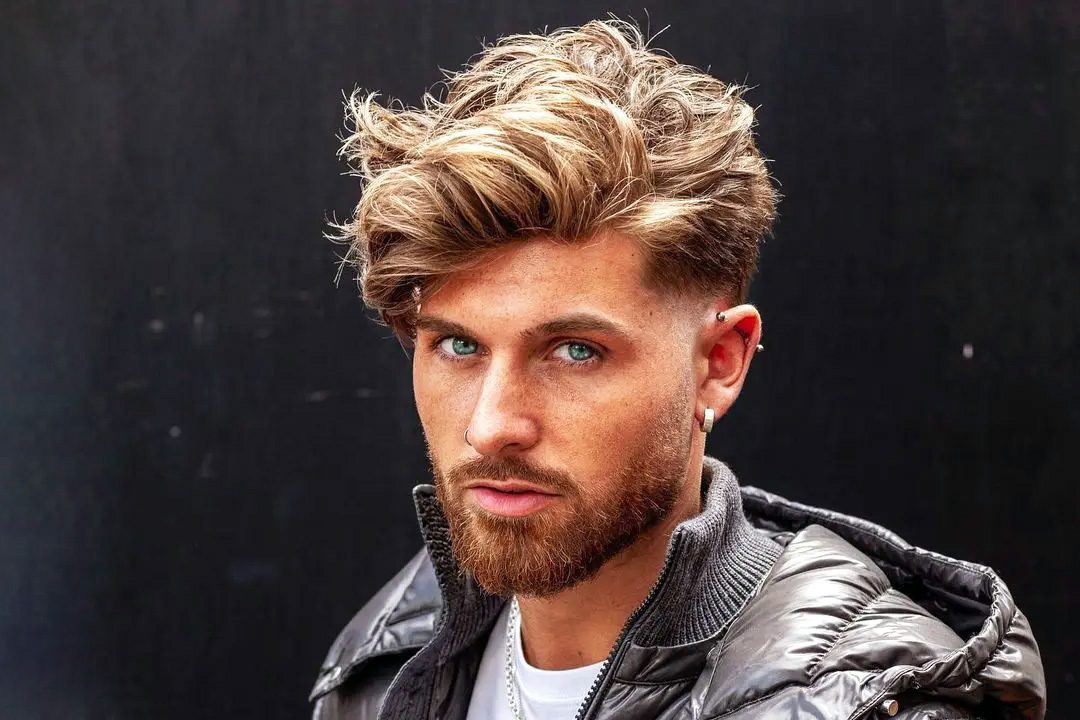
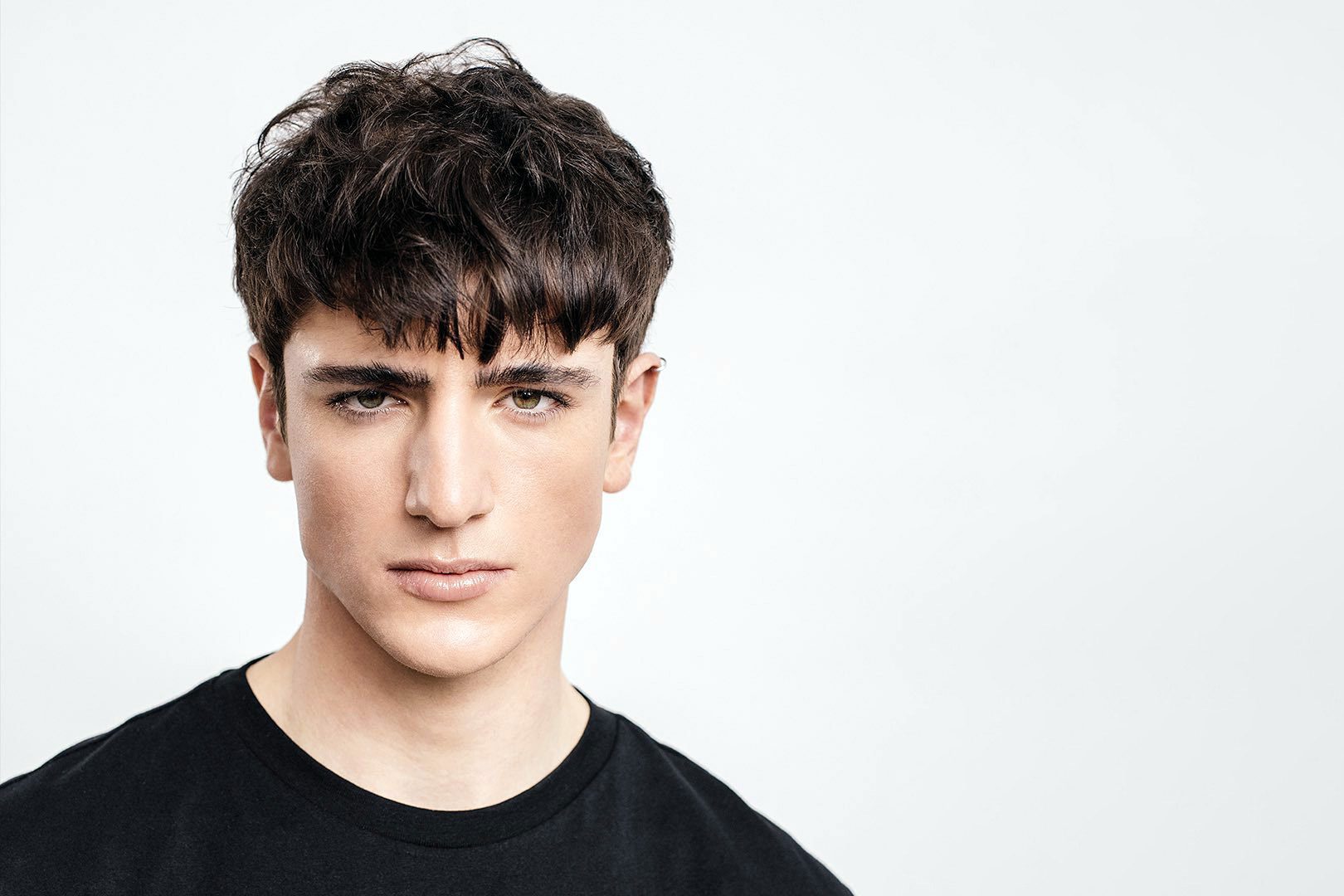
Fade haircuts are among the most versatile men’s hairstyles because they can be combined with almost any length, texture, or style on top. From clean low fades and classic mid fades to bold high fades, skin fades, burst fades, drop fades, and subtle taper fades, there’s a version for almost every look.
The key difference between fade haircuts is where the fade starts, how short the hair becomes, and how it transitions into the hair on top. Choosing the right combination can completely change the appearance of a haircut.
In this guide, you’ll find the best fade haircuts for men, along with a breakdown of the different types of fades, the best fades for different hair types and face shapes, maintenance tips, and advice on what to ask your barber.
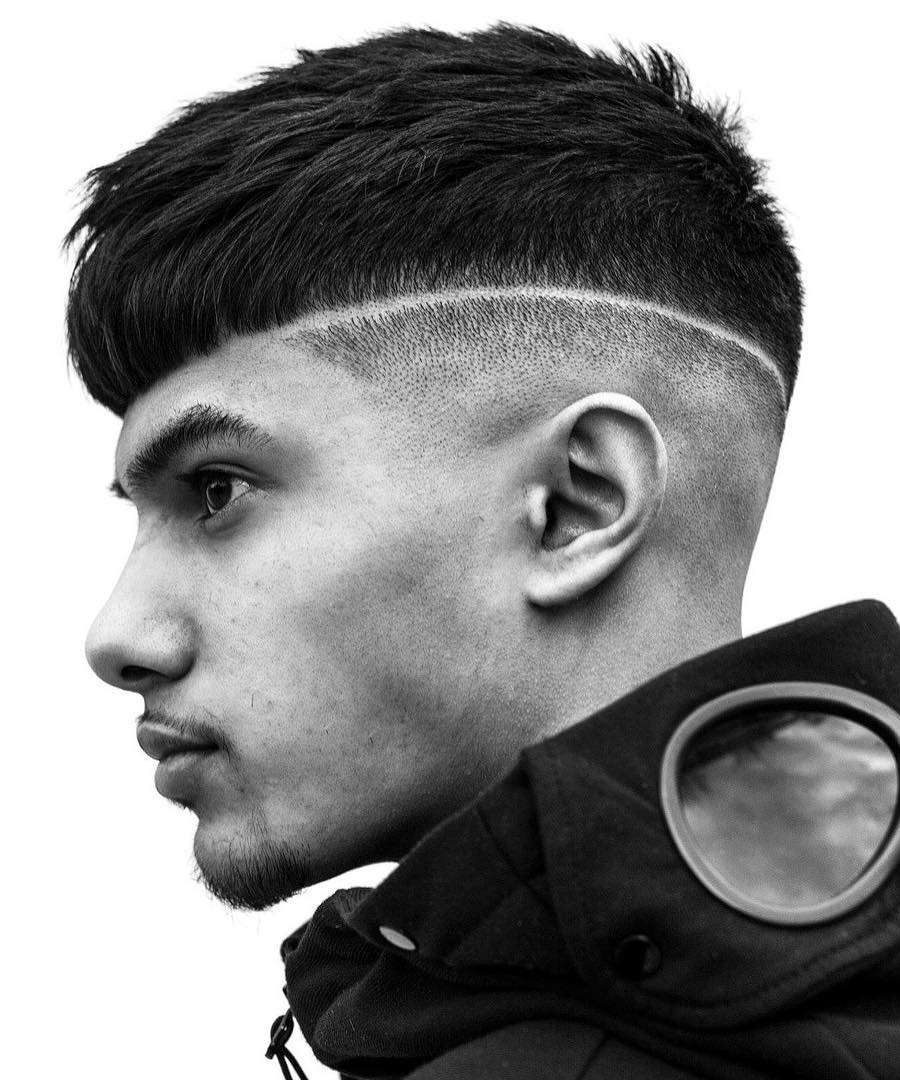
Fade with Hard Separation
Focusing in on the sides, you can see this fade has been taken to the next level with a hard part running along the entire length.
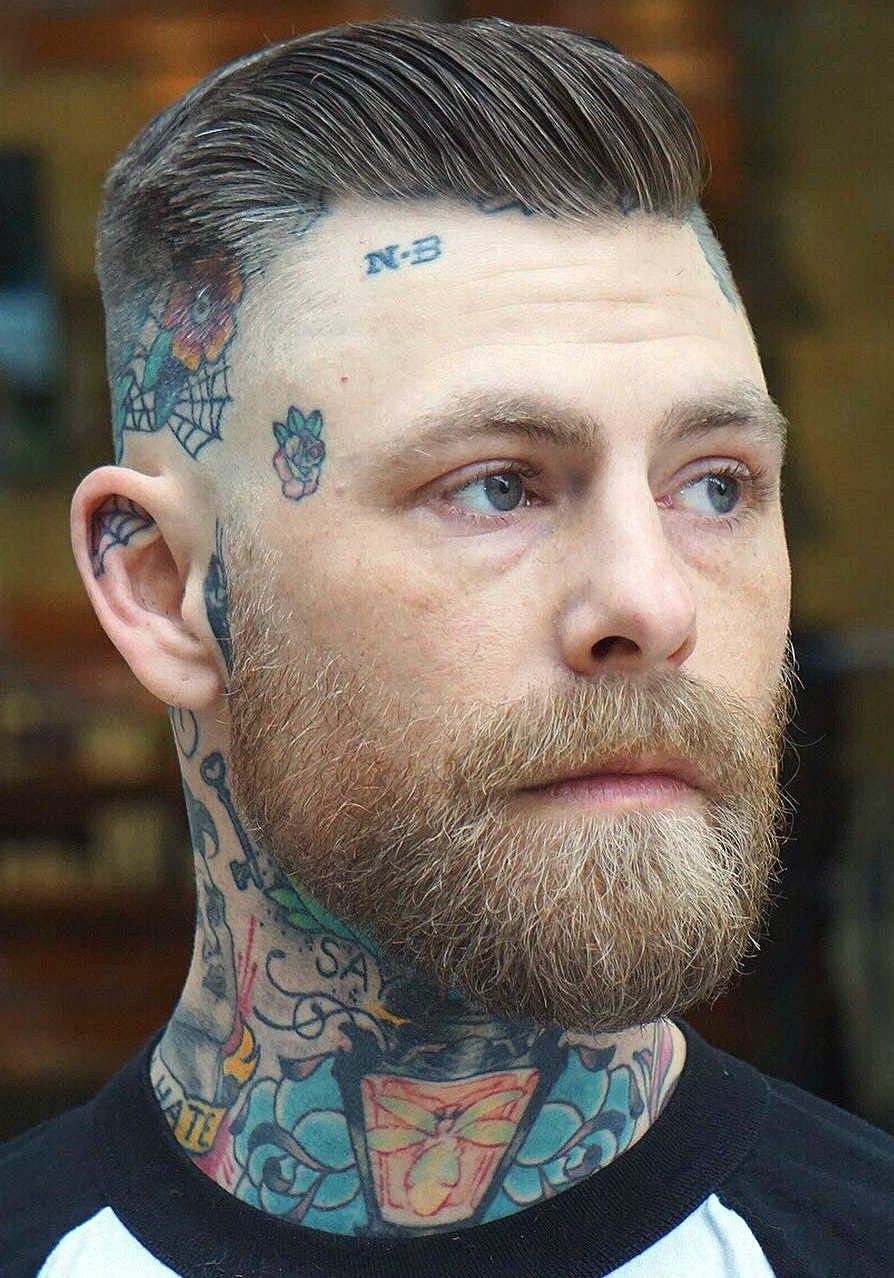
Medium Length Military Fade
There’s no real rules for naming some of these cuts, but the label of “military fade” seems to work perfectly for this hairstyle. It’s clean and effective, with tattoos bumping it up a notch.
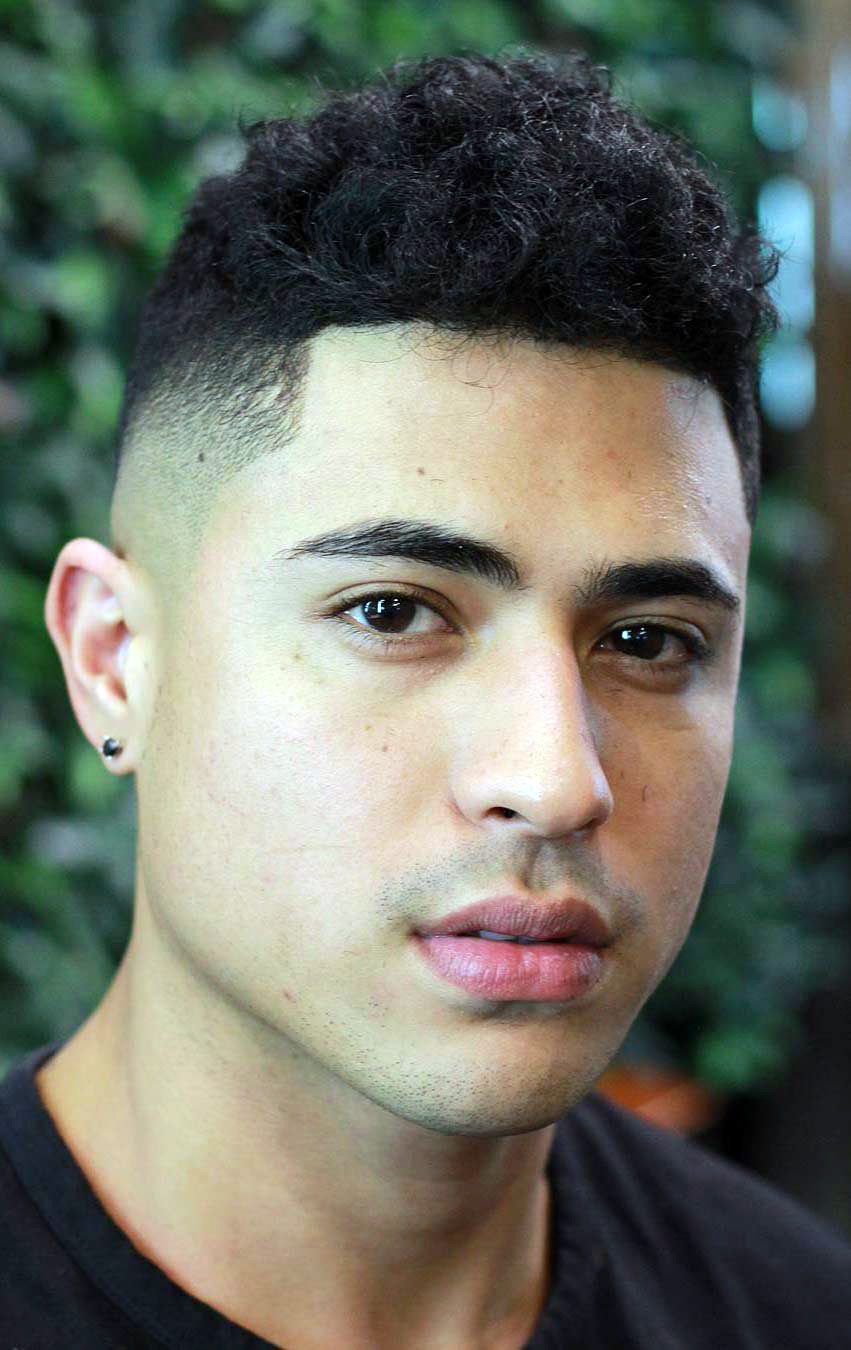
Afro with Fade
This is another curly haircut with fade: something of an afro, you could say. Notice how the fade really lights up the contrast between skin and hair.
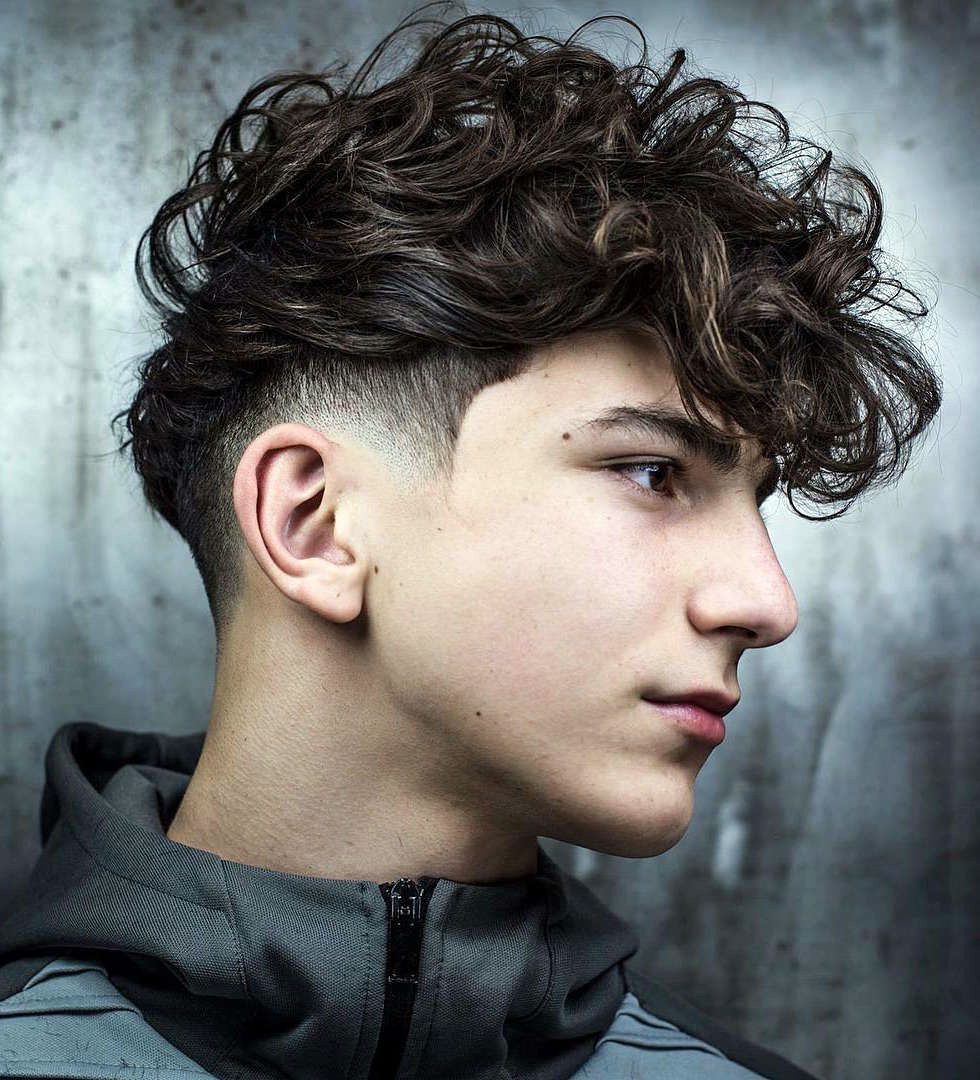
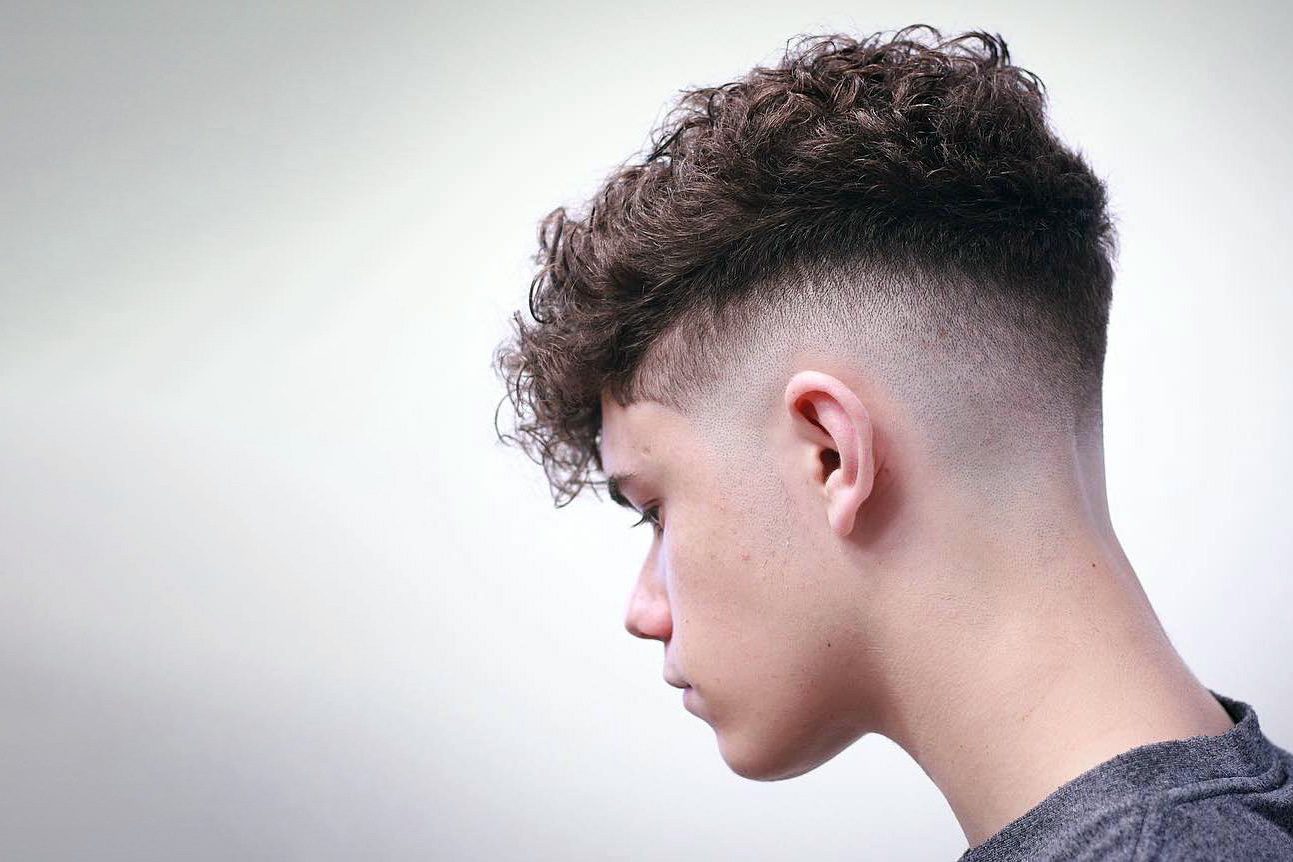
Long Curls with Fade
Not every fade haircut needs to have short or medium-length hair on top. It’s perfectly possible to wear a fade with ultra long curls above, just like this.
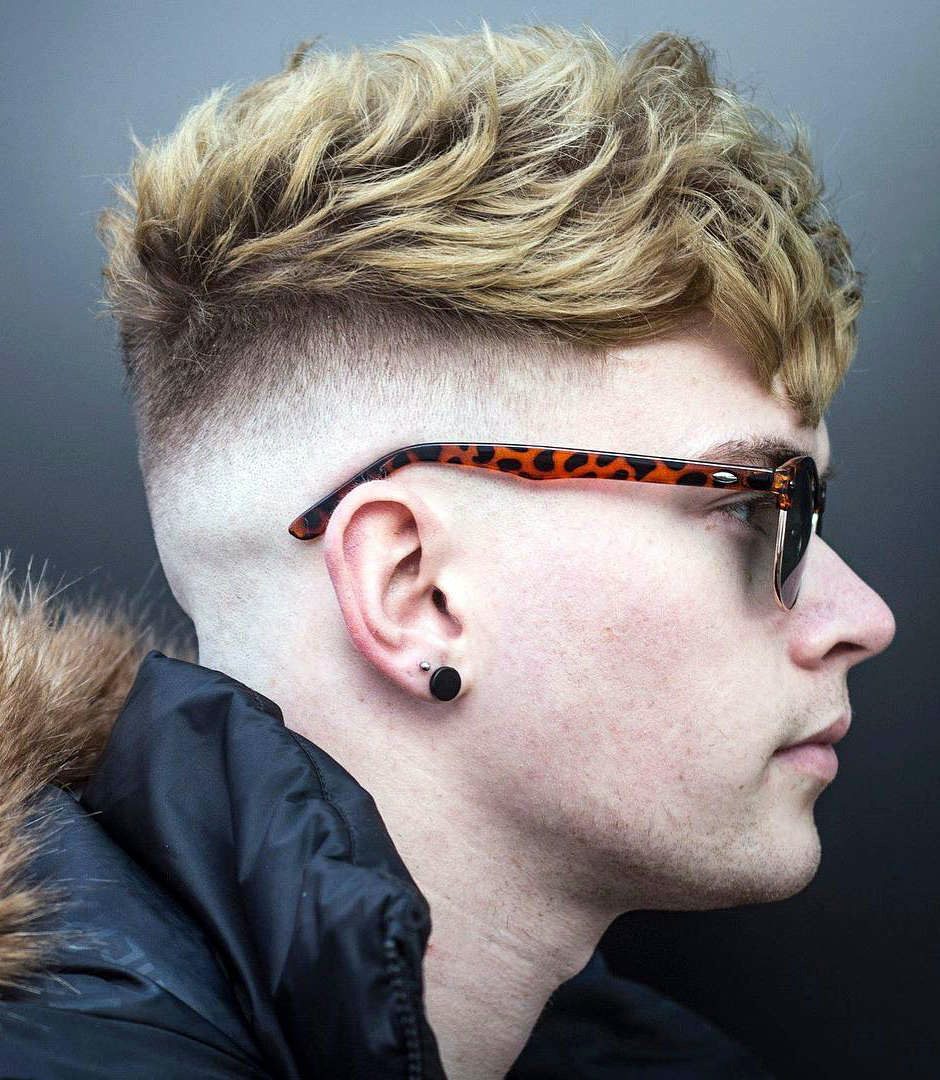
Hipster Undercut
There’s an overlap between fade and undercut, and you can see it here. This hipster-esque, top-heavy style speaks for itself — we love that.
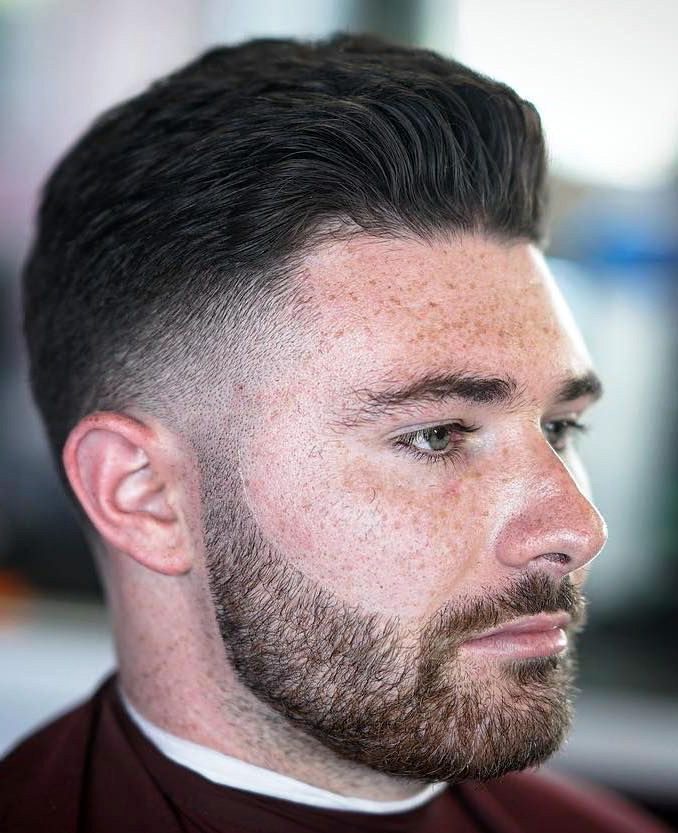
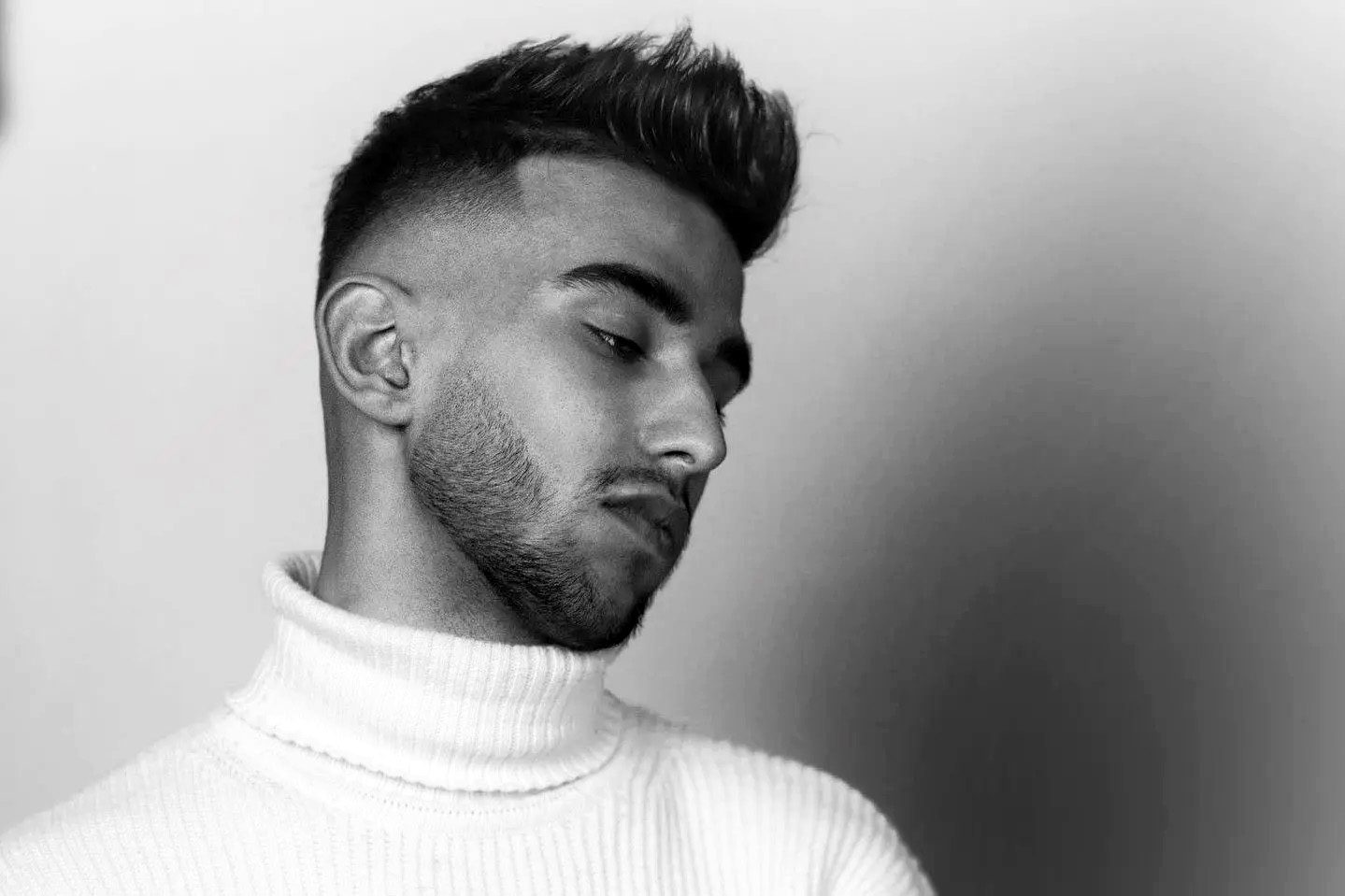
Low Fade Pompadour with Side Brush
Fade’s don’t have to be anything extreme. This pompadour, for example, features a very gradual fade on the sides, helping to tie together the top and facial hair.
Related
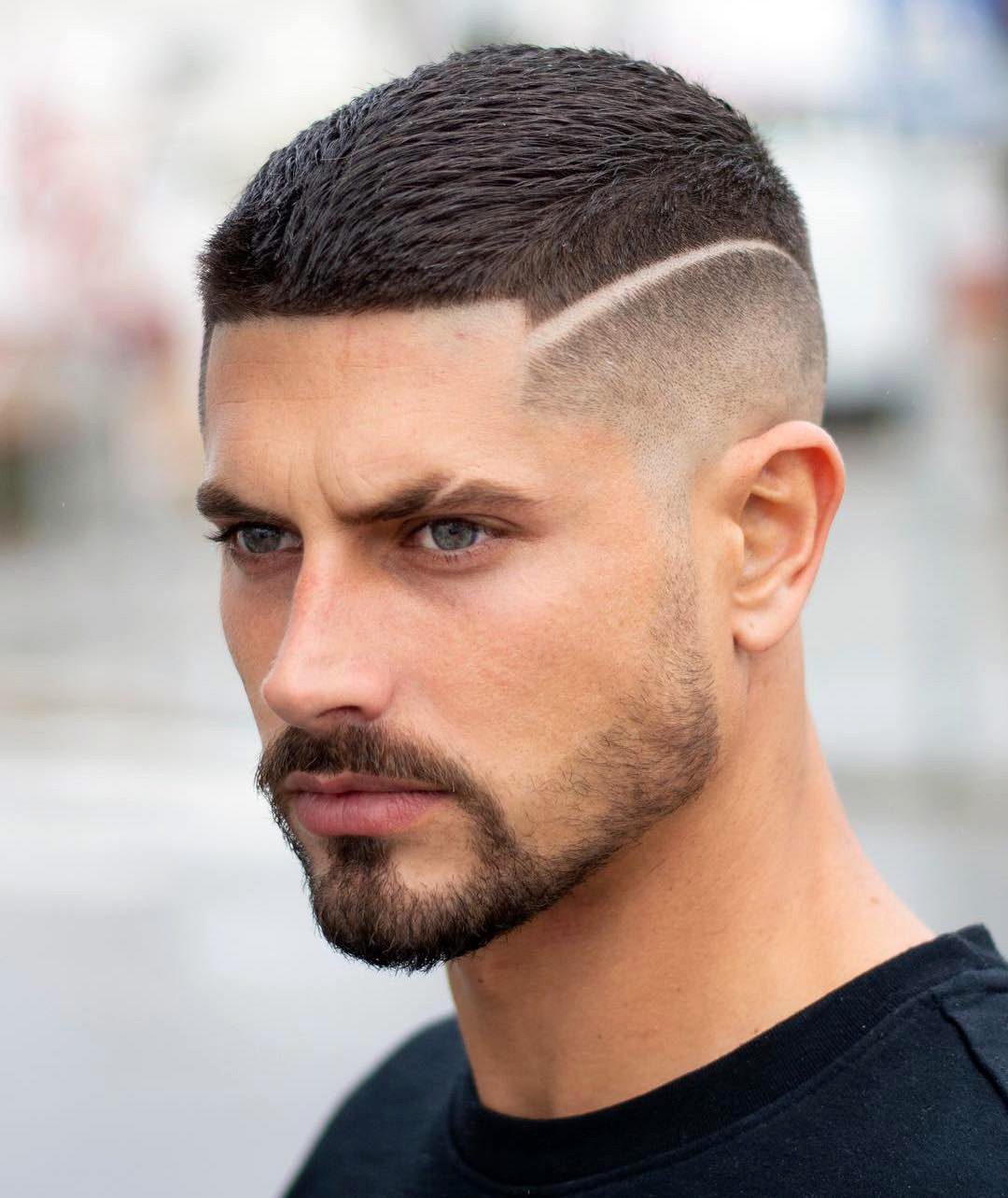
Taper Fade with Shaved Hairline
Though the fade is a common choice when it comes to men’s haircuts, you can make it your own by adding some unique elements. This one features a shaved line where the fade starts (and also extending to the eyebrow), which really takes the look to a whole new level.
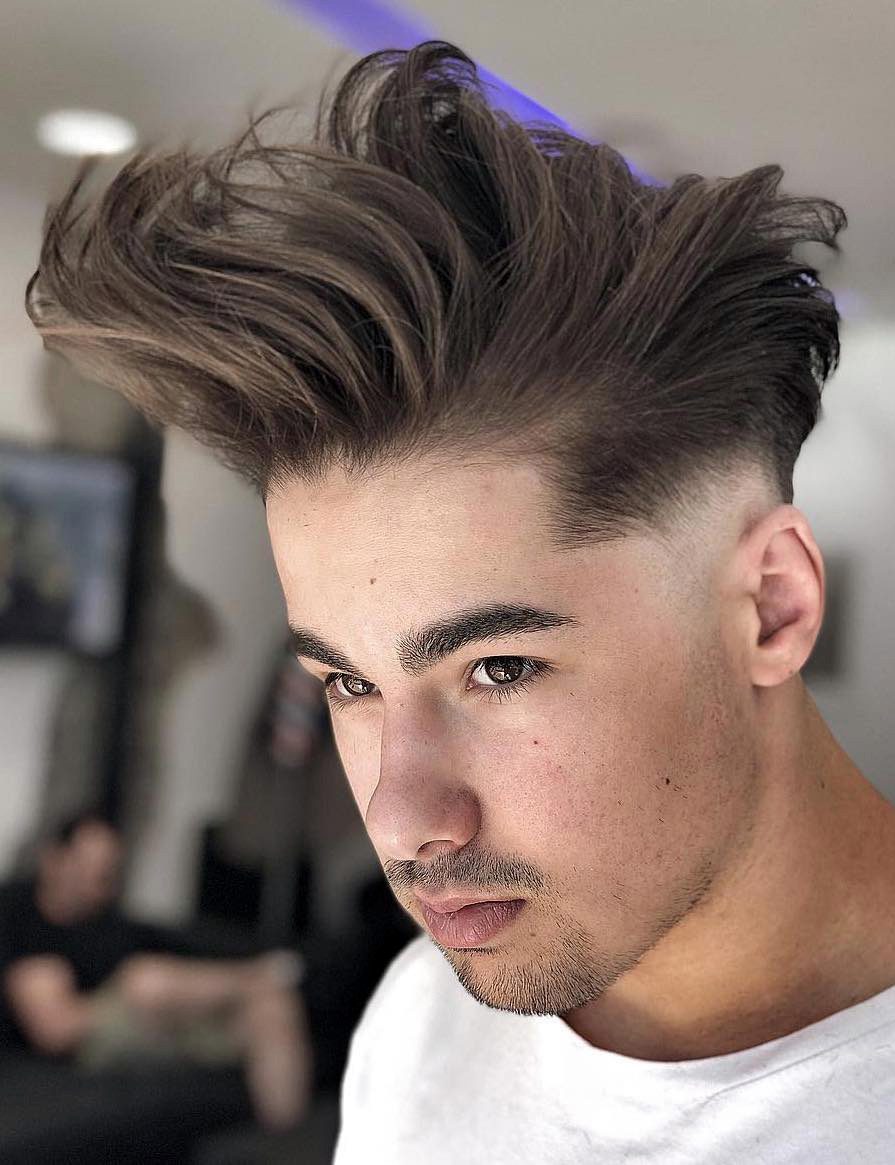
Low Fade with Messy Quiff
We’re definitely getting a strong Johnny Bravo vibe from this messy quiff. Balance out the long top with a low fade to add a bit of structure to your cut.
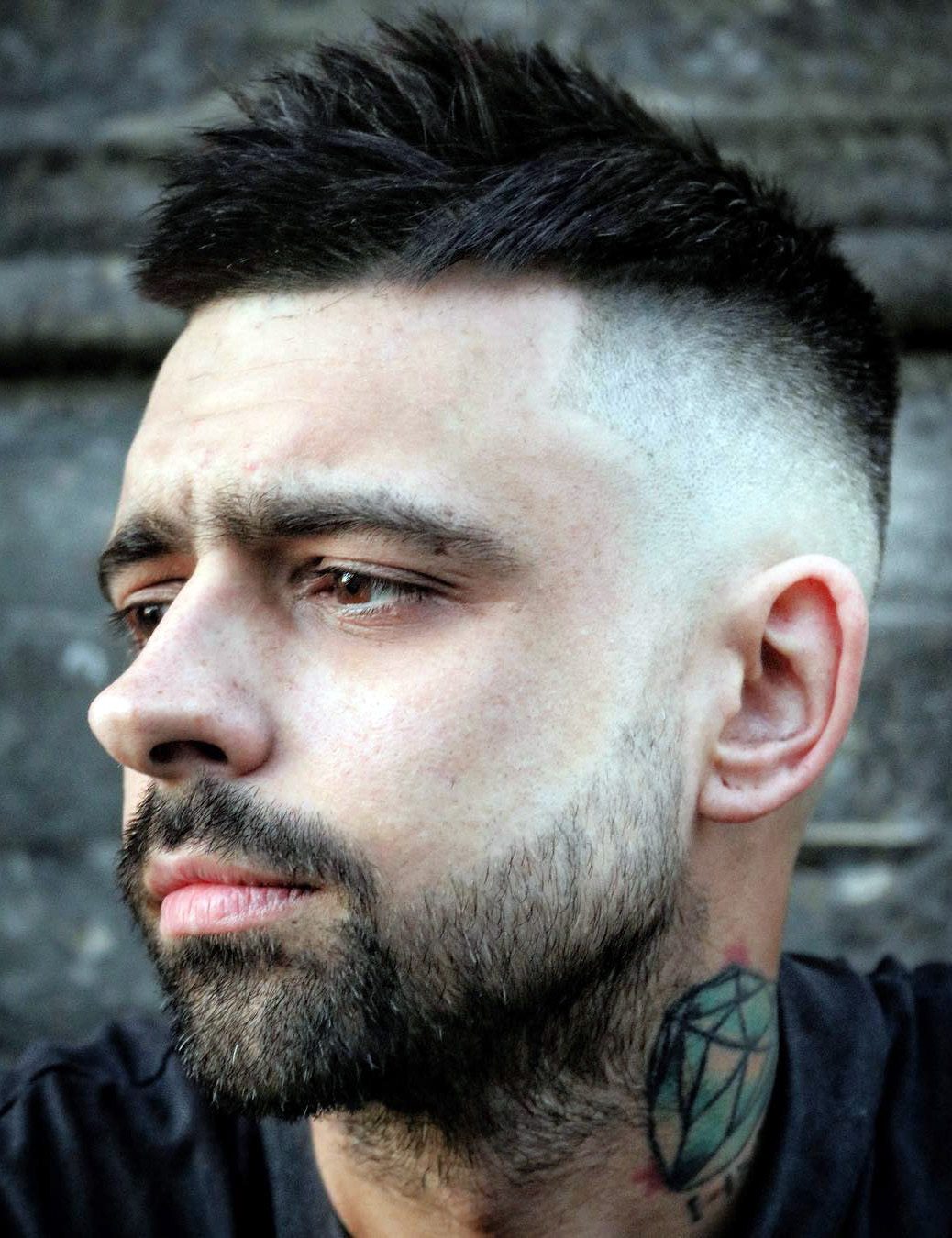
Tapered Fade
This is the classic tapered fade — long and thick at top and very short at the neckline and around the ears, with a noticeable gradient in between. Play around with the texture at the top for some variety to your look.
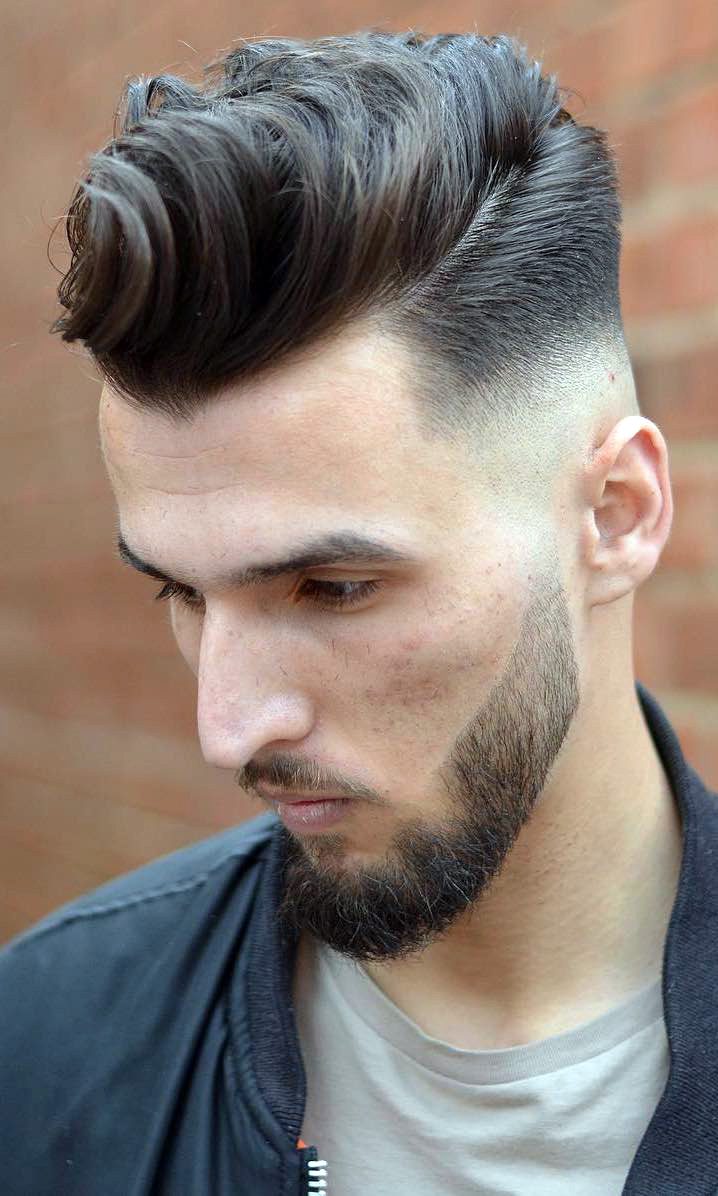
Swiveled Pompadour
Balance out your fade with a perfectly sculpted pompadour for a look that really grabs attention. This style definitely brings the ’50s to modern times.
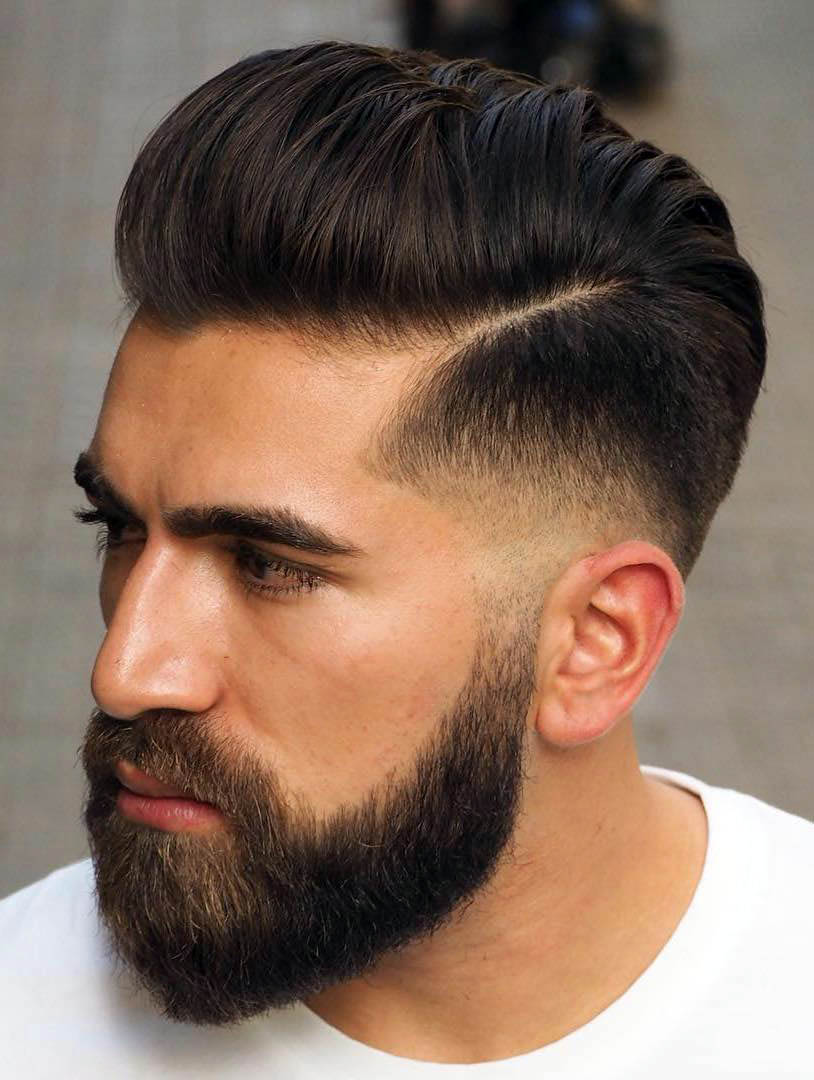
Almost Slicked Back with Temple Fade
If the slicked-back style feels too stiff and formal, try this. Pair a temple fade with a brushed-back top that’s just a bit tousled. This is more on the casual side and won’t have you looking like you just stepped out of the ’30s.
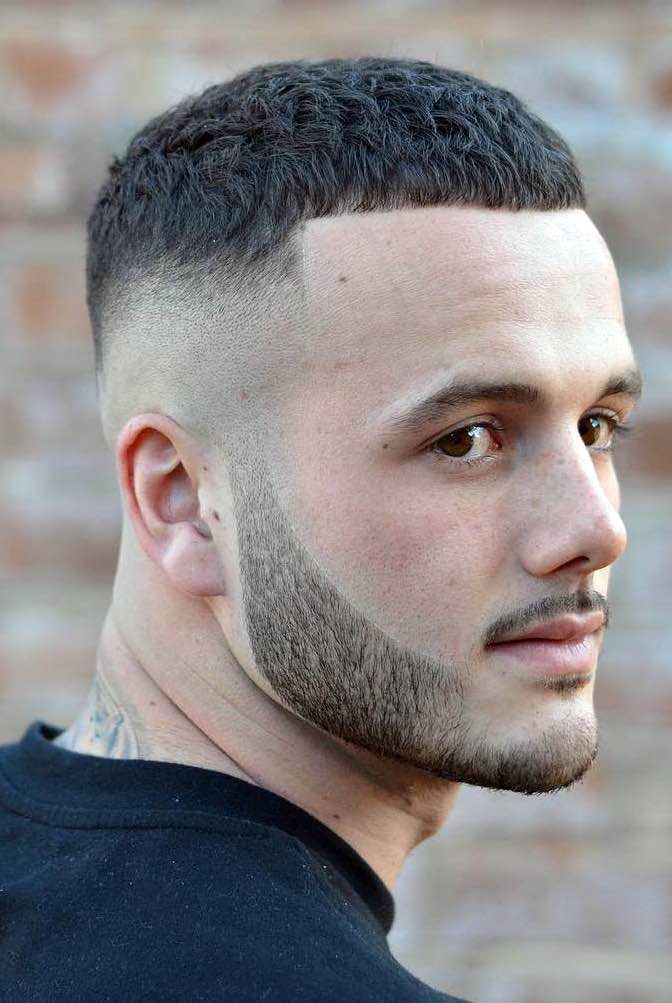
Taper Fade Short top
For a fuss-free, low-maintenance hairstyle, try this Caesar cut with a taper fade. Sometimes, you don’t need much more than the simplest and most classic.
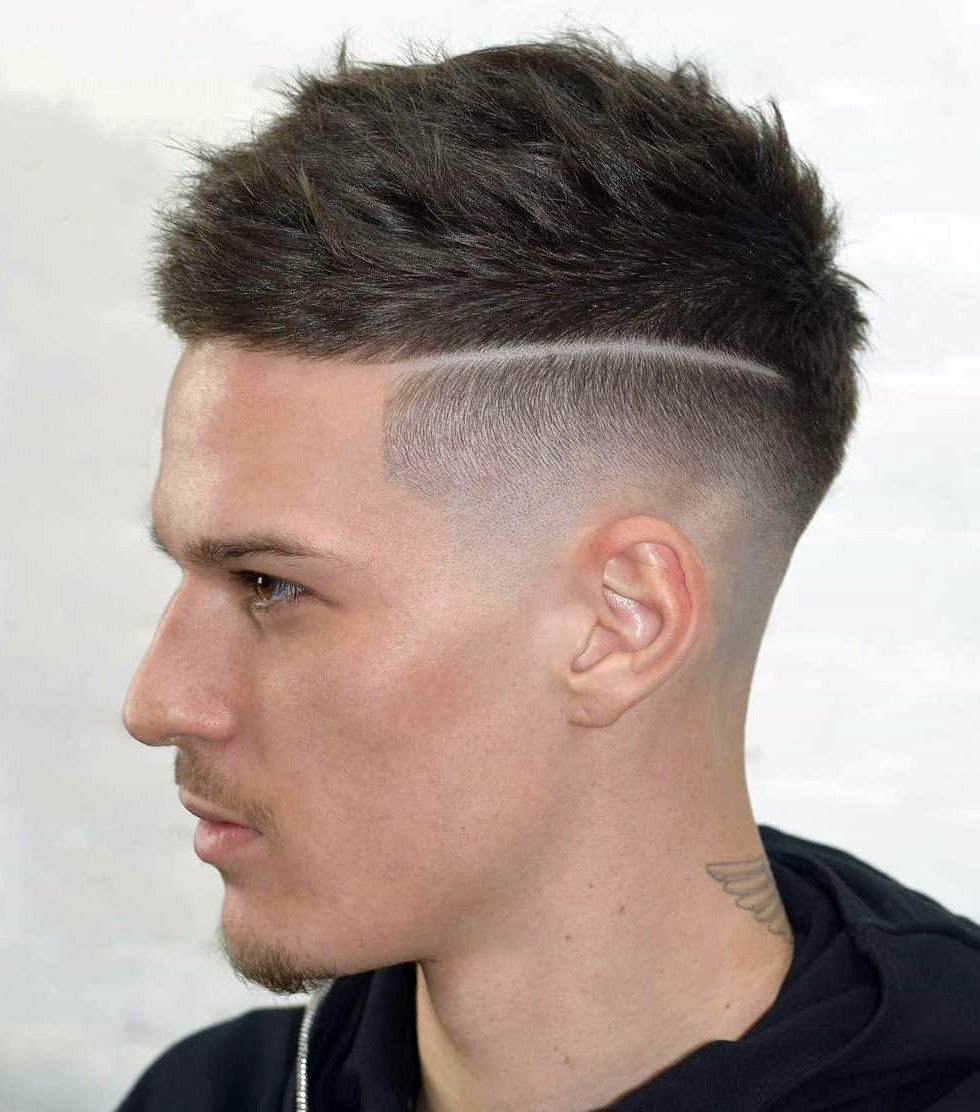
Medium Fade with Disconnection
Exploring different styles and designs can result in the most striking haircuts. Here, the bushy top is paired with a mid fade with a shaved line in between. Super cool!
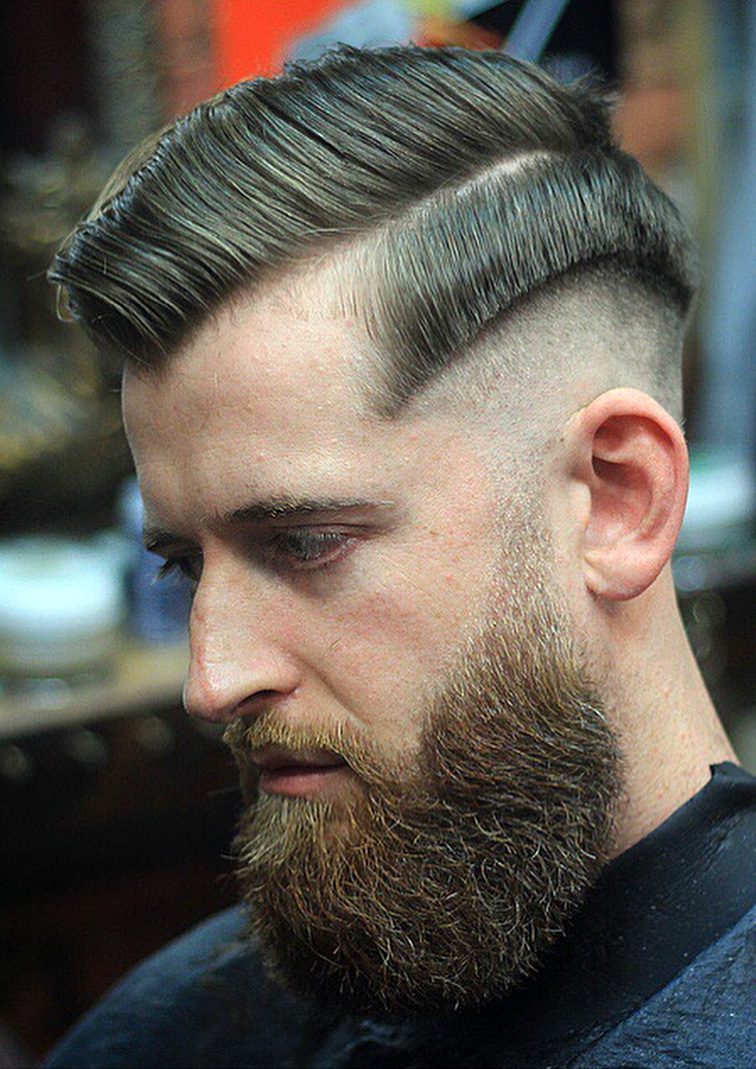
Undercut Fade with Side Comb Temple Fade
As you can see here, not all undercuts are created equal. Some — like this one — are edgier than others. This undercut features a shape you don’t see every day and really adds a unique touch to the whole look.
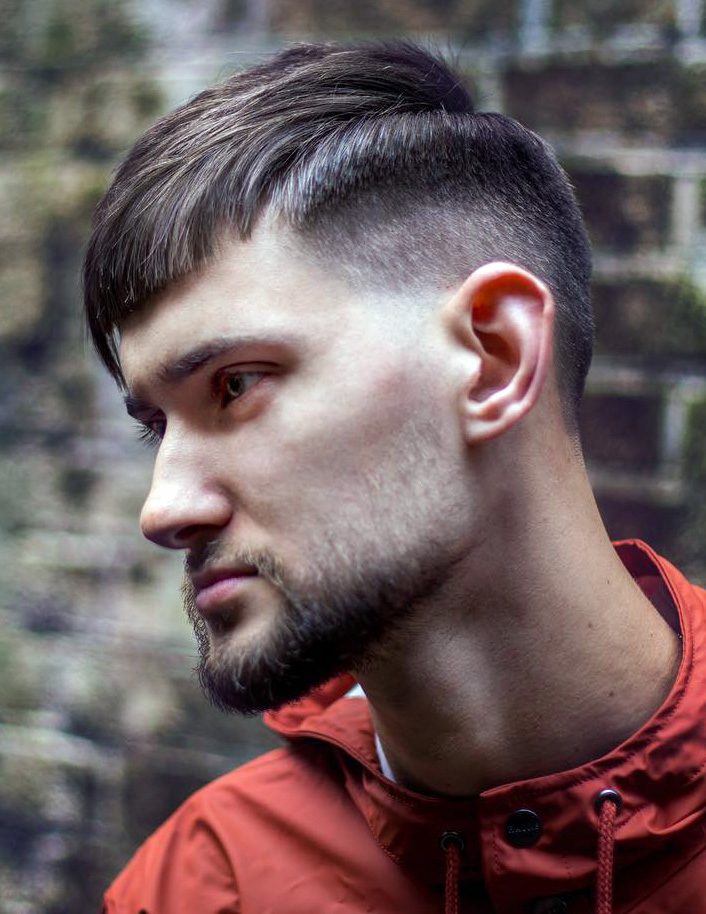
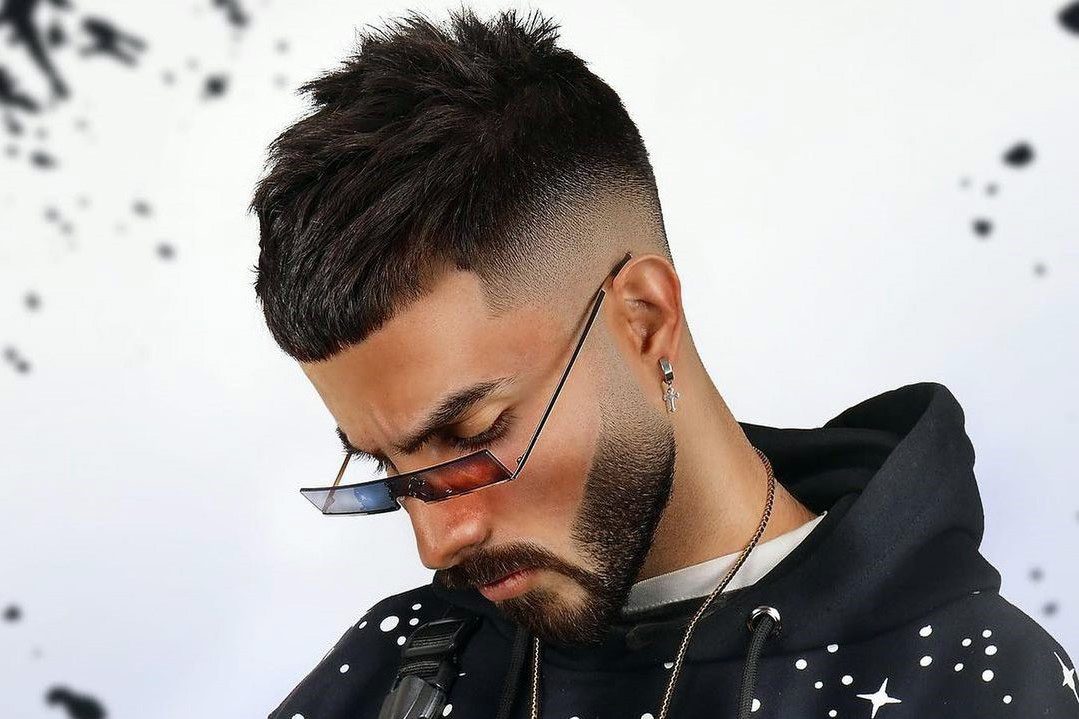
Tapered Burst Fade
Don’t want it too short at the back? Try a tapered burst fade like this. Pair it with a longer top and a blunt fringe for an overall unique look.
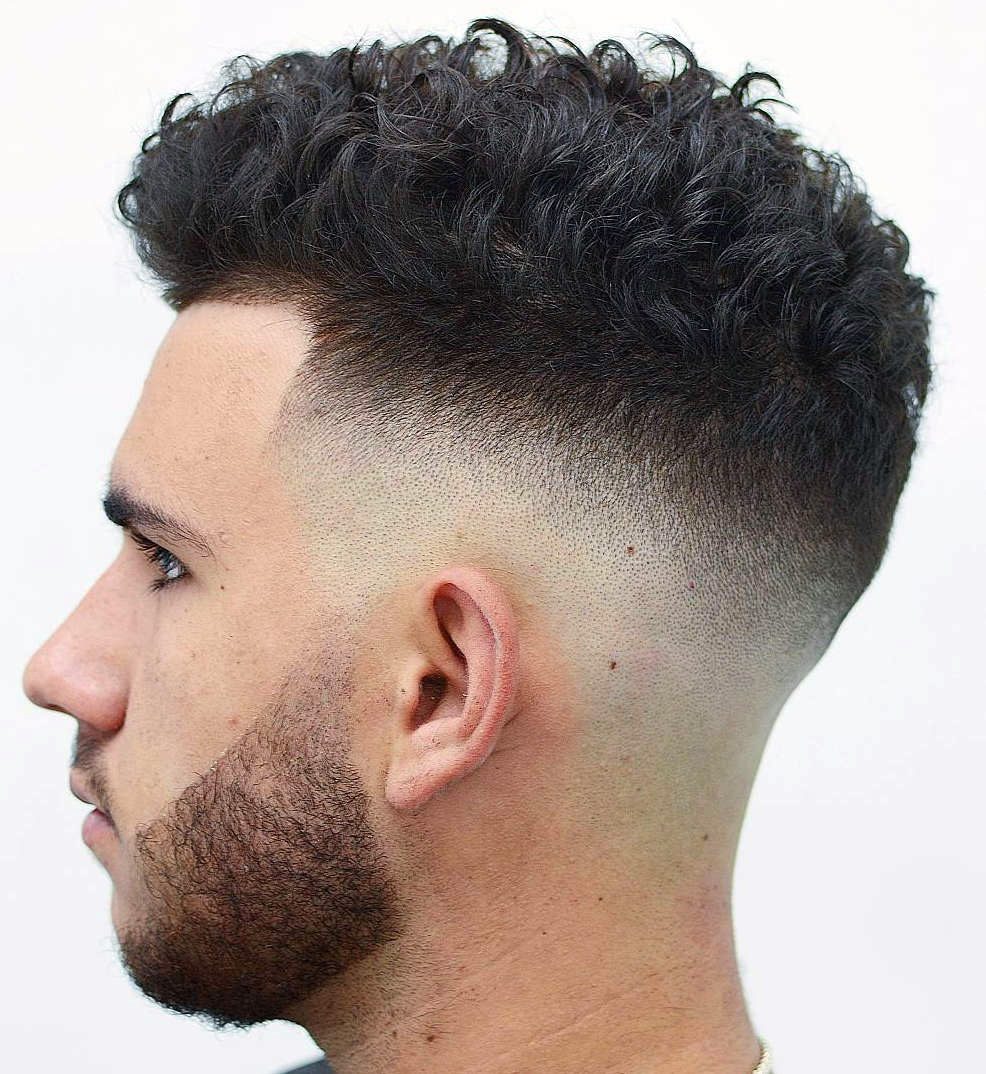
High Fade with Curly Top
To kick things off we’ve got a clean, high fade to complement the dark volume of curly hair on top. Together with a partial trim of the beard, this haircut is a yes in our books.
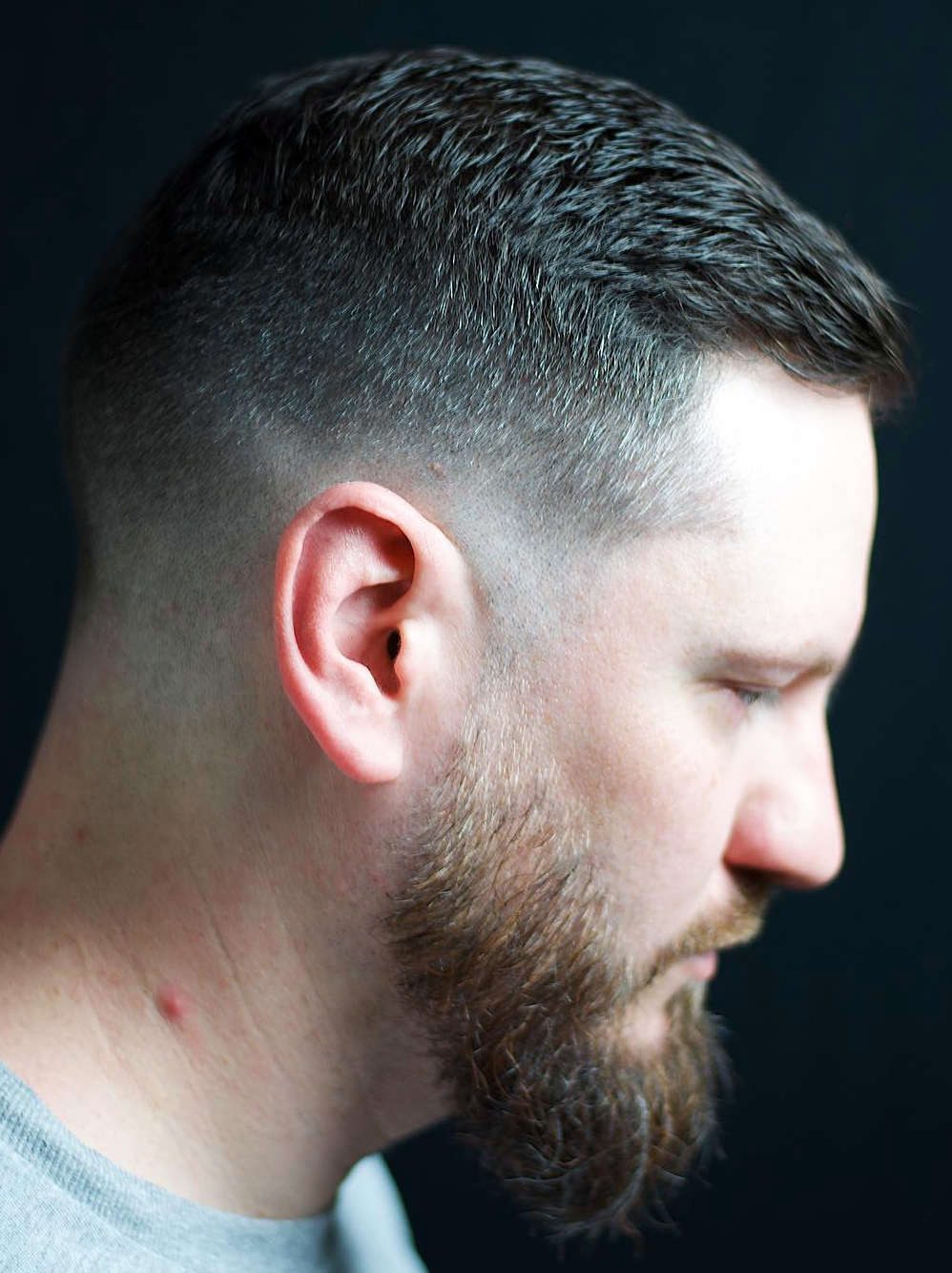
Crew Cut with Fade
The crew cut is a classic hairstyle, but adding a fade is a simple way to modernize it a touch. There’s no complicated styling here: it’s just simple good looks.
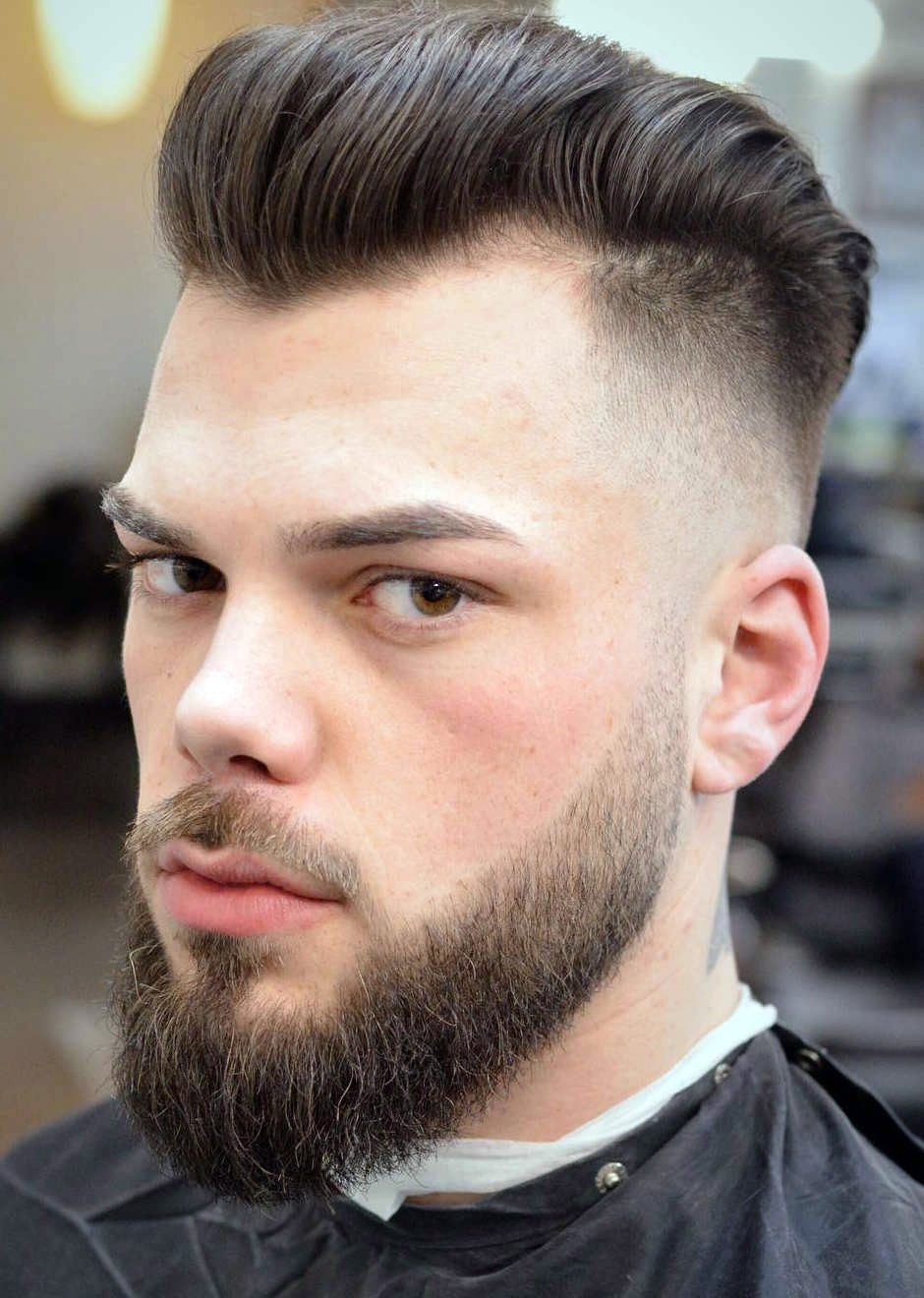
Soft Quiff and Fade
As you can see, the fade is something of a tool more than it is a haircut. In this case, the fade modifies this quiff to make it all the more impressive.
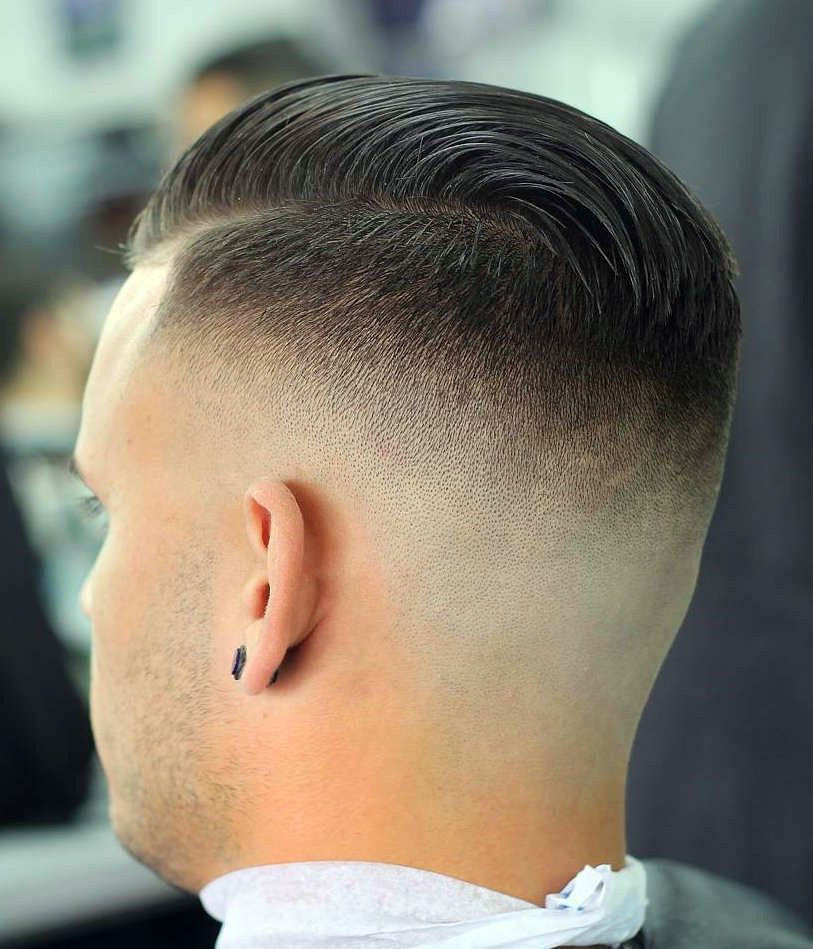
Faded Comb Over
Here’s an easy style combining the humble comb over with a moderate fade. It’s an example of a fade haircut that’s more appropriate for formal dress, but it will need some styling on the top!
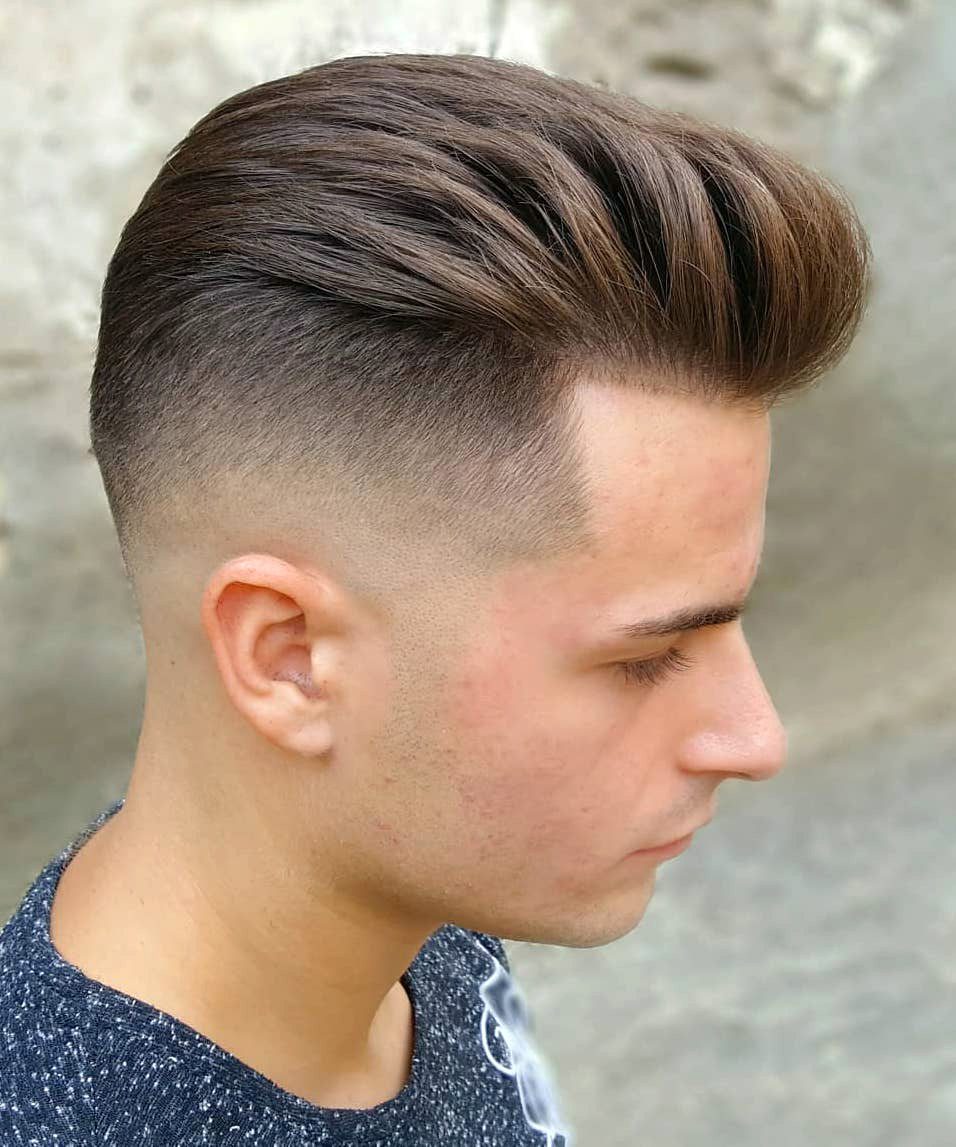
United Layers Pompadour
If you’re into vintage styles, you can’t get more ’50s than a pompadour. Adding a fade results in a cleaner, breezier, and more modern look.
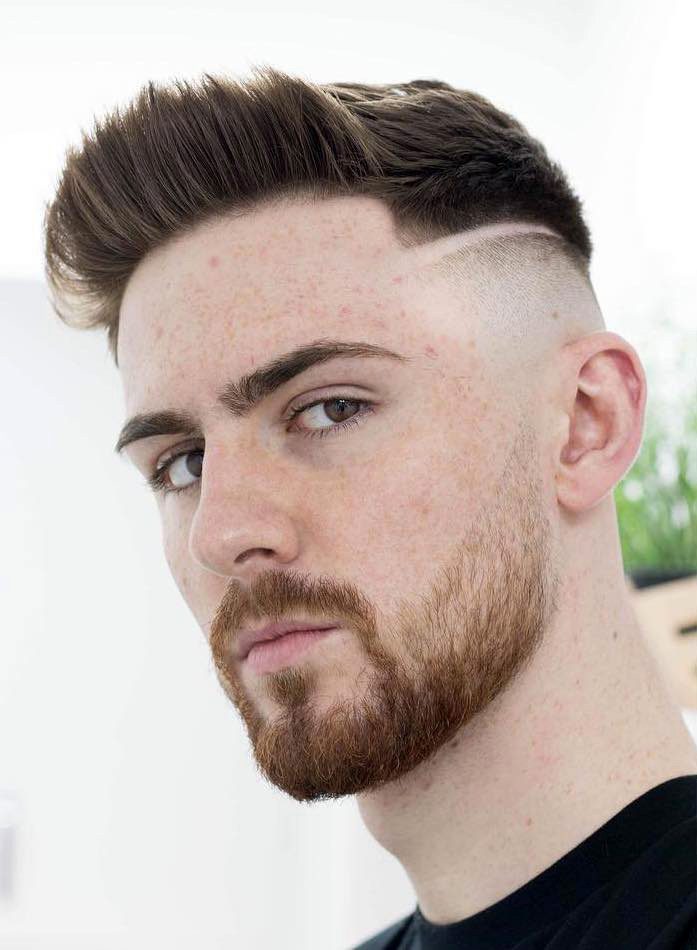
Shaved Hairline with Faded Sides
This hairstyle really accentuates the contrast between the thick top and the skin fade, especially with that shaved line running across the side. The brushed-up fringe looks super cool as well and adds an extra dose of edge.
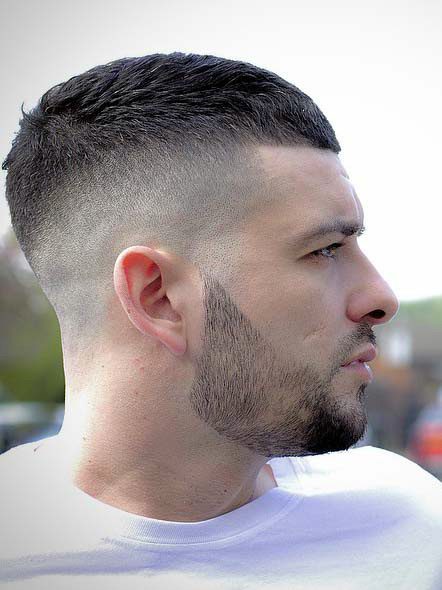
High Fade
Not only is the high fade such a classic, cool, and clean cut but it also gives you that tough military vibe. If you’re looking for a fuss-free yet manly cut, this is the one for you.
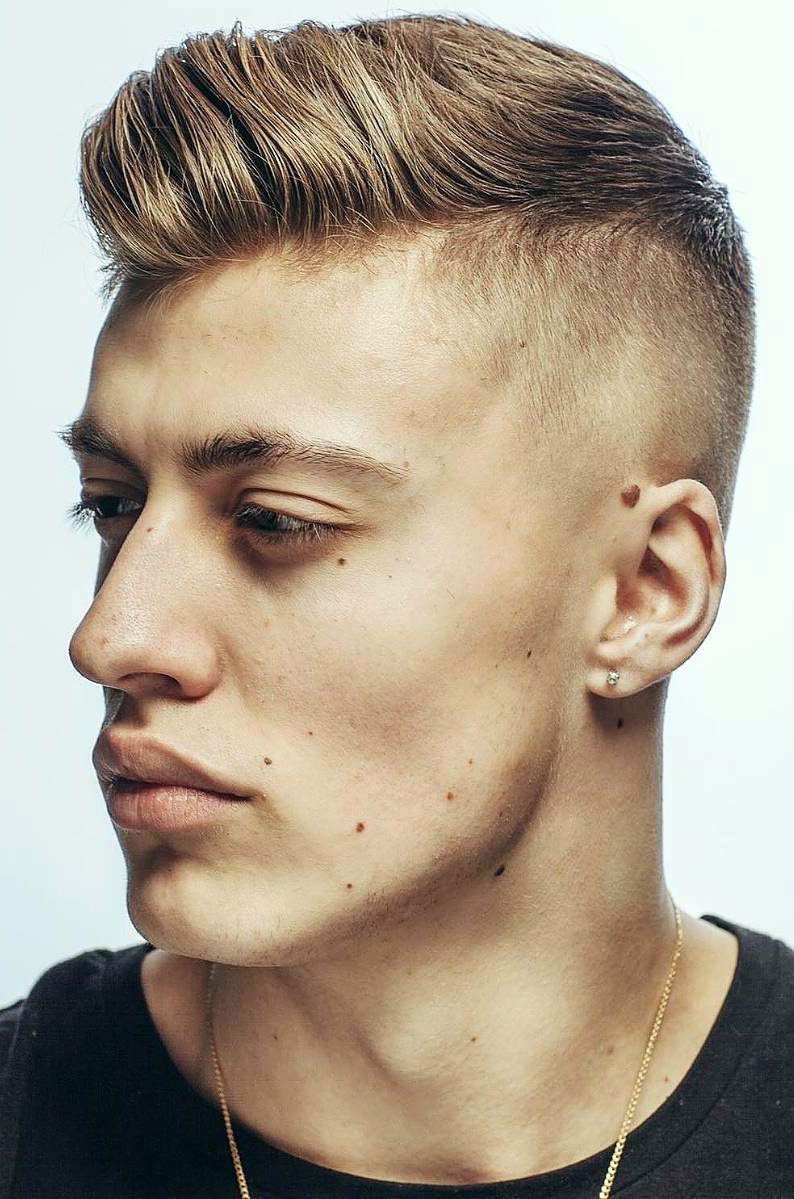
Finely Faded Temple
Opt for a finely faded temple if you want a really clean look. It makes a sharp contrast to all that hair at the top.
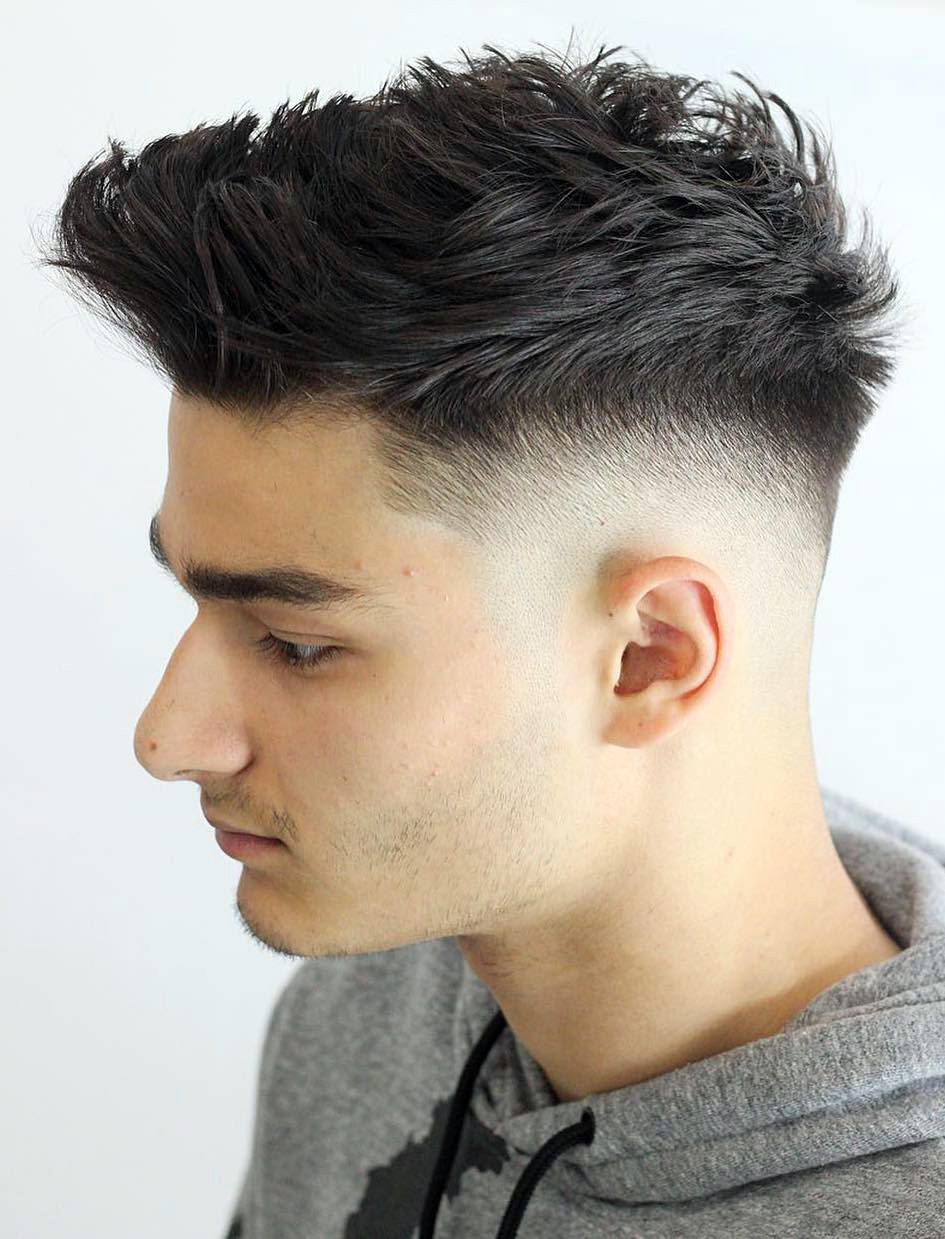
Messy Top with Classic Drop Fade
It’s possible to wear a disheveled hairstyle without looking like a total mess. Team a classic drop fade with a mussed-up top like this, and the result is an edgy cut that’s on the right side of punk.
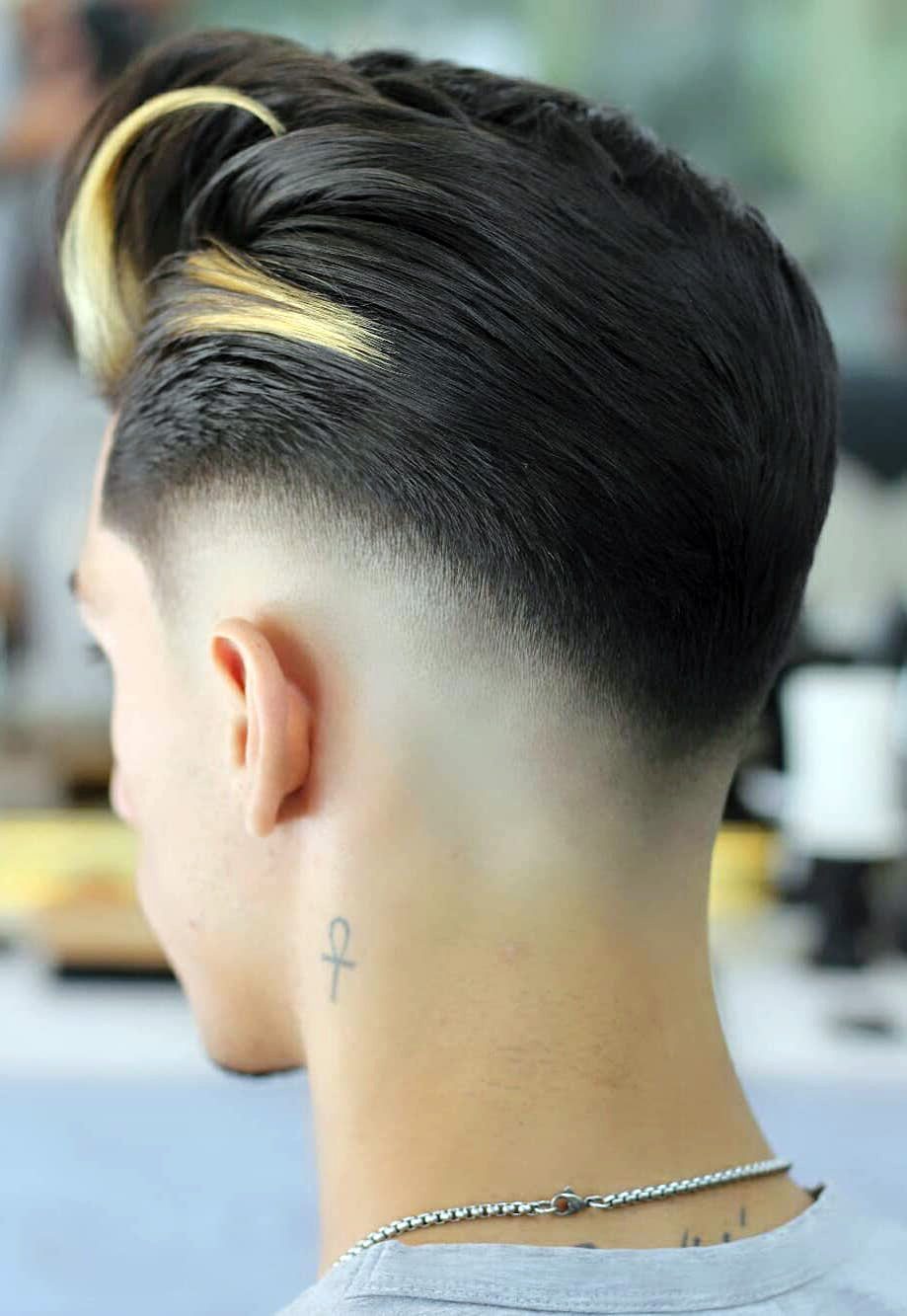
Clean Drop Fade with Highlights
If you want to keep it clean and classic with a drop fade but are looking for that extra cool boost, highlights like these should do the trick.
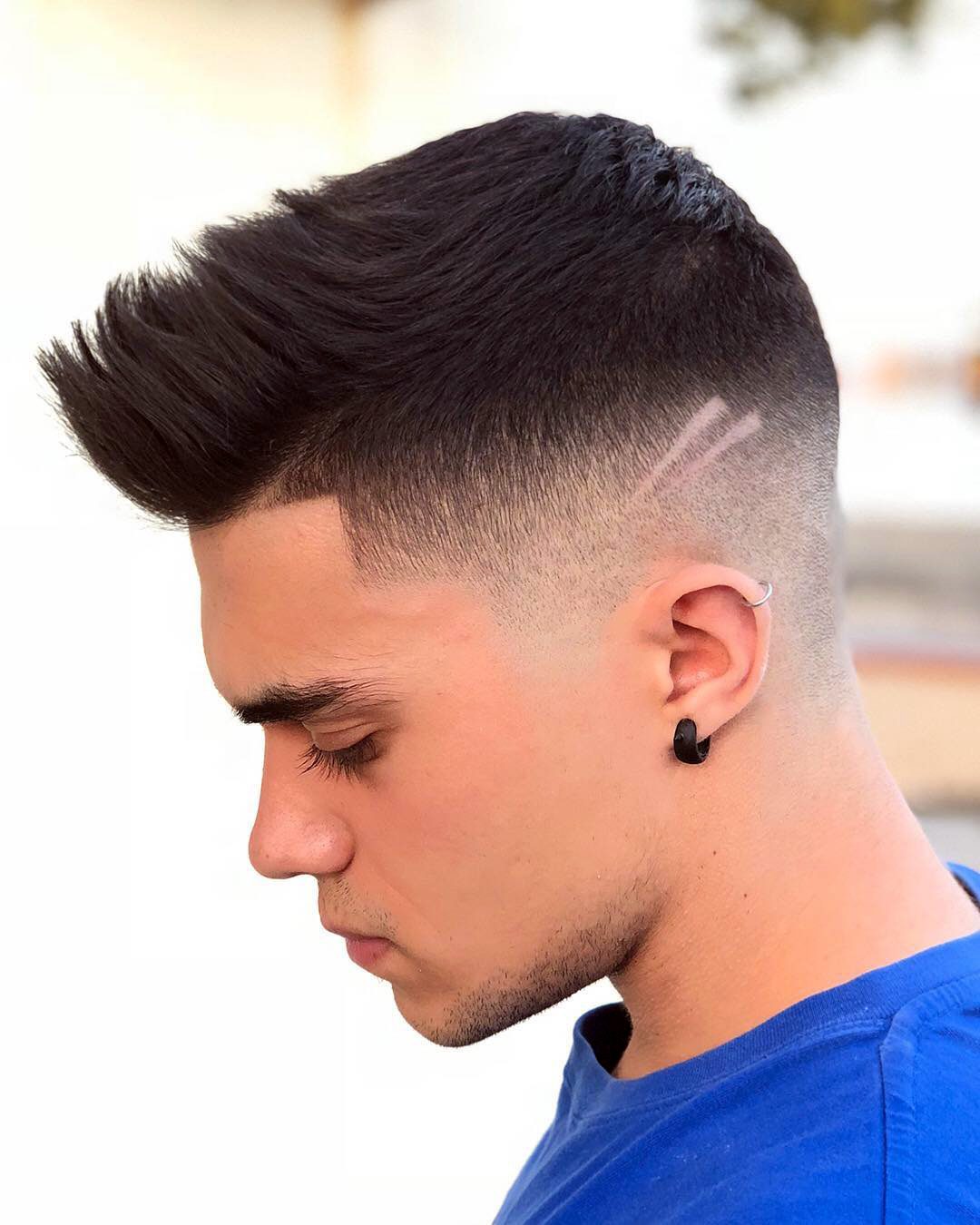
Mid Fade
If you’re not an extreme kind of guy and just looking for the perfect balance, here’s the fade for you. It has a gradual taper that feels just right. The design is optional but they add a cool touch, don’t you think?
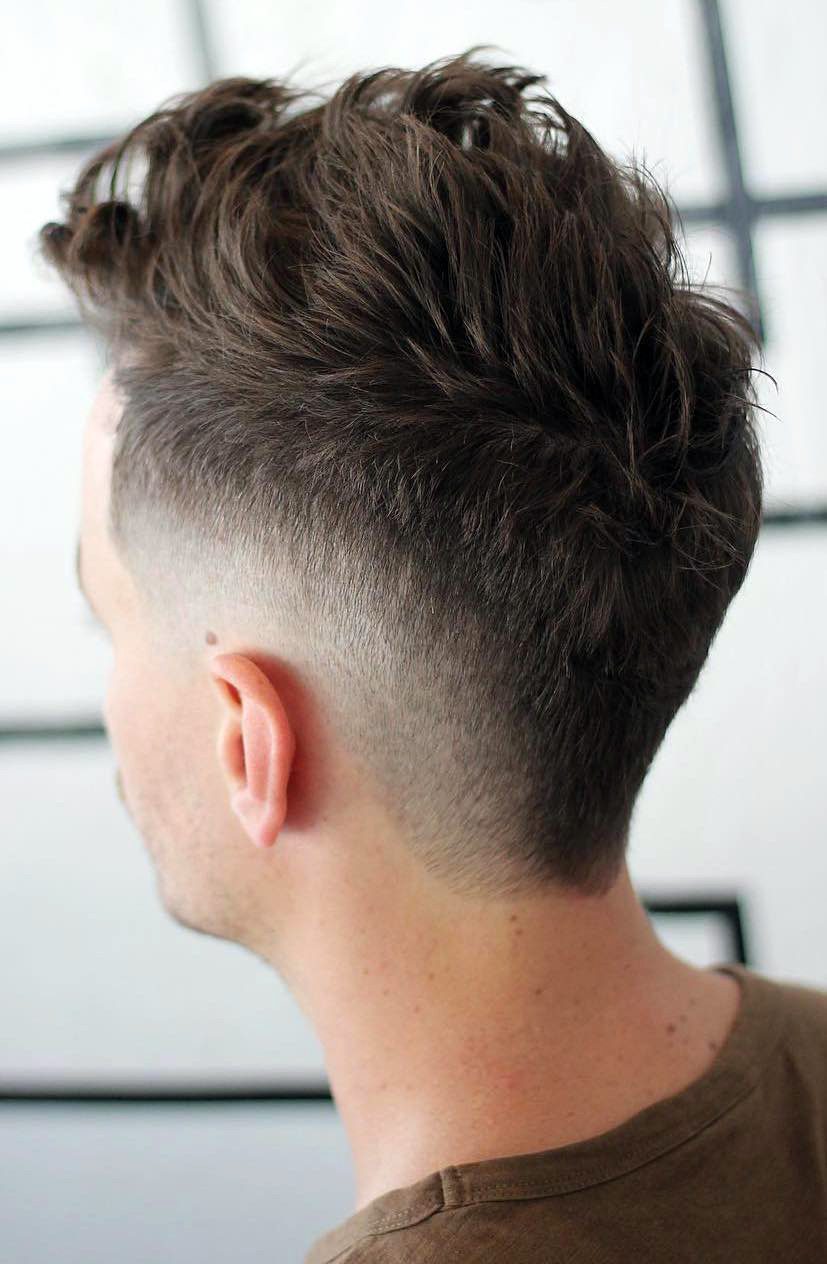
Messy Top with Burst Fade
This messy top is definitely a perfect match for the burst fade. The continuous flow of hair looks cool and stylish, kind of like a mohawk but toned down several notches.
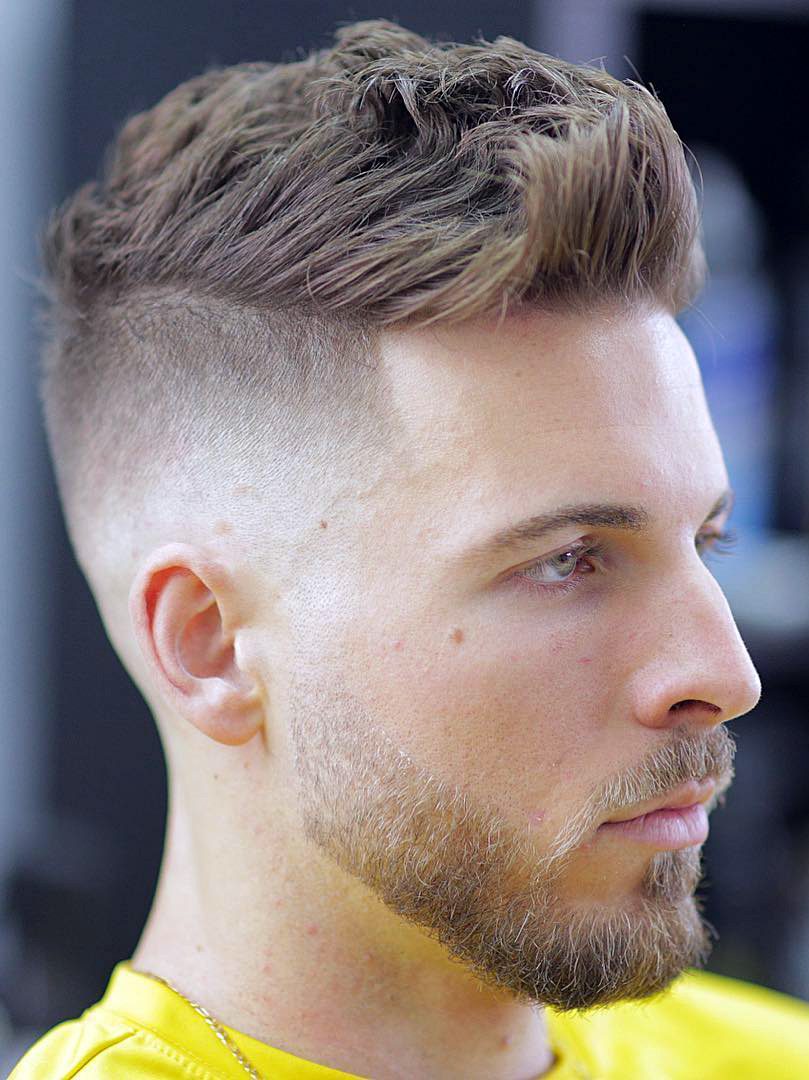
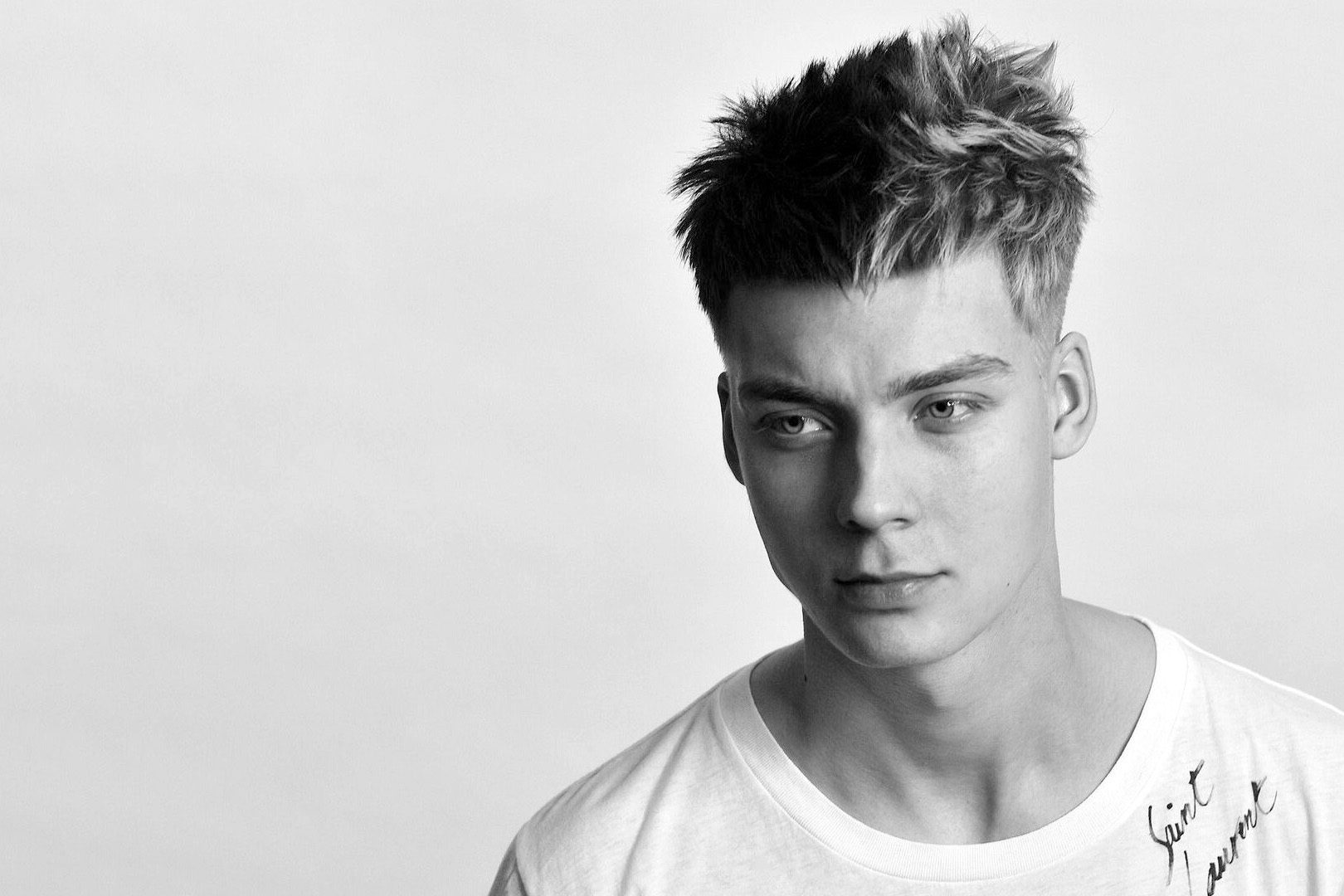
Messy Brush Up with Taper fade Blonde Hair
Here, the messy brushed-up top makes a stark contrast to the sleek fade. It’s a haircut that’s part rockstar, part schoolboy, and 100% stylish!
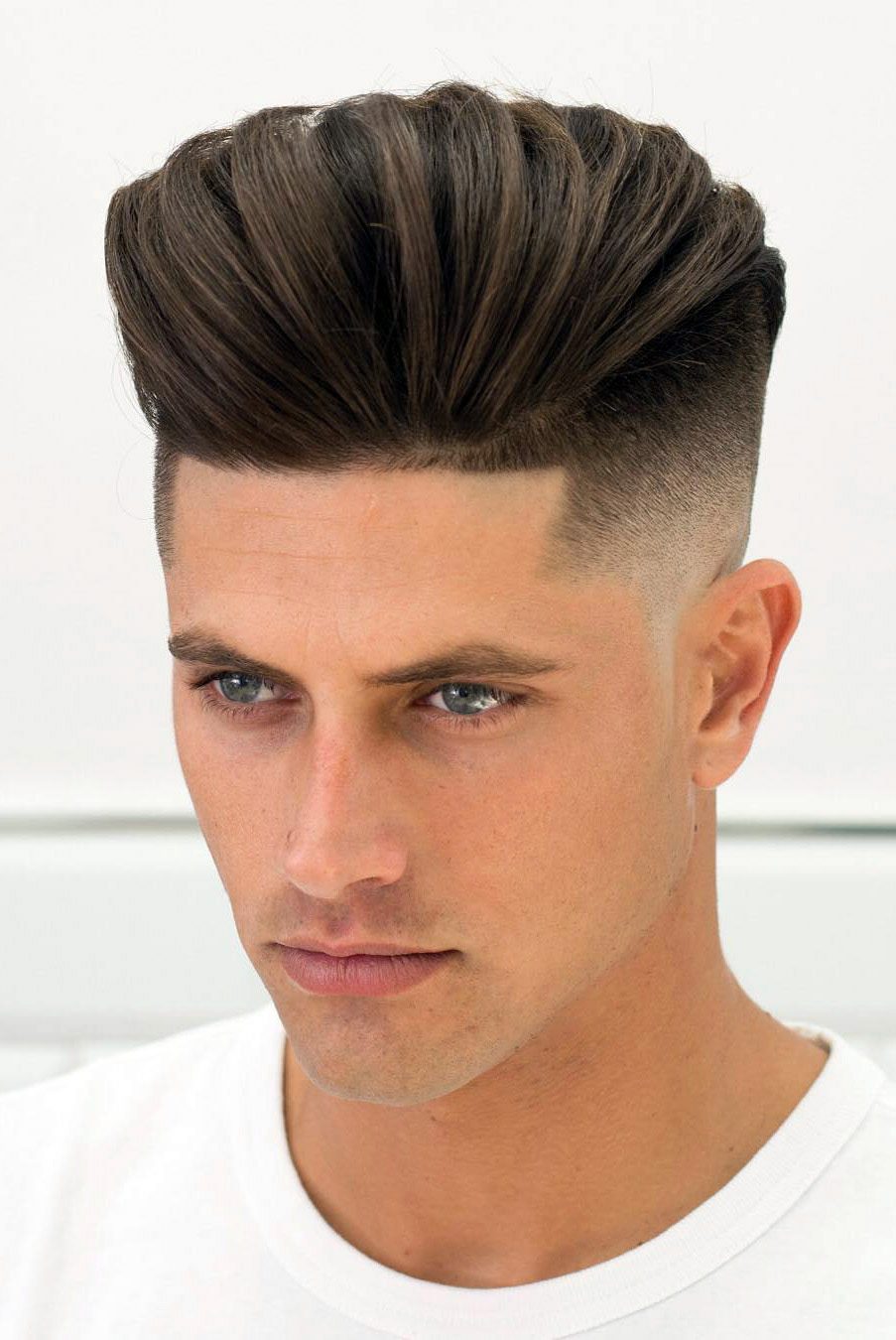
Mid Fade and Quiff
This perfectly polished look is the stuff you see on the red carpets of Hollywood or the pages of GQ. The flawless quiff works nicely with the mid fade, and the impeccably trimmed hairline adds a stylish touch as well.
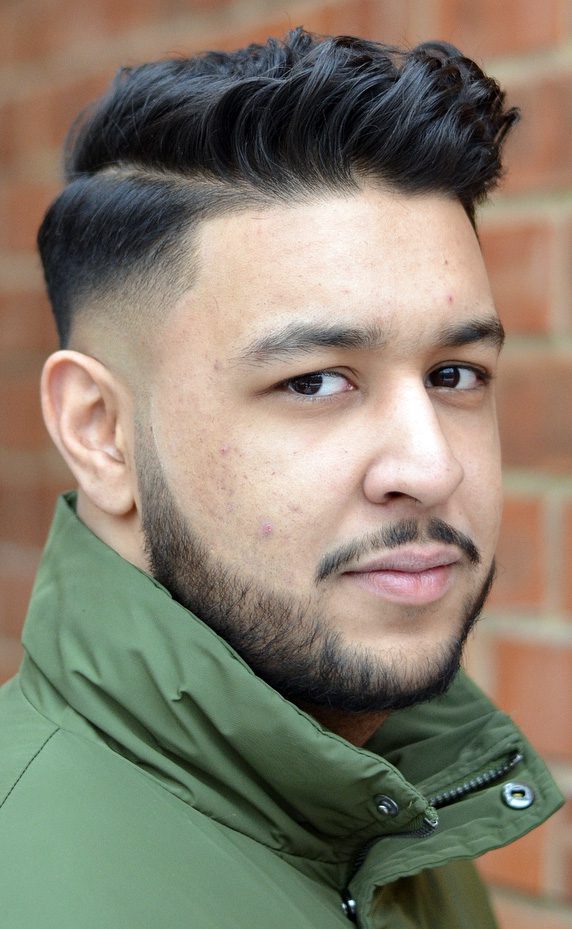
Wavy Side Part with Temple Fade
If you have wavy hair, you can try a side-parted style with a temple fade while keeping the rich wavy texture at the top. Clean at the sides, party at the top!
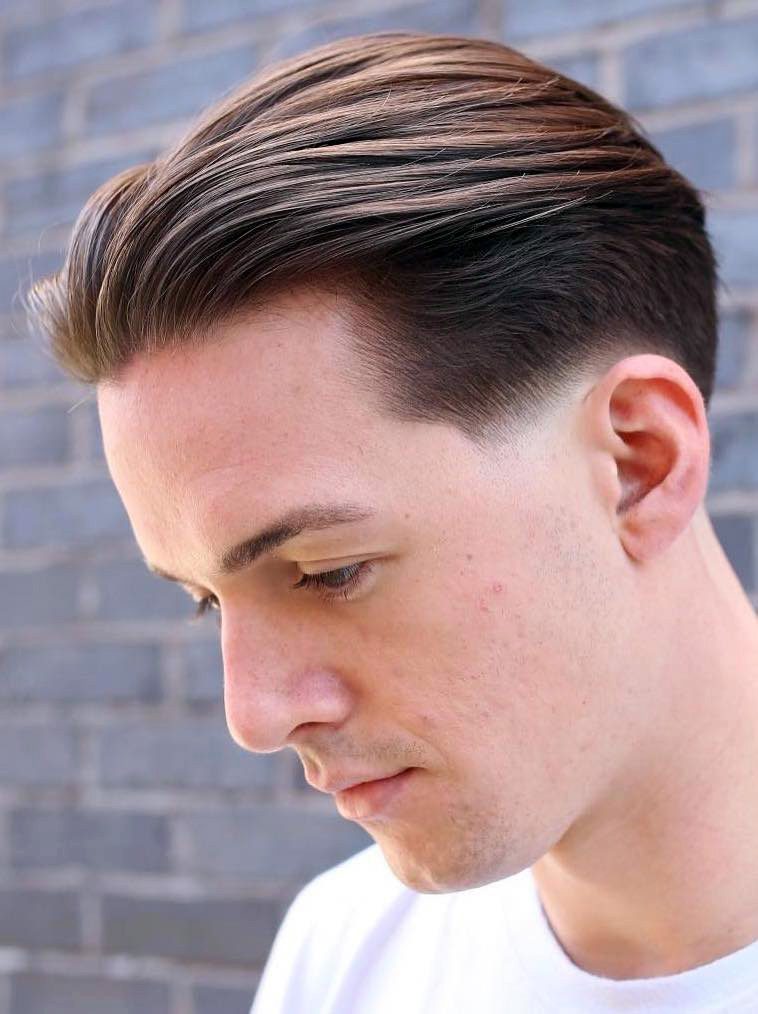
Pushed Back Silky Hair
If too short isn’t your thing, longer hair works well with fades, too. Opt for a low fade like this and wear the top in a silky pushed-back style to manage the length.
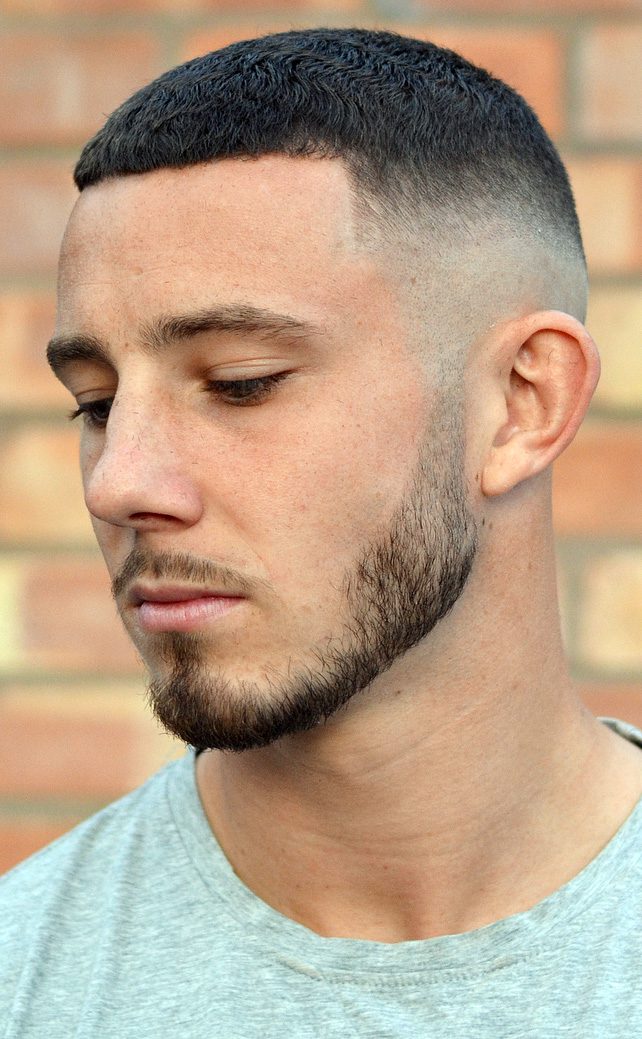
Classic Taper Fade
When all else fails, go classic. A simple crop with taper fade is probably the most effortless style you’ll ever have.
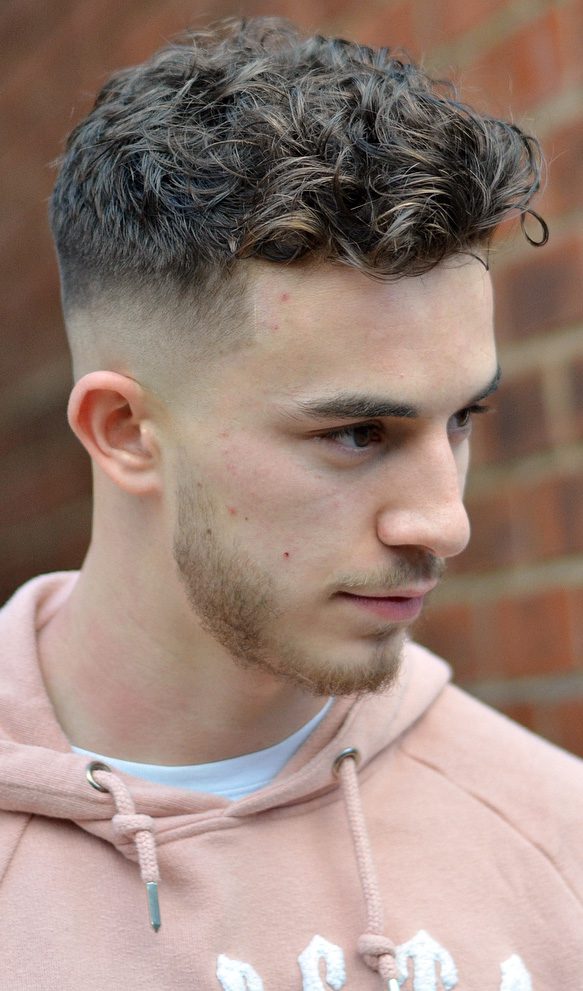
Wavy Top with Drop Fade
Don’t be afraid to experiment with different types of fades. If a high fade is too daring for you, you can opt for a drop fade which is longer at the back. Teamed with a wavy top, it makes for a really fresh look.
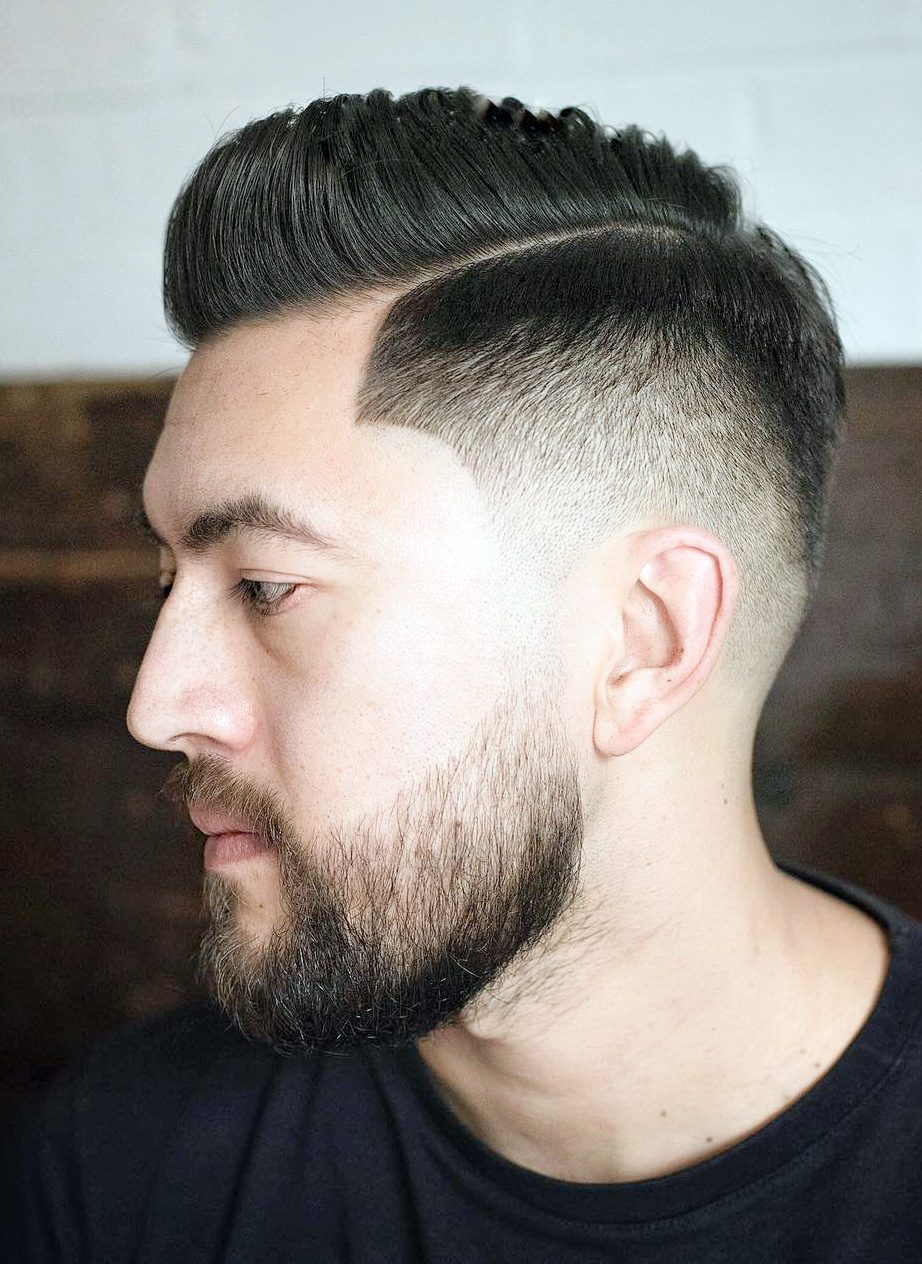
Burst Fade and Short Pompadour
A pompadour doesn’t always have to feel like a time warp from the ’50s. This one is short, simple, and modern, and the burst fade really adds to the sleekness.
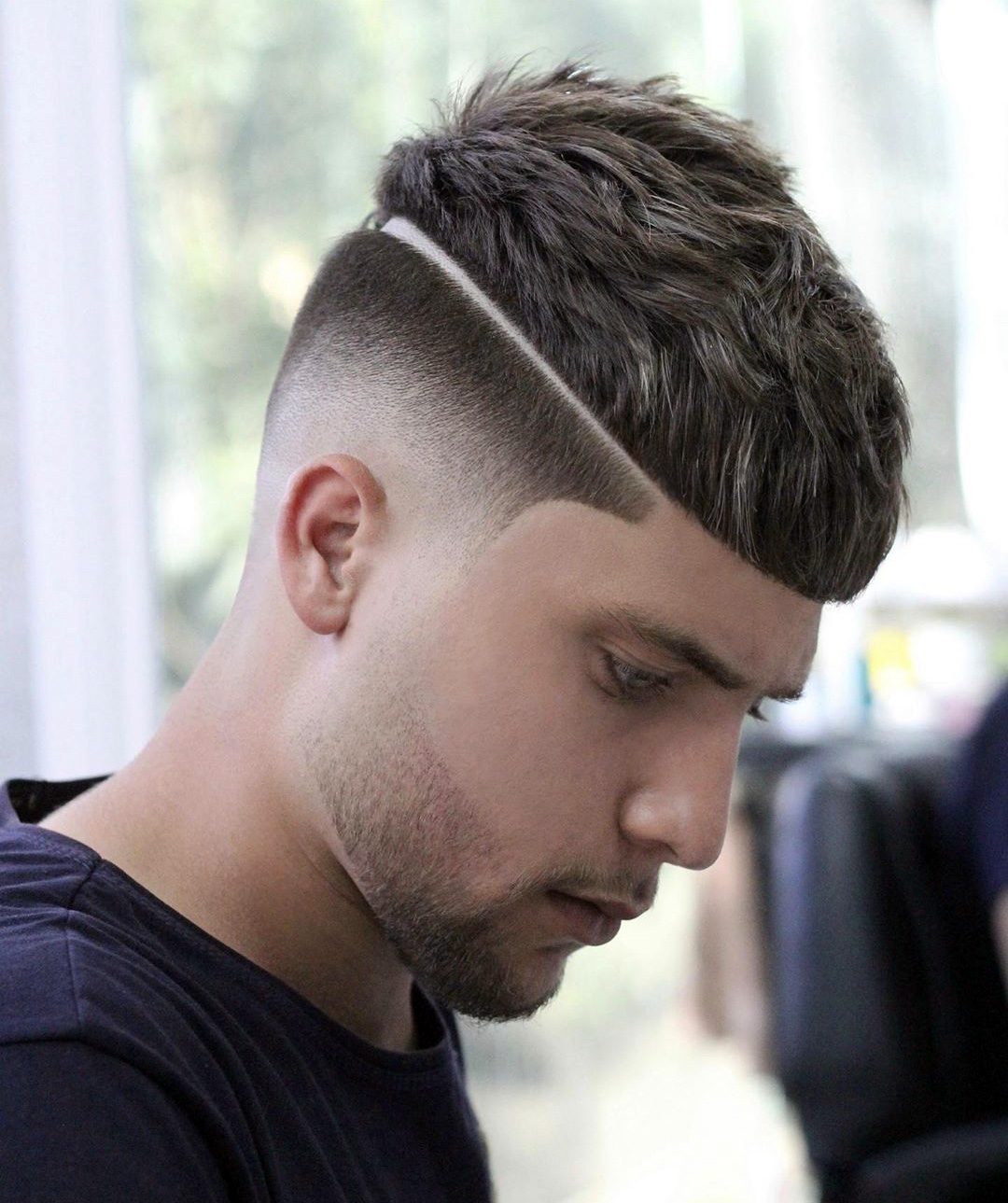
Textured Crop and Hardline Design
There’s a lot of fancy stuff going on with this cut: the textured top with the blunt fringe and highlights, the fade with perfect gradient and nicely trimmed edges, and last but not least, the hardline design. What more could you ask for?
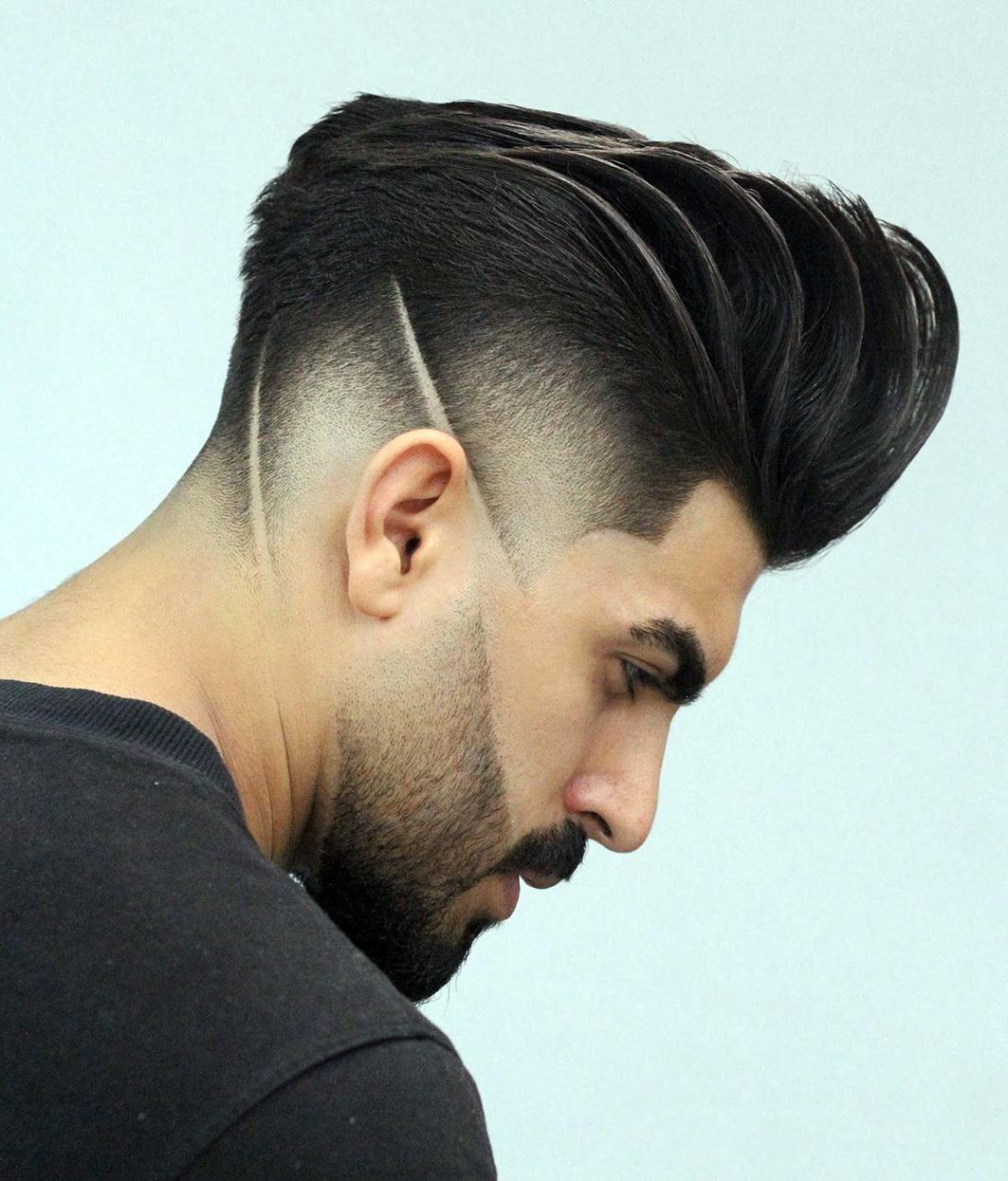
Styled Pompadour and Hardline Fade Design
We’re all familiar with vintage hairstyles but have you seen a hairstyle from the future? Neither have we, but we’re pretty sure it looks something like this. Those layers at the top, the line designs and fades (which are echoed in the beard) — this is definitely right up there in the fade hall of fame!
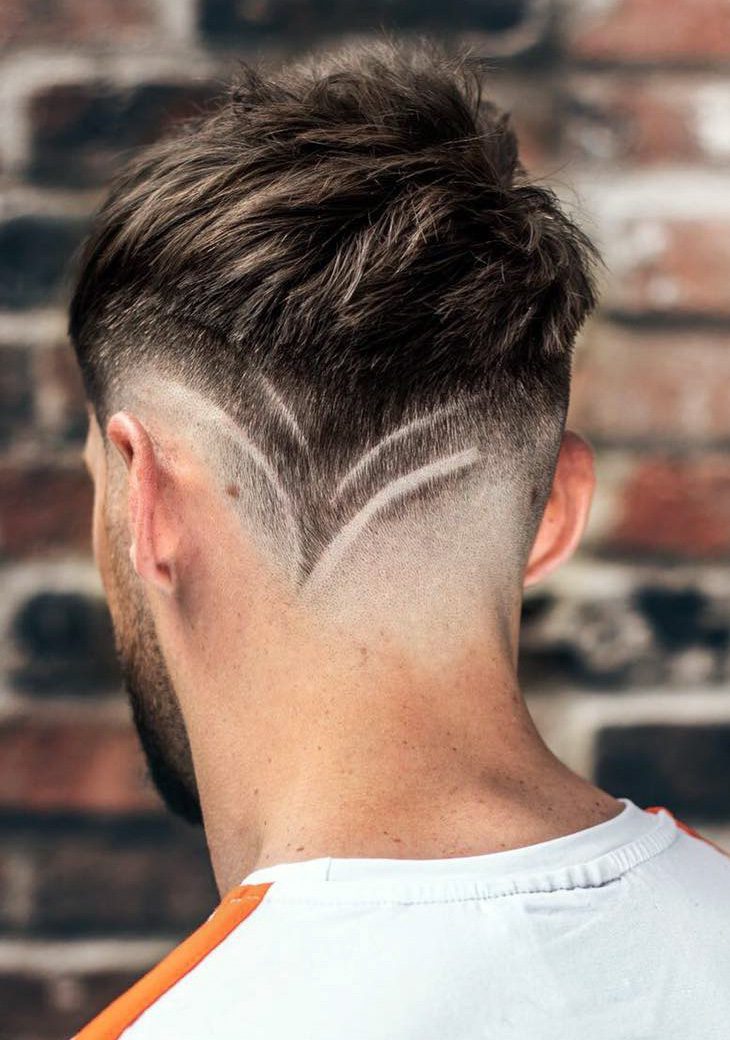
Calligraphy V Hardline Design
Giving your fade some cool designs is a sure way to turn heads. The fancier, the better — like these V calligraphy lines.
What Is a Fade Haircut?
A fade haircut is a men’s haircut in which the hair gradually transitions from longer to shorter as it moves down the sides and back of the head. The shortest part can range from slightly longer clipper lengths to completely shaved skin, depending on the type of fade.
Unlike a traditional short back and sides, a well-executed fade has a smooth transition between lengths rather than an obvious line. The fade itself describes the blending technique, while the hairstyle on top can be almost anything—from a buzz cut or crew cut to a quiff, pompadour, curls, fringe, or long textured hair.
The main types of fades are categorized by where the transition begins. Low fades start closer to the ears and neckline, mid fades begin around the middle of the sides, and high fades start higher toward the temples. Other variations, such as drop, burst, temple, skin, and shadow fades, change the shape or finish of the transition.
Types of Fade Haircuts
Fade haircuts come in several variations, and the main difference is where the fade starts and how short the hair becomes. Some fades create a subtle transition, while others produce a bold contrast between the hair on top and the sides.
Low Fade
A low fade starts close to the ears and neckline, creating a subtle transition that keeps more hair around the sides. It’s a versatile choice for men who want the clean look of a fade without an overly dramatic change.
Low fades work well with side parts, quiffs, textured crops, slick backs, and longer hairstyles. They’re also a good option if you want a fade that grows out relatively naturally.
Mid Fade
A mid fade begins around the middle of the sides of the head, creating a balanced amount of contrast. It’s one of the most versatile fade styles because it works with both short and longer hairstyles on top.
Try a mid fade with a textured crop, quiff, pompadour, side part, curls, or messy textured hair.
High Fade
A high fade starts higher on the sides, usually around the temples, creating a stronger contrast between the sides and the hair on top. It’s a bold, modern choice that works particularly well with shorter hairstyles.
High fades can be paired with crew cuts, buzz cuts, textured crops, quiffs, and other styles where you want the top to stand out.
Taper Fade
A taper fade gradually shortens the hair around the temples and neckline while leaving more length around the sides than many traditional fades. The result is a cleaner, more understated appearance.
Taper fades are especially versatile because they can work with professional hairstyles, curly hair, textured tops, and longer styles. If you want a polished haircut without a dramatic skin-to-long transition, a taper is worth considering.
Skin Fade
A skin fade, also called a bald fade, blends the hair all the way down to the skin at the shortest point. This creates a sharp, high-contrast finish and makes the transition particularly noticeable.
Skin fades can be low, mid, or high depending on where the transition begins. They’re commonly paired with textured crops, pompadours, quiffs, buzz cuts, and other modern hairstyles.
Shadow Fade
A shadow fade leaves a small amount of very short hair at the bottom rather than fading completely to bare skin. This gives the haircut a softer, darker appearance than a skin fade.
Shadow fades are a good choice if you like the clean appearance of a fade but prefer a more natural transition. They can be combined with almost any hairstyle on top.
Drop Fade
A drop fade follows the shape of the head and drops lower behind the ears instead of maintaining a straight horizontal fade line. This creates a distinctive curved appearance around the back of the head.
Drop fades work particularly well with textured, curly, and longer hairstyles because the curved transition adds shape while keeping the sides clean.
Burst Fade
A burst fade curves around the ear and expands outward toward the back of the head, creating a semicircular or burst-like shape. Unlike a traditional fade that continues evenly around the back, the burst fade concentrates the fading around the ear.
It’s commonly paired with mohawks, faux hawks, mullets, curls, and other statement hairstyles.
Temple Fade
A temple fade, sometimes called a temp fade, focuses the fade around the temples and sideburns rather than dramatically shortening the entire side of the head.
Because it preserves more length elsewhere, a temple fade is a useful option for men who want a subtle change while keeping a longer hairstyle on top and around the sides. It’s especially popular with curly, wavy, and textured hair.
Which Type of Fade Should You Choose?
The best fade depends on the look you want, your hair type, and how much maintenance you’re comfortable with. Choose a low fade for a subtle appearance, a mid fade for a balanced and versatile style, or a high fade for stronger contrast.
If you want the shortest possible finish, consider a skin fade. For a softer transition, try a shadow fade or taper fade. A drop, burst, or temple fade changes the shape and placement of the fade and can give a familiar haircut a more distinctive look.
When visiting your barber, specify both the type and height of the fade and show a reference photo. For example, instead of simply asking for “a fade,” you could ask for a low skin fade with a textured top or a mid taper fade with curly hair left longer on top.
Best Fade Haircuts by Hair Type
A fade can work with almost any hair texture, but the best version depends on how your hair naturally behaves.
Fade Haircuts for Straight Hair
Straight hair pairs well with clean, structured fades because the contrast between the neatly blended sides and the longer top is easy to see. Try a low fade with a side part, a mid fade with a quiff, or a high fade with a textured crop.
Fade Haircuts for Wavy Hair
A fade can make natural waves stand out by removing bulk from the sides while leaving texture on top. Low fades and mid fades work especially well with wavy quiffs, side parts, messy tops, and longer textured styles.
Fade Haircuts for Curly Hair
Curly hair and fades make a particularly strong combination. Keeping the curls longer on top while gradually shortening the sides creates contrast without sacrificing the natural texture. Consider a low fade, mid fade, drop fade, or burst fade depending on how much contrast you want.
Fade Haircuts for Thick Hair
A fade can remove weight from the sides while allowing you to keep plenty of length on top. Mid and high fades work well with thick textured crops, quiffs, pompadours, and brushed-up styles.
Fade Haircuts for Fine or Thinning Hair
A fade can create a cleaner, more uniform appearance around the sides when the hair on top is finer. Shorter textured styles can work particularly well because they avoid weighing down the hair. If you’re experiencing significant thinning, discuss the desired length and fade height with your barber rather than choosing solely from a photo.
How to Choose the Right Fade Haircut
Choosing a fade comes down to more than picking a number. Before your haircut, consider four things: fade height, how short you want the sides, the hairstyle on top, and how often you want to maintain it.
1. Choose the Fade Height
A low fade creates a subtle transition close to the ears and neckline. A mid fade provides a balanced amount of contrast, while a high fade creates a more noticeable transition higher up the sides.
2. Decide How Short You Want the Fade
You can ask for a fade that leaves some visible hair at the bottom or one that goes all the way down to the skin. A skin or bald fade creates more contrast, while a shadow fade leaves a softer, darker finish.
3. Choose the Haircut on Top
The fade is only one part of the haircut. Pair it with a quiff, pompadour, crop, crew cut, buzz cut, side part, fringe, curls, slick back, or textured top depending on your preferred style.
4. Consider Maintenance
The shorter and sharper the fade, the more quickly regrowth can become noticeable. If you want a haircut that grows out more naturally, consider a lower or softer fade rather than an extremely high skin fade.
5. Bring a Reference Photo
A photo is often the easiest way to communicate exactly what you want. Show your barber both the fade you like and the hairstyle you want on top, then ask them to adjust the cut for your hair texture and head shape.
Best Fade Haircuts for Men by Face Shape
Your face shape can help you decide how high, low, or wide to make your fade. While there are no strict rules for matching a fade to your face, adjusting the amount of height and width can help create more balanced proportions.
Fade Haircuts for Oval Faces
Oval faces are naturally well balanced, so most fade styles can work. Low, mid, and high fades can all look good when paired with the right hairstyle on top.
If you want a classic appearance, try a low or mid fade with a side part or textured top. For a sharper, more modern look, a high fade with a quiff or cropped style can add definition.
Best choices: Low fade, mid fade, taper fade, textured fade, high fade.
Fade Haircuts for Round Faces
For a round face, adding some height on top while keeping the sides relatively tight can create the appearance of a longer, more defined face. A mid or high fade works particularly well with hairstyles that add volume.
Try pairing the fade with a quiff, pompadour, textured crop, or brush-up. Avoid adding excessive bulk around the sides if you want to minimize the appearance of facial width.
Best choices: Mid fade, high fade, skin fade, high fade with quiff, textured fade.
Fade Haircuts for Square Faces
Square faces have a strong jawline and naturally angular proportions. A fade can emphasize those features, while a textured hairstyle on top can add some softness.
A low or mid fade is a versatile choice for a balanced appearance. If you prefer a more dramatic style, a high fade can emphasize the strong structure of a square face.
Best choices: Low fade, mid fade, taper fade, textured fade, high fade.
Fade Haircuts for Oblong Faces
Oblong faces are longer than they are wide, so you may want to avoid adding excessive height on top. A low fade or taper fade can preserve more visual width around the sides while keeping the haircut clean.
Medium-length texture, a side-swept top, or a fringe can also help balance the proportions. Extremely high fades combined with tall hairstyles may make the face appear longer.
Best choices: Low fade, taper fade, drop fade, textured fringe with fade.
Fade Haircuts for Heart-Shaped Faces
Heart-shaped faces tend to be wider around the forehead and narrower toward the chin. A balanced fade combined with texture or volume on top can help create more even proportions.
A low or mid fade is a good starting point, particularly when paired with a side-swept style, textured fringe, or medium-length top.
Best choices: Low fade, mid fade, taper fade, textured top, side-swept fade.
Fade Haircuts for Diamond Faces
Diamond faces are typically widest around the cheekbones, with narrower areas around the forehead and jaw. Keeping some fullness around the sides can help balance these proportions.
A low fade, taper fade, or drop fade can work well when paired with a textured top. Avoid automatically choosing the tightest possible fade if you want to preserve some width around the sides.
Best choices: Low fade, taper fade, drop fade, textured fade.
Don’t Choose a Fade Based on Face Shape Alone
Face shape is only one factor when choosing a fade. Your hair texture, density, growth pattern, preferred hairstyle, and maintenance routine can be just as important.
A barber can also adjust the fade to work with the shape of your head and the way your hair naturally grows. Use these recommendations as a starting point, then choose a fade that fits your personal style and the amount of maintenance you’re willing to handle.
Final Thoughts
Fade haircuts are popular for good reason: they can make almost any men’s hairstyle look cleaner, sharper, and more defined. From the subtle finish of a low fade or taper fade to the bold contrast of a high fade or skin fade, there is a fade for almost every hair type and personal style.
When choosing your fade, consider where you want the fade to start, how short you want the sides, what hairstyle you want on top, and how often you’re willing to visit the barber. Your hair texture and face shape can also help narrow down the best options.
Most importantly, don’t be afraid to customize the cut. A fade isn’t a one-size-fits-all hairstyle. Your barber can adjust the height, length, transition, and shape to work with your hair and head shape.
Save a few photos of your favorite fade haircuts and take them to your barber. A clear reference photo, combined with a conversation about the look and maintenance level you want, is the easiest way to turn your inspiration into a haircut that actually works for you.
FAQs
Are fade haircuts high maintenance?
It depends on the type of fade. A skin fade or very high fade generally requires more frequent barber visits to maintain its sharp appearance. A low fade, taper fade, or shadow fade can be more forgiving as it grows out. Your hairstyle on top can also affect how much daily styling is required.
What should I tell my barber when asking for a fade?
Tell your barber what type of fade you want, how high you want it to start, how short you want the shortest section, and what you want to keep on top. For example: “I’d like a low skin fade with about three inches left on top and enough length to style it back.” Bringing a reference photo can make your desired result even clearer.
Does a fade work for thinning hair?
A fade can work well with thinning hair because keeping the sides shorter can create a cleaner overall appearance. Shorter textured hairstyles on top may also help fine hair look fuller. If you’re experiencing significant thinning, ask your barber to recommend a fade height and top length that work with your particular hair density.
How often should you get a fade?
Most fades need regular maintenance because the gradual transition becomes less defined as the hair grows. The exact timing depends on how quickly your hair grows and how sharp you want the fade to remain. Skin fades and very short fades usually require more frequent cleanups, while taper and softer fades can grow out more naturally.